


Steak and mushrooms is the kind of pairing that survives every food trend because the biology actually backs it up. Both ingredients are dense in glutamic acid, the amino acid responsible for the savory taste called umami, and when you cook them together that umami gets multiplied through a reaction food scientists call synergy. The result is a dinner that tastes richer than the sum of its parts, with no special skills required.
Here's the straightforward, science-friendly guide to cooking steak and mushrooms at home: which cuts and varieties pair best, how to handle each side of the pan, and the small techniques that separate a good plate from a great one.
Why the Pairing Works

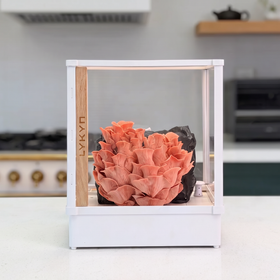
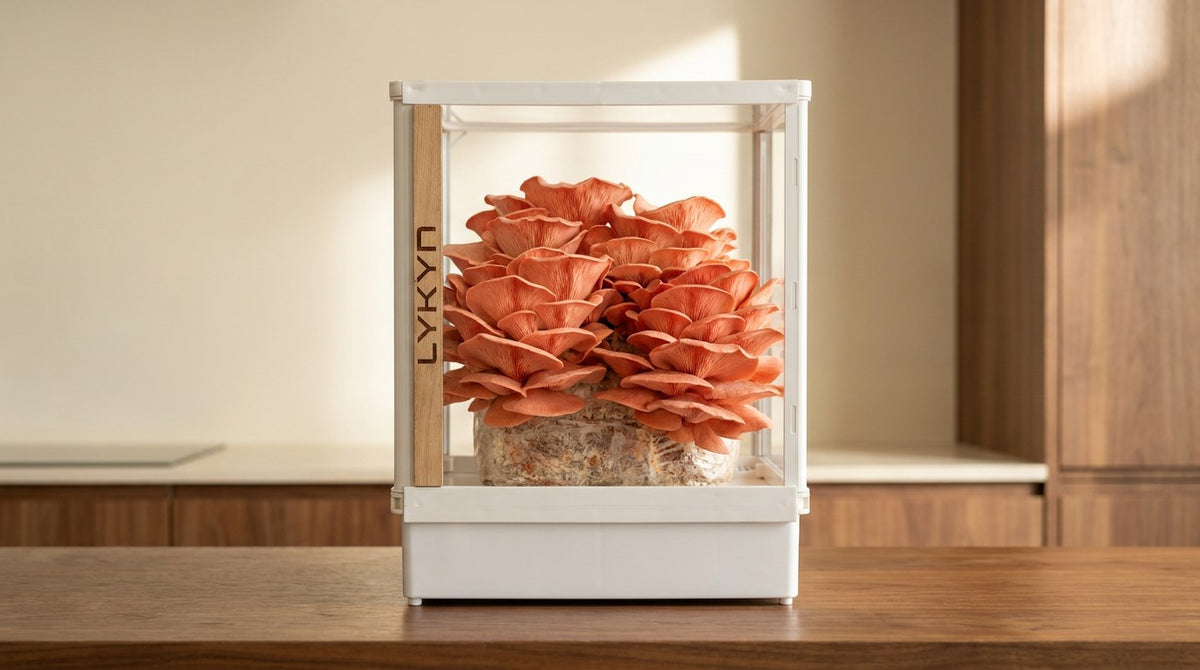
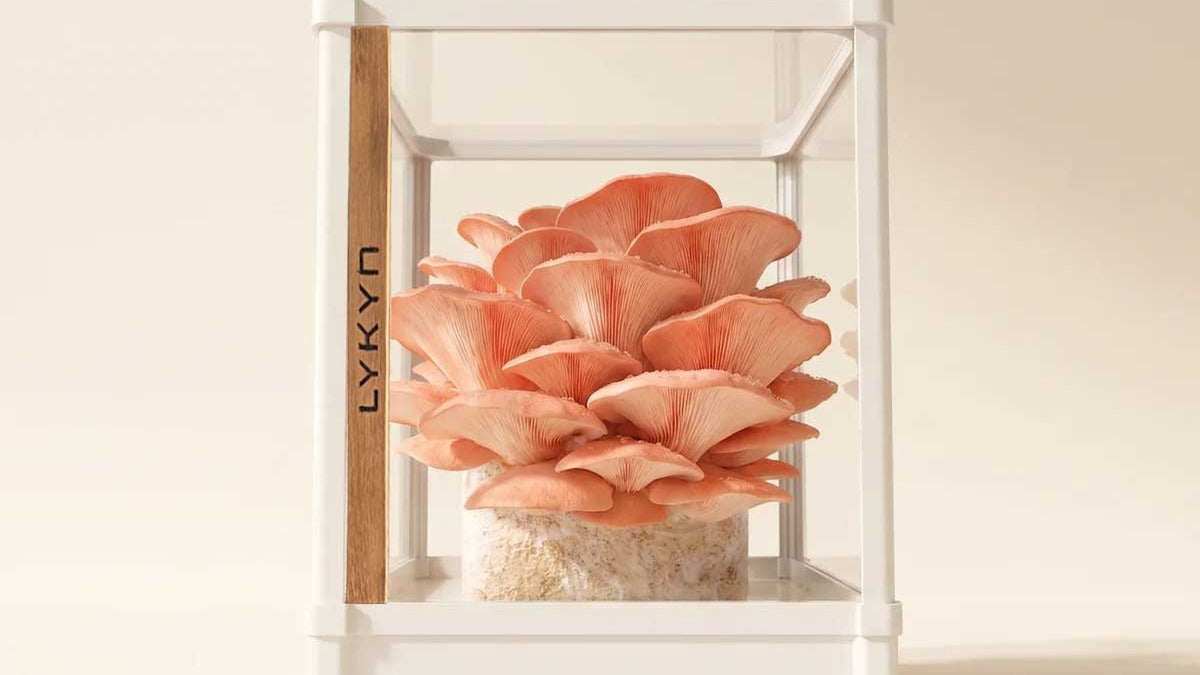
Smart Chamber. Bone White Single
- 2.8L tank, 90% humidity automatic
- App-controlled, plug-and-play
- 6 lb block ceiling, in stock

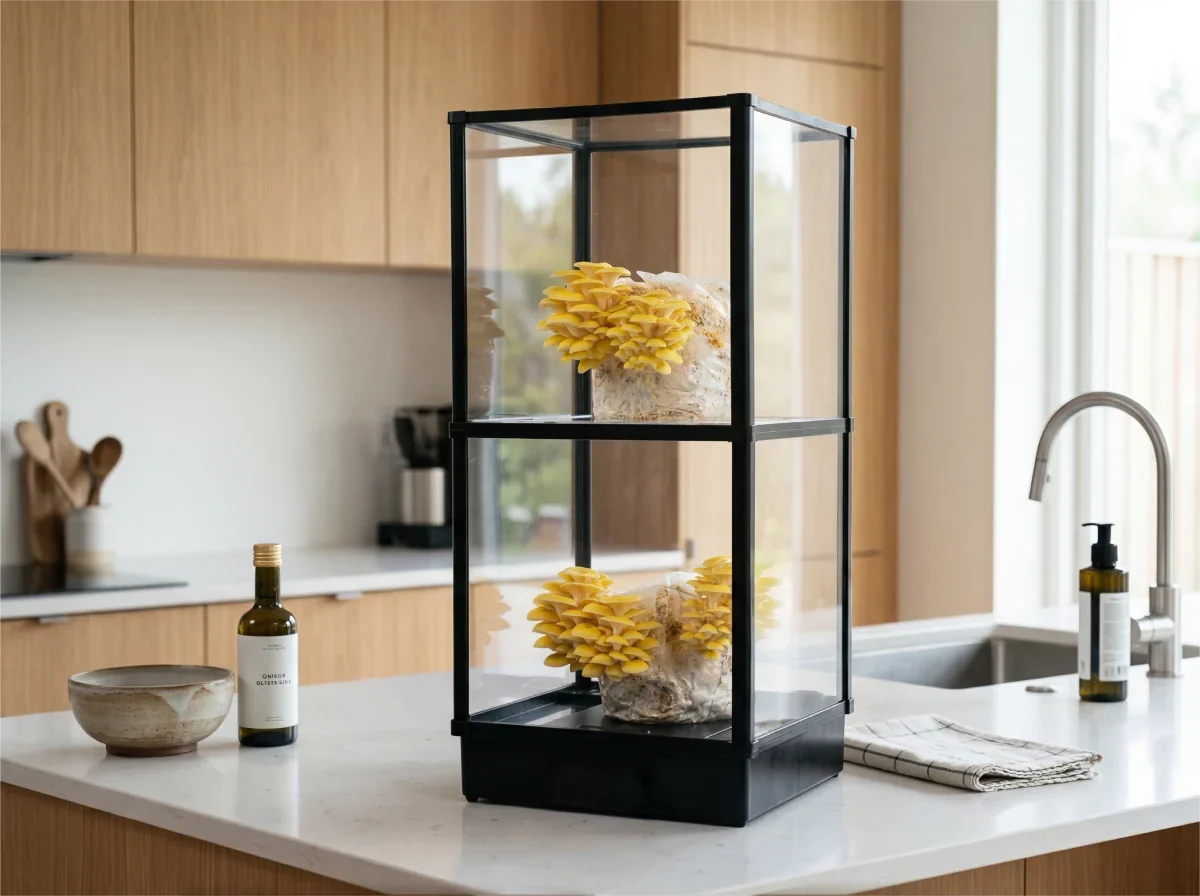
Smart Chamber. Obsidian Black Single
- Same hardware as Bone White
- Matte black premium finish
- Pairs with any kitchen palette

Steak contains roughly 1 to 2 percent glutamate by wet weight. Mushrooms contain 0.1 to 0.5 percent glutamate plus high levels of two nucleotides, inosinate and guanylate. When glutamate combines with these nucleotides, the perceived umami intensity jumps by a factor of seven or eight. This isn't marketing language; it's been measured in controlled taste panels going back to the 1960s.
The practical takeaway: you don't need expensive cuts or fancy mushrooms to make this dish taste expensive. A modest sirloin and a handful of cremini will outperform a premium ribeye eaten alone.
Picking the Steak
For weeknight cooking, three cuts hit the sweet spot of flavor, tenderness, and price:
- Sirloin steak (top sirloin or center-cut): lean, beefy, forgiving, around $9 to $14 per pound at most U.S. grocery stores.
- Ribeye: marbled, rich, more expensive at $16 to $25 per pound, but it tolerates a wider cooking-time window because of the fat content.
- Flat iron: tender second only to filet mignon, around $11 to $16 per pound, and underused.
Whichever you choose, look for steaks at least 1 inch thick. Thinner cuts overcook in the time it takes to develop a proper crust. Pull the steak out of the refrigerator 30 to 45 minutes before cooking to take the chill off the interior, which helps it cook evenly.
Picking the Mushrooms
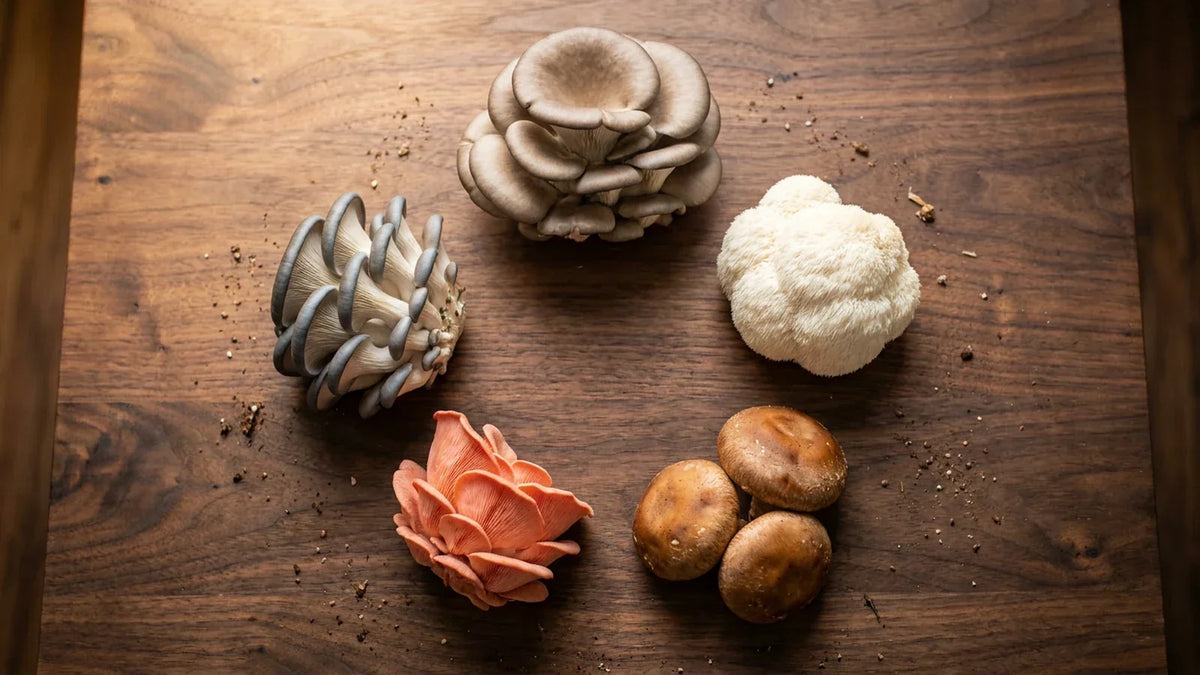
Almost any mushroom works with steak, but four varieties consistently shine:
- Cremini (baby bella): firm texture, deep flavor, widely available.
- Portobello: same species as cremini at full maturity. Slice thick or grill whole as a side.
- Shiitake: meaty caps with a smoky, almost bacon-like quality. Discard the woody stems.
- King trumpet (eryngii): dense, scallop-like texture when sliced into thick rounds. Excellent for searing.
Skip the basic white button if you have other options. They work, but cremini and shiitake have noticeably more flavor for only a small price difference.
Step 1: Salt the Steak Early
Pat the steak dry with a paper towel, then season both sides generously with kosher salt. If you have 45 minutes or more, salting early lets the salt dissolve, draw moisture out, then reabsorb back into the meat with the seasoning. This is called dry brining, and it produces a noticeably more flavorful steak with a better crust.
Add freshly cracked black pepper just before cooking. Pepper applied too early can scorch in a high-heat pan.

Fuel Your Mushroom Journey
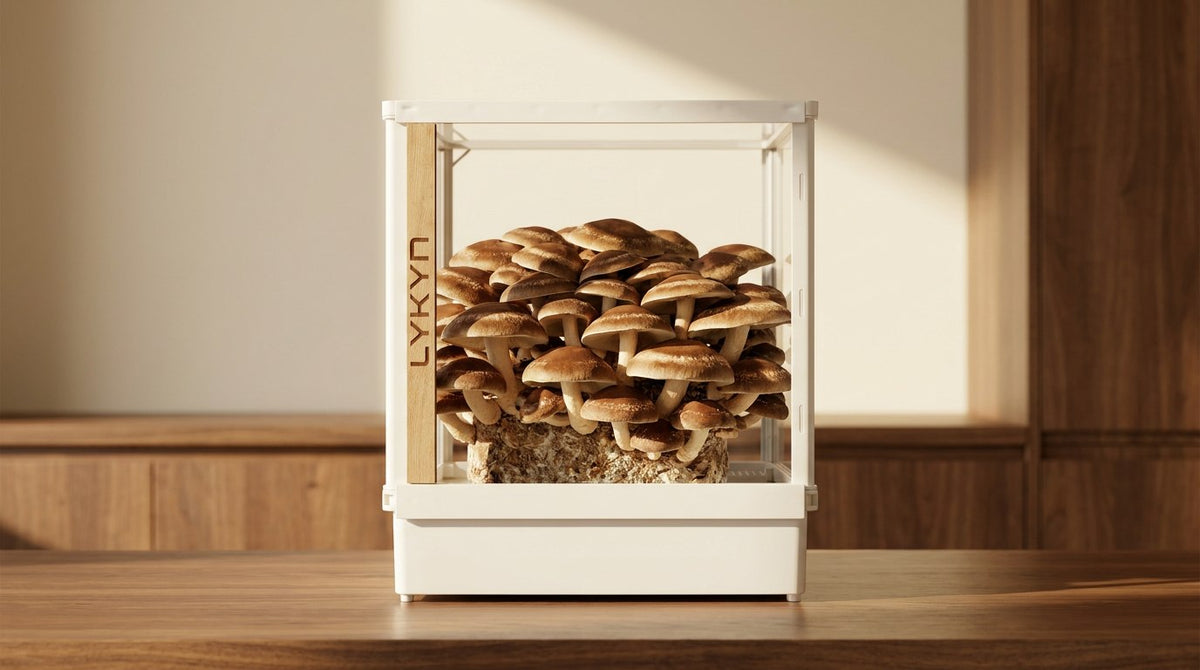
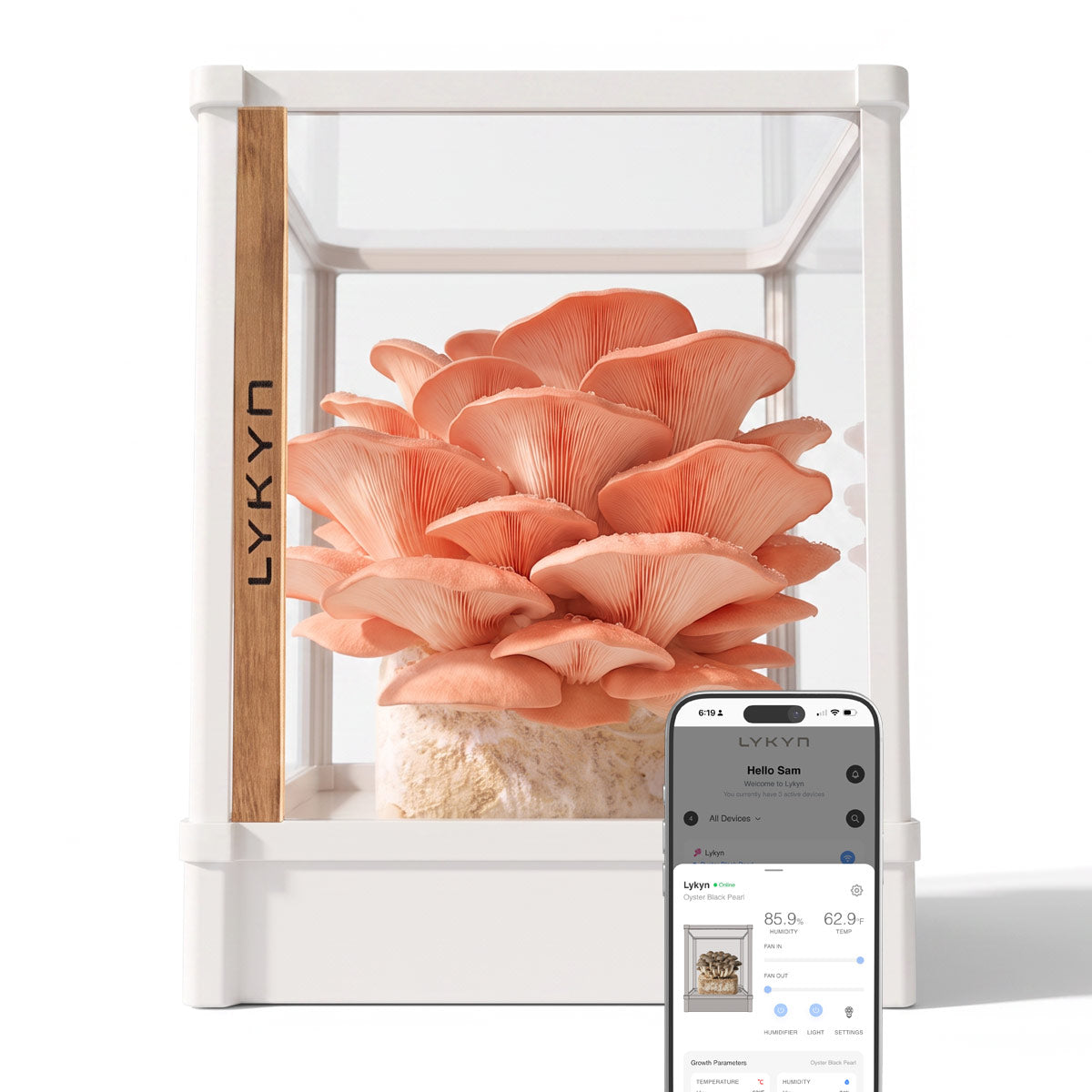
Smart Mushroom Grow Chamber
Plug-and-play smart chamber with humidity, light, and airflow dialed in for every species. Beginners harvest their first flush in days, not months.
Add to cart $299Step 2: Prep the Mushrooms Properly
The single most important mushroom technique is dry pan first. Slice or quarter the mushrooms, then heat a dry skillet over medium-high until very hot. Add the mushrooms in a single layer, no oil, no butter, and let them sit until they release their water and start to brown. This takes about 5 to 7 minutes.
Mushrooms are 90 percent water. Adding oil at the start traps that water around the mushrooms and turns them into a sad, gray, rubbery pile. Cooking dry forces the water out first, then the surface can actually brown. Once you see color and the pan is mostly dry, add 1 to 2 tablespoons of butter, a clove or two of crushed garlic, and a pinch of salt. Toss for another minute or two and remove from heat.
Step 3: Sear the Steak Hot and Fast
Use a heavy skillet (cast iron, carbon steel, or thick stainless) heated until it's nearly smoking. Add a tablespoon of high-smoke-point oil like avocado or refined grapeseed, swirl to coat, then lay the steak away from you to avoid splatter.
Don't move the steak for 3 to 4 minutes. The crust forms when the surface proteins and sugars undergo the Maillard reaction, and that requires direct, uninterrupted contact with the hot metal. Flip once, cook another 3 to 4 minutes, and check internal temperature with an instant-read thermometer:
- 125 degrees F for rare
- 130 to 135 degrees F for medium-rare (most recommended)
- 140 to 145 degrees F for medium
Add a tablespoon of butter, a sprig of thyme, and a smashed garlic clove to the pan in the last minute. Tilt the pan and spoon the melted butter over the steak repeatedly. This is called basting, and it adds flavor and helps the surface stay glossy.
Step 4: Rest, Then Reunite
Transfer the steak to a cutting board and let it rest for at least 5 minutes. Resting lets the juices redistribute through the meat. If you slice immediately, those juices end up on the cutting board instead of in the meat.
While the steak rests, return the mushrooms to the warm pan to reheat. Slice the steak against the grain into 1/2-inch pieces, plate with the mushrooms, and pour the resting juices over the top.
Building a Pan Sauce in 5 Minutes
If you want to elevate the dish without much extra work, build a quick pan sauce in the same skillet after removing the steak. Add a finely chopped shallot to the residual fat, cook 60 seconds, then deglaze with 1/4 cup of dry red wine or beef stock. Scrape up the browned bits, reduce by half, then whisk in a tablespoon of cold butter off heat. Salt to taste, drizzle over the plate.
Sides That Don't Compete
Steak and mushrooms is rich and savory, so sides should be bright or starchy:
- Roasted potatoes with rosemary
- Sauteed spinach with garlic and lemon
- A simple arugula salad with shaved Parmesan
- Grilled asparagus
- Crusty bread for sopping up the pan sauce
Growing Your Own Mushrooms
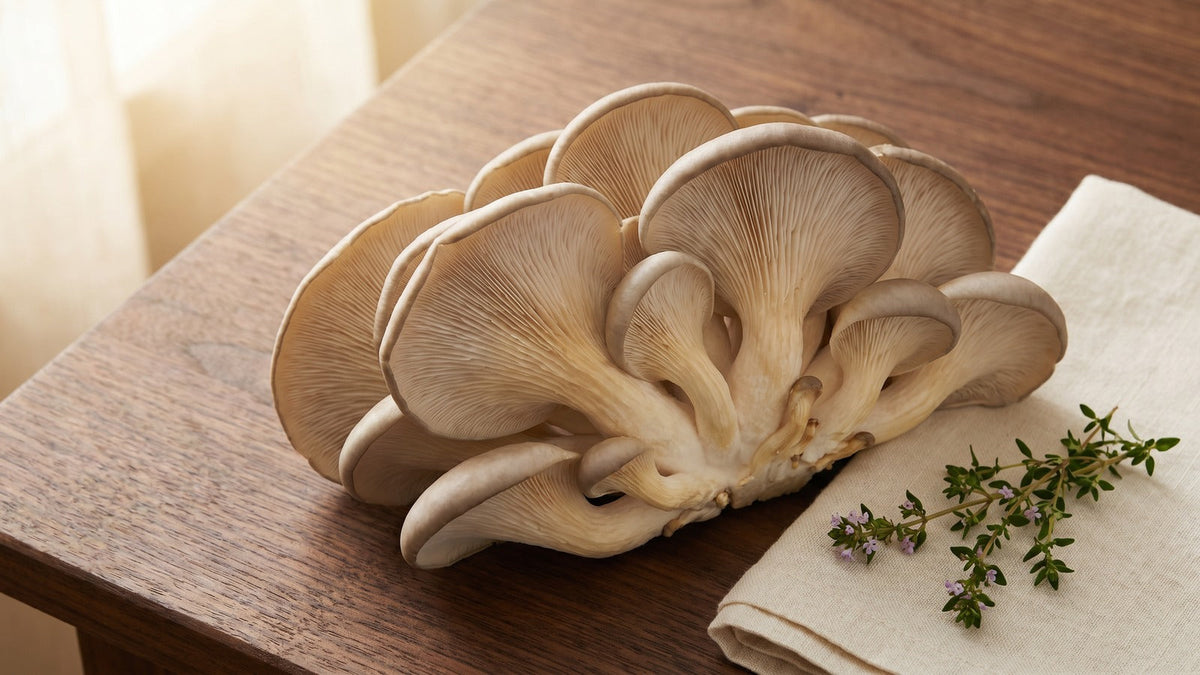
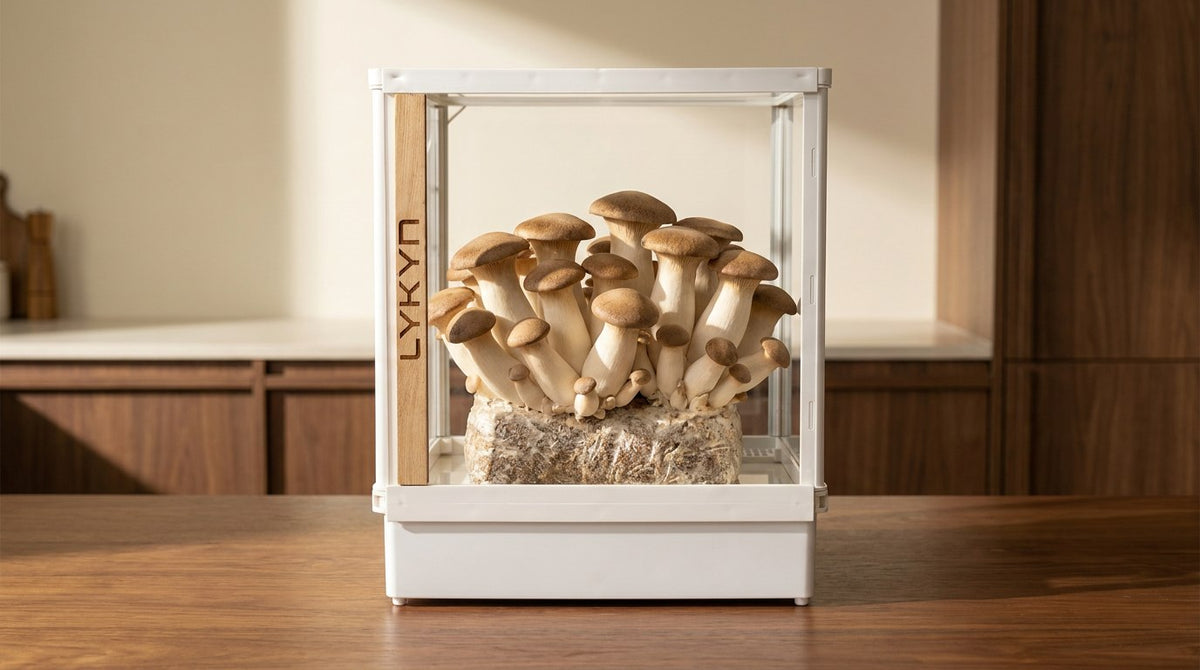
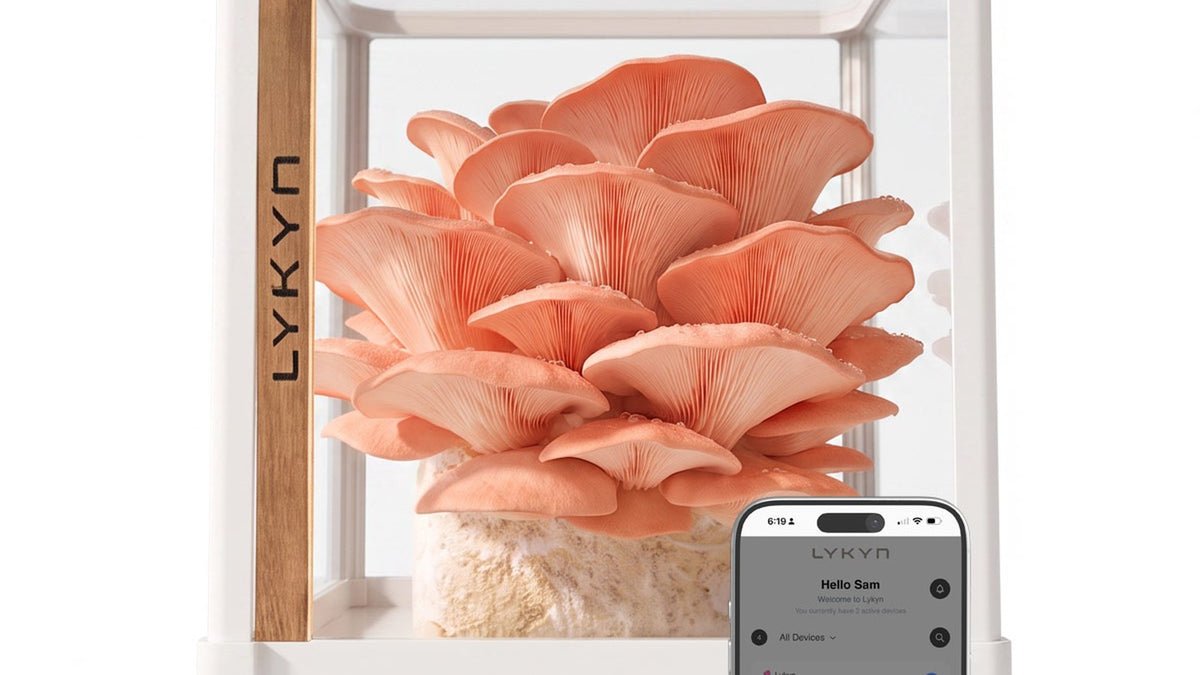
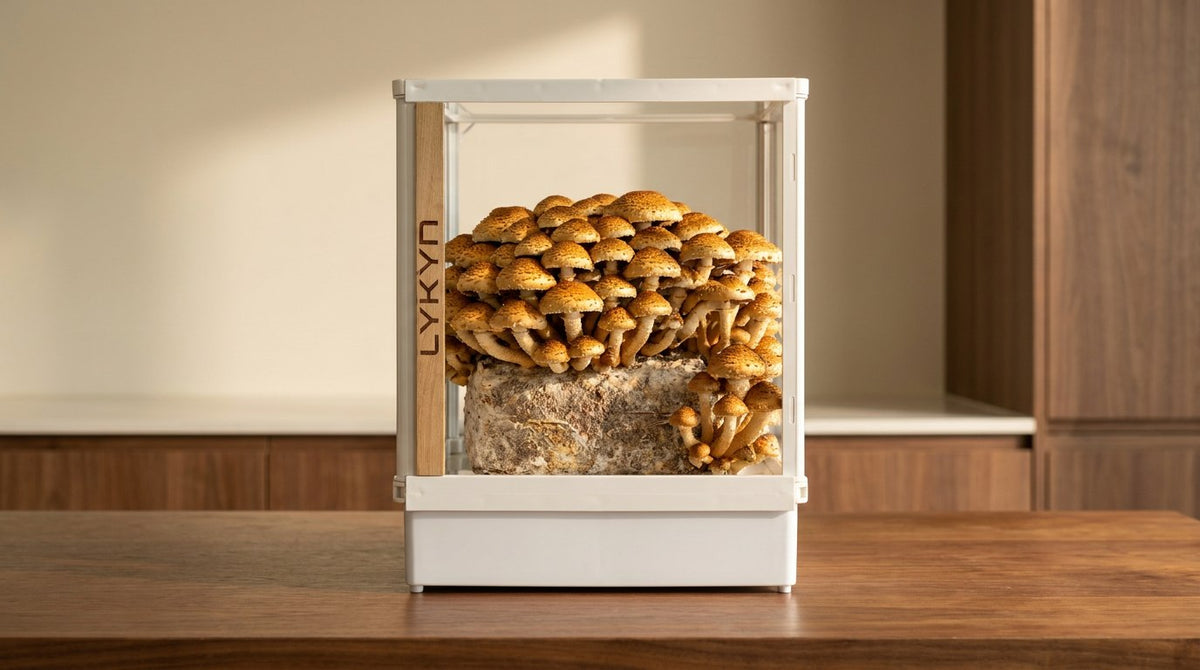
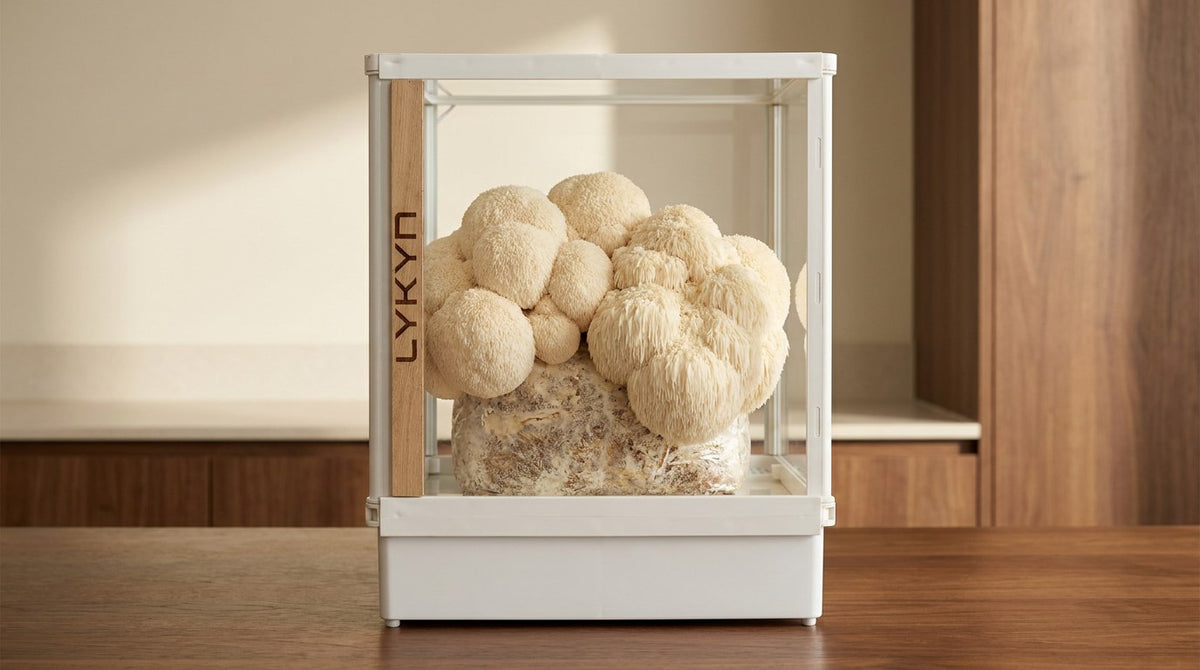
If you cook steak and mushrooms more than a few times a month, growing your own becomes weirdly worth it. A countertop kit produces fresher mushrooms than any supermarket, with denser texture and more pronounced flavor. Oyster and king trumpet are particularly good for pan-searing alongside steak. A grow kit from Lykyn's mushroom grow kits harvests in about a week and yields more than a pound of fresh mushrooms.
Steak and mushrooms doesn't need overhauling. It needs respect for the basics: a dry pan for the mushrooms, a hot pan for the steak, salt early, rest before slicing. Get those four things right and the rest is almost automatic.
Share:
Shimeji Mushrooms: Types, Taste, and How to Cook Them
Shimeji Mushrooms: Types, Taste, and How to Cook Them