


Shimeji mushrooms are the small, clustered mushrooms with rounded caps and crisp white stems that show up in Japanese ramen, Korean stews, and Chinese stir-fries. The name "shimeji" actually covers several species in the Hypsizygus and Lyophyllum genera, but the two you'll see most often in grocery stores are bunashimeji (brown beech mushroom, Hypsizygus tessellatus) and buna-shimeji's white cousin, alba shimeji or white beech mushroom. Both grow in tight clusters that share a common base, and both are cultivated indoors at industrial scale in Japan, Korea, and now the United States.
The thing to know about shimeji is that they're inedible raw and outstanding cooked. Eat one straight from the package and you'll taste a bitter, slightly metallic note that disappears the moment heat hits the cap. Two minutes in a hot pan and that same mushroom turns nutty, savory, and pleasantly chewy. This guide covers identification, cultivation, taste, cooking technique, and why shimeji deserves a permanent slot in your refrigerator.
What is a shimeji mushroom?

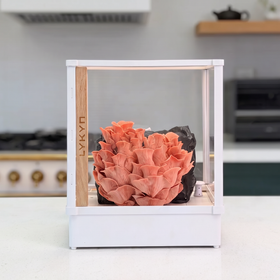
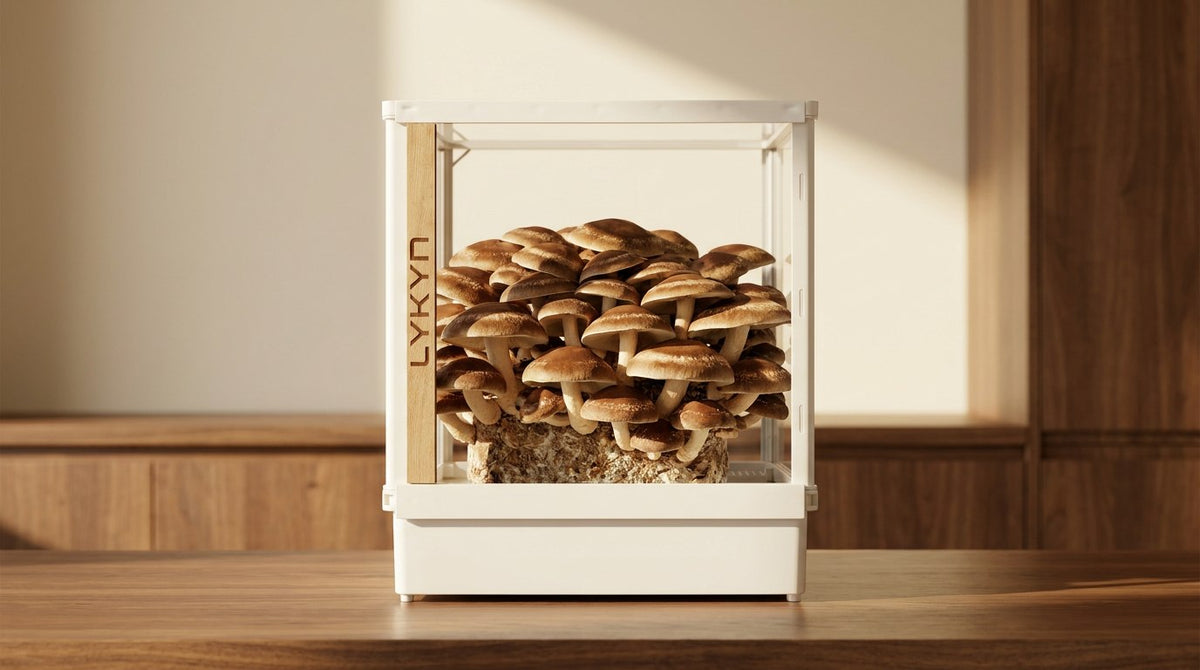
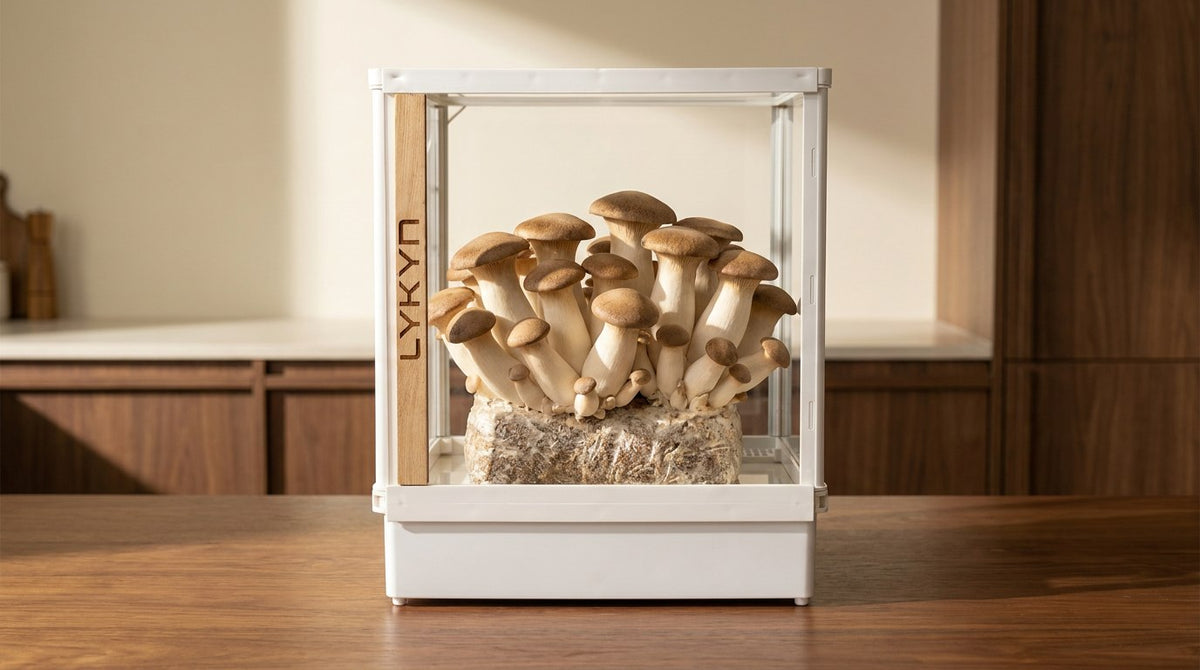
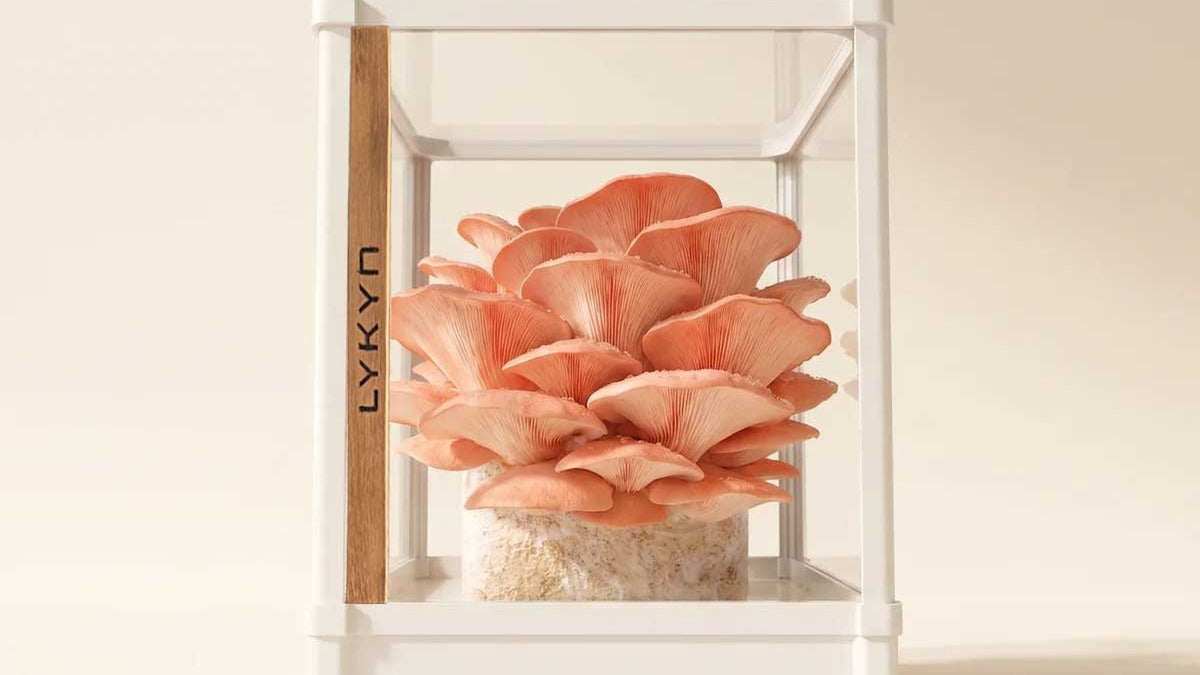
Smart Chamber. Bone White Single
- 2.8L tank, 90% humidity automatic
- App-controlled, plug-and-play
- 6 lb block ceiling, in stock

Smart Chamber. Obsidian Black Single
- Same hardware as Bone White
- Matte black premium finish
- Pairs with any kitchen palette

Two species dominate the category. Bunashimeji has a tan to dark brown cap (1 to 2 inches wide) with a marbled or "tessellated" surface pattern, sitting on a white stem 2 to 3 inches long. The cluster shares a thick white base that's usually trimmed off before cooking. White or alba shimeji is genetically the same species, selected and grown to produce caps without pigment, so the whole cluster comes out cream-colored.
A third common type, hon-shimeji (Lyophyllum shimeji), is genuinely different. It has a thicker stem, a slightly larger gray-brown cap, and was wild-only for most of culinary history. It's now cultivated on a smaller scale and commands a premium price for its richer flavor.
All three are sold in the small "fairy ring" clusters of 30 to 60 caps sharing a substrate base. They're easy to identify in stores because no other commercially cultivated mushroom shares the same tight clustered form factor.
Where shimeji comes from
In the wild, bunashimeji grows in beech and other hardwood forests in Japan, Korea, China, and parts of Northern Europe, fruiting in autumn on dead or dying logs. The wild season is short and yields are modest, which is why nearly every shimeji you eat is cultivated.
Commercial production uses a sterilized sawdust-and-grain substrate packed into 1-liter polypropylene bottles. The bottles are inoculated with spawn, incubated for around 90 days, and then triggered to fruit by lowering the temperature and humidity in stages. From inoculation to harvest takes 100 to 110 days. Japan produces over 100,000 tons annually, with most going to domestic ramen, hot pot, and stir-fry markets.
Bunashimeji can be grown at home but it's slower and more particular than oyster or lion's mane. Most home cultivators stick with species that fruit in 10 to 20 days from a ready-to-grow block rather than the 12 to 16-week shimeji timeline.
Taste and texture
Cooked shimeji is mildly nutty, slightly sweet, and has a satisfying snap when you bite a stem. The caps stay tender while the stems hold a crisp-tender bite, which is part of what makes the cluster format so popular: every mouthful gets two textures. The flavor is more subtle than shiitake but more complex than button mushroom, and it pairs well with butter, garlic, soy sauce, sake, dashi, miso, and most green vegetables.
Raw shimeji has a noticeable bitterness because of a class of unstable compounds that break down at around 140°F. Even brief cooking eliminates the bitterness completely, so always cook shimeji before eating, even when you're using them as a garnish.

Fuel Your Mushroom Journey
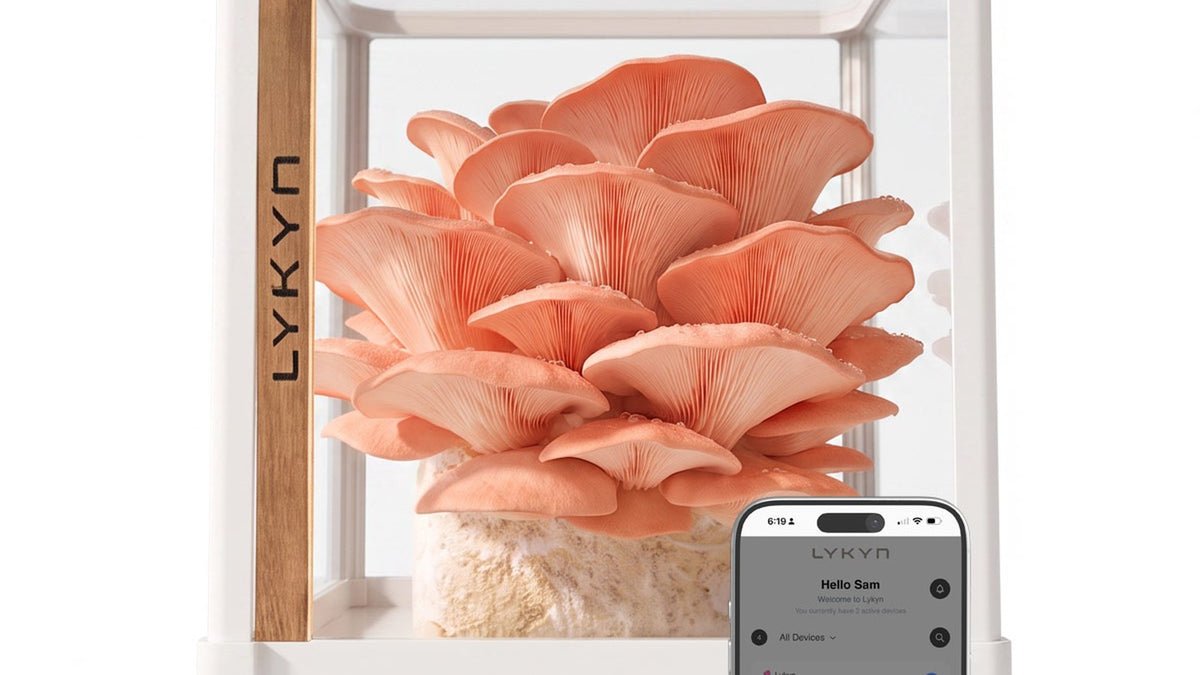
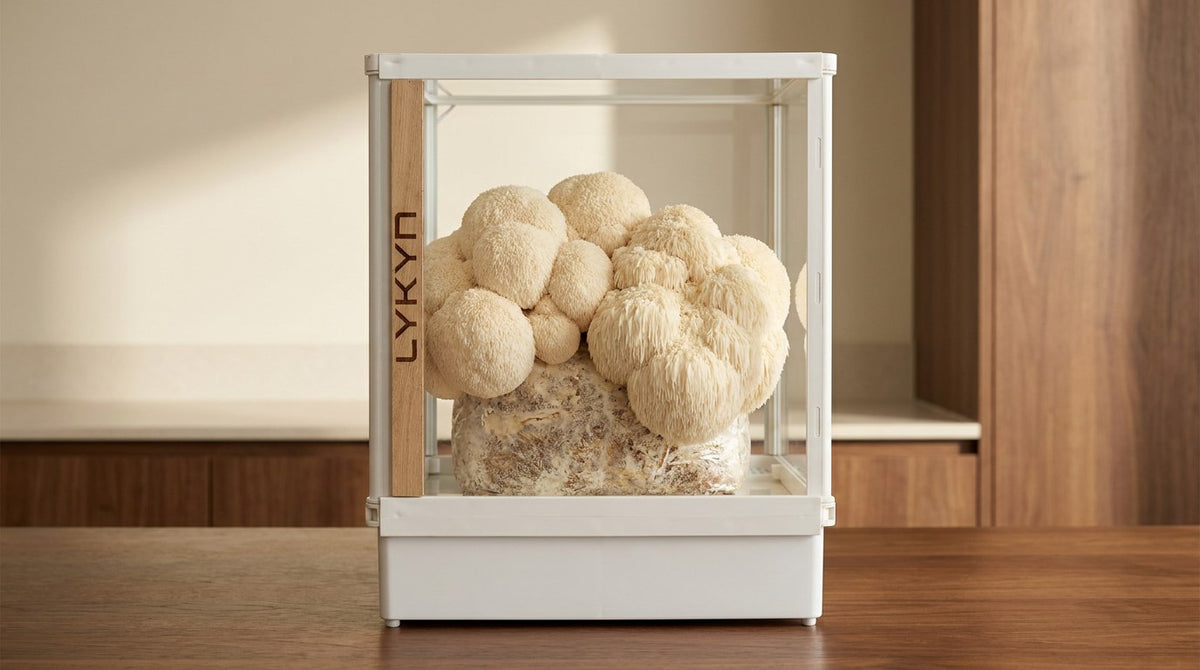
Smart Mushroom Grow Chamber
Plug-and-play smart chamber with humidity, light, and airflow dialed in for every species. Beginners harvest their first flush in days, not months.
Add to cart $299How to cook shimeji mushrooms
Three rules cover most preparations. First, separate the cluster: cut off the bottom inch (the gritty substrate base) and pull the individual stems apart, or leave them in small clumps of 3 to 5. Second, cook them hot and fast. A wok or large skillet over high heat with a tablespoon of oil, 2 to 3 minutes of stir-frying, finished with a splash of soy sauce or butter at the end. Third, don't overcook. The stems lose their crispness if you simmer them for more than 5 minutes.
Five classic preparations show off the species. In ramen, drop the cluster into the broth for the last 60 seconds before serving. In hot pot, add them in the final 2 minutes. In a stir-fry, add them after the aromatics but before the leafy vegetables. In a foil packet on the grill with butter, garlic, and a splash of sake, they steam-roast in 8 to 10 minutes. And in scrambled eggs, fold a small handful of pre-cooked shimeji into the curds at the very end.
Two pairings worth remembering: shimeji + butter + soy is the universal seasoning combination. Shimeji + miso + scallion is the universal soup base.
Buying and storing shimeji
Look for clusters where the caps are firm and dry, the stems are bright white, and there's no slime or wet patches on the substrate base. Caps that look shriveled or wet are past their prime.
Stored properly, fresh shimeji keeps for 7 to 10 days. The right method is a paper bag inside the vegetable drawer of your refrigerator. Plastic wrap or sealed plastic containers trap moisture and turn the cluster slimy in 3 days. Don't wash shimeji until you're ready to cook; the substrate-grown product is already clean enough to use straight from the package after trimming the base.
You can freeze cooked shimeji in airtight containers for up to 3 months. Freezing raw shimeji is not recommended; ice crystal damage destroys the texture that makes them worth eating.
Health and nutrition
A 100-gram serving of cooked shimeji provides around 21 calories, 1 gram of fiber, 2 grams of protein, and trace amounts of B vitamins, copper, and selenium. Shimeji also contains beta-glucans, a class of polysaccharides that are being studied for immune-supportive properties, though clinical research on this specific species is limited. Like most cultivated mushrooms, they're a low-calorie, low-fat way to add umami and texture without adding much to your overall energy intake.
Wild shimeji versus cultivated
Wild hon-shimeji has been called the "king of mushrooms" in Japanese cuisine for centuries. The wild flavor is richer and more complex than cultivated shimeji, with a pronounced umami note that the cultivated species only hints at. If you find wild hon-shimeji in a specialty grocer or at a foraged-mushroom counter, the premium price is justified.
For everyday cooking, cultivated bunashimeji is a workhorse: cheap, consistent, easy to find, and resilient in the pan. Most home cooks who want fresh mushrooms with predictable harvest dates do better with species that perform well as ready-to-grow blocks, like oyster and lion's mane via mushroom grow kits. Shimeji stays on the grocery list.
The bottom line on shimeji
Shimeji is the small, clustered mushroom that turns weeknight dinners into something better. Cook it hot, cook it fast, and never eat it raw. Once you've got the technique down, a single $3 cluster is enough to lift a bowl of ramen, a quick stir-fry, or a side of scrambled eggs into something that tastes like more work than it actually was.
Share:
Steak and Mushrooms: How to Cook the Classic Pairing
Steak and Mushrooms: How to Cook the Classic Pairing