


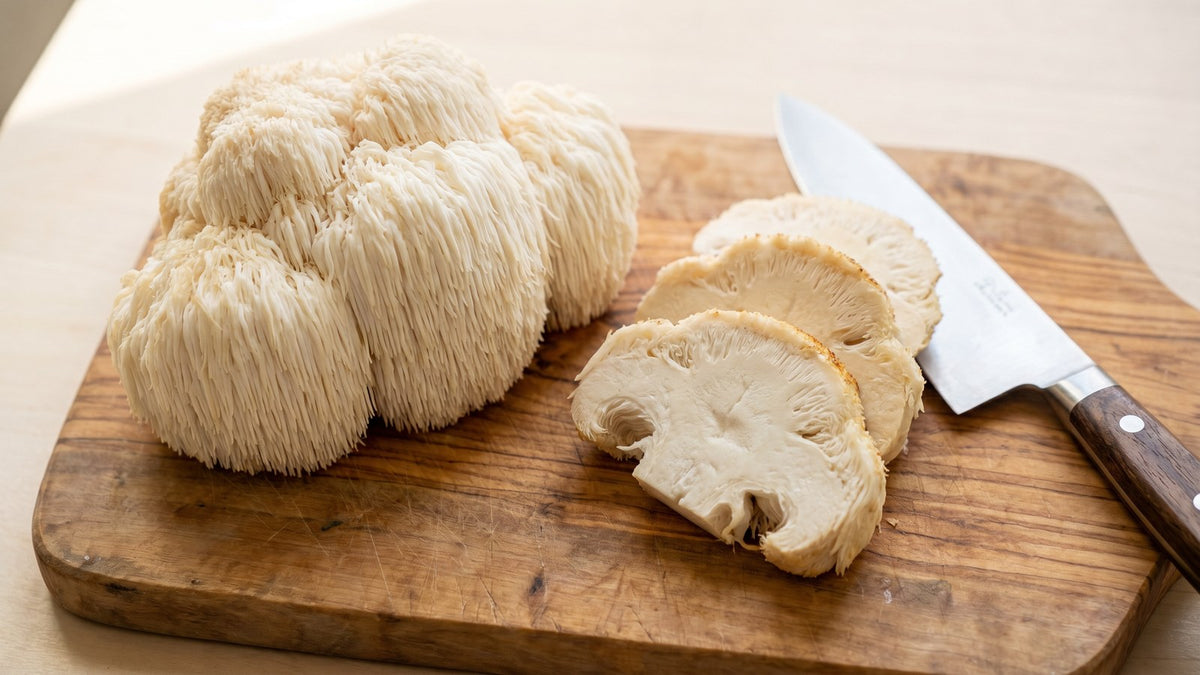
Lion's Mane (Hericium erinaceus) ranks in the top 3 mushroom species for home growers. It's forgiving, fruiting in 7 to 14 days under basic conditions, and the results are immediately recognizable. Dense white cascades look nothing like the brown button mushrooms at a grocery store. If you're new to mushroom cultivation, Lion's Mane is the first species that feels like it works.
But not all grow kits deliver the same experience. Some require daily hand-misting; others dial humidity automatically. Some cost $35; others cost $300. Some refill for $12; others can't be reused. The goal of this guide is to cut through the marketing and rank the leading Lion's Mane kits by real tradeoffs: humidity control, colonization consistency, refill cost, time commitment, and track record with actual growers.
We've tested most of these ourselves or reviewed direct grower feedback across multiple seasons. This isn't a ranked list of "best" in the influencer sense. It's a ranked list of which kit matches which grower.
What Makes a Great Lion's Mane Grow Kit

Before comparing kits, here's what matters:
Humidity Control. Lion's Mane pins (small mushrooms-to-be) need air moisture between 80 and 95%. Manual misting works if you can hit that range twice daily. Passive humidity (a plastic bag over the kit) works if the bag is punctured right. Automated humidity (a chamber with a sensor) works if the sensor is accurate. Each approach has a trust cost.
Colonization Quality. A clean, evenly-colonized substrate block means faster pinning and fewer aborts (pins that never fruit). Budget kits sometimes ship with spotty colonization or contamination already present. Premium kits invest in sterile inoculation and quality control.
Refill Availability and Cost. A $40 kit that refills for $60 is expensive. A $300 kit that refills for $12 is excellent value if you use it repeatedly. Some kits can't refill at all; you buy a new kit each cycle.
Timeline to Fruit. Lion's Mane typically colonizes in 10 to 21 days, then pins in 7 to 14 days. Faster isn't always better. Hasty colonization can trap bacteria. But a kit that takes 6 weeks to fruit tests patience and shifts your grow window outside peak seasons.
Support and Documentation. A kit with clear photos, video guides, and email support saves hours of troubleshooting. A kit with a one-page instruction sheet leaves you guessing.
Top 5 Lion's Mane Grow Kits Ranked

1. Lykyn Smart Mushroom Grow Box + Lion's Mane Block
Price: ~$299 (box) + $29/block refill | Cost per 2-3 flushes: ~$44 | Time to first fruit: 10 to 14 days
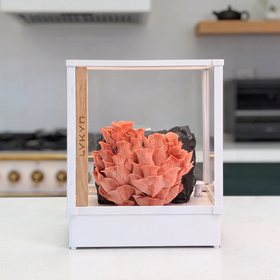
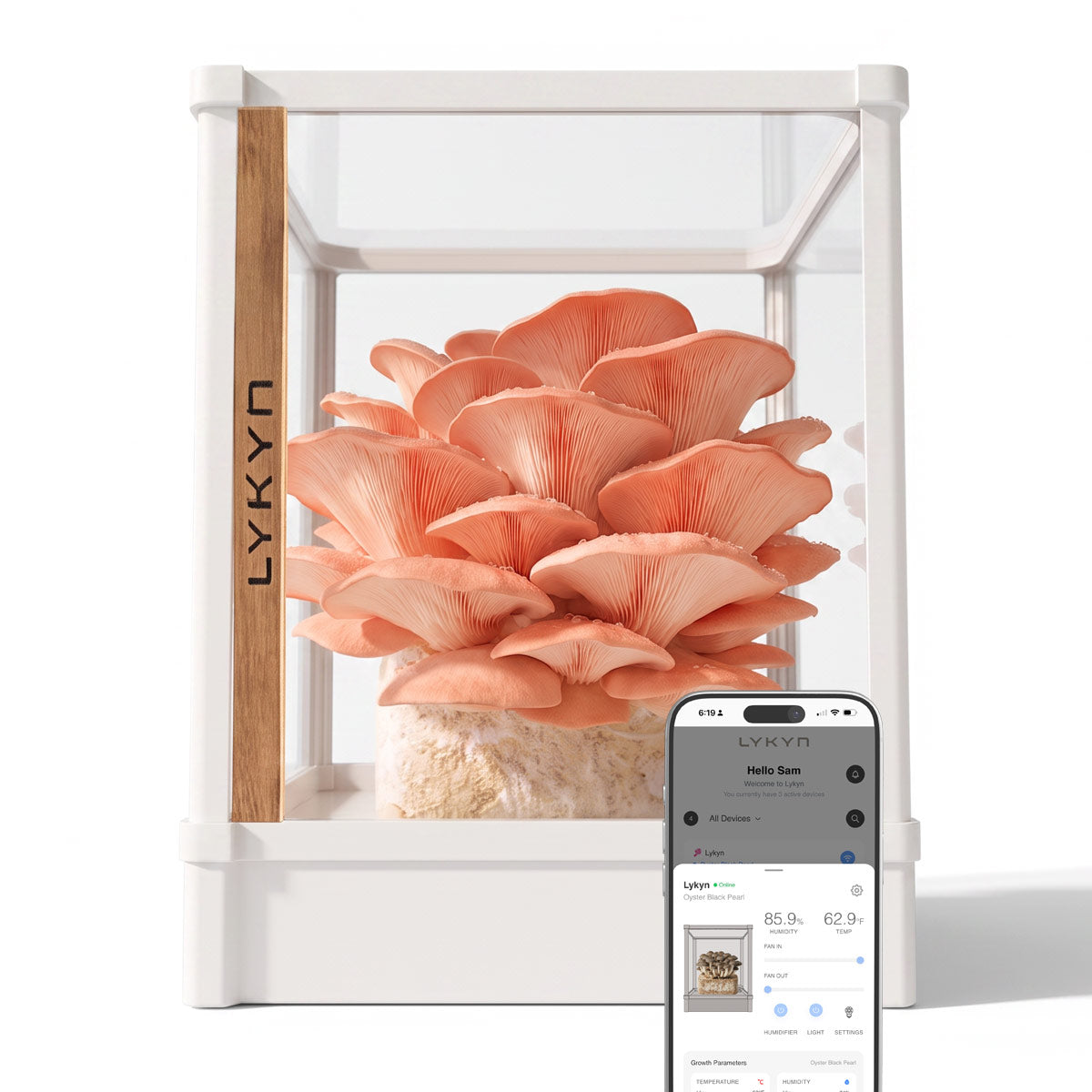
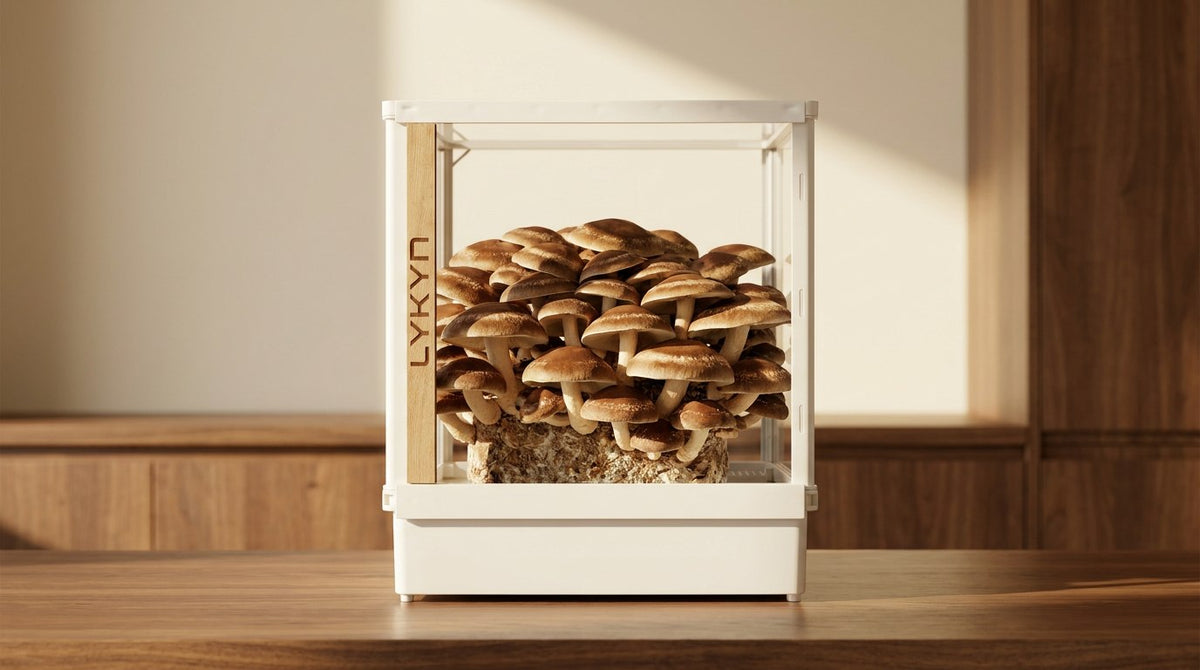
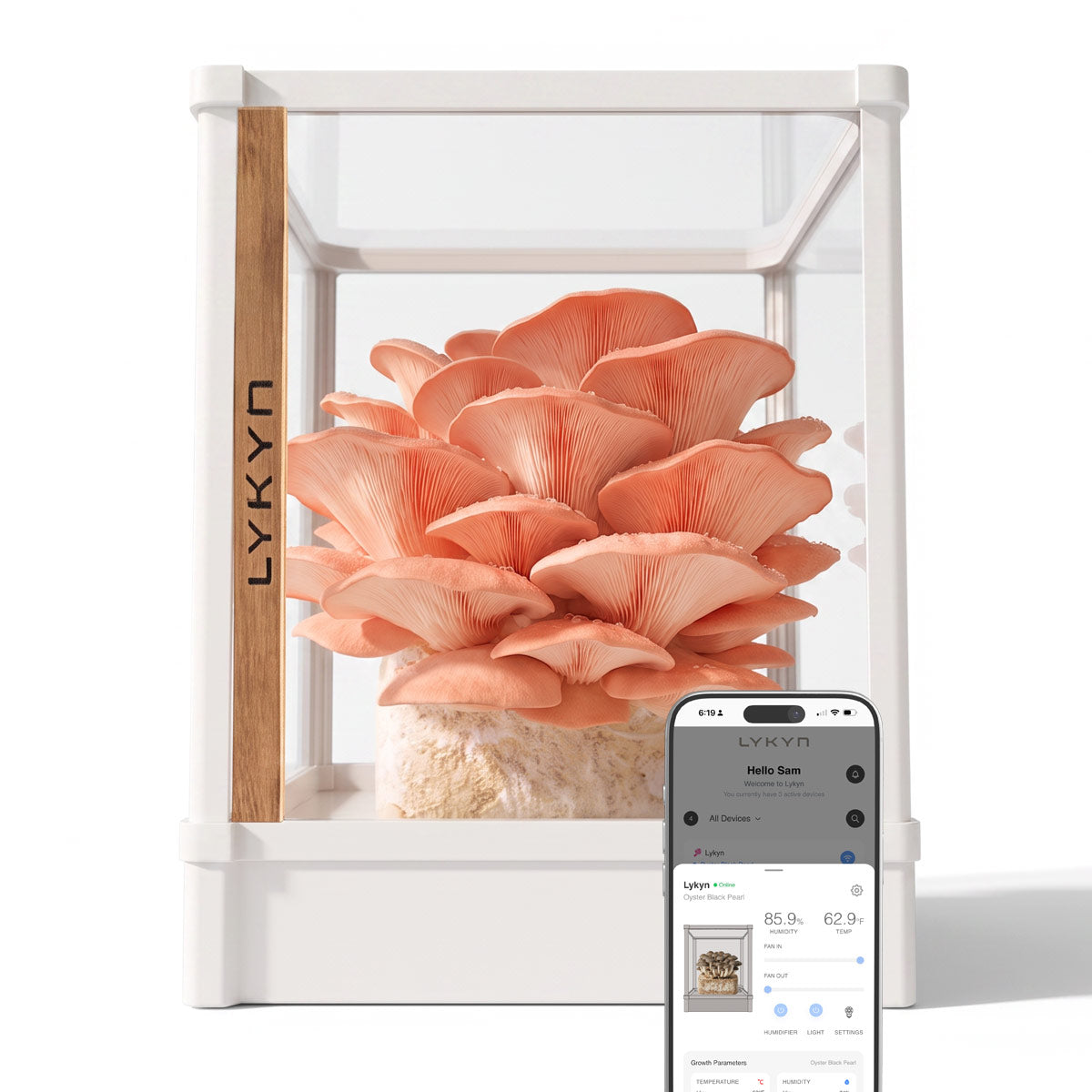
The Lykyn Smart Mushroom Grow Box pairs a temperature and humidity sensor with an app that tells you when to fan and mist, or automates both via the built-in fan. A Lion's Mane block slides into the chamber. The plastic door lifts to expose the fruiting block. Humidity stays locked at 85 to 90% without your intervention.
Real tradeoffs: The upfront cost is steep. But if you're planning to grow 4+ rounds per year, the per-flush cost ($29 for a block, ~$44 total if you count 30% of the box) is the lowest on this list. The automation means you can't forget to mist at 10 a.m. and 4 p.m. The app data gives you a record. You can see when pinning started, how long fruiting took, what humidity was holding at during peak growth.
Best for growers who want set-it-and-forget-it certainty and plan to grow repeatedly. The sensory experience: opening the chamber door releases a cool, humid breath; the fruiting bodies feel silky and dense, not brittle; a ripe flush of Lion's Mane has a faint herbaceous smell, almost like fresh spinach.
2. North Spore Lion's Mane Spray & Grow Kit
Price: ~$30 to 40 | Cost per 2 flushes: ~$30 to 40 | Time to first fruit: 14 to 21 days
North Spore, based in Maine, ships a Lion's Mane block in a humidity tent (a plastic bag with pre-cut X slot). You spray the slot twice daily with the included spray bottle. No electronics, no electricity. Cost per kit is low; cost per flush is low because you buy a new kit each time.
Real tradeoffs: Daily misting requires consistency. Miss a day and pinning can abort or delay by a week. If your humidity swings below 75%, pins won't develop; above 95%, contaminants thrive. The kit works, but it's more like caring for a plant than owning a device. North Spore has a strong reputation in the forager community and stands behind their blocks with replacement guarantees.
Best for budget-conscious growers and those who enjoy the daily ritual. The sensory touchpoint: the spray bottle mist feels like a cool afternoon shower; the block's substrate smells earthy and sweet, almost like compost.
3. Back to the Roots Lion's Mane Kit
Price: ~$35 to 45 | Cost per 2 flushes: ~$35 to 45 | Time to first fruit: 10 to 14 days
Back to the Roots, founded in Berkeley, started in oyster kits and expanded into Lion's Mane. The kit ships as a ready-to-fruit block with a humidity tent and spray bottle. It's designed to work with minimal instructions. Put the block in the bag, mist, and wait. They've refined the kit dozens of times and ship with very clean colonization.
Real tradeoffs: Like North Spore, you're buying a new kit each cycle. The colonization quality is consistently high, so failures are rare. The humidity tent design is proven. If you want simplicity and reliability without automation, this is a reference point.
Best for gift-givers and absolute beginners who want high odds of success. The aesthetic: the packaging is designed to look nice on a kitchen counter, not industrial.
4. Jonquil inbloom Lion's Mane Grow Kit
Price: ~$45 to 55 | Cost per 2 flushes: ~$45 to 55 | Time to first fruit: 7 to 10 days
Jonquil inbloom is USDA organic-certified and sources their substrate from composted agricultural waste. The kit includes a premium humidity tent and detailed instruction cards. Fruiting times are fast. Seven to 10 days is on the shorter end of the Lion's Mane range.
Real tradeoffs: You pay more upfront for the organic certification and sustainability story. Fast colonization is a selling point, but it also means less margin for error if your humidity swings. Jonquil doesn't offer a refill program; each cycle is a new kit.
Best for wellness-focused growers who prioritize organic inputs and are willing to pay a premium. The texture detail: organic blocks often retain more moisture visibly on the surface, creating a glossier appearance during fruiting.
5. Grow.bio (Cascadia Mushrooms) Lion's Mane Kit
Price: ~$40 to 50 | Cost per 2 flushes: ~$40 to 50 | Time to first fruit: 12 to 16 days
Cascadia Mushrooms, based in the Pacific Northwest, focuses on community-driven cultivation. Their Grow.bio kit ships with video guides and a Slack channel for grower support. The substrate is locally composted and the block quality is high. Fruiting times are steady, not rushed.
Real tradeoffs: Regional shipping means longer lead times if you're on the East Coast. But the grower community feedback is strong. People report that Cascadia's support actually responds. Like the others in this tier, you buy a new kit each cycle.
Best for growers who value community and don't mind waiting a week for shipping. The community aspect: you can post photos and ask questions; other growers often reply with tips within hours.
Side-by-Side Comparison
*Per-flush cost assumes 2 flushes per kit; Lykyn amortizes box cost over 4+ cycles.
Which Is Best for Absolute Beginners
Back to the Roots or North Spore. Both are forgiving, both have clear instructions, both cost under $45 per kit. Back to the Roots edges ahead if you're buying for someone else or want a one-time gift. The package feels intentional and the colonization quality is bulletproof. North Spore wins if you're price-sensitive and willing to mist twice a day. Neither will fail you if you follow the instructions.
Avoid the Lykyn Smart Box as your first kit unless you're already comfortable with app-based devices or plan to grow Lion's Mane repeatedly. The upfront cost is higher, and it's overkill for a single experiment.
Which Is Best for Weekly Growers
Lykyn Smart Box by a large margin. If you're planning to run 4, 6, or 8 Lion's Mane flushes per year, the per-flush cost of ~$44 beats every competitor over 12 months. The automation also means you're not checking humidity at 6 a.m. and 6 p.m. every single day. After the first month, the device becomes background infrastructure, and you can focus on enjoying the harvest rather than managing the environment.
Second choice: Cascadia/Grow.bio if you value community and want to skip the automation.
Which Is Best for Wellness-Focused Buyers
Jonquil inbloom if organic certification matters to you. Otherwise, all five kits produce Lion's Mane with the same active compounds. The difference is substrate source and production transparency. Jonquil publishes their supply chain; Cascadia has a community forum where you can ask the grower directly. Lykyn uses commercial-grade substrate (not organic-certified) with quality control on sterility, not certification.
If you're buying Lion's Mane specifically for nootropic interest, note that research on Lion's Mane and cognitive function is still emerging. Traditional use is long, but clinical evidence is limited. Grow what you're drawn to, not what a label promises.
Final Recommendation
Ask yourself three questions:
1. Do I want to grow Lion's Mane once, or repeatedly?
Once → Back to the Roots (~$40, reliable, done).
Repeatedly → Lykyn Smart Box (~$44/flush long-term, automation, data).
2. Can I mist twice a day, or do I need automation?
Yes → North Spore (~$35/kit, hands-on, budget-friendly).
No → Lykyn Smart Box (app tells you what to do; can skip automation and still mist manually if you prefer).
3. Does organic certification or community matter?
Yes → Jonquil inbloom (organic) or Cascadia (community).
No → Back to the Roots (simplicity) or Lykyn Smart Box (data).
All five kits work. The "best" one is the one that matches your rhythm, budget, and why you want to grow Lion's Mane in the first place.
Frequently Asked Questions
What is the best Lion's Mane mushroom grow kit for beginners?
Start with Back to the Roots or North Spore. Both require minimal setup, include everything you need, and reward consistent misting with a first flush. Back to the Roots is better for one-time growers; North Spore is better for budget shoppers willing to mist twice daily. The Lykyn Smart Box is an excellent second kit if you love the first experience and want to eliminate daily misting.
How much does a Lion's Mane grow kit cost?
Entry-level kits (North Spore, Back to the Roots) cost $30 to 45 per kit and fruit 2 times before depletion. Mid-tier kits (Jonquil, Cascadia) cost $45 to 55. The Lykyn Smart Box costs $299 upfront plus $29 per refillable block, dropping to ~$44 per flush once you've amortized the box over 4+ cycles. If you're growing once a year, a $40 kit is cheaper. If you're growing 4+ times a year, the Lykyn box is cheaper long-term.
How long does Lion's Mane take to fruit from a kit?
From unboxing to first harvest: 17 to 35 days, depending on the kit and your conditions. Colonization takes 10 to 21 days; pinning and fruiting takes 7 to 14 days. Cascadia and Jonquil tend to pin faster (7 to 10 days after colonization). North Spore and Back to the Roots average 10 to 14 days after colonization. The Lykyn Smart Box typically reaches fruit within 14 days if humidity is locked in at setup.
Are Lion's Mane grow kits worth it?
Yes, for three reasons. First: most kits cost $30 to 45 and produce a substantial cluster of fresh Lion's Mane per flush, which would run you significantly more at a specialty grocer where the species is often not stocked. Second: the learning curve is shallow; even first-time growers succeed. Third: a single kit can refill 1 to 4 times, so per-cluster cost drops over successive flushes. The only reason to skip is if you have no interest in eating fresh Lion's Mane or don't have a kitchen counter with indirect light.
Can you regrow Lion's Mane from the same kit?
It depends on the kit. North Spore, Back to the Roots, Jonquil, and Cascadia ship kits that fruit 2 times, then deplete. The block can't flush a third time and isn't designed to be re-inoculated. The Lykyn Smart Box is different. You buy new blocks (~$29 each) and reuse the chamber indefinitely. If you want unlimited refills from the same kit, Lykyn is the only option here.
Related Reading on Lykyn
- Lykyn Smart Mushroom Grow Box , the automated chamber referenced throughout this guide.
- How to Grow Mushrooms at Home: Complete Beginner Guide
- Is a Home Mushroom Growing Kit Worth It? Cost, Yield, ROI Analysis



Share:
Where to Buy Mushroom Fruiting Blocks Online in 2026: US Supplier Guide
Best Medicinal Mushroom Grow Kits 2026: Reishi + Turkey Tail + Immune Support Hub