


Morcheln (besser bekannt unter ihrem Trivialnamen) sind Wildpilze, die nur im Frühling vorkommen, hohle, wabenartige Kappen und einen tiefen, rauchigen, nussigen Geschmack haben, den kein Zuchtpilz auch nur annähernd erreicht. Sie sind auch die Wildpilze mit der steilsten Lernkurve bei den Kochregeln: Morcheln müssen gründlich gekocht werden, dürfen niemals roh gegessen werden und reagieren ganz anders auf Hitze als die meisten anderen Pilze. Wenn Sie die Technik richtig anwenden, halten Sie eines der großartigsten kulinarischen Erlebnisse der Saison in den Händen. Wenn Sie es falsch machen, haben Sie sich entweder krank gemacht oder den teuersten Pilz in Ihrer Küche verschwendet.
Dieser Leitfaden behandelt die Vorbereitung, die wichtigsten Regeln, die sechs Zubereitungen, die mit frischen und getrockneten Morcheln konsistent funktionieren, und die Fallstricke, die sie verderben. Morcheln sind eine andere Zutat als Champignons, Austernpilze oder Shiitake; die Technik, die für diese Pilze funktioniert, wird für diese nicht funktionieren.
So bereiten Sie frische Morcheln zu
Beginnen Sie damit, jede Morchel der Länge nach vom Kappenende bis zum Stiel zu halbieren. Der wabenförmige Hohlraum im Inneren ist ein perfektes Versteck für Sand, Erde, Blattfragmente, Schnecken und Insekten. Das Halbieren ist unabdingbar: Ein einziger Käfer in einem Pilzgericht für 40 Dollar pro Pfund ruiniert die ganze Mahlzeit.
Spülen Sie die Hälften kurz in kaltem Wasser ab und arbeiten Sie dabei sanft mit den Fingern in die Wabenfalten, um Ablagerungen zu lösen. Nicht einweichen. Morcheln nehmen Wasser wie ein Schwamm auf und werden in der Pfanne schlaff und dampfig, wenn Sie sie in Flüssigkeit liegen lassen. Legen Sie die gespülten Hälften auf ein sauberes Tuch und tupfen Sie sie vor dem Kochen trocken. Sie müssen oberflächentrocken sein für jede Zubereitung, bei der sie angebraten werden.
Schneiden Sie den untersten Teil des Stiels ab, wenn er zäh oder verfärbt ist. Der Rest des Stiels ist ausgezeichnet essbar.

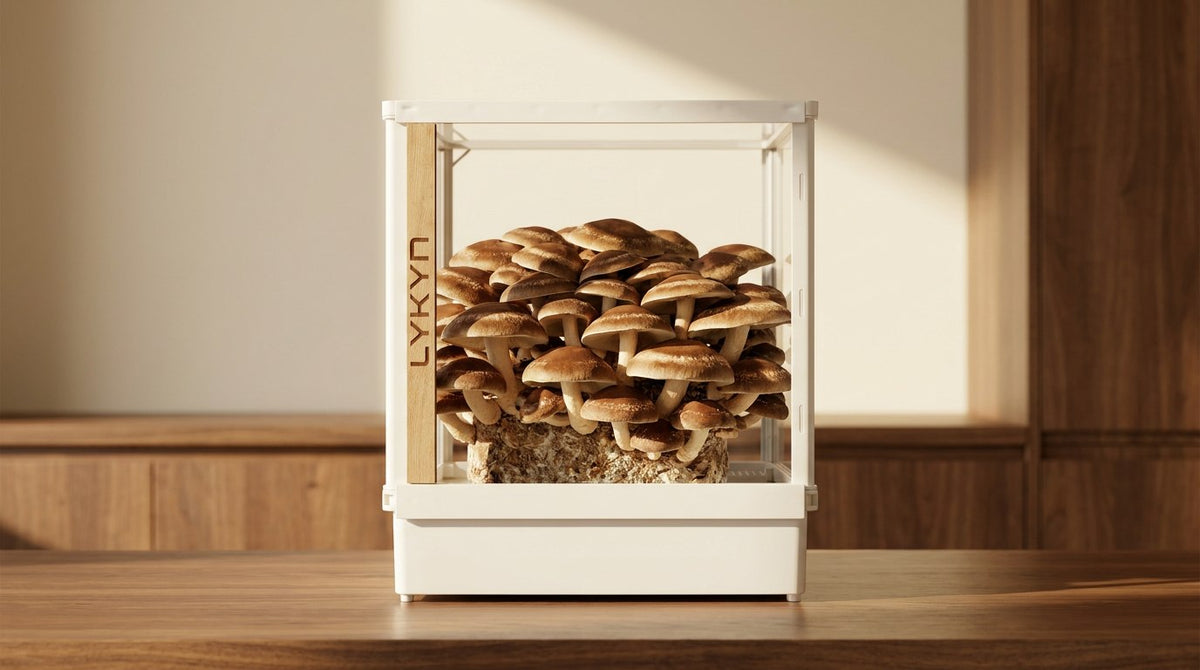
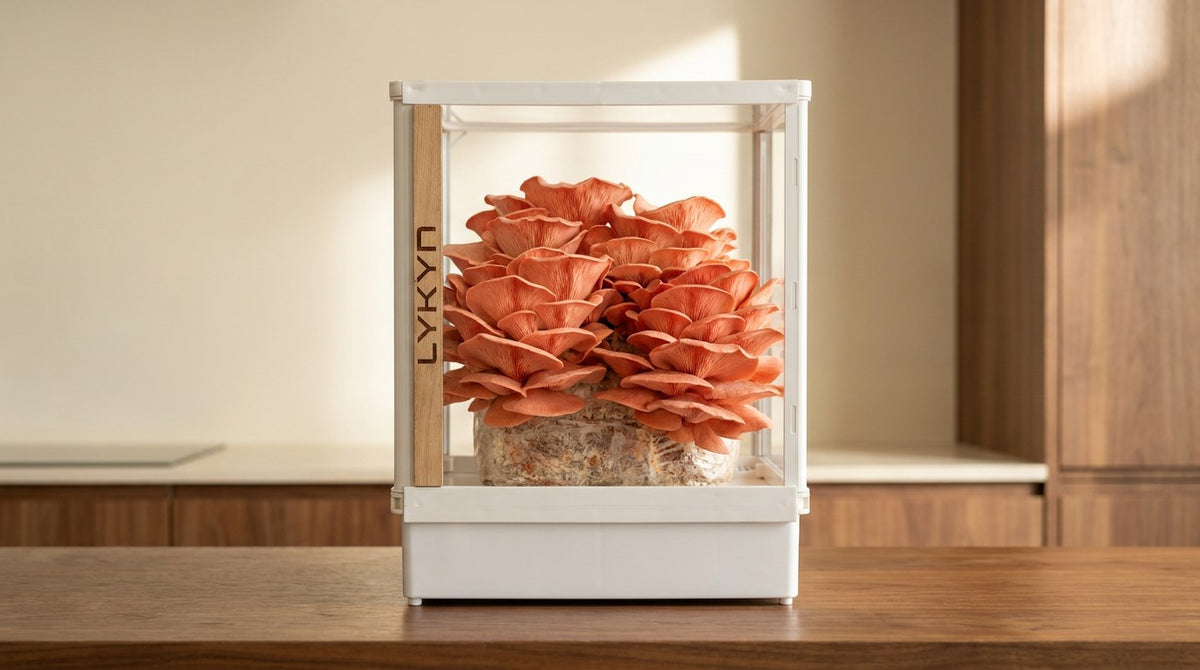
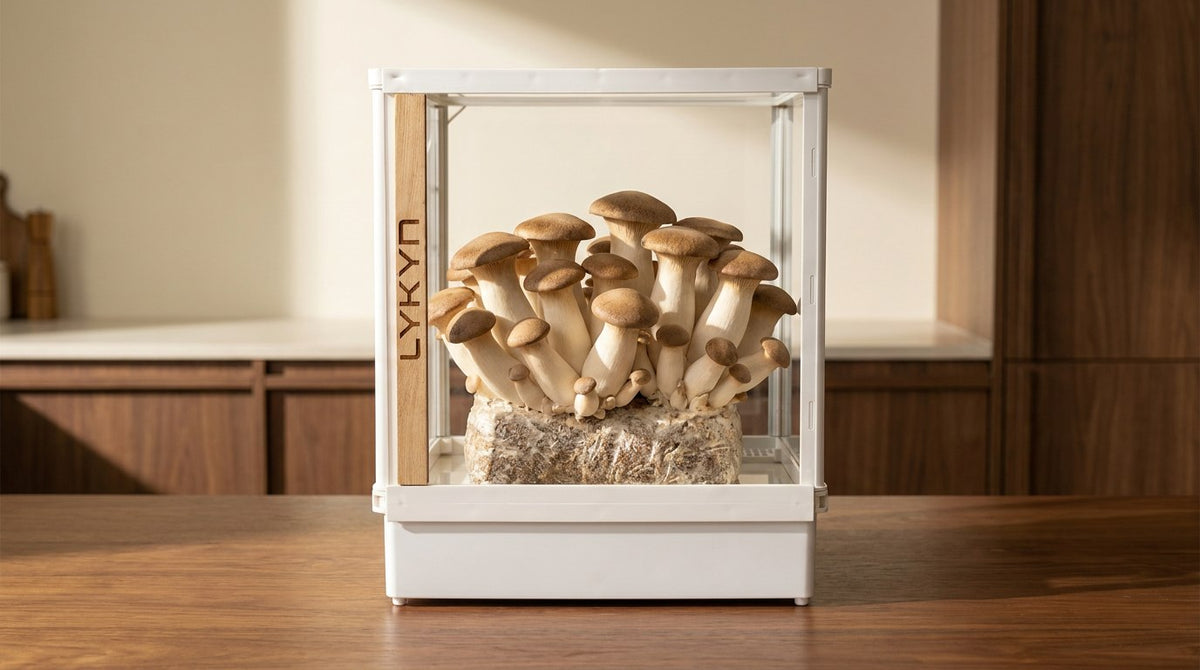
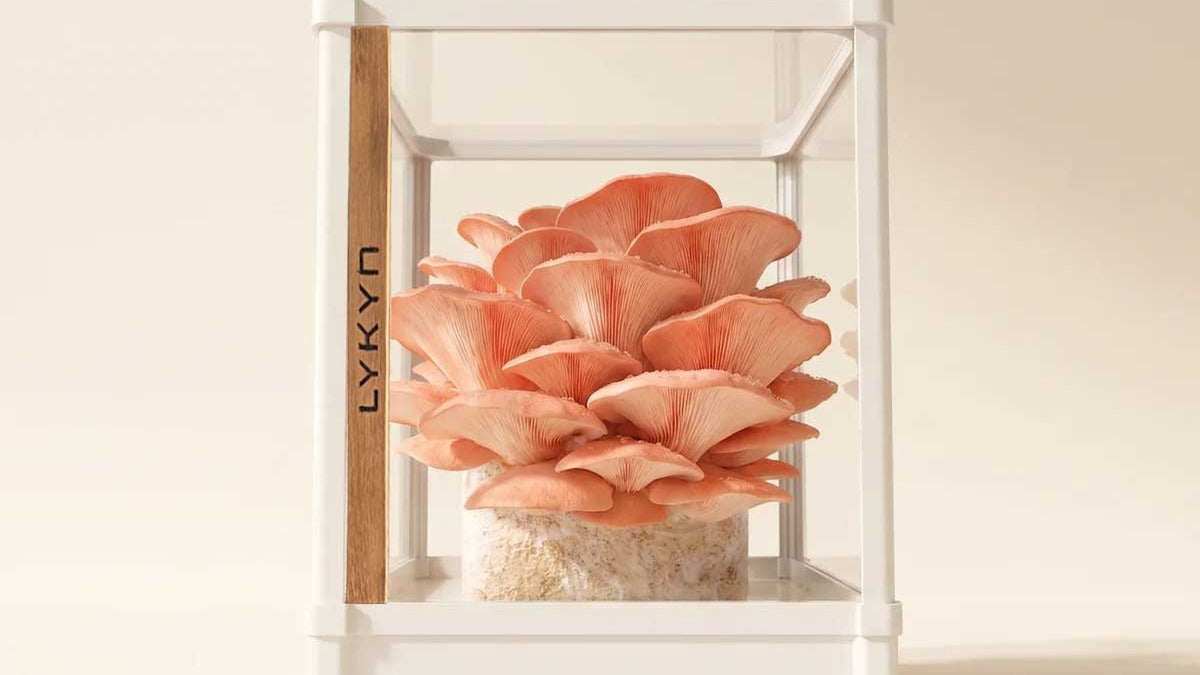
Smart Chamber. Bone White Single
- 2,8L Tank, 90% Luftfeuchtigkeit automatisch
- App-gesteuert, Plug-and-Play
- 6 lb Blockdecke, auf Lager

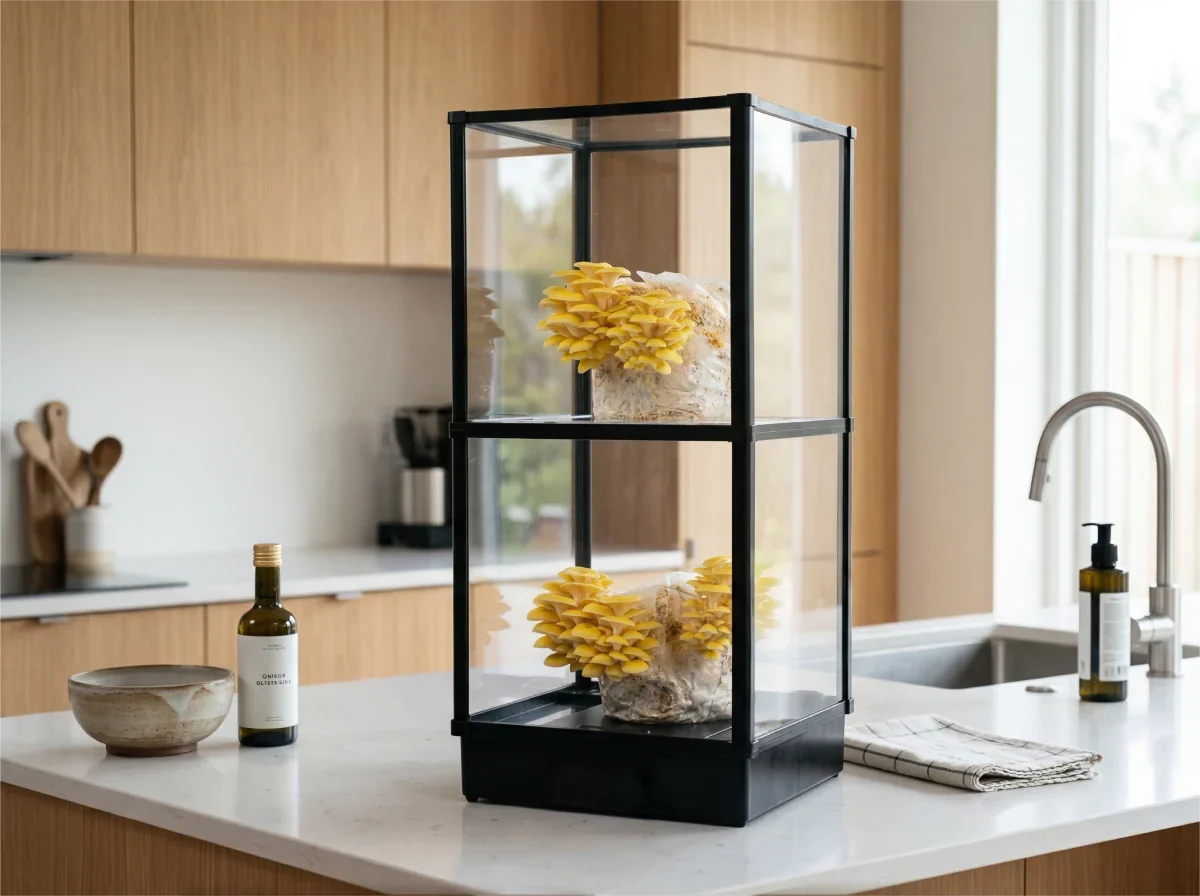
Smart Chamber. Obsidian Black Single
- 2,8L Tank, 90% Luftfeuchtigkeit automatisch
- App-gesteuert, Plug-and-Play
- Mattschwarze Obsidian-Oberfläche, auf Lager

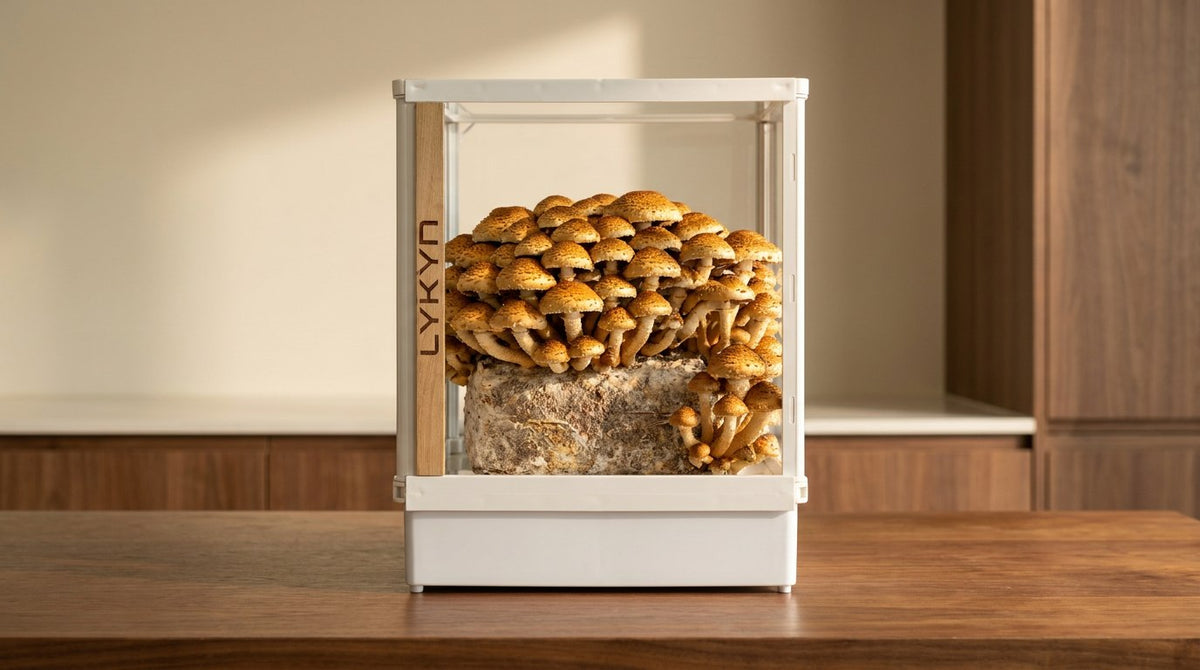
Black Oyster Fruiting Block
- 5 lb kolonisierter Hartholzblock
- 1-3 Tage Zyklus, einfacher erster Flush
- Laborgetesteter Stamm, auf Lager
Die zwei goldenen Regeln
Morcheln gründlich kochen. Niemals roh essen. Rohe oder unzureichend gegarte Morcheln enthalten Hydrazin-ähnliche Verbindungen und andere hitzeempfindliche Reizstoffe, die bei vielen Menschen Magen-Darm-Beschwerden verursachen. Erhitzen bei 160°F (ca. 71°C) oder höher für mindestens 5 Minuten zerstört diese Verbindungen. Jede zuverlässige Zubereitung in diesem Leitfaden kocht die Morchel für mindestens 5 Minuten ab dem Moment, in dem sie mit Hitze in Berührung kommt.
Trinken Sie beim ersten Teller keinen Alkohol. Eine Untergruppe von Menschen reagiert schlecht, wenn Alkohol zusammen mit gut gekochten Morcheln konsumiert wird, mit Symptomen, die der Disulfiram-Reaktion ähneln (Flush, Übelkeit, schneller Herzschlag). Die Reaktion ist selten, aber sie ist dokumentiert. Wenn Sie zum ersten Mal Morcheln essen, verzichten Sie auf die Weinbegleitung zu dieser Mahlzeit. Nachdem Sie festgestellt haben, dass Sie sie vertragen, liegt die Alkoholbegleitung bei Ihnen.
Noch eine praktische Regel: Kombinieren Sie Morcheln nicht mit anderen neuen Wildpilzen auf demselben Teller. Wenn Sie eine Reaktion haben, möchten Sie wissen, welcher Pilz sie verursacht hat.
Sechs klassische Zubereitungen
In Butter sautiert (das Referenzgericht). Erhitzen Sie 2 Esslöffel Butter in einer schweren Pfanne bei mittlerer Hitze, bis der Schaum verschwindet. Geben Sie die trockenen, halbierten Morcheln in einer einzigen Schicht hinzu (nicht überfüllen). 4 bis 6 Minuten braten, dabei wenden oder drehen, bis die Ränder gebräunt sind und die Morcheln den größten Teil ihres Wassers abgegeben haben. Eine fein gehackte Schalotte hinzufügen und weitere 1 Minute braten. 2 Esslöffel trockenen Weißwein dazugeben und zu einer Glasur reduzieren lassen. Mit einem Esslöffel gehackter frischer Petersilie und Salz abschmecken. Gesamtkochezeit: 8 bis 10 Minuten. Auf gegrilltem Brot oder als Beilage zu einem Steak servieren.
Morchel-Sahnesauce für Nudeln oder Huhn. Halbierte Morcheln wie oben beschrieben 5 Minuten in Butter anbraten. 1 gehackte Schalotte hinzufügen und 1 Minute braten. Mit 1/4 Tasse trockenem Sherry oder Weißwein ablöschen und zu einer Glasur reduzieren. 3/4 Tasse Sahne hinzufügen und 4 bis 5 Minuten köcheln lassen, bis sie eingedickt ist. Mit Salz und Pfeffer abschmecken, mit gehacktem frischem Estragon garnieren. Über breite Nudeln oder als Beilage zu gebratenem Huhn servieren.
Morchel-Cremesuppe. 8 Unzen halbierte Morcheln 6 Minuten lang in 3 Esslöffeln Butter anbraten. 1 gehackten Lauch (nur den weißen Teil) und 2 gehackte Knoblauchzehen hinzufügen, 3 Minuten braten. 4 Tassen Hühnerbrühe hinzufügen und 15 Minuten köcheln lassen. Die Hälfte der Morcheln herausnehmen und beiseite stellen. Die Suppe mit 1/2 Tasse Sahne pürieren. Die beiseite gestellten Morcheln wieder in den Topf geben, mit Salz und einer Prise schwarzem Pfeffer abschmecken und servieren.
Mit Morcheln gefüllte Nudeln oder Ravioli. Morcheln 6 Minuten in Butter kochen, dann fein hacken. Mit 1/2 Tasse Ricotta, 1/4 Tasse geriebenem Parmesan, einem Eigelb, Salz und Pfeffer vermischen. Als Raviolifüllung verwenden. In brauner Butter mit Salbei servieren.
Gegrillte Morcheln. Große Morcheln halbieren, mit Olivenöl bestreichen und bei mittlerer bis hoher Hitze 3 bis 4 Minuten pro Seite grillen. Mit Fleur de Sel, Zitronenschale und gehacktem Schnittlauch abschmecken. Am besten mit den größten Exemplaren, die Sie finden können, wo der Hohlraum dem Grillrost standhält.
Getrocknete Morcheln rekonstituiert. Getrocknete Morcheln mit 2 Tassen heißem Wasser bedecken und 20 bis 30 Minuten einweichen. Die Morcheln herausheben (nicht ausschütten, sonst landet der Sand wieder darin), vorsichtig ausdrücken und hacken oder ganz lassen. Die Einweichflüssigkeit durch einen Kaffeefilter passieren und als Brühe verwenden. Die rehydrierten Morcheln 5 Minuten in Butter anbraten und mit einem der oben genannten Rezepte fortfahren.

Befeuern Sie Ihre Pilzreise
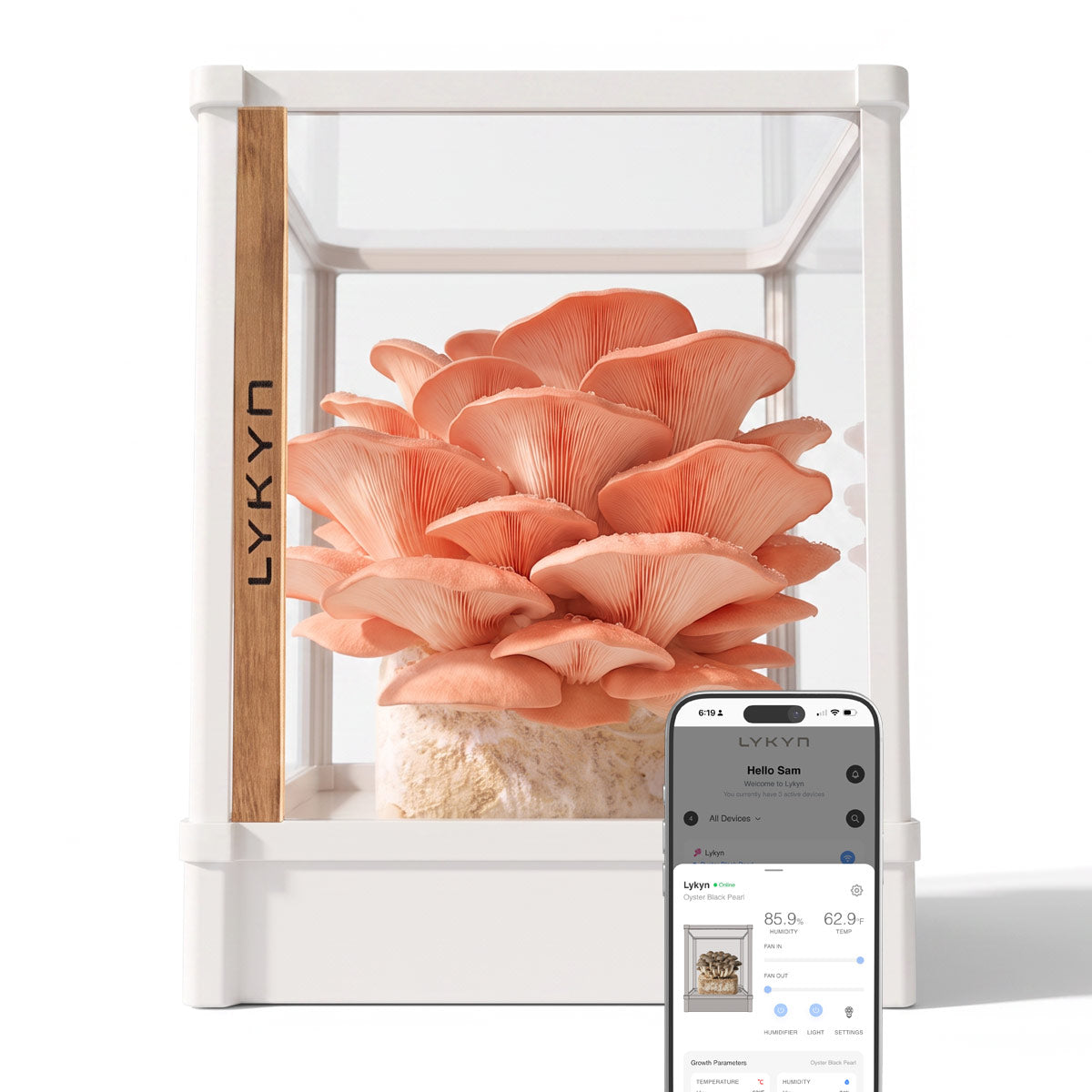
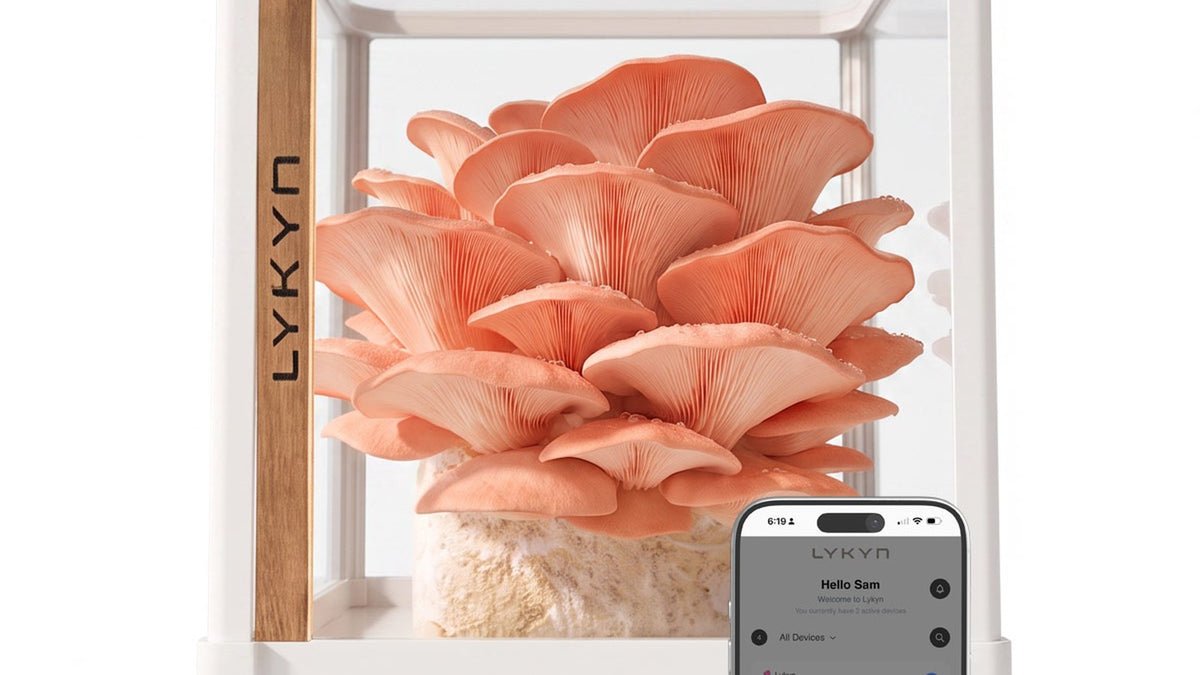
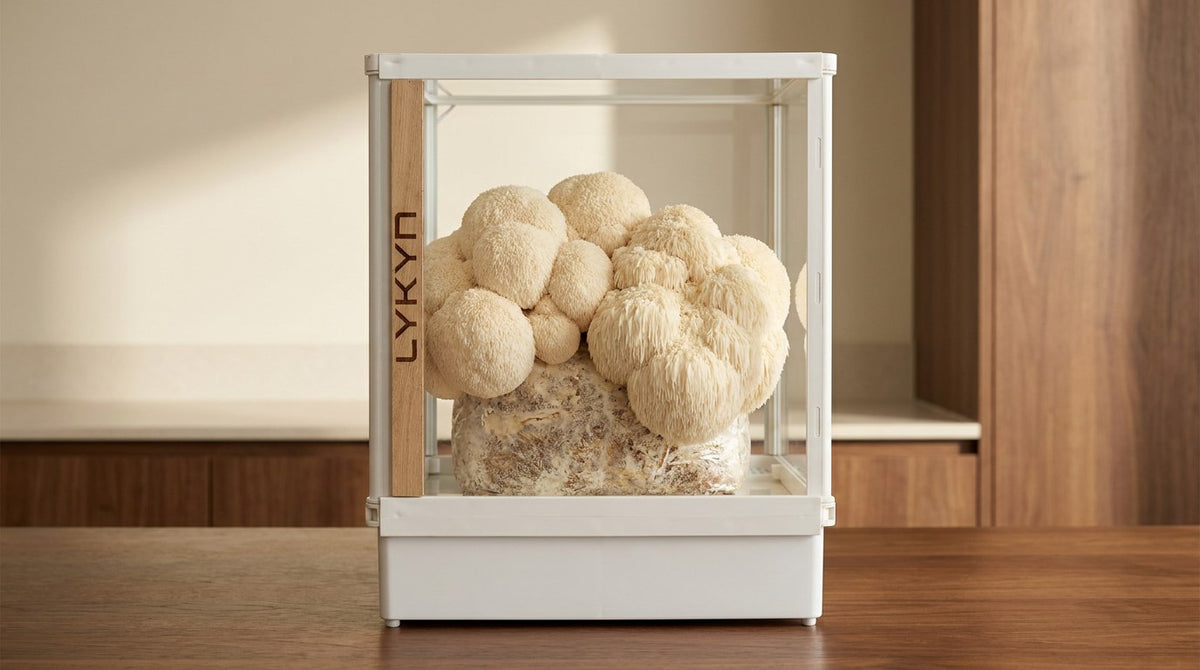
Intelligente Pilzzuchtkammer
Plug-and-Play-Smart-Kammer mit optimaler Luftfeuchtigkeit, Licht und Luftzirkulation für jede Art. Anfänger ernten ihren ersten Pilzstoß in Tagen, nicht Monaten.
In den Warenkorb $299Wie man Morcheln zur Aufbewahrung trocknet
Frische Morcheln halten sich im Kühlschrank 5 bis 7 Tage, in einer Papiertüte aufbewahrt, niemals in versiegeltem Plastik. Darüber hinaus ist die einfachste Konservierungsmethode das Trocknen.
Halbieren Sie die Morcheln (oder vierteln Sie sehr große) und legen Sie sie auf ein Dörrgerät. Bei 110 bis 130 °F (ca. 43 bis 54 °C) 8 bis 12 Stunden trocknen, bis sie spröde sind und in Ihrer Hand rascheln. In einem luftdichten Glasgefäß in einem dunklen Schrank bis zu 2 Jahre aufbewahren. Getrocknete Morcheln konzentrieren den Geschmack tatsächlich, und viele Köche ziehen sie in cremigen Gerichten den frischen vor.
Versuchen Sie nicht, rohe Morcheln einzufrieren. Die Eiskristallschäden ruinieren die Textur. Das Einfrieren von sautierten Morcheln funktioniert, mit Butter, in luftdichten Behältern für bis zu 6 Monate.
Fallstricke, die Morcheln ruinieren
Fünf Fehler sind für die meisten Morchel-Katastrophen verantwortlich.
Das Halbieren überspringen. Morcheln beherbergen Sand, Blätter und Insekten in ihrer hohlen Wabenstruktur. Jede halbierte Morchel ist eine inspizierte Morchel.
Einweichen statt Spülen. Morcheln sind Schwämme. Wenn man sie einweicht, nehmen sie Wasser auf, das in der Pfanne nicht schnell genug verdunstet; das Ergebnis sind gedämpfte, matschige Morcheln statt angebratener.
Die Pfanne überfüllen. Eine Pfanne mit überlappenden Morcheln dämpft im eigenen freigesetzten Wasser und bräunt nie. Wenn nötig, in Chargen kochen.
Unterkochen. Die 5-Minuten-Thermoregel ist keine Empfehlung; sie ist die Regel, die Magen-Darm-Reaktionen verhindert. Stellen Sie einen Timer ein.
Kombination mit kräftigen Gewürzen oder starker Säure. Morcheln haben einen delikaten, komplexen, rauchig-nussigen Geschmack, der unter Chilischärfe oder Essig verschwindet. Kombinieren Sie sie mit Butter, Sahne, Schalotten, Weißwein, Sherry, Thymian, Estragon, Petersilie und minimaler Säure.
Die Warnung vor Doppelgängern
Wenn Sie selbst gesammelte Morcheln kochen, vergewissern Sie sich, dass es sich um eine echte Morchella-Art und nicht um eine falsche Morchel (Gyromitra) handelt. Echte Morcheln haben einen vollständig hohlen Innenraum von der Kappen- bis zur Stielspitze und eine angewachsene Kappe (die Kappe trifft den Stiel am unteren Rand der Kappe). Falsche Morcheln haben eine hirnähnliche oder gefaltete Kappe statt eines Wabenmusters, oft wattige Fasern im Inneren, und die Kappe ist nur am oberen Ende des Stiels befestigt. Gyromitra enthält Gyromitrin, das im Körper zu Monomethylhydrazin umgewandelt wird und wirklich gefährlich ist.
Wenn Sie Morcheln von einem zuverlässigen Sammler oder Lebensmittelgeschäft kaufen, ist diese Sorge unbegründet; kommerziell verkaufte Morcheln sind Morchella.
Morcheln beziehen
Frische Morcheln sind je nach Breitengrad und Höhenlage von Ende März bis Anfang Juni auf Spezialmärkten und Bauernmärkten erhältlich. Rechnen Sie mit Preisen von 30 bis 60 US-Dollar pro Pfund für kultivierte oder kommerzielle Wildexemplare, wobei in der Hochsaison gesammelte Exemplare höhere Preise erzielen. Getrocknete Morcheln sind das ganze Jahr über erhältlich, typischerweise für 40 bis 80 US-Dollar pro 100 Gramm, und stellen eine günstigere Möglichkeit dar, die Art im Rest des Jahres zu verwenden.
Morcheln sind schwer zu kultivieren; die kommerzielle Kultivierung wurde in einigen Betrieben erreicht, aber die Erträge sind inkonsistent und die meisten Morcheln auf dem Markt werden immer noch wild gesammelt. Die Heimanbau ist nicht praktikabel. Für vorhersehbare Indoor-Ernten mit dokumentierten Erträgen, suchen Sie nach saprotrophischen Arten, die als erntereife Pilzzucht-Sets erhältlich sind. Morcheln bleiben auf der saisonalen Einkaufsliste.
Das Fazit zum Morchelkochen
Morcheln sind die Regeln wert. Halbieren Sie sie, spülen Sie sie ohne Einweichen ab, kochen Sie sie 5 bis 6 Minuten in Butter, würzen Sie sie einfach mit Schalotten, Sahne, Wein und Kräutern und überfüllen Sie die Pfanne nicht. Behandeln Sie sie als die einmal im Jahr vorkommende Zutat, die sie sind, und ein einziges Pfund frischer Morcheln wird drei oder vier Mahlzeiten ergeben, an die Sie den Rest des Jahres denken werden. Der Geschmack ist genau deshalb so, weil Morcheln wild, saisonal und unersetzlich sind. Zahlen Sie den Preis, befolgen Sie die Technik, und Sie werden verstehen, warum dies der Pilz ist, der die Frühlingsküche definiert.
Aktie:
Enoki-Pilze zubereiten: Sechs Varianten, die immer gelingen
Enoki-Pilze zubereiten: Sechs Varianten, die immer gelingen