


Enoki-Pilze sind die langen, schlanken, elfenbeinweißen Pilze mit nadelkopfgroßen Kappen, die man in Ramen-Schalen, Hot Pot und japanischen Suppen sieht. Die Stiele sind etwa einen Millimeter dick und 10 bis 15 cm lang, in dichten Bündeln zusammengefasst, und die Textur im gekochten Zustand liegt irgendwo zwischen al dente Pasta und zarten Bohnensprossen. Der Geschmack ist mild, leicht fruchtig und leicht nussig, was sie zu einem der vielseitigsten kleinen Pilze in der Küche macht. Richtig zubereitet, brauchen sie 60 bis 120 Sekunden zum Garen. Falsch zubereitet, werden sie schleimig und verschwinden im Gericht.
Dieser Leitfaden führt Schritt für Schritt durch die Enoki-Technik: wie man sie vorbereitet, wie lange man jede Art von Gericht kocht, die ein halbes Dutzend Zubereitungen, die zuverlässig funktionieren, und die Fallstricke, die sie verderben. Am Ende wissen Sie, wie Sie eine 3-Dollar-Packung in einer einzigen Kochwoche auf drei verschiedene Arten verwenden können.
Enoki-Pilze zubereiten
Öffnen Sie die Packung, und Sie sehen ein dichtes Bündel langer Stiele, die an einer dicken weißen Substratbasis zusammengefügt sind. Die Basis ist holzig, oft sandig und nichts, was Sie in der Pfanne haben möchten. Schneiden Sie den unteren 2,5 bis 3,8 cm mit einem scharfen Messer ab. Entsorgen Sie diese Basis.
Das verbleibende Bündel kann als ein großes Bündel belassen werden (für die optische Präsentation in Suppe oder Hot Pot), in kleinere Bündel von 8 bis 12 Stielen geteilt werden (die häufigste Zubereitung) oder in einzelne Stränge zerteilt werden (für Pfannengerichte und Toppings). Kleinere Bündel garen gleichmäßiger und sehen auf einem Teller besser aus.
Spülen Sie das Bündel nur, wenn Sie sichtbaren Substratstaub sehen. Die meisten kultivierten Enoki sind sauber genug, um nach dem Trimmen direkt aus der Packung verwendet zu werden. Wenn Sie spülen, tupfen Sie das Bündel vor dem Kochen vorsichtig mit einem sauberen Tuch trocken; feuchte Enoki dämpfen in der Pfanne anstatt zu braten.

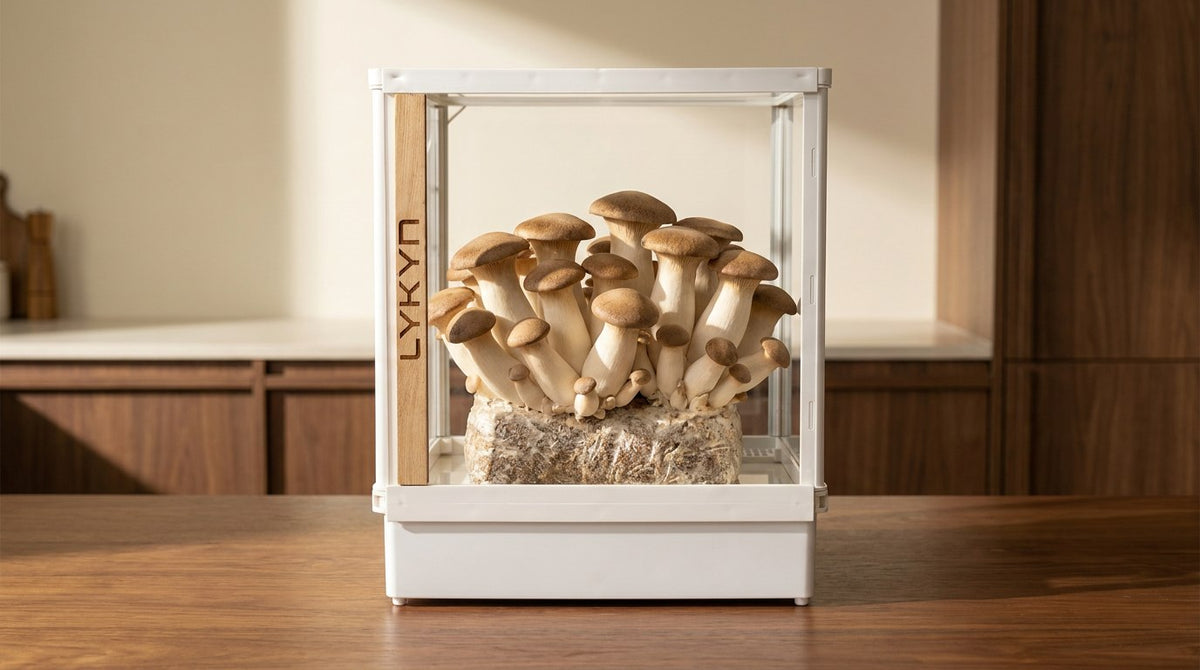
Smart Chamber. Bone White Single
- 2,8L Tank, 90 % Luftfeuchtigkeit automatisch
- App-gesteuert, Plug-and-Play
- 6 Pfund Blockdecke, auf Lager

Smart Chamber. Obsidianschwarz Single
- Gleiche Hardware wie Bone White
- Mattschwarzes Premium-Finish
- Passt zu jeder Küchenpalette

Black Oyster Anbaukit
- Auf Lager
- Pin in 3-5 Tagen
- Ersetzt 1 Kammerzyklus
Die 60- bis 120-Sekunden-Regel
Enoki gart schneller als fast jeder andere Pilz. Die dünnen Stiele erhitzen sich in weniger als einer Minute, und sie wechseln von al dente zu schleimig in etwa einer weiteren Minute. Die zweiminütige Gesamtgarzeit gilt für fast jede Zubereitung.
In einer heißen Pfanne: 60 bis 90 Sekunden.
In köchelnder Brühe: 60 Sekunden.
Auf dem Grill oder in der Pfanne anbraten: 90 bis 120 Sekunden pro Seite für dichte Bündel.
In einer Bratpfanne: 4 bis 6 Minuten bei 220°C, wenn geölt und gewürzt, aber nur, wenn Sie sie karamellisiert statt zart haben möchten.
Das gewünschte Ergebnis ist welk, aber immer noch elastisch. Schlaff und schleimig bedeutet überkocht. Steif und knusprig bedeutet unterkocht. Das Zeitfenster dazwischen ist eng, weshalb Enoki fast immer in der letzten Minute eines Gerichts hinzugefügt wird.
Sechs klassische Zubereitungen
Enoki in Ramen oder Nudelsuppe. Legen Sie ein geteiltes Bündel (ca. 30 Gramm) 30 bis 60 Sekunden vor dem Servieren in die heiße Brühe in der Schale. Die Restwärme gart sie fertig, bis die Schale auf dem Tisch steht. Enoki nicht im Brühentopf köcheln lassen; sie würden verkochen.
Enoki-Bündel mit Speck umwickelt. Teilen Sie das Bündel in 8 bis 12 kleine Bündel. Wickeln Sie jedes Bündel mit einem Streifen Speck oder Pancetta ein. In einer trockenen Pfanne bei mittlerer bis hoher Hitze 90 bis 120 Sekunden pro Seite anbraten, bis der Speck knusprig ist. In den letzten 30 Sekunden mit einer Mischung aus 1 Esslöffel Sojasauce, 1 Esslöffel Mirin und 1 Teelöffel Zucker glasieren. Als Vorspeise servieren.
Butter-Sojasauce-Enoki. Erhitzen Sie einen Esslöffel Butter in einer Pfanne bei mittlerer bis hoher Hitze. Fügen Sie das zugeschnittene Bündel hinzu (in einzelne Stränge oder kleine Bündel zerteilt). 60 Sekunden lang unter Wenden garen. Einen Teelöffel Sojasauce und einen weiteren Teelöffel Butter hinzufügen. Weitere 30 Sekunden garen. Mit dünn geschnittenen Frühlingszwiebeln belegen. Über Reis servieren.
Enoki in klarer Brühe (Suimono). 2 Tassen Dashi zum leichten Köcheln bringen. 50 Gramm zugeschnittene Enoki hinzufügen. 60 Sekunden köcheln lassen. 1 Teelöffel Sojasauce und eine Prise Salz einrühren. Mit einer Yuzu-Schalenspirale oder gehacktem Schnittlauch garnieren. Sofort servieren.
Gebratene Enoki mit Knoblauch. 1 Esslöffel neutrales Öl in einem Wok bei hoher Hitze erhitzen. 2 gehackte Knoblauchzehen hinzufügen und 10 Sekunden lang umrühren. 100 Gramm zugeschnittene Enoki hinzufügen und 60 bis 90 Sekunden lang schwenken. Sojasauce, Sesamöl und eine Prise weißen Pfeffer hinzufügen. Als Beilage servieren oder in Reisschalen mischen.
Enoki-Eier-Crêpe. 2 Eier mit einem Teelöffel Sojasauce verquirlen. Öl in einer 20-cm-Pfanne bei mittlerer Hitze erhitzen. Die Eier eingießen und sofort eine kleine Handvoll zugeschnittener Enoki auf der Oberfläche verteilen. Sobald der Boden fest ist (etwa 90 Sekunden), halb zusammenfalten und auf einen Teller schieben. Die Enoki garen im Dampf der Eier.

Befeuern Sie Ihre Pilzreise
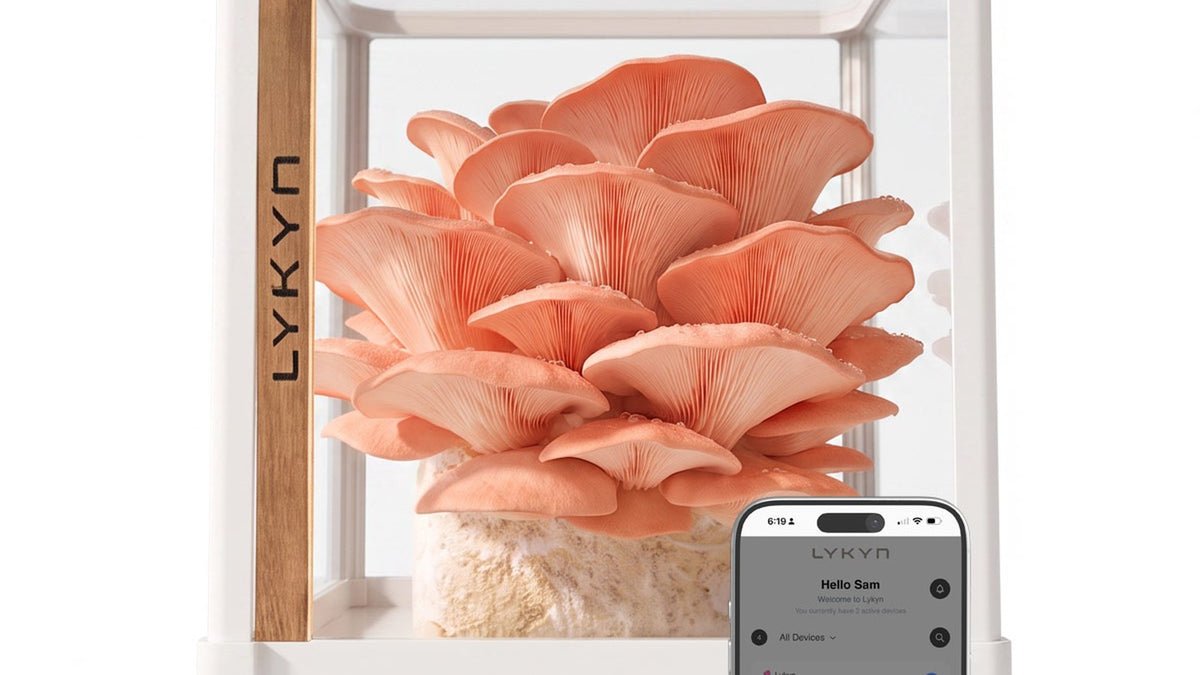
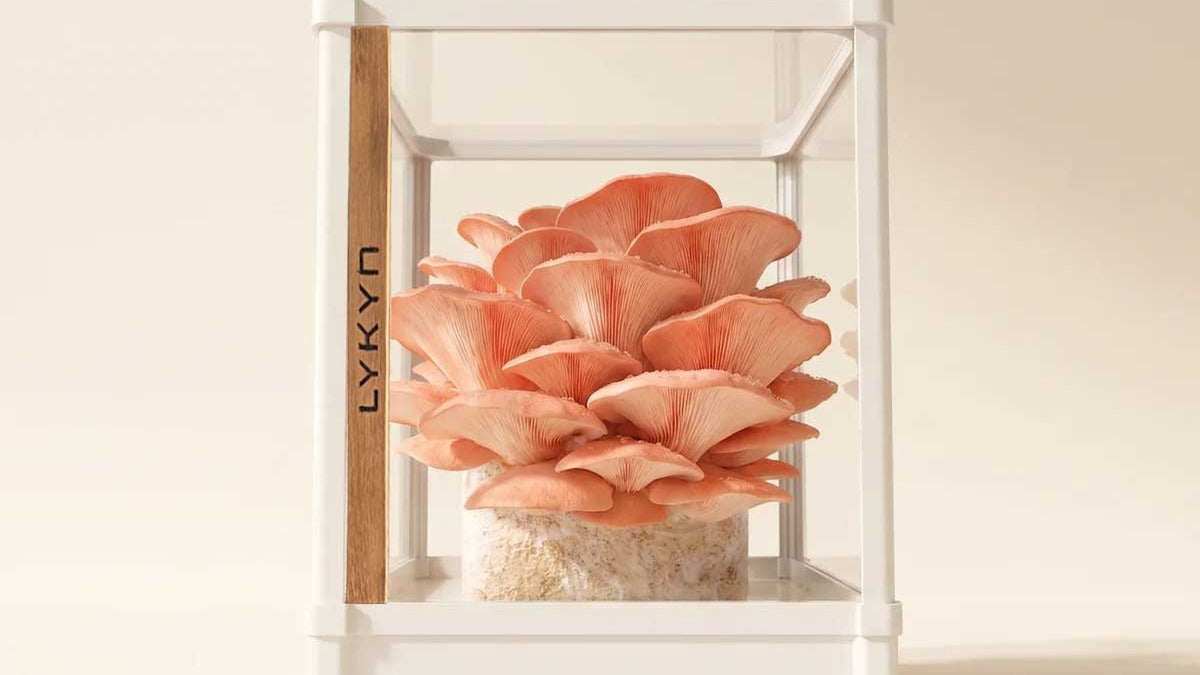
Intelligente Pilzzuchtkammer
Plug-and-Play-Smart-Kammer mit Feuchtigkeit, Licht und Luftstrom, abgestimmt auf jede Spezies. Anfänger ernten ihre erste Spülung in Tagen, nicht Monaten.
In den Warenkorb $299Fallstricke, die Enoki ruinieren
Fünf Fehler sind für die meisten Enoki-Katastrophen verantwortlich.
Überkochen. Alles über 2 Minuten macht die Stiele schleimig. Enoki am Ende des Kochens hinzufügen, nicht am Anfang.
Unterwürzen. Enoki ist mild. Ein wenig Soja, Miso, Butter, Knoblauch oder Sesamöl sind notwendig, um den Geschmack hervorzuheben. Einfach gedämpfte Enoki schmecken nach nichts.
Ertränken in Sahne oder dicken Saucen. Die zarte Textur und der klare Geschmack verschwinden unter einer schweren weißen Sauce oder einer dicken Demi-Glace. Stattdessen mit klaren, leichten oder umami-lastigen Saucen kombinieren.
Kochen der Substratbasis. Der Zentimeter holziger, verschmolzener Basis am unteren Ende des Bündels soll abgeschnitten und entsorgt werden. Das Kochen erzeugt einen sandigen, unangenehmen Bissen in der Mitte eines sonst guten Gerichts.
Die Spülentscheidung überspringen. Entweder spülen und vollständig trocken tupfen, oder überhaupt nicht spülen. Feuchte Enoki in einer heißen Pfanne dämpfen statt anzubraten und werden schleimig.
Enoki versus andere dünne Pilze
Drei Kategorien dünner Pilze werden im Supermarkt verwechselt. Kultivierter Enoki (Flammulina velutipes, die weiße Handelsvariante) ist das langstielige, nadelkopfkappige, verklebte Bündelprodukt, das Sie in Supermärkten sehen. Wilder Enoki (dieselbe Art in ihrer natürlichen Form) hat kürzere Stiele, größere orangebraune Kappen und einen viel reicheren Geschmack; er wächst im Winter wild auf Hartholzstümpfen und wird selten kommerziell verkauft. Shimeji (weiße Buche) ist kürzer, mit dickeren Stielen und sichtbar getrennten Kappen; die Kochtechnik ist anders (2 bis 3 Minuten heiß und schnell).
Für die Rezepte in diesem Leitfaden verwenden Sie kultivierte weiße Enoki. Die wilde Version ist eine andere Zutat mit unterschiedlichen Garzeiten.
Enoki lagern
Frische Enoki halten sich ungeöffnet 7 bis 10 Tage. Nach dem Öffnen in eine Papiertüte umfüllen und innerhalb von 4 bis 5 Tagen verbrauchen. Enoki nicht in versiegelter Plastik aufbewahren; die Feuchtigkeit macht das Bündel innerhalb von 2 bis 3 Tagen schleimig.
Gekochte Enoki lassen sich nicht gut kühlen oder wieder aufwärmen. Die dünnen Stiele verlieren über Nacht ihre Textur. Kochen Sie nur so viel, wie Sie auf einmal essen werden.
Ernährung und der Kauftipp
Eine 100-Gramm-Portion gekochter Enoki liefert etwa 37 Kalorien, 3 Gramm Ballaststoffe, 2,7 Gramm Protein und Spuren von B-Vitaminen, Niacin und Kupfer. Enoki enthält auch Beta-Glucane, Polysaccharide, die auf immunstärkende Eigenschaften untersucht werden.
Achten Sie beim Kauf auf leuchtend elfenbeinweiße Stiele (nicht gelb oder braun), fest verschlossene Kappen (nicht geöffnet oder gespalten) und einen sauberen Geruch. Verzichten Sie auf Packungen mit braunen Flecken, Schleim oder einem sauren Geruch.
Eigene Gourmet-Pilze anbauen
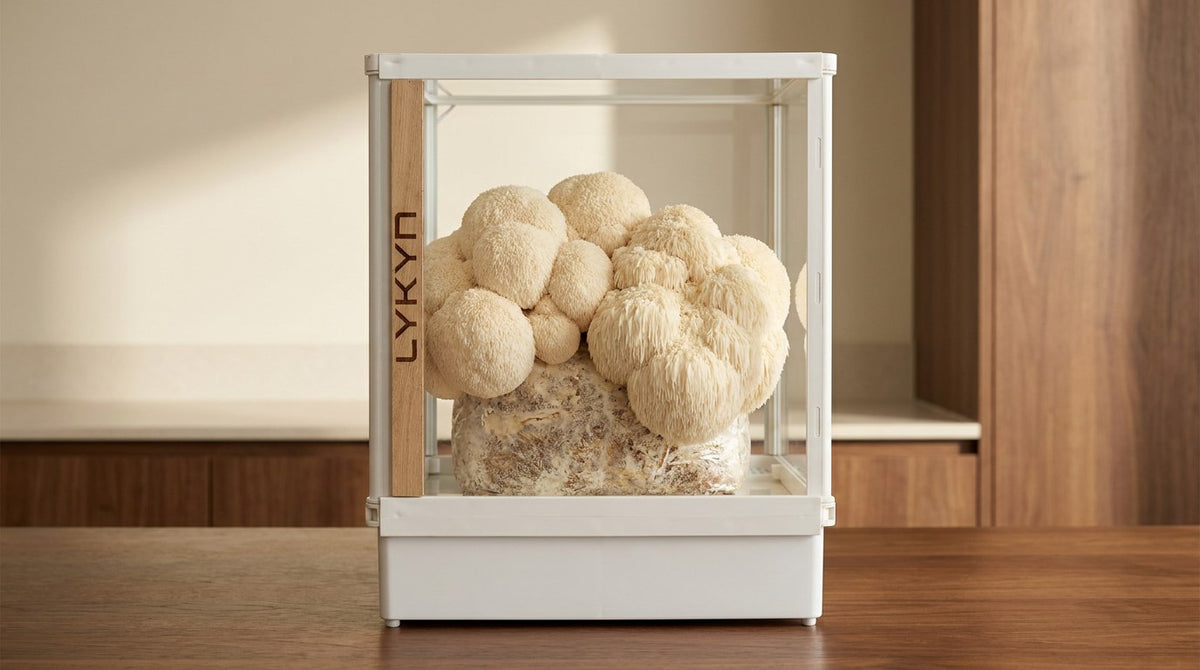
Enoki wird industriell in gekühlten, versiegelten Flaschenanlagen angebaut und ist zu Hause nicht praktikabel. Für vorhersehbare Ernten in Innenräumen mit dokumentierten Erträgen schauen Sie sich Austernpilze, Löwenmähne und Kräuterseitlinge an, die als fertige Pilzzuchtsets erhältlich sind. Enoki bleibt auf der Einkaufsliste, wo eine 3-Dollar-Packung Sie durch drei gute Abendessen unter der Woche bringt, wenn Sie die oben genannten Regeln befolgen.
Fazit zum Kochen von Enoki
Enoki ist ein 60-Sekunden-Pilz. Schneiden Sie die Basis ab, kochen Sie heiß und schnell, würzen Sie einfach und nehmen Sie die Pfanne vom Herd, bevor die Stiele schleimig werden. Wenn Sie diese vier Dinge richtig machen, haben Sie einen der vielseitigsten kleinen Pilze in der Küche, der sich gleichermaßen in einer heißen Ramen-Schale, als Soja-Butter-Beilage oder in Speck gewickelt als Fingerfood wohlfühlt. Das Zeitfenster ist eng, aber die Belohnung ist konstant: ein sauberer, leicht nussiger, leicht fruchtiger Pilz, der fast jedes asiatisch angehauchte Gericht aufwertet, ohne es zu überwältigen.
Aktie:
Morcheln zubereiten: Vorbereitung, Grundregeln und 6 Methoden
Morcheln zubereiten: Vorbereitung, Grundregeln und 6 Methoden