


Baby-Bok-Choy schneiden: Der vollständige Leitfaden zur perfekten Vorbereitung
Wenn man lernt, Baby-Bok-Choy richtig zu schneiden, verwandelt sich dieses nahrhafte asiatische Gemüse von einer einschüchternden Zutat in eine vielseitige, einfach zuzubereitende Ergänzung für unzählige Gerichte. Baby-Bok-Choy mit seinen zarten Blättern und knackigen Stängeln erfordert spezielle Schneidetechniken, um sowohl seine optische Attraktivität als auch seine Kochqualität zu maximieren. Eine fachgerechte Vorbereitung ist daher unerlässlich, um in der heimischen Küche Ergebnisse in Restaurantqualität zu erzielen.
Die Kunst, Baby-Bok-Choy zu schneiden, besteht darin, seine einzigartige Struktur zu verstehen und zu erkennen, wie sich verschiedene Schneidethoden auf Garzeiten, Textur und Präsentation auswirken. Im Gegensatz zu vielen Gemüsesorten, die grob gehackt werden können, profitiert Baby-Bok-Choy von präzisen, durchdachten Schnitten, die sein feines Gleichgewicht aus zarten Blättern und knackigen Stängeln bewahren und gleichzeitig ein gleichmäßiges Garen bei der gewählten Zubereitungsart gewährleisten.
Struktur und Eigenschaften von Baby-Bok-Choy verstehen

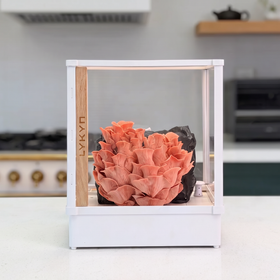
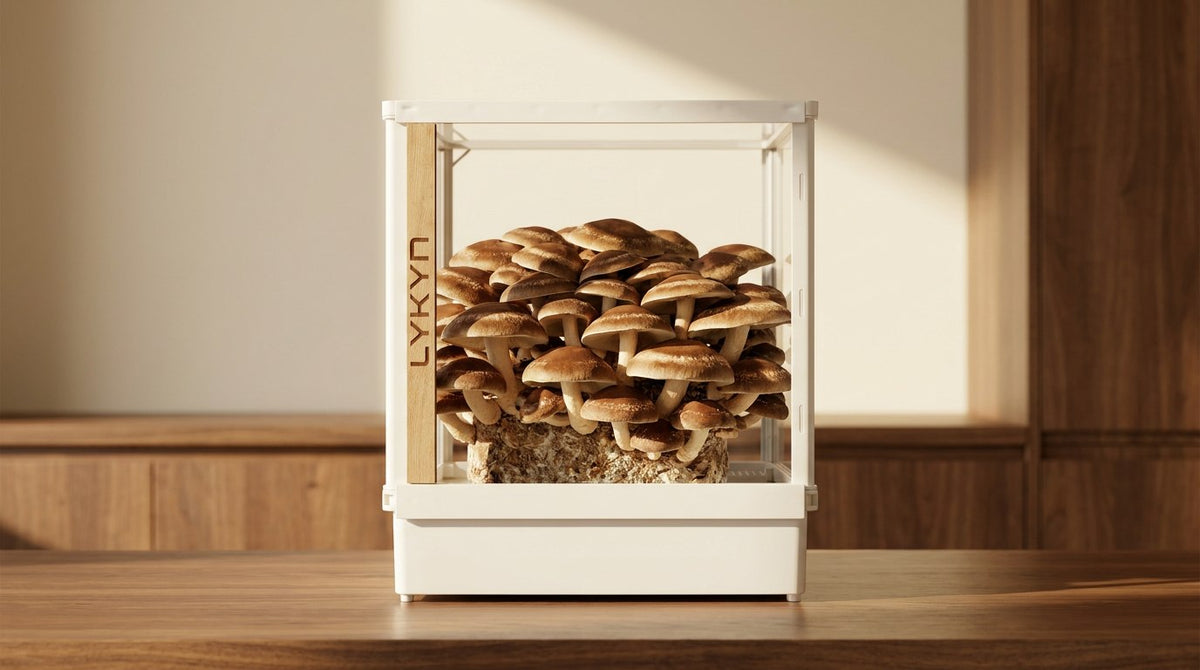
Smart Chamber. Bone White Single
- 2,8-L-Tank, automatische 90 % Luftfeuchtigkeit
- App-gesteuert, Plug-and-Play
- 2,7-kg-Block-Kapazität, auf Lager

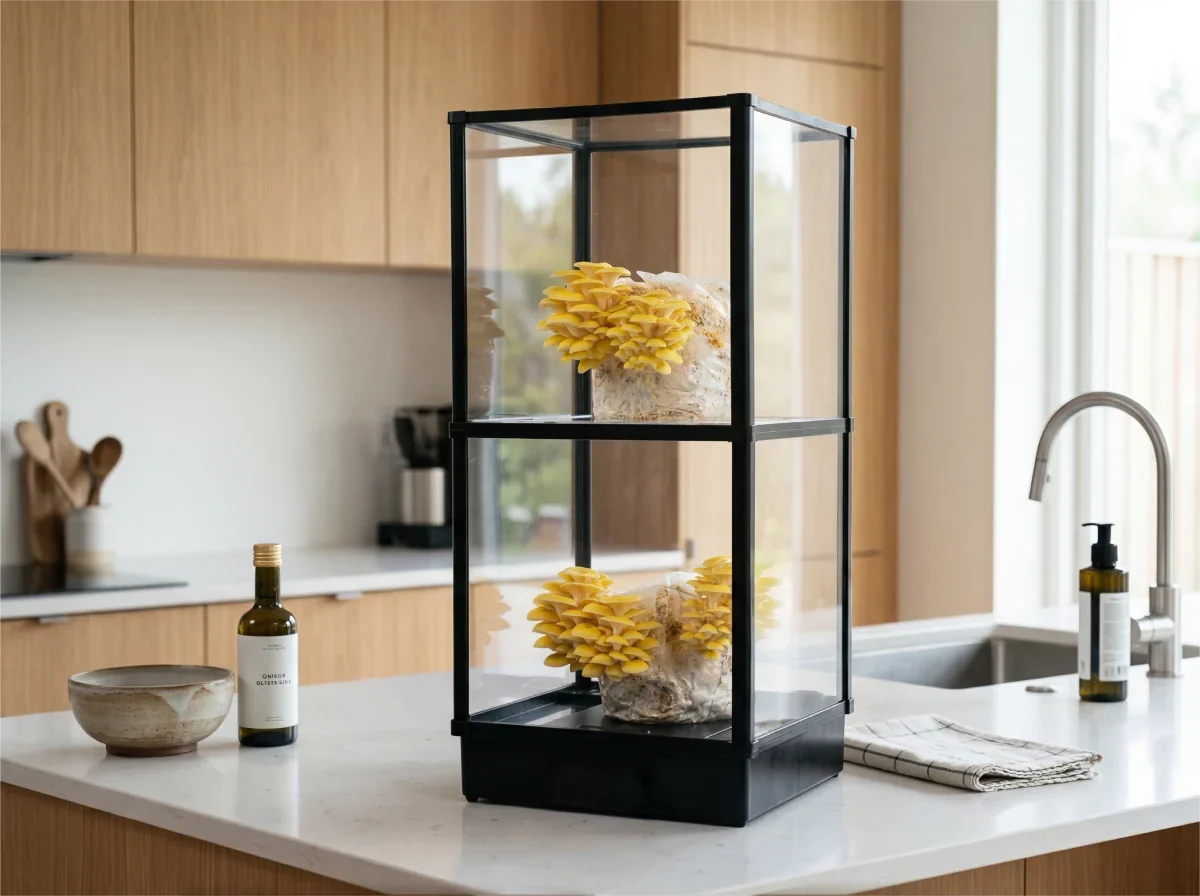
Smart Chamber. Obsidian Black Single
- Dieselbe Hardware wie Bone White
- Hochwertiges, matt-schwarzes Finish
- Passt zu jeder Küchenausstattung

Black Oyster Grow Kit
- Auf Lager
- Versand in 3–5 Tagen
- Ersetzt 1 Kammerzyklus
Was Baby-Bok-Choy so besonders macht
Größe und Aussehen
- Kompakte Größe, meist 7,5–15 cm lang
- Miniaturversion des herkömmlichen Bok-Choy mit identischem Geschmack
- Weiße oder hellgrüne Stängel mit dunkelgrünen Blättern
- Zarte Textur von Stängeln und Blättern
Geschmacksprofil
- Mild-süßer Geschmack mit dezenten pfeffrigen Noten
- Weniger bitter als reifer Bok-Choy
- Die Stängel sorgen für Knackigkeit, während die Blätter eine zarte Textur hinzufügen
- Nimmt andere Aromen beim Kochen wunderbar auf
Nährwertvorteile
- Reich an Vitaminen A, C und K
- Gute Quelle für Calcium und Folat
- Kalorienarm, aber nährstoffreich
- Enthält Antioxidantien und entzündungshemmende Verbindungen
Baby-Bok-Choy im Vergleich zu herkömmlichem Bok-Choy
Größenunterschiede
- Baby-Bok-Choy: 7,5–15 cm lang, jung geerntet
- Herkömmlicher Bok-Choy: 20–30 cm lang, voll ausgereift
- Die Baby-Sorte hat zartere Stängel und Blätter
- Die Garzeiten unterscheiden sich je nach Größe deutlich
Überlegungen zum Schneiden
- Baby-Bok-Choy wird oft ganz oder halbiert zubereitet
- Herkömmlicher Bok-Choy erfordert kräftigere Schnitte
- Das Verhältnis von Stängeln zu Blättern ist bei der Baby-Sorte ausgewogener
- Weniger Abfall und Vorbereitungszeit bei Baby-Bok-Choy
Auswahl und Lagerung von Baby-Bok-Choy
Kriterien für die Qualitätsauswahl
Visuelle Prüfung
- Wählen Sie Exemplare mit leuchtend grünen Blättern
- Die Stängel sollten fest, weiß und makellos sein
- Vermeiden Sie Bok-Choy mit gelblichen oder welken Blättern
- Achten Sie auf kompakte, schwere Köpfe
Frischeindikatoren
- Die Blätter sollten knackig sein und sich beim Biegen sauber brechen
- Keine dunklen Flecken, Schleimigkeit oder Anzeichen von Verderb
- Frischer, sauberer Duft ohne saure oder unangenehme Gerüche
- Gleich große Köpfe für gleichmäßiges Garen
Größenauswahl
- Wählen Sie Köpfe ähnlicher Größe für ein gleichmäßiges Garen
- Kleinere Köpfe (7,5–10 cm) eignen sich perfekt für die Zubereitung ganz
- Größerer Baby-Bok-Choy (12,5–15 cm) eignet sich ideal zum Schneiden
- Berücksichtigen Sie bei der Größenwahl die geplante Zubereitungsart
Richtige Lagerungstechniken
Lagerung im Kühlschrank
- In perforierten Plastikbeuteln in der Gemüse-Schublade aufbewahren
- Ungeputzt lassen, bis er verzehrt wird
- Hohe Luftfeuchtigkeit aufrechterhalten, um ein Welken zu verhindern
- Für die beste Qualität innerhalb von 3–5 Tagen verzehren
Lagerung vor dem Schneiden
- Vor dem Aufbewahren gründlich waschen und trocknen
- In Küchenrolle einwickeln, um überschüssige Feuchtigkeit aufzunehmen
- Maximal 2–3 Tage in luftdichten Behältern aufbewahren
- Die Schnittflächen vor Luft schützen, um ein Braunwerden zu verhindern

Unverzichtbare Ausrüstung für das Schneiden von Baby-Bok-Choy
Benötigte Werkzeuge
Scharfes Kochmesser
- 8–10 Zoll großes Kochmesser mit scharfer Klinge
- Eine saubere Klinge sorgt für präzise Schnitte
- Ein scharfes Messer verhindert das Quetschen zarter Blätter
- Ein hochwertiges Messer macht das Schneiden sicherer und effizienter
Schneidebrett
- Großes, stabiles Schneidebrett mit ausreichend Platz
- Holz- oder Kunststoffbretter eignen sich gleichermaßen gut
- Ein sauberes Brett verhindert Verunreinigungen
- Eine rutschfeste Oberfläche sorgt beim Schneiden für Sicherheit
Küchenschere (optional)
- Nützlich zum Kürzen harter Wurzelenden
- Praktisch zum Trennen einzelner Blätter
- Hilfreich für präzise Kürzarbeiten
- Saubere, scharfe Scheren eignen sich am besten
Vorbereitungswerkzeuge
Sieb zum Waschen
- Großes Sieb zum gründlichen Abspülen
- Ermöglicht ein ordentliches Abtropfen nach dem Waschen
- Unerlässlich zum Entfernen von Schmutz und Rückständen
- Meist sind mehrere Spülvorgänge erforderlich
Küchentücher oder saubere Küchenhandtücher
- Zum Trocknen nach dem Waschen
- Überschüssige Feuchtigkeit vor dem Schneiden aufnehmen
- Verhindern, dass Wasser die Aromen beim Kochen verdünnt
- Die Schneidefläche trocken und sicher halten
Schritt-für-Schritt-Schneidetechniken
Grundlegende Vorbereitungsschritte
Erster Reinigungsvorgang
- Beschädigte oder gelbliche äußere Blätter entfernen
- Die Wurzelenden unten kürzen, falls vorhanden, aber die Basis intakt lassen
- Gründlich unter kaltem fließendem Wasser abspülen
- Besondere Aufmerksamkeit der Basis schenken, wo sich Schmutz ansammelt
Gründliche Waschmethode
- Eine große Schüssel mit kaltem Wasser füllen
- Den Bok-Choy eintauchen und sanft bewegen
- Herausheben und auf verbleibenden Schmutz prüfen
- Bei Bedarf den Waschvorgang wiederholen
Trocknungsvorgang
- Überschüssiges Wasser sanft abschütteln
- Mit Küchenrolle oder einem sauberen Küchenhandtuch trocken tupfen
- Sicherstellen, dass Blätter und Stängel vollständig trocken sind
- Trockenes Gemüse lässt sich besser garen und Öl spritzt nicht
Schneidemethode 1: Längs halbieren
Wann man diese Methode verwendet
- Perfekt für die Zubereitung zum Grillen oder Braten
- Ideal für das schnelle Anbraten in der Pfanne mit eindrucksvoller Präsentation
- Bewahrt die strukturelle Integrität während des Garens
- Hebt die schöne natürliche Form des Gemüses hervor
Schritt-für-Schritt-Vorgang
- Den Baby-Bok-Choy mit der Stängelseite nach unten auf das Schneidebrett legen
- Das scharfe Messer in die Mitte der Basis positionieren
- Von der Basis bis zur Spitze gerade durch die Mitte schneiden
- Jede Hälfte sollte gleiche Anteile an Stängeln und Blättern haben
- Die Schnittflächen abspülen, falls sich noch Schmutz in den Zwischenräumen befindet
Tipps für das perfekte Halbieren
- Das Messer senkrecht zum Schneidebrett halten
- Eine glatte, sichere Schnittbewegung ausführen
- Nicht hin- und hersägen, da dies die Blätter quetscht
- Die Stängelbasis sauber durchschneiden, damit die Hälften intakt bleiben
Schneidemethode 2: Querschnitt
Anwendungen für Querschnitte
- Ausgezeichnet für Suppen und Nudelgerichte
- Perfekt für schnelles Anbraten in der Pfanne
- Gewährleistet eine gleichmäßige Verteilung in gemischten Gerichten
- Erzeugt gleichmäßige Stücke für ein gleichmäßiges Garen
Schneidetechnik
- Den Baby-Bok-Choy auf der Seite auf das Schneidebrett legen
- Vom Blätterende in Richtung Stängelbasis schneiden
- Die Schnitte je nach gewünschter Größe 2,5–5 cm auseinander setzen
- Die Schnitte senkrecht zur Länge des Gemüses ausführen
- Blätter von den Stängeln trennen, wenn die Garzeiten unterschiedlich sind
Größenvarianten
- 2,5-cm-Stücke: ideal für Pfannengerichte und schnelles Garen
- 5-cm-Stücke: perfekt für Suppen und Schmorgerichte
- 1,25-cm-Stücke: ausgezeichnet für gebratenen Reis und Nudelgerichte
- Die Größe an die Zubereitungsart und die Anforderungen des Gerichts anpassen
Schneidemethode 3: Trennen von Stängeln und Blättern
Warum die Bestandteile trennen
- Stängel benötigen eine längere Garzeit als Blätter
- Ermöglicht ein aufeinanderfolgendes Garen für eine perfekte Textur
- Verhindert das Überkochen zarter Blätter
- Professionelle Technik für optimale Ergebnisse
Trennungsvorgang
- Die Stelle erkennen, an der der weiße Stängel auf die grünen Blätter trifft
- Die Blätter an der natürlichen Verbindungsstelle von den Stängeln trennen
- Die Stängel in größeren Stücken belassen, damit sie gleichmäßig garen
- Die Blätter nach Belieben in mundgerechte Stücke zupfen
Überlegungen zur Garzeit
- Mit den Stängeln 2–3 Minuten vor dem Hinzufügen der Blätter beginnen
- Die Stängel sollten bissfest und zart sein, bevor die Blätter hinzugefügt werden
- Blätter garen sehr schnell, meist 30 Sekunden bis 1 Minute
- Diese Methode gewährleistet eine perfekte Textur durchgehend
Schneidemethode 4: Ganze Zubereitung
Wann man ihn ganz lässt
- Kleine Baby-Bok-Choy (7,5–10 cm) eignen sich perfekt für die Zubereitung ganz
- Beeindruckende Präsentation für Einzelportionen
- Ideal für Dämpfen und Schmoren
- Bewahrt den maximalen Nährwert
Vorbereitungsschritte
- Die Wurzelenden nur minimal kürzen, um sie zu reinigen
- Die Basis intakt lassen, damit die Blätter zusammengehalten werden
- Ein flaches X-förmiges Muster in die Basis schneiden, damit er gleichmäßig gart
- Gründlich waschen und dabei auf die Zwischenräume der Basis achten
Überlegungen zum Garen
- Ganze Bok-Choy benötigen länger, bis sie vollständig durchgegart sind
- Die Basis benötigt eine längere Garzeit als die Spitzen
- Für die besten Ergebnisse dämpfen oder schmoren
- Den Garzustand prüfen, indem man die Basis mit der Messerspitze durchsticht
Schnitttechniken für spezifische Zubereitungsarten
Vorbereitung für Pfannengerichte
Optimale Schnittgröße

Beflügeln Sie Ihre Pilzreise
Intelligente Pilzzuchtkammer
Intelligente Kammer mit Plug-and-Play-Funktion, bei der Luftfeuchtigkeit, Licht und Luftstrom für jede Art optimal eingestellt sind. Anfänger ernten ihre erste Ernte in Tagen, nicht in Monaten.
In den Warenkorb für 299 $- 2,5–5 cm lange Querschnitte für gleichmäßiges Garen
- Stängel und Blätter für ein aufeinanderfolgendes Garen trennen
- Leicht diagonal schneiden, um die Oberfläche zu vergrößern
- Gleichmäßige Größen gewährleisten ein gleichmäßiges Garergebnis
Schnittstrategie
- Stängel in 1,25-cm-Stücke schneiden
- Blätter in größeren Stücken belassen (sie schrumpfen erheblich)
- Die Größe des Kochgeschirrs bei der Bestimmung der Schnitte berücksichtigen
- Alle Schnitte vornehmen, bevor mit dem Kochen begonnen wird
Anwendungen für Suppen und Brühen
Beste Schnitte
- Querschnitte in 2,5–5 cm langen Stücken eignen sich gut
- Ganze kleine Bok-Choy eignen sich hervorragend für klare Brühen
- Stängel und Blätter für einen Texturkontrast trennen
- Die Größe des Löffels bei der Bestimmung der Schnitte berücksichtigen
Überlegungen zur Garzeit
- Stängel zu Beginn des Suppenkochvorgangs hinzufügen
- Blätter in den letzten 1–2 Minuten des Garens hinzufügen
- Ganze Bok-Choy benötigen 5–8 Minuten in köchelnder Brühe
- Überkochen vermeiden, da die Blätter sonst matschig werden
Schnitte für Grillen und Braten
Vorbereitung für hohe Hitze
- Längs halbieren eignet sich am besten zum Grillen
- Die Schnittflächen mit Öl bestreichen, um ein Anhaften zu verhindern
- Die Stängelbasis mit einem Kreuzmuster einritzen, damit sie gleichmäßig gart
- Kleine ganze Bok-Choy eignen sich perfekt zum Braten
Wärmeverteilung
- Die Schnittflächen karamellisieren beim Grillen wunderbar
- Stängel benötigen eine längere Hitzeeinwirkung als Blätter
- Zuerst mit der Schnittseite nach unten positionieren, um eine optimale Bräunung zu erzielen
- Vorsichtig wenden, damit die Blätter nicht verbrennen
Vorbereitung für das Dämpfen
Für das Dämpfen geeignete Schnitte
- Ganze Baby-Bok-Choy eignen sich ideal zum Dämpfen
- Längs halbieren für ein schnelleres, gleichmäßigeres Garen
- Die Stücke groß lassen, um ein Überkochen zu verhindern
- Die Stängelbasis einritzen, damit der Dampf gleichmäßiger eindringt
Tipps zum Dämpfen
- Mit der Schnittseite nach unten im Dampfgarbehälter anordnen
- Halbierte Bok-Choy 3–5 Minuten dämpfen
- Ganze Bok-Choy benötigen 5–8 Minuten
- Den Garzustand mit der Messerspitze in der dicksten Stelle prüfen
 Fortgeschrittene Schneidetechniken
Dekorative Schneidemethoden
Fächer-Schnitt
- Mehrere Längsschnitte von der Spitze zur Basis ausführen
- Dreiviertel des Weges schneiden und den Strunk intakt lassen
- Erzeugt eine elegante Fächerform für besondere Präsentationen
- Perfekt zum Dämpfen und für leichtes Schmoren
Blütenschnitt
- Strunk kreuzweise 1/4 Zoll tief einschneiden
- Erzeugt beim Kochen eine blumenartige Öffnung
- Besonders schön in klaren Brühen
- Traditionelle Technik in der chinesischen Küche
Professionelle Küchentechniken
Chiffonade für Blätter
- Größere Blätter übereinander stapeln
- Vom Stiel bis zur Spitze fest einrollen
- Quer in dünne Streifen schneiden
- Perfekt zum Garnieren und für Gerichte mit kurzer Garzeit
Stiele in Julienne schneiden
- Stiele längs in dünne Streifen schneiden
- Eine gleichmäßige Dicke sorgt für ein gleichmäßiges Garen
- Ausgezeichnet für Salate und schnelles Pfannengerichte
- Professionelle Optik der fertigen Gerichte
Erhalt der Frische nach dem Schneiden
Strategien für die sofortige Verwendung
Oxidation verhindern
- Für beste Ergebnisse den geschnittenen Bok Choy sofort verwenden
- Die Schnittflächen kurz abspülen, wenn sie nicht sofort verwendet werden
- Geschnittenes Gemüse in einer kühlen, feuchten Umgebung aufbewahren
- Die Schnittflächen nicht unnötig der Luft aussetzen
Erhalt der Qualität
- Die Schnittflächen vor dem Kochen trocken tupfen
- Beschädigte oder welke Teile nach dem Schneiden entfernen
- Das schärfste verfügbare Messer verwenden, um Zellschäden zu minimieren
- Schonend behandeln, um Druckstellen zu vermeiden
Kurzzeitige Aufbewahrung
Aufbewahrung von geschnittenem Bok Choy im Kühlschrank
- In luftdichten Behältern auf Küchenpapier aufbewahren
- Für beste Qualität innerhalb von 24–48 Stunden verwenden
- Verschiedene Schnitte für optimale Frische getrennt aufbewahren
- Die Behälter mit dem Schneidedatum kennzeichnen
Blanchieren für eine längere Aufbewahrung
- Geschnittenen Bok Choy 30 Sekunden lang in kochendem Wasser blanchieren
- Sofort in Eiswasser abschrecken, um den Garprozess zu stoppen
- Gründlich abtropfen lassen und im Kühlschrank aufbewahren
- Innerhalb von 3–4 Tagen nach dem Blanchieren verwenden
Häufige Schneefehler und wie man sie vermeidet
Schneefehler, die die Qualität beeinträchtigen
Verwendung stumpfer Messer
- Stumpfe Klingen zerquetschen, anstatt sauber zu schneiden
- Dies führt zu Druckstellen und beschädigtem Gemüse
- Es verursacht einen schnelleren Verderb und schlechte Kochergebnisse
- Verwenden Sie immer scharfe, saubere Messer
Zu klein schneiden
- Winzige Stücke werden schnell übergart und matschig
- Der Texturkontrast zwischen Stängeln und Blättern geht verloren
- Schwierig zu handhaben während des Kochvorgangs
- Streben Sie nach größeren Stücken, die ihre Struktur behalten
Die natürliche Struktur ignorieren
- Das Schneiden gegen die natürliche Faser kann zähe Stücke erzeugen
- Stängel nicht gegebenenfalls von den Blättern trennen
- Unterschiedliche Garzeiten nicht berücksichtigen
- Das Verständnis der Pflanzenstruktur verbessert die Ergebnisse
Fehler bei Timing und Vorbereitung
Zu früh schneiden
- Geschnittenes Gemüse verliert schnell an Qualität
- Oxidation beeinträchtigt sowohl das Aussehen als auch den Nährwert
- Planen Sie den Zeitpunkt des Schneidens entsprechend dem Kochplan
- Frisch geschnittenes Gemüse schmeckt immer besser
Unzureichende Reinigung
- Schmutz und Rückstände beeinträchtigen Geschmack und Textur
- Besonders wichtig im Bereich des Strunkansatzes
- Mehrfaches Abspülen ist oft erforderlich
- Sauberes Gemüse gart gleichmäßiger
Ernährungsphysiologische Aspekte und Vorteile
Maximierung des Nährwerts
Auswirkungen des Schneidens auf den Nährwert
- Kleinere Schnitte setzen eine größere Oberfläche der Luft aus
- Bei starkem Schneiden geht ein Teil der Vitamine verloren
- Kurzes Kochen nach dem Schneiden bewahrt die Nährstoffe
- Dämpfen oder Pfannengerichte mit wenig Flüssigkeit helfen, den Nährstoffgehalt zu erhalten
Auswirkungen der Garmethoden
- Leichte Garmethoden bewahren mehr Nährstoffe
- Übergartes zerstört hitzeempfindliche Vitamine
- Wasserlösliche Vitamine gelangen in die Kochflüssigkeit
- Bewahren Sie Kochflüssigkeiten nach Möglichkeit für Suppen und Saucen auf
Gesundheitliche Vorteile von Baby Bok Choy
Nährstoffprofil
- Reich an Vitaminen A, C und K
- Gute Quelle für Kalzium und Kalium
- Enthält Folat und andere B-Vitamine
- Kalorienarm, aber nährstoffreich
Antioxidative Eigenschaften
- Enthält Glucosinolate mit krebshemmenden Eigenschaften
- Hoher Gehalt an Beta-Carotin und anderen Antioxidantien
- Entzündungshemmende Verbindungen in der gesamten Pflanze
- Regelmäßiger Verzehr unterstützt die allgemeine Gesundheit

Kombination von geschnittenem Baby Bok Choy mit anderen Zutaten
Komplementäre Aromen
Asiatische Geschmacksprofile
- Ingwer, Knoblauch und Sojasauce unterstreichen die natürlichen Aromen
- Sesamöl verleiht nussige Fülle
- Reiswein und Mirin sorgen für eine dezente Süße
- Chiliöl und Chilis sorgen für Schärfe und Komplexität
Westliche Variationen
- Zitronensaft und Olivenöl für mediterrane Zubereitungen
- Butter und Kräuter für einfache Gerichte im europäischen Stil
- Speck und Schalotten für reichhaltige, herzhafte Kombinationen
- Käse und Sahne für üppige Zubereitungen
Kochkombinationen
Kombinationen mit Proteinen
- Huhn und Schweinefleisch ergänzen die milden Aromen des Bok Choy
- Meeresfrüchte, insbesondere Muscheln und Garnelen, passen hervorragend
- Tofu und andere pflanzliche Proteine eignen sich hervorragend
- Eier ergeben sättigende, nahrhafte Kombinationen
Kombinationen mit Gemüse
- Pilze sorgen für umami-reiche Tiefe
- Paprika sorgt für Farbe und Süße
- Karotten sorgen für natürliche Süße und Knusprigkeit
- Zuckenschoten und Zuckererbsen sorgen für Texturvielfalt
Fazit
Zu lernen, wie man Baby Bok Choy richtig schneidet, hebt dieses nährstoffreiche Gemüse von einem einfachen Bestandteil zu einem kulinarischen Star und ermöglicht es Hobbyköchen, mit Selbstvertrauen und Können Gerichte in Restaurantqualität zuzubereiten. Der Schlüssel zum Erfolg liegt darin, die einzigartige Struktur des Gemüses zu verstehen, die geeigneten Schneidmethoden für die geplante Garmethode auszuwählen und die feine Balance zwischen knackigen Stängeln und zarten Blättern zu bewahren.
Ob Sie ein schnelles Pfannengericht, eine elegante gedämpfte Präsentation oder eine herzhafte Suppe zubereiten, die richtige Schneidtechnik sorgt für optimale Textur, gleichmäßiges Garen und eine schöne Präsentation. Die Investition in scharfe Messer und die richtige Technik zahlt sich durch durchweg hervorragende Ergebnisse und einen gesteigerten Genuss dieses vielseitigen, nährstoffreichen Gemüses aus.
Denken Sie daran, dass der milde Geschmack und die zarte Textur des Baby Bok Choy ihn zu einem hervorragenden Einstieg für alle machen, die neu mit asiatischem Gemüse in Berührung kommen. Seine gesundheitlichen Vorteile und seine Vielseitigkeit beim Kochen machen ihn zudem für erfahrene Köche wertvoll, die gesunde, leckere Zutaten suchen. Meistern Sie diese Schneidetechniken, und Sie werden feststellen, dass Sie Baby Bok Choy regelmäßig als vielseitiges Gemüse für unzählige kulinarische Anwendungen verwenden.
Wenn Sie diese Schneidemethoden üben, werden Sie das Selbstvertrauen und die Fähigkeit entwickeln, die Techniken an Ihre spezifischen Bedürfnisse und Kochvorlieben anzupassen. Letztendlich wird die Zubereitung von Baby Bok Choy so natürlich und intuitiv wie die Zubereitung jedes anderen vertrauten Gemüses in Ihrer Küche.





Aktie:
Wasabi-Anbau: Wesentliche Voraussetzungen für eine erfolgreiche Kultivierung
Mungobohnensprossen Nährwerte: Der vollständige Leitfaden zu gesundheitlichen Vorteilen und Nährwerten