


Pilze im Garten können beängstigend aussehen, aber meistens sind sie ein Zeichen für einen gesunden Boden und kein Problem, das gelöst werden muss. Sie erscheinen, wenn vergrabenes organisches Material (alte Baumwurzeln, sich zersetzender Mulch, Laubstreu) von Pilzen unterirdisch abgebaut wird, und die sichtbaren Pilze sind nur die Fruchtkörper. Wenn Sie sie aus ästhetischen Gründen oder zur Sicherheit von Haustieren loswerden wollen, erfahren Sie hier, wie Sie Pilze in Gartenbereichen entfernen können, ohne Ihren Rasen zu zerstören oder Geld für Produkte zu verschwenden, die nicht funktionieren.
Kurzversion: zusammenharken, Feuchtigkeit und organische Ablagerungen reduzieren, akzeptieren, dass sie nach der nächsten Feuchtperiode wahrscheinlich wiederkommen. Die Langversion folgt unten, mit der Wissenschaft, was tatsächlich funktioniert und was Marketing ist.
Warum Pilze überhaupt erscheinen
Rasenpilze sind saprotrophe Pilze. Sie ernähren sich von totem Pflanzenmaterial im Boden, insbesondere von sich zersetzenden Baumwurzeln alter Baumstümpfe, vergrabenen Bauschutt, unbehandeltem Mulch, Filzschichten oder Tierexkrementen. Das Myzel (der unterirdische Körper des Pilzes) kann jahrelang in Ihrem Boden leben, ohne sichtbare Pilze zu bilden. Wenn Temperatur, Feuchtigkeit und Nahrung zusammenpassen, fruchtet es.
Die häufigsten Auslöser in privaten Gärten:
- Starker Regen, gefolgt von warmem, feuchtem Wetter
- Übermäßiges Gießen, besonders in schattigen Bereichen
- Vergrabene Baumstümpfe oder Wurzeln bei Neubauten
- Dicke Filzschicht (die braune Matte zwischen grünem Gras und Erde)
- Verdichteter Boden mit schlechter Drainage
Der Pilz selbst schädigt Ihren Rasen nicht. In den meisten Fällen verbessert er den Boden, indem er Nährstoffe recycelt. Die Pilze sind temporär und verschwinden in der Regel innerhalb von ein oder zwei Wochen von selbst, wenn sich die Bedingungen ändern.

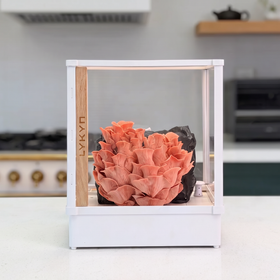
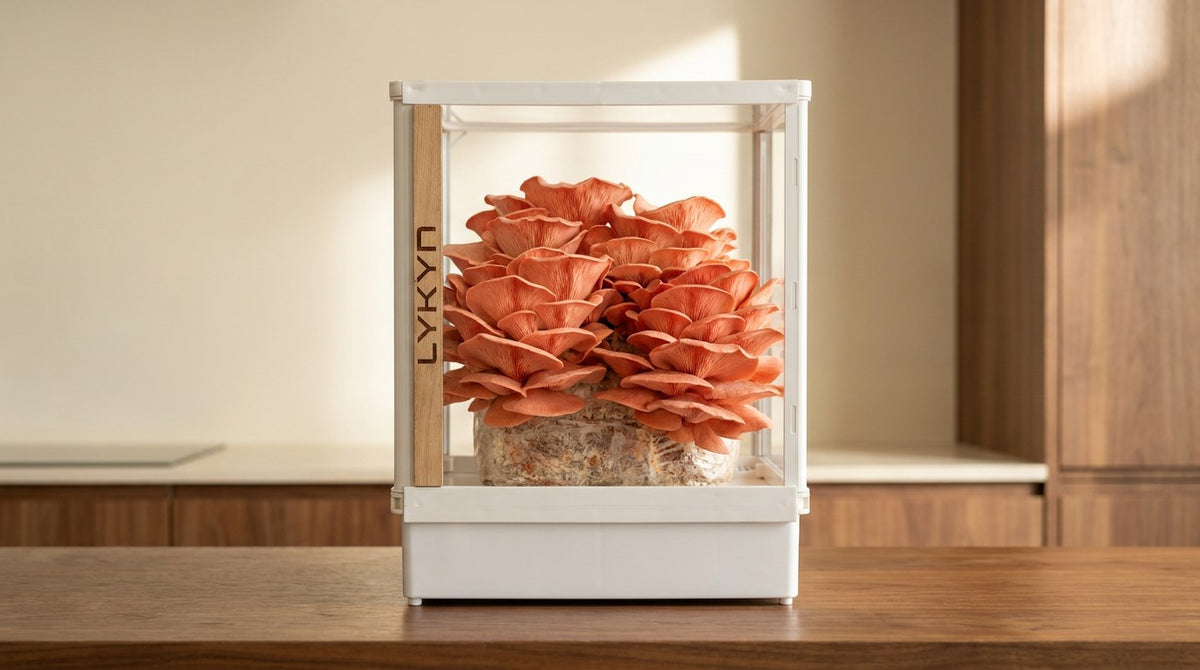
Smart Chamber. Bone White Single
- 2.8L Tank, 90% Luftfeuchtigkeit automatisch
- App-gesteuert, Plug-and-Play
- 6 lb Block Decke, auf Lager

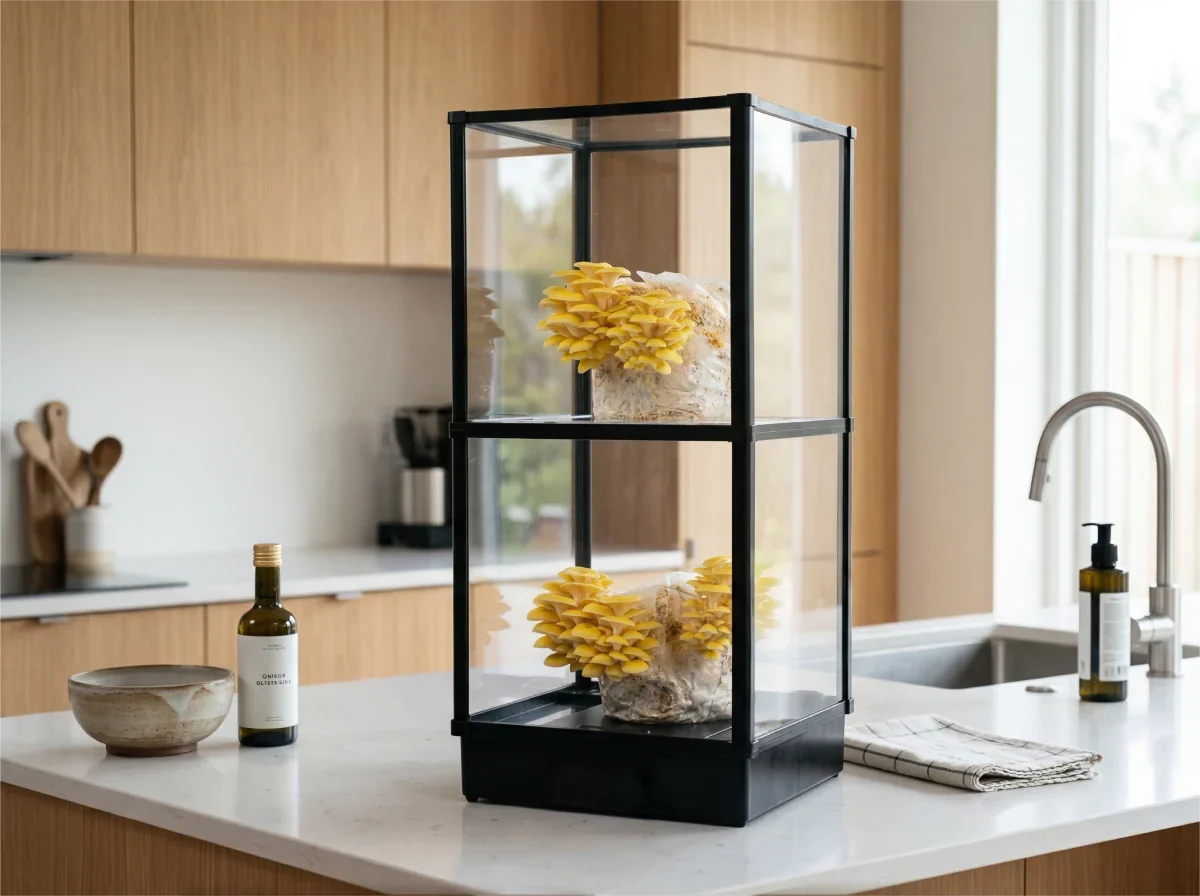
Smart Chamber. Obsidian Black Single
- 2.8L Tank, 90% Luftfeuchtigkeit automatisch
- App-gesteuert, Plug-and-Play
- Mattschwarzes Obsidian-Finish, auf Lager

Black Oyster Fruiting Block
- 2,3 kg besiedelter Hartholzblock
- 1-3 Tage Zyklus, einfache erste Ernte
- Laborgetesteter Stamm, auf Lager
Schritt 1: Das Vorhandene entfernen
Sammeln oder harken Sie sichtbare Pilze sofort, wenn Sie sie sehen. Wenn Sie sie entfernen, bevor sie Sporen freisetzen, verringert sich die Wahrscheinlichkeit, dass sich neue Pilze in der Nähe bilden, und das Sicherheitsrisiko für Haustiere und kleine Kinder wird beseitigt. Tragen Sie Handschuhe, geben Sie sie in einen verschlossenen Beutel und entsorgen Sie sie im Müll, nicht im Kompost.
Versuchen Sie nicht, sie im Feld zu identifizieren. Einige Gartenpilze sind harmlos, andere leicht giftig, und einige wenige Arten sind beim Verzehr wirklich gefährlich. Behandeln Sie jeden Gartenpilz als potenziell giftig, bis das Gegenteil bewiesen ist, besonders in der Nähe von Hunden, die mit dem Maul erkunden.
Schritt 2: Die Feuchtigkeitsschicht angehen
Pilze gedeihen in feuchten Umgebungen. Wenn Ihr Rasen ständig Pilze hervorbringt, speichert der Boden wahrscheinlich zu viel Wasser. Ein paar einfache Änderungen lösen das Problem in der Regel:
- Tief, aber seltener gießen. Die meisten Rasenflächen benötigen etwa 2,5 cm Wasser pro Woche, das in ein oder zwei Durchgängen, nicht täglich leicht, zugeführt wird.
- Morgens gießen, niemals nachts. Abendliches Gießen hält Gras und Boden während der kühlen Nachtstunden feucht, genau dann, wenn Pilze sich am liebsten ausbreiten.
- Drainage an tief gelegenen Stellen verbessern. Eine dünne Schicht kompostierter Erde hinzufügen, um Vertiefungen zu füllen, in denen sich Pfützen bilden.
- Niedrige Baumäste zurückschneiden, um mehr Sonne und Luft an die Rasenoberfläche zu lassen.
Die Reduzierung der Oberflächenfeuchtigkeit ist die wirksamste langfristige Lösung. Die meisten Hausbesitzer, die mit anhaltenden Pilzproblemen zu kämpfen haben, gießen einfach zu oft.

Befeuern Sie Ihre Pilzreise
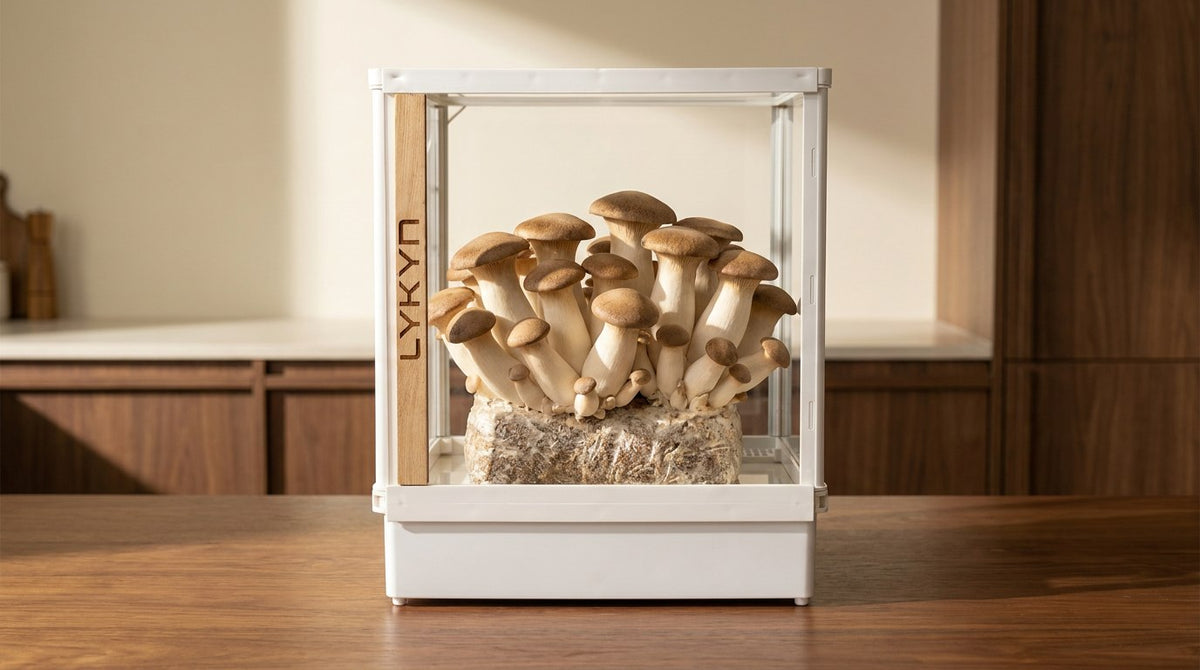
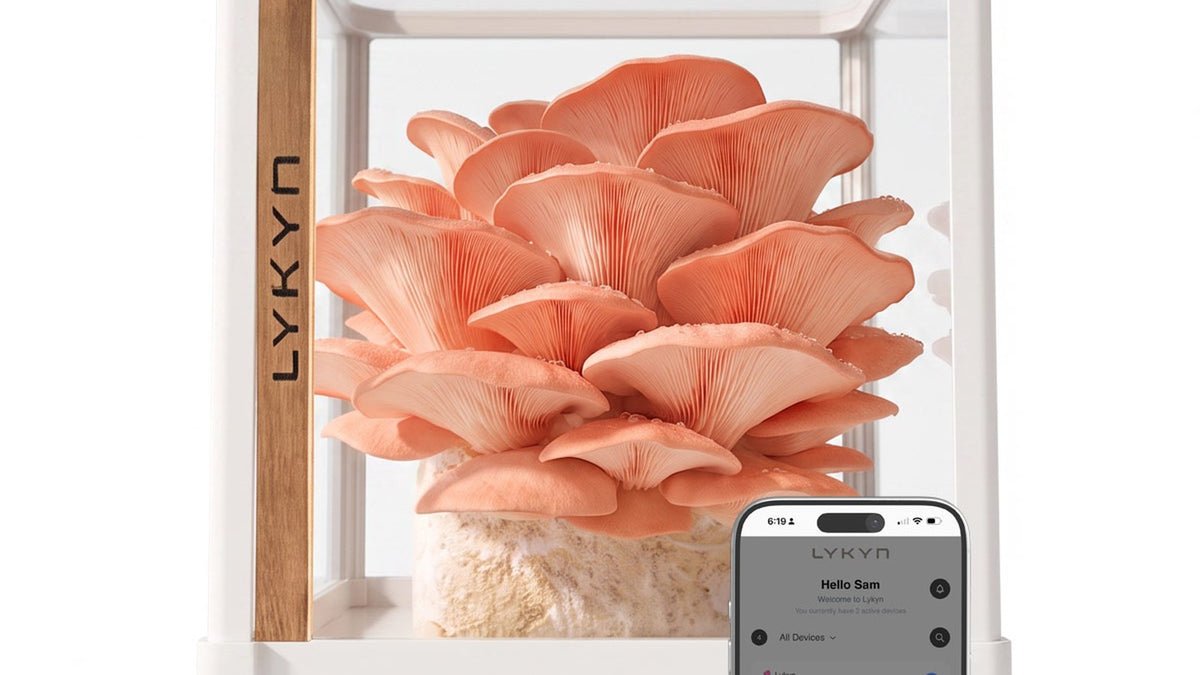
Intelligente Pilzzuchtkammer
Plug-and-Play-Smart-Kammer mit optimal abgestimmter Luftfeuchtigkeit, Licht und Luftstrom für jede Art. Anfänger ernten ihre erste Ernte in Tagen, nicht in Monaten.
In den Warenkorb $299Schritt 3: Die Nahrungsquelle entfernen
Wenn Pilze Jahr für Jahr an der gleichen Stelle erscheinen, gibt es in der Regel eine vergrabene organische Kohlenstoffquelle, die die Pilze ernährt. Häufige Übeltäter sind:
- Alte Baumstümpfe: Selbst wenn der Stumpf gemulcht wurde, zersetzt sich das Wurzelsystem noch 5 bis 10 Jahre lang unterirdisch. Pilze, die in einem Ring oder Bogen wachsen, deuten oft auf eine vergrabene Wurzel hin.
- Bauschutt: In neueren Siedlungen vergraben Bauunternehmer manchmal Holzreste, Trockenbauplatten und Baumabfälle. Das Ausgraben und Entfernen des Schutts löst das Problem dauerhaft.
- Mulch, der nicht gealtert war: Frischer Hartholzmulch kann holzzersetzende Pilze einführen. Verwenden Sie kompostierten oder gealterten Mulch und häufen Sie ihn nicht gegen Baumstämme.
- Haustierabfälle: Auf dem Rasen zurückgelassene Hundekot liefert stickstoffreiche Nahrung für verschiedene Pilze. Täglich einsammeln.
Wenn Sie die Quelle identifizieren und entfernen können, kehren die Pilze nicht mehr zurück. Wenn die Quelle zu tief oder unpraktisch zum Ausgraben ist, werden Sie jahrelang mit dem Fruchten zu tun haben. Das ist kein Scheitern; so funktioniert das unterirdische Ökosystem.
Schritt 4: Vertikutieren und Belüften
Filz ist die Schicht aus totem Gras und Wurzeln, die sich zwischen grünem Wuchs und Boden ansammelt. Eine geringe Menge (weniger als 1,27 cm) ist nützlich. Mehr davon hält Feuchtigkeit an der Bodenoberfläche, blockiert den Luftaustausch und schafft ideale Pilzbedingungen.
Wenn Ihre Filzschicht dicker als 1,27 cm ist, vertikutieren Sie im Frühherbst mit einem Vertikutierer oder einer Vertikutierrechen. Anschließend belüften Sie den Boden, um verdichteten Boden aufzulockern und die Drainage zu verbessern. Diese Kombination trocknet die Oberflächenzone aus und stört das Pilzmyzel in den oberen Zentimetern des Bodens.
Schritt 5: Was ist mit Fungiziden?
Rasenfungizide, die zur Pilzbekämpfung vermarktet werden, wirken nicht wirklich so, wie die meisten Menschen erwarten. Sie zielen auf pflanzenpathogene Pilze wie Braunflecken und Dollarflecken ab, nicht auf die tief verwurzelten Saprotrophen, die Gartenpilze produzieren. Das Myzel, das sich von einem vergrabenen Baumstumpf ernährt, ist außerhalb der Reichweite jedes Sprühprodukts.
Essig, Spülmittel, Backpulver, Bleichmittel und andere Hausmittel sind noch weniger wirksam. Sie mögen den sichtbaren Pilz abtöten, aber der unterirdische Pilz bleibt unberührt, und die gleichen Chemikalien können Ihr Gras schädigen.
Sparen Sie Ihr Geld. Mechanische Entfernung plus Feuchtigkeitsmanagement bringt Ihnen 90 Prozent des Ergebnisses, ohne Risiko für Haustiere, Kinder oder Bestäuber.
Hexenringe: Ein Sonderfall
Wenn Ihre Pilze einen Kreis oder Bogen bilden, handelt es sich um einen Hexenring. Hexenringe werden durch eine spezifische Gruppe von Bodenpilzen verursacht, die sich von einem zentralen Punkt nach außen ausbreiten, und der Ring wächst jedes Jahr um einige Zentimeter bis zu einem Meter. Einige Hexenringe führen zu einer grünen Stimulation des Grases; andere erzeugen tote Zonen innerhalb des Rings.
Hexenringe sind bekanntermaßen schwer zu beseitigen. Kernbelüftung entlang des Rings, Einweichen mit einem Benetzungsmittel, um die wasserabweisende Schicht zu durchbrechen, die die Pilze erzeugen, und Topdressing mit Kompost können sie im Laufe der Zeit unterdrücken. Eine vollständige Ausrottung erfordert in der Regel das Ausgraben des Bodens entlang des Rings bis zu einer Tiefe von 30 cm, was mehr Arbeit ist, als die meisten Hausbesitzer auf sich nehmen wollen.
Wenn Sie sie nicht besiegen können, essen Sie sie (Nein, nicht die Gartenpilze)
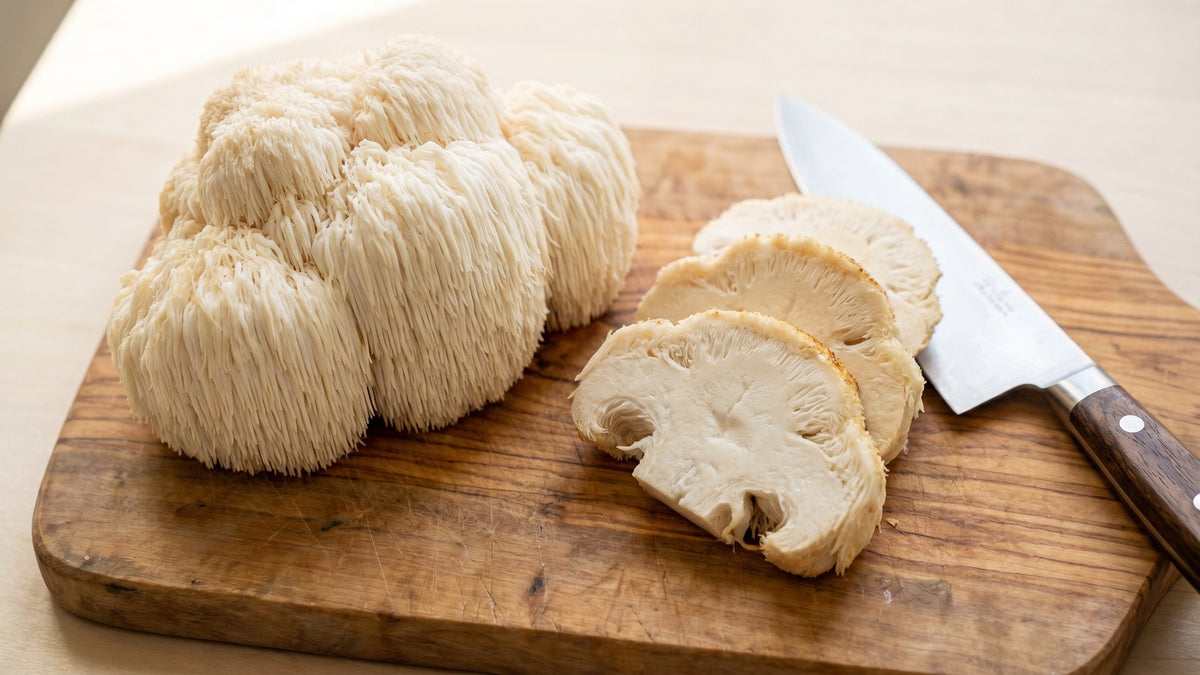
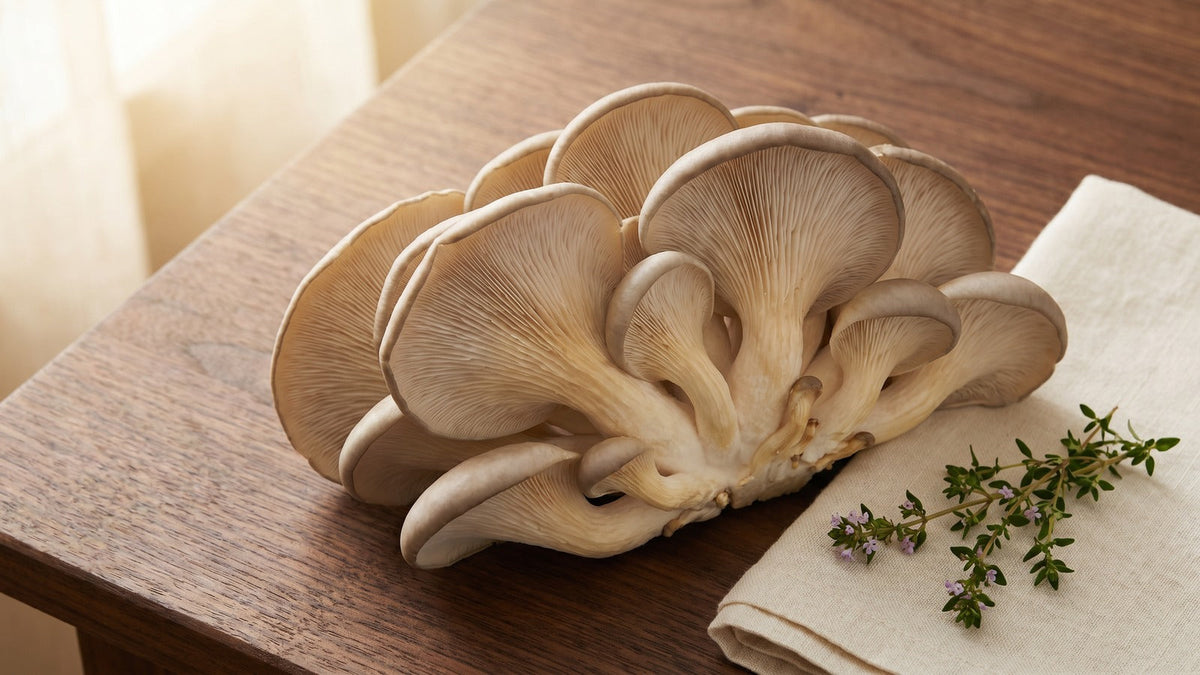
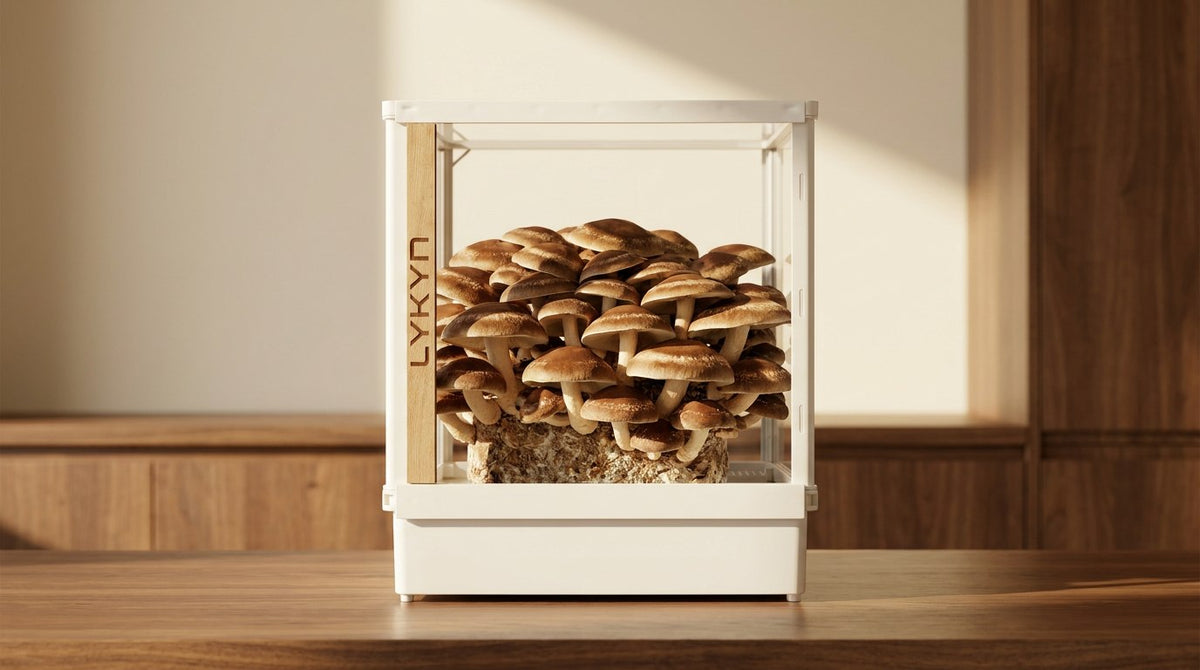
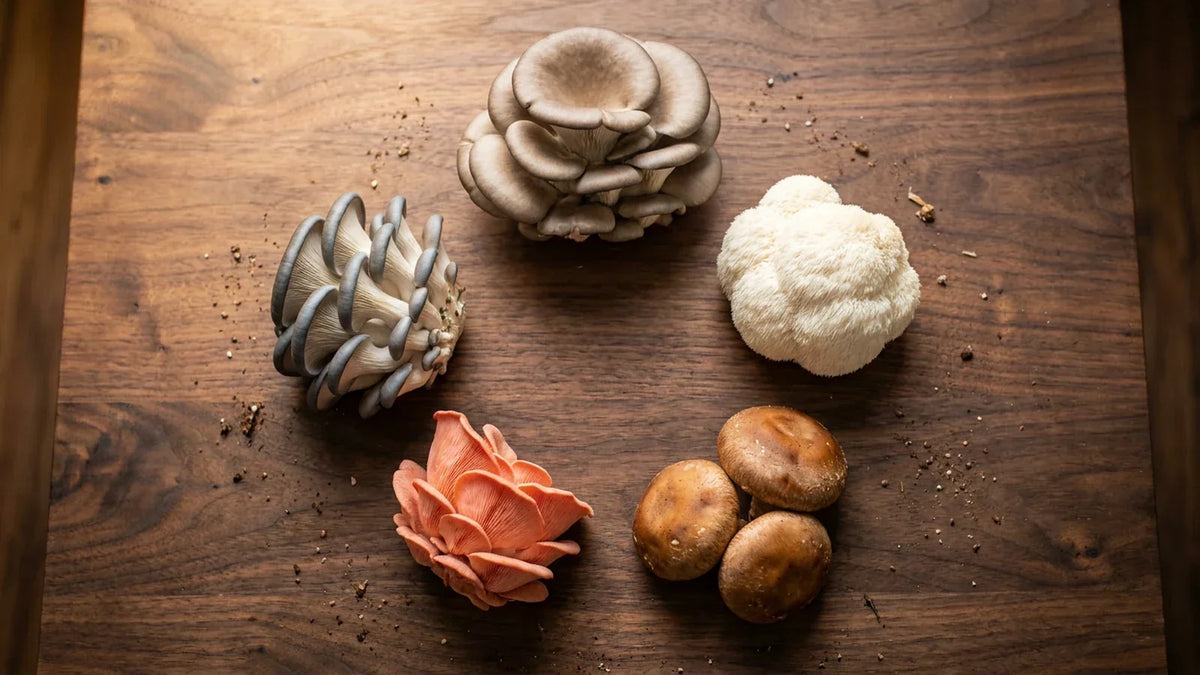
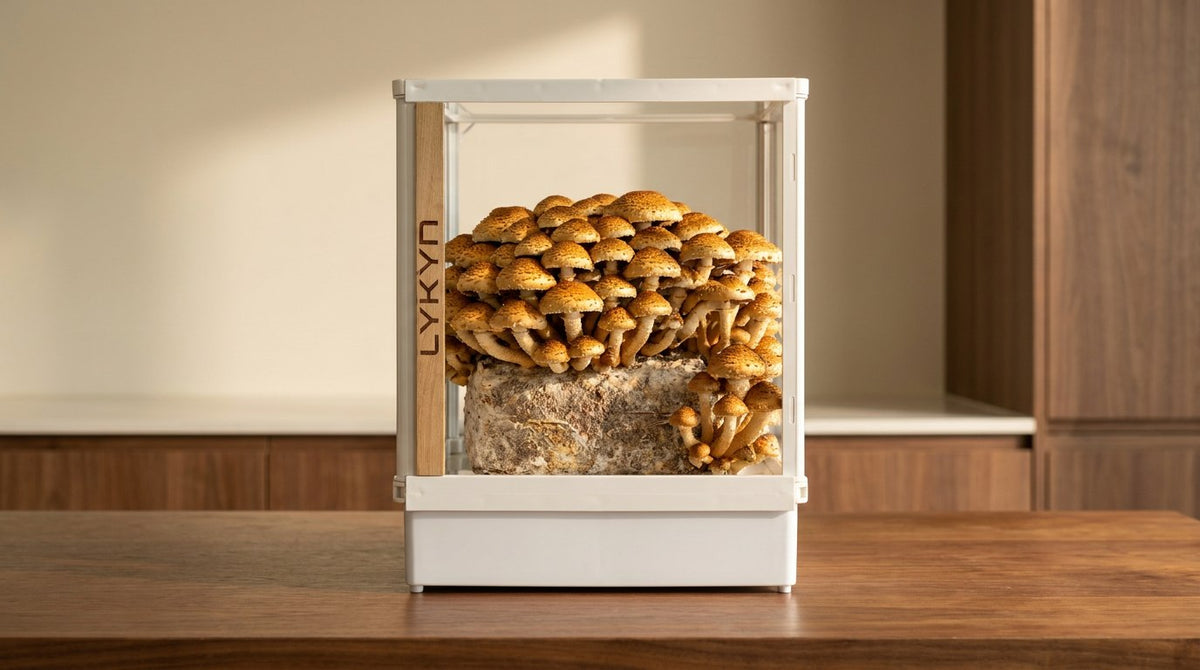
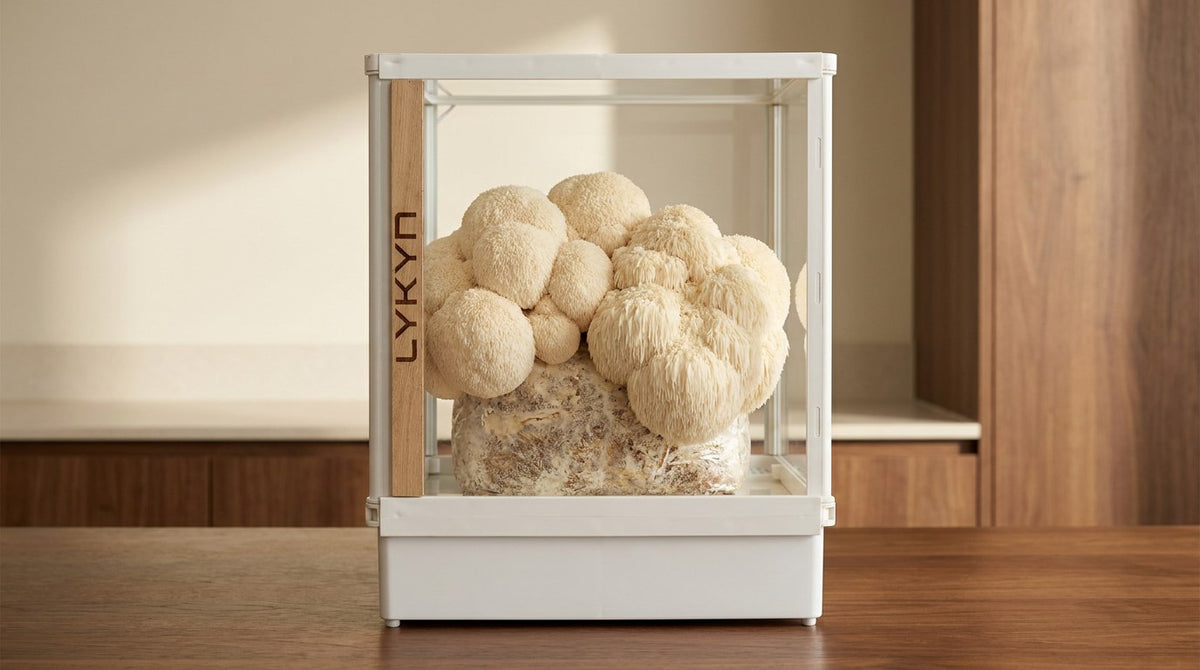
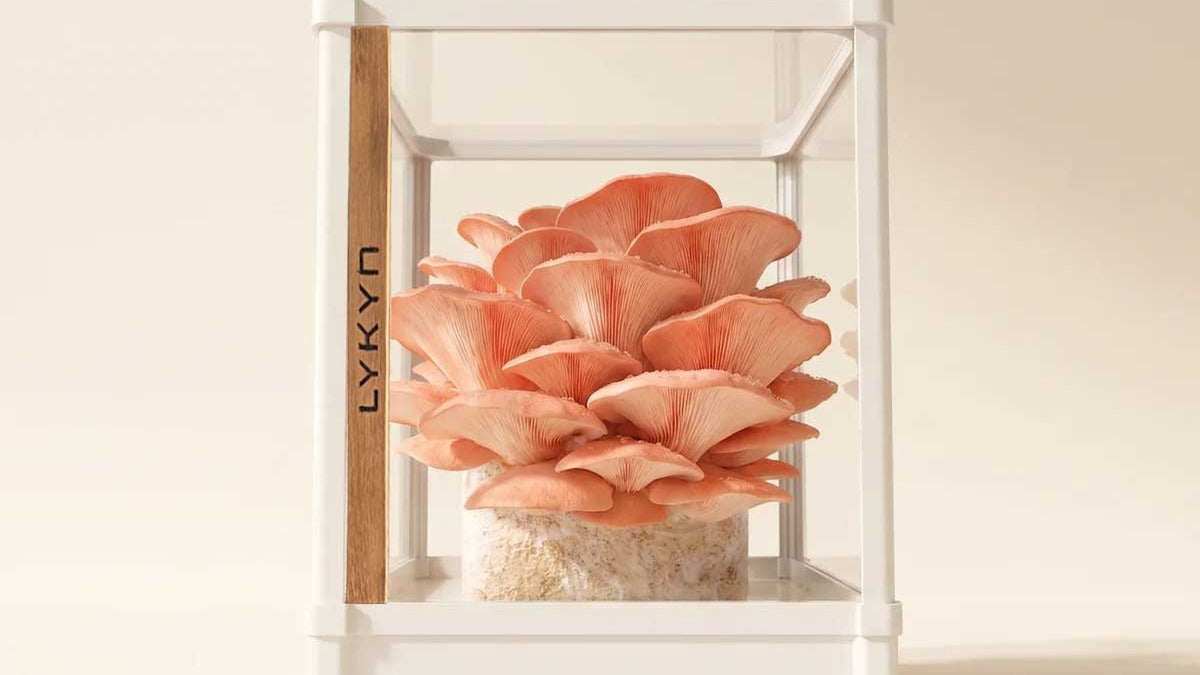
Die Pilzbiologie, die Menschen an Gartenpilzen fasziniert, ist dieselbe Biologie, die den Anbau von Pilzen zu Hause befriedigend macht. Kultivierte Pilze wie Austernpilze, Igelstachelbart und Shiitake sind vorhersehbar, sicher und lecker. Ein Tisch-Kit von Lykyns Pilzzucht-Kits produziert essbare Pilze in 5 bis 7 Tagen auf einem kontrollierten Substrat, ohne Identifikationsrisiko.
Gartenpilze kommen und gehen mit dem Wetter. Harken Sie sie zusammen, beheben Sie die Feuchtigkeit und entfernen Sie die Nahrungsquelle, wo Sie können. Wenn sie immer wieder an derselben Stelle auftauchen, sagt Ihnen der Boden, dass darunter etwas verrottet. Das ist die Aufgabe des Bodens, und die Pilze sind nur der sichtbare Beweis dafür.

Aktie:
Glutenfreie Pilzcremesuppe selbstgemacht
Glutenfreie Pilzcremesuppe selbstgemacht