


Pilzsauce ist eine cremige, umamireiche Würzsauce, die entsteht, indem frische Pilze mit aromatischen Zutaten angebraten und anschließend in Sahne oder Brühe geköchelt werden. Zu den besten Pilzsorten für Saucen zählen Shiitake, Austernpilze und Steinpilze. Brate die Pilze zuerst bei hoher Hitze an, damit sie karamellisieren, und baue dann die Saucenbasis auf – für ein besonders vielschichtiges Aroma.
Warum Pilze die perfekte Basis für Saucen sind
Das Besondere an Pilzen und Saucen ist: Sie passen einfach perfekt zusammen. Pilze enthalten von Natur aus Glutamate – dieselben Verbindungen, die Parmesan und Sojasauce so köstlich schmecken lassen. Wenn du sie zu einer Sauce einkochst, konzentrierst du im Grunde flüssiges Umami.

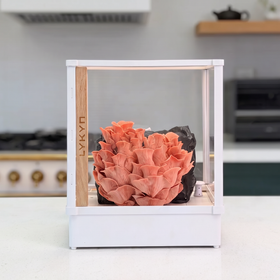
Smart Chamber. Knochenweiß, einstöckig
- 2,8-l-Tank, automatische Luftfeuchtigkeit von 90 %
- App-gesteuert, einfach anschließen und loslegen
- Kapazität für Blöcke bis 6 lb, auf Lager

Smart Chamber. Obsidianschwarz, einstöckig
- Dieselbe Ausstattung wie die Variante in Knochenweiß
- Hochwertige matte schwarze Oberfläche
- Passt zu jeder Farbpalette in der Küche

Zuchtset für schwarze Austernpilze
- Auf Lager
- Erste Knospen in 3–5 Tagen
- Ersetzt einen Zuchtzyklus in der Kammer
Ich züchte und koche schon seit Jahren mit Pilzen, und der Unterschied zwischen Pilzen aus dem Supermarkt und frisch vom Zuchtblock ist in einer Sauce wirklich enorm. Vorgepackte weiße Champignons? Die gehen schon. Aber selbst geerntete Pilze, die morgens noch am Block gewachsen sind? Das ist ein ganz anderes Erlebnis.
Was Pilze zur idealen Zutat für Saucen macht:
- Hoher Wassergehalt (80–90 %), der beim Garen austritt und die Sauce auf natürliche Weise verflüssigt
- Glutaminsäuregehalt von je nach Sorte 50–180 mg pro 100 g
- Fleischige Textur, die sowohl in Sahne- als auch in Brühesaucen gut erhalten bleibt
- Neutrale Farbe, die den Farbton der gewählten Saucenbasis annimmt
Forschung aus dem Jahr 2025 zur Lebensmittelwissenschaft zeigt, dass Pilze ihre Feuchtigkeit am besten abgeben, wenn sie bei Temperaturen über 300 °F (149 °C) gegart werden. Deshalb überfüllen wir die Pfanne nicht – mehr zu dieser Technik weiter unten.

Die besten Pilzsorten für Saucen (nach Aromatiefe geordnet)
Nicht alle Pilze eignen sich gleichermaßen für die Zubereitung von Saucen. Nachdem ich Dutzende Sorten getestet habe, ist hier meine ehrliche Einschätzung:
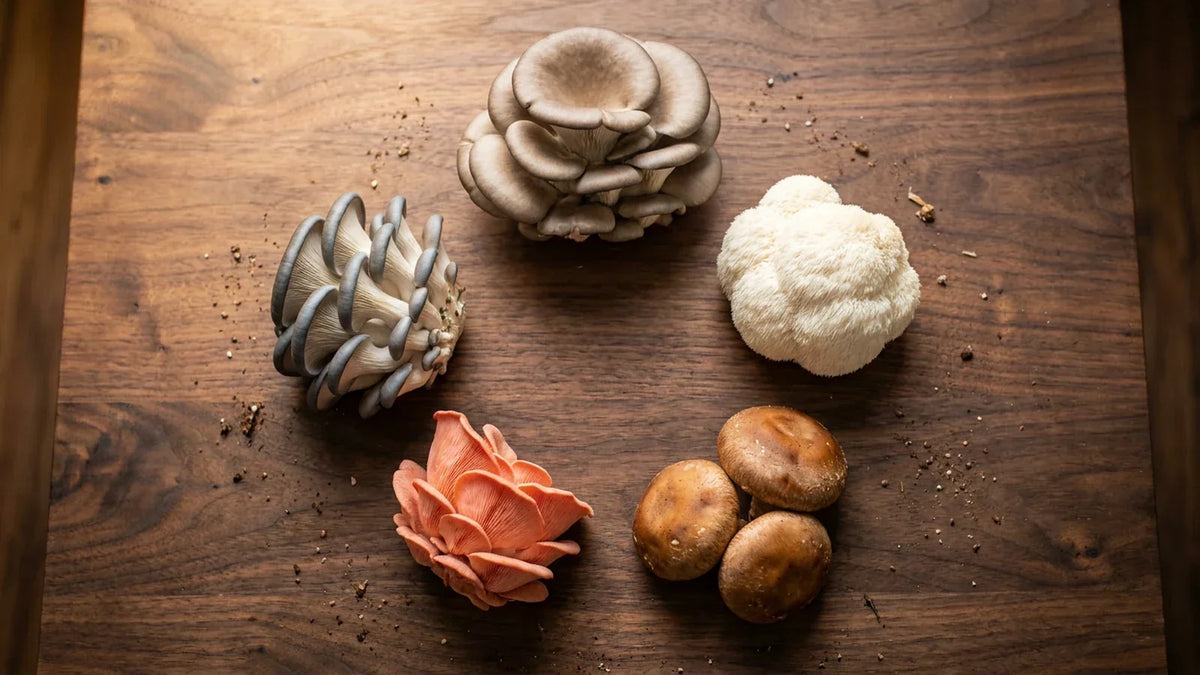
Shiitake: die Umami-Könige
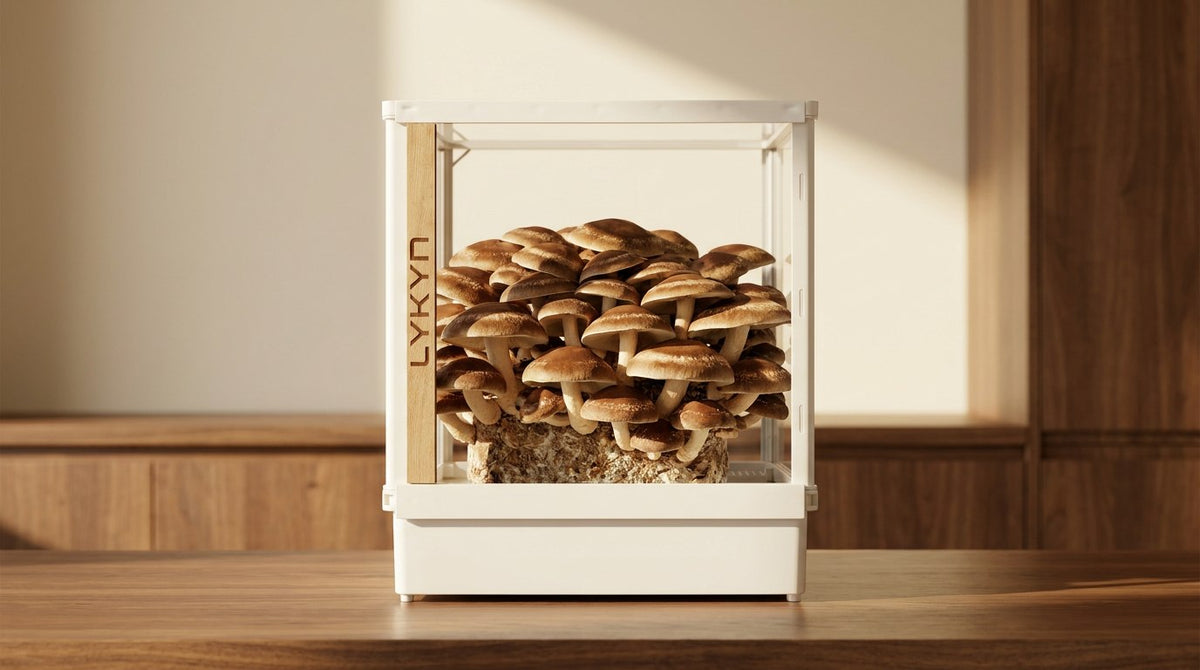
Shiitake enthalten unter den allgemein erhältlichen Sorten von Natur aus besonders viel Glutamat – getrocknet etwa 1.060 mg pro 100 g. Frische Shiitake haben ein erdiges, leicht rauchiges Aroma, das jede Sauce verfeinert. Der Fruchtungsblock für Shiitake-Pilze von Lykyn ermöglicht mehrere Ernten – so hast du immer frische Shiitake zur Hand.
Entferne die Stiele, da sie zäh sind, und schneide die Hüte für schnell garende Saucen in dünne Scheiben. Für eine stückigere Textur kannst du sie dicker schneiden.
Austernpilze: vielseitige Alleskönner
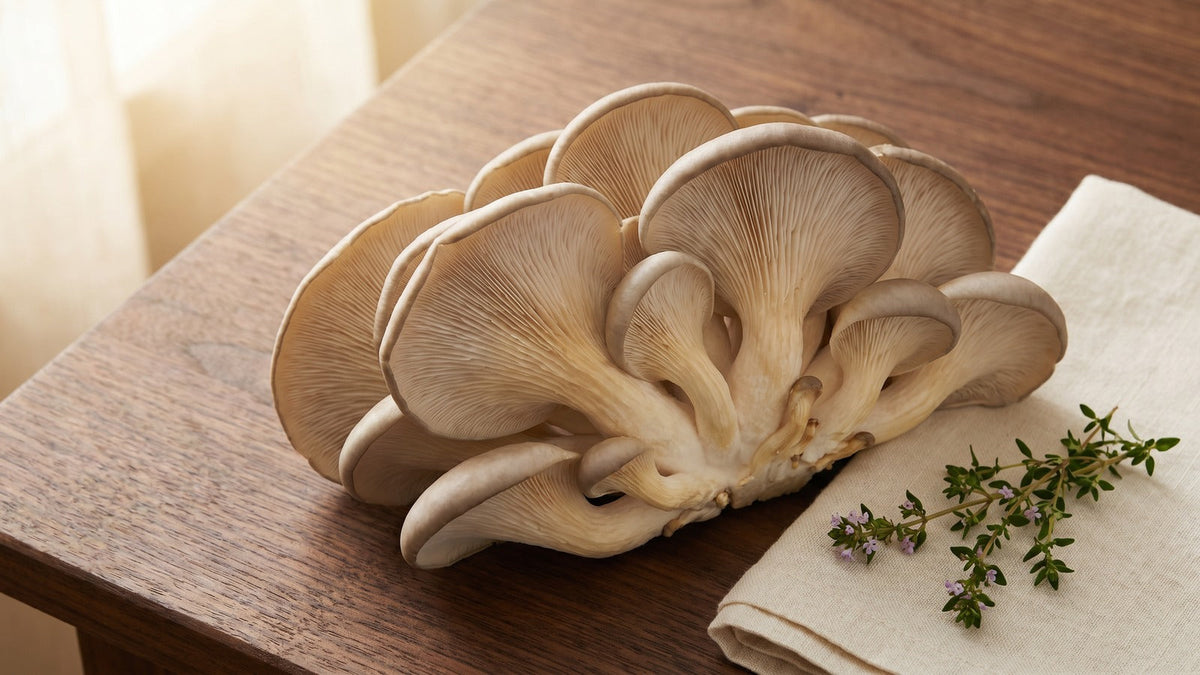
Rosa, schwarze, goldene Austernpilze – jede Sorte hat ihre eigenen Vorzüge. Rosa Austernpilze bekommen beim knusprigen Anbraten ein dezentes, speckähnliches Aroma. Schwarze Austernpilze schmecken kräftiger, mit einer leicht anisartigen Note. Der Fruchtungsblock für schwarze Austernpilze ist meine erste Wahl für Ramenbrühen und kräftige Pastasaucen.
Für eine mildere Variante passen die Fruchtungsblöcke für rosa Austernpilze hervorragend zu leichteren Sahnesaucen und Getreide-Bowls.
Steinpilze: die Gourmet-Variante
Getrocknete Steinpilze sind ein Geheimtipp für die Saucenzubereitung. Schon eine kleine Handvoll verleiht jeder Pilzsauce eine unglaubliche Tiefe. Mehr über die Verwendung dieser begehrten Pilze erfährst du in unserem ausführlichen Beitrag über Steinpilze und ihre kulinarische Verwendung.

Schritt für Schritt: Einfache Pilzsauce zubereiten
Das ist die grundlegende Technik. Wenn du sie beherrschst, kannst du die Sauce nach Belieben abwandeln.
Schritt 1: Pilze richtig vorbereiten
Reinige die Pilze mit einer trockenen Bürste oder einem feuchten Papiertuch – weiche sie niemals ein. Schneide sie für gleichmäßiges Garen in etwa 6 mm dicke Scheiben. Kleinere Sorten wie Maitake kannst du stattdessen in mundgerechte Büschel zupfen. Unser Ratgeber Maitake-Pilze zubereiten erklärt diese Zupftechnik ausführlich.
Schritt 2: Pilze perfekt anbraten
Erhitze eine große Pfanne bei hoher Hitze. Gib ein Öl mit hohem Rauchpunkt dazu, etwa Avocado- oder Traubenkernöl. Überfülle die Pfanne nicht – die Pilze sollten in einer einzigen Lage liegen. Lass sie 2–3 Minuten unberührt braten, bis sie kräftig goldbraun sind.
Dieser Schritt ist unverzichtbar. Zu frühes Rühren führt zu gedämpften, gummiartigen Pilzen.
Schritt 3: Aromatische Zutaten hinzufügen
Schiebe die Pilze an den Rand. Gib Butter, fein gehackte Schalotten und Knoblauch hinzu. Eine Minute garen, bis alles duftet. Frischen Thymian oder Rosmarin dazugeben.
Schritt 4: Ablöschen und köcheln lassen
Gieße ½ Tasse trockenen Weißwein oder Brühe hinzu. Kratze die Bratrückstände vom Pfannenboden – das ist pures Aroma. Lasse die Flüssigkeit etwa 2 Minuten lang auf die Hälfte einkochen.
Schritt 5: Mit Sahne oder Brühe verfeinern
Für eine Sahnesauce: Gib 1 Tasse Schlagsahne hinzu und lasse die Sauce 5 Minuten köcheln, bis sie eindickt.
Für eine leichtere Sauce: Verwende 1 Tasse Pilz- oder Gemüsebrühe und rühre 2 Esslöffel Butter ein.

Starte dein Pilzabenteuer
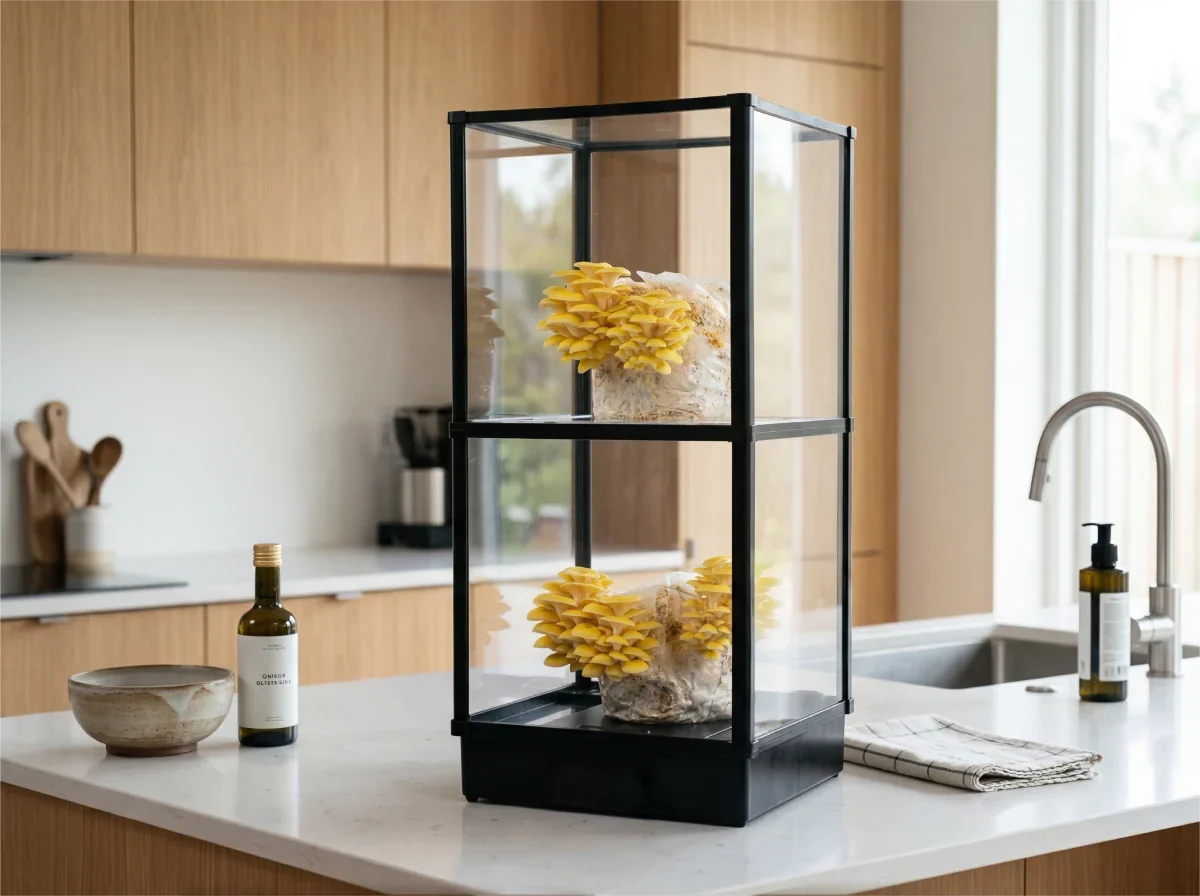
Intelligente Pilzzuchtkammer
Intelligente Zuchtkammer zum sofortigen Loslegen – Luftfeuchtigkeit, Licht und Luftzirkulation sind für jede Pilzsorte optimal eingestellt. Anfänger ernten schon nach wenigen Tagen die erste Pilzwelle statt erst nach Monaten.
In den Warenkorb – $299Mit Salz, Pfeffer und einem Schuss Sojasauce für zusätzliches Umami abschmecken.

Kreative Varianten für Pilzsauce
Asiatisch inspirierte Pilzsauce
Lass die Sahne weg. Verwende Sojasauce, Sesamöl, Reisessig und einen Hauch Ahornsirup. Gib geriebenen Ingwer hinzu und bestreue die Sauce zum Schluss mit geröstetem Sesam. Schmeckt hervorragend zu Reisgerichten oder Nudeln.
Pilzsauce mit Wein (Sauce forestière)
Eine klassische französische Zubereitungsart. Lösche die Pfanne statt mit Weißwein mit Rotwein ab. Gib Demi-Glace oder stark eingekochte Rinderbrühe hinzu. Zum Schluss einen Esslöffel Dijon-Senf unterrühren. Ideal zu Steaks.
Vegane Pilzrahmsauce
Ersetze die Sahne durch fettreiche Kokoscreme oder Cashewcreme. Das Pilzaroma kommt trotzdem wunderbar zur Geltung. Für zusätzliche herzhafte Tiefe Hefeflocken dazugeben.
Weitere Rezeptideen findest du in unserem umfassenden Ratgeber zu Pilzsauce mit zusätzlichen Varianten und passenden Kombinationen.
Häufige Fehler bei Pilzsauce – und wie du sie vermeidest
Wässrige, fade Sauce
Das Problem: Die Pilze wurden vorher nicht richtig angebraten.
Die Lösung: Brate die Pilze allein bei hoher Hitze, bis die gesamte Flüssigkeit verdampft und die Ränder goldbraun sind. Erst dann die übrigen Zutaten hinzufügen.
Grieselige Sahnesauce
Das Problem: Die Sahne kam in eine zu heiße Pfanne oder wurde zu stark gekocht.
Die Lösung: Reduziere die Hitze, bevor du die Sahne zugibst. Lasse die Sauce sanft köcheln, aber niemals kochen.
Gummiartige Pilze
Das Problem: Die Pfanne war zu voll, sodass die Pilze eher gedämpft als angebraten wurden.
Die Lösung: Brate die Pilze portionsweise. Jedes Stück muss Kontakt mit dem Pfannenboden haben.
Häufig gestellte Fragen zu Pilzen und Sauce
F: Welche Pilze eignen sich am besten für Sauce?
A: Shiitake gelten wegen ihres hohen Glutamatgehalts (1.060 mg pro 100 g getrocknete Pilze) weithin als besonders gut für Saucen. Sie sorgen für ein intensives Umami-Aroma. Für Sahnesaucen eignen sich Austernpilze hervorragend, da sie eine zarte Textur haben und Aromen gut aufnehmen.
F: Wie verhindere ich, dass Pilzsauce wässrig wird?
A: Brate die Pilze bei hoher Hitze in einer einzigen Lage an und rühre sie 2–3 Minuten lang nicht um. So kann die Feuchtigkeit verdampfen und die Ränder können karamellisieren. Gib flüssige Zutaten erst hinzu, wenn die Pilze goldbraun und trocken sind.
F: Kann ich Pilzsauce im Voraus zubereiten?
A: Ja, Pilzsauce hält sich im Kühlschrank bis zu 5 Tage. Erwärme sie bei niedriger Hitze und gib einen Schuss Sahne oder Brühe dazu, falls sie zu stark eingedickt ist. Für die beste Textur solltest du frische Kräuter erst nach dem Erwärmen hinzufügen.
F: Wozu passt Pilzsauce?
A: Pilzsauce passt hervorragend zu Pasta – besonders zu Fettuccine und Pappardelle –, gegrillten Steaks, Brathähnchen, Kartoffelpüree, Polenta und Getreide-Bowls. Sie eignet sich auch als Pizzasaucenbasis oder als Dip für knuspriges Brot.
F: Wie wird Pilzsauce dickflüssiger?
A: Sahnesaucen einfach länger köcheln lassen, damit sie einkochen und eindicken. Für Saucen auf Brühebasis 1 Esslöffel Speisestärke mit 2 Esslöffeln kaltem Wasser glatt rühren und unterrühren. Anschließend die Sauce eine Minute köcheln lassen, bis sie eindickt.
F: Ist Pilzsauce gesund?
A: Pilzsauce kann nahrhaft sein. Pilze liefern B-Vitamine, Selen und Kalium und haben nur wenige Kalorien (etwa 22 Kalorien pro Tasse roher Pilze). Wenn du statt Butter Olivenöl verwendest und den Sahneanteil reduzierst, erhältst du eine leichtere Variante, ohne auf Geschmack zu verzichten.
F: Welcher Wein passt am besten zu Pilzsauce?
A: Zum Kochen eignen sich trockene Weißweine wie Sauvignon Blanc oder Pinot Grigio für leichtere Saucen. Für Saucen auf Rotweinbasis sind Pinot Noir oder Merlot eine gute Wahl. Zu Pilzgerichten passen erdige Pinot Noirs besonders gut und ergänzen das Umami-Aroma perfekt.
Fazit: Deine Reise zur perfekten Pilzsauce beginnt hier
Eine außergewöhnliche Pilzsauce gelingt mit wenigen wichtigen Grundregeln. Erstens: Wähle hochwertige Pilze. Frische, selbst gezüchtete Pilze von Fruchtungsblöcken bieten ein Aroma, mit dem Pilze aus dem Supermarkt einfach nicht mithalten können. Zweitens: Brate die Pilze bei hoher Hitze an und überfülle die Pfanne nicht. Drittens: Baue mit den richtigen aromatischen Zutaten, dem Ablöschen und der passenden Sahne oder Brühe mehrere Geschmacksschichten auf.
Der Unterschied zwischen einer vergessenswerten Sauce und einer, nach deren Rezept alle fragen, hängt ehrlich gesagt nur von der Technik und den Zutaten ab. Dafür brauchst du weder ausgefallene Geräte noch eine Kochausbildung. Gute Pilze und ein wenig Geduld reichen aus.
Möchtest du deine eigenen Pilze für köstliche Saucen züchten? Entdecke Lykyns Fruchtungsblöcke und ernte Shiitake, Austernpilze und viele weitere Sorten frisch bei dir zu Hause. Deine Pasta – und deine Gäste – werden es dir danken.
🍄 Züchte noch heute Pilze in Restaurantqualität
Gib dich nicht länger mit traurigen Supermarktpilzen zufrieden. Lykyns Fruchtungsblöcke für Pilze kaufen und frische, aromatische Pilze direkt in deiner Küche ernten. Die erste Ernte ist schon nach 7–10 Tagen möglich – genau rechtzeitig fürs Abendessen am Wochenende.






Aktie:
Wie lange halten Ihre Pilze wirklich? Der echte Kühlschrank-Aufbewahrungsleitfaden für 2026
Pilzkompost: Der vollständige Leitfaden 2026 zum Gartengold