



Pilze sind nicht das erste Lebensmittel, an das man denkt, wenn es um Proteine geht. Doch sie tauchen in fast jedem pflanzenbasierten Ernährungsplan auf, und der Grund ist einfach: Gemessen an ihrem Kaloriengehalt liefern frische Pilze eine beachtliche Menge Protein mit einem für eine nicht-tierische Quelle ungewöhnlich vollständigen Aminosäureprofil. Sie werden eine Hähnchenbrust nicht Gramm für Gramm ersetzen, aber sie füllen eine nützliche Nische in einer pflanzlichen oder flexitarischen Ernährung.
Hier ist die direkte Antwort: Eine Tasse gekochter weißer Champignons enthält etwa 3 Gramm Protein. Shiitake liegen bei etwa 2 Gramm pro Tasse. Maitake liefern etwa 3 Gramm. Hericium erinaceus liegt bei etwa 2 Gramm pro Tasse. Getrocknete Pilze konzentrieren mehr, und Mykoproteinprodukte wie Quorn treiben die Zahl viel höher. Pilze sind ein nützlicher Proteinlieferant, keine primäre Quelle.

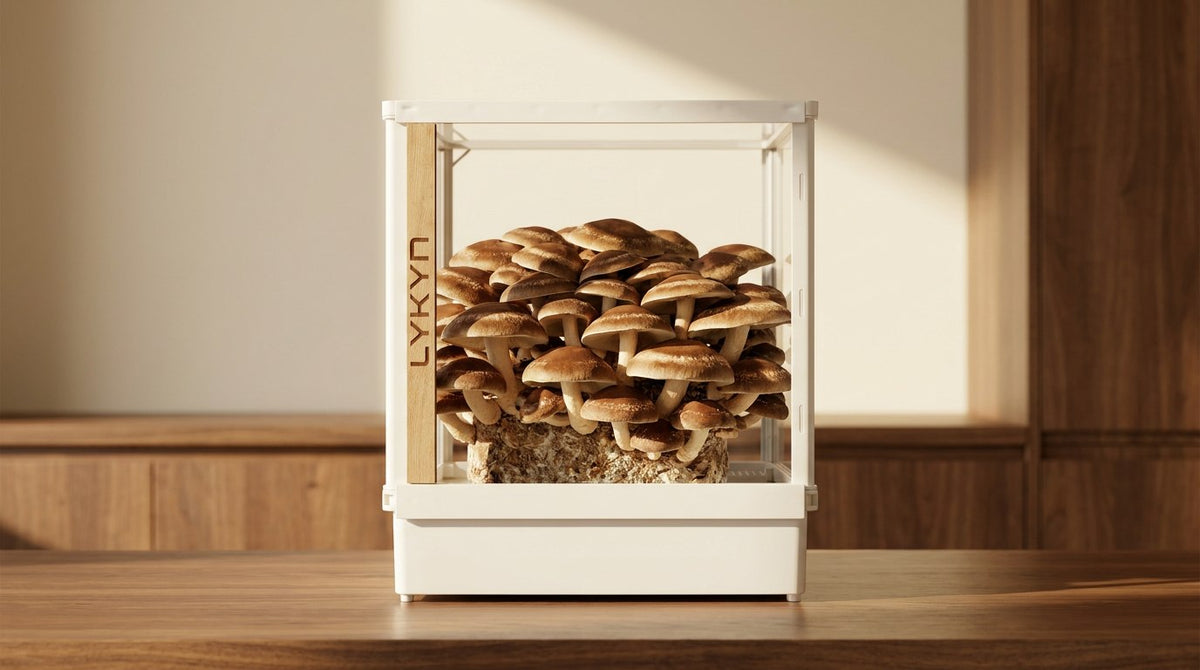
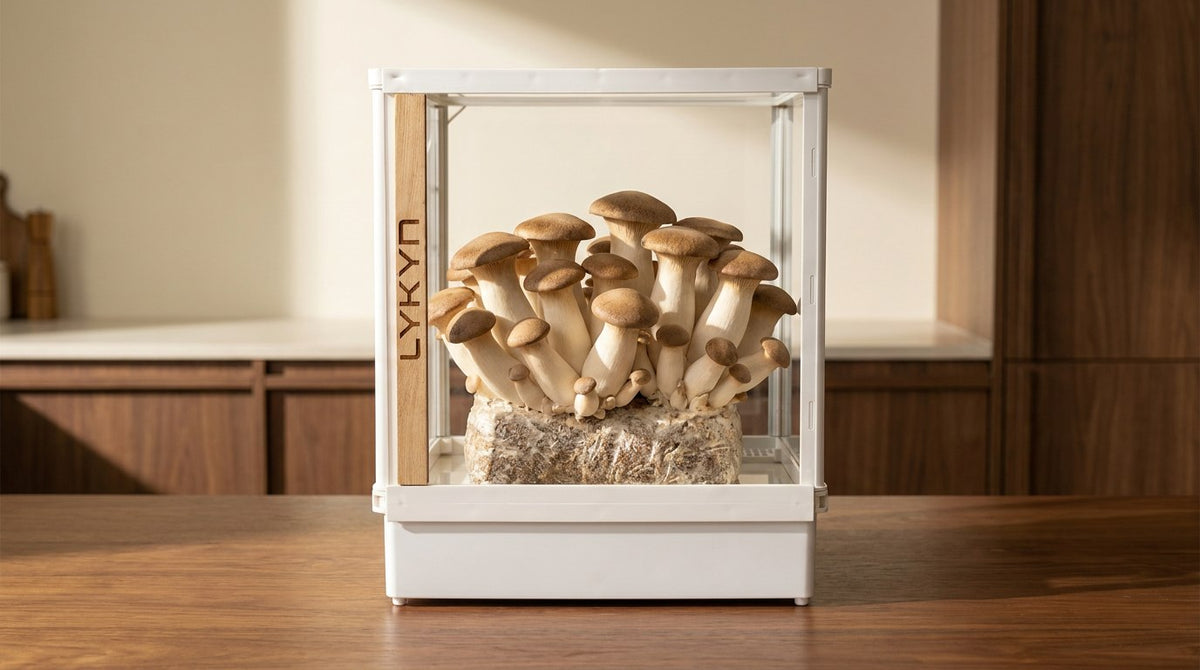
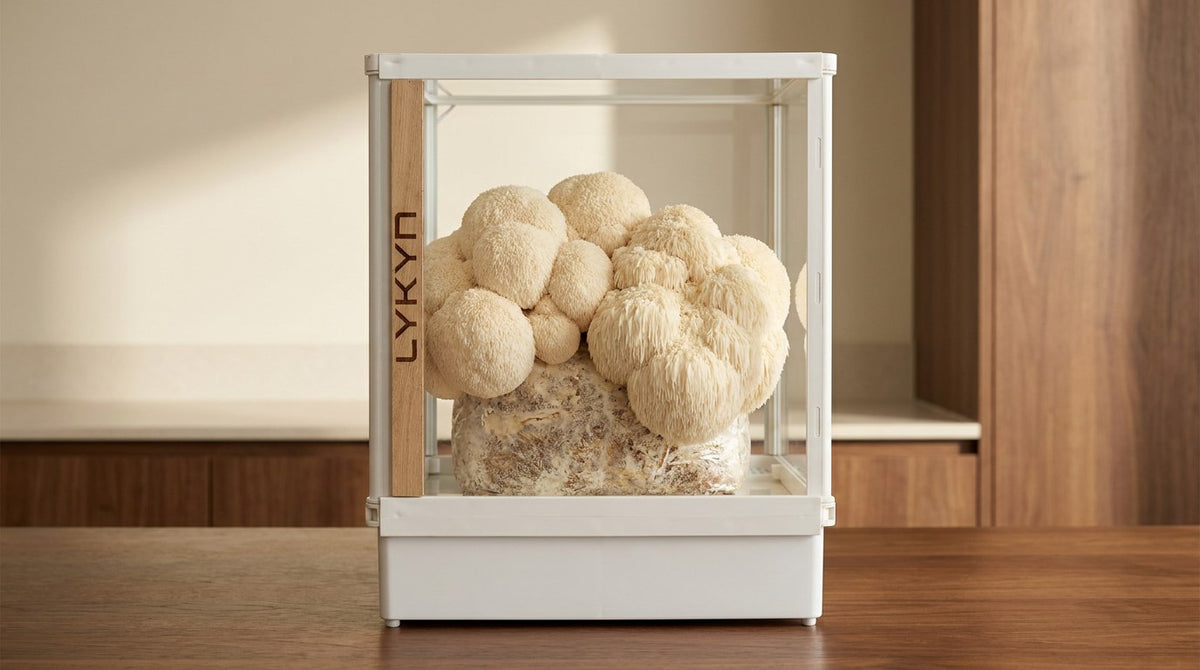
Smart Chamber. Bone White Single
- 2,8L Tank, 90% automatische Luftfeuchtigkeit
- App-gesteuert, Plug-and-Play
- 6 lb Blockdecke, auf Lager

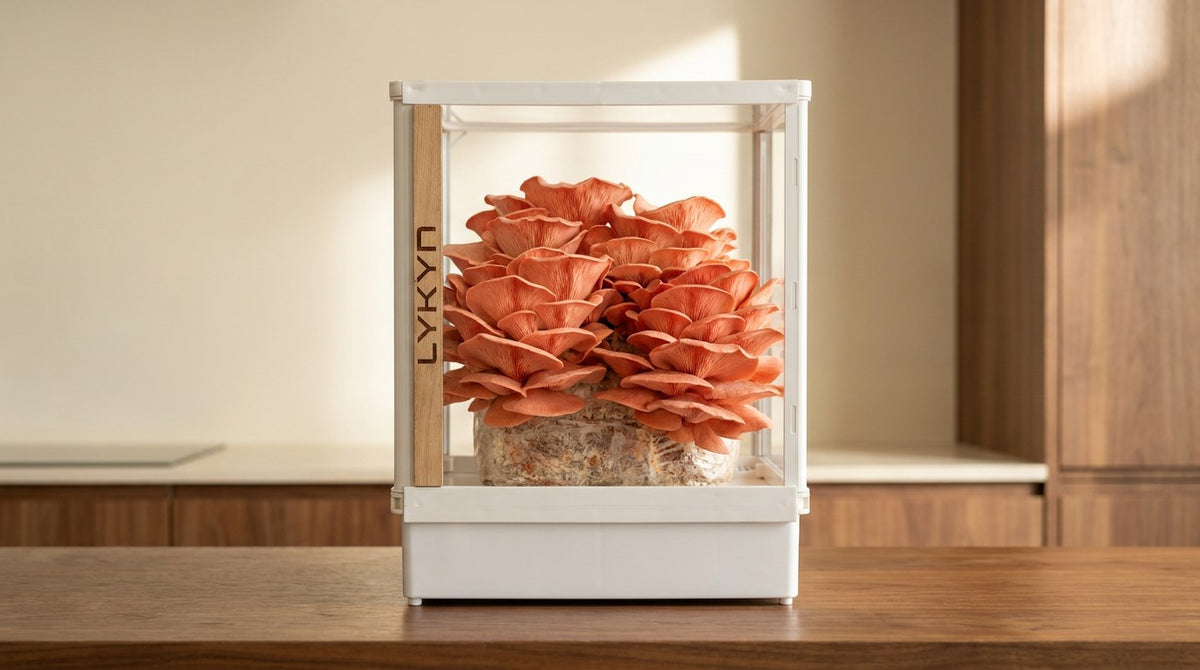
Smart Chamber. Obsidian Black Single
- Gleiche Hardware wie Bone White
- Mattschwarze Premium-Oberfläche
- Passt zu jeder Küchenpalette

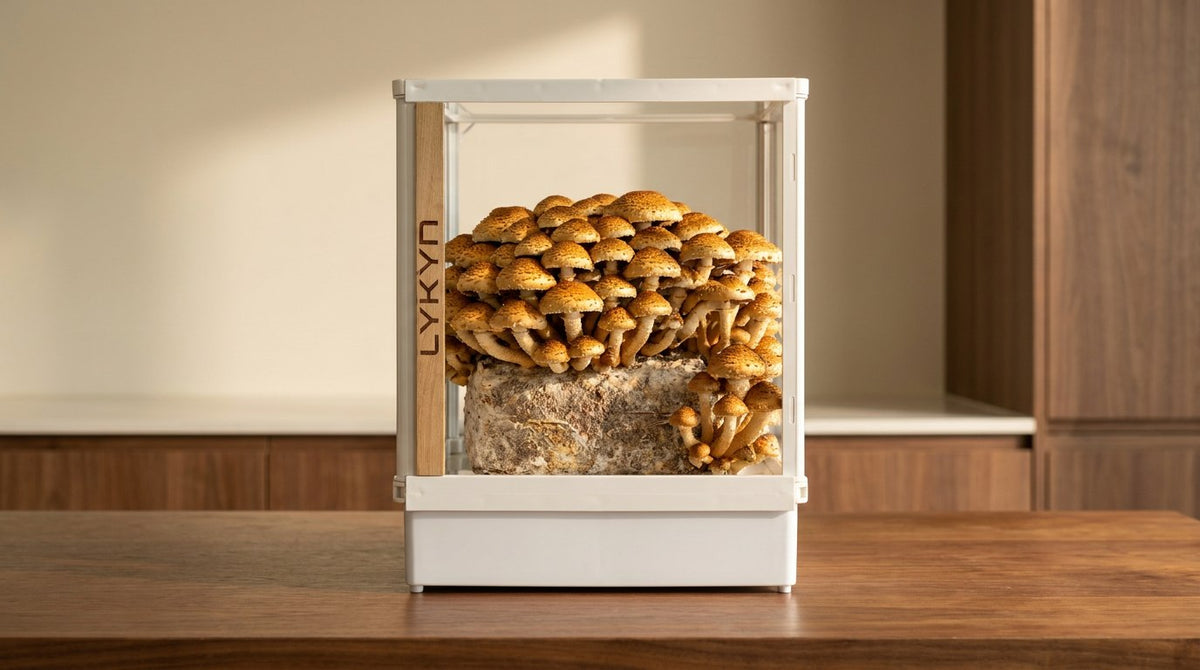
Black Oyster Anzuchtset
- Auf Lager
- Pin in 3-5 Tagen
- Ersetzt 1 Kammerzyklus
Das Aminosäureprofil
Was Pilzprotein interessant macht, ist seine Qualität, nicht seine Quantität. Die meisten essbaren Pilzarten enthalten alle neun essenziellen Aminosäuren, die Ihr Körper nicht selbst herstellen kann. Das ordnet Pilze in dieselbe Kategorie "vollständiges Protein" wie Eier, Soja und Quinoa ein, auch wenn der absolute Proteingehalt geringer ist.
Die Aminosäureverteilung variiert je nach Art, aber einige Muster bleiben bestehen:
- Leucin ist in Shiitake-, Austern- und weißen Champignons in nennenswerten Mengen vorhanden. Leucin ist die Aminosäure, die am stärksten mit der Muskelproteinsynthese in Verbindung gebracht wird.
- Lysin ist mäßig vorhanden, was nützlich ist, da Lysin oft die limitierende Aminosäure in pflanzlichen Diäten ist, insbesondere für Menschen, die stark auf Getreide setzen.
- Methionin ist bei den meisten Arten am unteren Ende. Kombinieren Sie Pilze mit methioninreichen Lebensmitteln wie Samen oder Getreide, um das Profil abzurunden.
- Glutamat ist reichlich vorhanden und verantwortlich für den Umami-Geschmack, der Pilze beim Kochen so gehaltvoll erscheinen lässt.
Der Proteindigestibilitäts-korrigierte Aminosäure-Score (PDCAAS) für typische essbare Pilze liegt bei etwa 0,6 bis 0,7. Das ist niedriger als bei Soja (1,0) und Eiern (1,0), aber deutlich über dem von Getreide allein. In der Praxis bedeutet dies, dass Pilzprotein vom Körper gut verwertet wird, insbesondere wenn es in derselben Mahlzeit mit anderen pflanzlichen Proteinen kombiniert wird.
Protein pro Portion nach Art
Die folgenden Zahlen beziehen sich auf eine Tasse gekochte Pilze (ca. 150 Gramm).
- Weiße Champignons: 3 Gramm Protein, 35 Kalorien.
- Braune Champignons: 4 Gramm Protein, 40 Kalorien.
- Portobello: 5 Gramm Protein, 60 Kalorien.
- Shiitake: 2 Gramm Protein, 80 Kalorien.
- Maitake: 3 Gramm Protein, 35 Kalorien.
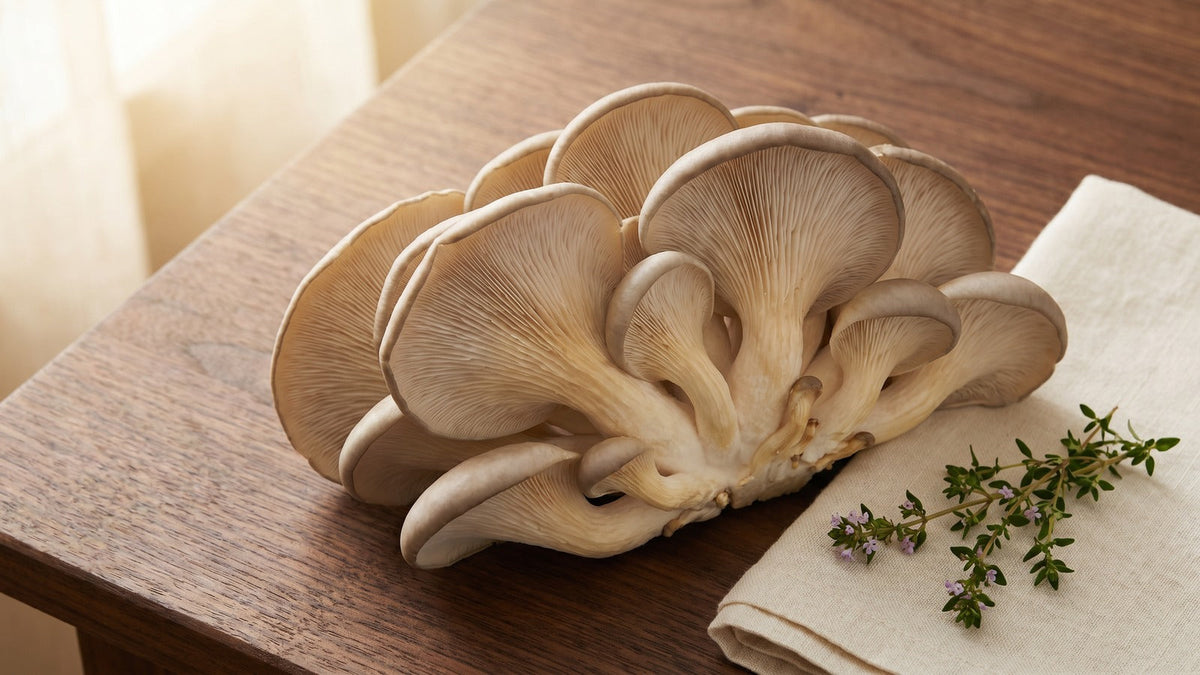
- Austernpilze: 4 Gramm Protein, 40 Kalorien.
- Kräuterseitling: 3 Gramm Protein, 45 Kalorien.
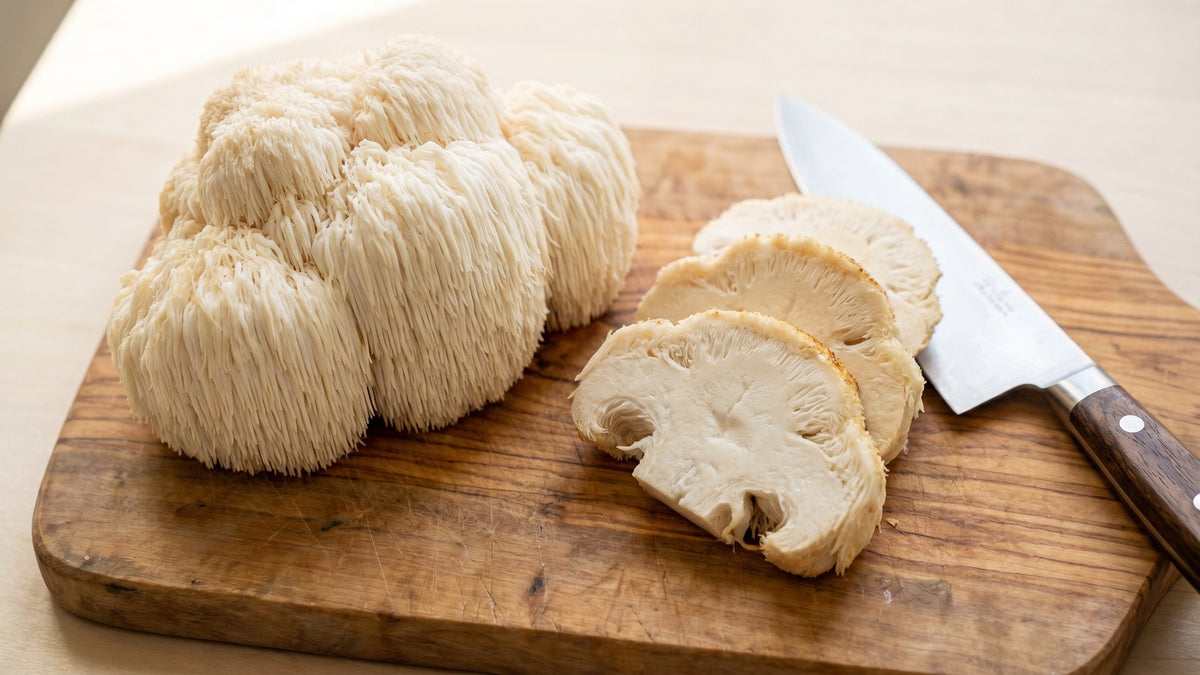
- Löwenmähne (Hericium erinaceus): 2 Gramm Protein, 30 Kalorien.
- Enoki: 2 Gramm Protein, 30 Kalorien.
Getrocknete Pilze erzählen eine andere Geschichte. Nach Gewicht bestehen getrocknete Shiitake zu etwa 20 bis 25 Prozent aus Protein, was sie auf Trockengewichtsbasis in den gleichen Bereich wie mageres Fleisch bringt. Der Haken ist, dass man getrocknete Pilze selten in großen Mengen isst; eine Tasse rehydrierte getrocknete Shiitake hat einen Proteingehalt, der dem ihrer frischen Entsprechung ähnlicher ist.
Mykoprotein: Eine andere Kategorie
Wenn Menschen im Fitnesskontext von "Pilzprotein" sprechen, meinen sie manchmal Mykoprotein, das technisch gesehen ein Pilzprotein ist, aber nicht aus den Fruchtkörpern von Speisepilzen stammt. Mykoprotein ist das Produkt, das durch die Fermentation von Fusarium venenatum, einem Bodenpilz, zu einem fleischähnlichen Inhaltsstoff hergestellt wird. Quorn ist die bekannteste Handelsmarke.
Eine typische Mykoproteinportion liefert 11 bis 13 Gramm Protein pro 100 Gramm, wobei alle essenziellen Aminosäuren vorhanden sind und ein höherer PDCAAS als bei frischen Pilzen. Mykoprotein ist eher ein Fleischersatz als ein Pilz im kulinarischen oder ernährungsphysiologischen Sinne, daher sollte man es als eine separate Kategorie behandeln, wenn man Lebensmittel für einen proteinreichen Tag kombiniert.
Wie man Pilze für Proteine nutzt
Der Trick, um echten Proteinnutzen aus Pilzen zu ziehen, liegt in der Menge und der Kombination.
Runterkochen
Frische Pilze bestehen zu 90 Prozent aus Wasser. Durch das Kochen wird der Großteil dieses Wassers entfernt und alles, einschließlich des Proteins, im Volumen konzentriert. Ein Pfund frischer Shiitake schrumpft auf etwa anderthalb Tassen gekochte Pilze mit dem gleichen Proteingehalt. Wenn Sie zwei Pfund Pilze als Basis für eine Mahlzeit anbraten, haben Sie gerade 15 bis 20 Gramm Protein mit minimalen Kalorien hinzugefügt.
Kombinieren Sie mit Hülsenfrüchten oder Getreide
Eine Pilz-Linsen-Bolognese, ein Pilz-Bohnen-Chili oder ein Pilz-Quinoa-Risotto ergänzen sich in ihren Aminosäureprofilen. Das Methionin aus dem Getreide gleicht den geringeren Methioningehalt in Pilzen aus, und das Lysin aus Pilzen verstärkt das, was dem Getreide fehlt.

Befeuern Sie Ihre Pilzreise
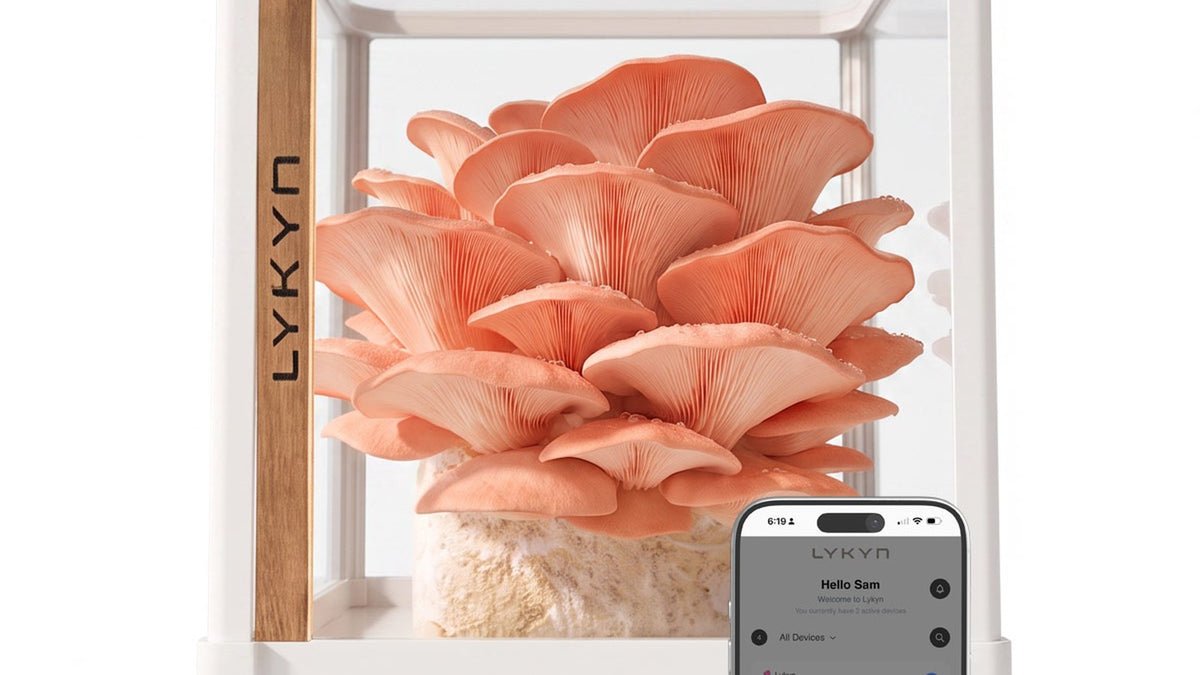
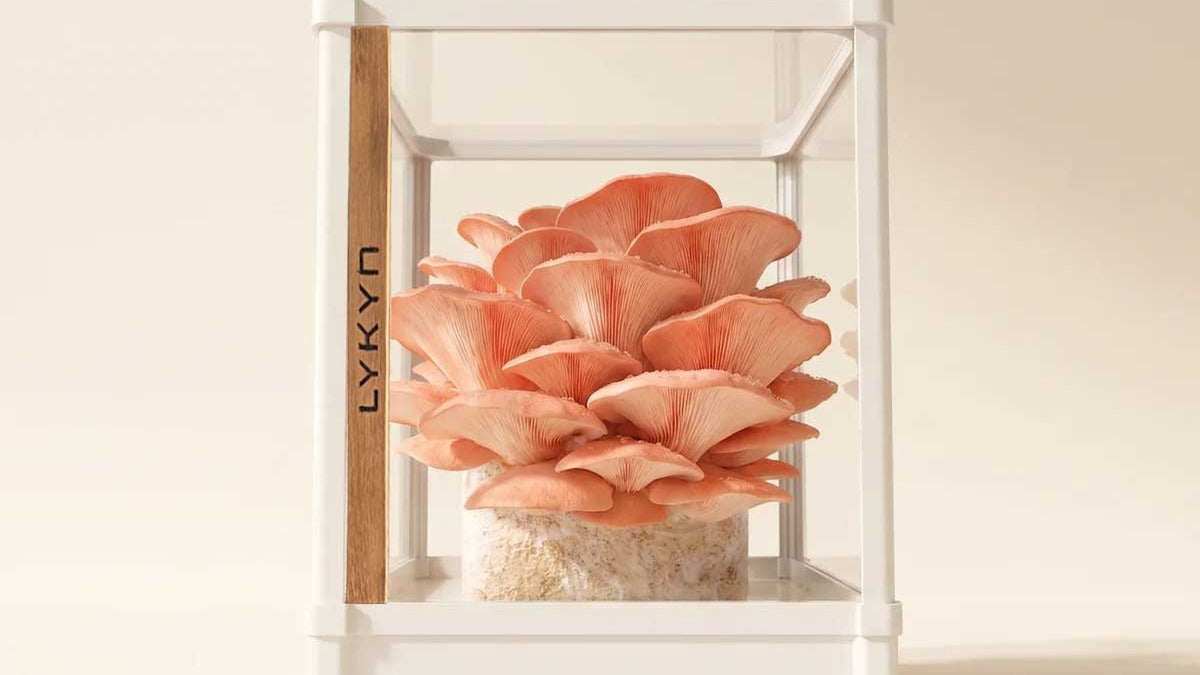
Intelligente Pilzzuchtkammer
Plug-and-Play Smart Chamber mit Feuchtigkeit, Licht und Luftstrom, abgestimmt auf jede Art. Anfänger ernten ihre erste Spülung in Tagen, nicht Monaten.
In den Warenkorb $299Als Texturgeber verwenden
Fein gehackte gekochte Pilze können die Hälfte des Hackfleischs in Burgern, Frikadellen und Tacos ersetzen. Sie verlieren zwar etwas vom Fleischprotein, behalten aber Textur und Volumen, was nützlich ist, wenn Sie eine proteinreiche Mahlzeit auf mehr Portionen verteilen möchten.
Pilze im Vergleich zu anderen pflanzlichen Proteinen
Pilze sind eine mittelrangige pflanzliche Proteinquelle. Pro 100 Gramm gekochter Nahrung:
- Tempeh: 19 Gramm Protein.
- Linsen: 9 Gramm Protein.
- Tofu (fest): 8 Gramm Protein.
- Quinoa: und zwar: 4 Gramm Protein.
- Pilze (die meisten Arten): 2 bis 3 Gramm Protein.
Bei den absoluten Zahlen liegen Tempeh und Linsen weit vorn. Pilze punkten jedoch bei der Kaloriendichte. Eine Tasse gekochte Shiitake mit 80 Kalorien und 2 Gramm Protein liefert 25 Kalorien pro Gramm Protein. Das ist hervorragend für jemanden, der sein Gewicht kontrollieren und gleichzeitig die Proteinaufnahme aufrechterhalten möchte, auch wenn es allein nicht ausreicht.
Beste Pilzarten für den Proteingehalt
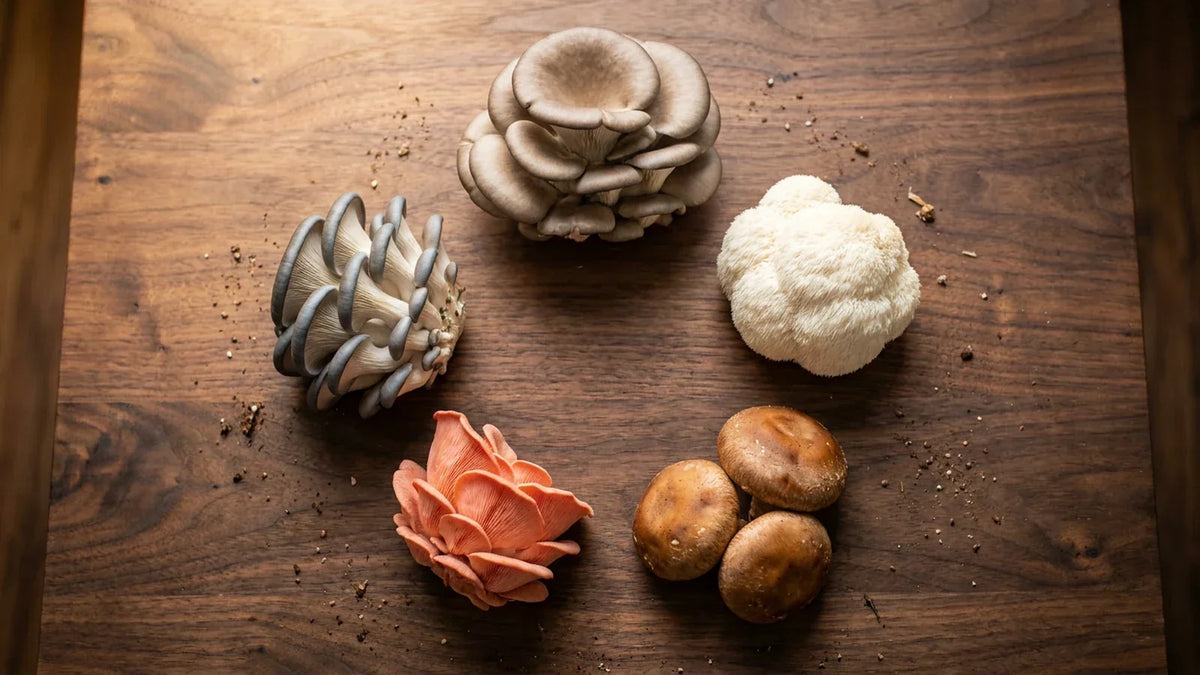
Wenn Sie speziell auf Protein optimieren, führen drei Arten das Feld an: Portobello, Cremini und Austernpilze. Alle drei liefern 4 bis 5 Gramm Protein pro gekochter Tasse und eignen sich gut für Kochmethoden, die sie konzentrieren (Braten, Grillen, Dörren). Königsausternpilze haben besonders fleischige Stiele und eignen sich gut in Scheiben geschnitten und in der Pfanne gebraten als Steak-Alternative.
Shiitake und Löwenmähne haben einen etwas geringeren Proteingehalt, bringen aber andere Verbindungen (Beta-Glucane, Hericenone in der Löwenmähne) mit, die ihren Platz in der Rotation rechtfertigen. Maitake liegt dazwischen und hat den intensivsten Umami-Geschmack der Gruppe.
Ein realistischer Rezeptansatz
Integrieren Sie Pilzprotein als Multiplikator und nicht als Mittelpunkt in Ihre Mahlzeiten. Einige bewährte Muster:
- Frühstücks-Rührei: 3 Eier (18 g Protein) + 1 Tasse sautierte Pilze (3 g) = 21 g Protein.
- Mittags-Grain-Bowl: 1 Tasse gekochter Quinoa (8 g) + 1 Tasse geröstete Pilze (4 g) + 1/2 Tasse Kichererbsen (7 g) = 19 g Protein.
- Abendessen Pilz-Stir-Fry: 2 Tassen gemischte Pilze (8 g) + 1 Tasse Edamame (17 g) + brauner Reis = 25+ g Protein.
Keine dieser Mahlzeiten ist proteinarm, und keine verlässt sich ausschließlich auf Pilze als Proteinquelle. Das ist der richtige Ansatz, um über Pilzprotein nachzudenken.
Frischer ist besser
Das Protein in einem Pilz ändert sich zwischen frischer Ware und im Laden gekauften Produkten nicht wesentlich, aber Geschmack, Textur und die Umami-treibenden Aminosäuren verschlechtern sich nach der Ernte schnell. Pilze, die am selben Tag geerntet werden, an dem Sie sie essen, schmecken deutlich besser, was es einfacher macht, sie in ausreichender Menge zu verwenden, um tatsächlich einen sinnvollen Proteinbeitrag zu leisten.
Für jeden, der die frischest mögliche Versorgung ohne wöchentlichen Lebensmitteleinkauf wünscht, ist der Eigenanbau zu Hause praktischer, als die meisten Leute denken. Ein Anzucht-Kit für die Arbeitsplatte kann mehr als ein Pfund frische Austernpilze, Shiitake oder Löwenmähne pro Zyklus produzieren, was ausreicht, um mehrere pflanzliche Mahlzeiten zu ergänzen. Unsere Pilzzucht-Kits sind für diese Art von kleinräumiger, regelmäßiger Ernte konzipiert.
Pilzprotein wird niemanden allein zu einem Bodybuilder machen. Aber als kalorienarme, nährstoffreiche, umami-reiche Möglichkeit, eine pflanzliche Ernährung zu ergänken, ohne sich ausschließlich auf Hülsenfrüchte und Getreide zu stützen, verdient es seinen Platz auf dem Teller.


Aktie:
Pilz-Matcha: Vorteile, beste Kombinationen und Zubereitung
Pilz-Matcha: Vorteile, beste Kombinationen und Zubereitung