


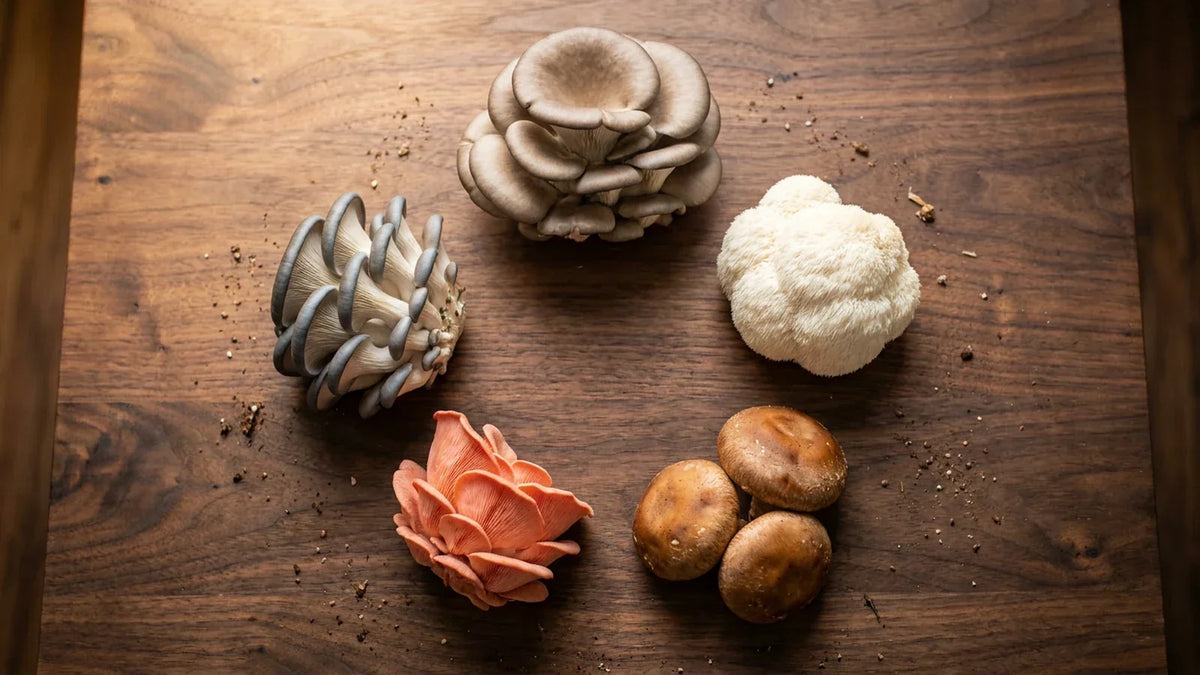
Die besten Pilze für Steak sind jene, die hohe Hitze vertragen, Butter aufsaugen, ohne matschig zu werden, und genug Aroma haben, um neben einem gebratenen Ribeye zu bestehen. Diese kurze Liste reduziert sich auf vier Arten: Cremini (und ihre ausgewachsene Form, Portobello), Shiitake, Austernpilze und der Underdog, den die meisten Hobbyköche noch nicht probiert haben, Kräuterseitlinge (auch Königsausternpilze genannt). Verzichten Sie auf weiße Champignons, es sei denn, Sie haben keine anderen.
Im Folgenden erfahren Sie, wie Sie jeden Pilz auswählen, vorbereiten und zubereiten, damit er gleichzeitig mit Ihrem Steak fertig ist und in seiner besten Form auf den Teller kommt.

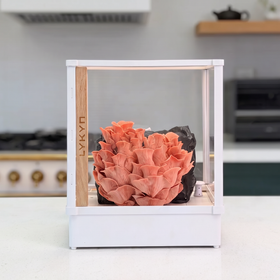
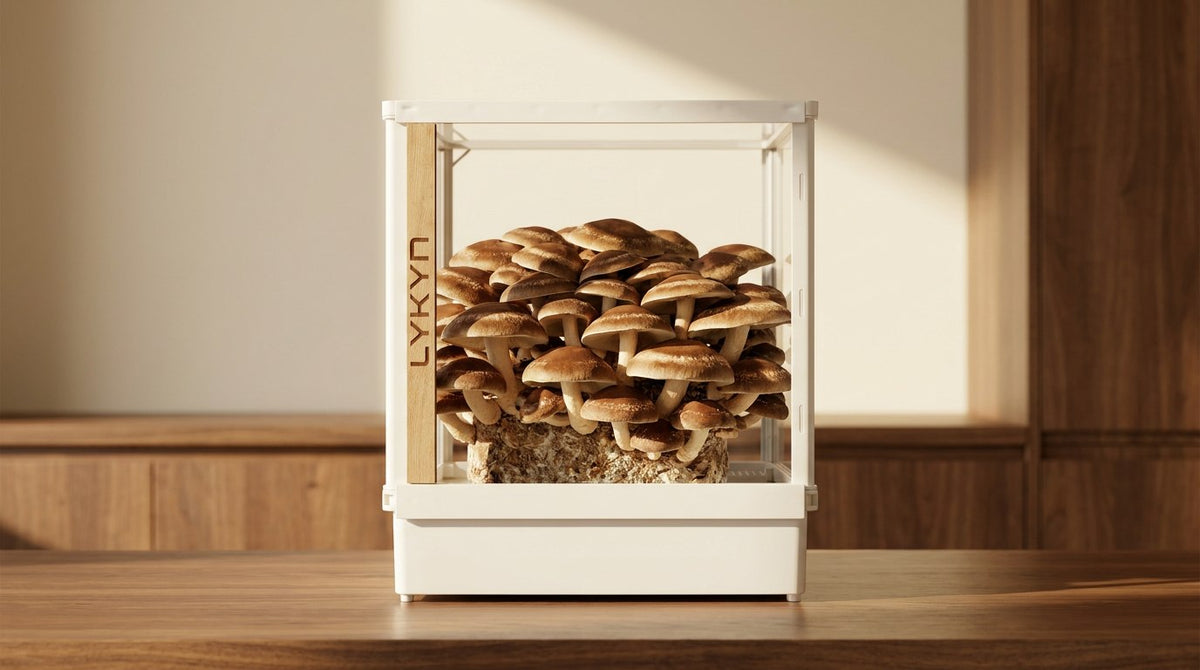
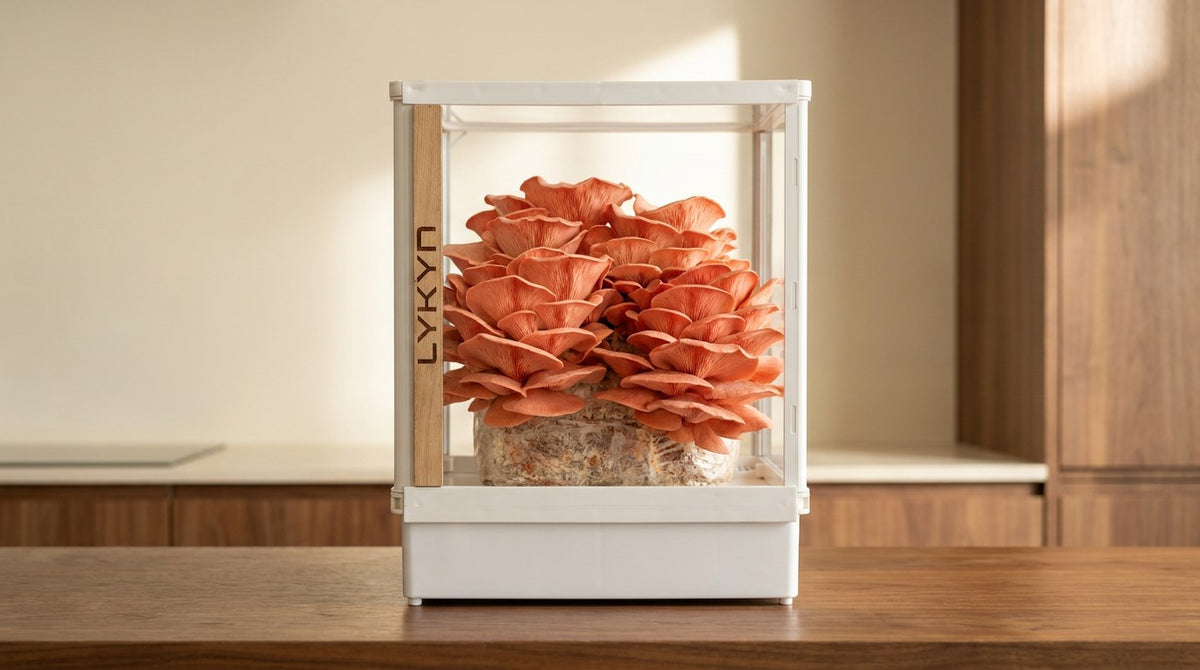
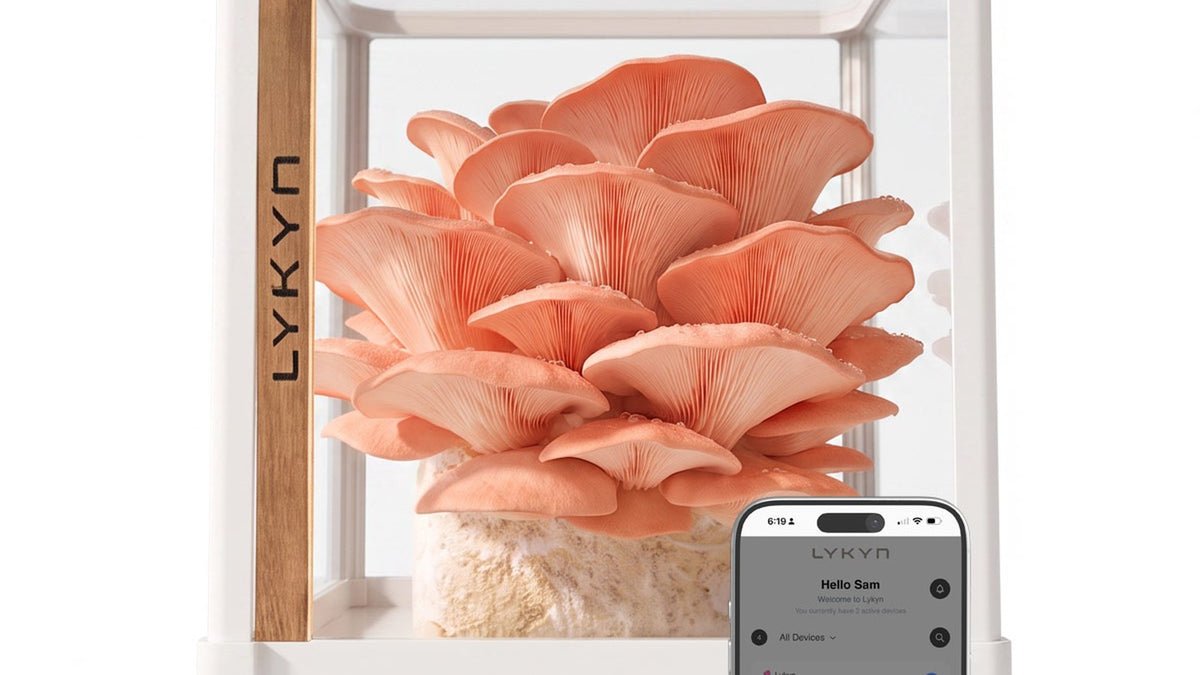
Smarte Kammer. Knochenweiß Einzel
- 2.8L Tank, 90% Luftfeuchtigkeit automatisch
- App-gesteuert, Plug-and-Play
- 6 lb Block Decke, auf Lager

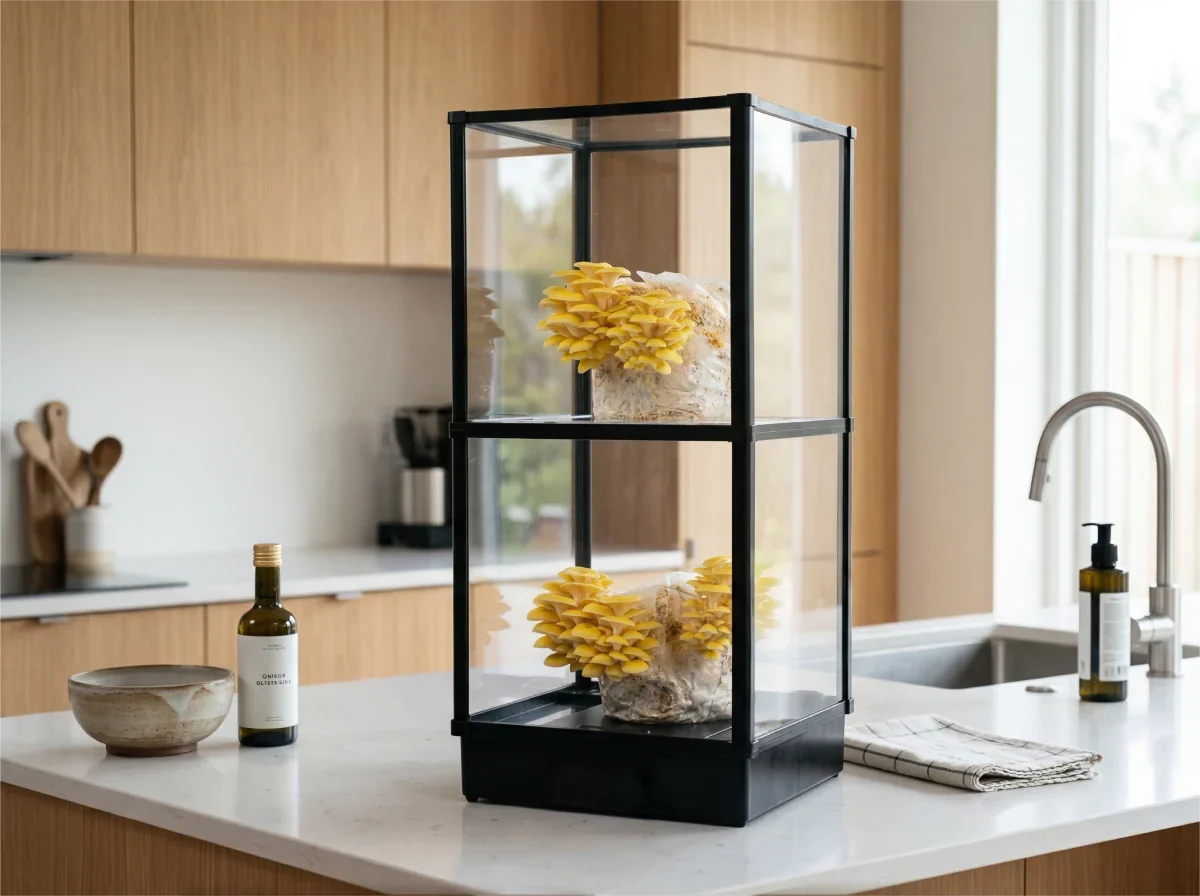
Smarte Kammer. Obsidian Schwarz Einzel
- Gleiche Hardware wie Knochenweiß
- Mattschwarzes Premium-Finish
- Passt zu jeder Küchenpalette

Black Oyster Anzucht-Set
- Auf Lager
- Pin in 3-5 Tagen
- Ersetzt 1 Kammerzyklus
Cremini und Portobello: die Arbeitstiere
Cremini sind Baby-Portobellos, die gleiche Art (Agaricus bisportus), nur jünger. Beide sind dicht, leicht erdig und außergewöhnlich gut darin, Butter, Knoblauch und Rotwein aufzunehmen. Sie verzeihen es auch, wenn man sie etwas zu lange kocht.
Der Trick bei Cremini ist Hitze. Kalte Pfanne, langsames Kochen, und sie geben Wasser ab und werden grau. Heiße Pfanne, heiße Butter oder Öl, und sie bräunen wunderbar. Schneiden Sie sie dick (etwa einen Viertel Zoll), überladen Sie die Pfanne nicht und rühren Sie sie die ersten zwei Minuten nicht um. Lassen Sie sie anbraten, wenden Sie sie, braten Sie sie erneut an, fügen Sie dann Butter, Knoblauch und einen Schuss Brühe oder Wein hinzu.
Portobello-Kappen eignen sich als Steakbeilage oder Steakalternative. Grillen Sie sie ganz, mit der Lamellenseite nach oben, mit einem Stück Butter, das in der Mulde schmilzt. Sechs bis acht Minuten pro Seite bei mittlerer Hitze ergeben eine saftige, fleischige Kappe.
Shiitake: die Umami-Bombe
Shiitake enthalten mehr natürlich vorkommendes Glutamat als jeder andere häufig kultivierte Pilz, was die Chemie hinter „Umami“ ist. Kombinieren Sie sie mit einem gebratenen Steak, und Sie stapeln herzhaft auf herzhaft.
Entstielen Sie sie zuerst. Shiitake-Stiele sind auch nach dem Kochen zäh, also bewahren Sie sie für Brühen auf und verwenden Sie nur die Kappen. Schneiden Sie die Kappen dick (oder lassen Sie kleine ganz). Braten Sie sie zwei Minuten pro Seite in heißem Öl an und vollenden Sie sie dann mit Butter und Sojasauce. Die Soja- und Shiitake-Glutamate verstärken sich gegenseitig. Salzen Sie erst ganz am Ende, die Sojasauce liefert genug Salz.
Für eine Beilage im Steakhaus-Stil schneiden Sie Shiitake, braten Sie sie in Olivenöl knusprig an, bis sich die Ränder kräuseln, und mischen Sie sie dann mit frischem Thymian und Zitronenschale. Der Thymian nimmt die holzigen Noten des Pilzes auf, und die Zitrone durchbricht die Reichhaltigkeit eines fetten Cuts.
Austernpilze: die Textur-Wahl
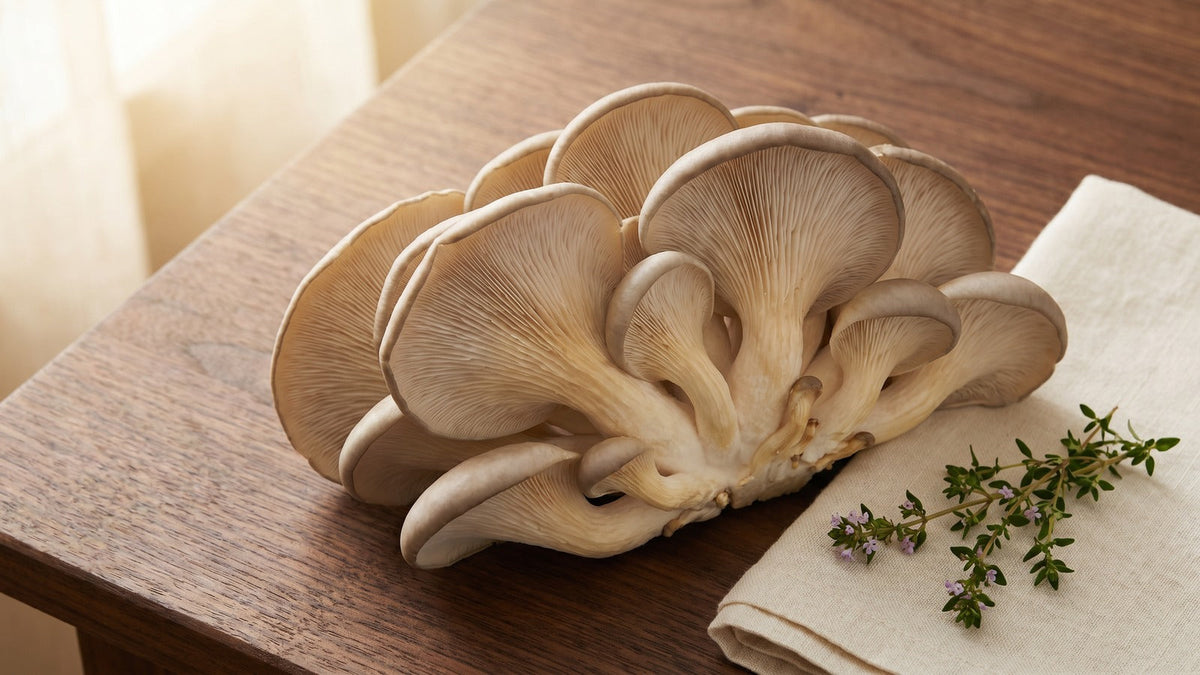
Austernseitlinge, Rosafarbene Austernpilze und besonders Kräuterseitlinge (Königsausternpilze) funktionieren alle, aber sie kochen unterschiedlich und Sie sollten wissen, welche Art Sie gekauft haben.
Austernseitlinge sind zart. Reißen Sie sie mit den Fingern in Streifen (ein Messer zerquetscht die Textur), braten Sie sie schnell und heiß in Butter an und servieren Sie sie sofort. Sie welken, wenn Sie sie stehen lassen. Zwei Minuten Kochzeit insgesamt sind ausreichend.
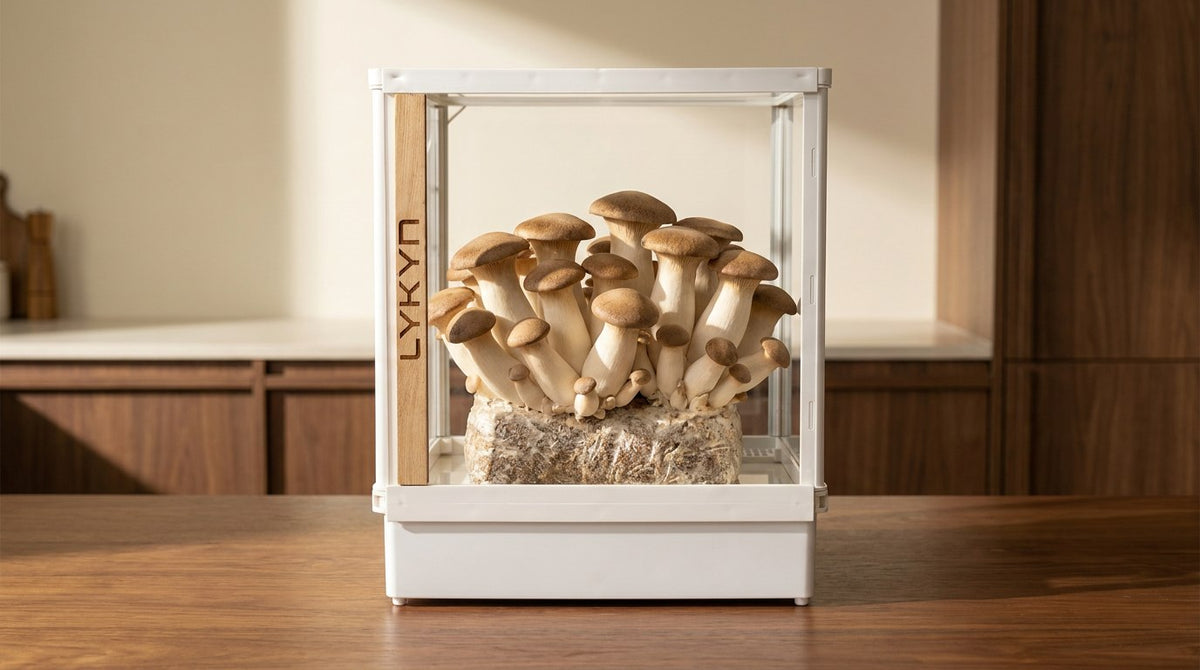
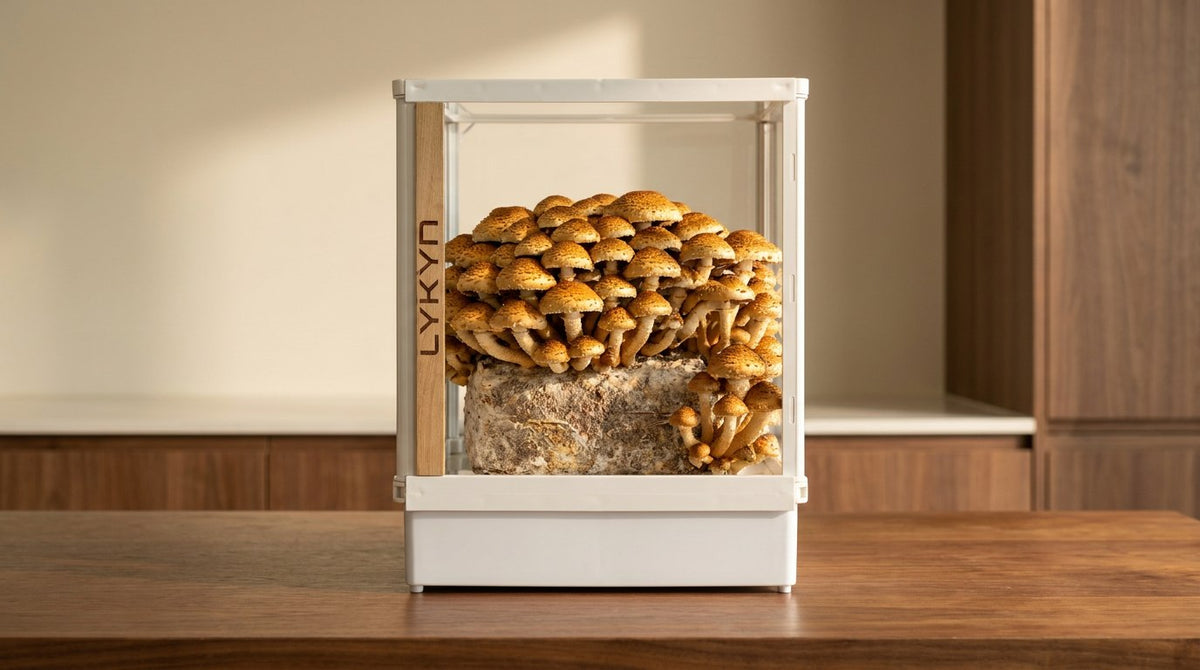
Kräuterseitlinge sind die, nach denen man suchen sollte. Dicke weiße Stiele mit kleinen braunen Kappen. Schneiden Sie sie längs in halb Zoll dicke Scheiben, ritzen Sie die Oberfläche kreuzweise ein und braten Sie sie in Butter an, bis die Ränder tiefbraun sind. Die Textur ist dicht und leicht zäh, fast wie eine Jakobsmuschel oder ein kleines Steak für sich. Kräuterseitlinge sind der Pilz, der am ehesten jemanden dazu bringt zu sagen: „Moment mal, das ist ein Pilz?“
Kochtechnik, die für alle Pilze gilt
Einige Regeln gelten für jeden Pilz auf dieser Liste.
Zuerst: Waschen Sie Pilze nicht mit Wasser, es sei denn, sie sind sichtbar sandig. Wischen Sie sie mit einem feuchten Papiertuch ab. Sie sind wie Schwämme, und jede zusätzliche Feuchtigkeit, die Sie hinzufügen, entweicht in der Pfanne.

Befeuern Sie Ihre Pilzreise
Smarte Pilzzuchtkammer
Plug-and-Play Smart Chamber mit Feuchtigkeit, Licht und Luftstrom, abgestimmt auf jede Art. Anfänger ernten ihre erste Spülung in Tagen, nicht Monaten.
In den Warenkorb $299Zweitens: heiße Pfanne, trockene Pilze, Fett, das die Hitze verträgt. Butter allein verbrennt bei hoher Temperatur, also beginnen Sie mit einem neutralen Öl und fügen Sie Butter hinzu, sobald die Pilze zu bräunen beginnen. Die Butter kommt am Ende dazu, um zu beträufeln und zu würzen.
Drittens: Salzen Sie Pilze nicht, bevor sie in die Pfanne kommen. Salz entzieht Wasser, und Wasser dämpft statt brät. Salzen Sie erst, nachdem sie gebräunt sind.
Viertens: Lassen Sie sie bräunen, bevor Sie sie wenden oder rühren. Die Pfanne zu überfüllen oder sie zu viel zu bewegen ist der häufigste Fehler. Geben Sie ihnen zwei bis drei Minuten Kontakt mit der heißen Oberfläche, bevor Sie sie berühren.
Pilze mit verschiedenen Steaksorten kombinieren
Fettreichere Stücke (Ribeye, New York Strip) vertragen kräftigere Pilze. Shiitake mit Soja und Knoblauch, dunkel angebratene Kräuterseitlinge oder langsam mit Rosmarin geröstete Portobello passen gut zur Reichhaltigkeit.
Magerere Stücke (Filet Mignon, Flanke, Sirloin) profitieren von Pilzen, die Feuchtigkeit und eine Sauce mitbringen. Eine klassische Pilz-Bordelaise, hergestellt durch Ablöschen von Cremini mit Rotwein und Rinderbrühe, verleiht einem mageren Filet die nötige Soße, ohne es zu überdecken.
Rock- oder Hanger-Steak mit Chimichurri passt überraschend gut zu einfach in Olivenöl gekochten Austernpilzen. Die Frische des Chimichurri gleicht beides aus.
Eine einfache Pilzbeilage im Steakhouse-Stil
Hier ist ein Rezept, das mit jedem Pilz auf dieser Liste funktioniert.
Erhitzen Sie eine schwere Pfanne (Gusseisen oder Edelstahl) bei hoher Hitze. Fügen Sie einen Esslöffel neutrales Öl hinzu. Sobald es schimmert, geben Sie ein Pfund geschnittene Pilze in einer einzigen Schicht hinein. Bewegen Sie sie zwei Minuten lang nicht. Wenden Sie sie und kochen Sie sie weitere zwei Minuten. Fügen Sie zwei Esslöffel Butter, zwei gehackte Knoblauchzehen und einen Thymianzweig hinzu. Kippen Sie die Pfanne und beträufeln Sie die Pilze eine Minute lang mit der Butter. Fügen Sie einen Schuss (etwa zwei Esslöffel) trockenen Sherry oder Rotwein hinzu, schwenken Sie zum Ablöschen und nehmen Sie die Pfanne vom Herd. Mit Salz und Pfeffer abschmecken. Reicht für vier Personen als Beilage.
Die Kochzeit beträgt unter zehn Minuten, was bedeutet, dass Sie die Pilze anfangen können, wenn Ihr Steak vom Herd kommt, und beide gleichzeitig fertig sein werden.
Wo der hausgemachte Vorteil zum Tragen kommt
Die meisten Pilze aus dem Supermarkt (Cremini und weiße Champignons) sind völlig in Ordnung. Shiitake und Austernpilze profitieren mehr von Frische als fast jede andere Zutat in Ihrer Küche. Zwei Tage alt im Vergleich zu sechs Tagen alt macht einen spürbaren Unterschied in Geschmack und Textur, und der Supermarktumsatz variiert stark.
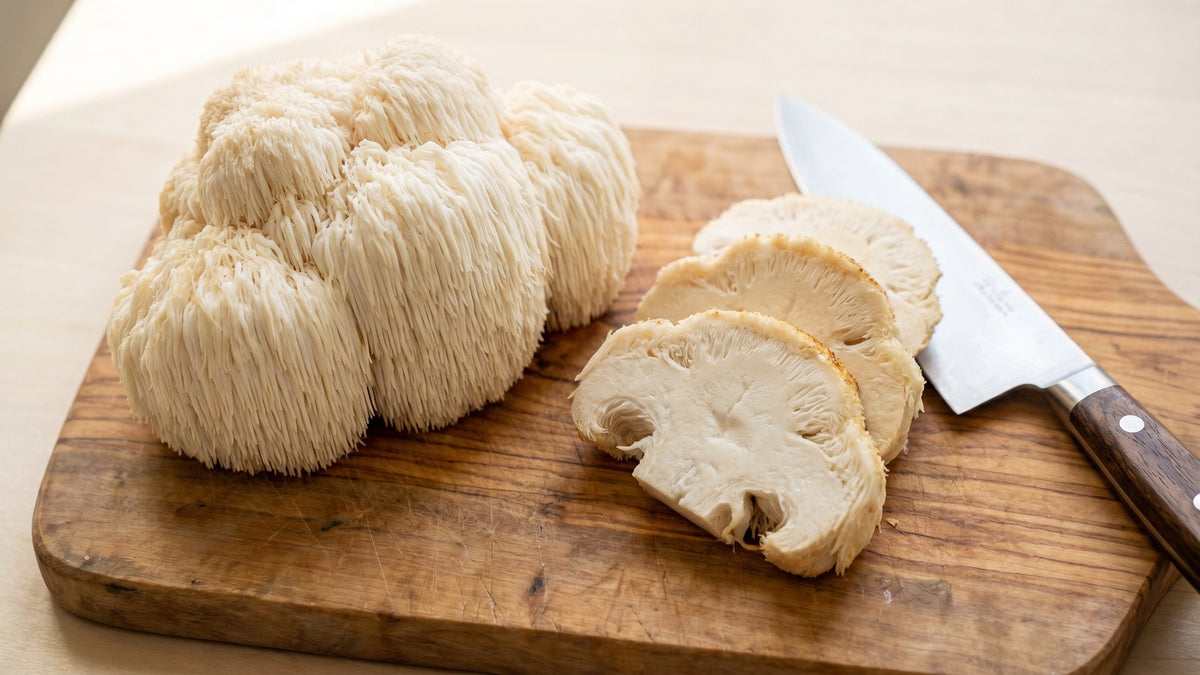
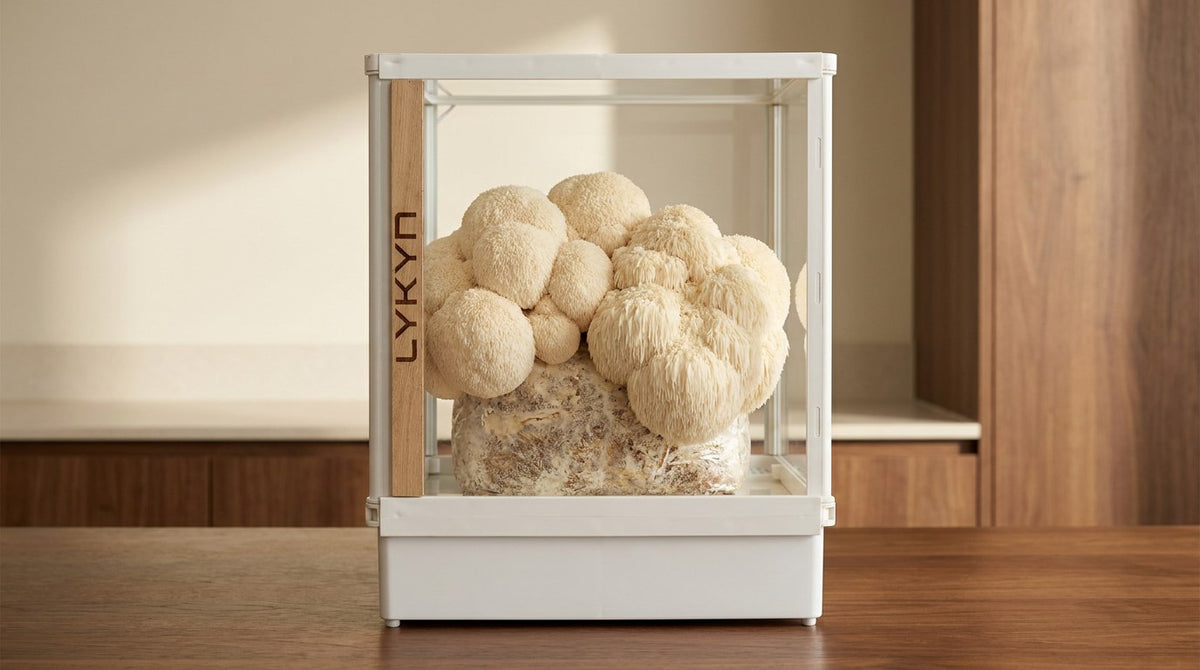
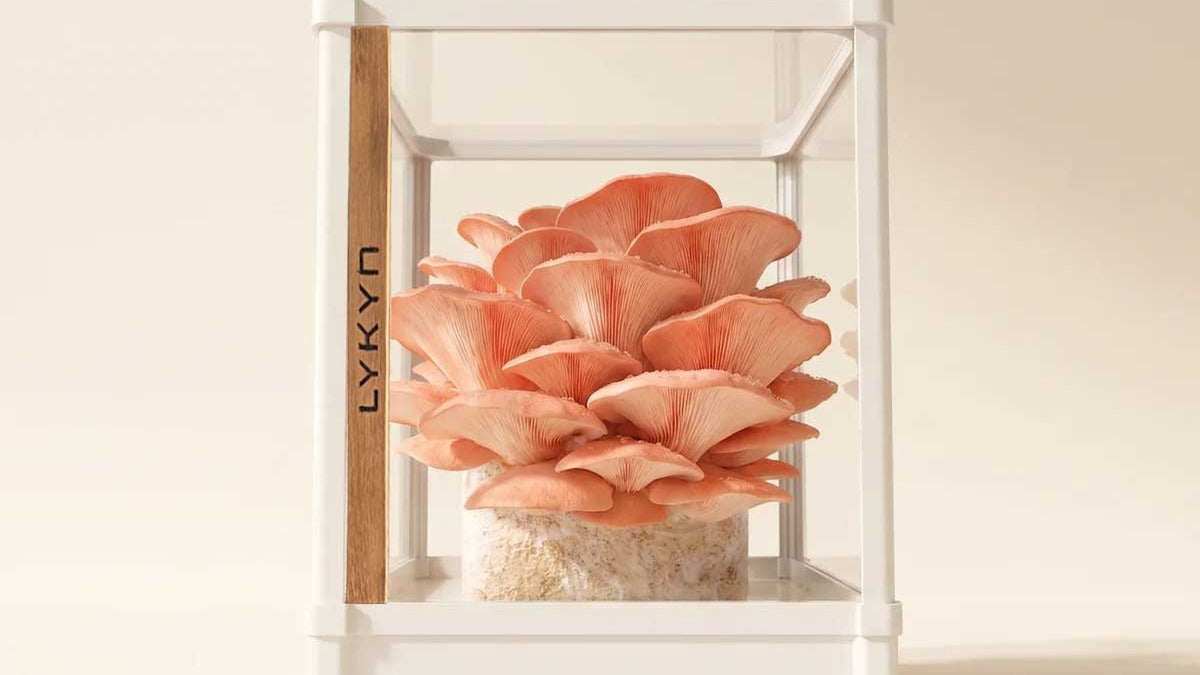
Wenn Sie mehr als einmal pro Woche mit Pilzen kochen, bedeutet der Anbau eigener Pilze mit einem unserer Pilzzucht-Sets, dass Sie Stunden vor dem Braten ernten. Löwenmähne, Kräuterseitlinge und Rosa Austernpilze liefern alle innerhalb von vier bis sechs Wochen nach Beginn eines Kits Erträge. Der Geschmacksunterschied zwischen frisch geernteten und vier Tage alten, eingeschweißten Pilzen ist derselbe Unterschied, den Sie zwischen einer Gartentomate und einer Wintertomate aus dem Supermarkt bemerken würden.
Für ein großartiges Steak-Dinner lohnt es sich, diese Lücke zu schließen.

Aktie:
Portobello-Pilz-Sandwich: Gegrilltes Rezept plus 4 Variationen
Portobello-Pilz-Sandwich: Gegrilltes Rezept plus 4 Variationen