


Pilze, die in Ihrem Garten wachsen, sind eines dieser Garten-Mysterien, die beunruhigend wirken können, wenn Sie sie zum ersten Mal sehen. Die Wahrheit ist, dass Pilze auf einem Rasen fast immer ein Zeichen für eine gesunde Bodenbiologie sind. Sie erscheinen nach Regen, signalisieren, dass Zersetzer organisches Material unter der Erde abbauen, und verschwinden normalerweise innerhalb einer Woche von selbst. Die einzigen wirklichen Bedenken sind Arten, die für Haustiere und Kinder giftig sind, und Hexenringe, die braune Flecken im Gras hinterlassen können.
Dieser Leitfaden erklärt, warum Pilze im Garten erscheinen, die häufigsten Arten, die Sie sehen werden, wie man gefährliche erkennt und was man tun kann, wenn sie auftauchen.

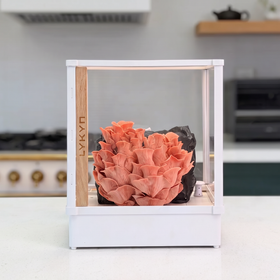
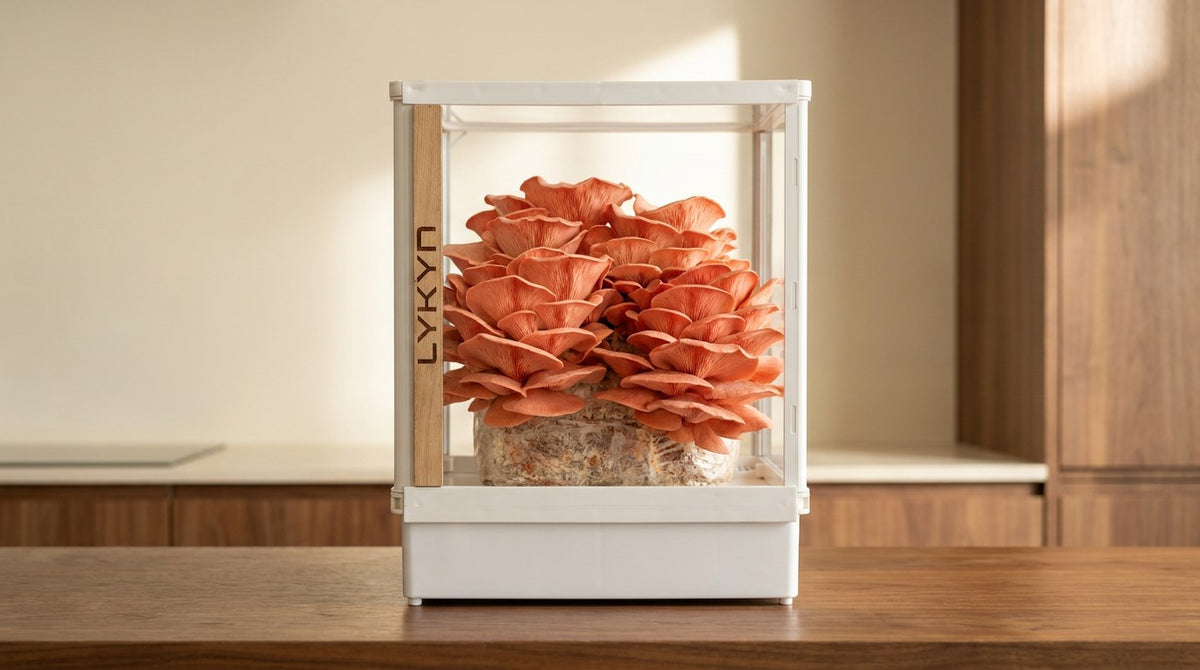
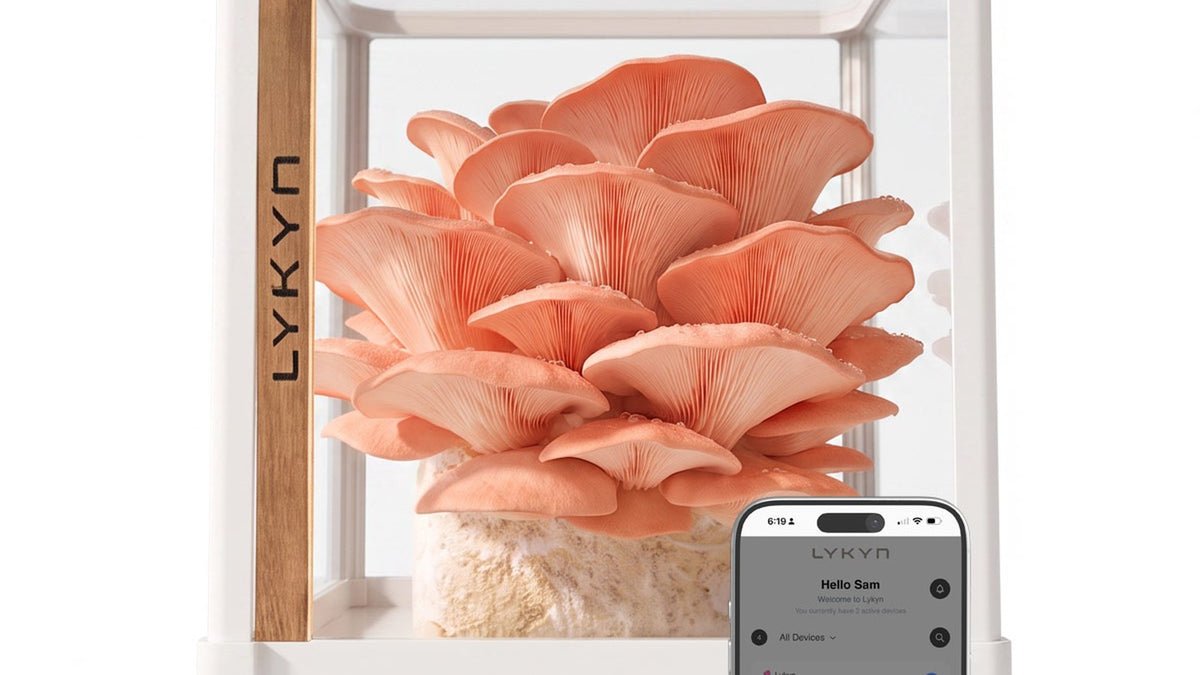
Smart Chamber. Bone White Single
- 2,8L Tank, 90% Luftfeuchtigkeit automatisch
- App-gesteuert, Plug-and-Play
- 6 lb Blockdecke, auf Lager

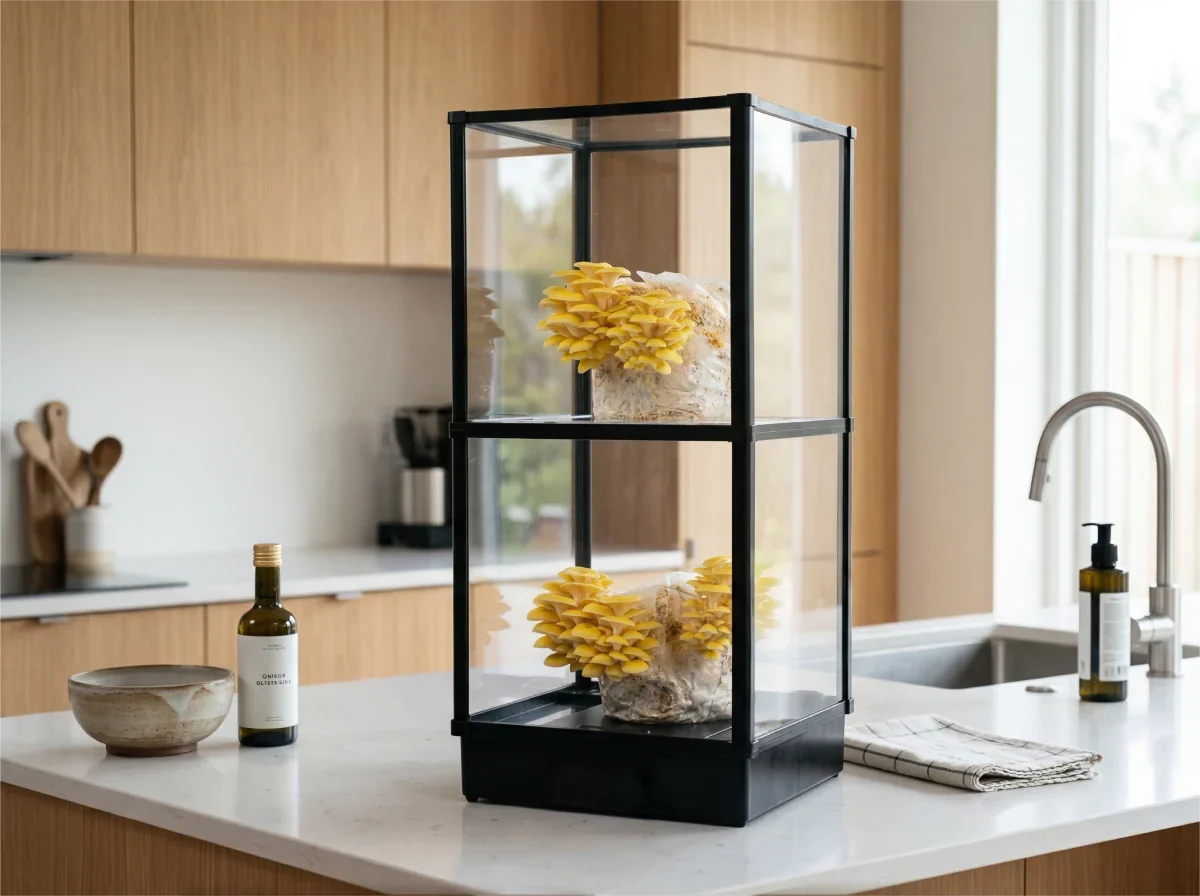
Smart Chamber. Obsidian Black Single
- Gleiche Hardware wie Bone White
- Matt-schwarzes Premium-Finish
- Passt zu jeder Küchenpalette

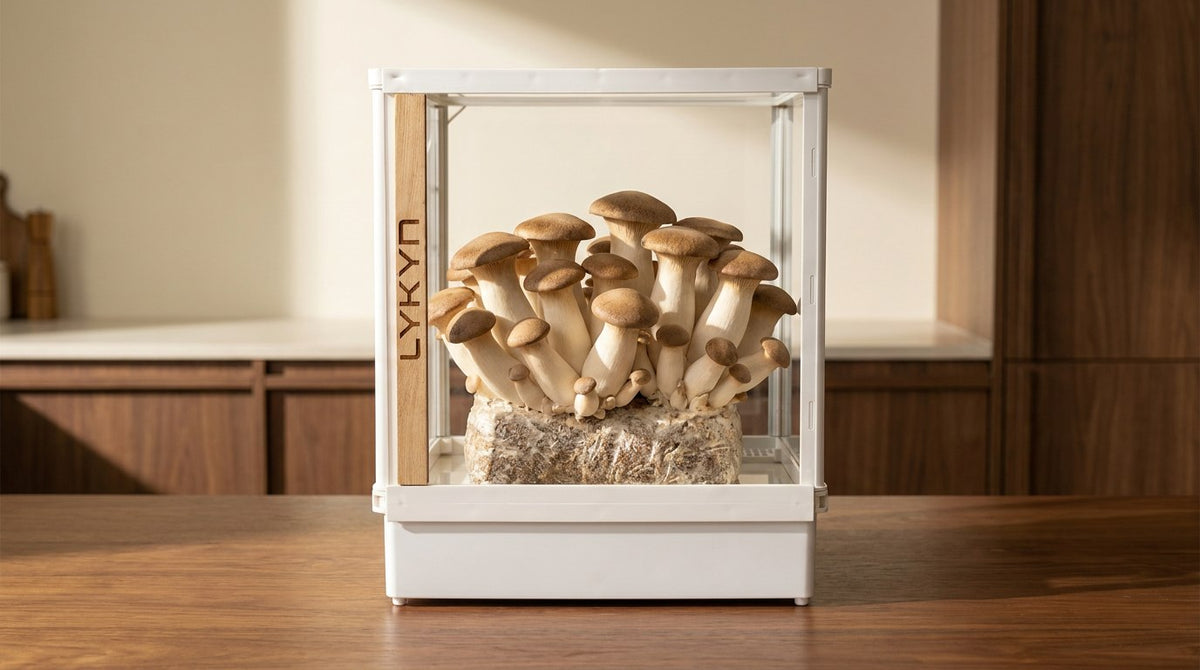
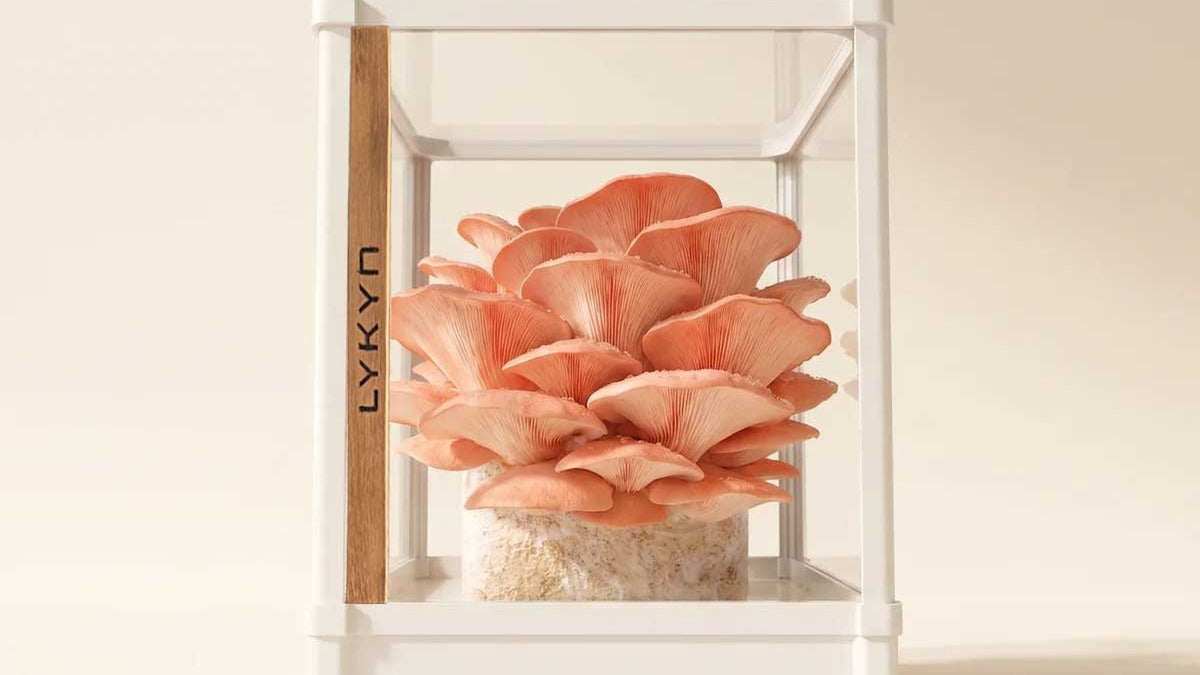
Austernpilz-Zuchtset „Black Oyster“
- Auf Lager
- Pinning in 3-5 Tagen
- Ersetzt 1 Kammerzyklus
Warum Pilze im Garten erscheinen
Jeder Pilz, den Sie über der Erde sehen, ist der vorübergehende Fruchtkörper eines viel größeren unterirdischen Organismus, der Myzel genannt wird. Dieses Myzel kann sich über viele Quadratmeter Boden ausbreiten und jahrelang unsichtbar seine Arbeit verrichten. Wenn die richtige Kombination aus Feuchtigkeit, Wärme und Nahrung vorhanden ist, treibt das Myzel Fruchtkörper hervor, um Sporen freizusetzen.
Die Bedingungen, die Pilze in einen Garten bringen:
- Kürzlicher Regen oder starke Bewässerung
- Warme, aber nicht heiße Temperaturen, typischerweise 10 bis 27 Grad Celsius
- Verrottendes organisches Material im Boden, wie vergrabenes Holz, alte Wurzeln, Mulch oder Stroh
- Schattige oder teilweise schattige Bereiche, die Feuchtigkeit speichern
Wenn Sie nach einer Regenperiode Pilze sehen, ist der zugrunde liegende Organismus wahrscheinlich schon seit Jahren in Ihrem Boden. Die Pilze sind keine Neuankömmlinge, sondern nur neu sichtbar.
Häufige Pilzarten im Garten
In den meisten Teilen der Vereinigten Staaten und ähnlichen gemäßigten Klimazonen sind dies die Arten, die am wahrscheinlichsten auftreten:
- Hexenring-Pilze (Marasmius oreades): braune Hüte, die in Kreisen oder Bögen erscheinen
- Grünsporiger Gift-Riesenschirmling (Chlorophyllum molybdites): große weiße Hüte, die häufigste Ursache für Pilzvergiftungsanrufe in Nordamerika
- Gewöhnliche Boviste (Lycoperdon perlatum): runde weiße Kugeln ohne Stiel
- Tintlinge (Coprinus-Arten): hohe, dünne Hüte, die beim Altern zu schwarzem Schleim zerfließen
- Wiesen-Champignons (Agaricus campestris): essbarer Verwandter des Kultur-Champignons, leicht mit giftigen Arten zu verwechseln
- Schopf-Tintling (Coprinus comatus): zylindrische Hüte, die sich selbst zu schwarzer Tinte zersetzen
- Karbol-Champignon (Agaricus xanthodermus): giftiger Agaricus, der an der Basis gelb wird, wenn er geschnitten wird
Die meisten Gärten sehen zwei oder drei dieser Pilze pro Jahr, mit regionalen Unterschieden. Ein Garten in der Nähe von Eichen kann Amanita-Arten aufweisen, während ein Garten mit viel Mulch Tintlinge oder Stropharia sehen kann.
Sind Gartenpilze für Haustiere gefährlich?
Einige Arten sind giftig für Hunde, Katzen und kleine Kinder. Die gefährlichsten in Wohngärten sind:
- Knollenblätterpilz (Amanita phalloides): die Art, die für die meisten tödlichen Pilzvergiftungen weltweit verantwortlich ist
- Kegelhütiger Knollenblätterpilz (Amanita bisporigera): ebenso tödlich, oft in Rasenflächen in der Nähe von Eichen gefunden
- Grünsporiger Gift-Riesenschirmling (Chlorophyllum molybdites): verursacht starkes Erbrechen und Durchfall, selten tödlich, aber sehr unangenehm
- Galerina-Arten: kleine braune Rasenpilze mit tödlichen Lebergiften
Wenn ein Hund oder Kind einen Pilz aus dem Garten isst, packen Sie eine Probe ein, machen Sie Fotos und rufen Sie die Pet Poison Helpline (855-764-7661), die ASPCA Animal Poison Control (888-426-4435) oder Ihre örtliche Giftnotrufzentrale (1-800-222-1222 in den USA) an. Warten Sie nicht auf Symptome. Viele Pilzgifte verursachen Schäden Stunden, bevor Symptome auftreten.
Schaden Pilze meinem Rasen?
Meistens nicht. Pilze ernähren sich von totem organischen Material, nicht von lebendem Gras. Die Pilze, die Rasenpilze produzieren, sind Zersetzer, die alte Wurzeln, Stroh und vergrabene Ablagerungen in Nährstoffe umwandeln, die das Gras nutzen kann.

Befeuern Sie Ihre Pilzreise
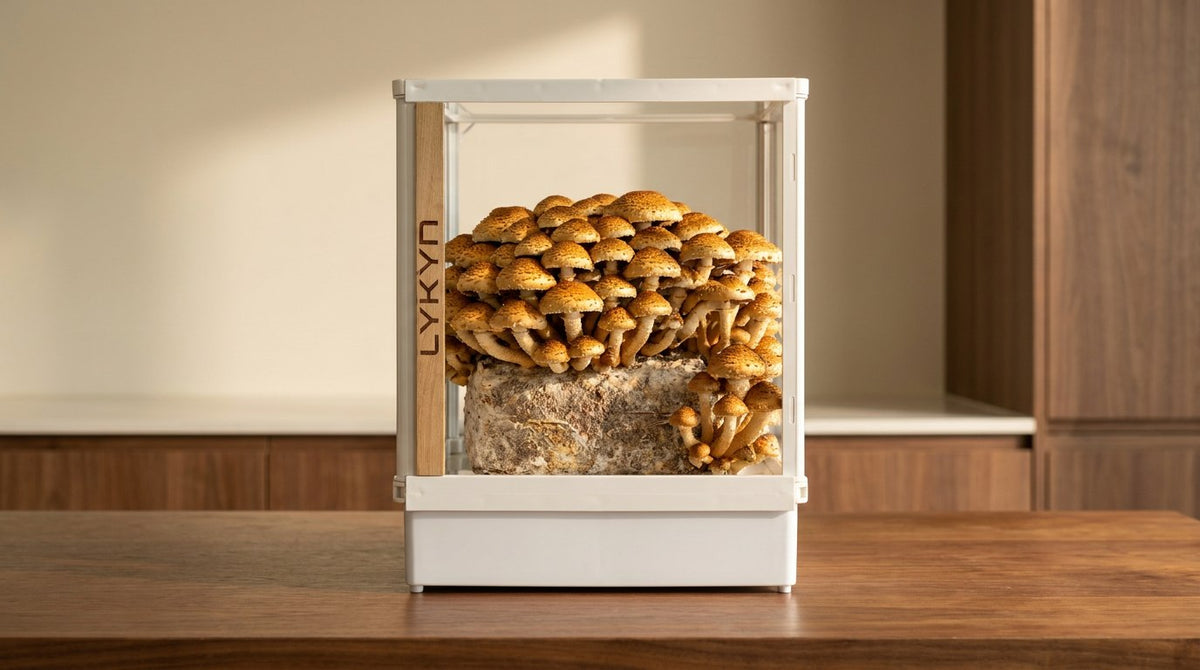
Intelligente Pilzzuchtkammer
Plug-and-Play-Smart-Kammer mit Feuchtigkeit, Licht und Luftstrom, abgestimmt auf jede Art. Anfänger ernten ihre erste Spülung in Tagen, nicht Monaten.
In den Warenkorb $299Die Ausnahme ist der Hexenring-Pilz, der eine dichte unterirdische Matte entwickeln kann, die Wasser abweist. In diesem Fall können Sie Ringe aus dunkelgrünem Gras (vom Stickstoff, den der Pilz freisetzt) sehen, die von abgestorbenen Flecken begrenzt sind (wo der Boden hydrophob geworden ist). Die Behandlung von Hexenringen erfordert konsequentes tiefes Wässern, Belüftung, um die Matte aufzubrechen, und Zeit. Manchmal Jahre.
Wie man Gartenpilze entfernt
Die effektivste Kombination von Methoden:
- Pilze sofort nach dem Auftreten herausziehen oder harken, bevor sie Sporen freisetzen
- Die Pilze im Müll entsorgen, nicht im Kompost, insbesondere giftige Arten
- Feuchtigkeit reduzieren: verdichteten Boden belüften, Drainage beheben und Überwässerung vermeiden
- Vergrabenes Holz, alte Stümpfe oder überschüssigen Mulch finden und entfernen
- Rasen ein- bis zweimal im Jahr entfilzen
- Sonnenlicht erhöhen, wenn möglich, durch Trimmen überhängender Äste
Fungizide werden für Rasenpilze verkauft, aber sie lösen das Problem selten, da das unterirdische Myzel selten von Oberflächenbehandlungen betroffen ist. Die Pilze kehren zurück, wenn die Bedingungen das nächste Mal stimmen.
Wann man sie in Ruhe lassen sollte
Wenn Ihr Garten Haustiere und Kinder hat, die keine Pilze in den Mund nehmen, und die von Ihnen gesehene Art nicht auf der gefährlichen Liste steht, können Sie die Pilze einfach von selbst verschwinden lassen. Sie welken und zersetzen sich typischerweise innerhalb von drei bis sieben Tagen. Das unterirdische Netzwerk verrichtet weiterhin seine Arbeit, die darin besteht, alte Ablagerungen abzubauen und Ihren Boden zu ernähren.
Einige Rasenexperten argumentieren, dass ein Garten, der gelegentlich Pilze hervorbringt, ein Garten mit einer besseren Bodenbiologie ist als einer, der dies nie tut. Die sichtbaren Pilze sind ein Zeichen für aktive Zersetzung und gesunde Pilzaktivität, die beide die Bodenstruktur unterstützen, von der Ihr Gras abhängt.
Was ist speziell mit Hexenringen?
Hexenringe sind Kreise oder Bögen von Pilzen (oder einfach dunkelgrünem Gras), die durch das Myzel bestimmter Arten verursacht werden, die sich von einem zentralen Ausgangspunkt nach außen ausbreiten. Der Ring dehnt sich pro Jahr um einige Zentimeter bis einige Fuß aus. Drei Dinge passieren tendenziell:
- Ein dunkelgrüner Ring aus schnell wachsendem Gras, verursacht durch den vom Pilz freigesetzten Stickstoff
- Ein Pilzring, der nach Regen erscheint
- Ein abgestorbener Ring oder Fleck innerhalb des Dunkelgrüns, wo das unterirdische Myzel so dicht geworden ist, dass es Wasser abstößt
Die Behandlung eines aktiven Hexenrings erfordert konsequente Intervention: Das betroffene Gebiet tief belüften, ein Bodennetzungsmittel auftragen, mehrere Wochen lang tief wässern und die abgestorbene Fläche nachsäen. Es gibt keine schnelle Lösung.
Interesse an essbaren Pilzen wecken
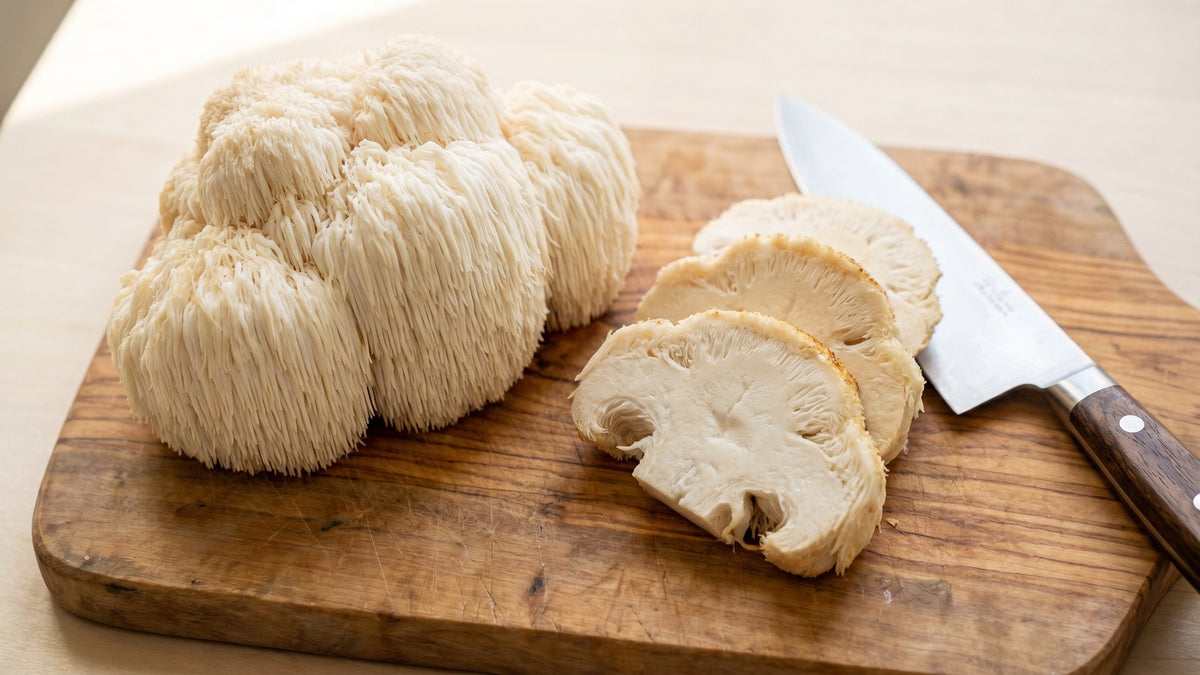
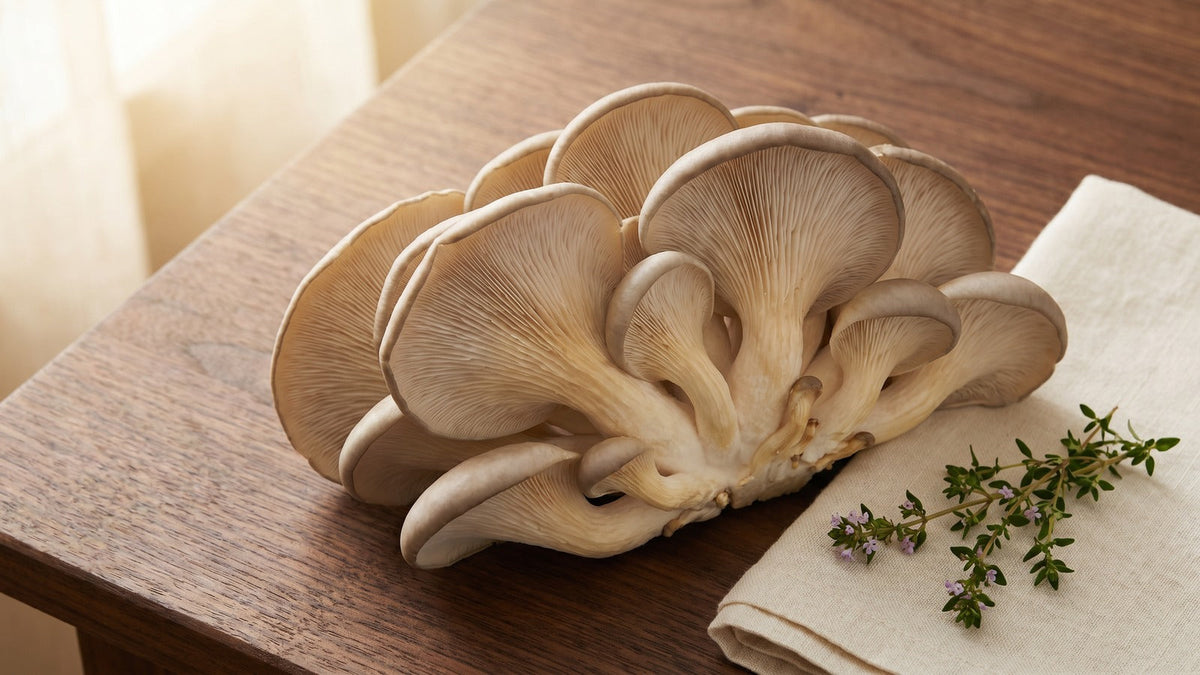
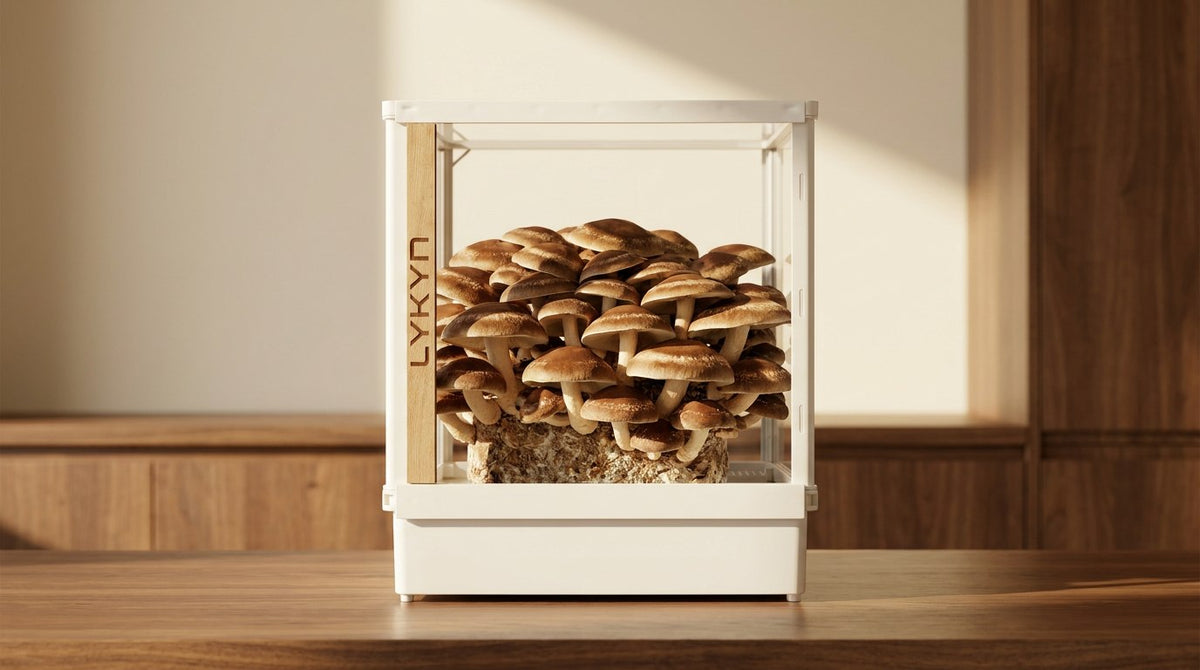
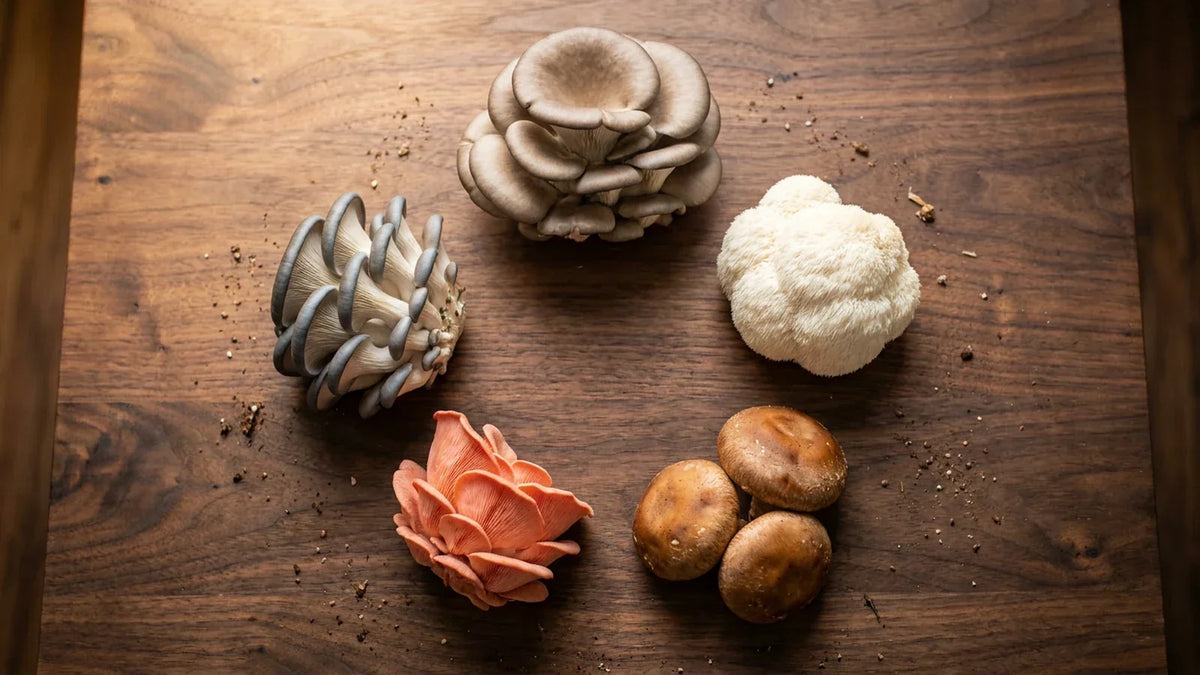
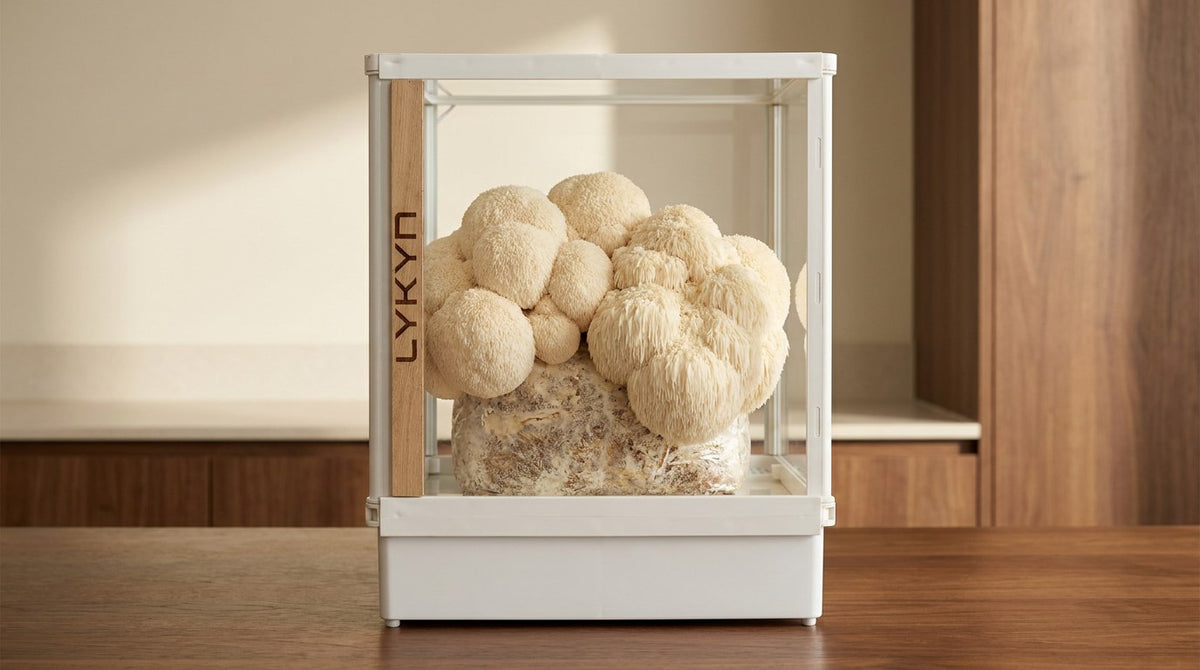
Wenn Gartenpilze Ihre Neugier geweckt haben, Sie aber nicht das Risiko eingehen möchten, wilde Arten zu essen, ist der Anbau essbarer Pilze zu Hause ein befriedigender nächster Schritt. Ein Zuchtset für die Arbeitsplatte liefert konstante Ernten von Arten wie Austernpilzen, Löwenmähnen oder Shiitake in einer kontrollierten Umgebung, in der Art und Sicherheit garantiert sind. Sie können Zuchtsets für Pilze für den Heimanbau erkunden, um eine zuverlässige Versorgung zu gewährleisten.
Das Fazit
Pilze, die in Ihrem Garten wachsen, sind fast immer harmlos für Ihr Gras und ein normales Merkmal eines gesunden Bodens. Das einzige wirkliche Problem sind Arten, die für Haustiere und kleine Kinder giftig sind. Identifizieren Sie also, was Sie haben, entfernen Sie gefährliche Arten umgehend und lassen Sie die harmlosen ihren kurzen Lebenszyklus durchlaufen. Das unterirdische Pilzgeflecht ist einer der Gründe, warum Ihr Rasen überhaupt gut wächst.

Aktie:
Sahne-Pilz-Suppe ersetzen: 5 bessere Alternativen
Sahne-Pilz-Suppe ersetzen: 5 bessere Alternativen