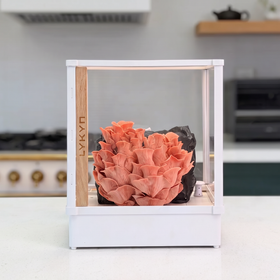



Zu wissen, wann man Rosa Austernpilze (Pleurotus djamor) erntet, ist entscheidend, um ihren Höhepunkt in Geschmack, optimaler Textur und beeindruckendem Aussehen einzufangen. Diese lebhaften tropischen Pilze gehören zu den am schnellsten wachsenden Austernpilzsorten, aber ihre schnelle Entwicklung und kurze Haltbarkeit machen ein präzises Timing unerlässlich. Im Gegensatz zu anderen Pilzsorten, die ein breiteres Erntefenster bieten, erfordern Rosa Austernpilze eine sorgfältige tägliche Überwachung und schnelles Handeln, um sicherzustellen, dass sie zur richtigen Zeit geerntet werden. Dieser umfassende Leitfaden zeigt Ihnen genau, wann und wie Sie Rosa Austernpilze für das beste kulinarische Erlebnis ernten.
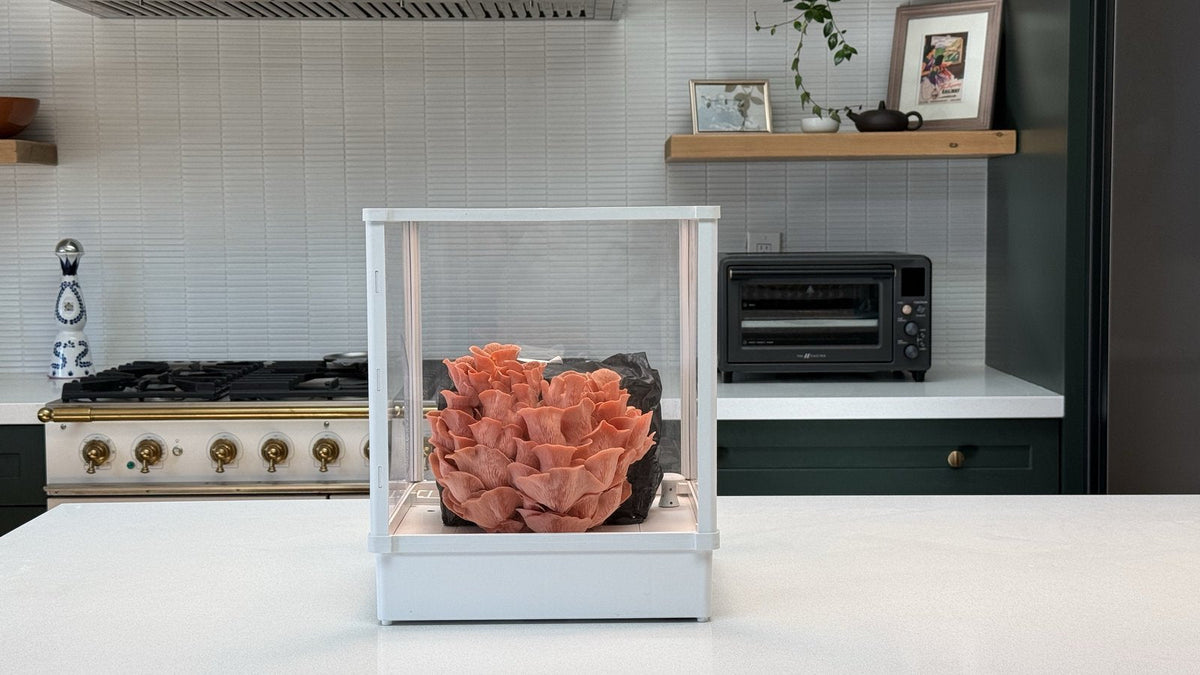
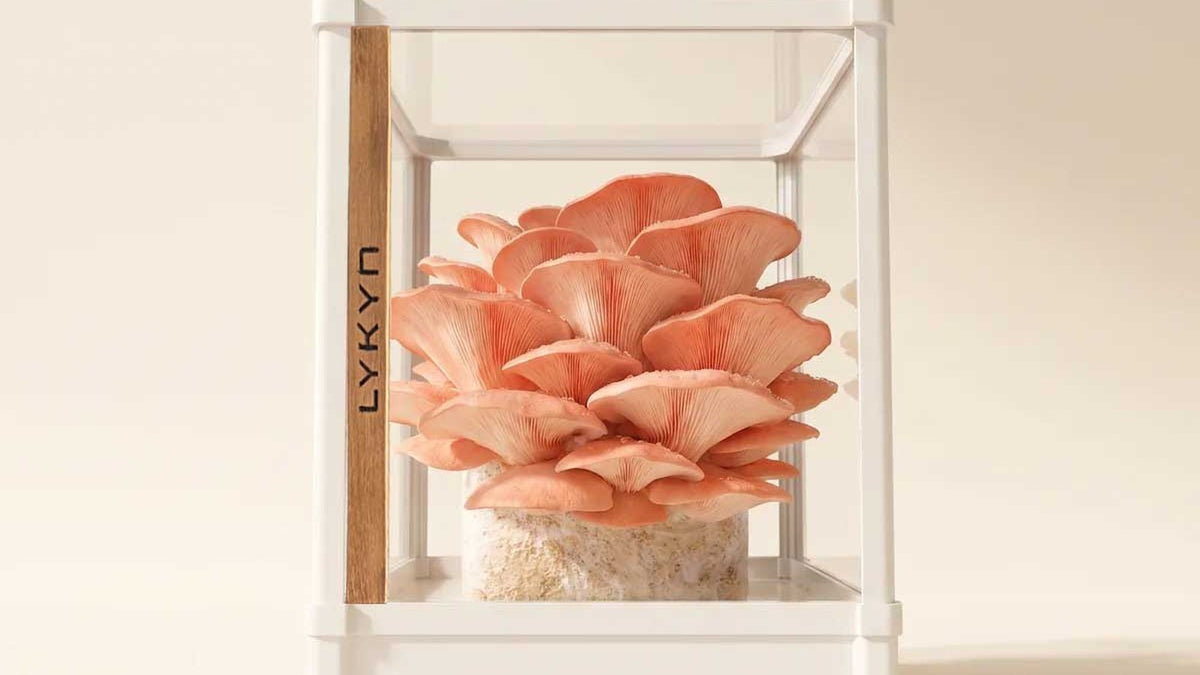
Wenn Sie noch Ihre erste Ernte beziehen, enthält das Lykyn Gourmet Rosa Austernpilz-Zuchtkit den kolonisierten 5-Pfund-Block und das unten beschriebene Zeitfenster, sodass die 5- bis 7-tägige Erntemathematik direkt anwendbar ist.
Kurze Antwort: Ernten Sie Rosa Austernpilze, wenn die Hutränder beginnen, sich zu glätten und von ihrer anfänglichen nach unten gerichteten Krümmung zu entrollen, typischerweise 5-7 Tage nach dem Auftreten der Pins. Die Pilze sollten noch leuchtend rosa, fest anfühlen und bevor die Sporenfreisetzung beginnt. Dieses schmale Zeitfenster gewährleistet optimalen Geschmack, Textur und Aussehen.

Smart Chamber. Bone White Single
- 2,8 L Tank, 90 % Luftfeuchtigkeit automatisch
- App-gesteuert, Plug-and-Play
- 6 lb Block Decke, auf Lager

Smart Chamber. Obsidian Black Single
- Gleiche Hardware wie Bone White
- Mattes Schwarz Premium-Finish
- Passt zu jeder Küchenpalette

Schwarzer Austernpilz Anzucht-Kit
- Auf Lager
- Pins in 3-5 Tagen
- Ersetzt 1 Kammerzyklus

Entwicklung und Wachstumszyklus des Rosa Austernpilzes verstehen
Rosa Austernpilze (Pleurotus djamor) sind tropische Pilze, die sich durch ihre atemberaubende korallenrosa Farbe, schnelle Wachstumsrate und spezifische Ernteanforderungen von anderen Austernpilzsorten abheben. Diese Pilze stammen aus subtropischen und tropischen Regionen, haben sich an warme, feuchte Umgebungen angepasst und zeigen im Vergleich zu ihren gemäßigten Verwandten eine aggressive Kolonisation.
Der Wachstumszyklus des Rosa Austernpilzes durchläuft mehrere verschiedene Phasen, die sich direkt auf den Erntezeitpunkt auswirken. Das Verständnis dieser Phasen hilft Züchtern, das optimale Erntefenster zu erkennen und den Höhepunkt der Qualität nicht zu verpassen.
Pin-Bildungsphase: Kleine Pilz-Pins erscheinen als winzige rosa Beulen auf der Substratoberfläche, typischerweise 10-14 Tage nach der Inokulation unter optimalen Bedingungen. Diese Pins wachsen bei warmen Temperaturen (21-29°C oder 70-85°F) schnell.
Schnelle Entwicklungsphase: Rosa Austernpilze erleben in dieser Phase ein explosives Wachstum und verdoppeln oft täglich ihre Größe. Die charakteristische rosa Farbe wird ausgeprägter, und die Kappen behalten ihre charakteristisch nach unten gekräuselten Ränder.
Reifungsphase: Diese kritische Periode dauert nur 5-7 Tage von der Pin-Bildung bis zur Erntebereitschaft. Die Kappen beginnen abzuflachen, die Ränder entrollen sich, und die Sporenproduktion beginnt.
Überreifungsphase: Wird die Ernte verzögert, verlieren die Pilze schnell ihre leuchtend rosa Farbe, entwickeln eine schleimige Textur und beginnen, große Mengen an Sporen freizusetzen, die Anbauflächen überwältigen können.
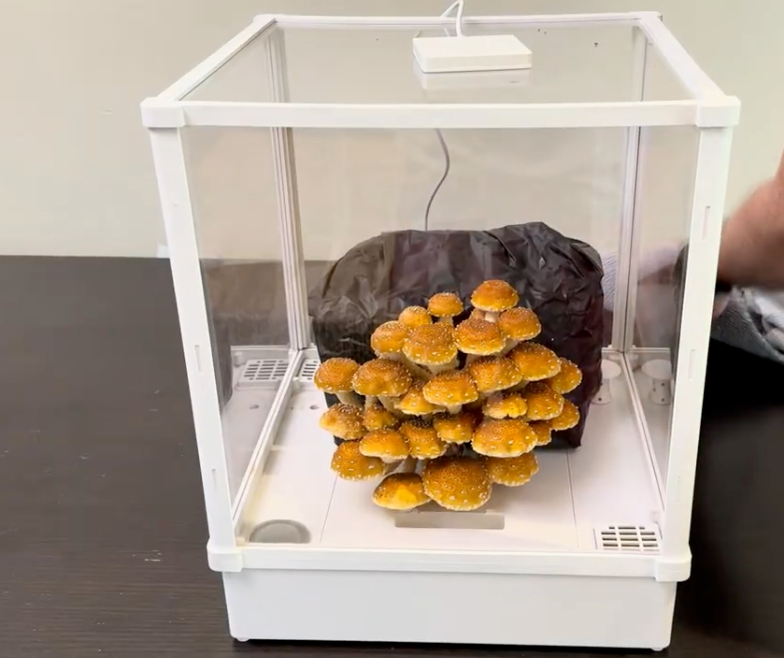
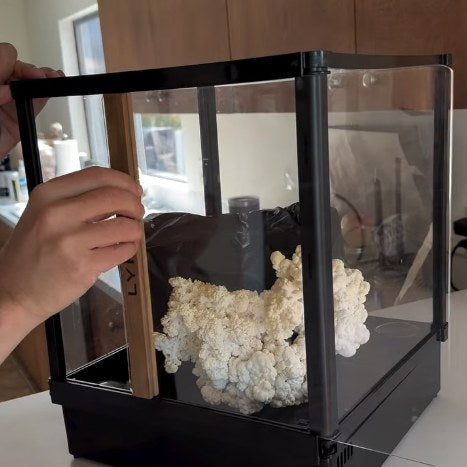
Das Smart Mushroom Grow Kit bietet ideale Bedingungen für den Anbau von Rosa Austernpilzen, indem es automatisch die präzise Temperatur und Luftfeuchtigkeit aufrechterhält, die diese tropischen Pilze für eine optimale Entwicklung benötigen.
Rosa Austernpilz vs. andere Austernpilzsorten
Rosa Austernpilze unterscheiden sich in ihren Ernteanforderungen erheblich von anderen Austernpilzsorten. Während Perl- oder Blaue Austernpilze nachsichtigere Erntefenster bieten, erfordern Rosa Austernpilze aufgrund ihrer schnellen Reifung und kürzeren Haltbarkeit schnelles Handeln.
Wesentliche Unterschiede bei der Ernte:
-
Schnellere Entwicklung: Rosa Austernpilze reifen 2-3 Tage schneller als die meisten Austernpilzsorten
-
Kürzeres Fenster: Die optimale Ernteperiode dauert nur 1-2 Tage im Vergleich zu 3-5 Tagen bei anderen Sorten
-
Farbindikatoren: Die leuchtend rosa Farbe verblasst schnell nach der besten Erntezeit
-
Texturänderungen: Werden schneller schleimig oder zäh als andere Austernpilzarten
Wie in unserem umfassenden Anbauleitfaden für Austernpilze beschrieben, ist das Verständnis dieser sortenspezifischen Unterschiede entscheidend für eine erfolgreiche Heimzucht.
Visuelle Indikatoren: Den perfekten Erntemoment erkennen
Kappenform und Randkonfiguration
Der zuverlässigste Indikator für den Erntezeitpunkt von Rosa Austernpilzen ist die Beobachtung von Veränderungen in der Kappenform und Randkonfiguration. Junge Rosa Austernpilze zeigen deutlich gekrümmte Kappen mit nach innen und unten eingerollten Rändern. Wenn sie sich der Erntebereitschaft nähern, beginnen sich diese Ränder zu glätten und zu entrollen.
Optimale Ernteindikatoren:
-
Entrollen der Ränder: Die Kappen gehen von fest gekräuselten Rändern zu leicht abgeflachten Rändern über
-
Formentwicklung: Die Kappen entwickeln sich von tief konvex zu mäßig konvex oder nahezu flach
-
Größenstabilität: Die Wachstumsrate verlangsamt sich, wenn die Pilze ihre Reifegröße erreichen
-
Gleichmäßigkeit des Clusters: Die meisten Pilze in einem Cluster zeigen ähnliche Entwicklungsstadien
Anzeichen, dass Sie zu lange gewartet haben:
-
Ränder kräuseln sich über die Ebene hinaus nach oben (wodurch eine konkave Form entsteht)
-
Kappen werden extrem dünn und zerbrechlich
-
Weißer Sporenstaub erscheint unter den Pilzclustern
-
Pilze fühlen sich weich oder schleimig an
Farbveränderungen und Beurteilung der Lebendigkeit
Rosa Austernpilze werden für ihre auffällige korallenrosa Färbung geschätzt, die sowohl ein ästhetisches Merkmal als auch ein Indikator für den Erntezeitpunkt ist. Frische, junge Pilze zeigen tiefe, lebhafte rosa Farben, die mit zunehmender Reife allmählich verblassen.
Farbabhängige Erntezeitpunktbestimmung:
-
Spitzenfarbe: Ernten Sie, wenn der Rosa-Ton am lebhaftesten und gleichmäßigsten ist
-
Leichtes Verblassen: Akzeptabler Erntezeitpunkt, wenn andere Indikatoren übereinstimmen
-
Hellrosa/Weiß: Über den optimalen Erntezeitpunkt hinaus, aber noch essbar
-
Bräunlicher Stich: Überreif, Qualität erheblich beeinträchtigt
Die leuchtende rosa Farbe ist unter bestimmten Lichtbedingungen stärker ausgeprägt. Das Smart Mushroom Grow Kit enthält eine optimierte Beleuchtung, die die natürliche Farbgebung verbessert und gleichzeitig die richtige Entwicklungszeit unterstützt.
Textur- und Festigkeitsbeurteilung
Die physische Textur liefert entscheidende Erntehinweise, die visuelle Indikatoren ergänzen. Richtig getimte Rosa Austernpilze sollten sich fest, aber nicht steif anfühlen, mit einer leichten Nachgiebigkeit, wenn sie sanft gedrückt werden.
Techniken zur Texturbewertung:
-
Sanfter Drucktest: Pilze sollten sich fest anfühlen mit minimaler Kompression
-
Oberflächenprüfung: Glatte, trockene Oberfläche ohne Schleimigkeit
-
Stammbewertung: Stiele bleiben fest und fühlen sich nicht hohl oder weich an
-
Gesamthandhabung: Pilze behalten ihre strukturelle Integrität beim Anheben bei
Textur-Warnzeichen:
-
Weiches, matschiges Gefühl deutet auf Überreife hin
-
Schleimige oder klebrige Oberfläche deutet auf Verfall hin
-
Brüchige, zerbrechliche Textur zeigt Austrocknung an
-
Hohle Stiele deuten auf fortgeschrittenes Alter hin
Zeitfaktoren und Umwelteinflüsse
Temperatureinfluss auf die Entwicklungsgeschwindigkeit
Rosa Austernpilze sind wärmeliebende tropische Pilze, die dramatisch auf Temperaturänderungen reagieren. Das Verständnis dieser Beziehung hilft, den Erntezeitpunkt vorherzusagen und die Wachstumsbedingungen zu optimieren.
Temperatureinflüsse auf den Erntezeitpunkt:
-
75-85°F (24-29°C): Optimaler Bereich, 5-7 Tage von den Pins bis zur Ernte
-
68-74°F (20-23°C): Langsamere Entwicklung, 7-10 Tage bis zur Ernte
-
Über 85°F (29°C): Beschleunigtes Wachstum, aber potenzielle Qualitätsprobleme
-
Unter 68°F (20°C): Deutlich verzögerte Entwicklung
Strategien zur Temperaturregelung:
-
Tägliche Temperaturen im Anbaubereich überwachen
-
Umgebungsbedingungen für eine konsistente Entwicklung anpassen
-
Saisonale Temperaturschwankungen berücksichtigen
-
Heizelemente während kühlerer Perioden verwenden
Die automatische Temperaturregelung im Smart Mushroom Grow Kit sorgt für optimale Bedingungen für eine konsistente Entwicklung der Rosa Austernpilze.
Luftfeuchtigkeit und ihre Auswirkung auf die Qualität
Die Luftfeuchtigkeit beeinflusst sowohl den Entwicklungszeitpunkt als auch die Pilzqualität erheblich. Rosa Austernpilze benötigen während der Fruchtbildung eine hohe Luftfeuchtigkeit (85-95 %), aber übermäßige Feuchtigkeit kann zu Qualitätsproblemen führen.
Feuchtigkeitsmanagement für eine optimale Ernte:
-
85-90%: Idealer Bereich für eine gesunde Entwicklung
-
Über 95%: Risiko von Bakterienproblemen und schleimiger Textur
-
Unter 80%: Verkümmertes Wachstum und vorzeitiges Austrocknen
-
Schwankende Werte: Unregelmäßige Entwicklung und Qualitätsprobleme
Qualitätsindikatoren in Bezug auf die Luftfeuchtigkeit:
-
Richtige Luftfeuchtigkeit erzeugt feste, gut geformte Pilze
-
Übermäßige Luftfeuchtigkeit führt zu schleimigen Oberflächen und schlechter Textur
-
Unzureichende Luftfeuchtigkeit führt zu kleinen, zähen Pilzen
-
Konstante Luftfeuchtigkeit gewährleistet eine gleichmäßige Clusterentwicklung
Lichtbedarf und Entwicklung
Im Gegensatz zu vielen Pilzsorten, die in der Dunkelheit fruchten, profitieren Rosa Austernpilze von indirekter Lichteinwirkung. Licht beeinflusst sowohl den Entwicklungszeitpunkt als auch die Farbintensität.
Lichteinfluss auf die Entwicklung des Rosa Austernpilzes:
-
Indirektes natürliches Licht: Fördert gesunde Entwicklung und Farbe
-
LED-Wachstumslampen: Können unter kontrollierten Bedingungen die rosa Färbung verbessern
-
Dunkelheit: Verlangsamt die Entwicklung und reduziert die Farbintensität
-
Direktes Sonnenlicht: Kann schnelle Austrocknung und Qualitätsprobleme verursachen
Für Züchter, die mehr über Austernpilzsorten und ihre spezifischen Anforderungen erfahren möchten, bietet unser Austernpilz-Identifikationsleitfaden umfassende sortenspezifische Informationen.
Erntetechniken und bewährte Verfahren
Geeignete Erntewerkzeuge und -ausstattung
Für eine erfolgreiche Ernte von rosa Austernpilzen sind minimale, aber spezifische Werkzeuge erforderlich, um saubere Schnitte zu gewährleisten und eine Kontamination zu verhindern, die zukünftige Ernteschübe beeinträchtigen könnte.
Wesentliche Ernteausrüstung:
-
Scharfes, sauberes Messer: Sterilisierte Klinge für saubere Schnitte ohne Reißen
-
Schere: Alternatives Schneidwerkzeug für empfindliche Cluster
-
Sammelbehälter: Atmungsaktiver Korb oder Papiertüte
-
Handschuhe: Optional, aber hilfreich zur Aufrechterhaltung der Sauberkeit
-
Sprühflasche: Zur Aufrechterhaltung der Luftfeuchtigkeit während der Ernte
Vorbereitung vor der Ernte:
-
Alle Schneidwerkzeuge mit Alkohol desinfizieren
-
Für gute Beleuchtung zur genauen Beurteilung sorgen
-
Vorratsbehälter für die sofortige Handhabung bereithalten
-
Den gesamten Anbaubereich auf gleichzeitige Erntemöglichkeiten überprüfen

Fuel Your Mushroom Journey
Smart Mushroom Grow Chamber
Plug-and-play smart chamber with humidity, light, and airflow dialed in for every species. Beginners harvest their first flush in days, not months.
Add to cart $299
Schritt-für-Schritt-Ernteprozess
1. Abschließende Beurteilung: Erntebereitschaft anhand visueller und taktiler Indikatoren bestätigen 2. Werkzeugvorbereitung: Schneidewerkzeuge desinfizieren, um Kontaminationen zu vermeiden 3. Cluster-Auswahl: Ganze Cluster identifizieren, die für die gleichzeitige Ernte bereit sind 4. Schneidetechnik: Saubere Schnitte an der Basis der Pilzstiele anbringen 5. Substratschutz: Beschädigung des Wachstumsmediums für zukünftige Ernteschübe vermeiden 6. Sofortige Handhabung: Geerntete Pilze in geeignete Lagerbehälter überführen
Wichtige Erntetipps:
-
Ganze Cluster gleichzeitig ernten, um eine einheitliche Qualität zu gewährleisten
-
Schneiden statt Drehen, um Myzelschäden zu vermeiden
-
Saubere Schnitte hinterlassen, um Kontaminationsrisiken zu minimieren
-
Vorsichtig behandeln, um die strukturelle Integrität zu erhalten
Vermeidung häufiger Erntefehler
Zeitliche Fehler:
-
Zu frühe Ernte: Führt zu unterentwickeltem Geschmack und geringeren Erträgen
-
Zu langes Warten: Führt zu schlechter Textur und abnehmender Qualität
-
Inkonstante Überwachung: Führt zum Verpassen optimaler Erntefenster
Technikprobleme:
-
Grober Umgang: Beschädigt die empfindliche Pilzstruktur
-
Kontaminierte Werkzeuge: Führen schädliche Mikroorganismen ein
-
Unsachgemäßes Schneiden: Beeinträchtigt die Entwicklung zukünftiger Ernteschübe
-
Schlechte Lagerung: Beschleunigt den Qualitätsverlust
Richtlinien für die Handhabung und Lagerung nach der Ernte
Sofortige Pflege nach der Ernte
Rosa Austernpilze haben die kürzeste Haltbarkeit unter den Austernpilzsorten, daher ist eine sofortige, richtige Handhabung entscheidend für die Erhaltung der Qualität.
Sofortiges Handhabungsprotokoll:
-
Schnelle Beurteilung: Beschädigte oder überreife Exemplare entfernen
-
Schonende Reinigung: Substratrest mit einer Bürste entfernen, ohne zu waschen
-
Richtige Belüftung: Versiegelte Behälter vermeiden, die Feuchtigkeit einschließen
-
Temperaturkontrolle: Schnell in eine kühle Umgebung bringen
Qualitätserhaltende Techniken:
-
In Papiertüten statt in Plastikbehältern aufbewahren
-
Kühltemperaturen (2-4 °C) aufrechterhalten
-
Luftzirkulation um die gelagerten Pilze gewährleisten
-
Innerhalb von 24-48 Stunden für beste Qualität verwenden
Lagermethoden und Haltbarkeit
Optimale Lagerbedingungen:
-
Kühlung: Maximal 2-3 Tage für frischen Verzehr
-
Lagerung in Papiertüten: Ermöglicht Atmung bei gleichzeitiger Aufrechterhaltung der Luftfeuchtigkeit
-
Belüftete Behälter: Verhindert Feuchtigkeitsansammlung und Verderb
-
Kühler, trockener Ort: Verlängert die Nutzungsdauer, wenn keine Kühlung verfügbar ist
Optionen für die Langzeitlagerung:
-
Dehydrierung: Gut trocknen für die Langzeitlagerung
-
Einfrieren: Vor dem Einfrieren kurz anbraten, um die Textur zu erhalten
-
Konservierung: Einlegen oder in Öl konservieren für längere Nutzung
Wie in unserem Austernpilz-Ernährungsleitfaden beschrieben, verderben rosa Austernpilze (2-3 Tage) am schnellsten im Vergleich zu anderen Austernpilzsorten.
Anzeichen von Verderb und Qualitätsverlust
Visuelle Anzeichen des Verfalls:
-
Farbe verblasst von leuchtendem Rosa zu blass oder weiß
-
Oberfläche wird schleimig oder klebrig
-
Entwicklung von dunklen Flecken oder Verfärbungen
-
Ränder werden extrem dünn oder spröde
Texturveränderungen:
-
Verlust der Festigkeit, was zu einer weichen, matschigen Textur führt
-
Entwicklung unangenehmer Gerüche
-
Sprödes, dehydriertes Aussehen
-
Trennung der Kappen von den Stielen
Sicherheitsüberlegungen:
-
Pilze mit Anzeichen von Bakterienwachstum entsorgen
-
Verzehr von Exemplaren mit unangenehmen Gerüchen vermeiden
-
Nur frische, richtig gelagerte Pilze verwenden
-
Im Zweifelsfall kompostieren statt verzehren
Maximierung der Erträge durch richtige Ernte
Management mehrerer Ernteschübe
Rosa Austernpilze produzieren typischerweise 2-3 Ernteschübe, wenn sie richtig verwaltet werden, wodurch der Erntezeitpunkt entscheidend für die Optimierung der Gesamterträge ist.
Inter-Flush-Management:
-
Ruheperiode: Dem Substrat zwischen den Ernteschüben 7-10 Tage zur Erholung geben
-
Hydratation: Leichtes Besprühen oder Einweichen zur Wiederherstellung des Feuchtigkeitsgehalts
-
Umweltreset: Optimale Bedingungen während des gesamten Zyklus aufrechterhalten
-
Kontaminationsprävention: Alle Erntereste umgehend entfernen
Erwartungen an nachfolgende Ernteschübe:
-
Zweiter Ernteschub: Normalerweise 70-80 % der Erträge des ersten Ernteschubs
-
Dritter Ernteschub: Typischerweise 40-50 % der ursprünglichen Produktion
-
Qualitätskonstanz: Erntezeitstandards für alle Ernteschübe beibehalten
Strategien zur Ertragsoptimierung
Umweltkontrolle:
-
Gleichmäßige Temperatur und Luftfeuchtigkeit aufrechterhalten
-
Ausreichenden Luftaustausch ohne übermäßige Austrocknung gewährleisten
-
Während des gesamten Wachstumszyklus auf Kontaminationen überwachen
-
Bedingungen an die Pilzreaktion anpassen
Ernteeffizienz:
-
Alle Cluster gleichzeitig ernten, wenn sie reif sind
-
Teilweises Ernten vermeiden, das die verbleibenden Pilze stresst
-
Anbaufläche zwischen den Ernteschüben gründlich reinigen
-
Zeitliche Muster für zukünftige Anbauzyklen dokumentieren
Die Smart Mushroom Grow Kit automatisierten Systeme helfen dabei, konsistente Bedingungen aufrechtzuerhalten, die sowohl die Qualität der einzelnen Ernten als auch den Gesamtertrag über mehrere Ernteschübe hinweg optimieren.
Fehlerbehebung bei häufigen Problemen bei der Ernte von rosa Austernpilzen
Vorzeitiger Farbverlust
Problem: Die rosa Farbe verblasst vor der offensichtlichen Reife Ursachen: Übermäßige Lichtexposition, Temperaturstress oder Nährstoffmangel Lösungen: Beleuchtungsbedingungen anpassen, stabile Temperaturen aufrechterhalten, ausreichende Substratnährstoffe gewährleisten
Schnelle Überreife
Problem: Pilze reifen zu schnell, um optimal geerntet zu werden Ursachen: Hohe Temperaturen, übermäßige Luftfeuchtigkeit oder zu reichhaltige Substrate Lösungen: Anbautemperatur senken, Luftzirkulation verbessern, Substratzusätze reduzieren
Unregelmäßige Entwicklung
Problem: Pilze im selben Cluster reifen unterschiedlich schnell Ursachen: Ungleichmäßige Umweltbedingungen oder Substratbesiedlung Lösungen: Luftzirkulation verbessern, gleichmäßige Substratvorbereitung gewährleisten, konsistente Bedingungen aufrechterhalten
Schlechte Texturentwicklung
Problem: Pilze fühlen sich bei der Ernte zäh oder faserig an Ursachen: Geringe Luftfeuchtigkeit, Temperaturstress oder zu späte Ernte Lösungen: Luftfeuchtigkeit erhöhen, Temperatur stabilisieren, Erntezeitpunkt genauer überwachen
Für Züchter, die mit anhaltenden Herausforderungen zu kämpfen haben, bietet unser Anfängerleitfaden für den Pilzanbau Hilfestellung bei der Fehlerbehebung und Optimierungsstrategien.
Häufig gestellte Fragen zur Ernte von rosa Austernpilzen
F: Wie schnell wachsen rosa Austernpilze von den Nadeln bis zur Ernte? A: Rosa Austernpilze entwickeln sich unter optimalen Bedingungen (24-29 °C bei 85-95 % Luftfeuchtigkeit) typischerweise innerhalb von 5-7 Tagen von den Nadeln bis zur Erntegröße. Dies ist schneller als bei den meisten Austernpilzsorten, wodurch eine tägliche Überwachung unerlässlich ist, um das optimale Erntefenster zu erfassen.
F: Kann ich Rosa Austernpilze einzeln ernten oder sollte ich den gesamten Cluster nehmen? A: Ernten Sie immer den gesamten Cluster auf einmal und nicht einzelne Pilze. Dies verhindert, dass die restlichen Pilze gestresst werden und sorgt für eine gleichmäßige Qualität. Das einzelne Ernten kann auch das Myzel beschädigen und zukünftige Erntewellen beeinträchtigen.
F: Was passiert, wenn ich Rosa Austernpilze zu spät ernte? A: Überreife Rosa Austernpilze verlieren ihre leuchtende Farbe, entwickeln eine schlechte Textur (entweder schleimig oder zäh) und beginnen, viele Sporen freizusetzen. Obwohl sie technisch noch essbar sind, haben sie deutlich weniger Geschmack und kulinarische Attraktivität. Die kurze Haltbarkeit wird auch noch kürzer.
F: Wie erkenne ich, ob Rosa Austernpilze nach der Ernte noch gut sind? A: Frische Rosa Austernpilze sollten ihre korallenrosa Farbe behalten, sich fest anfühlen, ein angenehmes Pilzaroma aufweisen und keine Anzeichen von Schleimigkeit zeigen. Sie sollten innerhalb von 24-48 Stunden nach der Ernte verwendet werden, um die beste Qualität zu gewährleisten, da sie schneller verderben als andere Austernpilzsorten.
F: Warum sind meine Rosa Austernpilze weiß geworden, bevor ich sie ernten konnte? A: Rosa Austernpilze werden weiß oder blass, wenn sie überreif sind, Stressbedingungen (Temperaturschwankungen, falsche Luftfeuchtigkeit) ausgesetzt sind oder eine starke Sporenproduktion beginnen. Dies deutet darauf hin, dass Sie das optimale Erntefenster verpasst haben, obwohl die Pilze mit reduzierter Qualität möglicherweise noch essbar sind.
Zusammenfassung: Das Timing der Rosa Austernpilzernte meistern
Die erfolgreiche Ernte von Rosa Austernpilzen erfordert das Verständnis ihres einzigartigen Entwicklungszyklus, das Erkennen präziser visueller und taktiler Indikatoren und schnelles Handeln innerhalb des engen optimalen Zeitfensters. Diese lebhaften tropischen Pilze belohnen sorgfältige Aufmerksamkeit mit außergewöhnlichem Geschmack, atemberaubendem Aussehen und befriedigenden Erträgen, wenn sie zum Höhepunkt ihrer Qualität geerntet werden.
Der Schlüssel zu konstantem Erfolg liegt in der täglichen Überwachung während der kritischen 5-7-tägigen Entwicklungsperiode, dem Erkennen des subtilen Übergangs von gewölbten zu abgeflachten Huträndern und der Aufrechterhaltung optimaler Wachstumsbedingungen während des gesamten Kultivierungszyklus. Mit Übung entwickeln Züchter ein intuitives Gefühl für den perfekten Erntezeitpunkt, der sowohl Qualität als auch Ertrag maximiert.
Bereit, die Zufriedenheit perfekt getimter Rosa Austernpilz-Ernten zu erleben? Das Smart Mushroom Grow Kit bietet die kontrollierte Umgebung, die diese temperaturempfindlichen Pilze für eine konsistente Entwicklung benötigen. Entdecken Sie unsere komplette Auswahl an Pilzanbausystemen und beginnen Sie Ihre Reise zur Meisterschaft der Kunst und Wissenschaft des Rosa Austernpilzanbaus. Mit dem richtigen Timing und der richtigen Technik werden Sie bald frische, lebendige Rosa Austernpilze in ihrer absoluten Spitzenqualität genießen.



Aktie:
Mungobohnensprossen Nährwerte: Der vollständige Leitfaden zu gesundheitlichen Vorteilen und Nährwerten
Mungobohnensprossen Nährwerte: Der vollständige Leitfaden zu gesundheitlichen Vorteilen und Nährwerten