


A mushroom fruiting tent is a fabric or plastic enclosure (most commonly a converted grow tent or a Martha-style monotub-on-steroids setup) that gives your inoculated substrate a controlled environment for the final phase of mushroom cultivation: pinning, fruiting, and harvest. Tents have become the default upgrade path for home growers who outgrow shoebox monotubs but aren't ready to build a dedicated fruiting room. They solve a specific cluster of problems, and they create a few new ones, which is what this article is about.
The direct answer to "what are the benefits" is that fruiting tents give you reliable humidity and air exchange in one enclosed space, scale up your harvest from a single shoebox to multiple blocks at once, isolate the cultivation environment from your living space, and let you control light, temperature, and contamination risk in ways an open countertop never can. Whether they're the right tool for you depends on what you're growing and how much you want to manage manually.

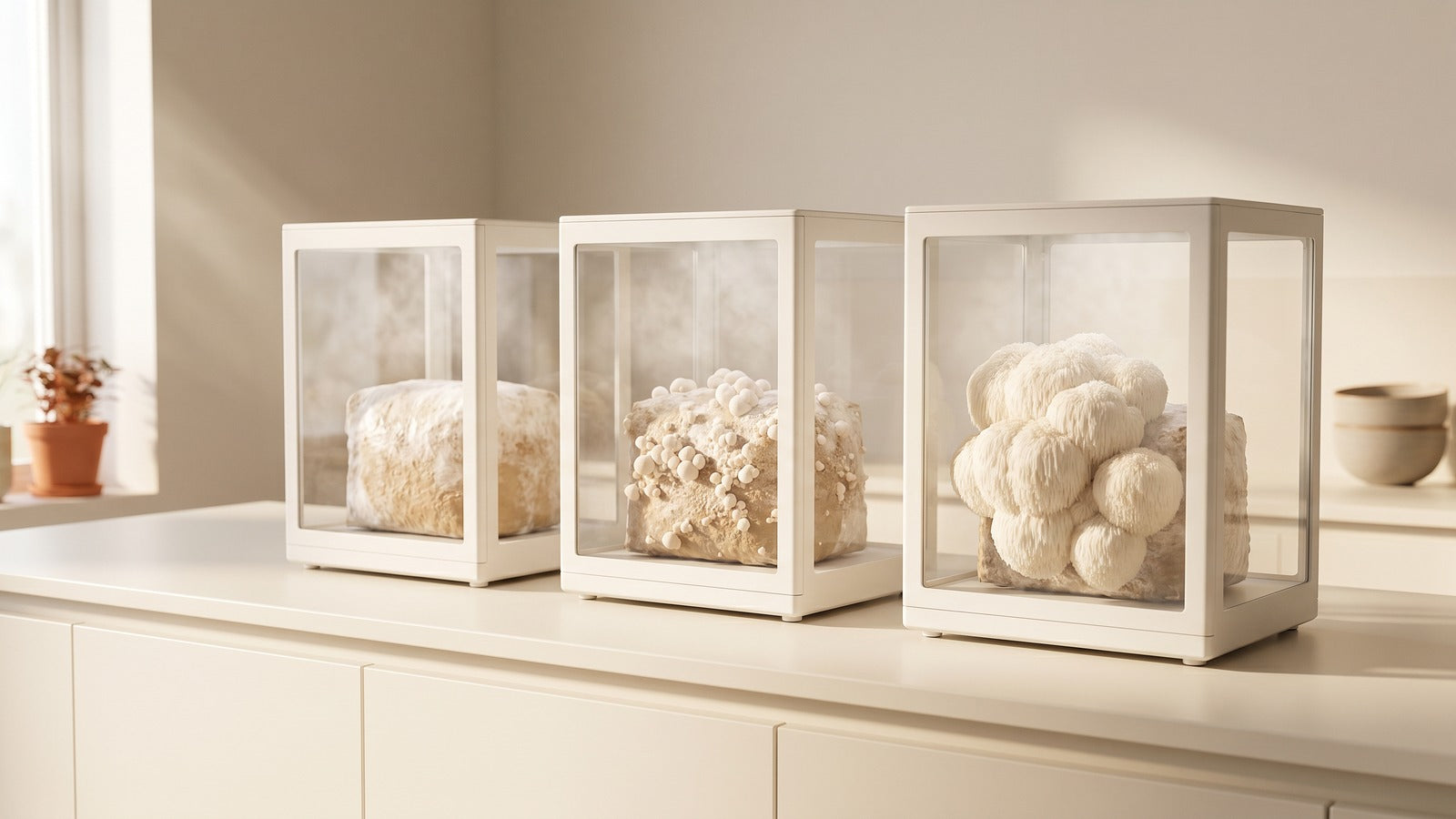
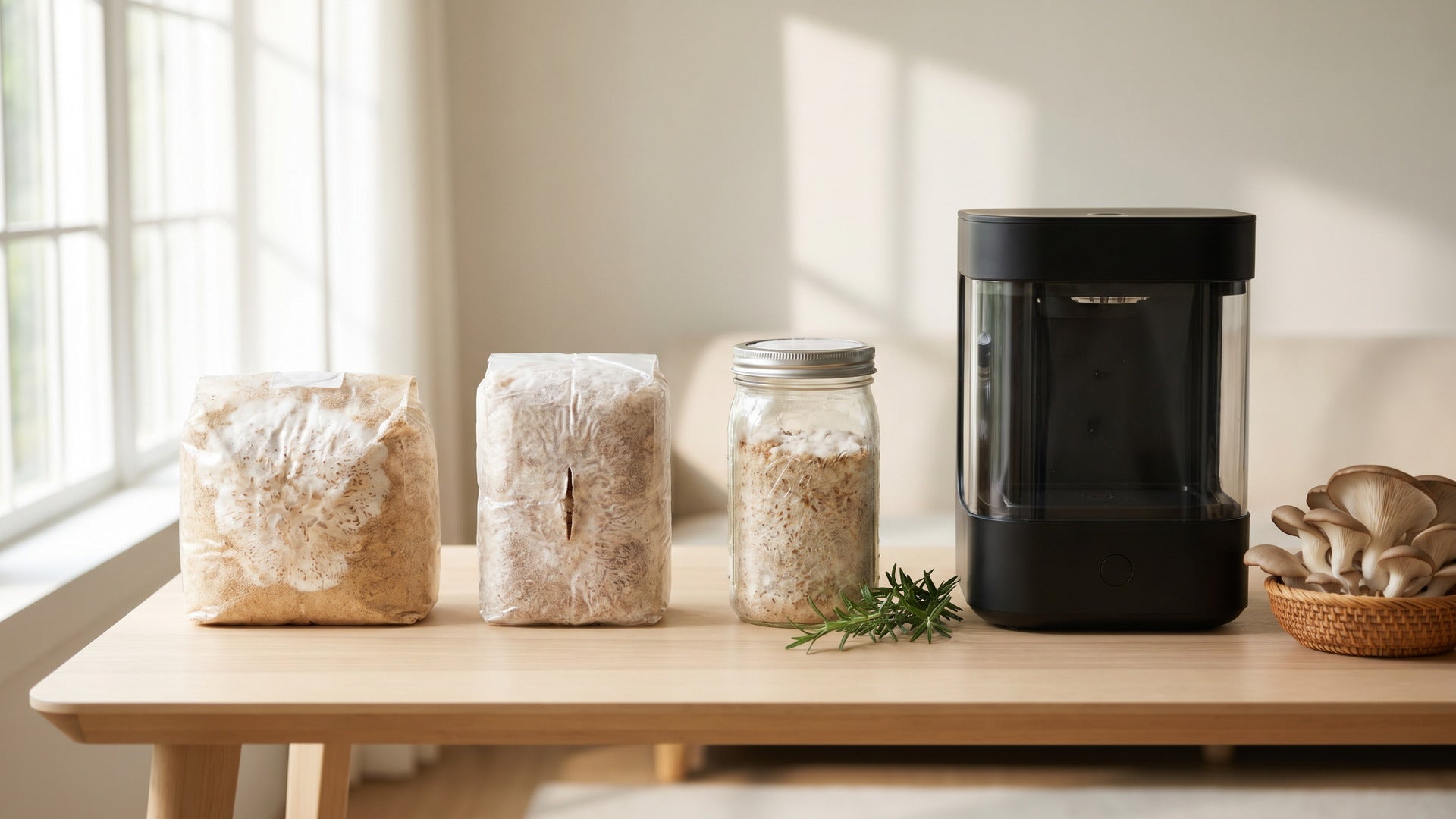
Smart Chamber. Bone White Single
- 2.8L tank, 90% humidity automatic
- App-controlled, plug-and-play
- 6 lb block ceiling, in stock

Smart Chamber. Obsidian Black Single
- Same hardware as Bone White
- Matte black premium finish
- Pairs with any kitchen palette

Benefit 1: Stable humidity for sensitive species
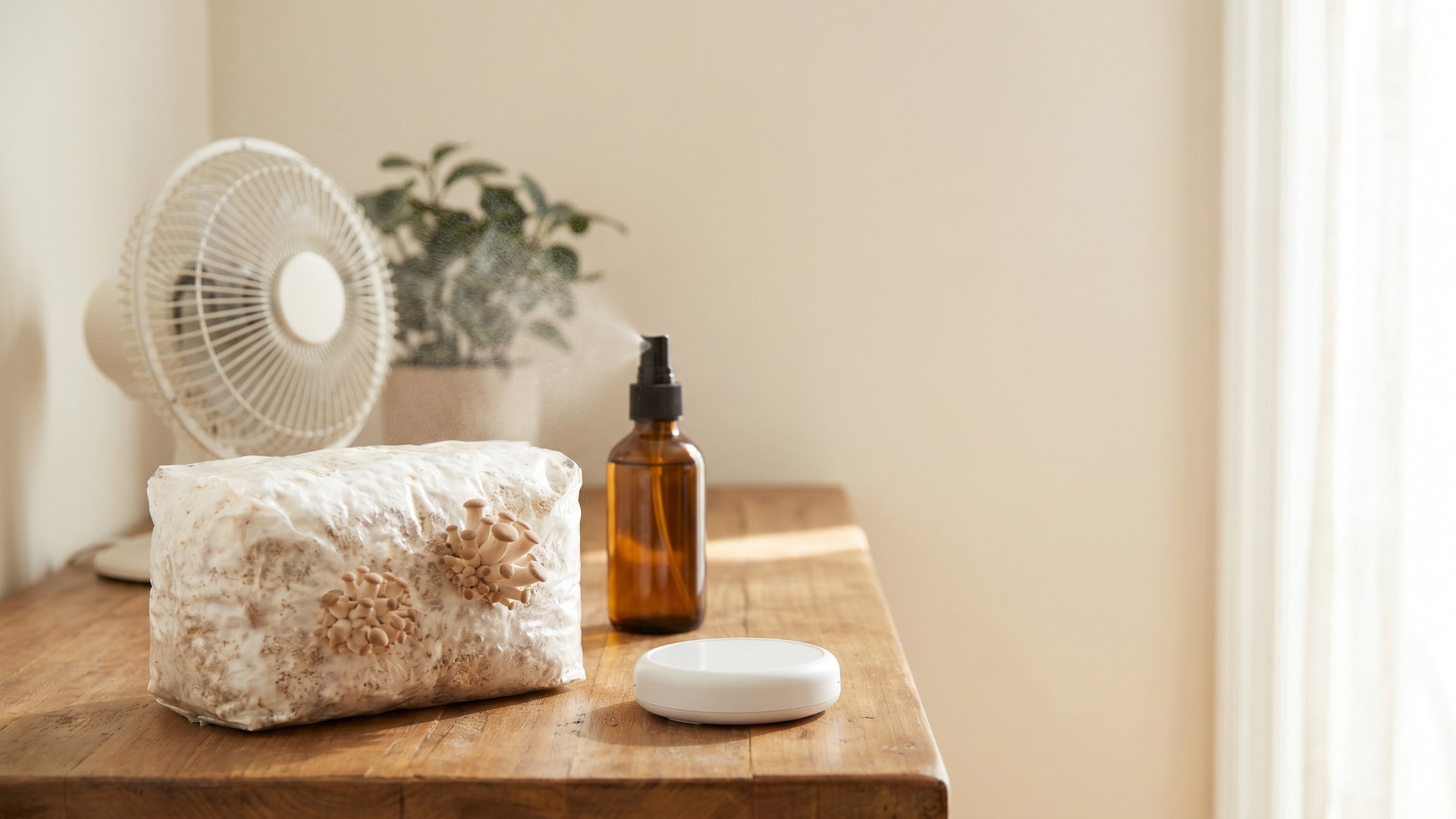
Most gourmet mushroom species want 85 to 95% relative humidity during pinning and 80 to 90% during fruiting. In an open room, you can't realistically hit those numbers, especially in heated indoor air during winter (which often runs below 30% humidity). A fruiting tent with a small ultrasonic humidifier inside can hold target humidity for hours at a time without flooding your floor or warping wooden furniture.
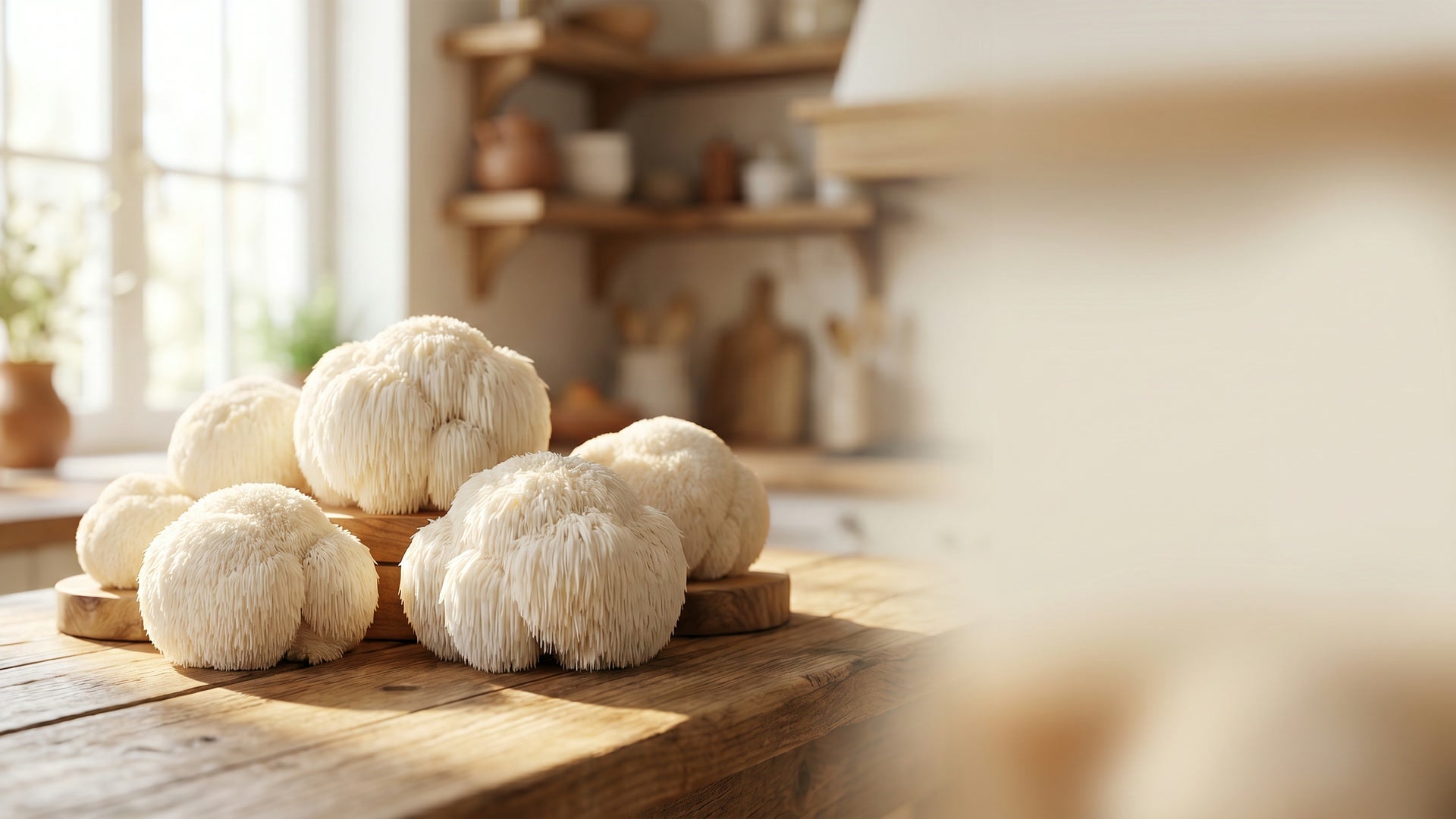
For species like lion's mane, oyster, and pioppino that drop yields or develop crusty, malformed fruit bodies in low humidity, a tent is the single biggest quality upgrade you can make.
Benefit 2: Controlled fresh-air exchange
Mushrooms produce CO2 as they grow, and high CO2 levels create classic deformities: long stems, tiny caps, fluffy strange growths instead of clean fruits. A tent's fixed enclosure lets you add a low-volume fan on a timer (commonly 4 to 8 air changes per hour) for predictable fresh-air exchange.
This is a huge benefit over open-bag fruiting in a kitchen, where airflow is random and depends on whether someone walked through the room. With a tent, your CO2 control is repeatable across grows.
Benefit 3: Scaling up without taking over your kitchen
Once a home grower has run two or three successful monotubs or single bags, they almost always want to grow more at once. A 2x4 foot fruiting tent can hold 4 to 6 fruiting blocks simultaneously, which means a steady harvest rotation instead of feast-or-famine timing. A 4x4 foot tent can hold 12 to 16 blocks, enough to keep a small CSA going or supply a local restaurant.
The tent isolates the production from your living space, so you can scale your hobby without your kitchen becoming a fungus farm.
Benefit 4: Light control for species that need it
Some species (oyster, shiitake, pioppino) need indirect light to trigger and shape fruiting. Others (lion's mane) are less light-dependent but still benefit. A tent with a clip-on LED panel on a timer gives you 12 hours of consistent indirect light, which produces straighter stems, better cap formation, and more uniform harvest timing than relying on ambient room light that changes with weather and season.
Benefit 5: Contamination isolation
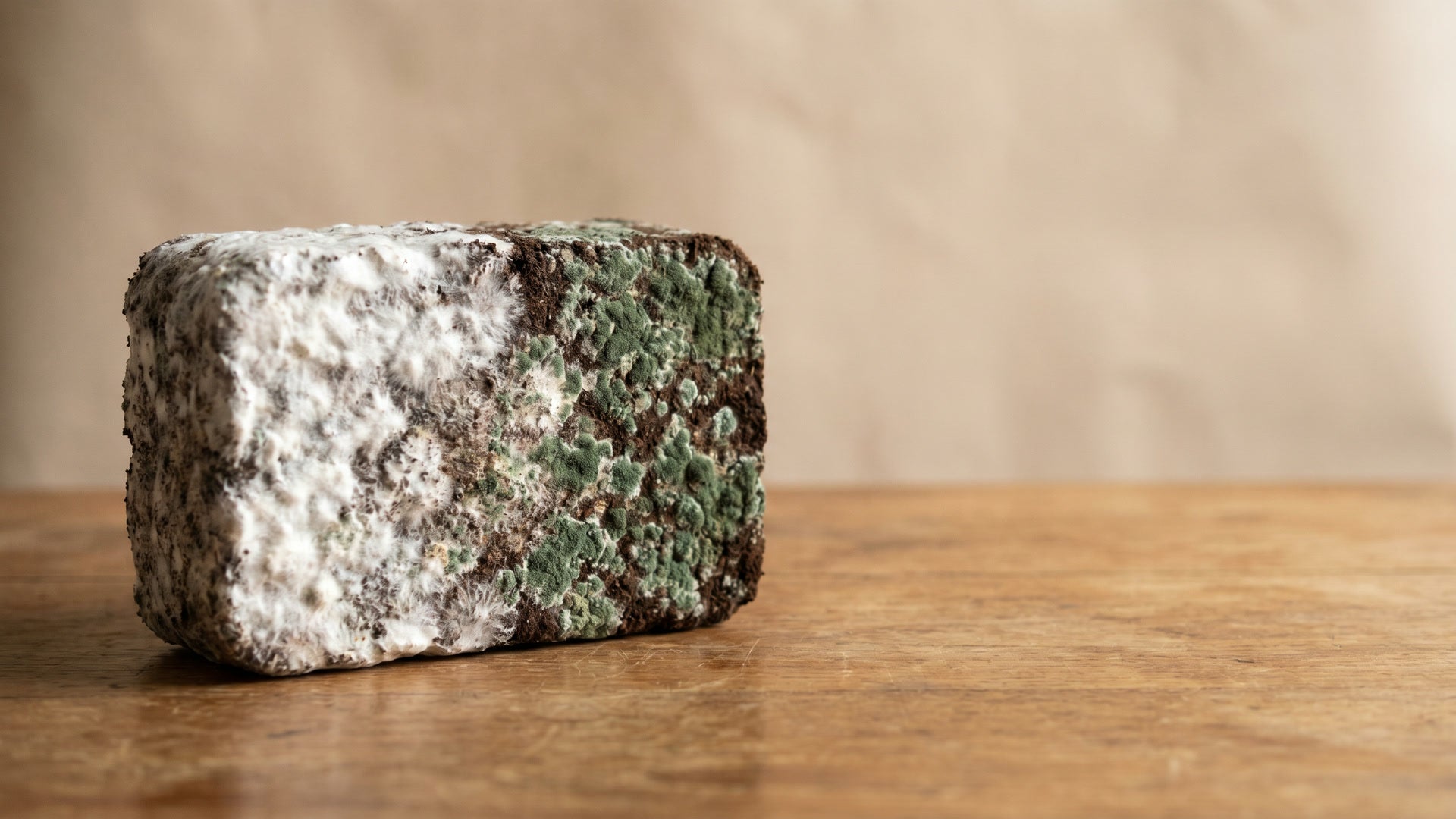
Open fruiting in a kitchen exposes blocks to airborne contaminants: trichoderma spores from compost bins, aspergillus from house plants, cobweb mold from previous failed grows. A zipped tent acts as a physical barrier and lets you wipe it down between batches with 70% isopropyl. You can also pressurize the tent slightly with sealed and app-controlled air to push contaminants out rather than letting them drift in.
For growers in apartments with shared HVAC, this is more than convenient, it's the difference between a hobby that works and one that constantly fails to mold takeovers.

Fuel Your Mushroom Journey
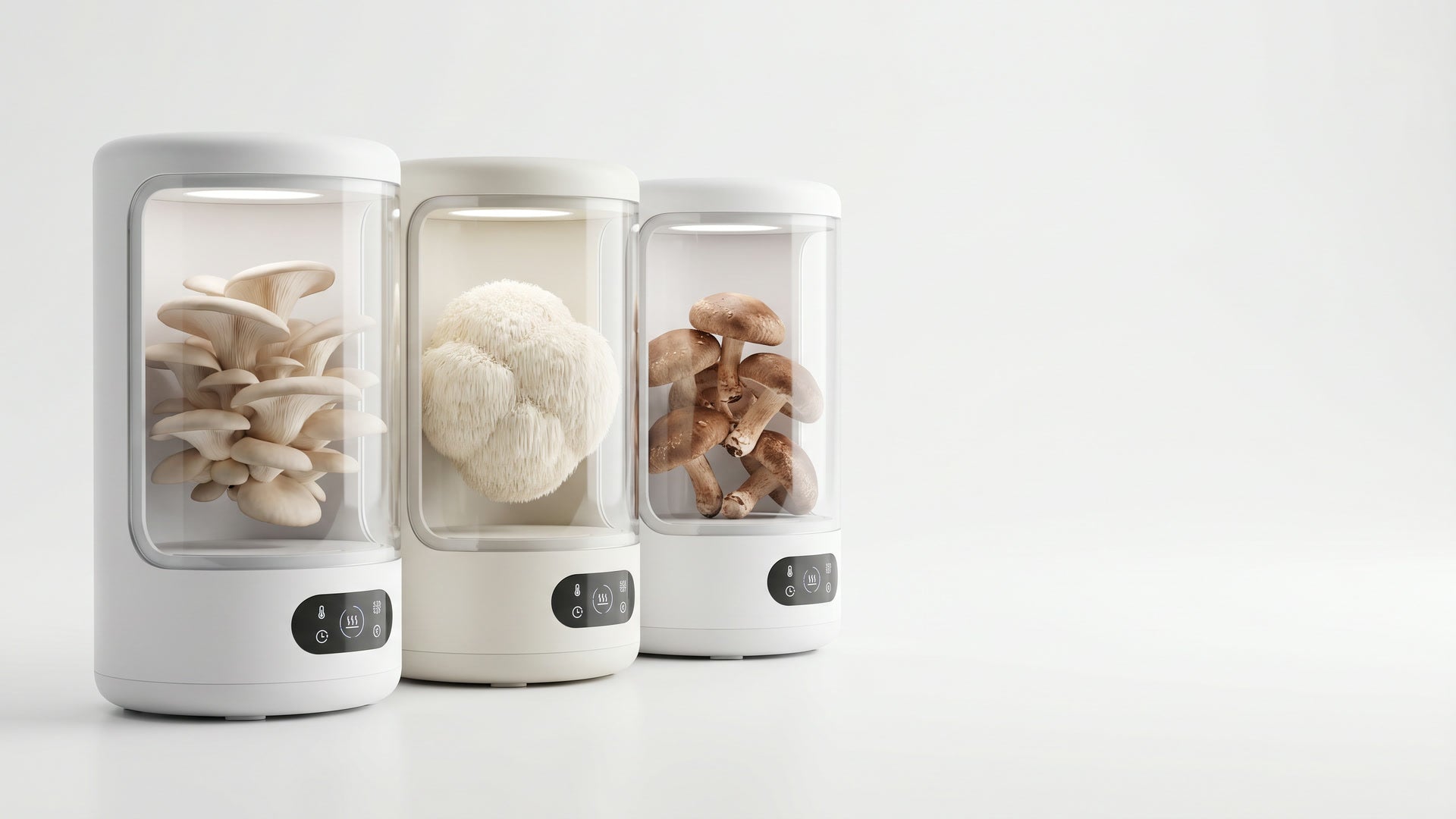
Smart Mushroom Grow Chamber
Plug-and-play smart chamber with humidity, light, and airflow dialed in for every species. Beginners harvest their first flush in days, not months.
Add to cart $299Benefit 6: Temperature control with less work
A fruiting tent is a small enough enclosed space that a low-wattage heater or seedling heat mat can hold temperature in winter, and a small AC duct or a portable evaporative cooler can drop it in summer. You're conditioning a 30 to 60 cubic foot space, not a 1500 square foot house. That makes it economically viable to hold fruiting temperatures (60 to 70 degrees Fahrenheit for most species) year-round.
Benefit 7: Lower mess, easier cleanup
Mushroom fruiting throws spores. Oyster spores especially are a real consideration for people with respiratory sensitivities. A tent traps spores inside a contained environment instead of letting them drift through your kitchen. Cleanup is wiping the tent walls and the floor mat, not deep-cleaning your living room.
If anyone in your home has asthma or allergies, this benefit alone justifies the tent.
Benefit 8: A platform for experimentation
Once you have a controlled space, you can run side-by-side experiments: same species at two different humidity setpoints, two strains of the same species at the same conditions, or a single species at different CO2 levels. A tent lets you isolate variables in ways an open kitchen can't, which is how home growers actually advance their skill.
The honest tradeoffs
Fruiting tents are not magic, and there are real downsides to weigh:
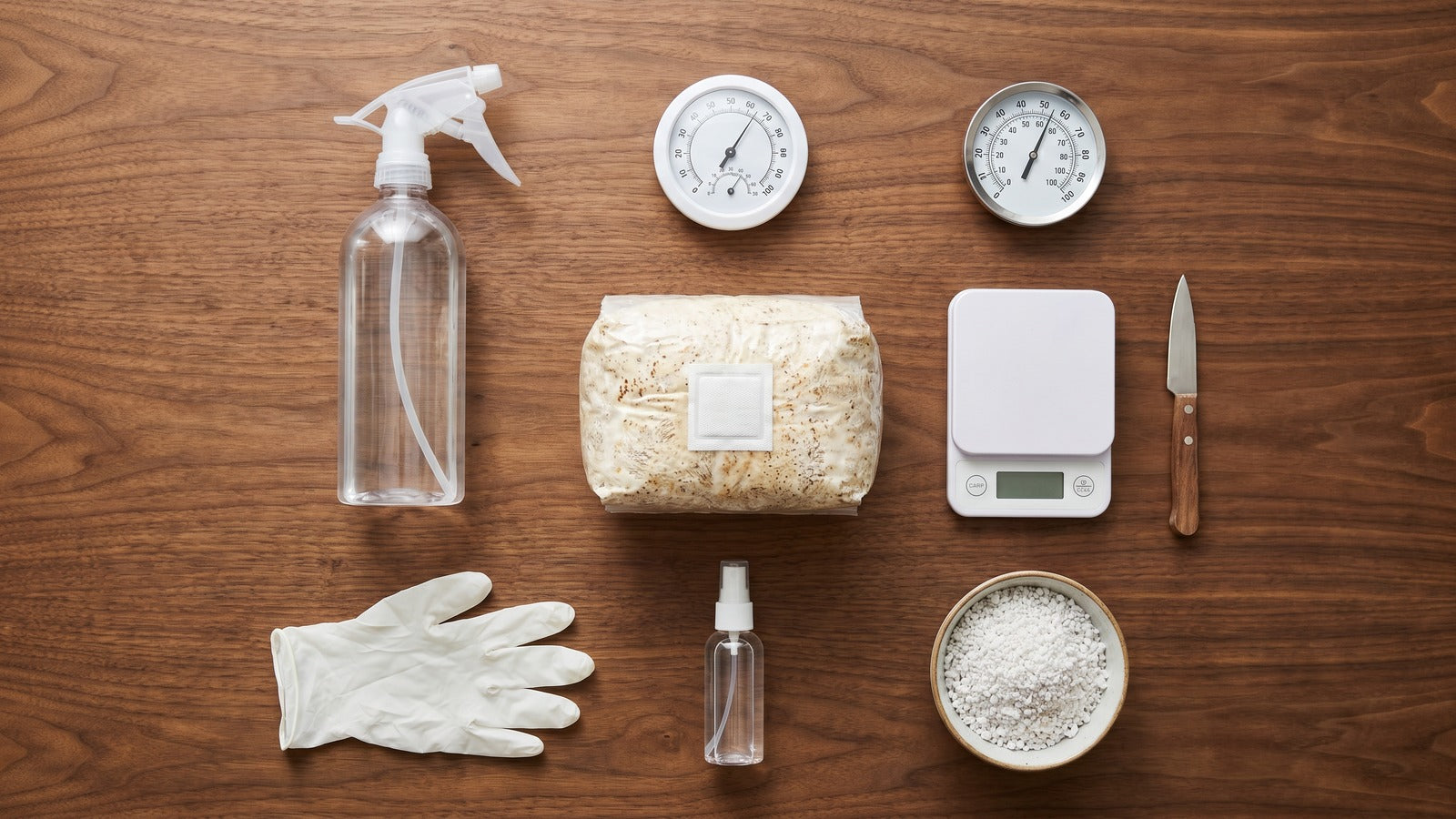
- Cost: A complete setup (tent, humidifier, fan, controller, LED, hygrometer) runs $200 to $500. More if you upgrade to climate controllers and .
- Maintenance: You still have to refill the humidifier, clean it weekly to prevent biofilm, replace fan filters, and monitor the environment. It's not set-and-forget.
- Space: Even a small tent is 2 feet by 2 feet by 4 feet. In small apartments, that's real estate.
- Power draw: Constantly running a humidifier, fan, LED, and sometimes a heater adds 50 to 150 watts. Not huge, but not free.
- Learning curve: You still need to understand species-specific humidity and CO2 targets. The tent gives you the controls, you still have to set them.
When a tent is the right answer
A fruiting tent is the right move if you're already growing two or more batches at a time, you've experienced humidity-related failures in open fruiting, you have respiratory sensitivities to mushroom spores, you want to scale into 4+ blocks at a time, or you want to run experimental comparisons.
A fruiting tent is overkill if you're growing one block at a time as a kitchen hobby, you've had no humidity problems with your current setup, or you don't want to spend time tuning hardware.
The simpler alternative for casual growers
If you want most of the climate-control benefits of a fruiting tent without the manual tuning, an enclosed smart grow kit automates the humidity, fresh-air exchange, and lighting for a single fruiting block. It trades flexibility (you can't run 6 blocks at once) for simplicity (you don't have to manage anything). For households that want fresh mushrooms without becoming hobbyist climate engineers, that's a reasonable substitute. Browse mushroom grow kits if a smaller, simpler enclosed system fits your life better than a multi-block tent.
The bottom line
Fruiting tents are an upgrade tool. They take a hobby that already works and make it more reliable, more scalable, and less messy. They don't fix a broken process, you still need to understand your species and your environment. But once you're ready to grow more than one block at a time or you've fought too many humidity failures in open air, a tent is the cleanest answer in the home cultivation toolkit.
Share:
The Benefits of Using a Morel Growing Kit
The Benefits of Using a Morel Growing Kit