


Introduction to Chaga Mushrooms
Chaga mushrooms (Inonotus obliquus) have been treasured for centuries in traditional medicine practices across Northern Europe, Russia, and parts of Asia. Despite their name, chaga isn't technically a mushroom but rather a type of fungal growth that appears as a black, charcoal-like mass on the outside of birch trees in cold climates.
What makes chaga particularly special is its impressive nutritional profile and potential health benefits. Rich in antioxidants, beta-glucans, and various vitamins and minerals, chaga has been studied for its immune-supporting, anti-inflammatory, and adaptogenic properties. As more people discover this remarkable superfood, creative ways to incorporate it into daily routines have emerged.

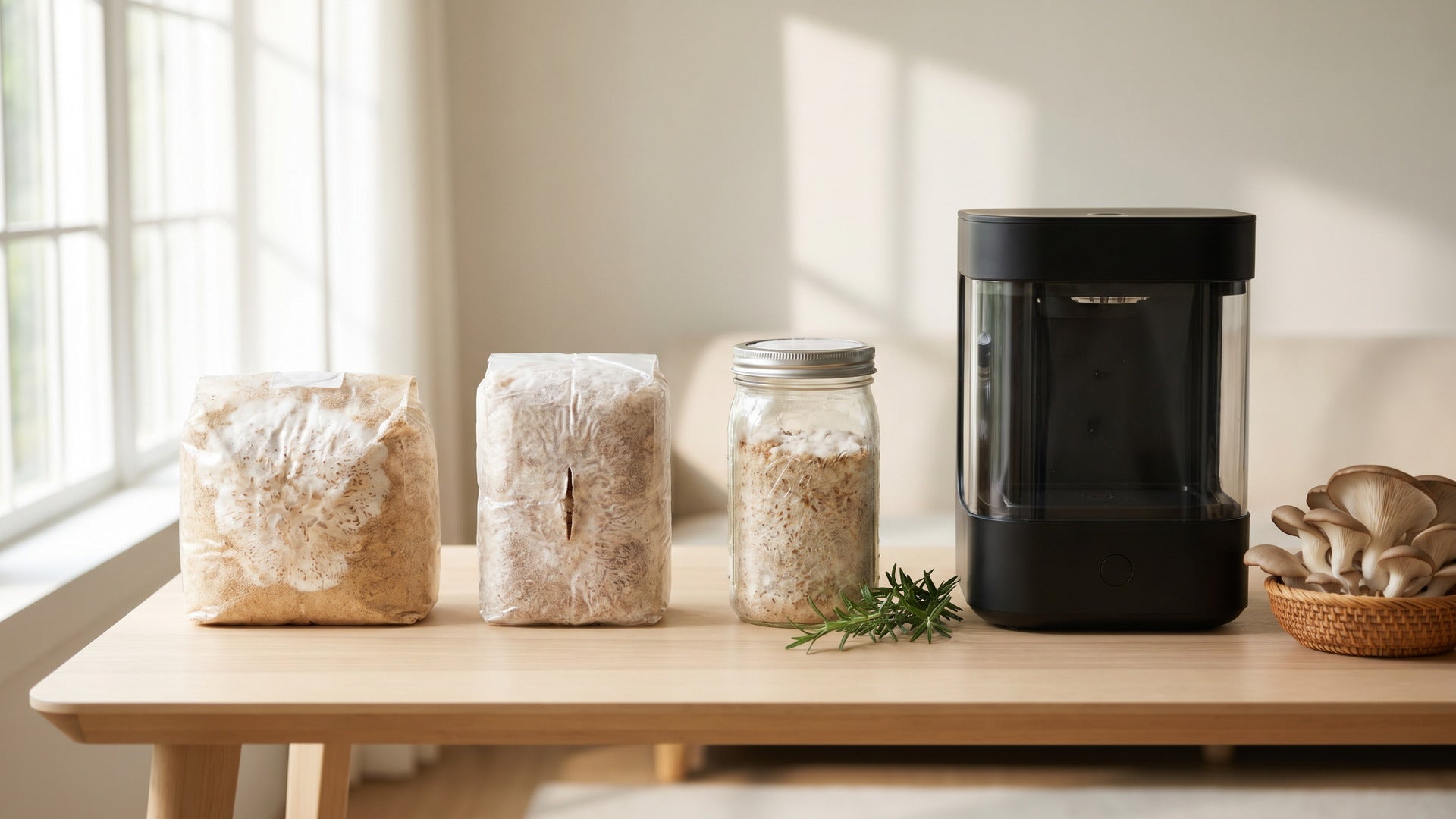
Smart Chamber. Bone White Single
- 2.8L tank, 90% humidity automatic
- App-controlled, plug-and-play
- 6 lb block ceiling, in stock

Smart Chamber. Obsidian Black Single
- Same hardware as Bone White
- Matte black premium finish
- Pairs with any kitchen palette

In this comprehensive guide, we'll explore ten delicious chaga mushroom recipes that go beyond the basic tea preparation. From comforting beverages to nutritious meals and even desserts, these recipes will help you harness the benefits of chaga in enjoyable and flavorful ways.

Understanding Chaga: Forms and Preparation
Before diving into the recipes, it's helpful to understand the different forms of chaga available and how to prepare them:
Chaga Forms
-
Whole Chunks: These are pieces of the raw chaga conk, typically dried and broken into smaller chunks. They're used primarily for making teas and decoctions.
-
Ground Chaga: Dried chaga that has been ground into a powder, making it easier to incorporate into various recipes.
-
Chaga Extract Powder: A concentrated form of chaga where the beneficial compounds have been extracted and then dried into a powder. This form is highly potent and convenient.
-
Chaga Tincture: A liquid extract made by soaking chaga in alcohol or glycerin to draw out its beneficial compounds.
Basic Preparation Notes
-
Temperature Consideration: Many sources recommend not to boil chaga at high temperatures, as this may damage some of its beneficial compounds. Instead, a gentle simmer is often preferred.
-
Reusability: Chaga chunks can often be reused several times until they no longer produce color when steeped in water.
-
Storage: Store dried chaga in an airtight container away from direct sunlight. Brewed chaga tea can be refrigerated for up to two weeks.
Now, let's explore the diverse and delicious ways you can incorporate chaga into your diet!
1. Classic Chaga Tea
Let's start with the most traditional preparation. A simple yet effective way to enjoy chaga's benefits.
Ingredients:
- 1-2 tablespoons ground chaga (or 3-4 small chaga chunks)
- 4 cups filtered water
- Optional: honey, maple syrup, or lemon to taste
Instructions:
- Add water and chaga to a pot.
- Bring to a gentle simmer (not a rolling boil).
- Simmer uncovered for 30-60 minutes, depending on desired strength.
- Strain the tea through a fine-mesh strainer.
- Add sweetener or lemon if desired.
- Enjoy hot or let cool and refrigerate for later use as iced tea.
Health Tip: This simple preparation extracts many of chaga's water-soluble compounds and makes a perfect daily ritual for immune support.
2. Chaga Chai Latte
Combine the earthy notes of chaga with warming chai spices for a comforting, caffeine-free beverage.
Ingredients:
- 2 cups water
- 1 tablespoon ground chaga or 1 teaspoon chaga extract powder
- 1 cinnamon stick
- 4 cardamom pods, slightly crushed
- 4 cloves
- 1-inch piece fresh ginger, sliced
- 2 star anise
- ¼ teaspoon black peppercorns
- 1 cup plant-based milk (almond, oat, or coconut work well)
- 1-2 tablespoons honey or maple syrup
- ¼ teaspoon vanilla extract
Instructions:
- In a medium saucepan, combine water, chaga, and all spices.
- Bring to a gentle simmer and cook for 20-30 minutes.
- Strain the mixture into a clean saucepan.
- Add milk, sweetener, and vanilla.
- Heat gently until warm, whisking occasionally to create a frothy texture.
- Pour into mugs and sprinkle with additional cinnamon if desired.
Serving Suggestion: For an iced version, cool the chai and serve over ice with a splash of extra milk.

3. Chaga Mushroom Coffee
For coffee lovers looking to reduce caffeine intake while still enjoying a rich, dark beverage, this chaga coffee blend is ideal.
Ingredients:
- 2 tablespoons ground coffee beans
- 1 tablespoon ground chaga or 1 teaspoon chaga extract powder
- 2 cups water
- Optional: milk and sweetener of choice
Instructions:
- Combine ground coffee and chaga in a French press or pour-over coffee maker.
- Boil water and let it cool for about 30 seconds.
- Pour water over the coffee-chaga mixture.
- For French press: Let steep for 4-5 minutes before pressing down the plunger.
- For pour-over: Allow water to fully drain through the grounds.
- Serve black or with milk and sweetener as desired.
Pro Tip: The earthy notes of chaga complement darker coffee roasts particularly well. Experiment with different coffee beans to find your perfect balance.

4. Immune-Boosting Chaga Smoothie
This nutrient-packed smoothie combines chaga with other superfoods for a delicious breakfast or post-workout drink.
Ingredients:
- 1 frozen banana
- 1 cup frozen mixed berries
- 1 cup unsweetened almond milk or yogurt
- 1 tablespoon almond butter
- 1 teaspoon chaga extract powder
- 1 teaspoon honey or maple syrup (optional)
- ½ teaspoon cinnamon
- 1 tablespoon chia seeds
Instructions:
- Place all ingredients in a high-speed blender.
- Blend until completely smooth, adding more liquid if necessary to achieve desired consistency.
- Pour into a glass and enjoy immediately.
- Optional: Top with additional berries, granola, or coconut flakes.
Nutrition Boost: Add a handful of spinach or kale for extra vitamins and minerals without significantly changing the flavor.
5. Chaga Hot Chocolate
This luxurious hot chocolate provides the comfort of a classic treat with the added benefits of chaga.
Ingredients:
- 2 cups plant-based milk (almond, oat, or coconut)
- 2 tablespoons raw cacao powder
- 1 tablespoon ground chaga or 1 teaspoon chaga extract powder
- 1-2 tablespoons maple syrup or honey
- ¼ teaspoon vanilla extract
- Pinch of sea salt
- Optional: Dash of cinnamon or cayenne pepper
Instructions:
- In a small saucepan, whisk together milk and cacao powder over medium heat.
- Add chaga, sweetener, vanilla, and salt.
- Heat gently, whisking constantly, until hot but not boiling.
- Remove from heat and let steep for 5-10 minutes.
- Strain if using ground chaga chunks.
- Return to heat briefly if needed to warm.
- Serve topped with a sprinkle of cinnamon or dairy-free whipped cream.
Flavor Variation: For a Mexican-inspired hot chocolate, add a small pinch of cayenne pepper and a quarter teaspoon of ground cinnamon.
6. Chaga Mushroom Broth
This savory broth can be sipped on its own or used as a base for soups and stews.
Ingredients:
- 8 cups filtered water
- ¼ cup chaga chunks or 2 tablespoons ground chaga
- 1 onion, quartered
- 2 carrots, roughly chopped
- 2 celery stalks, roughly chopped
- 2 garlic cloves, smashed
- 2 bay leaves
- 1 tablespoon apple cider vinegar
- 1 teaspoon sea salt
- Fresh herbs (thyme, rosemary, parsley stems)
- Optional: 1-inch piece of ginger, sliced
Instructions:

Fuel Your Mushroom Journey
Smart Mushroom Grow Chamber
Plug-and-play smart chamber with humidity, light, and airflow dialed in for every species. Beginners harvest their first flush in days, not months.
Add to cart $299- Place all ingredients in a large pot.
- Bring to a simmer (not a full boil).
- Reduce heat to low and simmer uncovered for 1-2 hours.
- Strain the broth through a fine-mesh sieve.
- Season with additional salt if needed.
- Use immediately or refrigerate for up to 5 days. Can also be frozen for longer storage.
Culinary Uses: Use this nutritious broth as a base for soups, risottos, or grain cooking. It also makes a wonderful warming drink on its own.
7. Chaga Energy Balls
These no-bake energy balls make a perfect snack with the added benefits of chaga.
Ingredients:
- 1 cup dates, pitted and soaked in warm water for 10 minutes
- ½ cup rolled oats
- ½ cup raw almonds
- 2 tablespoons almond or peanut butter
- 2 tablespoons raw cacao powder
- 1 tablespoon chaga extract powder
- 1 tablespoon chia seeds
- 1 tablespoon hemp seeds
- ½ teaspoon vanilla extract
- ¼ teaspoon sea salt
- Optional coatings: cacao powder, shredded coconut, or chopped nuts
Instructions:
- Drain the soaked dates.
- Place all ingredients except for coating options in a food processor.
- Process until the mixture comes together and forms a sticky dough.
- Using slightly wet hands, roll the mixture into tablespoon-sized balls.
- Roll balls in your choice of coating if desired.
- Place on a lined baking sheet and refrigerate for at least 30 minutes to firm up.
- Store in an airtight container in the refrigerator for up to two weeks.
Serving Suggestion: These make excellent pre-workout snacks or mid-afternoon energy boosters.
8. Chaga Mushroom Muffins
Incorporate chaga into your baking with these nutritious breakfast muffins.
Ingredients:
- 2 cups whole wheat or almond flour
- 1 tablespoon chaga extract powder
- 2 teaspoons baking powder
- ½ teaspoon baking soda
- ½ teaspoon salt
- 1 teaspoon cinnamon
- 2 ripe bananas, mashed
- ⅓ cup maple syrup or honey
- ⅓ cup coconut oil, melted
- ¼ cup plant-based milk
- 2 eggs (or flax eggs for vegan option)
- 1 teaspoon vanilla extract
- ½ cup walnuts or pecans, chopped
- ½ cup blueberries or chocolate chips (optional)
Instructions:
- Preheat oven to 350°F (175°C) and line a muffin tin with paper liners.
- In a large bowl, whisk together flour, chaga powder, baking powder, baking soda, salt, and cinnamon.
- In another bowl, mix mashed bananas, maple syrup, coconut oil, milk, eggs, and vanilla.
- Pour wet ingredients into dry and stir until just combined.
- Fold in nuts and blueberries or chocolate chips if using.
- Divide batter among muffin cups, filling each about ¾ full.
- Bake for 20-22 minutes, until a toothpick inserted in the center comes out clean.
- Cool in the pan for 5 minutes, then transfer to a wire rack to cool completely.
Storage Tip: These muffins freeze well. Make a double batch and freeze for quick breakfasts or snacks.
9. Chaga Ice Cream
A decadent treat with the added benefits of chaga.
Ingredients:
- 2 cans full-fat coconut milk, refrigerated overnight
- ½ cup maple syrup or honey
- 2 tablespoons chaga extract powder
- 2 tablespoons raw cacao powder
- 1 tablespoon vanilla extract
- Pinch of sea salt
- Optional mix-ins: dark chocolate chunks, cacao nibs, or chopped nuts
Instructions:
- Scoop out the solid cream from the coconut milk cans into a blender, reserving the liquid for another use.
- Add maple syrup, chaga powder, cacao powder, vanilla, and salt.
- Blend until smooth and creamy.
- Pour into a freezer-safe container.
- If using an ice cream maker, follow manufacturer's instructions.
- If not using an ice cream maker, place in the freezer and stir vigorously every 30 minutes for the first 2-3 hours to break up ice crystals.
- Fold in any mix-ins after the mixture has partially frozen.
- Freeze for at least 4 hours or overnight until firm.
- Let soften at room temperature for 5-10 minutes before scooping.
Serving Idea: For an extra special dessert, serve with fresh berries and a drizzle of warm chocolate sauce.
10. Chaga Tincture
While not exactly a recipe to eat, making your own chaga tincture allows you to easily add chaga to virtually any food or drink.
Ingredients:
- 1 cup dried chaga chunks, broken into small pieces
- 2 cups high-proof vodka (at least 80 proof)
- Glass jar with tight-fitting lid
Instructions:
- Place chaga pieces in a clean glass jar.
- Pour vodka over the chaga, making sure all pieces are submerged.
- Seal the jar tightly and shake well.
- Store in a cool, dark place for 4-6 weeks, shaking the jar every few days.
- After the steeping period, strain the liquid through a cheesecloth or coffee filter.
- Transfer the tincture to dark glass dropper bottles for storage and easy use.
- Label with the date and contents.
Usage: Add 10-20 drops to beverages, smoothies, or any recipe where the alcohol content will cook off.
Health Benefits and Precautions
Potential Health Benefits of Chaga
Chaga mushrooms have been studied for several potential health benefits:
-
Rich in Antioxidants: Chaga contains high levels of antioxidants that help combat oxidative stress and free radicals in the body.
-
Immune Support: The beta-glucans found in chaga may help regulate the immune system and improve its function.
-
Anti-Inflammatory Properties: Studies suggest chaga may help reduce inflammation in the body.
-
Adaptogenic Effects: Chaga is considered an adaptogen, potentially helping the body resist stressors of all kinds.
-
Digestive Health: Some traditional uses include supporting digestive health and function.
Precautions and Considerations
While chaga offers potential health benefits, there are important considerations to keep in mind:
-
Consult Healthcare Providers: Always consult with a healthcare professional before adding chaga to your routine, especially if you have existing health conditions or take medications.
-
Blood-Thinning Effects: Chaga may have blood-thinning properties and could interact with blood-thinning medications.
-
Blood Sugar Impact: Chaga might affect blood sugar levels, so those with diabetes should monitor their levels closely when using chaga.
-
Sustainability Concerns: Wild chaga takes many years to grow. Source your chaga from sustainable suppliers who harvest responsibly.
-
Quality Matters: Look for reputable sources that test for contaminants and proper identification, as wild mushrooms can sometimes contain harmful substances.
Conclusion: Incorporating Chaga Into Your Daily Routine
With these ten diverse recipes, incorporating chaga into your daily routine becomes not just beneficial but delicious as well. Whether you prefer the simplicity of a warming tea, the convenience of a smoothie, or the indulgence of a chaga-infused dessert, there are countless creative ways to enjoy this powerful superfood.
Remember that consistency is key when it comes to adaptogens like chaga. Rather than consuming large amounts occasionally, it's generally more beneficial to incorporate smaller amounts regularly into your diet.
As you explore these recipes, feel free to adapt them to your taste preferences and dietary needs. The versatility of chaga makes it an excellent addition to almost any diet, from omnivore to vegan, keto to paleo.
By embracing chaga's earthy flavor and impressive nutritional profile, you're tapping into centuries of traditional wisdom while nourishing your body with one of nature's most remarkable superfoods. Happy cooking and better health to you!



Share:
Chaga Mushroom: A Natural Ally in Cancer Combat?
Chaga Mushroom Skin Benefits: Nature’s Secret for Radiant Skin