


Quick Answer
Honey mushrooms (Armillaria mellea and close relatives) are edible foraged mushrooms with caramel caps, dark center scales, and a slender ringed stem. They appear in late summer and fall on dead or dying hardwood. Cook them thoroughly: raw honey mushrooms can cause stomach upset, but a 10 to 15 minute simmer or sauté makes them safe and delicious.

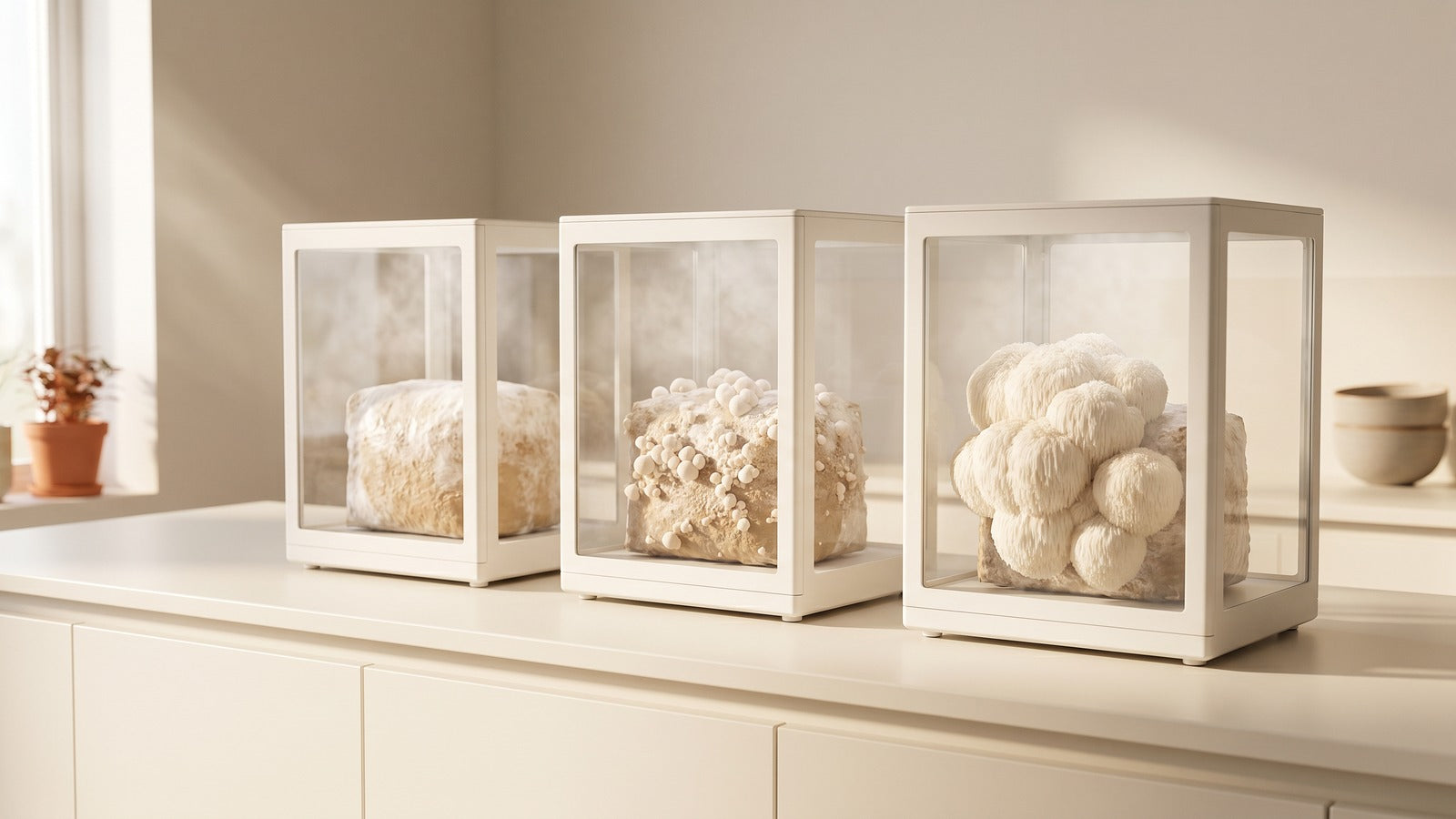
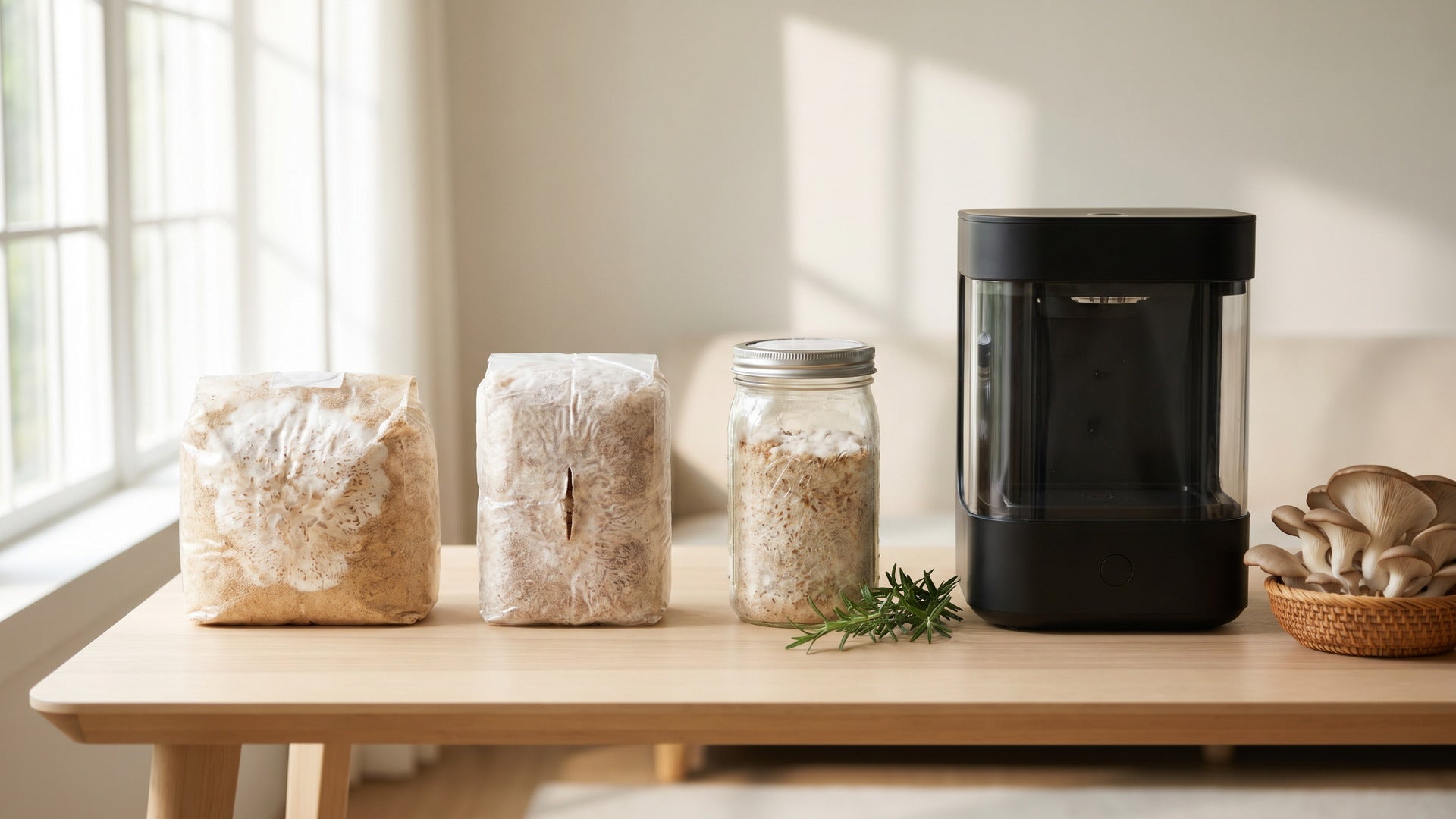
Smart Chamber. Bone White Single
- 2.8L tank, 90% humidity automatic
- App-controlled, plug-and-play
- 6 lb block ceiling, in stock

Smart Chamber. Obsidian Black Single
- Same hardware as Bone White
- Matte black premium finish
- Pairs with any kitchen palette


When you discover the delightful secrets of honey mushrooms at Lykyn, you embark on a fascinating journey into one of nature's most abundant and flavorful wild mushroom species. Honey mushrooms (Armillaria species) represent some of the most widespread and recognizable fungi in the world, offering foragers and culinary enthusiasts alike the opportunity to harvest substantial quantities of delicious, nutritious mushrooms that have sustained communities for generations.
At Lykyn, we understand that to truly discover the delightful secrets of honey mushrooms requires more than basic identification, it demands comprehensive knowledge of their lifecycle, habitat preferences, culinary applications, and the sustainable harvesting practices that ensure these remarkable fungi continue to thrive in their natural environments. These golden-capped treasures offer unique flavors, impressive nutritional profiles, and versatile cooking applications that make them invaluable additions to both foraged food enthusiasts and gourmet cooking repertoires.

The journey to discover the delightful secrets of honey mushrooms at Lykyn encompasses understanding their complex ecological relationships, mastering safe identification techniques, learning optimal harvesting methods, and exploring the countless ways these versatile fungi can enhance both everyday meals and special culinary occasions. From their distinctive clustering growth patterns to their remarkable ability to fruit in massive quantities, honey mushrooms offer experiences that connect us directly with the natural world while providing substantial, satisfying additions to our tables.
Understanding Honey Mushroom Characteristics and Identification
Physical Features and Distinctive Traits
Honey mushrooms possess unmistakable characteristics that make identification relatively straightforward for experienced foragers:
Cap Characteristics:
- Golden-brown coloration ranging from pale honey yellow to rich amber tones
- Small to medium size typically 1-4 inches in diameter when fully mature
- Smooth or slightly scaly surface with texture varying by species and age
- Convex to flat shape starting rounded and flattening with maturity
- Sticky when wet surface becomes tacky in moist conditions
Stem Features:

- Whitish to pale brown coloration often with darker scaling patterns
- Fibrous, tough texture requiring longer cooking times than cap portions
- Ring presence partial ring or ring zone on upper stem portions
- Clustering growth typically growing in dense clusters from wood sources
- Length variation stems ranging from 2-8 inches depending on growing conditions
Gills and Spore Characteristics:
- White to cream-colored gills attached to stem or slightly running down
- Crowded gill arrangement closely spaced gills creating dense patterns
- White spore print producing characteristic white spore deposits
- Age-related changes gills may become slightly pinkish or spotted with age
- Attachment patterns gills typically attached rather than free from stem
Habitat and Growing Conditions
Understanding where honey mushrooms thrive helps foragers locate productive hunting grounds:
Preferred Growing Substrates:
- Hardwood trees particularly oak, maple, and birch species
- Dying or dead wood parasitic and saprophytic relationships with trees
- Root systems growing from infected root networks underground
- Stumps and logs abundant fruiting from decaying wood sources
- Living trees occasionally parasitic on weakened living trees
Seasonal Availability:
- Fall peak season September through November in most regions
- Climate dependence timing varies significantly with local weather patterns
- Temperature triggers cool nights and warm days stimulating fruiting
- Moisture requirements adequate rainfall or humidity for development
- Regional variations harvest timing differs across geographic areas
Ecological Relationships:
- Parasitic behavior attacking weakened or stressed trees
- Saprophytic function decomposing dead wood and organic matter
- Mycelial networks extensive underground fungal networks
- Bioluminescence some species exhibiting natural glowing properties
- Environmental indicators presence indicating forest health conditions
Species Identification and Safety Considerations
Common Honey Mushroom Species
Several distinct Armillaria species are commonly encountered by foragers:
Armillaria mellea (True Honey Mushroom):
- Classic characteristics the most commonly referenced honey mushroom species
- Ring prominence well-developed ring on stem with distinctive appearance
- Flavor profile mild, slightly sweet taste with subtle honey notes
- Cooking requirements requires thorough cooking to ensure digestibility
- Geographic distribution widely distributed across North America and Europe
Armillaria gallica (Bulbous Honey Mushroom):
- Bulbous base distinctive swollen stem base for identification
- Milder flavor generally considered more palatable than other species
- Less aggressive less parasitic behavior compared to other Armillaria species
- Preferred habitat specific preference for certain hardwood species
- Seasonal timing often fruits slightly earlier than other honey mushrooms
Armillaria ostoyae (Dark Honey Mushroom):
- Darker coloration deeper brown colors distinguishing from lighter species
- Scale prominence more pronounced scaling on caps and stems
- Habitat specificity preference for coniferous forest environments
- Size variation can produce larger individual mushrooms
- Regional preferences more common in western North American regions
Safety and Look-Alike Awareness
Proper identification prevents confusion with potentially problematic species:
Potential Look-Alikes:
- Galerina species small, brown mushrooms with dangerous toxicity
- Pholiota species similar clustering behavior but different characteristics
- Young Gymnopilus orange-brown mushrooms with different properties
- Hypholoma species sulfur-colored mushrooms with bitter taste
- Cortinarius species brown mushrooms with rusty-brown spore prints
Safety Verification Steps:
- Spore print confirmation ensuring white spore prints for positive identification
- Growth pattern verification confirming clustering growth from wood sources
- Stem ring presence checking for partial ring or ring zone characteristics
- Gill attachment verifying proper gill attachment patterns
- Expert consultation seeking experienced forager guidance when uncertain
Preparation Safety:
- Thorough cooking requirement never consuming honey mushrooms raw
- Digestibility issues some individuals experience digestive sensitivity
- Gradual introduction starting with small quantities to test tolerance
- Freshness importance using fresh mushrooms and avoiding old specimens
- Proper cleaning removing all debris and checking for insect damage
Foraging Techniques and Sustainable Harvesting
Optimal Foraging Strategies
Successful honey mushroom foraging requires understanding timing and technique:
Timing Considerations:
- Weather pattern monitoring tracking rainfall and temperature conditions
- Seasonal progression understanding local fruiting patterns and timing
- Return visits checking productive areas regularly during season
- Peak identification recognizing optimal harvesting periods
- Quality assessment determining best condition timing for harvesting
Harvesting Techniques:
- Selective cutting using clean knives to cut clusters at stem base
- Substrate preservation avoiding damage to growing wood sources
- Cluster management harvesting entire clusters for best quality results
- Tool selection appropriate knives, baskets, and collection equipment
- Field cleaning removing debris and damaged portions during collection
Location Scouting:
- Habitat identification recognizing prime honey mushroom environments
- Tree species focusing on preferred hardwood species and conditions
- Dead wood assessment evaluating potential growing substrates
- Access considerations ensuring legal access to foraging areas
- GPS marking recording productive locations for future reference
Sustainable Harvesting Practices
Responsible foraging ensures continued honey mushroom availability:
Conservation Principles:
- Partial harvesting leaving some mushrooms to complete spore release
- Substrate protection avoiding damage to growing wood and root systems
- Mycelial preservation protecting underground fungal networks
- Rotation practices varying harvest locations to prevent overexploitation
- Education sharing teaching others about responsible foraging practices
Legal and Ethical Considerations:
- Permission requirements obtaining landowner permission for private property
- Permit regulations understanding public land foraging regulations
- Quantity limits adhering to legal and ethical harvest limits
- Habitat protection avoiding damage to sensitive forest environments
- Community respect sharing resources fairly with other foragers
Culinary Applications and Cooking Techniques
Preparation Fundamentals
Proper preparation ensures optimal flavor and safety in honey mushroom dishes:
Initial Cleaning Process:
- Debris removal brushing away dirt, leaves, and forest debris
- Base trimming cutting away tough, woody stem bases
- Insect inspection checking for and removing any insect damage
- Size standardization cutting clusters into uniform cooking pieces
- Final washing brief rinse only if absolutely necessary
Pre-Cooking Considerations:
- Moisture management ensuring mushrooms are relatively dry before cooking
- Size coordination cutting pieces to appropriate sizes for intended dishes
- Stem treatment understanding different cooking requirements for stems vs. caps
- Batch preparation organizing mushrooms for efficient cooking processes
- Safety reminders emphasizing thorough cooking requirements
Traditional Cooking Methods
Time-tested techniques that showcase honey mushroom flavors:
Sautéing Techniques:
- High heat application using medium-high heat for proper browning
- Oil selection choosing appropriate oils for honey mushroom cooking
- Batch cooking avoiding overcrowding for optimal texture results
- Seasoning timing understanding when to add salt and other seasonings
- Cooking duration ensuring adequate cooking time for safety and flavor
Soup and Stew Integration:
- Broth enhancement using honey mushrooms to enrich soup flavors
- Texture contribution adding substantial, satisfying texture to liquid dishes
- Flavor development building complex flavors through longer cooking methods
- Seasonal preparations incorporating into hearty fall and winter dishes
- Preservation cooking using longer cooking methods for preservation
Pickling and Preservation:
Fuel Your Mushroom Journey
Smart Mushroom Grow Chamber
Plug-and-play smart chamber with humidity, light, and airflow dialed in for every species. Beginners harvest their first flush in days, not months.
Add to cart $299- Traditional pickling Eastern European and Russian preservation methods
- Brine preparation creating appropriate pickling solutions
- Spice integration traditional spice combinations for pickled honey mushrooms
- Storage techniques proper canning and preservation methods
- Serving applications using pickled mushrooms in various dishes
Modern Culinary Innovations
Contemporary techniques that elevate honey mushroom applications:
Dehydration and Powdering:
- Drying methods optimal techniques for preserving honey mushrooms
- Powder creation grinding dried mushrooms for seasoning applications
- Flavor concentration intensifying mushroom flavors through dehydration
- Storage considerations proper storage of dried mushroom products
- Reconstitution techniques rehydrating dried mushrooms for cooking
Fermentation Projects:
- Lacto-fermentation creating probiotic-rich mushroom preparations
- Salt preservation traditional salt-curing methods for honey mushrooms
- Fermented condiments creating mushroom-based fermented sauces
- Safety protocols ensuring food safety in fermentation projects
- Flavor development understanding fermentation's impact on mushroom flavors
Nutritional Benefits and Health Properties
Comprehensive Nutritional Profile
Honey mushrooms provide impressive nutritional value with multiple health benefits:
Macronutrient Composition:
- Protein content substantial plant-based protein for vegetarian diets
- Low calorie density providing satisfaction without excessive calories
- Complex carbohydrates sustainable energy without blood sugar spikes
- Dietary fiber supporting digestive health and satiety
- Minimal fat content naturally low-fat food source
Vitamin and Mineral Density:
- B-vitamin complex supporting energy metabolism and nervous system function
- Potassium richness supporting cardiovascular health and blood pressure regulation
- Selenium content providing antioxidant protection and immune support
- Copper levels essential for iron absorption and connective tissue health
- Phosphorus presence supporting bone health and energy metabolism
Bioactive Compounds:
- Beta-glucan polysaccharides immune-supporting compounds with proven benefits
- Antioxidant substances protecting cells from oxidative stress and damage
- Anti-inflammatory compounds potentially reducing chronic inflammation
- Ergosterol content precursor to vitamin D production
- Unique peptides bioactive proteins with various health-promoting effects
Therapeutic Applications and Research
Scientific studies reveal potential health benefits from honey mushroom consumption:
Immune System Support:
- Beta-glucan activation stimulating immune cell function and pathogen recognition
- Antimicrobial properties natural compounds supporting defense against harmful microorganisms
- Seasonal wellness strengthening immune function during challenging periods
- Adaptogenic effects helping the body maintain balance during stress
- Anti-inflammatory benefits reducing excessive inflammatory responses
Metabolic Health Benefits:
- Blood sugar regulation compounds that may help stabilize glucose levels
- Cholesterol management potential benefits for healthy lipid profiles
- Weight management low-calorie, high-satiety food supporting healthy weight
- Digestive health prebiotic compounds supporting beneficial gut bacteria
- Liver support compounds that may assist liver function and detoxification
Cultural History and Traditional Uses
Historical Significance
Honey mushrooms have played important roles in various cultures throughout history:
European Traditions:
- Eastern European cuisine integral part of traditional fall preservation practices
- Russian preparation methods classical techniques for honey mushroom preparation
- German foraging culture traditional German mushroom hunting practices
- Scandinavian applications Nordic uses in traditional seasonal cooking
- Folk medicine historical medicinal applications in European cultures
North American Indigenous Uses:
- Traditional harvesting indigenous sustainable harvesting practices
- Seasonal ceremonies incorporation into seasonal celebration and thanksgiving
- Medicinal applications traditional healing uses by indigenous communities
- Food preservation traditional methods for preserving honey mushrooms
- Ecological knowledge deep understanding of honey mushroom ecology
Asian Cultural Integration:
- Traditional Chinese medicine medicinal applications in Chinese herbalism
- Japanese appreciation cultural appreciation for wild mushroom foraging
- Korean preparations traditional Korean honey mushroom cooking methods
- Seasonal festivals celebrations incorporating honey mushroom harvests
- Modern adaptations contemporary Asian fusion cooking applications
Contemporary Cultural Renaissance
Modern revival of interest in honey mushrooms reflects broader food culture trends:
Foraging Revival:
- Urban foraging growing interest in wild food harvesting
- Sustainability focus emphasis on sustainable, local food sources
- Educational programs increasing availability of foraging education
- Community building foraging groups and mycological societies
- Restaurant integration professional chef adoption of foraged ingredients
Culinary Innovation:
- Fine dining applications upscale restaurant use of honey mushrooms
- Fusion cuisine incorporating honey mushrooms into diverse cultural preparations
- Home cooking increasing home cook confidence with wild mushrooms
- Social media sharing foraging experiences and recipes online
- Cultural exchange learning traditional preparation methods from various cultures
Advanced Identification and Mycological Understanding
Microscopic Characteristics
Advanced identification techniques for serious mycologists:
Spore Analysis:
- Spore size measurements precise microscopic measurements for species identification
- Spore shape characteristics understanding morphological differences
- Spore ornamentation surface textures and patterns on spores
- Spore color variations subtle color differences in spore prints
- Spore germination understanding spore viability and germination patterns
Hyphal Structure:
- Clamp connections microscopic structures indicating species relationships
- Hyphal diameter measuring fungal thread characteristics
- Cell wall composition understanding cellular structure differences
- Specialized structures identifying unique cellular adaptations
- Tissue organization understanding how cells organize into mushroom structures
Ecological Relationships and Forest Health
Understanding honey mushrooms' role in forest ecosystems:
Parasitic Relationships:
- Host tree interactions how honey mushrooms affect tree health
- Disease progression understanding fungal infection patterns
- Tree defense mechanisms how trees respond to honey mushroom infection
- Forest management implications for forest health and management
- Ecological balance role in natural forest succession and renewal
Decomposer Function:
- Wood decomposition breaking down dead wood and returning nutrients to soil
- Nutrient cycling facilitating nutrient movement through forest ecosystems
- Soil formation contributing to soil development through decomposition
- Habitat creation creating habitats for other forest organisms
- Carbon sequestration role in carbon storage and climate regulation
Conclusion: Embracing the Magic of Honey Mushrooms with Lykyn
As we discover the delightful secrets of honey mushrooms at Lykyn, we uncover far more than simply another wild mushroom species, we encounter a remarkable fungi that embodies the perfect intersection of abundance, flavor, nutrition, and ecological significance. These golden treasures offer foragers and food enthusiasts alike the opportunity to connect directly with natural food systems while enjoying substantial, satisfying harvests that can sustain both individual meals and community sharing.
The journey to discover the delightful secrets of honey mushrooms at Lykyn reveals the incredible complexity and beauty of fungal ecology, from their vast underground networks that can span acres to their spectacular fall fruiting displays that transform forest floors into golden carpets of abundance. Understanding these remarkable organisms deepens our appreciation for the intricate relationships that sustain forest ecosystems while providing us with nutritious, delicious food resources.
At Lykyn, we believe that when you discover the delightful secrets of honey mushrooms, you embark on a lifelong journey of learning, exploration, and culinary adventure that connects us with traditional knowledge while embracing modern innovations in foraging, cooking, and preservation. These versatile fungi offer endless opportunities for creativity in the kitchen, sustainable food harvesting practices, and meaningful connections with the natural world.
Whether you're just beginning to explore wild mushroom foraging or you're an experienced mycophile seeking to deepen your knowledge, the opportunity to discover the delightful secrets of honey mushrooms at Lykyn represents a gateway to understanding the remarkable world of fungi and their essential roles in both natural ecosystems and human nutrition. Through careful observation, respectful harvesting, and creative culinary exploration, honey mushrooms become not just food sources but teachers, guides, and companions on our journey toward more sustainable, connected, and delicious relationships with the natural world around us.

Frequently asked questions
Are honey mushrooms safe to eat raw?
No. Raw honey mushrooms can cause stomach upset in many people, even after the species is correctly identified. Thorough cooking (at least 10 to 15 minutes of simmer, sauté, or roast) breaks down the irritating compounds and makes the mushroom safe to eat.
How can I tell honey mushrooms apart from look-alikes?
The reliable field markers are the caramel-to-honey caps with darker scales at the center, a slender cream stem with a visible ring (annulus), white spore print, and cluster growth on dead or dying hardwood. The deadly galerina is the most dangerous look-alike, it is smaller, more rust-brown, and the spore print is rust, not white. When in doubt, do not eat.
When and where do honey mushrooms grow?
Late summer through late fall, especially after the first cool rains. They appear in clusters at the base of hardwood trees, on stumps, and on buried roots, they are parasitic and saprobic on oak, maple, birch, and many other species.
Can honey mushrooms be cultivated at home?
Yes, but with patience. They prefer hardwood logs or stumps inoculated with plug spawn, fruiting in their second or third year. For a faster home harvest, beginner-friendly species like pink oyster, lion's mane, or shiitake produce their first flush from a grow kit in under three weeks.
How do honey mushrooms taste?
Earthy, slightly nutty, with a firm bite. The texture is more substantial than oyster mushrooms, closer to portobello. They take to butter, garlic, thyme, and cream beautifully.
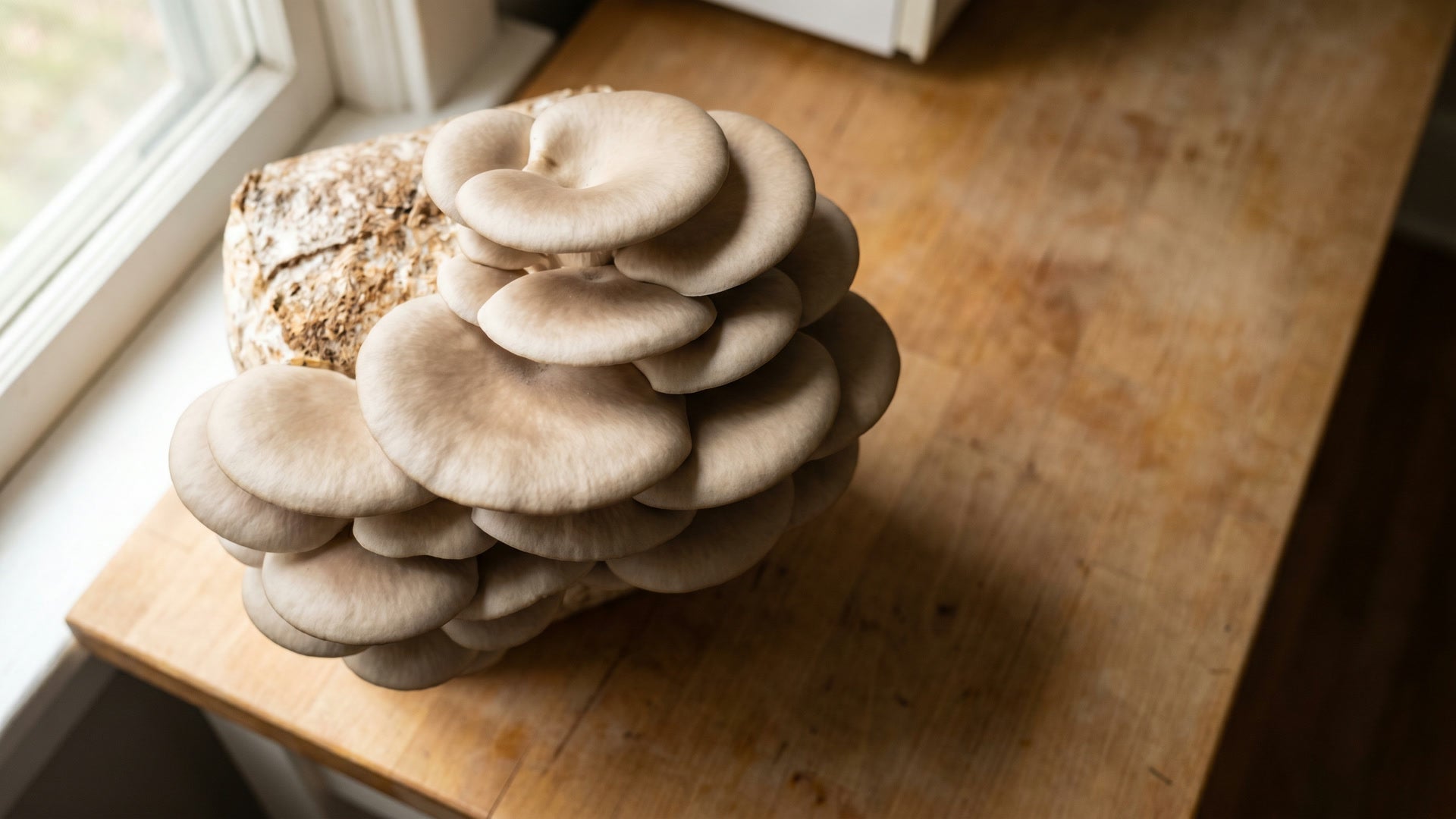
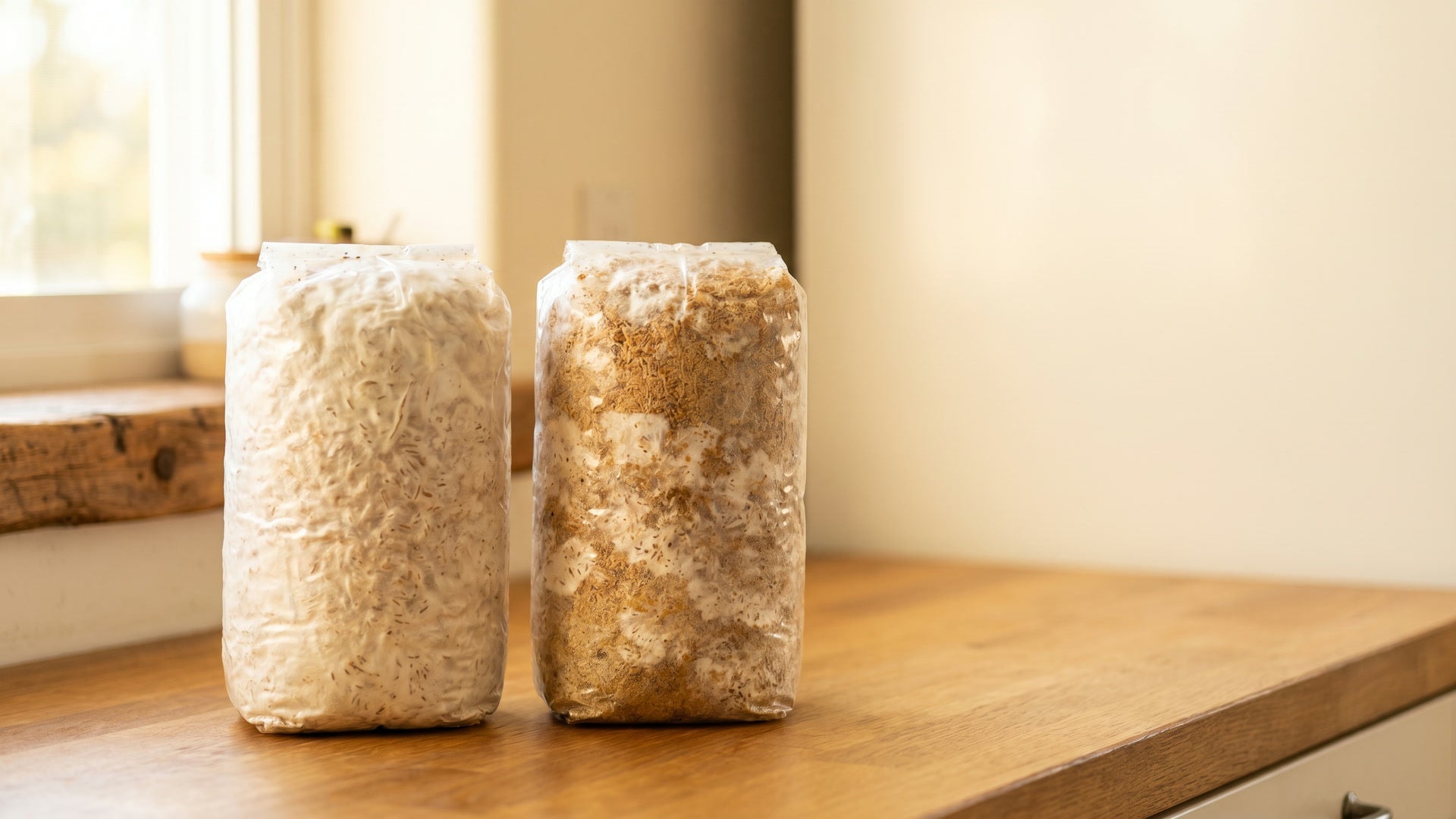
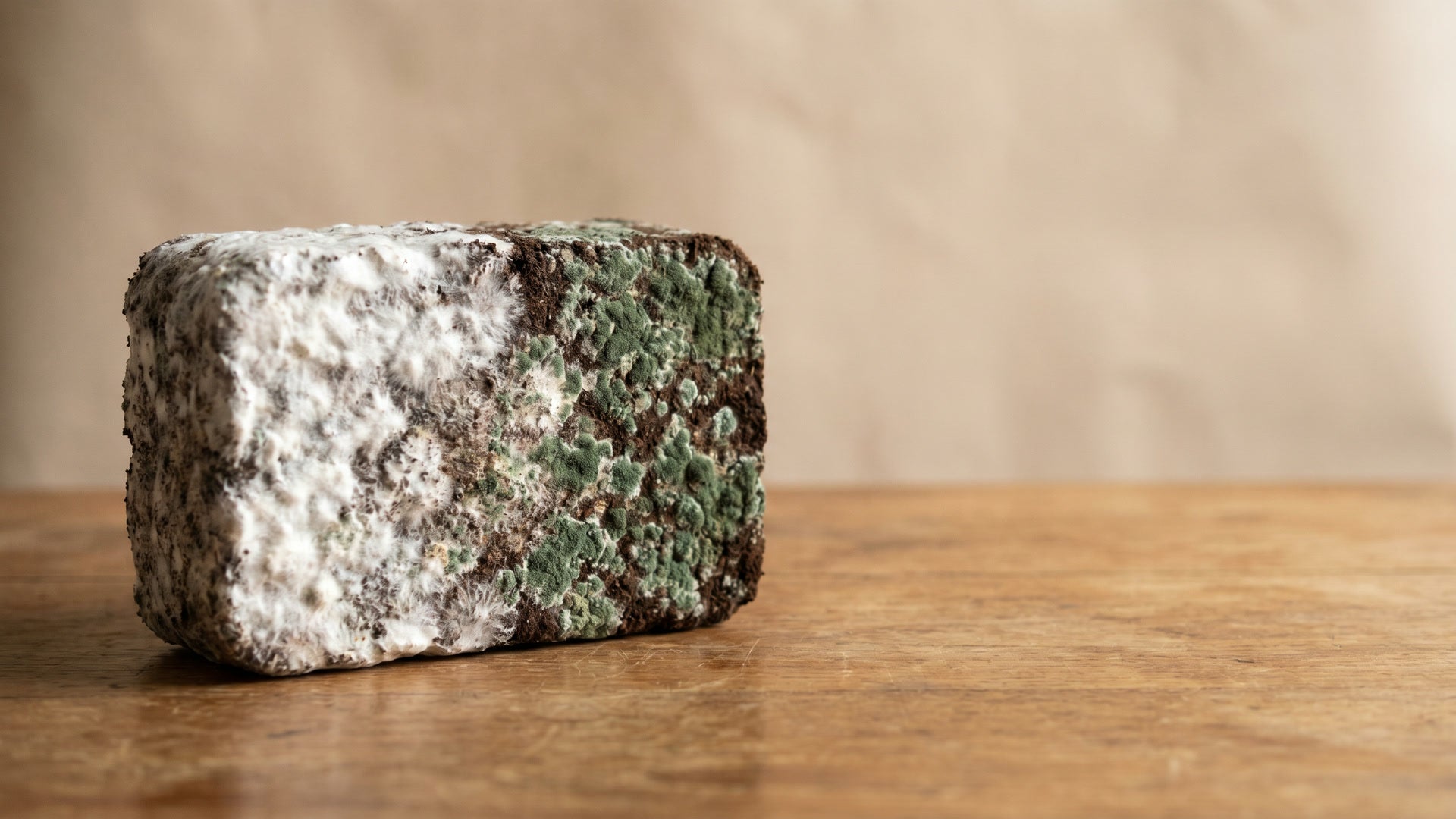
Skip the forage, grow your own gourmet mushrooms
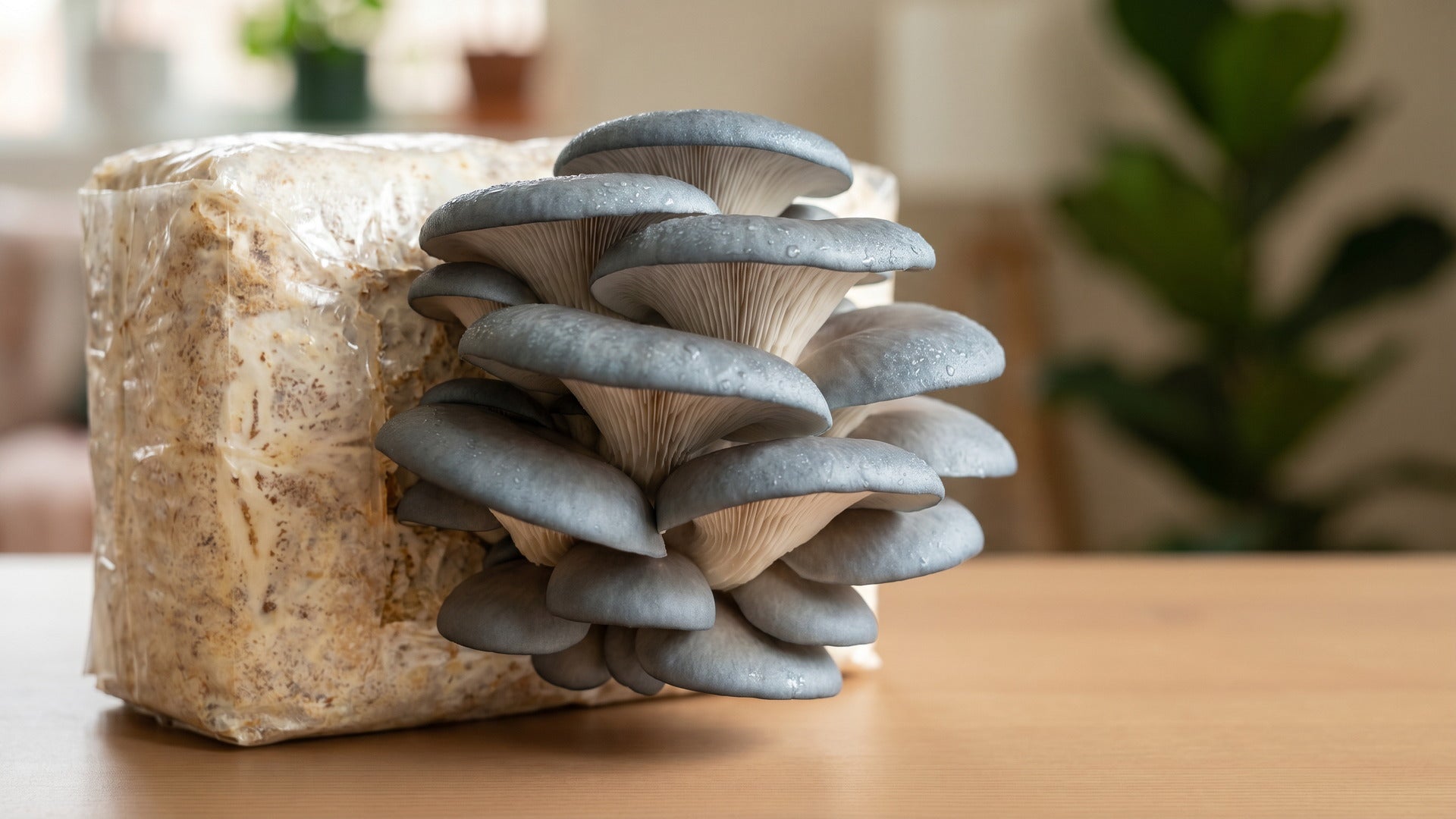
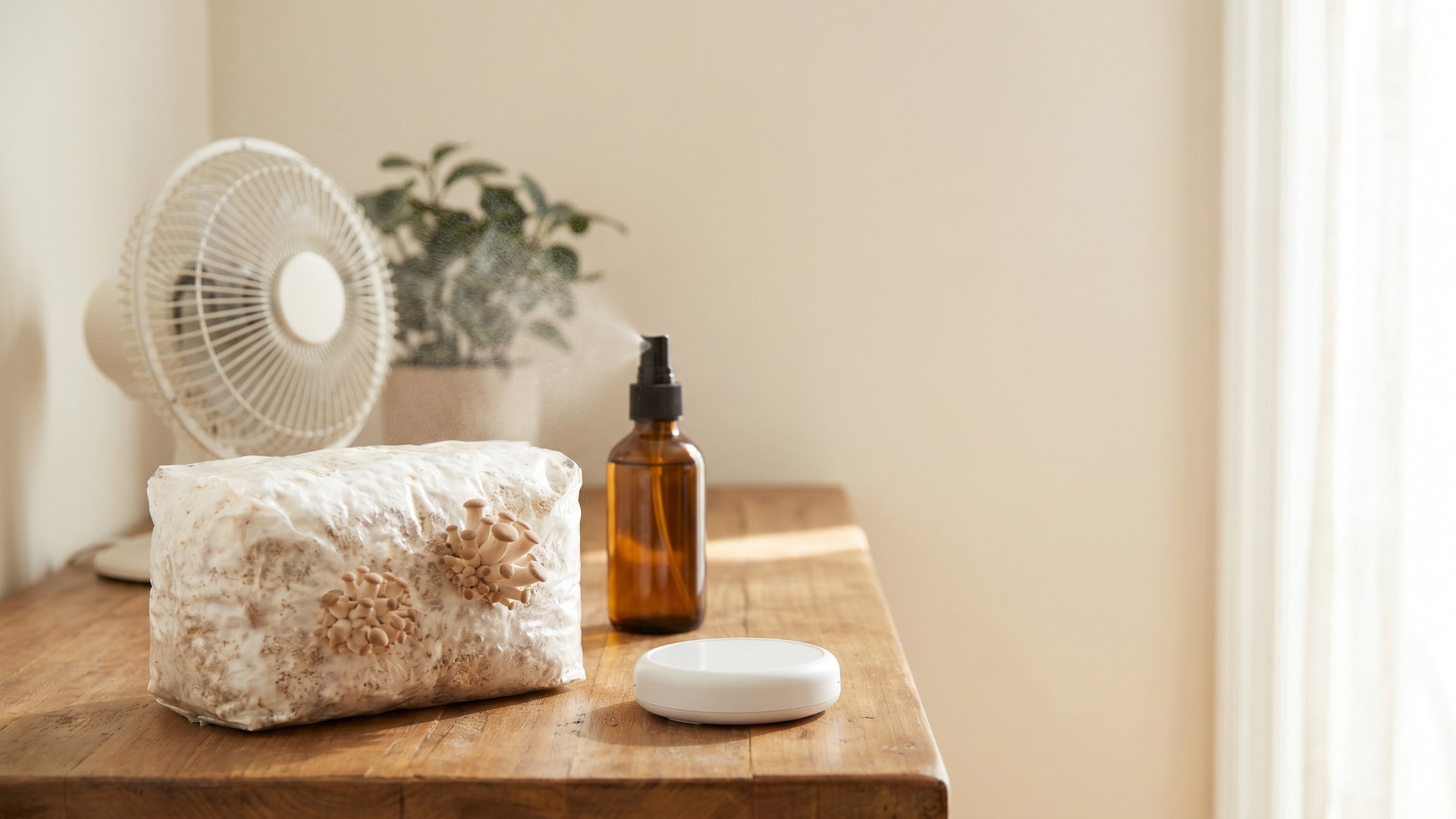
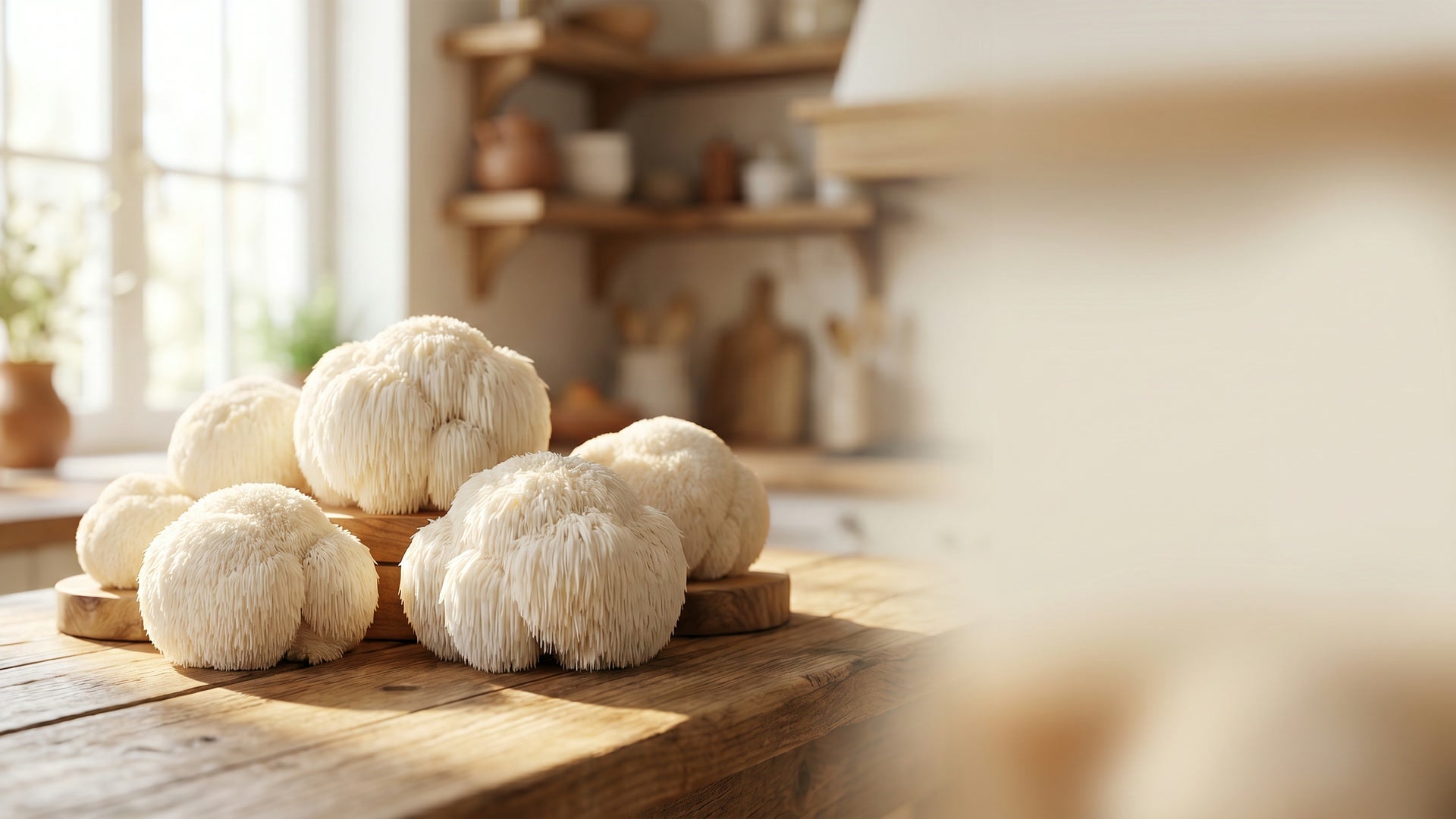
Honey mushrooms are slow and tricky to cultivate, but our 5 lbs grow kits fruit in 10 to 14 days. Start with one of these beginner-friendly species.

Share:
How to Grow Mushrooms at Home: A Beginner's Guide
Mushroom Gravy Recipe: Rich, Savory, and Easy to Make