


New York State offers incredible opportunities for mushroom foraging, with diverse ecosystems supporting dozens of edible New York state mushrooms. From the Adirondack Mountains to Central Park, edible mushrooms in NY can be found throughout the state's forests, parks, and woodlands during specific seasons. The mushrooms of New York range from prized morels in spring to abundant oysters and hen of the woods in fall.

Whether you're a beginner forager or experienced mushroom hunter, understanding New York's edible mushroom varieties, identification techniques, and foraging regulations is essential for safe and successful mushroom hunting. This comprehensive guide covers everything you need to know about finding edible mushrooms in the Empire State.
Most Common Edible Mushrooms in New York
New York's temperate climate and diverse forest ecosystems create ideal conditions for numerous edible mushroom species. Each variety has specific growing requirements, seasons, and identification characteristics that every forager should master.
Oyster Mushrooms (Pleurotus ostreatus)
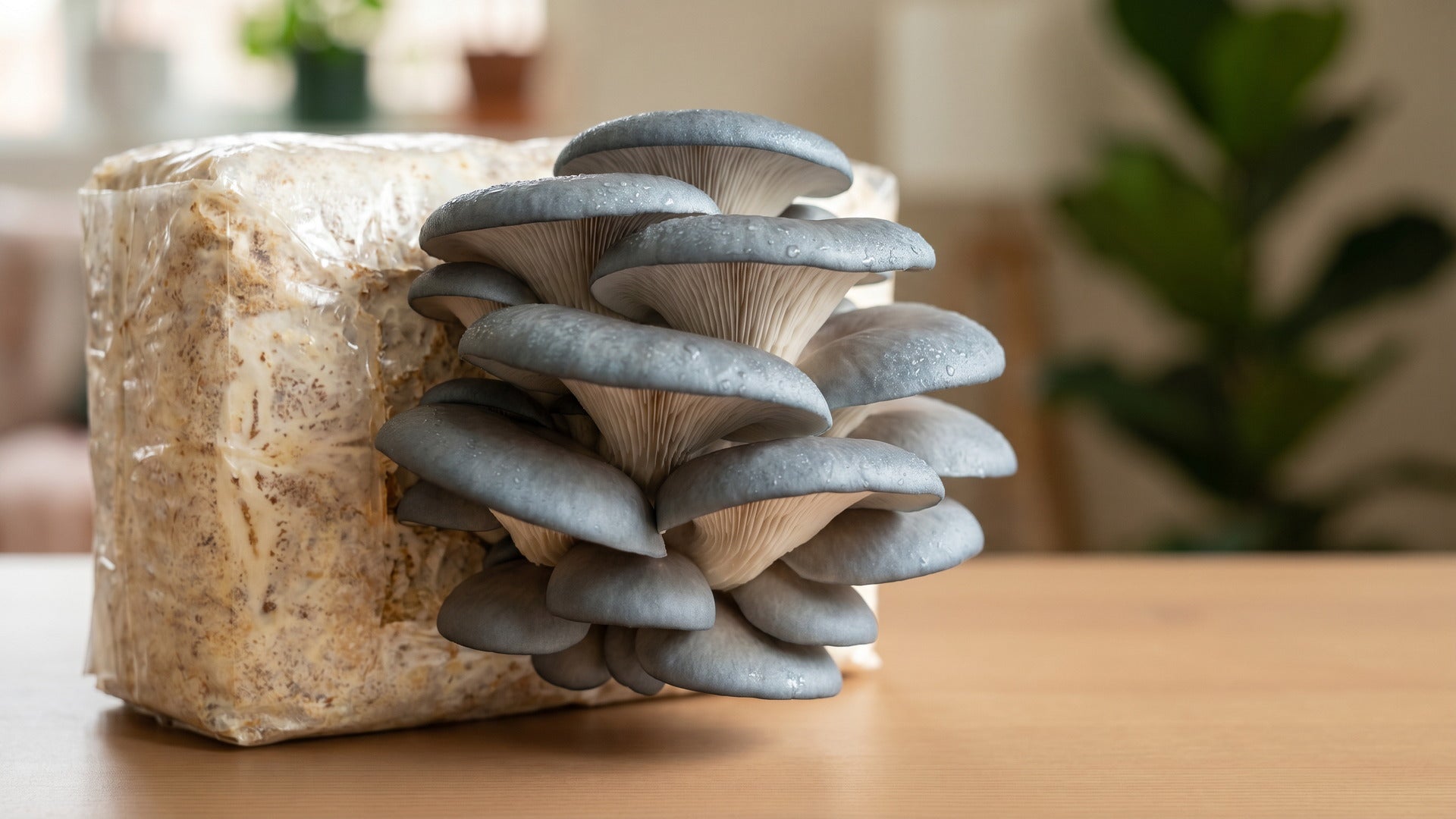
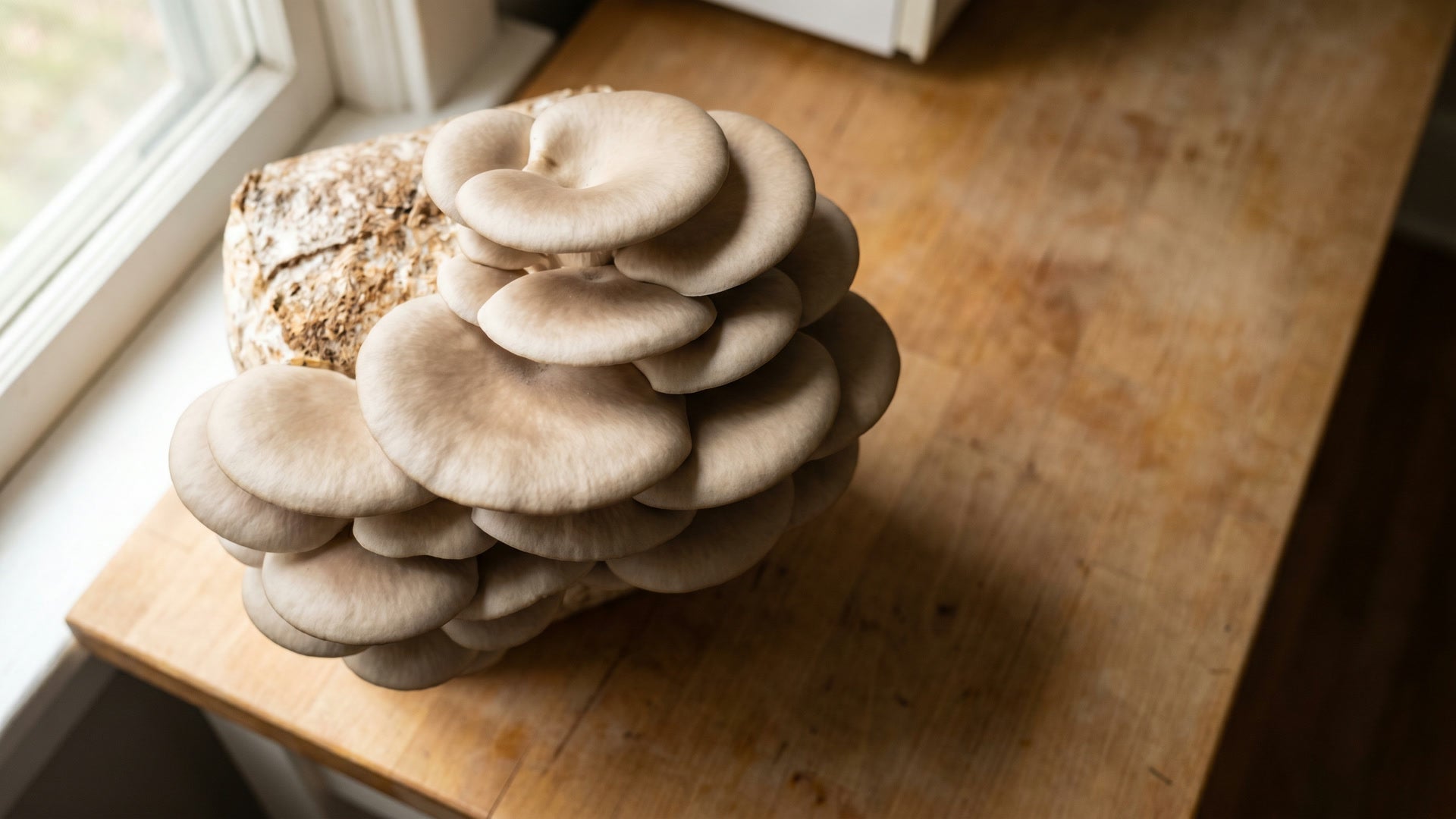
Oyster mushrooms are among the most abundant and easily identified edible mushrooms in NY. These fan-shaped fungi grow in overlapping clusters on dead and dying hardwood trees, particularly oak, maple, and beech. They're available year-round but peak in fall and winter when other mushrooms are scarce.
For detailed identification help, our oyster mushroom identification guide provides comprehensive information about recognizing these valuable fungi in the wild.
Hen of the Woods (Grifola frondosa)
Also known as maitake, hen of the woods creates large, frilly clusters at the base of oak trees. These prized edible mushrooms in NY typically appear in late summer and fall, offering exceptional flavor and medicinal properties. A single specimen can weigh several pounds and feed multiple people.
Honey Mushrooms (Armillaria species)
Honey mushrooms grow in dense clusters on living and dead hardwood trees throughout New York. They're recognizable by their honey-colored caps and distinctive ring around the stem. These fall-fruiting mushrooms are excellent for beginners due to their abundance and distinctive appearance.

Chicken of the Woods (Laetiporus sulphureus)
This bright orange and yellow shelf fungus grows on oak and other hardwood trees. Chicken of the woods earns its name from its texture and taste, which remarkably resembles chicken meat. Young specimens are tender and delicious, while older brackets become tough and inedible.
Seasonal Guide to NY Mushroom Foraging
Understanding the seasonal patterns of edible mushrooms in NY dramatically improves your foraging success. Each season offers unique opportunities and challenges for mushroom hunters.
Spring Mushroom Season (March-May)
Spring brings some of New York's most prized edible mushrooms. Morel mushrooms in NY emerge in late April and May, particularly around dead elm, ash, and apple trees. Morel mushrooms in New York follow the soil-temperature curve more than the calendar: when night-time soil temperatures hit 50°F for three consecutive days, morels start fruiting. These honeycomb-textured fungi are highly sought after for their exceptional flavor and meaty texture, and morel mushrooms New York foragers find in upstate hardwoods can fetch $40 to $60 per pound at farmers markets.
Our guide on morel mushroom trees provides detailed information about the best locations and tree associations for finding these spring treasures.
Summer Mushroom Season (June-August)
Summer offers steady mushroom production with species like chicken of the woods, oyster mushrooms, and various boletes. Wood ear mushrooms also fruit during warmer months, providing unique textures for culinary applications.
Fall Mushroom Season (September-November)
Fall represents peak mushroom season in New York. Hen of the woods, honey mushrooms, and late-season oyster mushrooms provide abundant foraging opportunities. Cool temperatures and consistent moisture create ideal growing conditions for most edible species.
Winter Mushroom Season (December-February)
Winter foraging focuses primarily on oyster mushrooms and wood ear mushrooms, which continue fruiting in cold temperatures. These hardy species provide fresh mushrooms when other food sources are scarce.
Best Foraging Locations in New York
New York State offers diverse mushroom habitats, from urban parks to pristine wilderness areas. Knowing where to look significantly improves your chances of finding edible mushrooms.
Adirondack Park
The Adirondacks provide pristine mushroom hunting opportunities with minimal human impact. Mixed hardwood forests, particularly areas with oak, maple, and beech trees, support diverse mushroom populations. State campgrounds and hiking trails offer accessible starting points for exploration.
Catskill Mountains
The Catskills feature excellent mushroom foraging with well-developed hardwood forests and reliable moisture. Popular areas include Kaaterskill Falls, Hunter Mountain, and numerous state parks throughout the region.
Central Park and NYC Areas
Urban foraging is possible in Central Park and other NYC green spaces, though competition from other foragers is intense. Prospect Park in Brooklyn and Van Cortlandt Park in the Bronx also support edible mushroom populations.
Finger Lakes Region
The Finger Lakes offer diverse mushroom habitats around the lake shores and surrounding forests. State parks like Buttermilk Falls and Watkins Glen provide accessible foraging opportunities with stunning natural settings.
Mushrooms in Upstate New York
Foraging in New York state extends well beyond the four parks above. Upstate New York mushrooms thrive in the Hudson Valley, the Mohawk Valley, the Southern Tier, and the southern slopes of the St. Lawrence Valley. Mushrooms in upstate NY benefit from cooler nights and longer dewfall, which is why upstate NY mushrooms tend to be plumper and last longer on the substrate before drying out. If you live in or near Albany, Syracuse, Rochester, Buffalo, or Ithaca, the closest hardwood forest within a 30-minute drive almost certainly produces oyster, honey, and hen of the woods mushrooms during peak season.
Safety Guidelines for NY Mushroom Foraging
Foraging edible mushrooms in NY requires extensive knowledge and unwavering caution. Many toxic mushrooms closely resemble edible varieties, making positive identification absolutely critical for safety.
Essential Safety Rules
Never consume any mushroom without 100% positive identification. When in doubt, don't risk it. Start with easily identifiable species with few dangerous lookalikes. Carry comprehensive field guides and cross-reference multiple sources before consuming any wild mushroom.
Dangerous Lookalikes to Avoid
Poisonous mushrooms in New York state include several deadly species that can be mistaken for edible varieties. Destroying angels (Amanita species) are pure white and extremely toxic. Death caps (Amanita phalloides) are increasingly found in NY and can be fatal if consumed. The most common poisonous mushrooms in NY state by far are false morels (Gyromitra esculenta) and Chlorophyllum molybdites, which together account for the majority of mushroom poisoning calls handled by the New York Poison Center each year.
Recommended Learning Resources
Begin your foraging education with experienced guides and mushroom clubs. The New York Mycological Society offers guided forays and educational programs. Local nature centers and community colleges often provide mushroom identification courses.
For comprehensive safety information, read our detailed guide on edible mushrooms which covers identification techniques and safety protocols for wild mushroom foraging.
Legal Considerations and Regulations
Understanding New York's mushroom foraging regulations prevents legal issues and protects natural resources. Regulations vary significantly between different land management agencies.
State Park Regulations
Most New York State Parks prohibit mushroom collection without special permits. Some parks allow small amounts for personal consumption, while others ban all foraging activities. Check specific park regulations before visiting.
Private Land Permissions
Always obtain explicit permission before foraging on private property. Many landowners are happy to grant access to respectful foragers who ask permission and follow guidelines.
Sustainable Foraging Practices
Practice sustainable harvesting by taking only what you need and leaving some mushrooms to release spores. Cut mushrooms at the base rather than pulling them up, which preserves the underground mycelium network.
Growing Edible Mushrooms at Home
While foraging provides exciting wild mushroom experiences, growing edible mushrooms at home ensures year-round availability and eliminates identification risks. Home cultivation complements wild foraging perfectly.
Indoor Growing Options
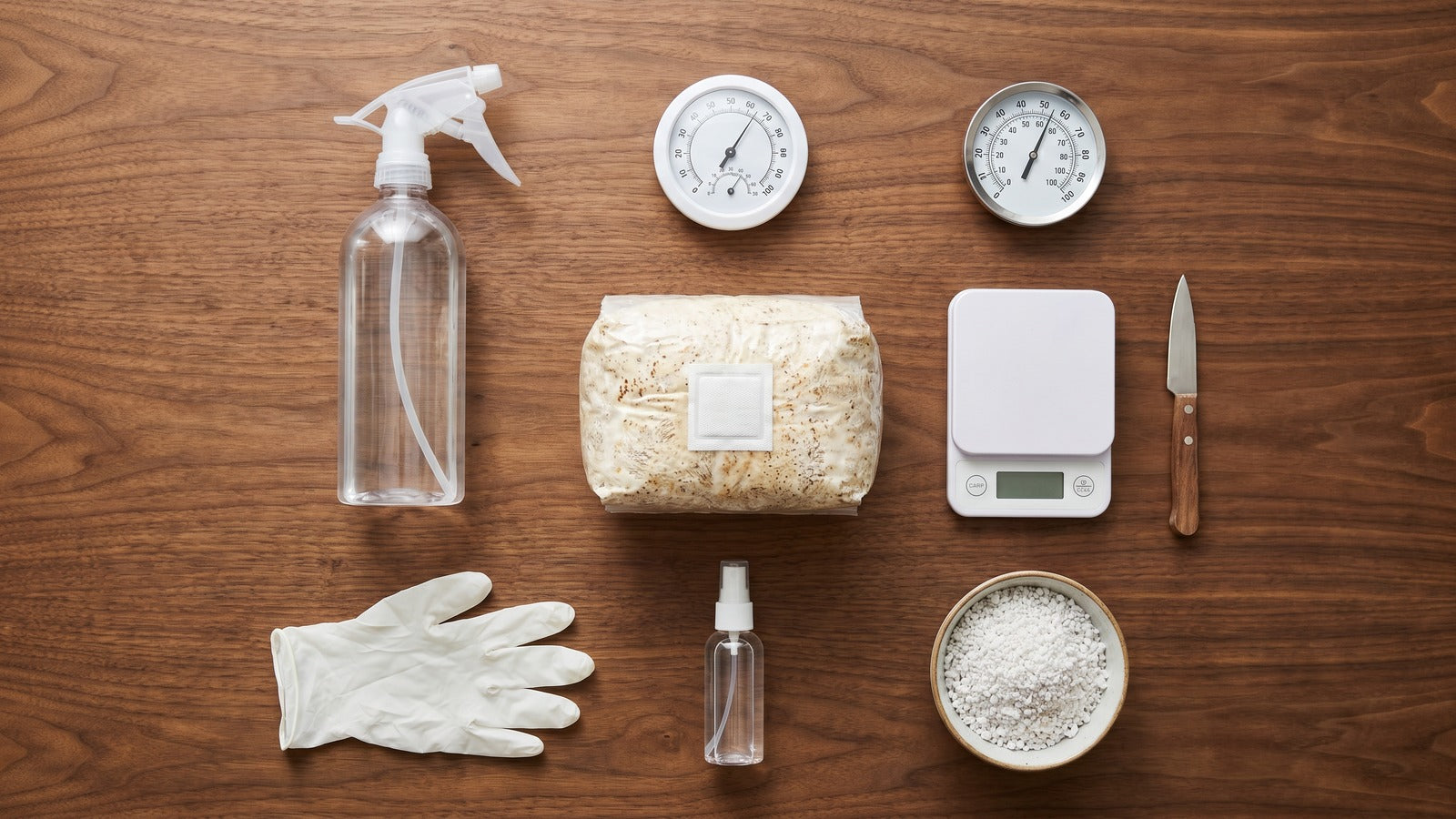
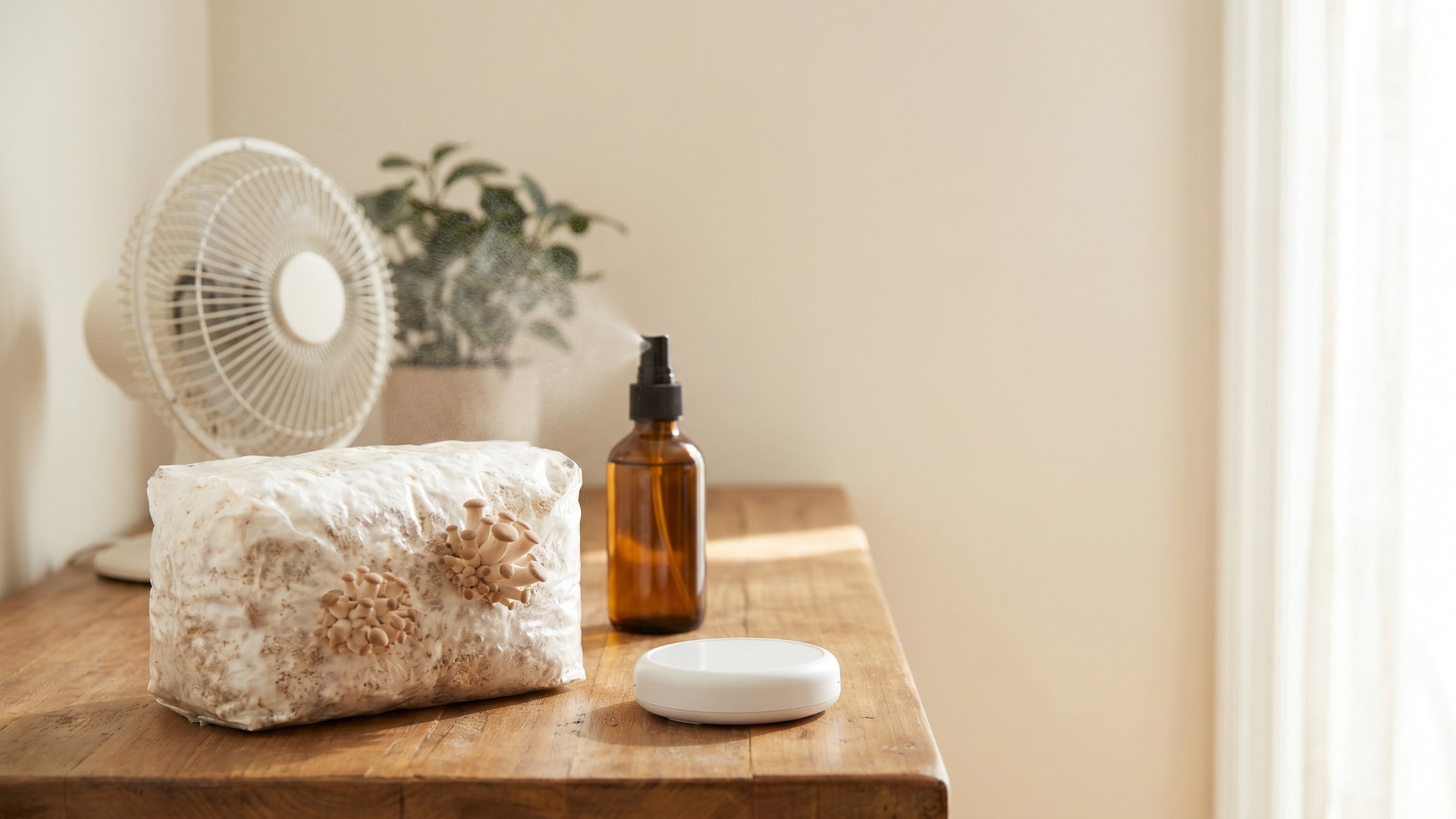
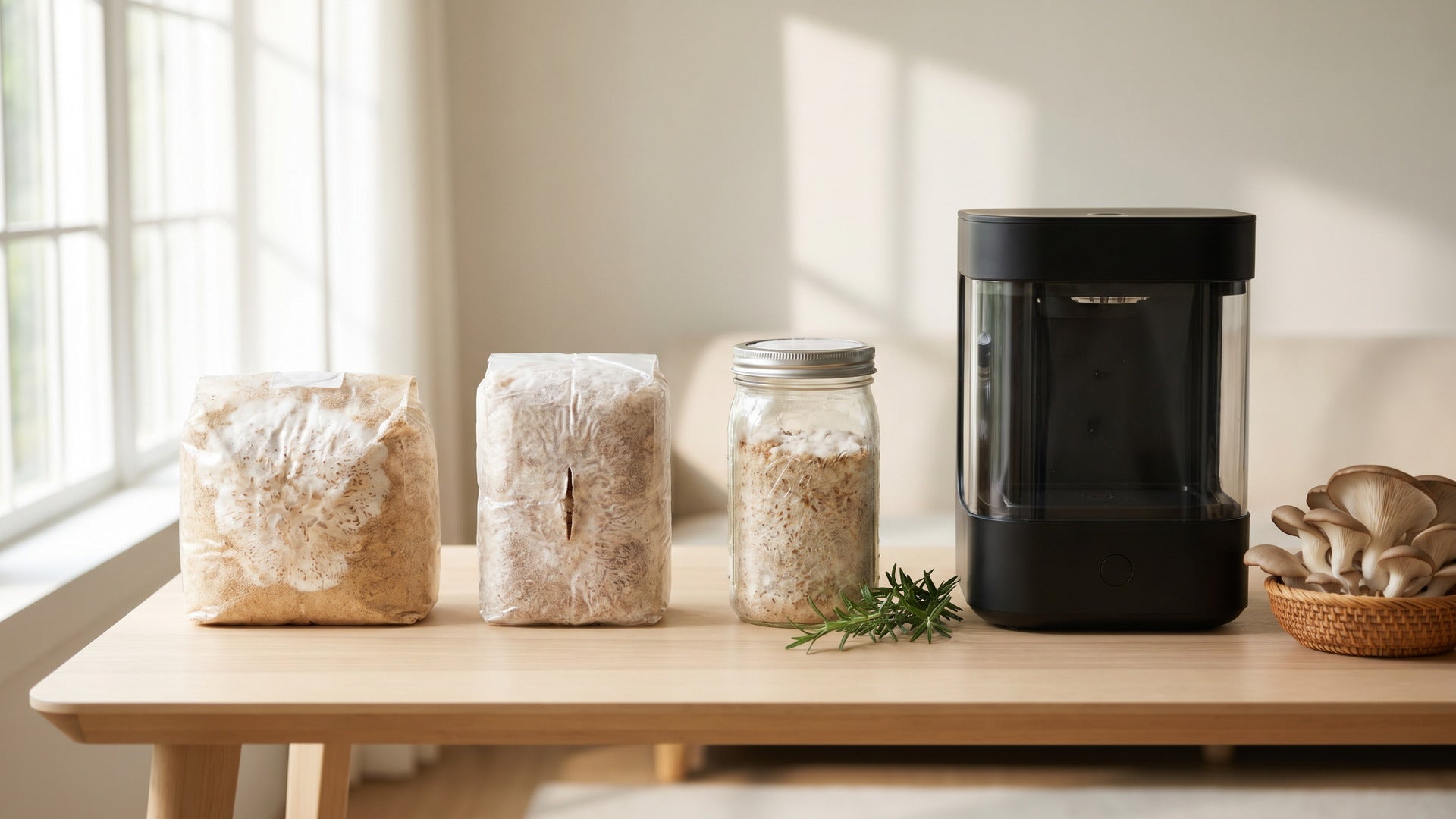
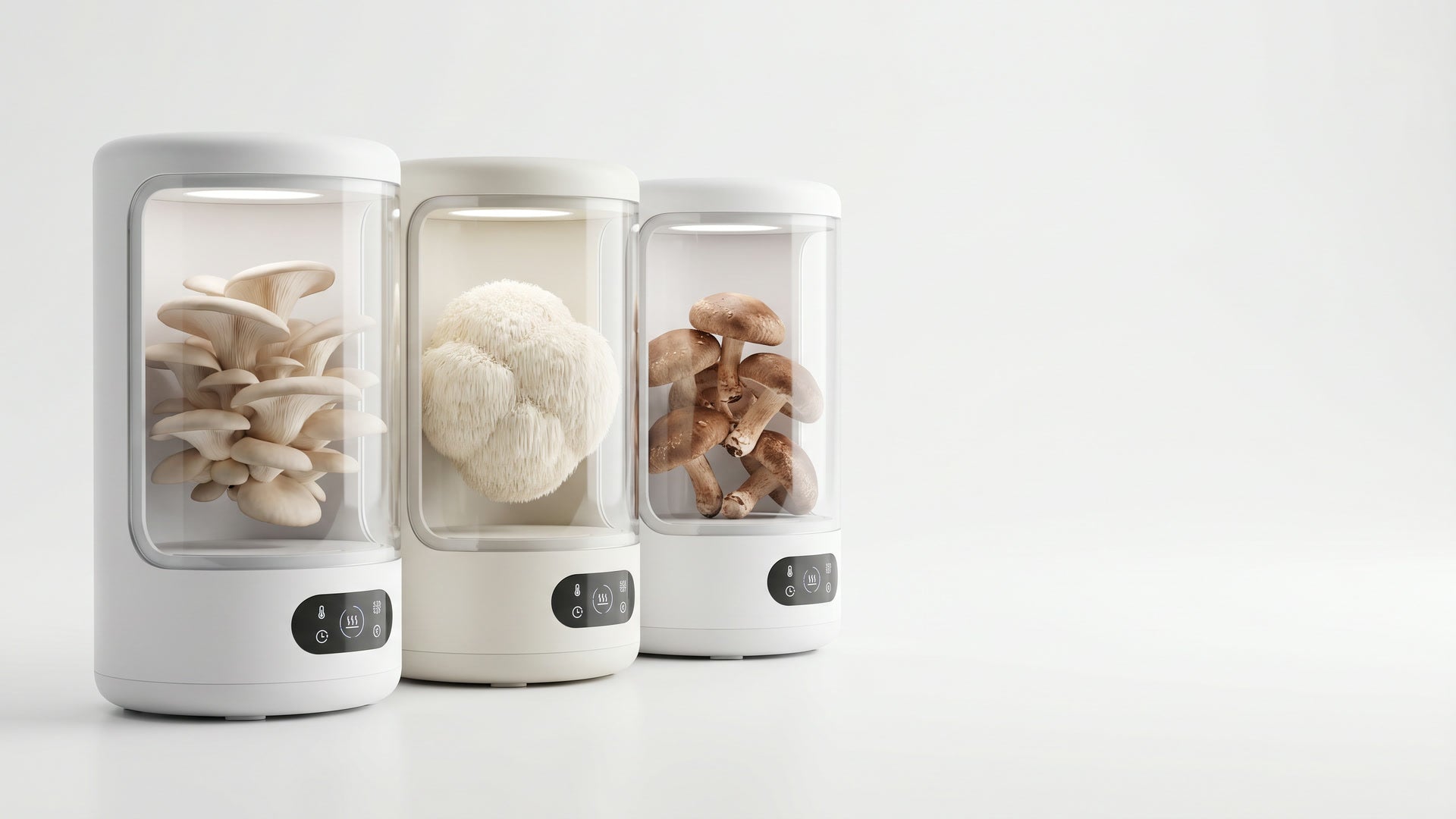
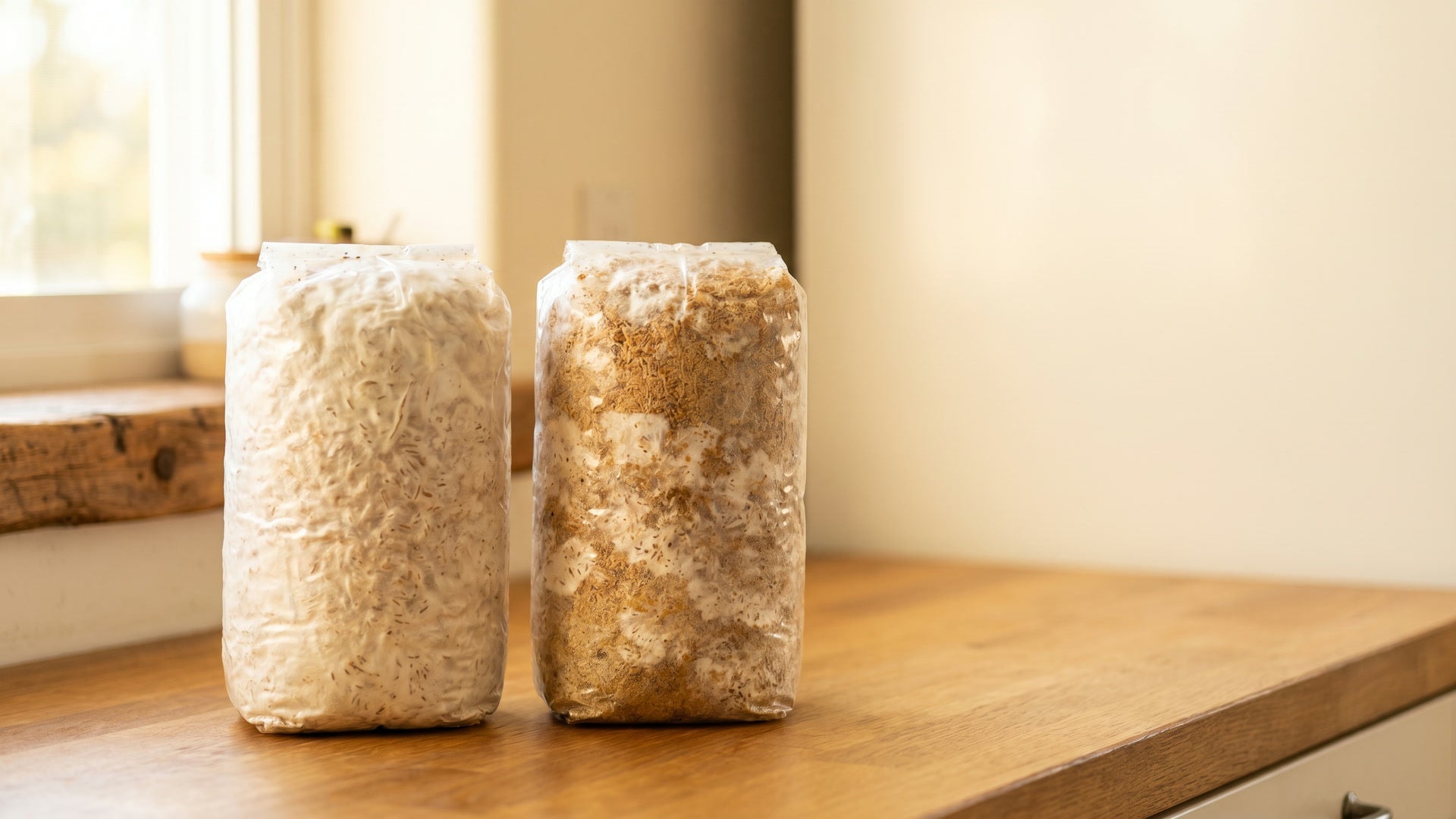
The Lykyn Smart Mushroom Grow Box is the easiest way to start growing edible mushrooms at home. These kits provide everything needed for successful cultivation, including pre-colonized growing medium and detailed instructions.
For beginners interested in home cultivation, our mushroom grow kit for beginners guide explains how to choose the right kit and achieve successful harvests.
Species Perfect for Home Growing
Oyster mushrooms, shiitake, and lion's mane are excellent choices for home cultivation. These species grow reliably in indoor conditions and provide consistent harvests without the uncertainty of wild foraging.
Frequently Asked Questions
What's the best time of year to find edible mushrooms in NY?
Fall (September-November) offers the best mushroom foraging in New York, with peak diversity and abundance. Spring morel season (April-May) and summer months also provide excellent opportunities, while winter focuses mainly on oyster mushrooms.
Do I need a permit to forage mushrooms in New York state parks?
Most New York State Parks require permits for mushroom collection, and some prohibit foraging entirely. Check specific park regulations before visiting, as rules vary significantly between different locations.
Are there poisonous mushrooms in New York state that look like edible ones?
Yes, several deadly mushroom species in New York state can be mistaken for edible varieties. Destroying angels (Amanita species) closely resemble edible button mushrooms. Death caps look like puffballs when young. Jack-O-Lanterns are routinely confused with chanterelles by beginners. Never consume any mushroom without 100% positive identification from multiple reliable sources, ideally including a member of the New York Mycological Society.
Where can I learn mushroom identification in New York?
The New York Mycological Society offers guided forays and educational programs. Local nature centers, community colleges, and mushroom clubs provide identification courses. Always learn from experienced foragers before attempting independent collection.
Can I sell mushrooms I forage in New York?
Selling foraged mushrooms requires proper licensing and adherence to food safety regulations. Most commercial mushroom sales require certified suppliers and specific permits. Check local health department requirements before selling any wild mushrooms.
Featured Snippet Summary
The most common edible New York state mushrooms include oyster mushrooms, hen of the woods (maitake), honey mushrooms, chicken of the woods, and spring morels. Peak season runs September through November, with spring morel mushrooms in NY appearing April through May. Always obtain proper identification and permissions before foraging, as many toxic species exist in New York's woodlands.
Start Your New York Mushroom Adventure
Exploring edible mushrooms in NY opens up a fascinating world of natural foraging and culinary discovery. Whether you choose to forage wild varieties or grow mushrooms at home, understanding proper identification and safety protocols ensures successful and enjoyable experiences.
Ready to begin your mushroom journey? Start with a reliable Lykyn Smart Mushroom Grow Box to learn mushroom biology and cultivation basics before venturing into wild foraging. Combine home growing with guided forays to develop comprehensive mushroom knowledge. With patience, proper education, and respect for nature, you'll discover why New York's edible mushrooms attract foragers from around the world. Take the first step today and unlock the incredible diversity of fungi waiting in New York's forests and woodlands.
Related reading
Ready to grow?
Skip the substrate guesswork. Start with the smart fruiting chamber that handles humidity, airflow, and lighting for you.
Start with the Lykyn Grow Box →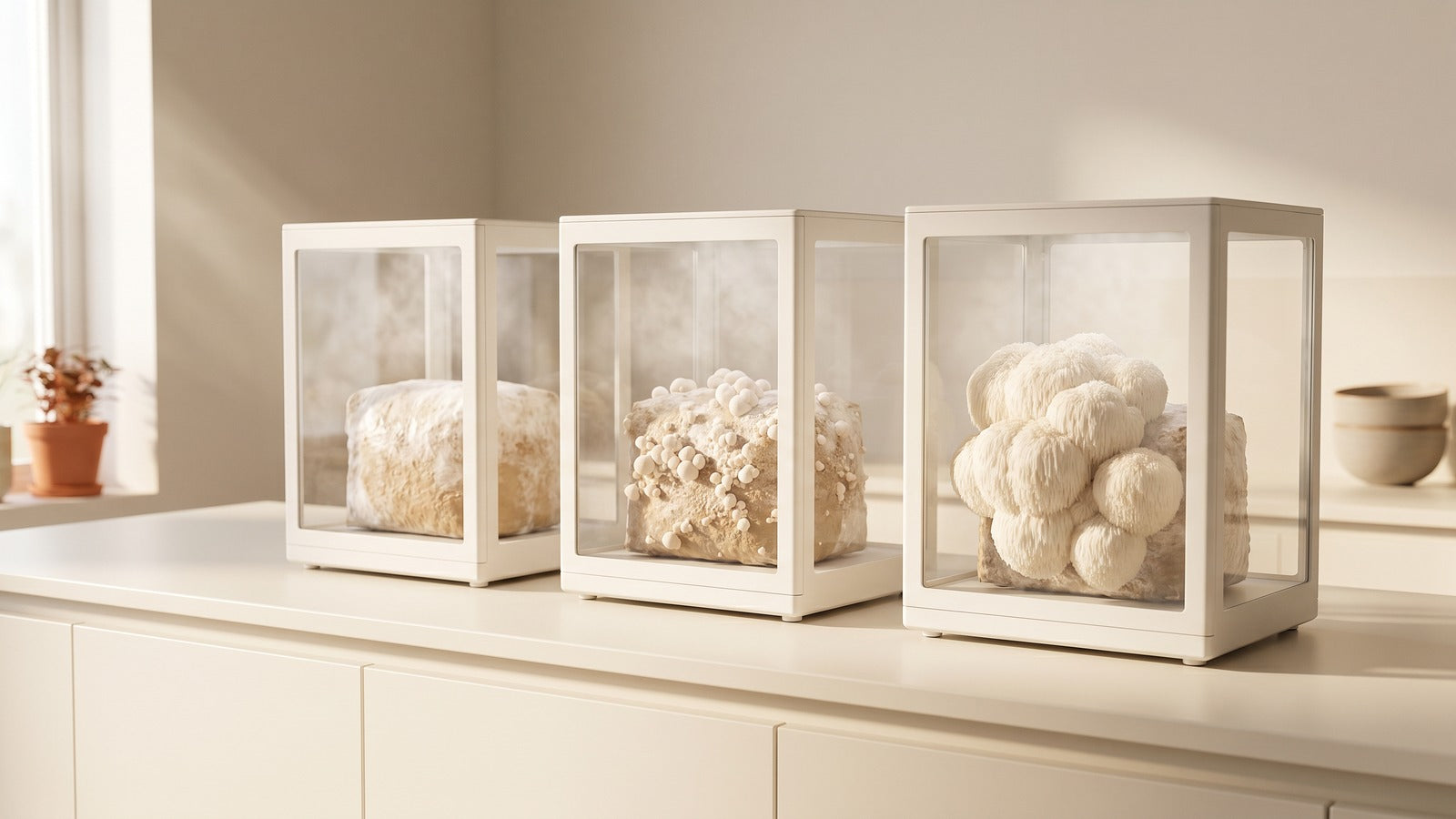
Share:
How to Grow Turkey Tail Mushrooms: Your Complete Home Cultivation Guide
When to Harvest Oyster Mushrooms: Your Complete Timing Guide