



Two paths.
One you build with parts.

Smart Chamber. Bone White Single
- 2.8L tank, 90% humidity automatic
- App-controlled, plug-and-play
- 6 lb block ceiling, in stock

Smart Chamber. Obsidian Black Single
- Same hardware as Bone White
- Matte black premium finish
- Pairs with any kitchen palette

One that runs while you sleep.
What Is a Mushroom Grow Tent?
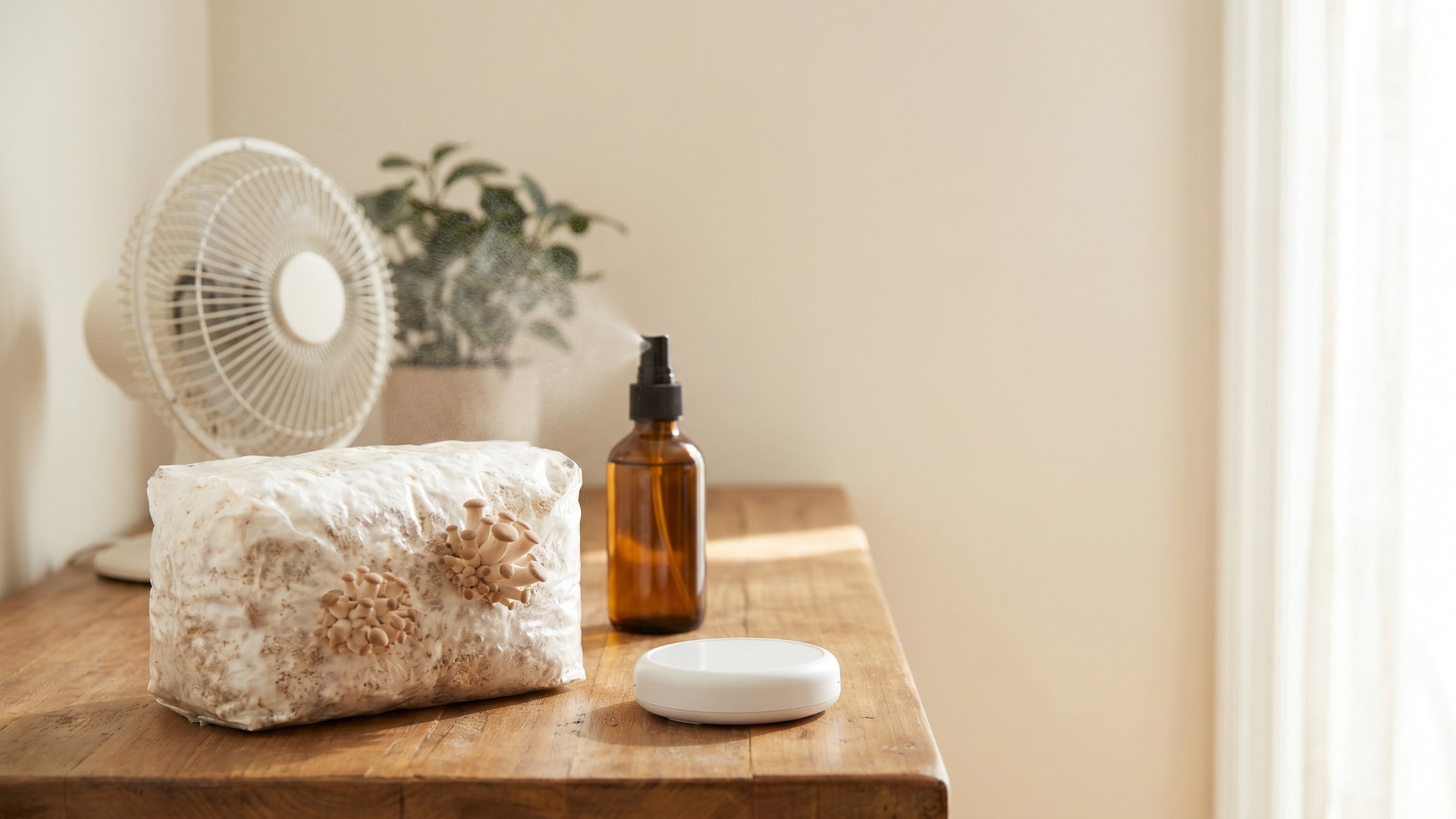
A grow tent is a fabric enclosure (usually 24 by 24 by 36 inches or larger) that you fit out with an external humidifier, fan, and a small light source. The tent holds the climate; you control everything else manually.

The tent is the entry-level entry point for serious mushroom growing. It hides the fruiting blocks from sight, gives you a sealed-but-controllable space, and costs the least if you already have a humidifier and fan around the house. The trade-off: you misted twice a day, you watch the hygrometer, you open the tent for fresh air, and you fight contamination if anything in the room or your hands carries spores.
What Is a Smart Mushroom Grow Box?
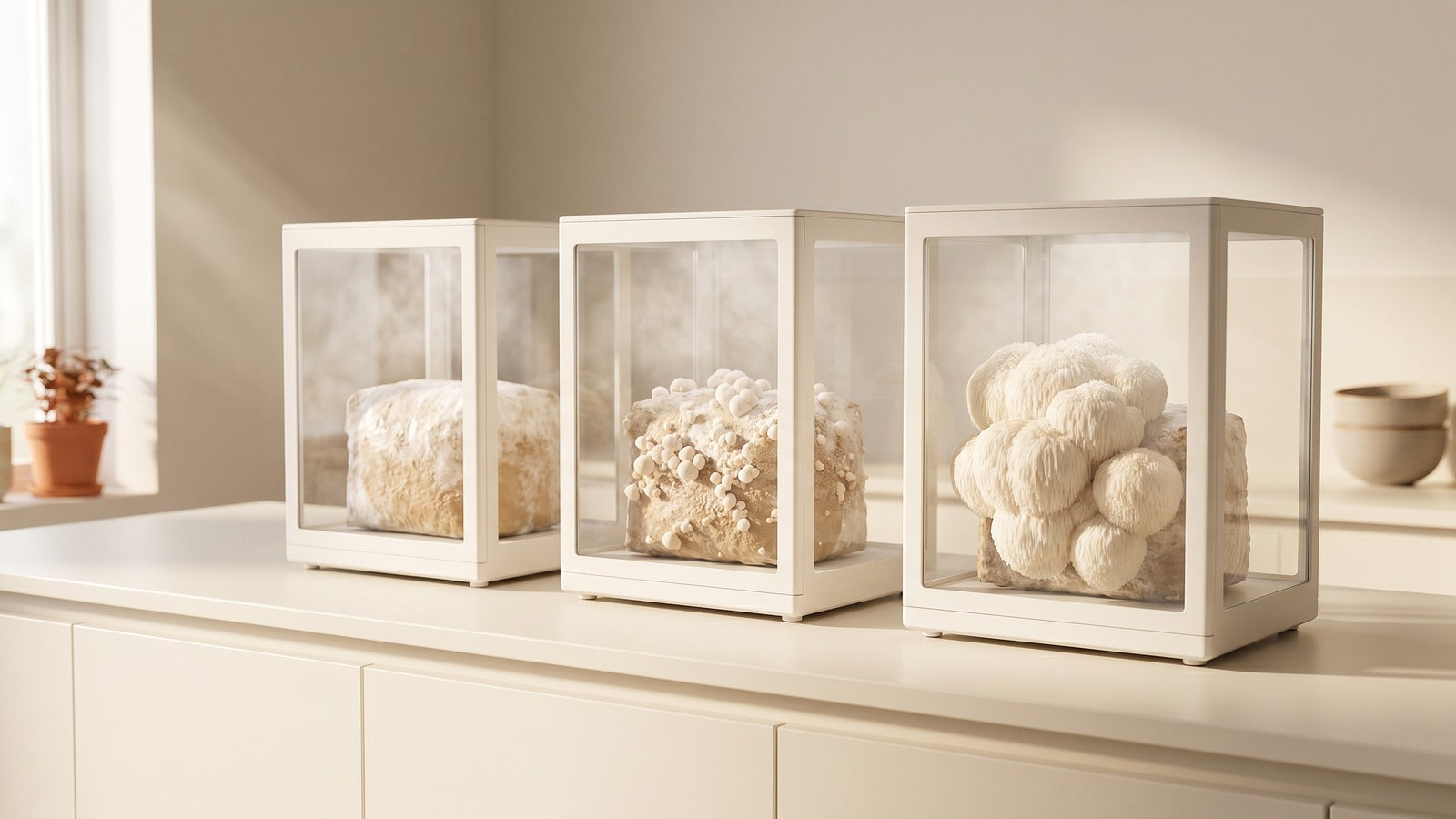
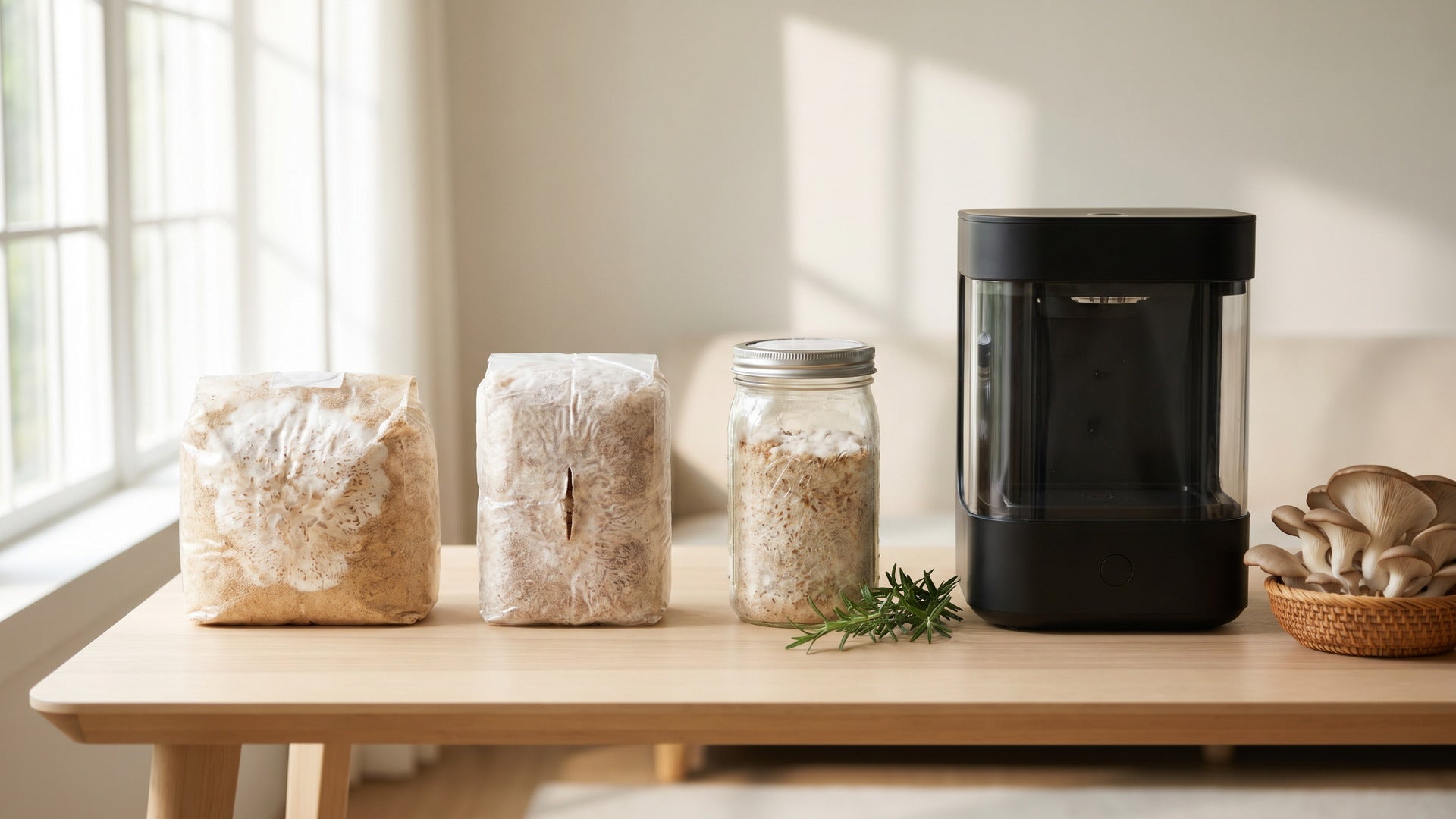
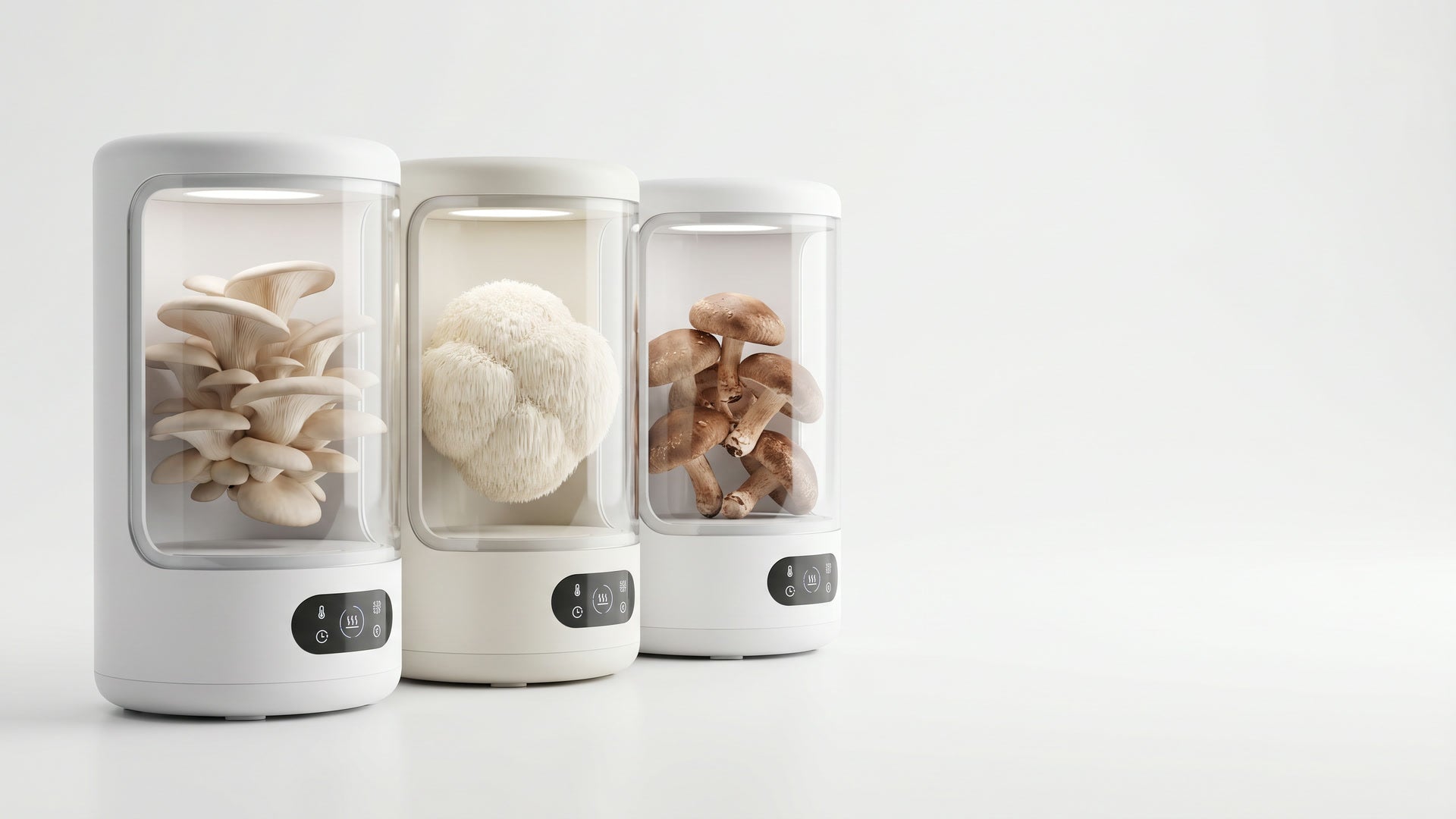
A smart mushroom grow box is a sealed countertop appliance with built-in humidity control, automated airflow, and species-specific climate presets. You drop a fruiting block in, pick the species in the app or on the device, and walk away. The chamber holds the humidity, runs hourly fresh air exchange cycles, and dims the LED on a 12 hour timer.
The Lykyn Smart Mushroom Grow Box is the design we make. Other smart chambers exist (Shrooly, TerraShroom, others) but coverage of those is outside this guide.
Side-by-Side Comparison
The same 5-pound pearl oyster fruiting block, run in a tent vs a Lykyn smart chamber, in our internal testing:
A grow tent costs less upfront and gives you maximum control. A smart chamber costs more and removes the daily work. The right pick depends on which side of the work you want to own.
When a Mushroom Grow Tent Wins
- You enjoy the daily ritual. Misting twice a day, watching the hygrometer, opening the tent for fresh air. If this sounds like a pleasant habit, the tent is your home.
- You already own a humidifier and a fan. The marginal cost drops to under $50 (just the tent fabric and a hygrometer).
- You want maximum scale flexibility. A tent fits 6 to 10 fruiting blocks at once. A smart chamber fits 1 or 2.
- You want to grow on outdoor logs in summer too. Tent setups translate easily to outdoor log cultivation; chambers do not.
- You are an experimental cultivator. If you are inoculating your own substrate or working with rare strains, you want full manual control.
When a Smart Grow Box Wins
- You travel for work or have inconsistent home schedules. A smart chamber runs while you are gone. A tent stops fruiting if you skip 2 mistings.
- You want predictable, repeatable harvests. A sealed chamber with automated humidity holds tighter than any manual setup. Yield per block is roughly 50 percent higher in our testing.
- You live in dry climates. Tent humidity collapses below 60 percent ambient air. A sealed chamber holds 90 percent regardless.
- You have small children, pets, or messy roommates. Sealed chamber means no spore release, no humidifier puddles, no fragile fabric setup.
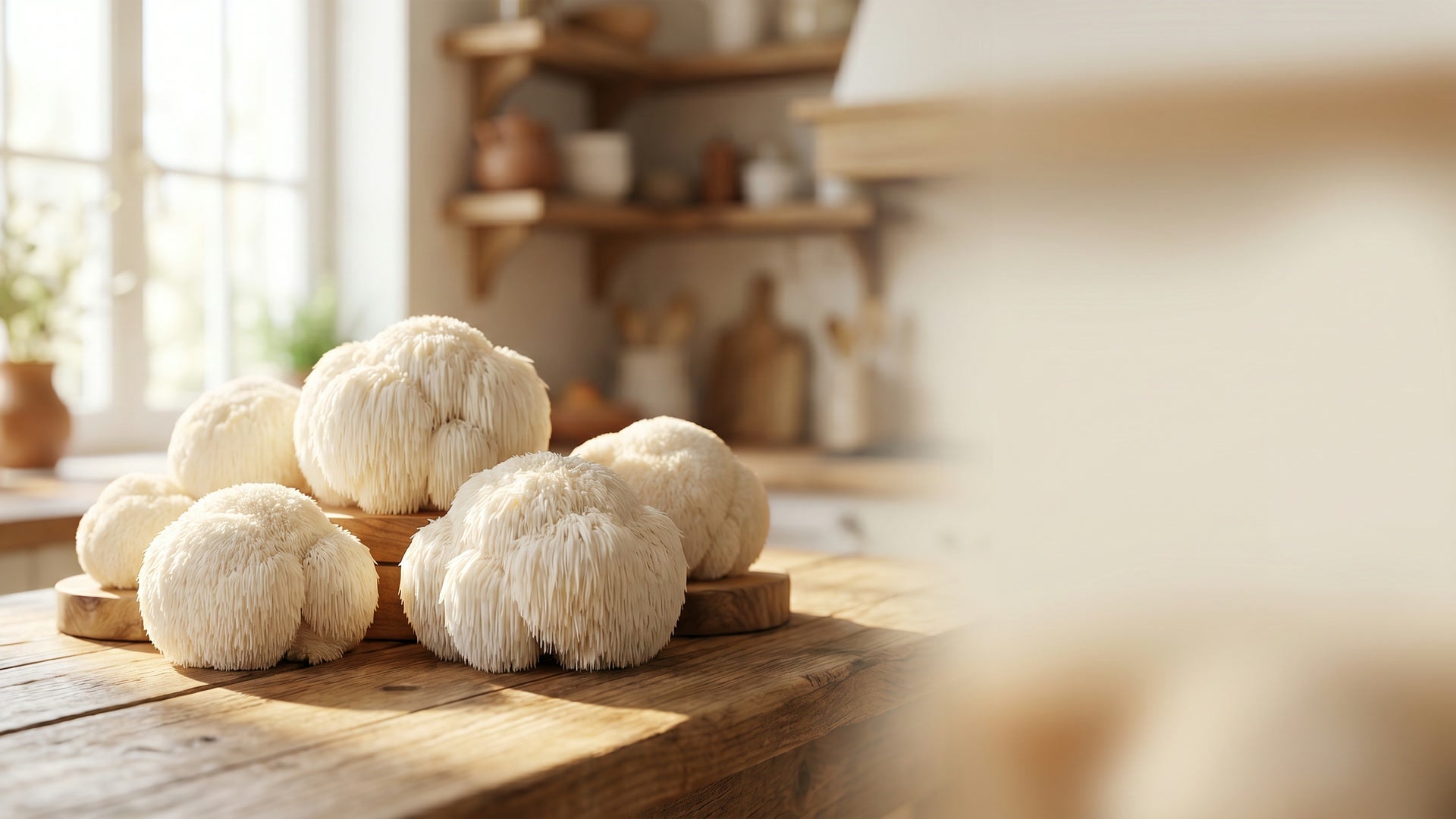
- You want to grow exotic species. Lion's mane needs 90 percent humidity continuously. King trumpet needs precise CO2 management. Both are easier in a smart chamber.
How to Set Up a Mushroom Grow Tent (DIY)
If you go the tent route, here is the minimum viable setup:
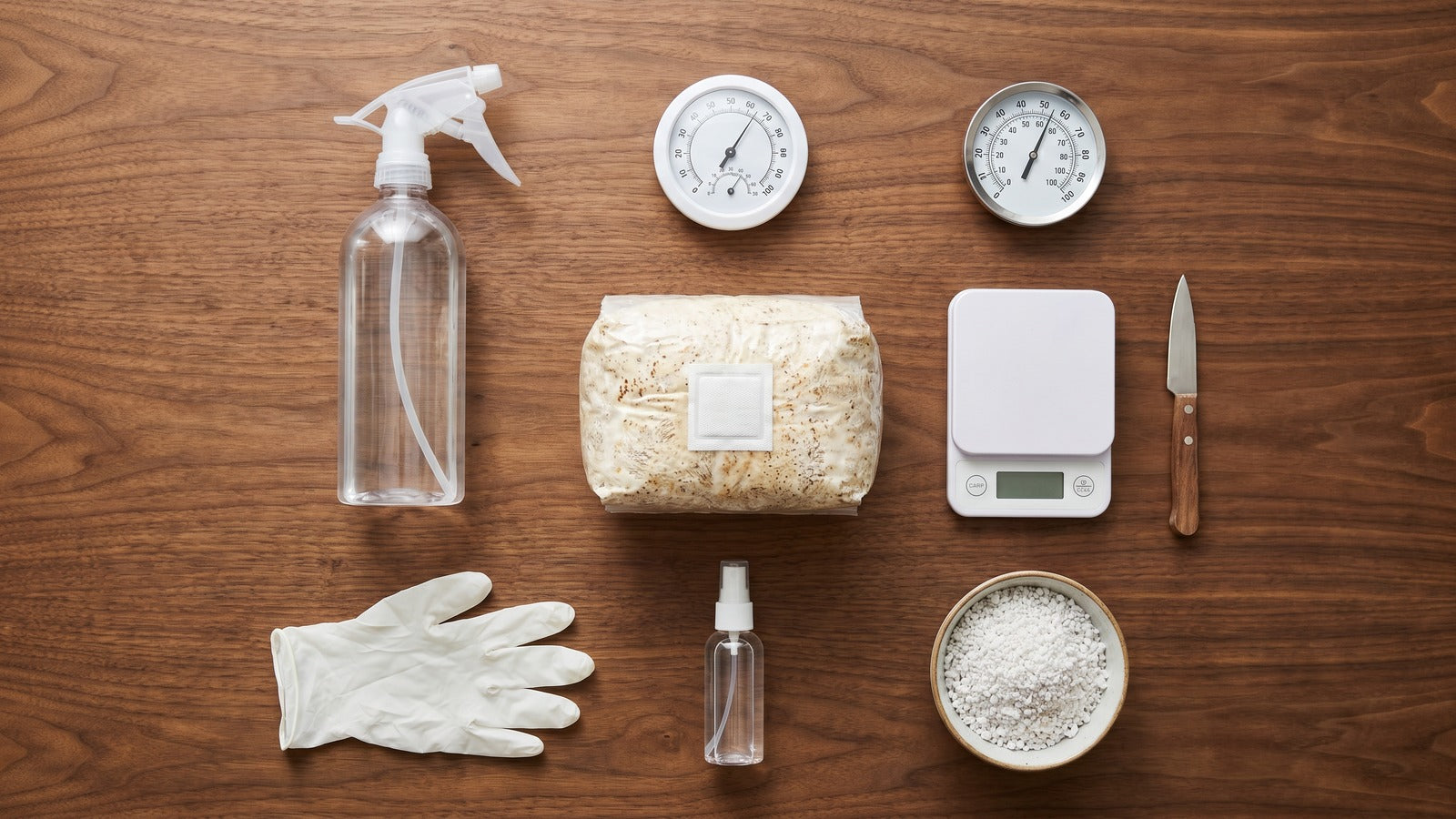
- Tent. 24 × 24 × 36 inches Mylar-lined fabric tent. About $80 to $130 on Amazon.
- Ultrasonic humidifier. 4-liter capacity, runs 6 to 8 hours per refill. About $40 to $70.
- Hygrometer. Digital, with min/max display. About $15 to $25.
- Oscillating fan. Small, USB-powered. About $20 to $35.
- Wire shelf. Holds the block off the tent floor where condensation pools. About $20.
- Daily misting. Twice a day with distilled water in a spray bottle. The hygrometer tells you when to mist.
Total: $175 to $280. Add a few hours of assembly. Add 5 minutes per day of mist-and-watch routine for the next 4 to 6 weeks per block.
A tent is gear. A smart chamber is infrastructure. Pick the one that matches how seriously you want to grow.

Fuel Your Mushroom Journey
Smart Mushroom Grow Chamber
Plug-and-play smart chamber with humidity, light, and airflow dialed in for every species. Beginners harvest their first flush in days, not months.
Add to cart $299Pick the work you want to own.
The other side runs itself.
Frequently Asked Questions
Is a grow tent quieter than a smart chamber?
The tent fan is louder (40 to 55 dB). A Lykyn chamber runs at 35 dB which is quieter than a refrigerator. If the appliance lives in a bedroom or office, the chamber wins.
Can I grow exotic mushrooms in a grow tent?
Lion's mane, king trumpet, and shiitake are doable but harder. Tent humidity drops when the room is heated or the windows open. A chamber holds the species preset regardless of room conditions.
What is the cheapest way to grow mushrooms at home?
A "spray-and-grow" 1.5-pound mushroom kit at $25 to $40 is the cheapest entry. Yields are small (0.4 lb first flush) but no equipment needed. After 2 to 3 kits, the math tips toward a tent or chamber.
Do I need a grow tent if I have a Lykyn?
No. The chamber is fully sealed and self-contained. A tent would only be useful for additional volume (running 6+ blocks at once for sale) or for outdoor cultivation experiments.
Can I make my own grow box from a plastic tote?
Yes (called a "shotgun fruiting chamber"), and it is a popular DIY for under $30. Yields are inconsistent vs a tent or chamber but it is the cheapest way to learn the principles.
Will a grow tent work in a cold basement?
Below 65°F mushrooms slow dramatically. Tent setups in cold rooms need a small space heater (another $30 to $50, plus power draw). A chamber keeps interior temperature stable regardless of room temp.
Bottom Line
A grow tent is gear. A smart chamber is infrastructure. The first lets you fiddle and learn; the second lets you set it and feed the family. Cost difference disappears after 6 to 8 cycles when you factor in your time at $20 per hour saved on misting.
If you want to start now: see the Lykyn Smart Mushroom Grow Box, or read our fruiting block buyer's guide.

Share:
What If Lykyn Disappears? Honest Answer on App-Dependent Hardware
How to Grow Oyster Mushrooms at Home: A Beginner's Guide