


Introduction: The Art of Mushroom Storage
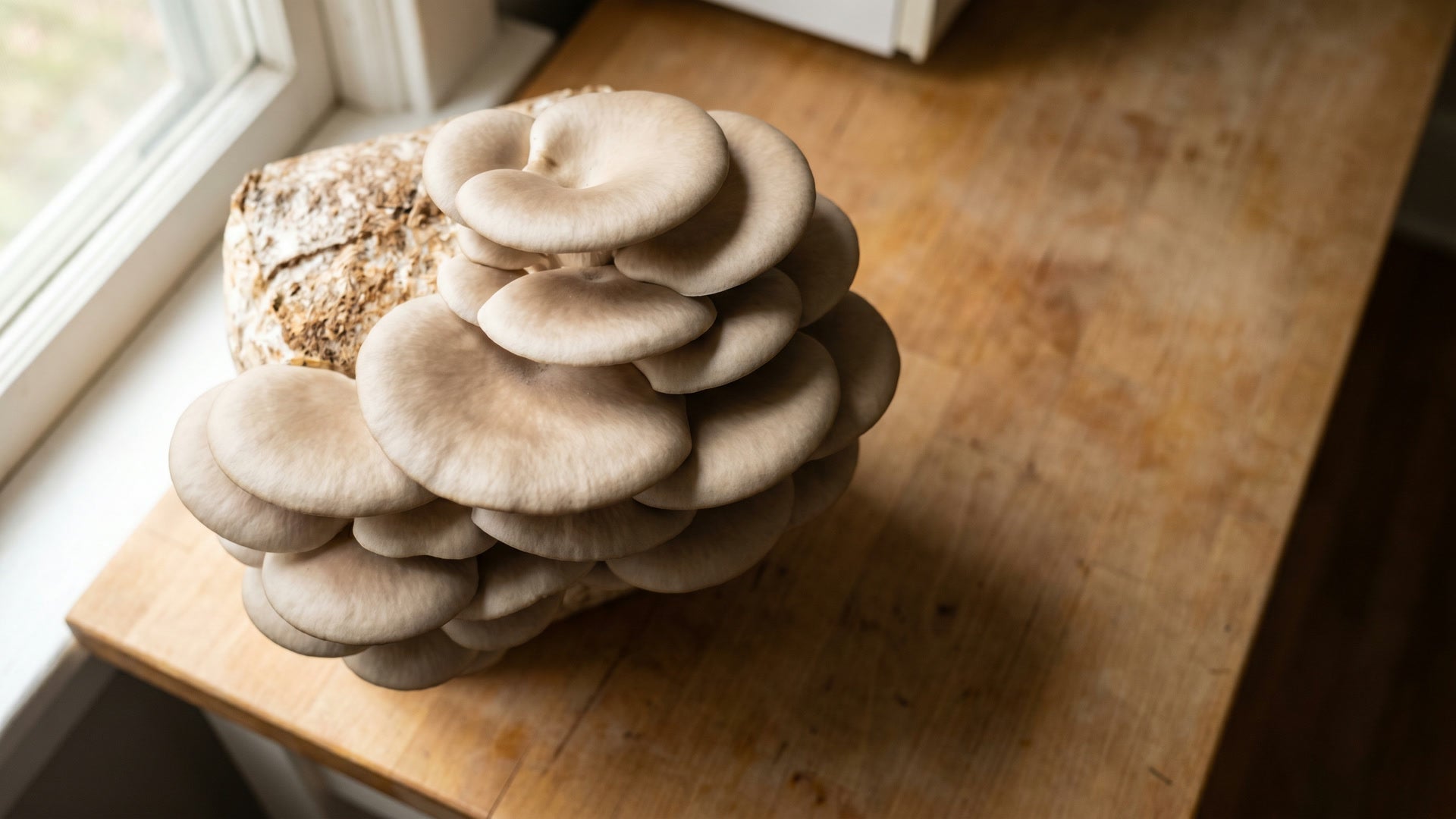
Fresh mushrooms are a culinary treasure, offering unique flavors, textures, and nutritional benefits. However, their high water content (80-90%) makes them extremely perishable, often becoming slimy or discolored within days of purchase. Whether you've harvested a bounty from your Smart Mushroom Grow Kit or bought some beautiful specimens from your local market, knowing how to properly store mushrooms is essential to extending their shelf life and preserving their quality.
In this comprehensive guide, we'll explore the most effective methods for keeping different mushroom varieties fresh, from common button mushrooms to gourmet varieties like oyster and shiitake. We'll debunk common storage myths, reveal test-proven techniques, and share expert insights to help you enjoy your mushrooms at their peak for as long as possible.
Why Proper Mushroom Storage Matters
Before diving into storage methods, it's important to understand why mushrooms spoil quickly and what factors affect their freshness:
- High moisture content: Mushrooms are 80-90% water, making them prone to deterioration
- Active metabolism: Even after harvest, mushrooms continue to respire and release moisture
- Delicate structure: Their porous nature makes them vulnerable to environmental conditions
- Susceptibility to bacteria: Improper storage can accelerate bacterial growth
Implementing the right storage method can extend your mushrooms' shelf life from just 1-3 days at room temperature to 7-14 days when properly refrigerated. This not only reduces food waste but ensures you get to enjoy their peak flavor and nutritional benefits.
Method 1: The Paper Bag Technique (Best for Most Varieties)

The paper bag method is widely considered the gold standard for mushroom storage, especially for common varieties like white button, cremini, and portobello mushrooms.
Why It Works:
Paper bags strike the perfect balance between protection and ventilation. They allow mushrooms to breathe while absorbing excess moisture that would otherwise lead to slime and spoilage.
How to Do It:
- Place unwashed, dry mushrooms in a clean paper bag
- Fold the top loosely to close (don't seal tightly)
- Store the bag in the main compartment of your refrigerator, not the crisper drawer
- Keep away from foods with strong odors as mushrooms can absorb these easily
Using this method, most mushrooms will remain fresh for 5-7 days, sometimes longer depending on how fresh they were when purchased or harvested.
Method 2: Paper Towel and Container Method (Best for Longer Storage)
If you're looking to maximize shelf life, especially for more delicate varieties, the paper towel and container method offers excellent results.
Why It Works:
Paper towels absorb excess moisture while the container provides protection from being crushed. The combination creates a microenvironment that balances humidity and ventilation.
How to Do It:
- Line a glass or plastic container with clean paper towels
- Place dry, unwashed mushrooms in a single layer, avoiding overcrowding
- Cover with another layer of paper towels
- Place the lid on loosely or use a container with ventilation holes
- Check every few days and replace damp paper towels with fresh ones
This method can extend shelf life to 7-10 days while maintaining quality. When you're growing your own mushrooms with a Lykyn Smart Mushroom Grow Kit, this method is ideal for storing larger harvests.
Method 3: Specialized Storage for Delicate Varieties
Delicate varieties like oyster, shiitake, and lion's mane require special attention due to their unique structures and moisture content.
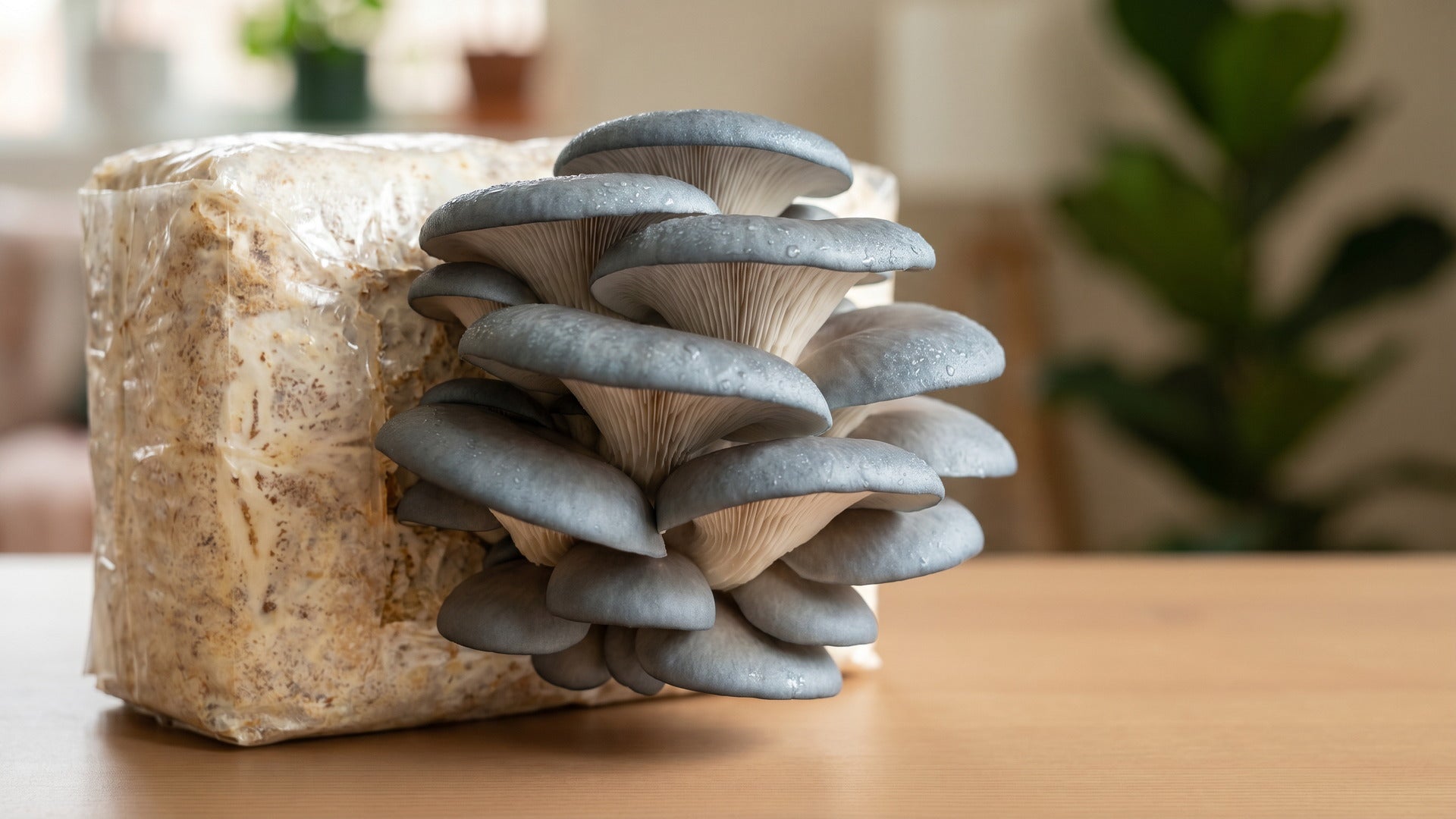
For Oyster Mushrooms:
- Store in a paper bag with extra ventilation holes punched in
- Alternatively, place in a shallow container lined with paper towels and cover with a damp (not wet) cloth
- Check daily and use within 3-5 days
For Shiitake Mushrooms:
- Remove stems if storing for more than a few days as they tend to harden
- Use the paper bag method but check frequently
- If you have excess shiitakes, consider drying them instead for long-term storage
For Lion's Mane:
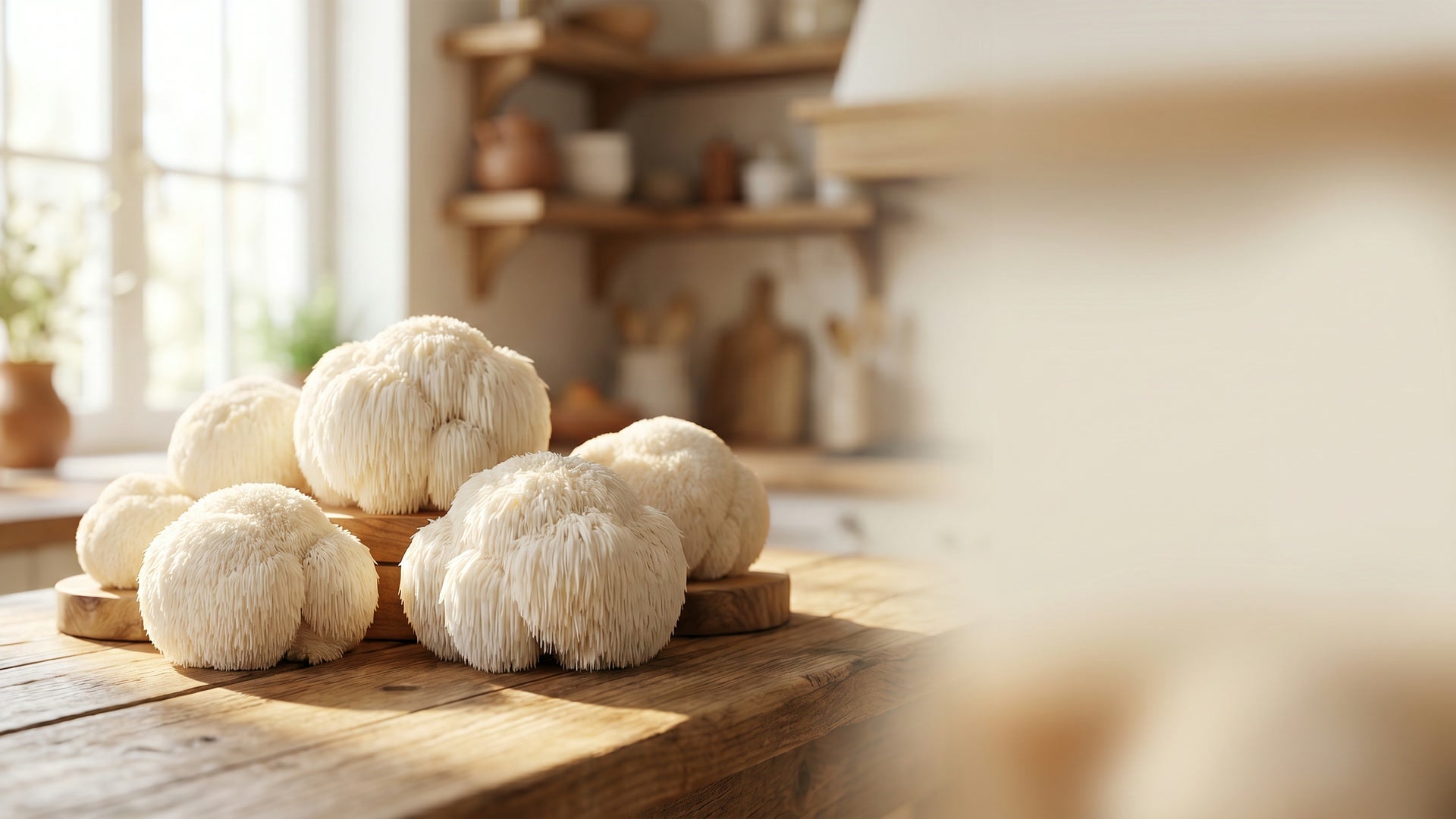
- Extremely delicate and best used within 1-3 days of harvest
- Store in a container lined with paper towels and keep the lid slightly ajar
- Never stack or crowd these delicate structures
If you're growing these specialty mushrooms in your home with a Lykyn system, it's best to harvest them just before use for optimal flavor and texture.
Method 4: The Freezing Method (For Long-Term Storage)
While fresh is always best, freezing is an excellent option for preserving mushrooms when you have an abundance.
Why Pre-Treatment Matters:
Raw mushrooms don't freeze well due to their high water content. Blanching or sautéing them first helps preserve texture and flavor.
How to Freeze Mushrooms:
- Clean mushrooms thoroughly (a quick rinse is okay before freezing)
- Slice or quarter larger varieties
- Blanch in boiling water with a teaspoon of lemon juice (to prevent discoloration) for 1-3 minutes depending on size
- Alternatively, sauté in butter or oil until most moisture evaporates
- Cool completely
- Place in freezer-safe containers or vacuum-sealed bags
- Label with date and use within 6-12 months
Frozen mushrooms work beautifully in soups, stews, sauces, and casseroles where texture changes won't be as noticeable.
Method 5: Drying Mushrooms for Extended Preservation
Drying is an ancient preservation technique that concentrates mushrooms' flavors while extending shelf life to months or even years.
Best Candidates for Drying:
- Shiitake
- Porcini
- Morel
- Maitake (hen of the woods)
- Button mushrooms
Drying Methods:
- Dehydrator: Set to 110-125°F for 6-8 hours until completely dry but still flexible
- Oven drying: Set oven to lowest setting (ideally below 150°F) with door slightly ajar
- Sun drying: In warm, dry climates, mushrooms can be sun-dried on screens
Storing Dried Mushrooms:
Store in airtight containers in a cool, dark place. For maximum longevity, add a food-grade desiccant packet. Properly dried and stored mushrooms can last 6-12 months, sometimes longer.
Method 6: Common Storage Mistakes to Avoid
Even with the best intentions, many people make critical errors that significantly reduce mushroom shelf life:
Don't Store in Plastic Bags
Plastic traps moisture, creating the perfect environment for bacterial growth and accelerating spoilage. If mushrooms come in plastic-wrapped containers from the store, transfer them to paper bags or containers with proper ventilation as soon as possible.
Avoid Washing Before Storage
Water is the enemy of fresh mushroom storage. Always store mushrooms dry and unwashed, cleaning them only right before use. If you must clean them, use a dry brush or paper towel to remove debris.
Skip the Crisper Drawer
While it seems logical to store mushrooms in the refrigerator's crisper drawer, this high-humidity environment is actually counterproductive. The main compartment of the refrigerator offers better airflow and less humidity.
Don't Mix Different Varieties
Different mushroom types have different moisture content and storage needs. Storing them separately prevents moisture transfer and cross-contamination if one variety begins to spoil.
Method 7: Smart Storage Solutions for Home Growers
If you're growing your own mushrooms using a Lykyn Smart Mushroom Grow Kit, you have the advantage of ultra-fresh specimens that typically last longer than store-bought varieties. However, proper harvesting practices contribute significantly to storage success:
Harvest at the Right Time:
Most mushrooms should be harvested just as the caps are fully formed but before they begin to release spores. For oyster mushrooms, this is when the caps are still slightly curled at the edges.
Use Sharp, Clean Tools:
Cut mushrooms cleanly at the base rather than pulling or twisting to avoid damaging the delicate structures.
Handle with Care:
Minimize handling and never wash freshly harvested mushrooms before storage.
Store Immediately:
Place freshly harvested mushrooms in their storage container within one hour of picking, ideally after allowing them to cool to refrigerator temperature.
When growing varieties like Blue Oyster Mushrooms or Lion's Mane with your Lykyn system, planning your harvest quantities to match your consumption helps minimize storage needs altogether.
Summary: Best Practices for Keeping Mushrooms Fresh
The ideal storage method depends on mushroom variety, intended use, and how long you need them to last. For most everyday purposes:
- Store mushrooms in paper bags in the main compartment of your refrigerator
- Keep mushrooms dry and unwashed until ready to use
- Provide adequate ventilation while protecting from excess moisture
- Store different varieties separately
- Check stored mushrooms regularly and use those showing early signs of deterioration first
- Consider processing methods like freezing or drying for long-term storage
Following these expert-tested methods will ensure your mushrooms maintain their flavor, texture, and nutritional benefits for as long as possible.
Call to Action
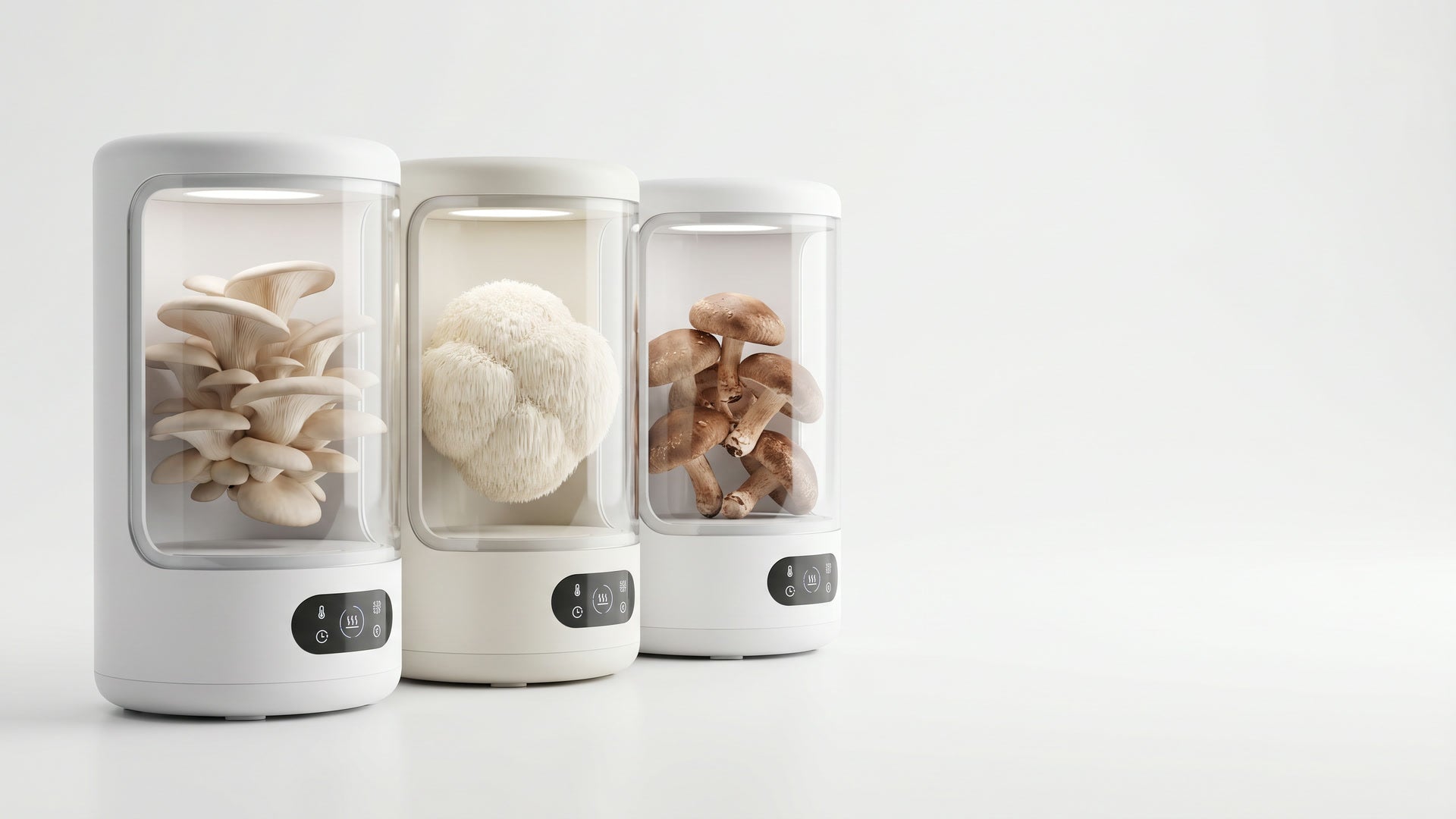
Ready to experience the joy of growing your own fresh mushrooms at home? The Lykyn Smart Mushroom Grow Kit makes cultivation simple and rewarding, providing you with the freshest possible mushrooms right in your kitchen. With automated climate control and easy app monitoring, you'll enjoy a continuous harvest of gourmet mushrooms without the complexity of traditional growing methods.
Visit our Edible Mushrooms Guide to learn more about the varieties you can grow at home, or check out our Mushroom Grow Kit Guide for beginners if you're just getting started on your mushroom growing journey.
FAQ: Common Questions About Mushroom Storage
How can you tell if mushrooms have gone bad?
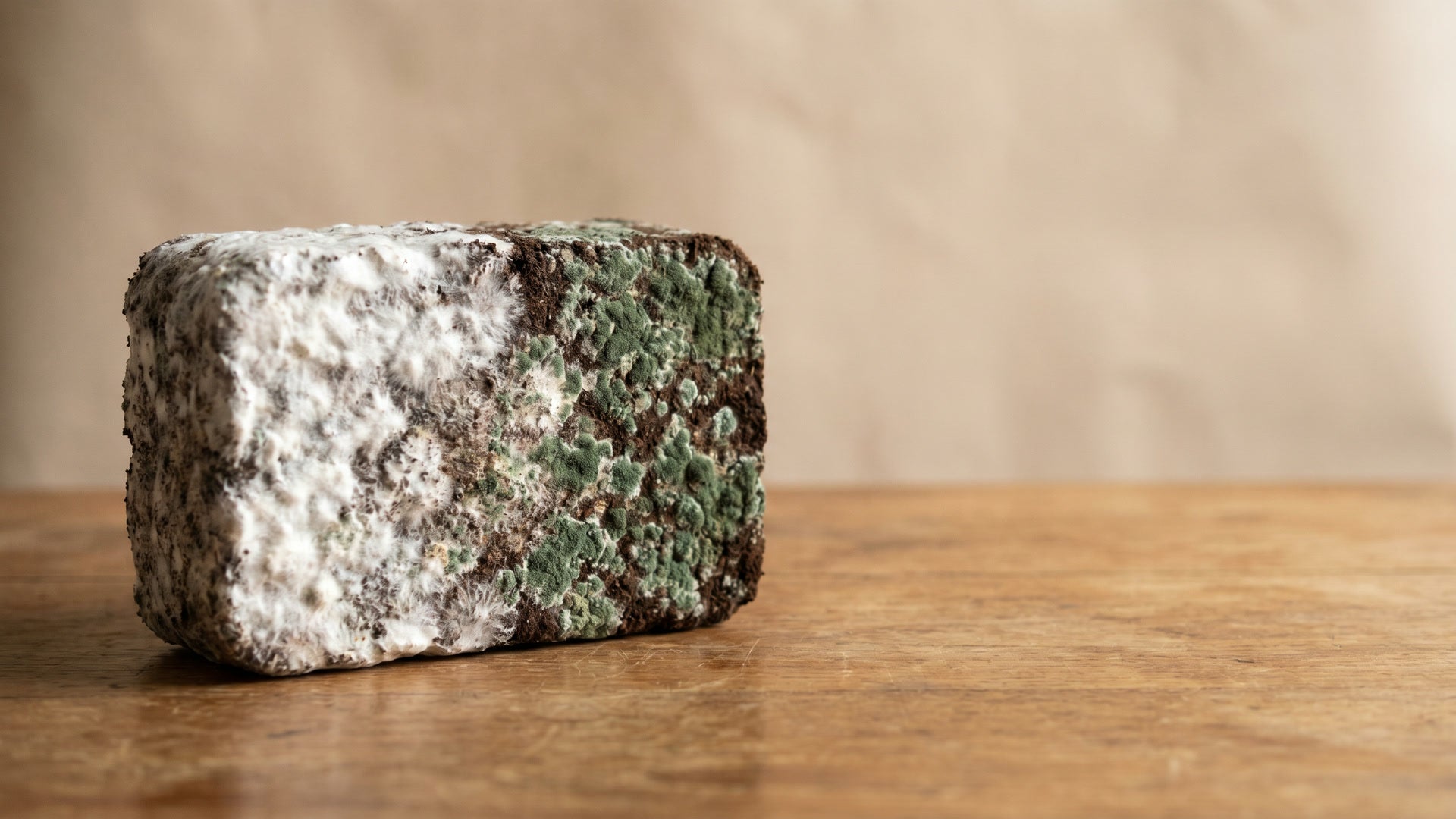
Look for sliminess, dark spots, strong odor, or visible mold. Fresh mushrooms should be dry to the touch, have a mild earthy smell, and maintain their original color.
Should you wash mushrooms before storing them?
No, never wash mushrooms before storage. Moisture accelerates spoilage. Clean them only immediately before use, preferably with a dry brush or paper towel.
What's the best container for storing mushrooms?
Paper bags are ideal for most varieties. For longer storage, use a container lined with paper towels and leave the lid slightly ajar or use a container with ventilation holes.
Can I freeze mushrooms without cooking them first?
It's not recommended. Raw mushrooms develop a tough, rubbery texture when frozen due to their high water content. Blanching or sautéing before freezing preserves better quality.
How long do dried mushrooms last?
Properly dried and stored mushrooms can last 6-12 months, sometimes up to 2 years if kept in airtight containers with desiccant packets in a cool, dark place.
Share:
Beech Mushrooms: Complete Guide to Growing, Cooking, and Enjoying Shimeji
Is Truffle a Mushroom? The Fascinating Truth About Luxury Fungi