


Understanding mycelium colonization timelines is crucial for successful mushroom cultivation, whether you're a beginner with your first grow kit or an experienced cultivator planning production schedules. The time it takes for mycelium to fully colonize a grow bag varies significantly depending on species, environmental conditions, and cultivation techniques, but knowing what to expect helps ensure optimal results.

Quick Answer: Most mushroom species take 2-6 weeks to fully colonize a grow bag, with oyster mushrooms being fastest (2-3 weeks), shiitake taking 3-4 weeks, and Lion's Mane requiring 3-6 weeks. Temperature, humidity, spawn quality, and substrate type all significantly impact colonization speed.
Understanding Mycelium Colonization: The Foundation of Mushroom Growing
Colonization is the period when mushroom spores grow and expand to form a mycelial network, which is the actual fungal organism that later produces mushroom fruits. This critical phase determines the success of your entire mushroom growing operation, as proper colonization leads to healthy, productive fruiting while incomplete or contaminated colonization often results in failure.
During colonization, thread-like mycelium spreads throughout the substrate in a three-dimensional sphere pattern. When the mycelium runs into another growth point, the threads fuse together until the entire substrate becomes one unified mycelial organism. This process is called "leap off," which typically occurs around four days after inoculation.
Factors That Determine Colonization Speed
Several key factors influence how quickly mycelium colonizes your grow bag:
Species Selection: Different mushroom species have dramatically different colonization speeds. Oyster mushrooms are aggressive colonizers, while Lion's Mane grows more slowly and methodically.
Inoculation Method: The type of inoculum significantly affects timeline:
-
Grain spawn: Fastest colonization (typically 2-4 weeks)
-
Liquid culture: Moderate speed (3-5 weeks)
-
Spore syringes: Slowest method (4-8+ weeks)
Environmental Conditions: Temperature, humidity, and air exchange all play crucial roles in mycelial growth rates.
Species-Specific Colonization Timelines
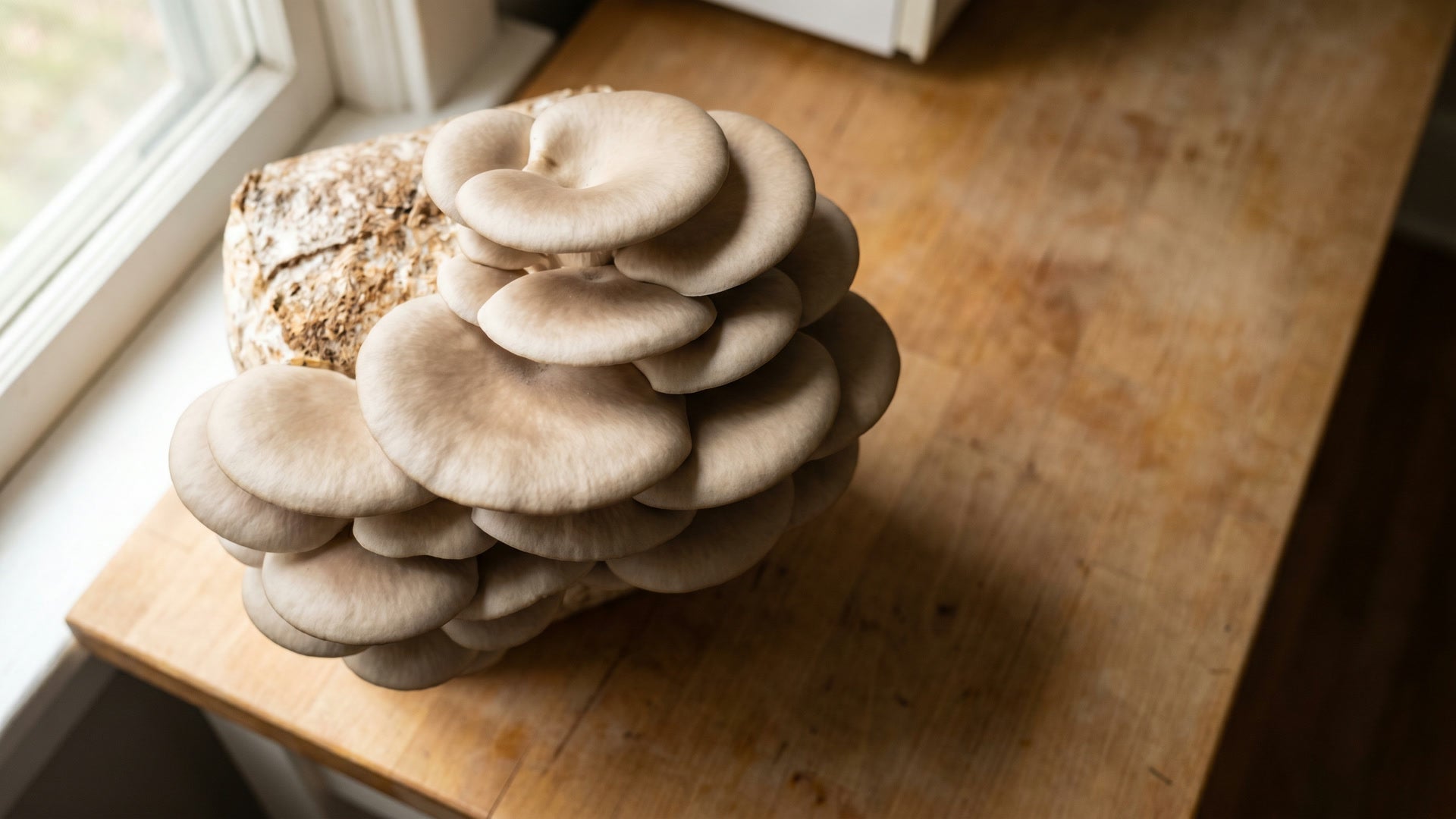
Oyster Mushrooms: The Speed Champions
Oyster mushrooms are among the fastest-colonizing species, making them perfect for beginners seeking quick results.
Typical Timeline:
-
Initial growth visible: 3-7 days
-
50% colonization: 7-10 days
-
Full colonization: 14-21 days
-
Total time to fruiting: 2-3 weeks
Oyster mushrooms are incredibly forgiving and grow quickly, making them perfect for first-time growers. Their aggressive growth pattern helps them outcompete most contaminants, improving success rates for beginners.
Shiitake Mushrooms: Steady and Reliable
Shiitake mushrooms colonize at a moderate pace but produce exceptional yields and flavor.
Typical Timeline:
-
Initial growth visible: 5-10 days
-
50% colonization: 14-21 days
-
Full colonization: 21-35 days
-
Total time to fruiting: 3-5 weeks
The rate at which spawn run happens will vary given the density of the substrate and species of mushroom. Oyster, for instance, is faster growing than shiitake, but shiitake's slower growth often results in denser, higher-quality fruiting bodies.
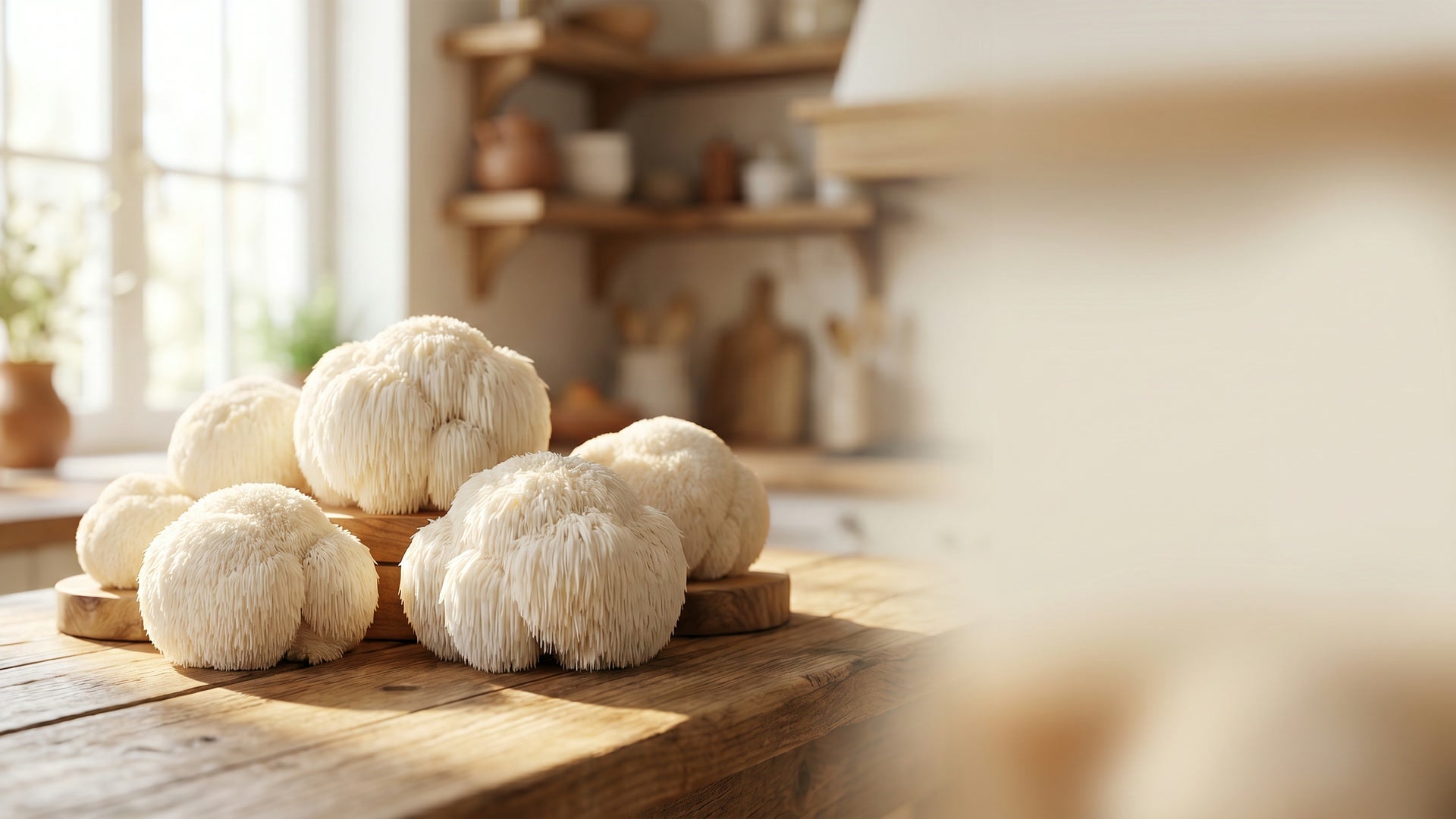
Lion's Mane: Patience Required
Lion's Mane mushrooms require the most patience but reward growers with unique, high-value harvests.
Typical Timeline:
-
Initial growth visible: 7-14 days
-
50% colonization: 21-28 days
-
Full colonization: 28-42 days
-
Total time to fruiting: 4-6 weeks
Lion's Mane mycelium can look thin and wispy, so close inspection is required. It can sometimes look like colonization is incomplete even though it's fully colonized. The mycelium is often finer than other species and can be easily overlooked when grown for the first time.

For those interested in growing Lion's Mane mushrooms specifically, the comprehensive Lion's Mane mushroom cultivation guide provides detailed insights into optimizing colonization times and managing this unique species' specific requirements.
Environmental Factors Affecting Colonization Speed
Temperature: The Primary Driver
Temperature is the most critical factor affecting mycelium colonization speed. Each species has an optimal temperature range for maximum growth:
Optimal Colonization Temperatures:
-
Oyster mushrooms: 70-78°F (21-26°C)
-
Shiitake: 70-75°F (21-24°C)
-
Lion's Mane: 70-75°F (21-24°C)
Most mushrooms require temperatures between 65-75°F for optimal colonization. Try to keep it consistent and avoid temperature fluctuations. Higher temperatures within the optimal range generally accelerate growth, while lower temperatures slow it down significantly.
Humidity and Moisture Content
Proper moisture levels in the substrate are essential for healthy mycelial growth:
Substrate Moisture Guidelines:
-
Optimal moisture content: 60-65%
-
Field capacity test: When squeezed, substrate should hold together but only release 1-2 drops of water
-
Avoid oversaturation: Excess moisture prevents air exchange and promotes contamination
Air Exchange Requirements
Mycelium needs oxygen to grow and develop properly. During colonization, the mycelium needs minimal but adequate air exchange to prevent CO2 buildup:
Air Exchange Best Practices:
-
Use bags with filter patches for passive air exchange
-
Avoid completely sealed containers
-
Ensure filter ports remain unobstructed
-
Monitor for signs of insufficient air exchange (slow growth, unusual odors)
Optimizing Colonization Conditions for Faster Results
Choosing Quality Spawn
The foundation of fast colonization starts with high-quality spawn:
Spawn Quality Indicators:
-
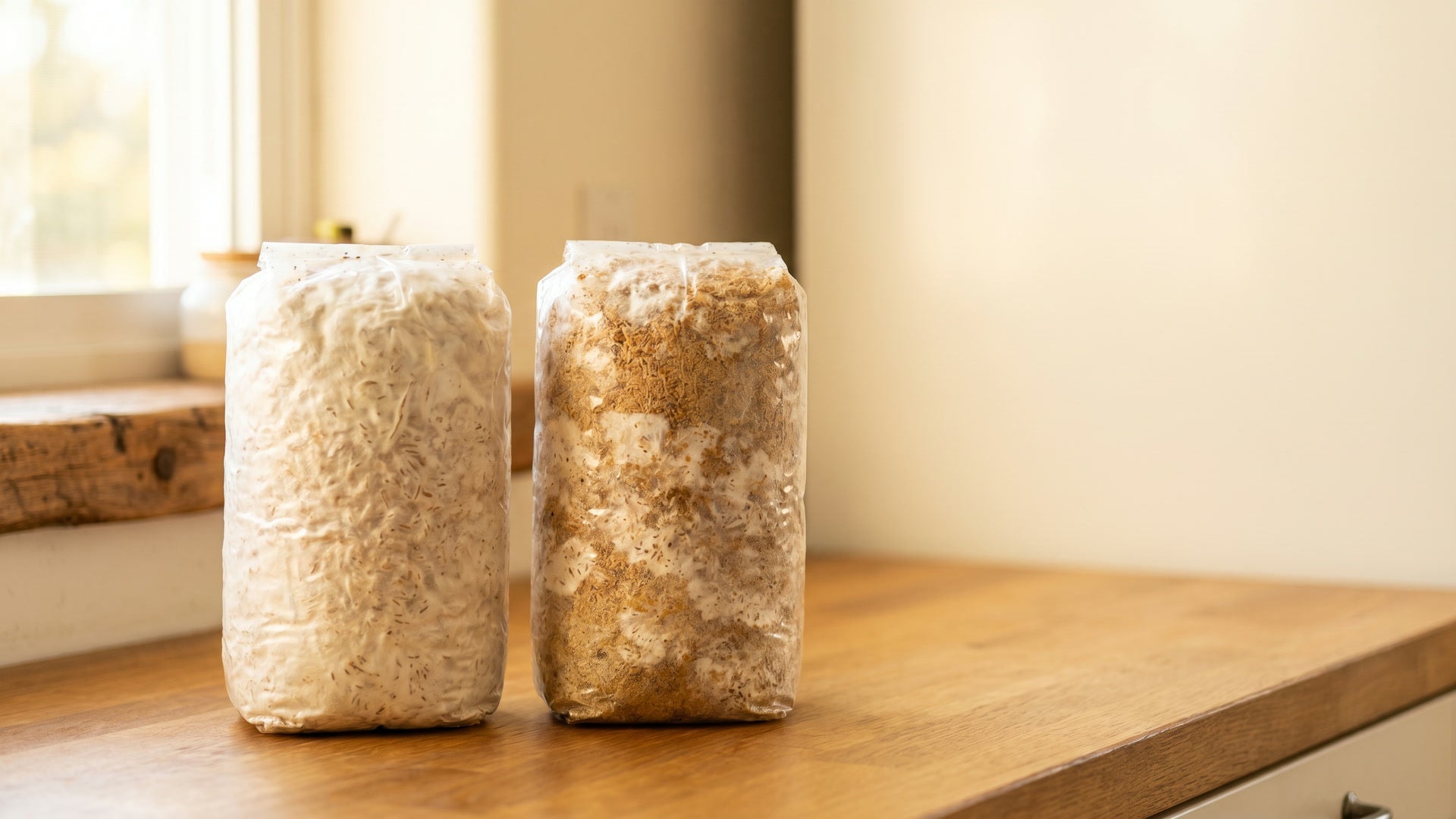
Vigorous white mycelium throughout
-
No off-colors or unusual odors
-
Recent production date
-
Proper storage conditions maintained
Using fresh, vigorous spawn can reduce colonization time by 30-50% compared to older or stressed cultures. Always source spawn from reputable suppliers with proven track records.
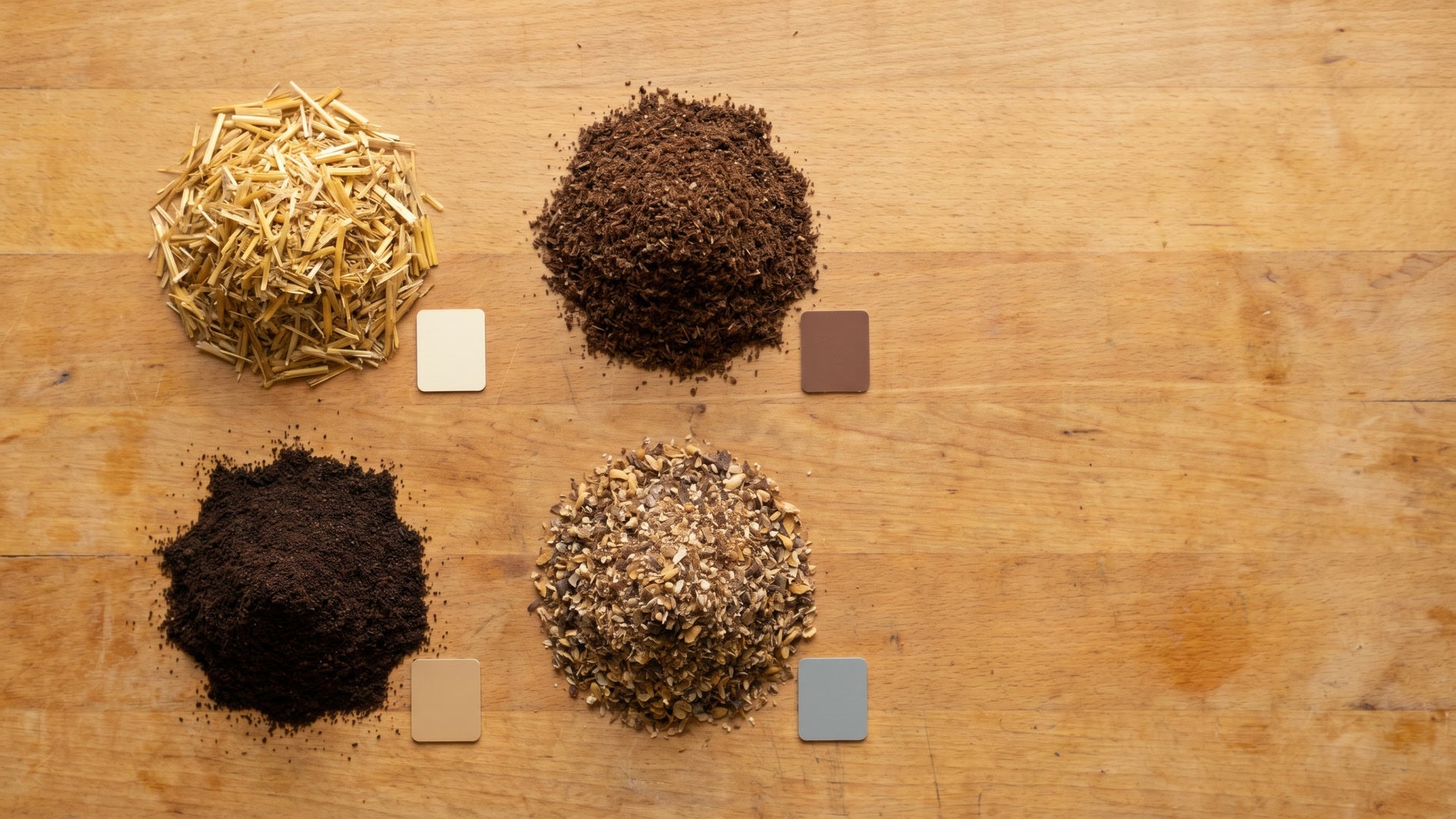
Substrate Preparation Techniques
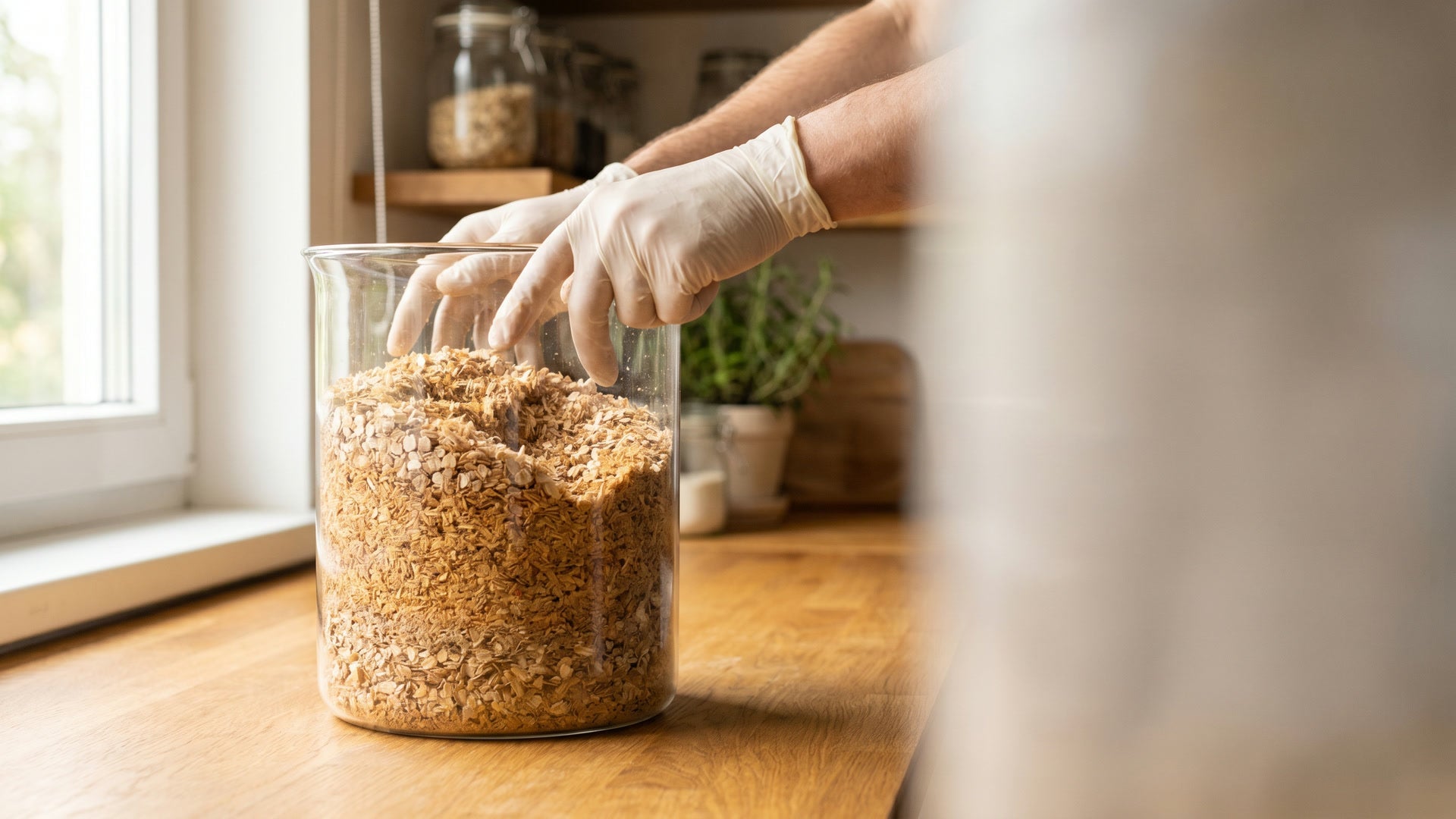
Proper substrate preparation creates optimal conditions for rapid mycelial growth:
Preparation Best Practices:
-
Achieve proper moisture content (60-65%)
-
Ensure adequate nutrition without over-supplementation
-
Maintain proper particle size for good air circulation
-
Sterilize or pasteurize to eliminate competing microorganisms
Inoculation Rate Strategy
The amount of spawn used significantly affects colonization speed:
Inoculation Rate Guidelines:
-
Standard rate: 10-20% of substrate weight
-
Higher rates (20-30%): Faster colonization but higher costs
-
Lower rates (5-10%): Slower but more economical
Higher inoculation rates provide multiple advantages: faster colonization, better contamination resistance, and more uniform mycelial distribution throughout the substrate.
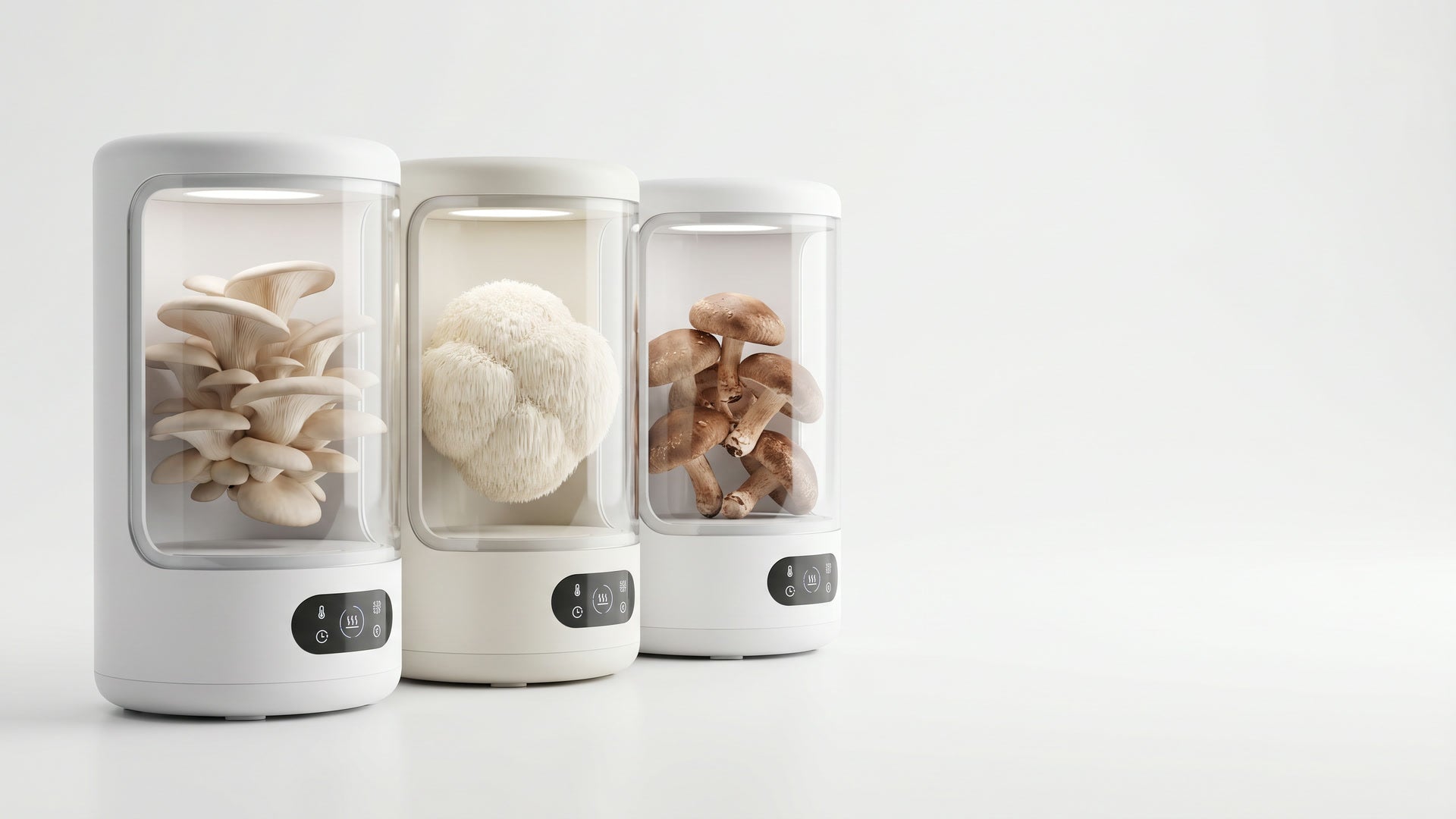
For home cultivators looking to optimize their growing environment, the Lykyn Smart Mushroom Grow Chamber provides automated environmental control that maintains optimal temperature, humidity, and air exchange throughout the colonization period, significantly improving success rates and colonization speed.
Monitoring Colonization Progress
Visual Indicators of Healthy Growth
Learning to recognize healthy mycelial development helps you track progress and identify potential problems:
Healthy Colonization Signs:
-
Bright white, fluffy mycelial growth
-
Even distribution throughout substrate
-
Pleasant, earthy mushroom aroma
-
Firm substrate texture as mycelium binds particles
Contamination Warning Signs
Early detection of contamination prevents total crop loss:
Contamination Indicators:
-
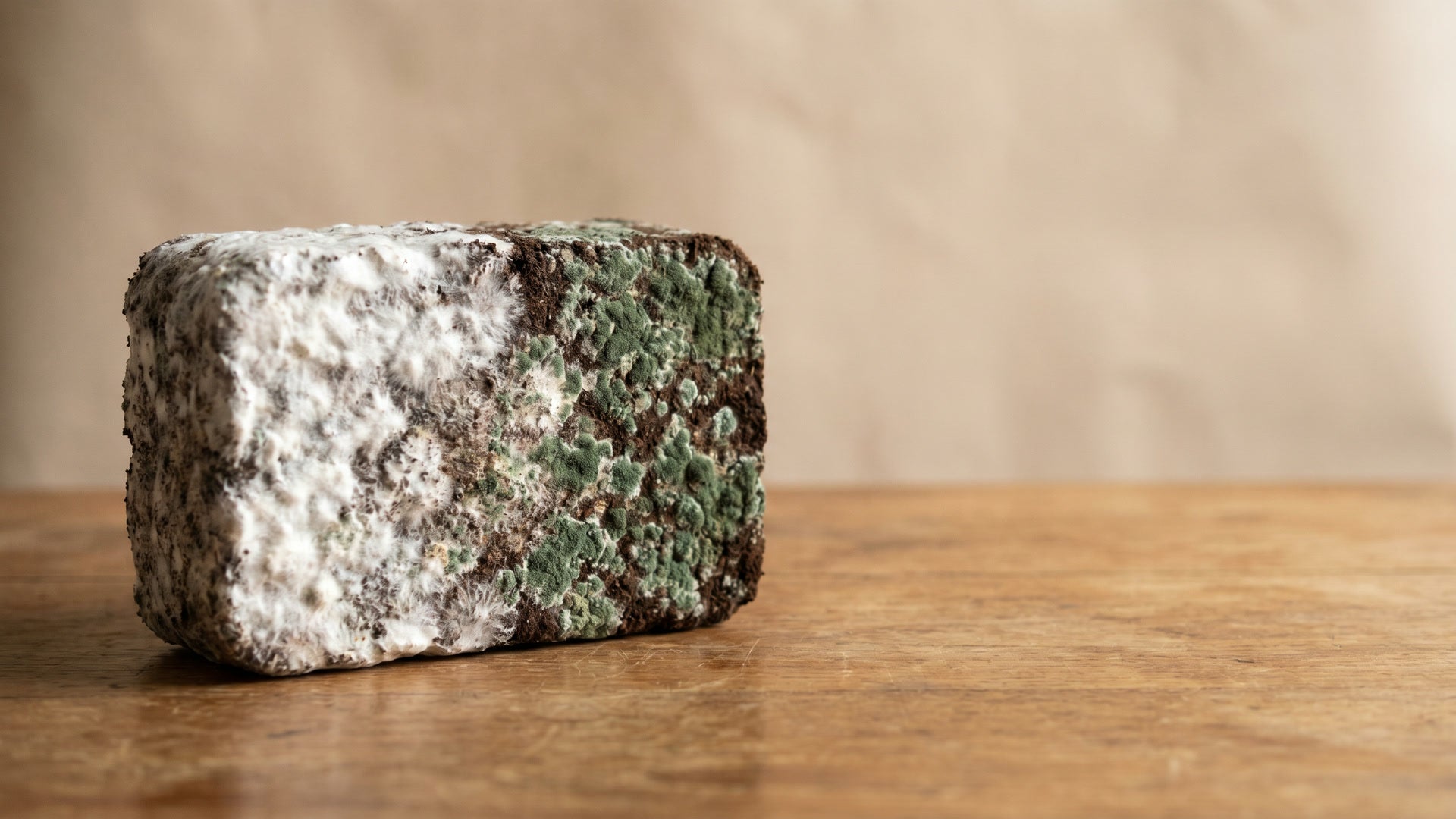
Green, blue, or black coloration (mold)
-
Foul, sour, or unusual odors
-
Slimy or wet texture in affected areas
-
Bacterial films or unusual growth patterns
If contamination affects less than 20% of the bag and appears as isolated spots, the mycelium may successfully contain it. However, widespread contamination typically requires disposal of the entire bag.
Timing Intervention Strategies
Understanding when and how to intervene can accelerate colonization:
Intervention Techniques:
-
Breaking up grain spawn at 30-50% colonization
-
Adjusting environmental conditions based on progress
-
Providing gentle mixing for even distribution
-
Increasing temperature slightly if growth stalls
Troubleshooting Slow Colonization
Common Causes of Delayed Growth
When colonization takes longer than expected, several factors may be responsible:
Environmental Issues:
-
Temperature too low or inconsistent
-
Insufficient air exchange
-
Improper moisture levels
-
Excessive light exposure
Substrate Problems:
-
Poor nutrition balance
-
Contamination presence
-
Incorrect pH levels
-
Oversaturation or drought stress
Solutions for Accelerating Growth
If colonization appears stalled, try these proven techniques:
Temperature Optimization:
-
Gradually increase temperature within optimal range
-
Provide consistent heating source
-
Monitor daily temperature fluctuations
-
Use heating mats or controlled environments
Air Exchange Improvement:
-
Gently pull bag sides to introduce fresh air
-
Check filter patches for blockages
-
Ensure adequate ventilation in growing area
-
Consider upgrading to better filtration systems
For advanced growers interested in liquid culture techniques that can significantly accelerate colonization, the detailed Lion's Mane liquid culture guide covers methods for creating fast-colonizing inoculums that reduce overall timeline by 1-2 weeks.
Advanced Techniques for Professional Results
Grain-to-Grain Transfers
Experienced growers often use grain-to-grain transfers to multiply spawn and accelerate colonization:
Transfer Process:
-
Select fastest-colonizing grain spawn
-
Break apart colonized grain under sterile conditions
-
Use as inoculum for new substrate bags
-
Achieve faster colonization than original spawn
Multi-Strain Strategies
Some cultivators use multiple strains to optimize colonization performance:
Strain Selection Benefits:
-
Faster overall colonization
-
Improved contamination resistance
-
Enhanced genetic diversity
-
Better environmental adaptation
Environmental Automation
Modern mushroom cultivation increasingly relies on automated environmental controls:
Automation Advantages:
-
Consistent optimal conditions
-
Reduced labor requirements
-
Better contamination prevention
-
Improved colonization predictability
The Lykyn Smart Mushroom Grow Chamber represents the latest in cultivation automation, using smart sensors and app control to maintain perfect colonization conditions without constant manual monitoring.
Commercial vs. Home Growing Timelines
Commercial Production Considerations
Commercial growers optimize colonization for efficiency and profitability:
Commercial Optimization:
-
Higher inoculation rates for speed
-
Controlled environment facilities
-
Standardized substrate formulations
-
Predictable production schedules
Home Growing Adaptations
Home cultivators can achieve excellent results with simpler approaches:
Home Growing Strategies:
-
Use proven beginner-friendly species
-
Start with quality grow kits or spawn
-
Focus on environmental consistency
-
Learn from each cultivation cycle
For those just starting their mushroom growing journey, the comprehensive mushroom grow kit for beginners guide provides step-by-step instructions for achieving reliable colonization results from day one.
Frequently Asked Questions About Mycelium Colonization
How do I know when colonization is complete?
Full colonization occurs when the entire substrate appears uniformly white with mycelium, with little or no uncolonized substrate remaining. The bag should feel firm to the touch, and you may notice a pleasant, earthy mushroom aroma.
Can I speed up colonization safely?
Yes, within limits. Increasing temperature to the upper end of the optimal range, ensuring proper moisture and air exchange, and using higher inoculation rates can safely accelerate colonization without compromising quality.
What should I do if colonization stalls halfway?
First, check environmental conditions (temperature, humidity, air exchange). If conditions are optimal, gently break up the mycelium inside the bag to redistribute it. Sometimes colonization appears stalled but resumes after redistribution.
Is partial colonization sufficient for fruiting?
While some growers fruit at 75-80% colonization, complete colonization generally produces better yields and reduces contamination risks. Patience usually pays off with healthier, more productive mushrooms.
How long can I wait after full colonization before fruiting?
Fully colonized bags can typically wait 1-2 weeks before fruiting without significant quality loss. However, prompt initiation of fruiting conditions generally produces the best results.
Summary: Mastering Mycelium Colonization Timelines
Understanding mycelium colonization timelines is fundamental to successful mushroom cultivation, whether you're growing for personal consumption or considering commercial production. Most species complete colonization within 2-6 weeks under optimal conditions, with oyster mushrooms being fastest and Lion's Mane requiring the most patience.
Key factors for optimizing colonization speed: Maintain species-appropriate temperatures (typically 70-75°F), ensure proper substrate moisture (60-65%), provide adequate air exchange, and start with high-quality spawn from reputable sources. Environmental consistency throughout the colonization period significantly impacts both speed and success rates.
The Lykyn Smart Mushroom Grow Chamber eliminates much of the guesswork in achieving optimal colonization conditions through automated environmental control, making consistent results accessible to growers of all experience levels. This technology particularly benefits slower-colonizing species like Lion's Mane, where environmental stability is crucial for success.
Remember that successful mushroom cultivation is as much about patience and observation as it is about technique. Each colonization cycle provides valuable learning opportunities that improve your skills and increase future success rates. With proper knowledge, preparation, and attention to detail, you can achieve reliable colonization timelines and enjoy the satisfaction of growing your own fresh, healthy mushrooms at home.
Share:
Mushroom Fruiting Body: The Complete Guide to Formation, Development, and Home Cultivation
Growing Oyster Mushrooms in Buckets: Complete Beginner's Guide to Home Cultivation