


The mushroom fruiting body represents one of nature's most fascinating reproductive structures, transforming from invisible mycelium into the recognizable mushrooms we harvest and enjoy. Understanding fruiting body formation is essential for anyone interested in mushroom cultivation, whether you're a beginner with your first grow kit or an experienced cultivator seeking better yields.

Quick Answer: A mushroom fruiting body is the reproductive structure that emerges from mycelium, consisting of a stem, cap, and spore-producing gills or pores. These structures develop when environmental conditions trigger the transition from vegetative growth to reproduction, typically requiring specific humidity, temperature, and light conditions.
What Is a Mushroom Fruiting Body?
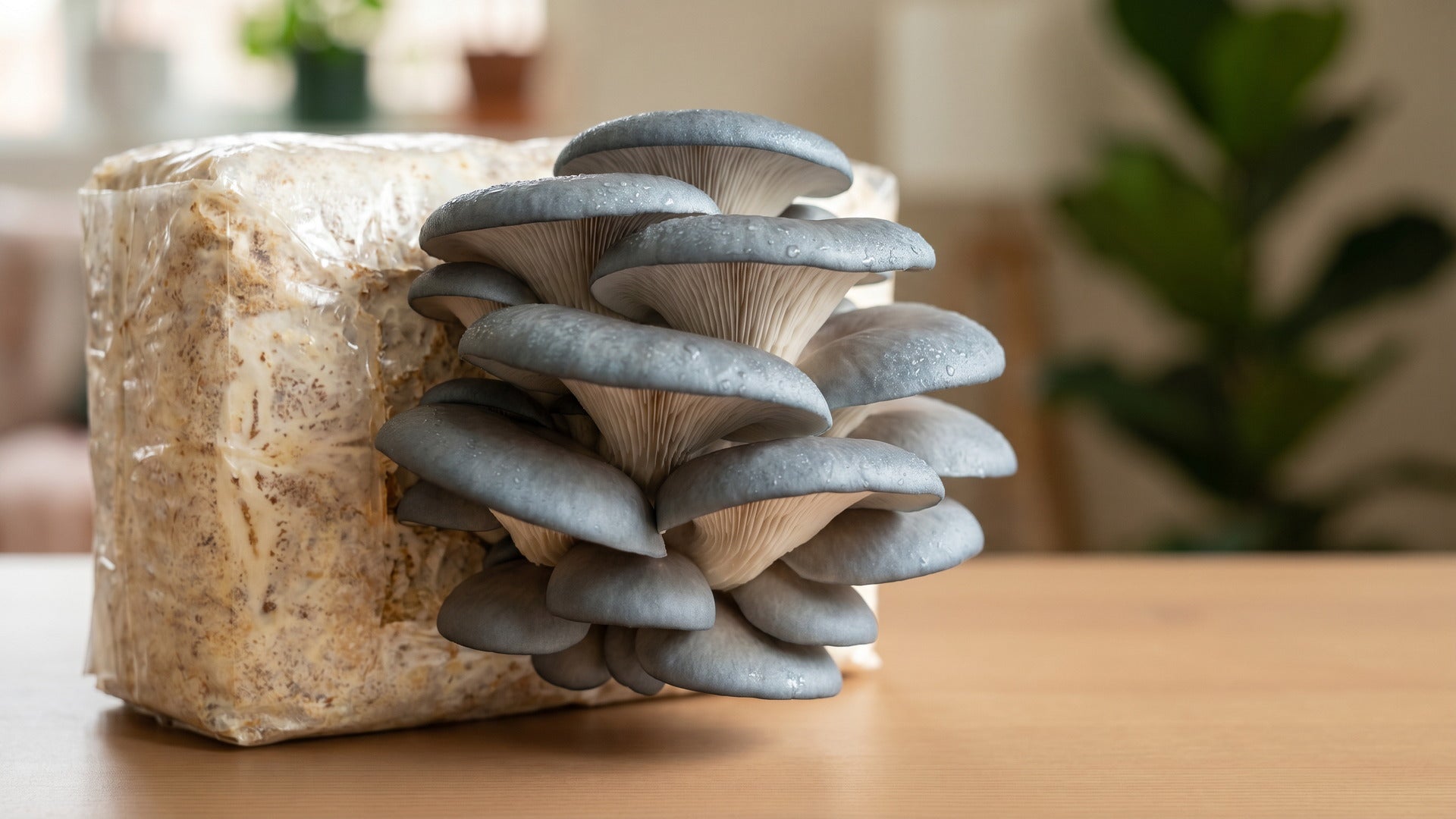
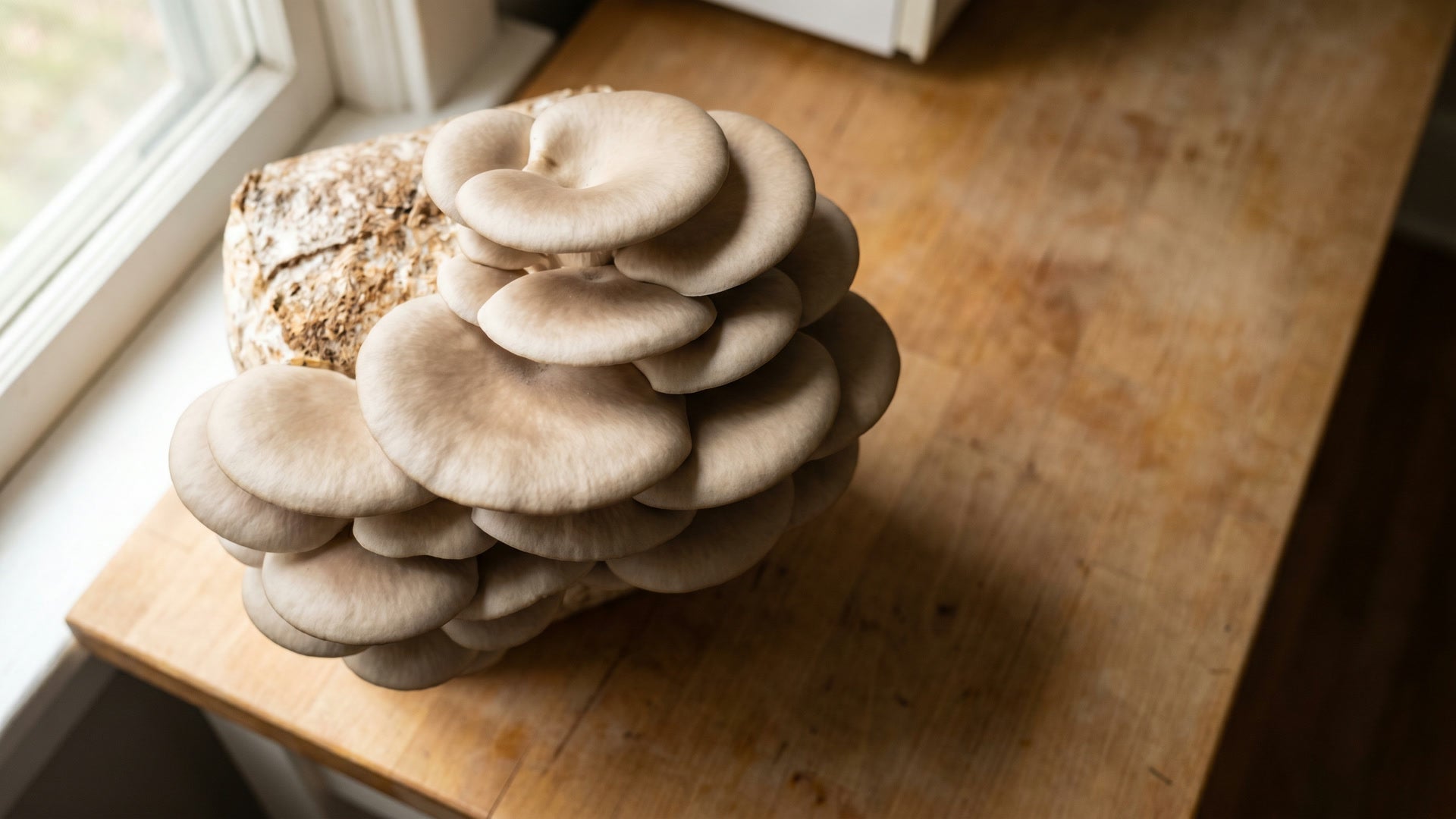
A mushroom or toadstool is the fleshy, spore-bearing fruiting body of a fungus, typically produced above ground on soil or another food source. The fruiting body is what most people think of when they picture a mushroom, the visible cap and stem structure that emerges from the substrate.
Key Components of Mushroom Fruiting Bodies:
-
Cap (Pileus): The umbrella-like top portion containing spores
-
Stem (Stipe): The supportive structure elevating the cap
-
Gills or Pores: Spore-producing surfaces underneath the cap
-
Spores: Microscopic reproductive cells released for propagation
The fruiting body of the mushroom contains high concentrations of beta-glucans, triterpenes, and other special compounds like cordycepin. This concentration of beneficial compounds makes fruiting bodies particularly valuable for both culinary and medicinal applications.
Fruiting Body vs. Mycelium: Understanding the Difference
While mycelium forms the vegetative network that absorbs nutrients and colonizes substrates, the fruiting body is the easily-identifiable, above-the-surface "fruit" that we typically think of when we think of a mushroom. Think of this relationship like an apple tree: mycelium is the tree itself, while the fruiting body is the apple it produces.
The Science Behind Fruiting Body Formation
A mushroom develops from a nodule, or pinhead, less than two millimeters in diameter, called a primordium, which is typically found on or near the surface of the substrate. This remarkable transformation involves several distinct stages that occur under specific environmental conditions.
Stages of Fruiting Body Development
1. Hyphal Knot Formation The process begins when mycelial threads aggregate into dense clusters called hyphal knots. These dense clusters of hyphae serve as the precursor to primordia, triggered by specific environmental cues and metabolic changes within the mycelium.
2. Primordia Development During primordia formation, the mushroom produces enzymes so that it can develop its fruiting body. These small pin-like structures represent the earliest visible stage of mushroom development.
3. Fruiting Body Expansion The mushroom can rapidly pull in water from its mycelium and expand, mainly by inflating preformed cells that took several days to form in the primordia. This rapid expansion is why mushrooms seem to appear overnight.
4. Maturation and Spore Release The final stage involves cap expansion, spore production, and eventual spore release to complete the reproductive cycle.
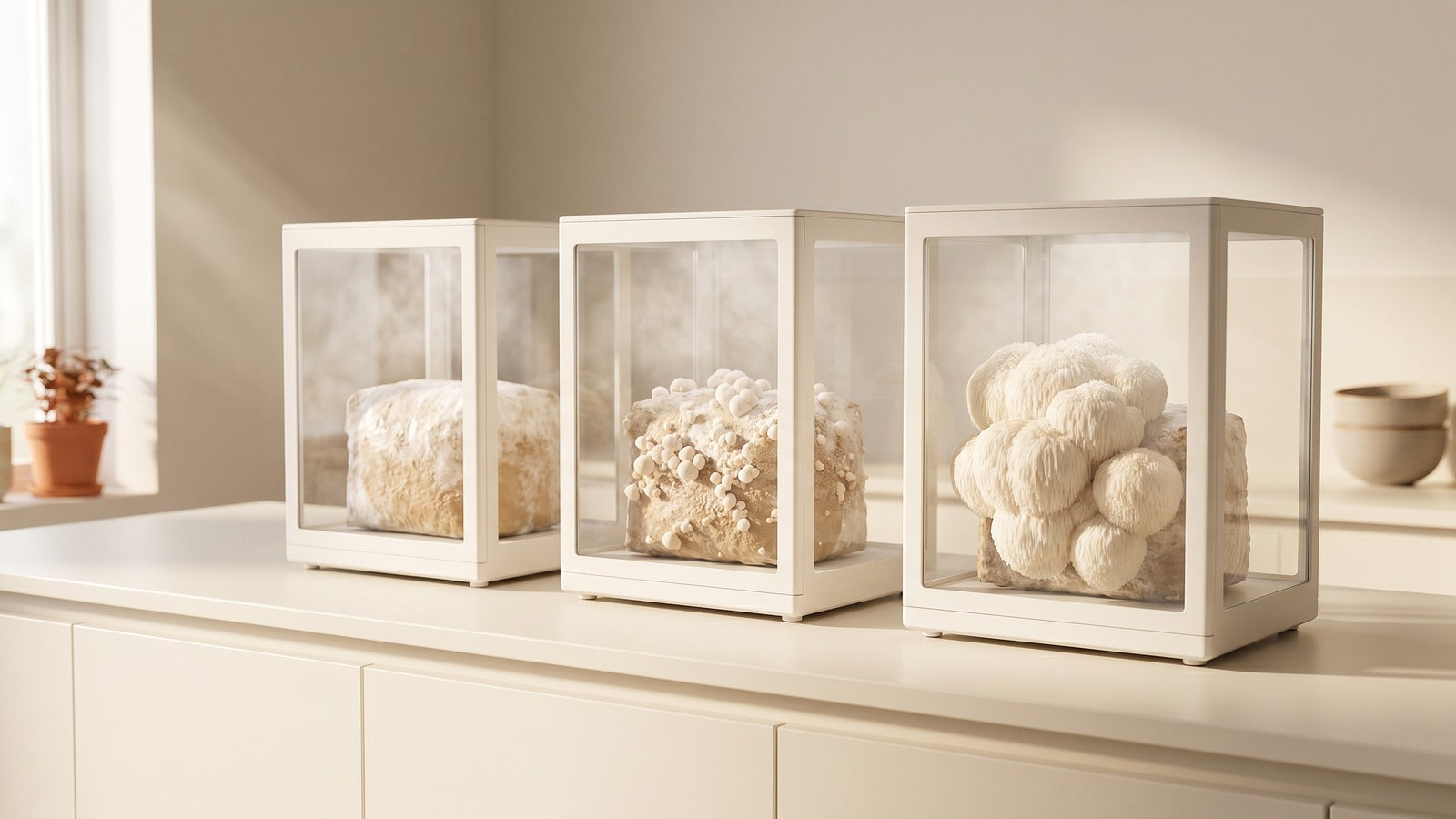
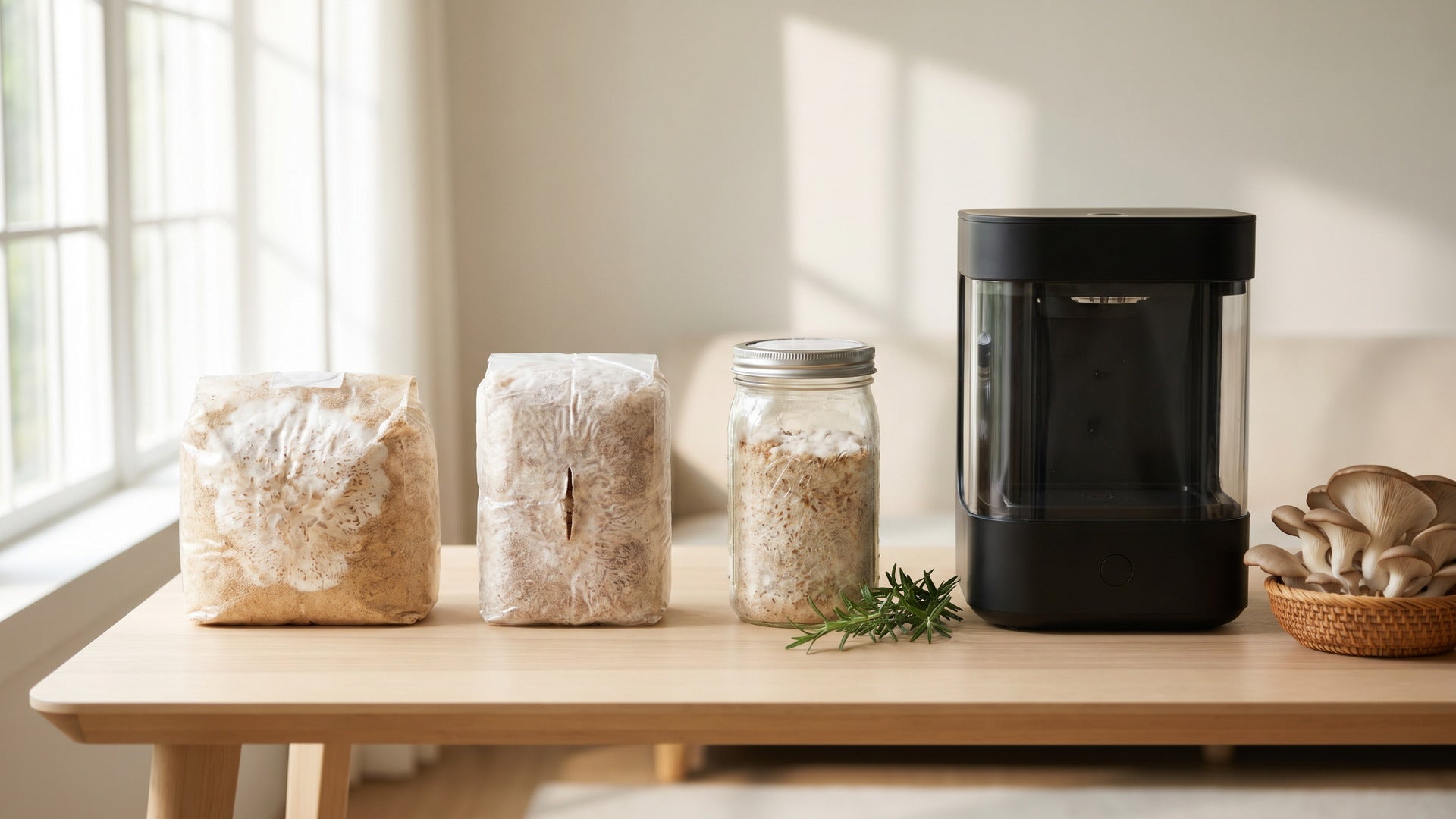
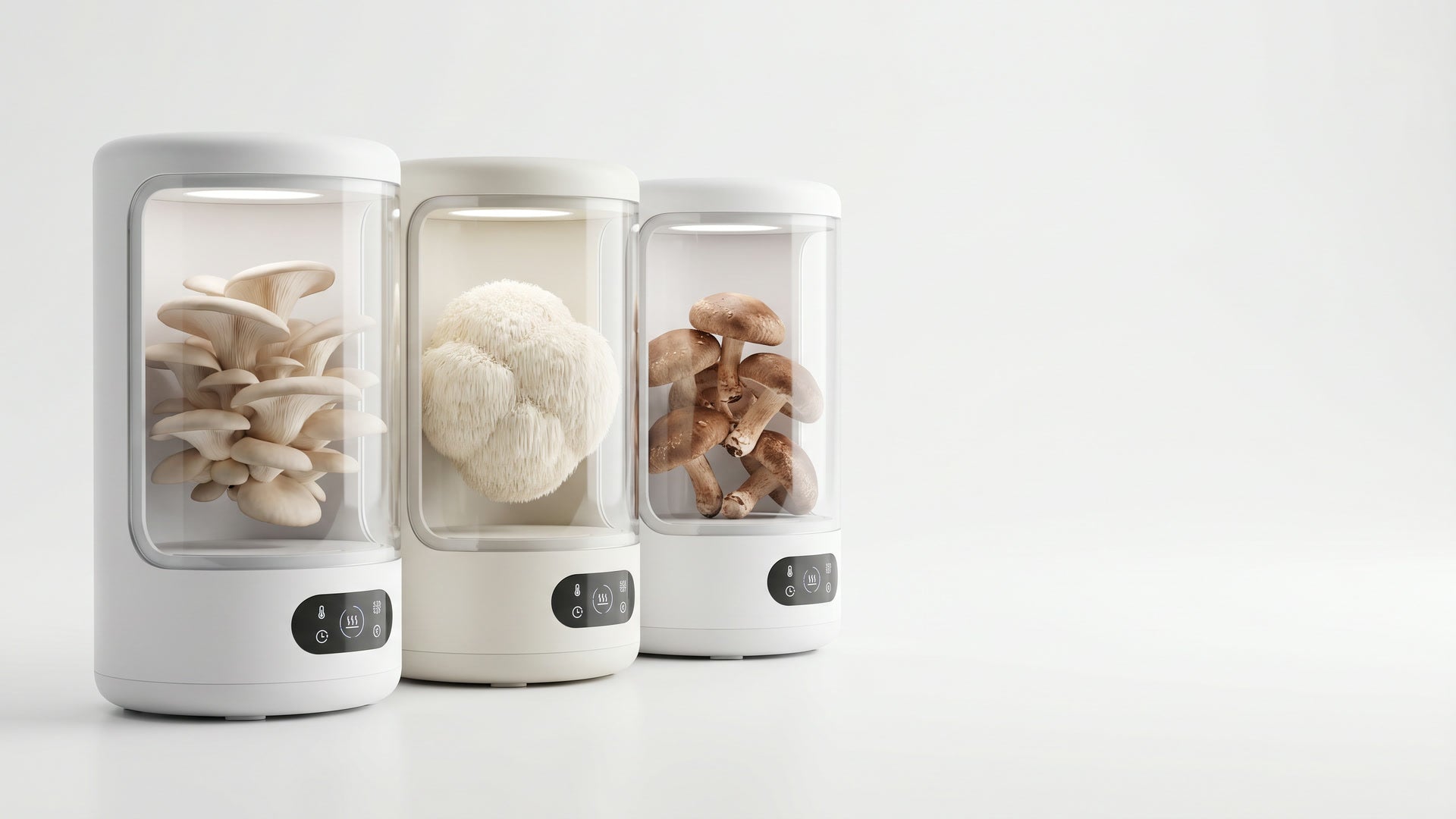
For home cultivators interested in growing their own mushrooms, the Lykyn Smart Mushroom Grow Chamber provides precise environmental control that optimizes each stage of fruiting body development through automated humidity, temperature, and airflow management.
Environmental Factors Affecting Fruiting Body Formation
Mushroom-forming fungi differentiate by sensing several environmental factors for fruiting body formation. For fruiting body induction, nutrient, temperature and light conditions are critical environmental factors.
Temperature Requirements
Temperature is one of the most critical factors in mushroom farming, as it affects the growth, development, and yield of mushrooms. Typically, the ideal temperature for mushroom cultivation is between 18-23°C (65-75°F).
Temperature Effects on Different Species:
-
Oyster Mushrooms: 60-75°F (15-24°C) for optimal development
-
Shiitake: Prefer slightly cooler conditions for dense, quality fruiting bodies
-
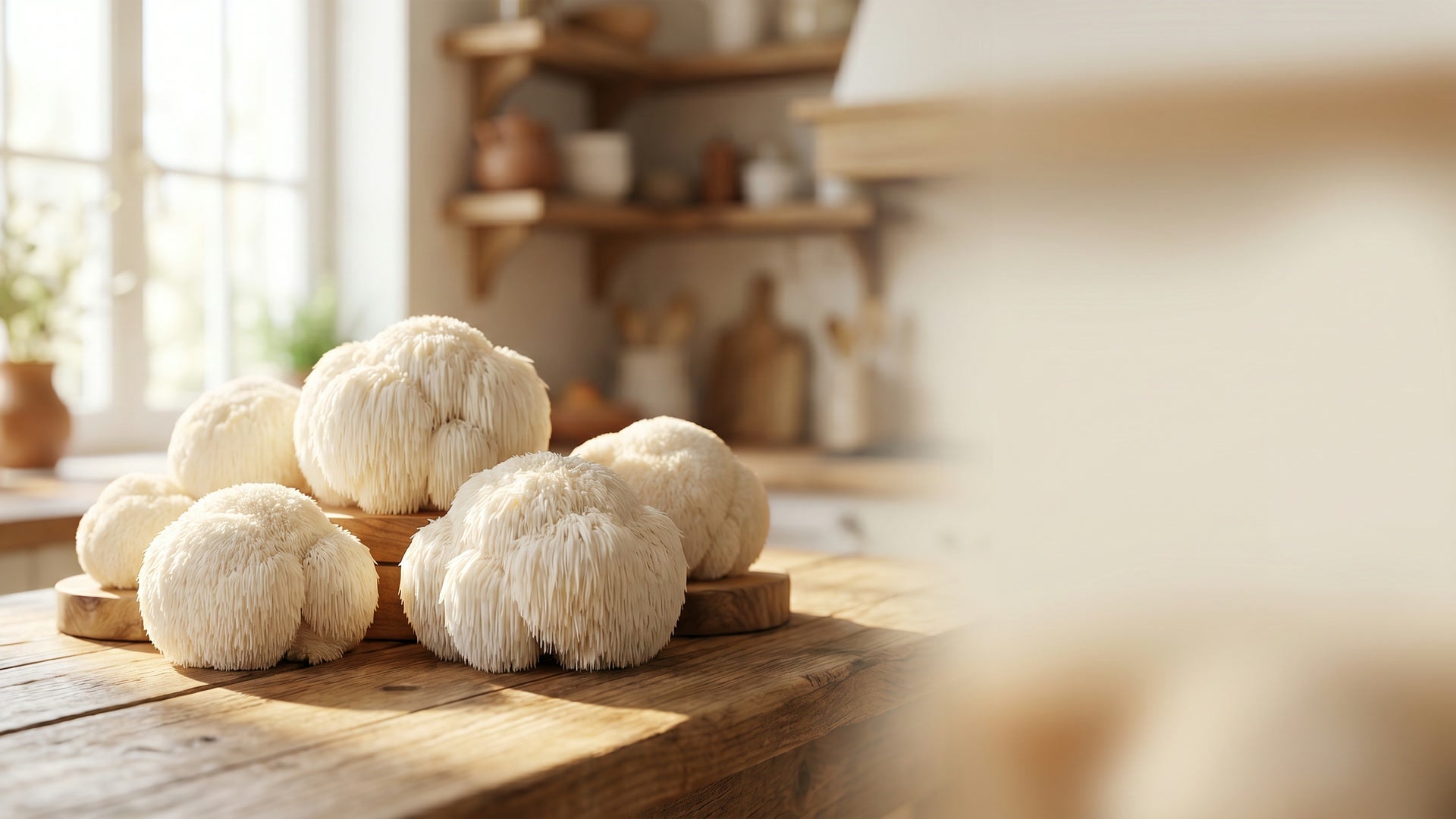
Lion's Mane: 60-65°F (15-18°C) produces the best quality fruiting bodies
Humidity Control
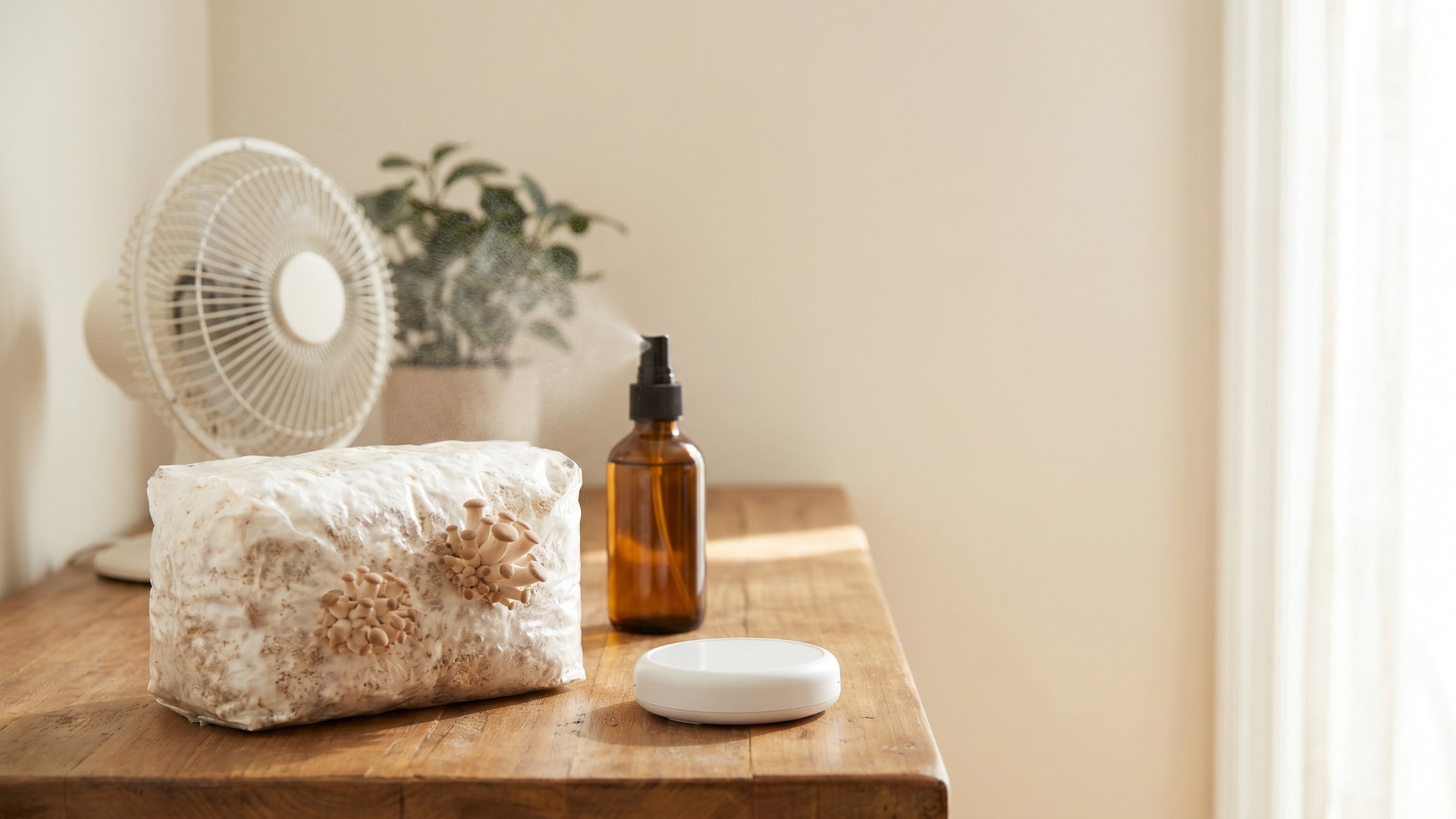
To successfully cultivate mushrooms, you should maintain an optimum air humidity of 85-95% relative humidity (RH). High humidity is crucial in ensuring proper mushroom development.
Humidity Guidelines by Growth Stage:
-
Colonization Phase: 30-40% relative humidity sufficient
-
Primordia Formation: 80-90% relative humidity required
-
Fruiting Development: 85-95% relative humidity optimal
Light Exposure
For mushrooms to successfully form their fruiting body, light availability is crucial. This light needs to be dim and for only a few hours a day. Different species have varying light requirements:
-
Most Species: Indirect sunlight or fluorescent lighting
-
Button Mushrooms: Prefer darkness during fruiting
-
Oyster Mushrooms: Benefit from 200 lux for 8-12 hours during primordia formation
Air Exchange and CO2 Management
Fresh air exchange is non-negotiable in mushroom cultivation. This process helps to regulate carbon dioxide levels, which, if too high, can stifle mycelium growth and fruit development.
Optimal Air Exchange Parameters:
-
During Colonization: Minimal exchange needed
-
Fruiting Phase: 3-5 fresh air exchanges per hour
-
CO2 Levels: Should remain below 1500 ppm during fruiting
Common Fruiting Body Problems and Solutions
Elongated or Stringy Growth
Cause: High CO2 levels cause elongated, thin fruiting bodies Solution: Increase fresh air exchange while maintaining humidity levels
Delayed or Absent Fruiting
Causes:
-
Insufficient environmental trigger (temperature shock, humidity changes)
-
High nitrogen levels in substrate
-
Inadequate light exposure
Solutions:
-
Implement cold shock treatment
-
Reduce nutrient levels
-
Provide appropriate lighting conditions
Small or Deformed Fruiting Bodies
Causes:
-
Poor nutrition in substrate
-
Excessive CO2 concentrations
-
Incorrect harvesting timing
Solutions:
-
Improve substrate formulation
-
Enhance ventilation systems
-
Harvest at optimal maturity
For those interested in learning advanced cultivation techniques, the Lion's Mane mushroom cultivation guide provides detailed insights into optimizing fruiting body development for this unique species.
Optimizing Fruiting Body Development for Home Growers
Substrate Preparation
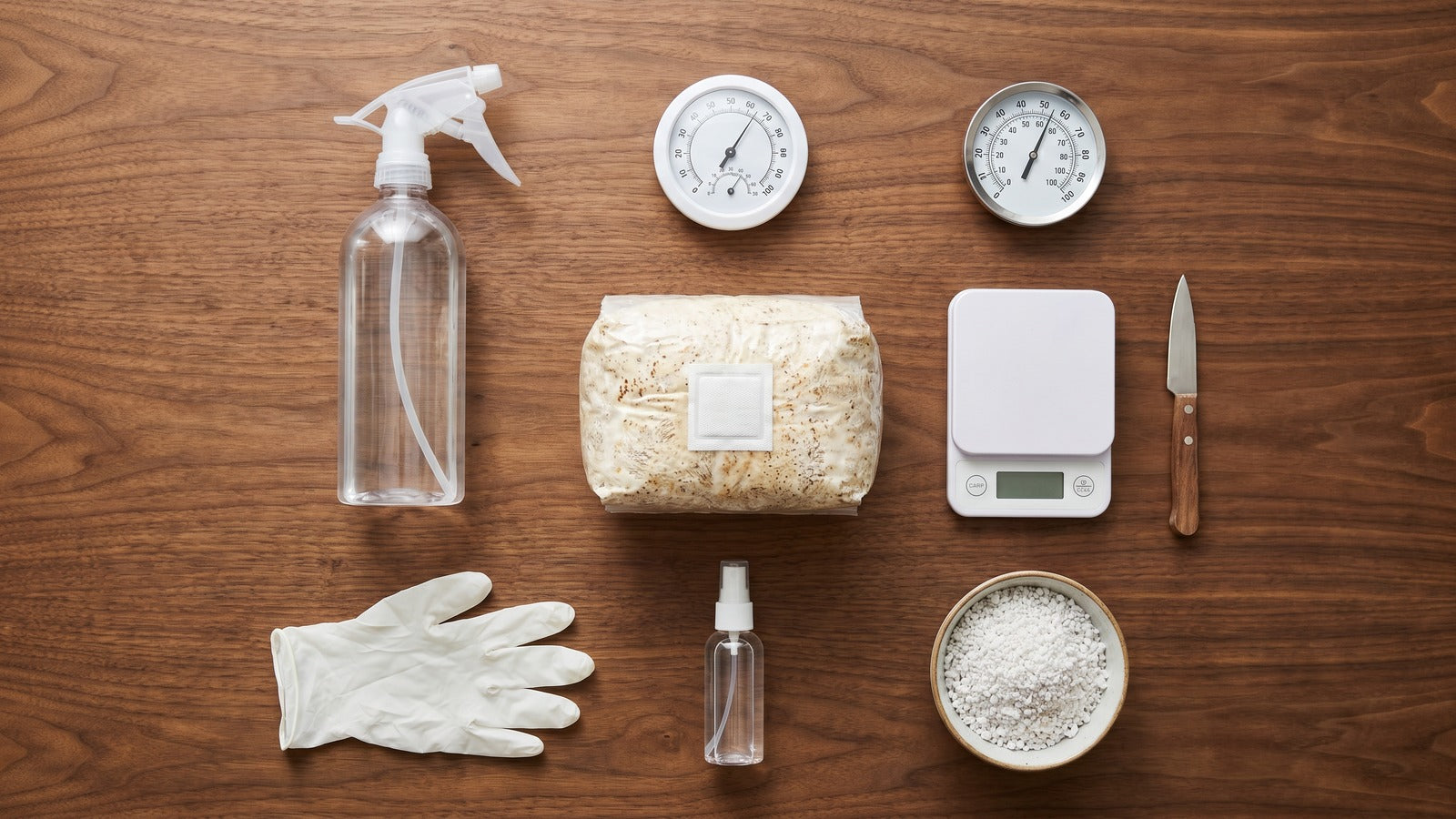
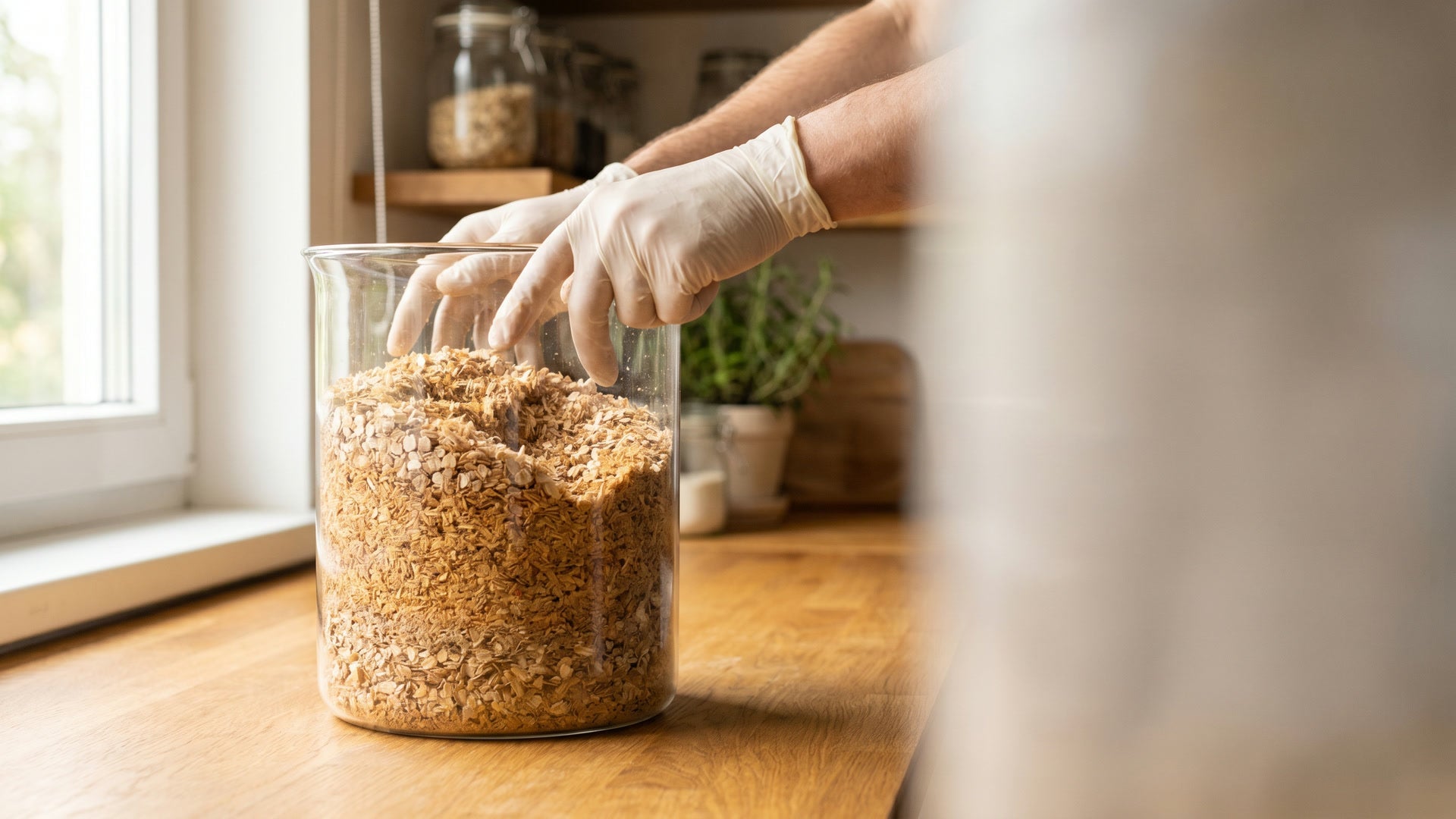
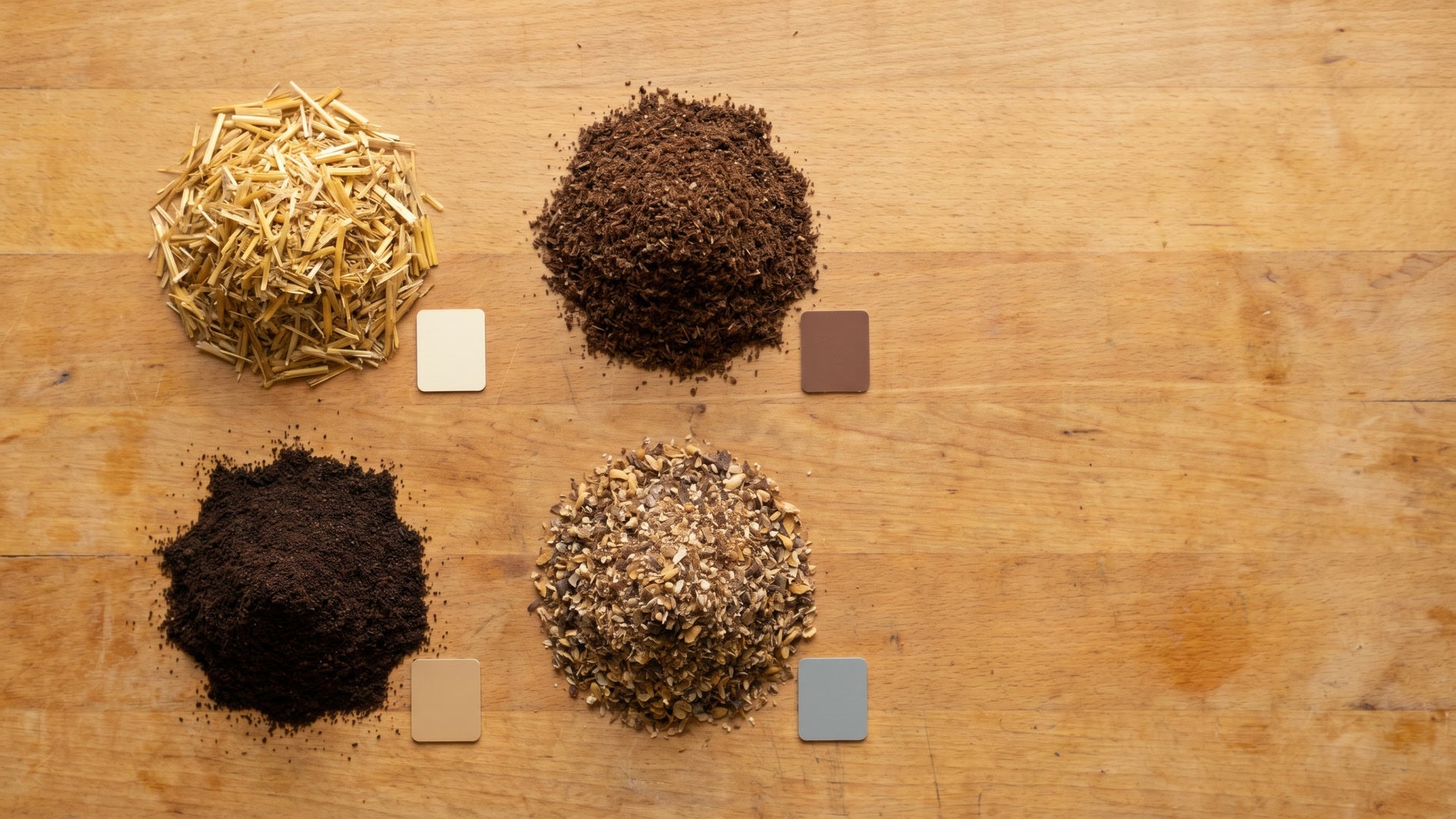
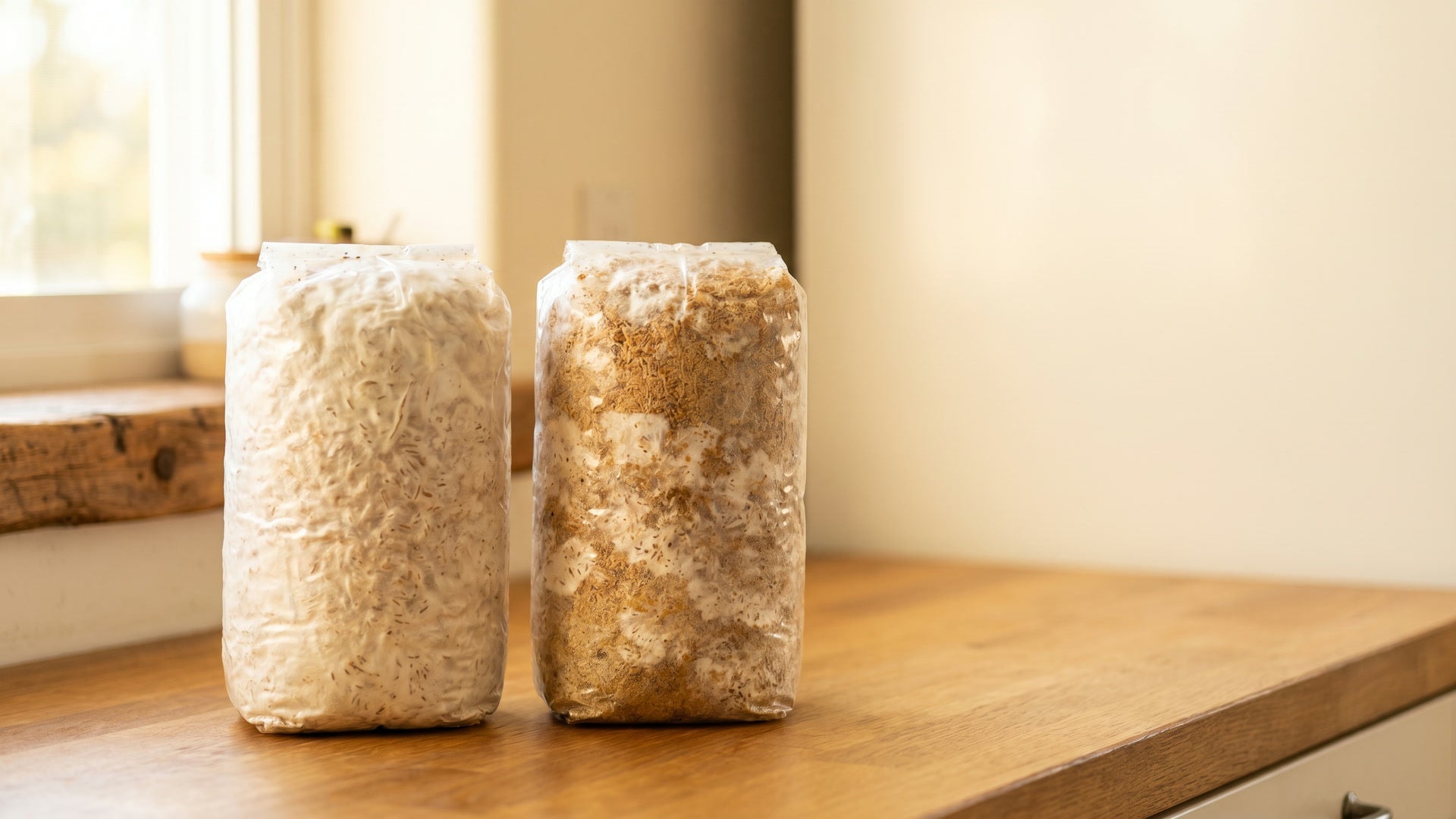
The foundation for quality fruiting bodies starts with proper substrate preparation. The mushroom substrate provides the nutrients and conditions mushrooms need to progress from spawn to fully developed fruiting bodies.
Key Substrate Considerations:
-
Proper carbon-to-nitrogen ratio
-
Adequate moisture content (60-65%)
-
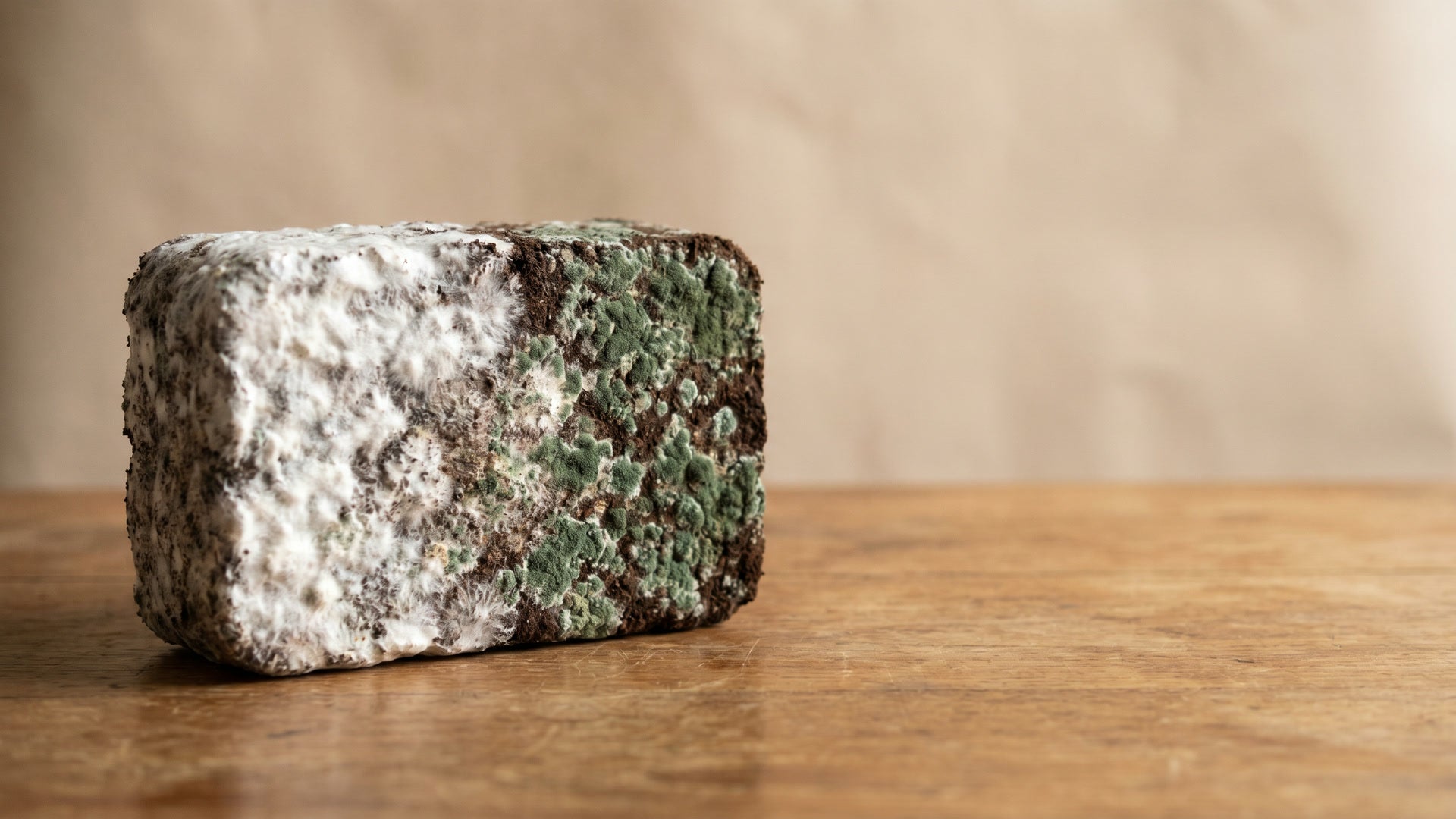
Effective sterilization to prevent contamination
-
Species-specific nutritional requirements
Timing Environmental Changes
Higher nitrogen and carbon sources in the media will suppress fruiting body induction in many mushroom-forming fungi, with induction being triggered by lower nitrogen and carbon concentrations.
Successful Fruiting Initiation Strategy:
-
Allow complete substrate colonization
-
Reduce available nutrients
-
Implement temperature shock (5-10°F decrease)
-
Increase humidity to 85-95%
-
Introduce appropriate lighting
Harvesting for Optimal Quality
The ideal moment to harvest is when the mushroom has fully developed its characteristic teeth (spines), but before it begins to discolor or deteriorate.
General Harvesting Guidelines:
-
Harvest before spore release for best texture
-
Cut at base with sharp, clean knife
-
Handle gently to avoid damage
-
Process immediately for longest shelf life
Advanced Techniques for Commercial-Quality Fruiting Bodies
Multiple Flush Management
Most fruiting substrates can produce multiple harvests or "flushes" of mushrooms. Second flush: Rest the block for 1-2 weeks, then soak in cold water for 12 hours to initiate another fruiting
Multi-Flush Strategy:
-
Allow complete recovery between flushes
-
Rehydrate substrate between cycles
-
Maintain optimal conditions for each flush
-
Expect decreasing yields with subsequent flushes
Environmental Automation
Modern mushroom cultivation benefits greatly from automated environmental control systems. The Lykyn Smart Mushroom Grow Chamber represents cutting-edge technology that automatically maintains optimal conditions for fruiting body development through:
-
Ultrasonic humidity control
-
Variable speed fans for air exchange
-
Smart sensors for real-time monitoring
-
App-based control and monitoring
For beginners interested in starting their mushroom cultivation journey, the comprehensive mushroom grow kit guide provides step-by-step instructions for achieving successful fruiting body development from day one.
Frequently Asked Questions About Mushroom Fruiting Bodies
How long does it take for fruiting bodies to develop?
Development time varies significantly by species and environmental conditions. Most mushroom varieties in grow kits produce their first harvest within 7-21 days. Oyster mushrooms typically fruit fastest (7-14 days), while shiitake mushrooms may take 14-21 days.
What triggers fruiting body formation in mushrooms?
Low temperature or temperature downshift is another critical influencing factor for fruiting body induction in many cultivated mushrooms. Additionally, reduced nitrogen levels, appropriate humidity, and light exposure all contribute to triggering the fruiting process.
Can you eat mushroom fruiting bodies raw?
While many mushroom fruiting bodies are technically edible raw, cooking is generally recommended. Raw consumption may cause digestive discomfort in some individuals due to the chitin in their cell walls, which becomes more digestible through cooking.
Why do some fruiting bodies abort during development?
Factors like overwatering, insufficient fresh air exchange, or other environmental stressors can cause aborts. Maintaining consistent optimal conditions throughout development minimizes abortion rates.
What's the difference between first and second flush fruiting bodies?
First flush mushrooms typically produce the largest, highest-quality fruiting bodies. Subsequent flushes often yield smaller mushrooms but can still provide excellent harvests with proper substrate management and environmental control.
Summary: Mastering Mushroom Fruiting Body Development
Understanding mushroom fruiting body formation is fundamental to successful mushroom cultivation, whether you're growing for personal consumption or commercial purposes. The transition from mycelium to mature fruiting body requires precise environmental control, proper timing, and attention to species-specific requirements.
Key takeaways for optimizing fruiting body development: Maintain appropriate humidity levels (85-95%), provide adequate fresh air exchange, control temperature within species-specific ranges, and time environmental changes to trigger healthy fruiting. Success depends on understanding that fruiting bodies are complex reproductive structures requiring specific conditions to develop properly.
The Lykyn Smart Mushroom Grow Chamber eliminates much of the guesswork in fruiting body cultivation by automatically maintaining optimal conditions through advanced sensors and controls. This technology makes achieving consistent, high-quality fruiting bodies accessible to growers of all experience levels.
From the initial formation of hyphal knots to the final harvest of mature fruiting bodies, each stage represents a carefully orchestrated biological process. By understanding and respecting these natural cycles, home cultivators can enjoy the satisfaction of growing their own fresh, flavorful mushrooms while gaining deeper appreciation for these remarkable organisms.
Share:
Recipes Using Chestnut Mushrooms: 7 Easy Home Cooking Ideas That'll Transform Your Kitchen
How Long for Mycelium to Colonize Bag: Complete Timeline Guide for Home Mushroom Growers