


Learning how to prepare oyster mushrooms properly transforms these versatile fungi from simple ingredients into culinary stars that enhance any dish. These fan-shaped, delicate mushrooms require specific techniques to maximize their flavor, texture, and visual appeal, making proper preparation essential for achieving restaurant-quality results in your home kitchen.
Oyster mushrooms stand out among fungi for their tender texture, mild flavor, and forgiving nature that makes them perfect for both novice and experienced cooks. Understanding the fundamental principles of oyster mushroom preparation, from initial selection through final cooking, ensures consistent, delicious results while avoiding common mistakes that can compromise their delicate qualities.

Understanding Oyster Mushroom Varieties
Common Oyster Mushroom Types
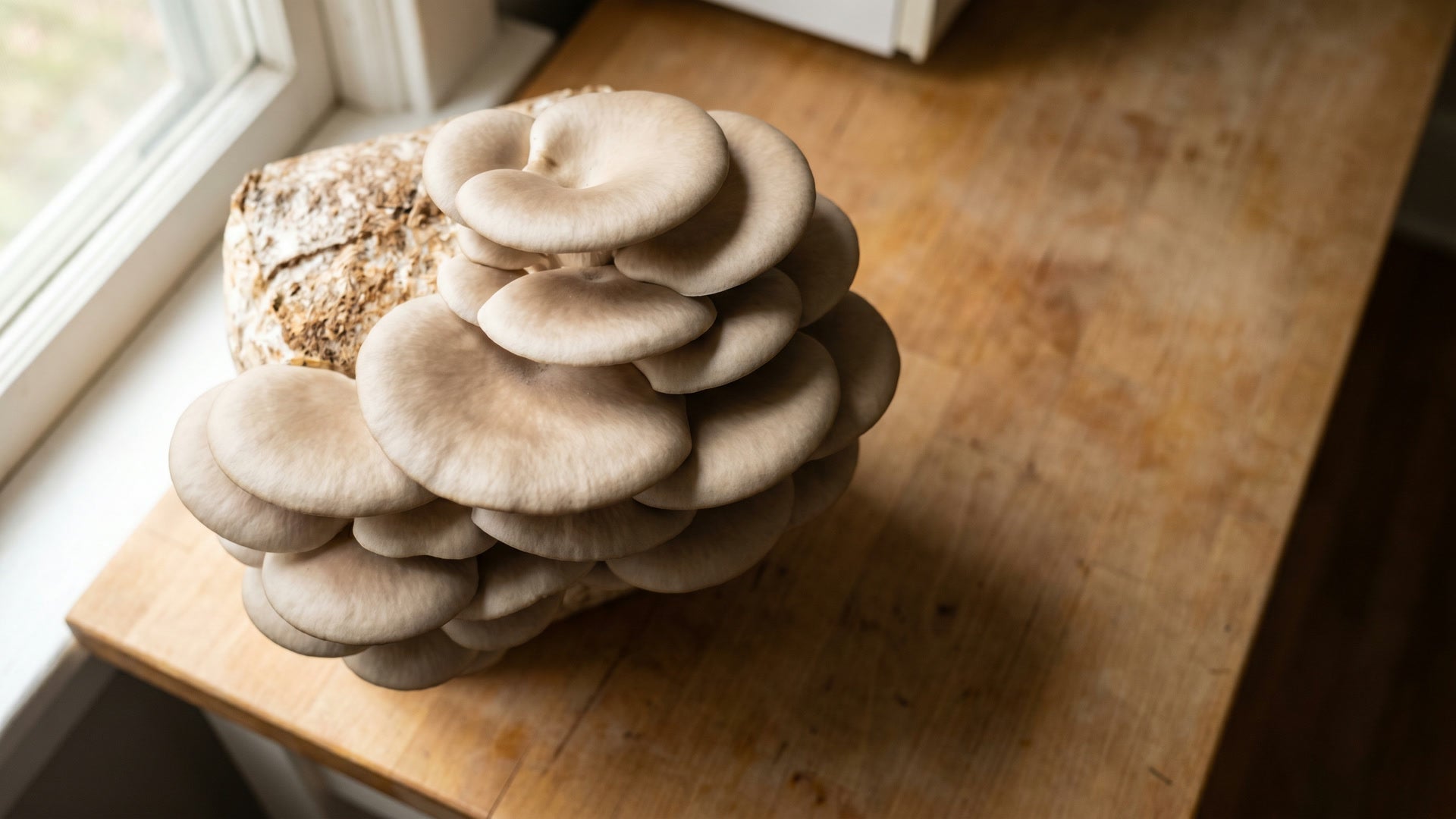
Pearl Oyster Mushrooms (Pleurotus ostreatus)
- Most widely available variety with cream to light brown caps
- Mild, slightly sweet flavor with subtle seafood undertones
- Tender texture that cooks quickly and evenly
- Perfect for beginners learning preparation techniques
King Oyster Mushrooms (Pleurotus eryngii)
- Large, thick stems with small caps
- Meaty texture similar to scallops when properly prepared
- More substantial than other varieties, excellent for grilling
- Requires different cutting techniques due to unique structure
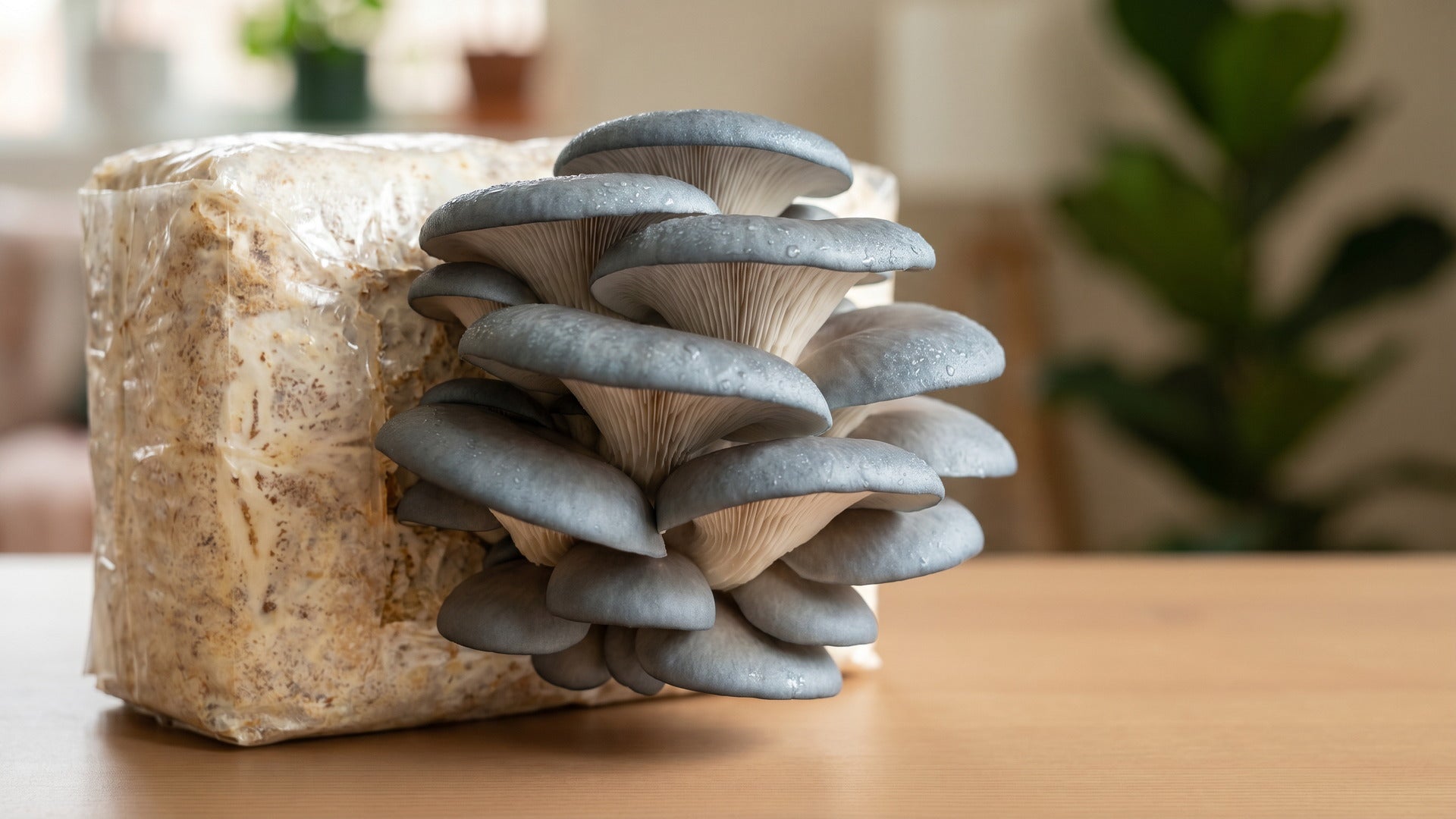
Blue Oyster Mushrooms (Pleurotus ostreatus var. columbinus)
- Distinctive blue-grey color that fades during cooking
- Delicate flavor and tender texture
- Requires gentle handling to preserve appearance
- Excellent for elegant presentations and special occasions
Phoenix Oyster Mushrooms (Pleurotus pulmonarius)
- Tan to brown caps with robust flavor
- Firmer texture than pearl oysters
- Holds up well to longer cooking methods
- Perfect for hearty dishes and stews
Selecting Quality Oyster Mushrooms
Visual Quality Indicators
- Fresh oyster mushrooms display vibrant, consistent coloring
- Caps should be firm and free from dark spots or slimy areas
- Gills underneath caps appear clean and well-defined
- Stems remain firm without signs of drying or shriveling
Texture and Aroma Assessment
- Quality specimens feel firm yet flexible when gently handled
- Fresh mushrooms emit clean, pleasant earthy aromas
- Avoid mushrooms with sour or unpleasant odors
- Properly stored mushrooms maintain consistent moisture levels
Size and Maturity Considerations
- Younger, smaller mushrooms offer more tender texture
- Larger specimens provide meatier texture but require longer cooking
- Choose size based on intended preparation method
- Mix sizes for varied texture in single dishes
Essential Cleaning Techniques
Proper Cleaning Methods
Dry Cleaning Approach
- Use soft brush or clean cloth to remove visible debris
- Gently brush away dirt or growing medium particles
- Work systematically from cap to stem
- Avoid excessive pressure that might damage delicate tissue
Minimal Water Cleaning
- Use water sparingly only when absolutely necessary
- Quick rinse under cool running water for heavily soiled mushrooms
- Immediately pat dry with paper towels or clean cloth
- Never soak oyster mushrooms as they absorb water rapidly
Paper Towel Method
- Dampen paper towel slightly for stubborn dirt removal
- Gently wipe mushroom surfaces to remove debris
- Use fresh sections of towel for each mushroom
- Most effective method for maintaining mushroom integrity
What to Avoid During Cleaning
Common Cleaning Mistakes
- Never submerge oyster mushrooms in water bowls
- Avoid harsh scrubbing that damages delicate caps
- Don't use soap or cleaning products on mushrooms
- Prevent extended exposure to moisture
Timing Considerations
- Clean mushrooms just before preparation and cooking
- Avoid cleaning hours in advance as this reduces quality
- Work quickly to minimize moisture exposure
- Store cleaned mushrooms properly if not using immediately
Cutting and Trimming Techniques
Basic Trimming Methods
Stem Trimming Fundamentals
- Examine stem ends for tough, dried, or discolored areas
- Cut stem bases with sharp knife to remove growing medium
- Trim only what's necessary to preserve mushroom mass
- Save tender stem portions for cooking
Cluster Separation Techniques
- Gently separate individual mushrooms from clusters
- Use hands when possible to avoid damaging caps
- Cut stubborn connections with sharp knife
- Maintain natural mushroom shapes for best presentation
Size Adjustment Methods
- Tear larger mushrooms by hand for rustic appearance
- Slice with knife for uniform, precise pieces
- Consider cooking method when determining size
- Keep pieces relatively uniform for even cooking
Advanced Cutting Techniques
King Oyster Mushroom Preparation
- Separate thick stems from small caps
- Score stem surfaces in crosshatch pattern for even cooking
- Slice stems into rounds for scallop-like appearance
- Cut lengthwise for strips perfect for stir-frying
Decorative Cutting Methods
- Create fan shapes by partially slicing through caps
- Score surfaces for improved seasoning absorption
- Cut into strips for elegant garnishing
- Maintain some whole specimens for visual impact
Size-Specific Preparation
- Leave small mushrooms whole for maximum visual appeal
- Cut medium mushrooms in half for faster cooking
- Slice large specimens into manageable pieces
- Adjust cutting based on intended final presentation
Basic Cooking Preparation Steps
Pre-Cooking Preparation
Seasoning Timing
- Salt oyster mushrooms just before cooking to prevent moisture loss
- Apply dry seasonings immediately before heat application
- Marinate briefly if using liquid seasonings
- Allow seasoned mushrooms to rest 2-3 minutes maximum
Oil and Fat Preparation
- Choose high-heat oils for sautéing and stir-frying
- Use butter for flavor enhancement in gentler cooking methods
- Apply oil directly to mushrooms or heat in pan first
- Ensure even coating for consistent cooking results
Equipment Preparation
- Preheat pans thoroughly before adding mushrooms
- Use wide pans to avoid overcrowding
- Have all ingredients and tools ready before cooking begins
- Ensure adequate ventilation for proper cooking
Temperature and Timing Considerations
Heat Management
- Start with medium-high heat for initial searing
- Reduce heat if mushrooms brown too quickly
- Maintain consistent temperature throughout cooking
- Adjust heat based on mushroom response
Cooking Time Guidelines
- Small oyster mushrooms cook in 3-5 minutes
- Larger specimens require 5-8 minutes total cooking time
- King oyster stems need 8-12 minutes for proper tenderness
- Always cook until mushrooms are tender throughout
Fundamental Cooking Methods
Sautéing Techniques
Perfect Sautéed Oyster Mushrooms
- Heat 2 tablespoons oil in large skillet over medium-high heat
- Add mushrooms in single layer without overcrowding
- Cook without moving for 2-3 minutes until golden
- Flip or stir gently, cook additional 2-3 minutes
- Season with salt, pepper, and herbs in final minute
Achieving Golden Brown Color
- Ensure pan and oil are properly heated before adding mushrooms
- Resist urge to move mushrooms too early in cooking process
- Allow natural sugars to caramelize for complex flavors
- Use adequate heat to drive off moisture quickly
Flavor Enhancement During Sautéing
- Add garlic and herbs in final minutes to prevent burning
- Include splash of wine or broth for deglazing
- Finish with butter for richness and glossy appearance
- Taste and adjust seasoning before serving
Roasting Preparations
Oven-Roasted Oyster Mushrooms
- Preheat oven to 400°F for optimal roasting temperature
- Toss mushrooms with oil, salt, and desired seasonings
- Arrange in single layer on parchment-lined baking sheet
- Roast 15-20 minutes until edges become crispy and golden
Maximizing Roasted Flavor
- Use enough oil to coat mushrooms lightly but thoroughly
- Space mushrooms adequately for proper air circulation
- Turn once halfway through cooking for even browning
- Monitor closely in final minutes to prevent over-browning
Seasoning for Roasted Preparations
- Apply seasonings before roasting for best flavor penetration
- Use herbs that can withstand high heat temperatures
- Add delicate herbs after roasting to preserve flavor
- Finish with fresh lemon juice or vinegar for brightness
Grilling Techniques
Preparing Oyster Mushrooms for Grilling
- Choose larger, firmer specimens for grilling success
- Brush with oil to prevent sticking and promote browning
- Season generously as some seasoning will be lost to grill
- Use medium heat to prevent burning delicate caps
Grilling Method for Best Results
- Preheat grill and clean grates thoroughly
- Place mushrooms gill-side up initially
- Grill 3-4 minutes per side depending on thickness
- Move to cooler areas if browning too quickly
Finishing Grilled Mushrooms
- Brush with additional oil or butter while hot
- Add fresh herbs immediately after removing from grill
- Serve promptly while textures and flavors are optimal
- Consider warm serving plates for best presentation
Advanced Preparation Techniques
Marinating Methods
Basic Mushroom Marinade
- Combine olive oil, acid (lemon juice or vinegar), and seasonings
- Marinate mushrooms 15-30 minutes maximum
- Avoid over-marinating which can make mushrooms mushy
- Drain thoroughly before cooking to prevent oil spattering
Flavor-Specific Marinades
- Asian-inspired: soy sauce, ginger, garlic, and sesame oil
- Mediterranean: olive oil, herbs, garlic, and lemon juice
- Spicy: chili oil, paprika, garlic, and lime juice
- Each marinade should complement mushroom's natural flavors
Stuffing Preparations
Preparing Oyster Mushrooms for Stuffing
- Select large, flat oyster mushroom caps
- Remove stems carefully to create cavity for stuffing
- Score caps lightly to help stuffing adhere
- Pre-cook briefly if stuffing requires longer cooking time
Stuffing Mixture Considerations
- Create stuffings that complement mushroom flavors
- Ensure stuffing consistency allows proper adherence
- Include binding agents like breadcrumbs or cheese
- Season stuffing generously to enhance overall dish
Preservation Preparation
Preparing for Dehydration
- Slice mushrooms uniformly for even drying
- Arrange on dehydrator trays without overlapping
- Set temperature to 135°F for optimal preservation
- Store dried mushrooms in airtight containers
Freezing Preparation
- Cook mushrooms partially before freezing for best results
- Cool completely before packaging for freezer storage
- Use freezer-safe containers or bags with minimal air
- Label with date and contents for easy identification
Troubleshooting Common Preparation Issues
Texture Problems and Solutions
Preventing Soggy Mushrooms
- Avoid cleaning with excessive water
- Cook over adequate heat to drive off moisture quickly
- Don't overcrowd pans during cooking
- Pat mushrooms dry after cleaning
Achieving Desired Texture
- Adjust cooking time based on preferred texture
- Use higher heat for firmer, more substantial texture
- Cook longer for very tender, soft texture
- Consider mushroom size when determining cooking approach
Maintaining Structural Integrity
- Handle gently during cleaning and preparation
- Use sharp knives for clean cuts that don't tear tissue
- Support mushrooms properly during handling
- Avoid excessive manipulation during cooking
Flavor Enhancement Issues
Addressing Bland Results
- Season adequately throughout preparation process
- Use proper cooking techniques to develop natural flavors
- Include complementary ingredients like herbs and aromatics
- Finish dishes with acid or fresh herbs for brightness
Balancing Flavors
- Taste frequently during preparation and cooking
- Adjust seasonings gradually to achieve desired flavor profile
- Consider how other dish components will affect overall taste
- Use finishing techniques to enhance final flavor impact
Nutritional Considerations and Health Benefits
Nutritional Preparation Tips
Preserving Nutritional Value
- Minimize cooking time to preserve heat-sensitive nutrients
- Use cooking methods that don't require excessive added fats
- Include variety in preparation methods for diverse nutrient profiles
- Combine with other nutritious ingredients for balanced meals
Maximizing Health Benefits
- Prepare oyster mushrooms with minimal processing
- Include stems when possible for additional fiber and nutrients
- Pair with ingredients that enhance nutrient absorption
- Consider preparation methods that preserve beneficial compounds
Dietary Accommodation Preparations
Low-Sodium Preparations
- Use herbs, spices, and acids instead of salt for flavoring
- Emphasize natural mushroom flavors through proper cooking
- Include ingredients that provide umami without added sodium
- Focus on preparation techniques that develop natural flavors
Low-Fat Preparation Methods
- Use minimal oil in cooking preparations
- Choose cooking methods like roasting or grilling that don't require excessive fats
- Include moisture through broths or wines instead of oils
- Focus on seasoning and technique rather than added fats

Storage and Make-Ahead Preparation
Proper Storage After Preparation
Short-Term Storage
- Store cleaned, cut mushrooms in refrigerator up to 2 days
- Use breathable containers or paper bags for storage
- Avoid plastic bags that trap moisture and accelerate decay
- Keep prepared mushrooms separate from strong-smelling foods
Cooked Mushroom Storage
- Cool cooked mushrooms completely before refrigerating
- Store in airtight containers for up to 4 days
- Reheat gently to preserve texture and flavor
- Consider preparation methods when planning storage time
Make-Ahead Strategies
Partial Preparation Techniques
- Clean and trim mushrooms up to 1 day in advance
- Pre-cut mushrooms for specific recipes when possible
- Prepare marinades and seasonings ahead of time
- Store prepared components separately until cooking
Batch Preparation Benefits
- Prepare larger quantities when mushrooms are fresh and available
- Cook portions for later use in multiple dishes
- Preserve prepared mushrooms through proper storage methods
- Plan meals around prepared mushroom components
Pairing and Complementary Preparation
Ingredient Compatibility
Classic Flavor Combinations
- Garlic and herbs enhance natural mushroom flavors
- Onions and shallots provide aromatic foundation
- Wine and broth add depth and complexity
- Lemon juice and vinegar provide balancing acidity
Protein Pairings
- Prepare oyster mushrooms to complement chicken and poultry
- Use preparation methods that enhance beef and pork dishes
- Create vegetarian protein combinations with legumes and grains
- Consider texture contrasts when pairing with other proteins
Seasonal Preparation Adaptations
Spring and Summer Preparations
- Emphasize lighter cooking methods and fresh seasonings
- Include seasonal vegetables in mushroom preparations
- Use preparation techniques that preserve mushroom's delicate nature
- Focus on fresh, bright flavors that complement seasonal eating
Fall and Winter Preparations
- Use heartier preparation methods like roasting and braising
- Include warming spices and robust seasonings
- Prepare mushrooms for comfort foods and warming dishes
- Consider preparation methods that create substantial, satisfying textures
Conclusion
Learning how to prepare oyster mushrooms properly unlocks the full potential of these versatile, delicious fungi and ensures consistently excellent results in your cooking. From proper selection and cleaning through advanced preparation techniques, each step in the process contributes to the final quality and enjoyment of your mushroom dishes.
The key to successful oyster mushroom preparation lies in understanding their delicate nature while recognizing their remarkable versatility. Whether you're preparing simple sautéed mushrooms for a weeknight dinner or creating elaborate stuffed preparations for special occasions, proper technique ensures optimal flavor, texture, and presentation.
As you practice these preparation methods, you'll develop intuitive understanding of how oyster mushrooms respond to different techniques and cooking methods. This knowledge allows you to adapt preparations based on available ingredients, desired outcomes, and personal preferences while maintaining consistent quality.
Remember that great mushroom preparation begins with quality ingredients and careful attention to detail throughout the process. Start with fresh, properly selected oyster mushrooms, handle them gently during cleaning and cutting, and apply appropriate cooking techniques to create memorable dishes that showcase these remarkable fungi at their absolute best.
Share:
Fried Oyster Mushrooms: Explore Flavor and Fun
Blue Oyster Mushroom Recipes: 5 Easy Dishes You'll Love