


Unlock Your Green Thumb: The Ultimate Guide to Choosing the Best Grow Tent for Indoor Gardening Success
Indoor gardening has revolutionized the way we approach plant cultivation, and when you unlock your green thumb the ultimate guide to choosing the best grow tent becomes an essential resource for maximizing your growing potential. Whether you're a beginner seeking to start your first indoor garden or an experienced cultivator looking to upgrade your setup, selecting the right grow tent serves as the foundation for successful indoor plant cultivation.
The modern grow tent market offers an overwhelming array of options, each promising to deliver optimal growing conditions for your plants. From compact desktop units perfect for herbs and microgreens to expansive commercial-grade systems capable of supporting substantial harvests, the variety can seem daunting. However, understanding the key factors that differentiate superior grow tents from mediocre ones empowers you to make informed decisions that will serve your gardening goals for years to come.

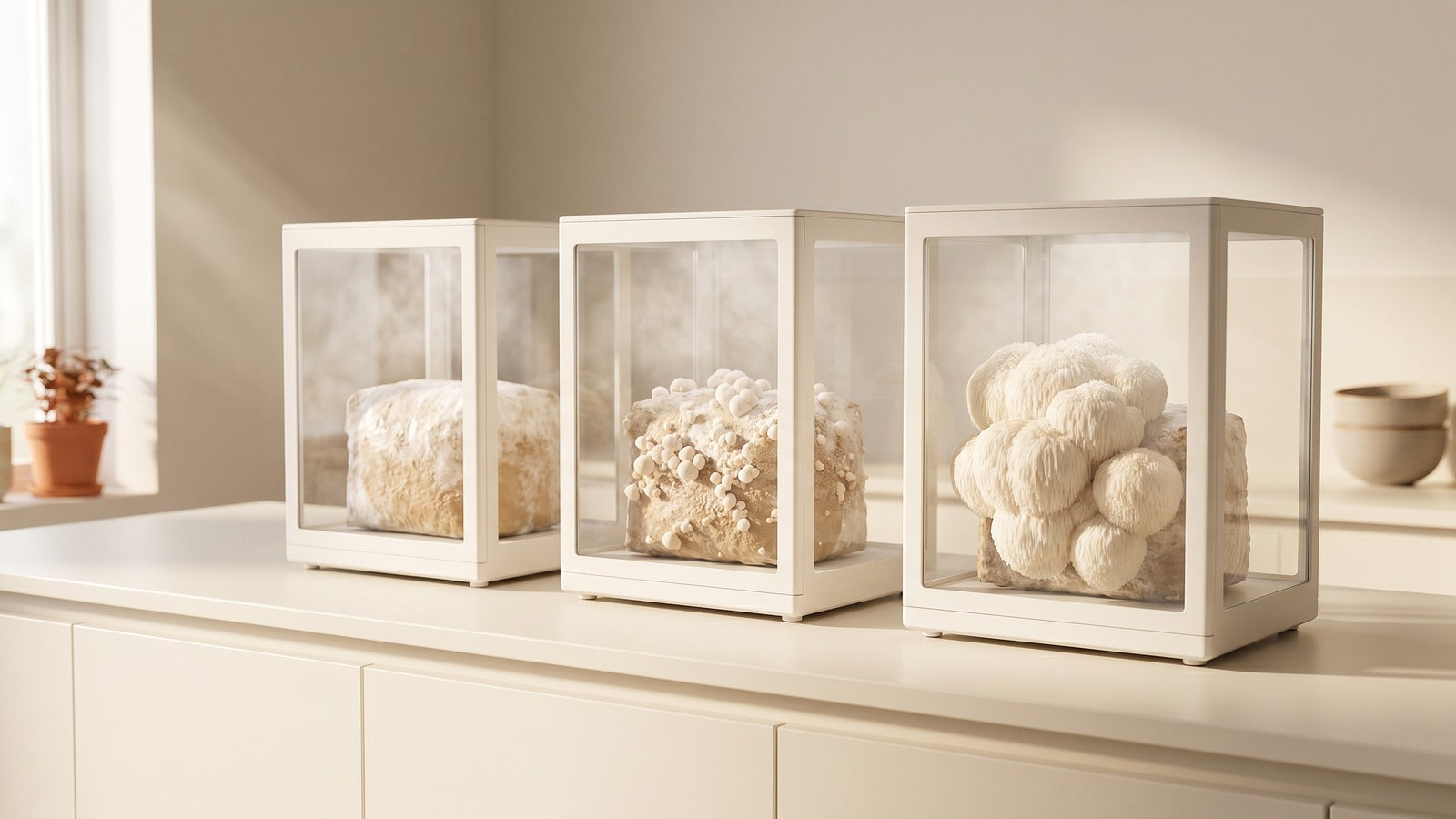
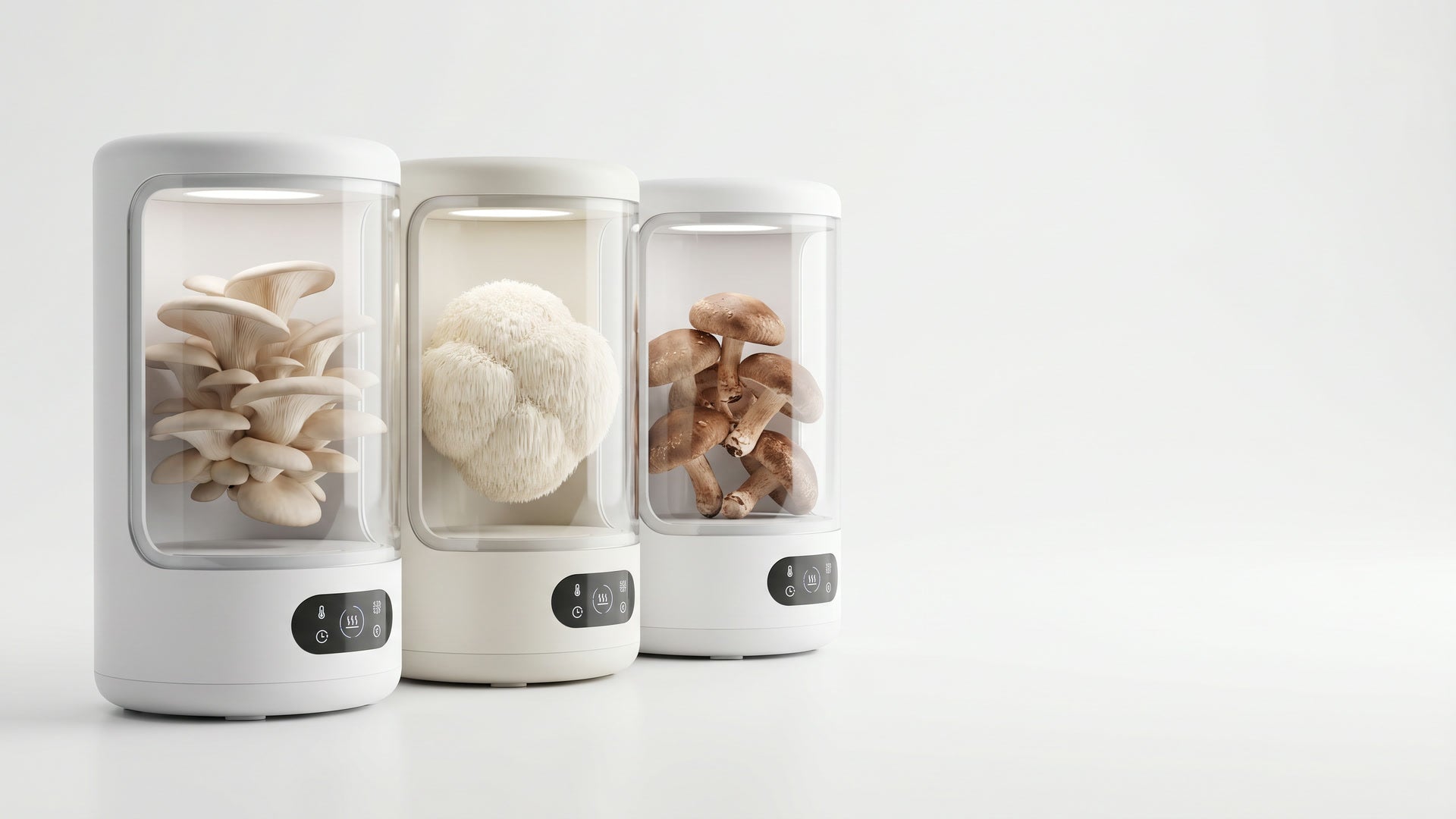
Smart Chamber. Bone White Single
- 2.8L tank, 90% humidity automatic
- App-controlled, plug-and-play
- 6 lb block ceiling, in stock

Smart Chamber. Obsidian Black Single
- Same hardware as Bone White
- Matte black premium finish
- Pairs with any kitchen palette

Successfully navigating the grow tent selection process requires more than simply choosing the largest or most expensive option available. The best grow tent for your specific needs depends on numerous factors including available space, intended crops, budget considerations, and long-term gardening goals. This comprehensive guide will walk you through every aspect of grow tent selection, ensuring you make the optimal choice for your indoor gardening journey.
Understanding Grow Tent Fundamentals and Benefits
What Makes Grow Tents Essential for Indoor Gardening
Grow tents represent a significant advancement in controlled environment agriculture, offering numerous advantages over traditional indoor growing methods:
Environmental Control Advantages:
- Complete light control eliminating external light pollution that can disrupt plant photoperiods
- Climate regulation maintaining optimal temperature and humidity levels for plant growth
- Odor containment preventing growing smells from spreading throughout your home
- Pest prevention creating a barrier against insects and other garden pests
- Space efficiency maximizing growing potential within limited indoor areas
Practical Benefits for Home Gardeners:
- Year-round growing enabling continuous harvests regardless of outdoor weather conditions
- Crop protection shielding plants from environmental stressors and unpredictable conditions
- Resource efficiency optimizing water, nutrients, and energy usage through controlled environments
- Stealth growing maintaining privacy and discretion in residential settings
- Easy setup and mobility simple assembly and relocation capabilities when needed
Key Components of Professional Grow Tent Systems
Understanding the essential elements that comprise a complete grow tent system helps identify quality products:
Structural Components:
- Frame construction using heavy-duty steel or aluminum poles for stability and durability
- Connector systems employing robust corner connectors and joints for secure assembly
- Fabric covering utilizing high-quality reflective materials for optimal light distribution
- Zippers and access points providing convenient entry while maintaining environmental seals
- Ventilation ports strategically placed openings for airflow management and equipment access
Functional Features:
- Reflective interior maximizing light efficiency through highly reflective mylar or similar materials
- Lightproof exterior preventing light leaks that could compromise plant development
- Observation windows allowing monitoring without opening the tent and disrupting conditions
- Cable management organized routing systems for electrical connections and equipment
- Drainage considerations provisions for managing excess water and preventing flooding

Size Selection: Matching Tent Dimensions to Your Goals
Determining Optimal Grow Tent Dimensions
Selecting the appropriate size represents one of the most critical decisions in grow tent purchasing:
Small Grow Tents (2x2 to 3x3 feet):
- Ideal applications: Herbs, microgreens, seedling propagation, and small personal gardens
- Plant capacity: 1-4 medium plants or 6-12 small plants depending on growth requirements
- Space requirements: Suitable for apartments, closets, or dedicated small spaces
- Energy efficiency: Lower power consumption for lighting and climate control systems
- Budget considerations: More affordable initial investment with reduced ongoing operational costs
Medium Grow Tents (4x4 to 5x5 feet):
- Versatile applications: Vegetables, herbs, small fruits, and moderate-scale personal growing
- Plant capacity: 4-9 medium plants or equivalent smaller plant arrangements
- Space balance offering substantial growing area while maintaining manageable size
- Equipment compatibility: Accommodating standard residential growing equipment and systems
- Expansion potential: Room for growth as experience and needs develop
Large Grow Tents (6x6 feet and larger):
- Commercial applications: Serious hobbyists, small-scale commercial growing, or large personal gardens
- Maximum plant capacity: 9+ large plants or numerous smaller plants in optimized arrangements
- Professional equipment: Requiring robust ventilation, lighting, and climate control systems
- Space requirements: Dedicated rooms or areas with adequate ceiling height and access
- Investment level: Higher initial costs but potentially better long-term value for serious growers
Height Considerations and Vertical Growing Space
Vertical space often receives insufficient attention during tent selection, yet it significantly impacts growing success:
Standard Height Requirements:
- Minimum clearance: 6 feet for most vegetable and herb growing applications
- Lighting considerations: Adequate space for light fixtures plus recommended distances from plant canopies
- Ventilation needs: Room for exhaust fans, ducting, and air circulation equipment
- Plant growth potential: Accounting for maximum expected plant heights plus container sizes
- Maintenance access: Sufficient headroom for comfortable tending and harvesting activities
Tall Grow Tent Advantages:
- Vertical growing techniques: Enabling trellising, training, and multi-level growing systems
- Equipment flexibility: More options for lighting height adjustment and positioning
- Plant variety options: Accommodation of taller plants like tomatoes, peppers, and climbing varieties
- Future expansion: Ability to upgrade lighting or try new growing techniques without space constraints
- Professional appearance: More substantial and professional-looking growing environment
Material Quality and Construction Standards
Fabric and Covering Materials
The tent covering material significantly impacts performance, durability, and growing results:
High-Quality Fabric Characteristics:
- Mylar or equivalent reflective materials providing 95%+ light reflection for optimal efficiency
- Thick, durable construction typically 600D or higher fabric weight for longevity
- Lightproof properties preventing any external light from entering the growing environment
- Tear resistance withstanding normal use and equipment installation without damage
- Easy cleaning allowing for maintenance and sanitation between growing cycles
Interior Reflective Coatings:
- Diamond mylar patterns enhancing light distribution and reducing hot spots
- Highly reflective surfaces maximizing photon delivery to plant canopies
- Smooth, washable finishes facilitating cleaning and preventing contaminant accumulation
- Consistent coverage uniform reflectivity across all interior surfaces
- Adhesion quality ensuring reflective materials remain attached over time
Frame Construction and Durability
The tent frame provides structural integrity and determines long-term reliability:
Premium Frame Materials:
- Heavy-duty steel construction offering maximum strength and stability for large setups
- Powder-coated finishes preventing rust and corrosion in humid growing environments
- Reinforced corner connections ensuring joints remain secure under equipment weight
- Adjustable height options accommodating different ceiling heights and growing requirements
- Tool-free assembly simplifying setup and breakdown processes
Structural Engineering Considerations:
- Weight capacity supporting lighting systems, ventilation equipment, and hanging accessories
- Stability under airflow maintaining structural integrity with powerful ventilation systems
- Expansion capabilities allowing for future modifications or equipment additions
- Portability factors balancing strength with reasonable disassembly and moving capabilities
- Warranty coverage manufacturer confidence in construction quality and durability
Ventilation and Airflow Management Systems
Essential Ventilation Components
Proper airflow management represents a critical aspect of successful indoor growing:
Intake and Exhaust Systems:
- Passive intake vents strategically positioned openings for fresh air entry
- Active exhaust fans powered ventilation systems for removing stale air and heat
- Carbon filtration odor control systems maintaining discretion and air quality
- Ducting compatibility standardized connections for professional ventilation equipment
- Variable speed controls allowing fine-tuning of airflow rates based on conditions
Air Circulation and Distribution:
- Internal circulation fans promoting even air movement throughout the growing space
- Oscillating systems ensuring all plants receive adequate airflow for healthy development
- Multiple mounting points flexibility in positioning circulation equipment for optimal coverage
- Quiet operation minimizing noise disruption in residential settings
- Energy efficiency low-power consumption systems for sustainable operation
Climate Control Integration
Advanced grow tents accommodate sophisticated climate management systems:
Temperature Management:
- Heating system compatibility provisions for supplemental heating during cold periods
- Cooling system integration accommodation of air conditioning or evaporative cooling systems
- Thermal insulation materials and construction that help maintain stable temperatures
- Heat dissipation design features that prevent excessive heat buildup from lighting systems
- Monitoring capabilities sensor placement options for accurate climate tracking
Humidity Control Systems:
- Dehumidification equipment space and power provisions for humidity management systems
- Humidification capabilities integration points for adding moisture when needed
- Vapor barriers construction features that prevent unwanted moisture exchange
- Condensation management design elements that handle and remove excess moisture
- Seasonal adjustments flexibility to modify humidity control based on external conditions

Lighting Considerations and Compatibility
Lighting System Integration
Modern grow tents must accommodate various lighting technologies and configurations:
LED Lighting Systems:
- Heat management reduced thermal load allowing for closer plant proximity
- Electrical requirements standard household power compatibility for most residential setups
- Mounting flexibility various suspension and positioning options for optimal coverage
- Spectrum control advanced LED systems offering customizable light spectrums
- Energy efficiency lower power consumption compared to traditional lighting technologies
Traditional Lighting Compatibility:
- HID system support structural capacity for heavier metal halide and high-pressure sodium fixtures
- Heat dissipation enhanced ventilation requirements for high-heat lighting systems
- Electrical safety proper grounding and electrical management for high-wattage systems
- Reflector integration compatibility with various reflector types and configurations
- Upgrade pathways flexibility to transition between lighting technologies as needs evolve
Light Distribution and Optimization
Maximizing lighting efficiency requires careful consideration of tent design and light placement:

Fuel Your Mushroom Journey
Smart Mushroom Grow Chamber
Plug-and-play smart chamber with humidity, light, and airflow dialed in for every species. Beginners harvest their first flush in days, not months.
Add to cart $299Reflective Surface Optimization:
- Even light distribution tent geometry that promotes uniform light coverage
- Hot spot elimination design features that prevent concentrated light areas
- Reflector compatibility accommodation of various reflector types and sizes
- Height adjustability systems allowing for optimal light-to-plant distances
- Coverage patterns tent shapes that complement specific lighting footprints
Advanced Lighting Features:
- Multi-level growing provisions for installing lights at different heights
- Side lighting capabilities mounting points for supplemental side lighting systems
- Light scheduling integration compatibility with automated lighting control systems
- Spectrum mixing ability to combine different light types for comprehensive coverage
- Future technology adoption design flexibility for emerging lighting technologies
Budget Considerations and Value Assessment
Cost-Benefit Analysis for Different Price Ranges
Understanding the relationship between cost and value helps optimize your grow tent investment:
Budget-Friendly Options ($100-300):
- Basic functionality essential features for beginning growers or simple applications
- Material compromises adequate but not premium materials and construction
- Size limitations typically smaller tents with standard height configurations
- Equipment compatibility basic ventilation and lighting integration capabilities
- Upgrade considerations potential need for replacement as skills and needs develop
Mid-Range Professional Tents ($300-800):
- Enhanced durability higher-quality materials and construction standards
- Advanced features better ventilation, multiple access points, and professional details
- Versatility accommodation of various growing styles and equipment types
- Long-term value sufficient quality for years of reliable service
- Equipment integration compatibility with professional-grade growing systems
Premium Commercial-Grade Systems ($800+):
- Professional construction commercial-quality materials and engineering standards
- Advanced features comprehensive climate control integration and monitoring capabilities
- Maximum durability construction designed for continuous, intensive use
- Comprehensive warranties manufacturer confidence in long-term performance
- Investment protection highest quality ensuring years of trouble-free operation
Hidden Costs and Long-Term Considerations
Comprehensive budget planning includes factors beyond initial purchase price:
Additional Equipment Requirements:
- Ventilation systems fans, ducting, and filtration equipment not included with basic tents
- Lighting equipment grow lights, reflectors, and control systems requiring separate purchases
- Climate control heating, cooling, and humidity management systems
- Monitoring equipment thermometers, hygrometers, and advanced monitoring systems
- Growing supplies containers, growing media, nutrients, and ongoing consumables
Operational Costs:
- Electricity consumption ongoing power costs for lighting, ventilation, and climate control
- Replacement parts filters, bulbs, and other components requiring periodic replacement
- Maintenance supplies cleaning materials and system maintenance requirements
- Upgrade potential future equipment improvements and system enhancements
- Space rental if growing space requires additional rental costs or modifications
Setup and Installation Best Practices
Pre-Installation Planning and Site Preparation
Proper preparation ensures smooth installation and optimal tent performance:
Site Selection Criteria:
- Adequate space sufficient room for tent dimensions plus access and maintenance areas
- Electrical access proximity to appropriate electrical outlets for equipment power
- Ventilation pathways clear routes for intake and exhaust airflow management
- Floor protection level, stable surfaces with appropriate flooring or protection
- Environmental considerations temperature-stable areas away from extreme conditions
Infrastructure Requirements:
- Electrical capacity sufficient power availability for anticipated equipment loads
- Water access proximity to water sources for irrigation and maintenance
- Drainage provisions management of excess water and potential spills
- Noise considerations placement that minimizes disruption to household activities
- Security measures protection against unauthorized access or tampering
Step-by-Step Assembly Guidelines
Systematic assembly ensures proper tent function and longevity:
Frame Assembly Process:
- Component inventory verifying all parts and hardware before beginning assembly
- Foundation preparation ensuring level, stable base for frame construction
- Sequential construction following manufacturer instructions for proper assembly sequence
- Connection verification ensuring all joints and connections are secure and properly aligned
- Structural testing checking frame stability and integrity before adding fabric covering
Fabric Installation and Sealing:
- Careful handling preventing damage to reflective surfaces during installation
- Proper tensioning achieving appropriate fabric tension without overstressing materials
- Zipper alignment ensuring smooth operation and proper sealing of all access points
- Ventilation port preparation properly positioning and sealing ventilation openings
- Final inspection checking for light leaks, proper sealing, and operational functionality
Maintenance and Longevity Strategies
Regular Maintenance Protocols
Consistent maintenance extends tent life and maintains optimal growing conditions:
Daily Maintenance Tasks:
- Visual inspections checking for damage, wear, or operational issues
- Climate monitoring verifying temperature, humidity, and airflow conditions
- Equipment function ensuring all systems operate properly and efficiently
- Cleanliness maintenance removing debris and maintaining sanitary conditions
- Plant health assessment monitoring plant development and identifying potential issues
Weekly Maintenance Procedures:
- Deep cleaning thorough sanitization of interior surfaces and equipment
- Equipment maintenance cleaning filters, checking connections, and performing system maintenance
- Structural inspection examining frame integrity and fabric condition
- Ventilation system maintenance cleaning fans, ducting, and filtration components
- Documentation recording maintenance activities and system performance
Troubleshooting Common Issues
Understanding common problems and solutions prevents minor issues from becoming major failures:
Environmental Control Problems:
- Temperature fluctuations adjusting ventilation, lighting, or climate control systems
- Humidity imbalances modifying ventilation rates or adding humidity control equipment
- Light leaks identifying and sealing gaps in tent construction
- Inadequate airflow repositioning or upgrading ventilation equipment
- Odor control failures replacing carbon filters or upgrading filtration systems
Structural and Equipment Issues:
- Frame instability tightening connections or replacing worn components
- Fabric damage repairing tears or replacing sections of tent covering
- Zipper problems lubricating or replacing damaged zipper components
- Equipment failures diagnosing and replacing faulty fans, lights, or control systems
- Electrical issues ensuring proper grounding and electrical safety protocols
Advanced Features and Upgrade Options
Professional-Grade Enhancements
Advanced growers can benefit from sophisticated tent features and modifications:
Automation Integration:
- Climate control systems automated temperature and humidity management
- Lighting controllers programmable lighting schedules and spectrum control
- Irrigation automation automated watering systems and nutrient delivery
- Monitoring systems remote monitoring and alert capabilities
- Data logging comprehensive environmental data collection and analysis
Specialized Growing Systems:
- Hydroponic integration systems designed for soilless growing methods
- Aeroponic capabilities advanced growing systems for maximum efficiency
- Vertical growing multi-level growing systems for space optimization
- Specialized crops modifications for specific plant types or growing methods
- Research applications configurations for experimental growing and testing
Future-Proofing Your Investment
Selecting tents with upgrade potential protects long-term investment value:
Expandability Options:
- Modular systems tents that can be connected or expanded as needs grow
- Equipment compatibility designs that accommodate future technology improvements
- Structural capacity frames capable of supporting additional equipment loads
- Flexibility features adjustable components that adapt to changing requirements
- Upgrade pathways clear paths for improving systems without complete replacement
Technology Integration:
- Smart home compatibility integration with home automation systems
- Mobile monitoring smartphone apps and remote monitoring capabilities
- Energy management systems that optimize power consumption and costs
- Precision agriculture sensors and controls for optimized growing conditions
- Sustainable practices features that support environmentally responsible growing
Conclusion: Making Your Final Grow Tent Selection
Successfully navigating the process to unlock your green thumb the ultimate guide to choosing the best grow tent requires careful consideration of multiple factors that influence both immediate satisfaction and long-term growing success. The ideal grow tent represents more than just a purchase, it's an investment in your gardening future that should align with your current needs while providing flexibility for growth and development as your skills and interests evolve.
The key to making the optimal choice lies in honestly assessing your current situation, future goals, and available resources. Whether you're starting with a compact tent for herbs and microgreens or investing in a comprehensive system for serious cultivation, prioritizing quality construction, appropriate size, and essential features ensures satisfaction and success over years of use.
Remember that the best grow tent is the one that matches your specific needs, space constraints, and growing ambitions. By carefully evaluating the factors outlined in this guide, from size and construction quality to ventilation capabilities and budget considerations, you'll be well-equipped to select a tent that serves as the foundation for countless successful growing seasons.
The journey to unlock your green thumb through optimal grow tent selection represents just the beginning of your indoor gardening adventure. With the right tent providing the controlled environment your plants need to thrive, you'll be amazed at what you can accomplish regardless of outdoor conditions, available space, or growing experience level. Your future harvests will reflect the wisdom of choosing quality equipment that supports your gardening dreams and delivers the results you've envisioned.


Share:
Best Fruiting Blocks for the Lykyn Chamber
Grow Your Own Mushroom Oasis: A Beginner's Guide to Building the Perfect Mushroom Grow Tent