


Morel growing kits get a lot of flak in the mushroom hobby because they don't behave like oyster kits. They take years, not weeks. They go outdoors, not in a kitchen. And they fruit unpredictably even when everything is done right. But the kits do have real benefits for the right kind of grower, and dismissing them entirely misses the point of what they're actually for.
The honest answer to "what are the benefits of a morel growing kit" is that they collapse decades of mycological knowledge into a packaged shortcut for outdoor cultivation, give you a chance at one of the most expensive and prized culinary mushrooms in the world, and turn your backyard into an ongoing experiment that pays off whenever the weather and soil cooperate. They're not a fast-food mushroom solution. They're a long-game investment.
Benefit 1: Access to a mushroom that costs $50+ per pound fresh

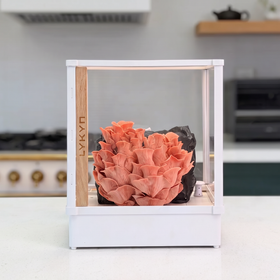
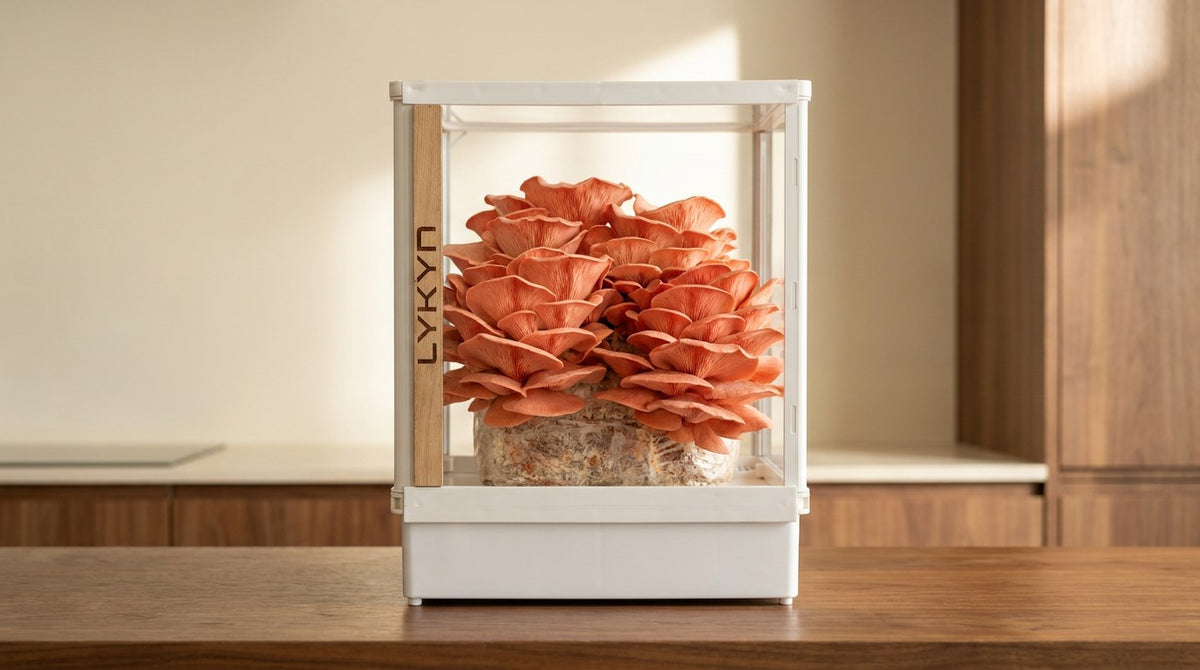
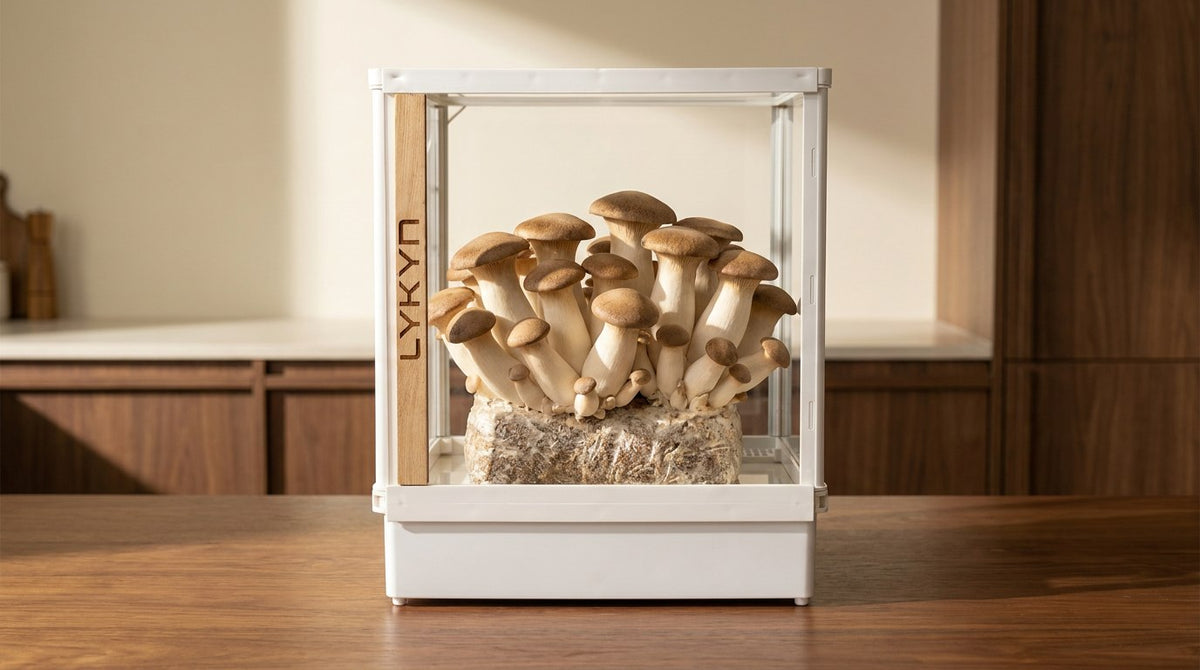
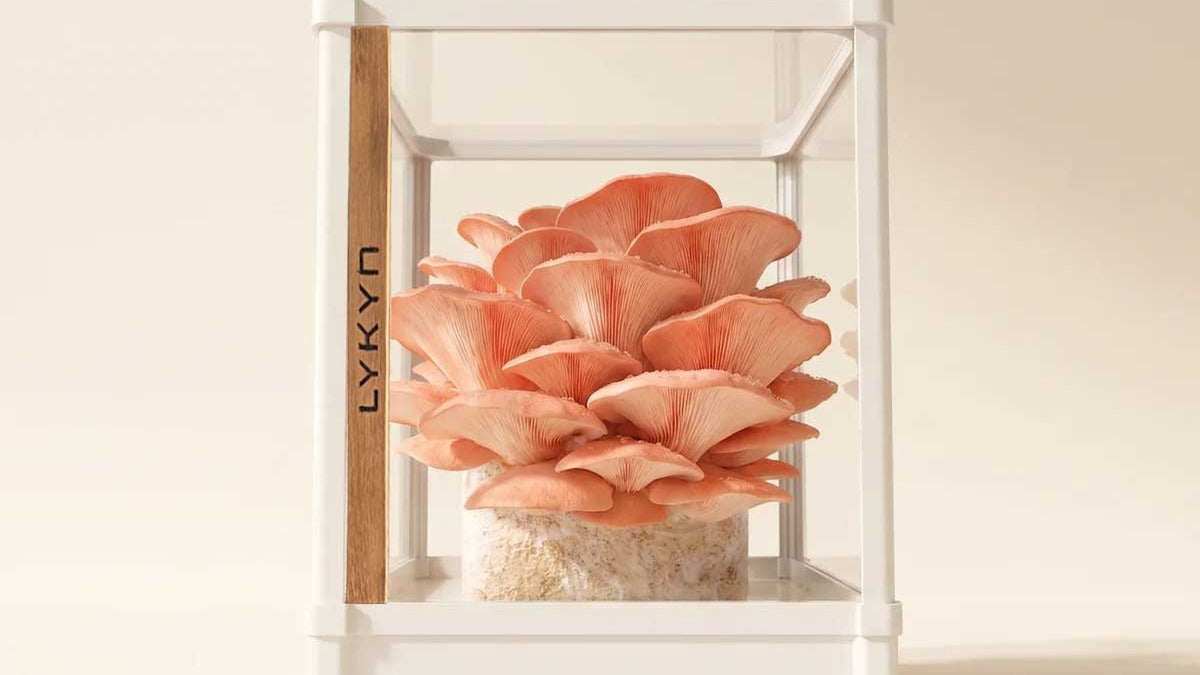
Smart Chamber. Bone White Single
- 2.8L tank, 90% humidity automatic
- App-controlled, plug-and-play
- 6 lb block ceiling, in stock

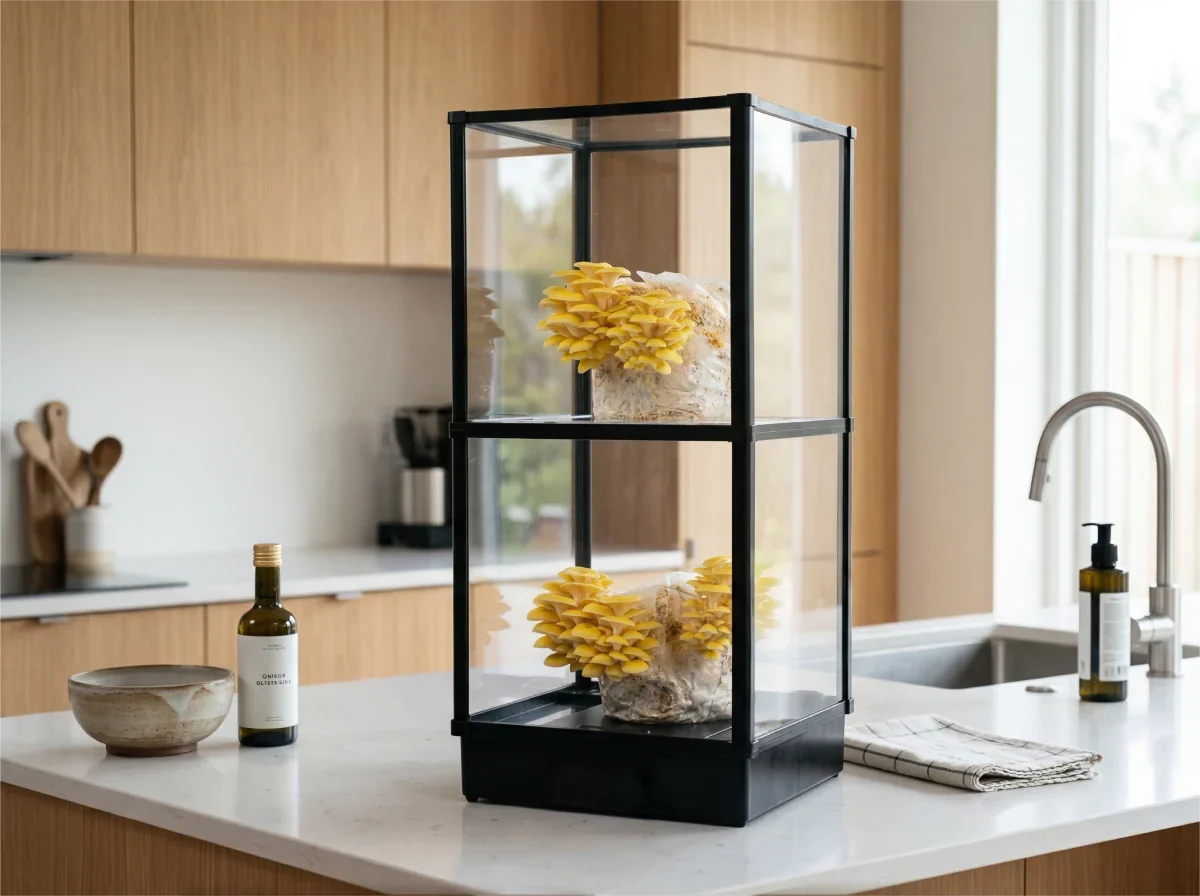
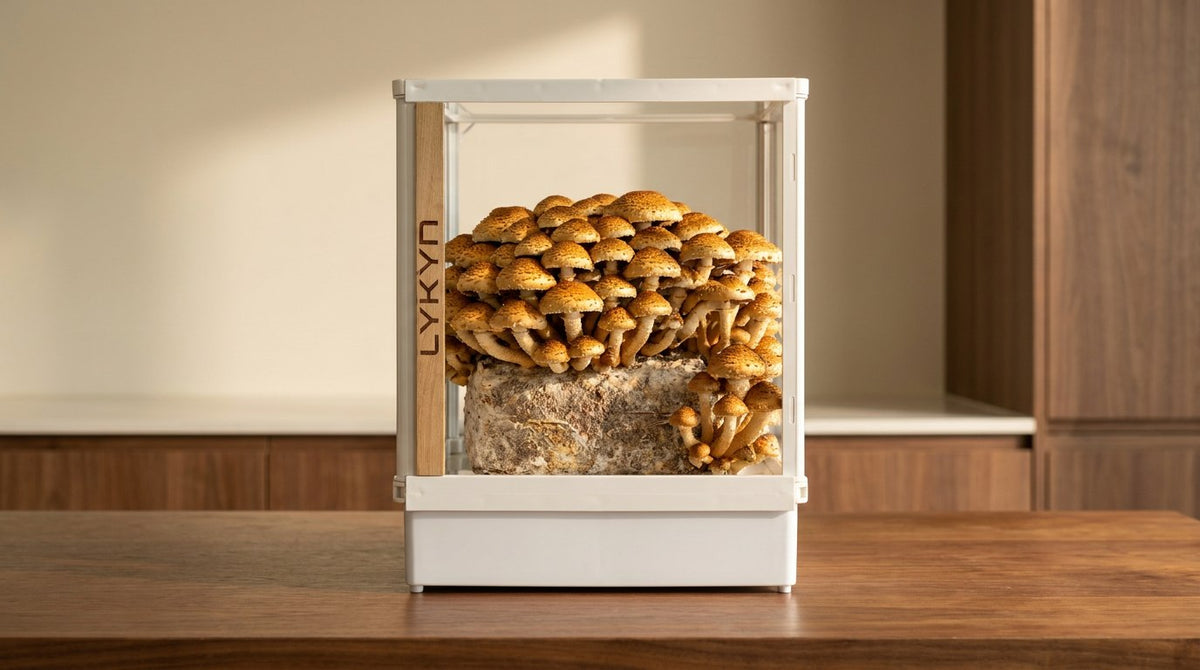
Smart Chamber. Obsidian Black Single
- Same hardware as Bone White
- Matte black premium finish
- Pairs with any kitchen palette

Fresh morels at a specialty grocery or farmers market routinely sell for $40 to $80 per pound during their short spring season. Dried morels run $150 to $300 per pound. They're one of the most valuable culinary mushrooms in the world because they can't be commercially cultivated at scale outside of specialized Chinese greenhouse operations, and even those have wildly variable yields.
If your kit produces even one pound of fresh morels in a good year, you've covered the cost of the kit several times over. The math gets compelling when you remember the bed can keep producing for multiple springs once it establishes.
Benefit 2: A multi-year project, not a single-flush transaction
Unlike oyster or lion's mane kits that finish their lifecycle in 4 to 8 weeks, a morel bed is a perennial installation. Once the mycelium colonizes the bed and starts producing sclerotia, you have a fungal community in your soil that can fruit year after year if you maintain it. Top up the leaf litter and wood chips each fall, water lightly in winter and more in spring, and the same bed can give you flushes for 5 to 10 years.
For gardeners who already think in seasons, this is a feature, not a bug. You're not buying a kit, you're starting a fungal patch.
Benefit 3: Skipping the foraging risks
Foraging morels in the wild has two problems. The first is finding them, which takes years of pattern recognition and luck. The second is the false morel (Gyromitra esculenta) lookalike, which contains monomethylhydrazine and has caused fatal poisonings. Teaching yourself to tell true morels from false morels is doable but not casual.
A grow kit gives you a known species in a known location. When mushrooms come up in your inoculated bed, they're almost certainly the species you planted. (Caveat: always still do a positive ID before eating any mushroom, even one you grew. Wild contamination of garden beds is rare but not impossible.)
Benefit 4: The science is genuinely interesting
If you have any interest in mycology beyond just eating mushrooms, a morel kit is a hands-on lab. You get to watch a complex soil fungus colonize a layered substrate, build sclerotia, and respond to weather cues you've been engineering for. Even unsuccessful beds teach you about soil chemistry, mycorrhizal relationships, host-tree symbiosis, and seasonal triggers in ways that no oyster kit ever could.
For curious growers, the journey is half the payoff.
Benefit 5: Outdoor cultivation fits people who don't want indoor mushroom setups
A lot of households can't run an indoor mushroom grow. Allergies to spores, partners who don't want bags of fungus on the kitchen counter, kids or pets that knock things over, or just a lack of space. Morel beds solve all of those by living outside in a quiet corner of the yard. No daily misting, no fanning, no special enclosure. You set it up, walk away, and check on it in spring.

Fuel Your Mushroom Journey
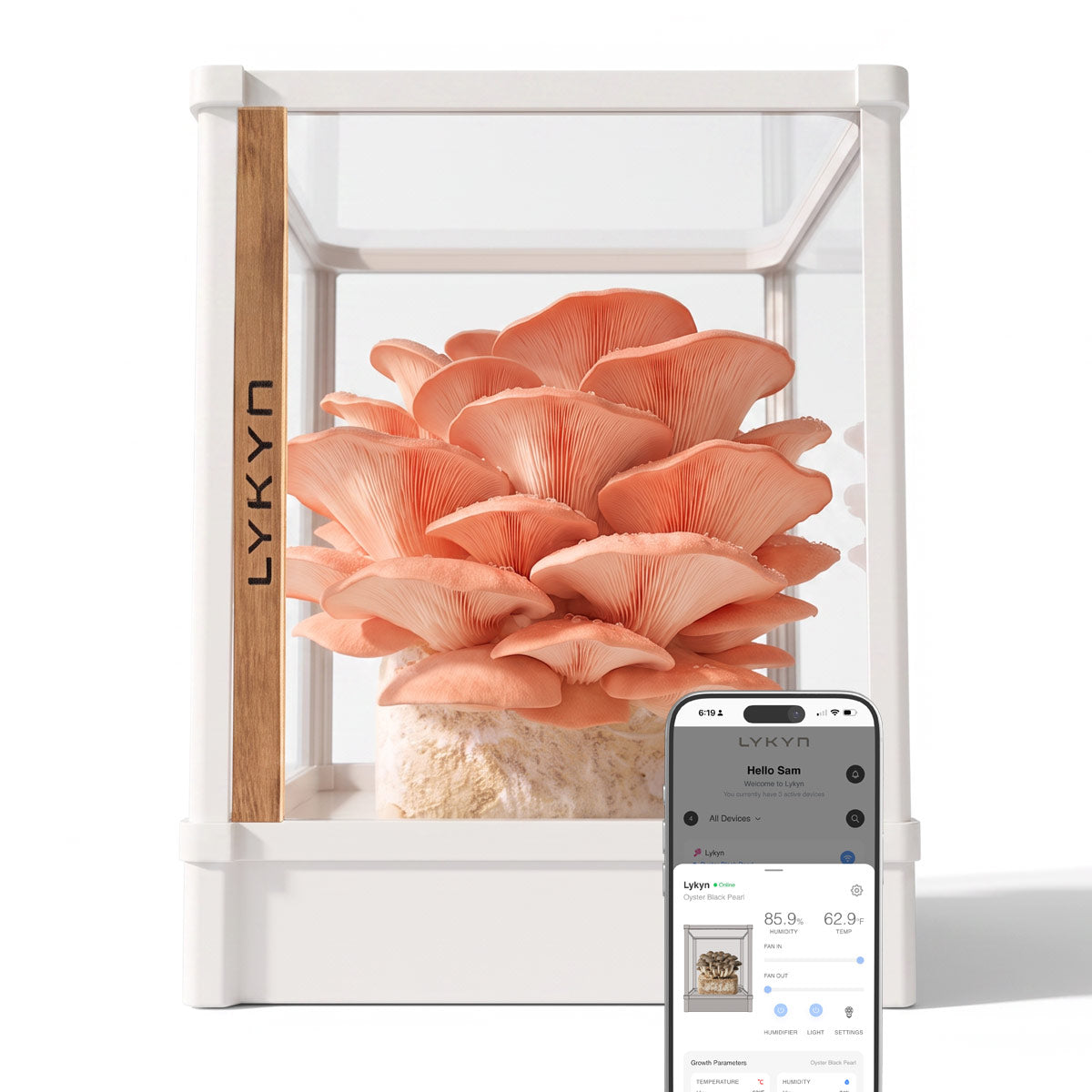
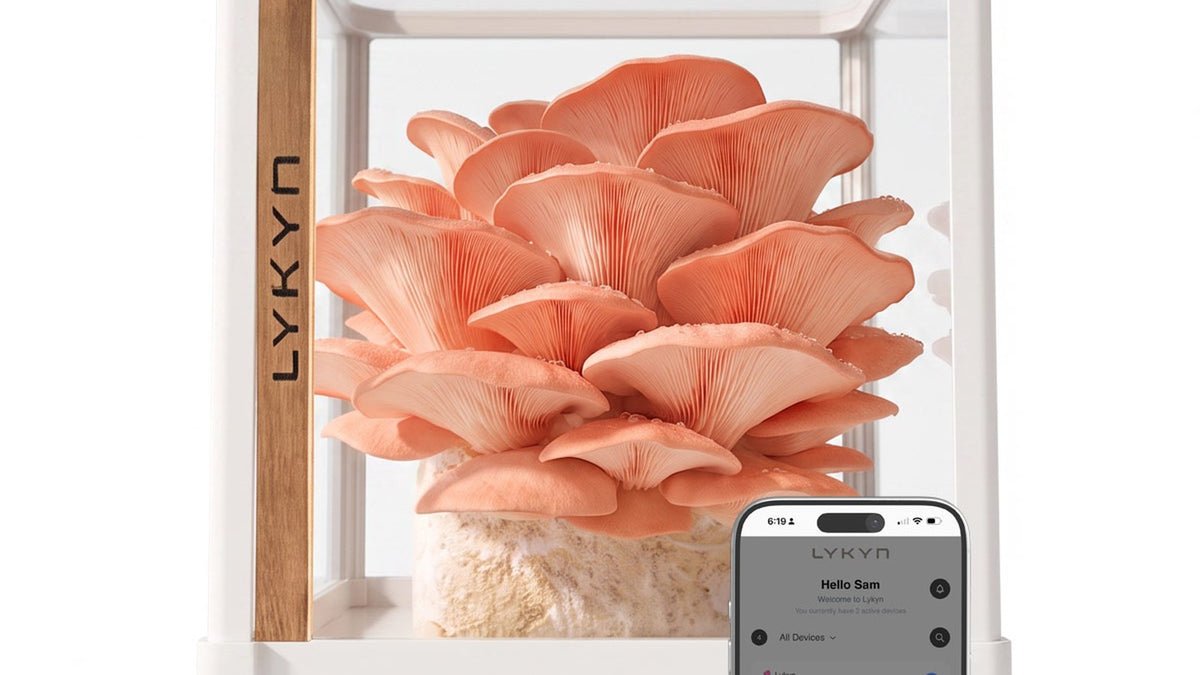
Smart Mushroom Grow Chamber
Plug-and-play smart chamber with humidity, light, and airflow dialed in for every species. Beginners harvest their first flush in days, not months.
Add to cart $299For outdoor-oriented gardeners, morels are a more natural fit than the indoor sterile-bag approach used for oysters and lion's mane.
Benefit 6: Improving the soil even if mushrooms don't fruit
One overlooked benefit: even if the morel bed doesn't fruit, the inoculation and bed-building process improves your soil. The hardwood chips, leaf litter, and gypsum amendments build organic matter, support beneficial soil microbes, and improve drainage. After three years, the bed itself is better garden soil than what you started with, fruiting or not.
This makes morel beds a reasonable add-on to any gardener's plan even if you go in skeptical about the mushroom output.
Benefit 7: Sharing the project with kids or family
The slow timeline of a morel kit makes it a great long-term project to do with kids who are old enough to track something across seasons. Inoculating in fall, watering through winter, watching for spring fruitings, learning about tree associations, and identifying indicator plants like trillium and trout lily are all teachable moments that an indoor 14-day kit can't match.
If the bed eventually fruits, the harvest becomes a family memory. If it doesn't, you still spent two years teaching ecology in your backyard.
Benefit 8: A reasonable test for whether you want to go deeper
If you complete a morel kit project, whether or not it fruits, you'll know whether you want to pursue more advanced outdoor mushroom cultivation. Outdoor cultivation of wine cap (Stropharia rugosoannulata), nameko, garden giant, almond agaricus, and other species shares the same patience-and-soil-prep mindset. A morel kit is a low-stakes entry into that world.
The honest tradeoff
All of the benefits above come with one cost: time. Morel kits don't reward people who want mushrooms in a few weeks. The fruiting probability is moderate, the timeline is multi-year, and weather is the deciding variable in any given spring. If that doesn't match what you want from your mushroom hobby, the benefits won't outweigh the wait.
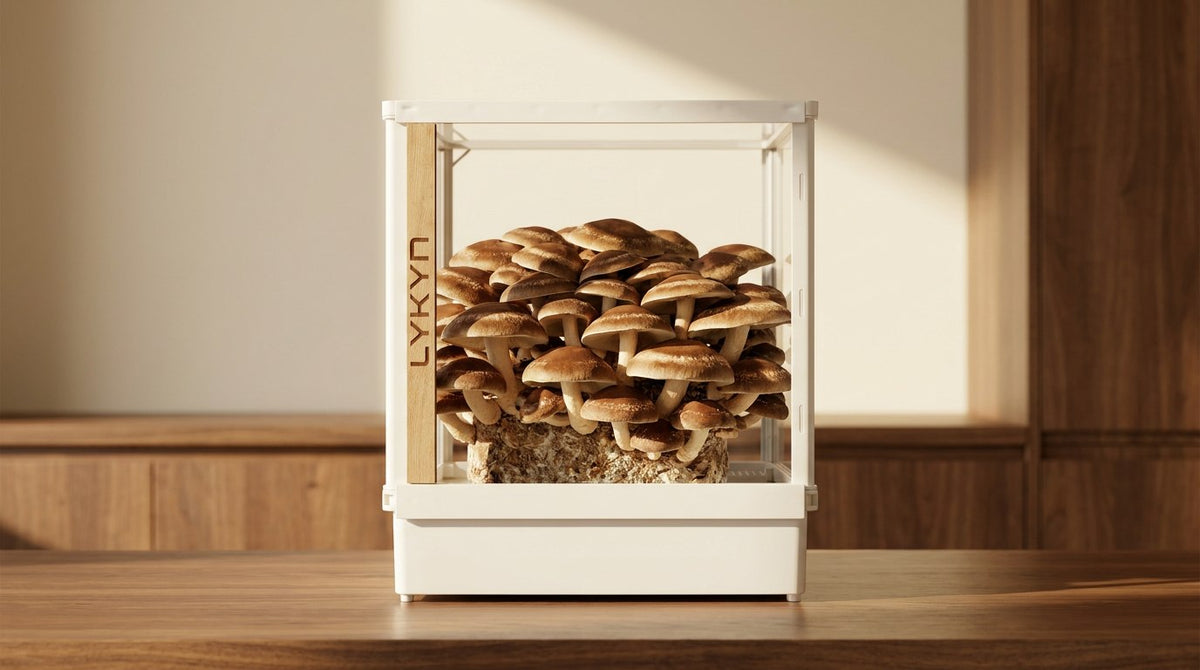
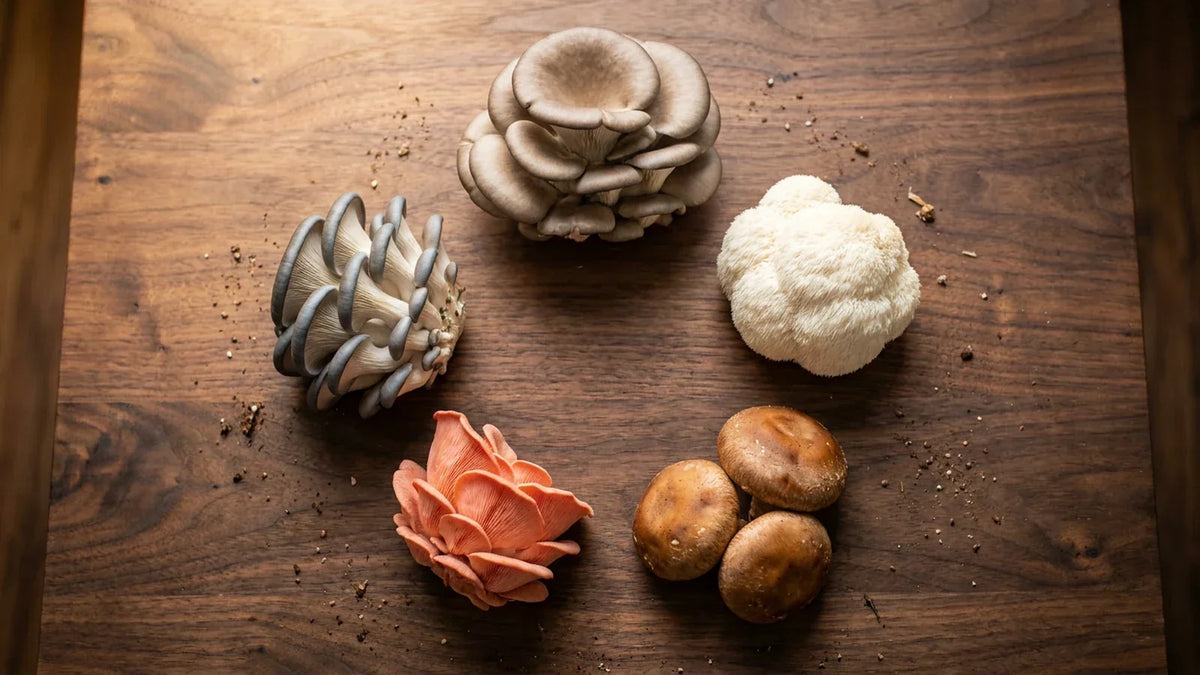
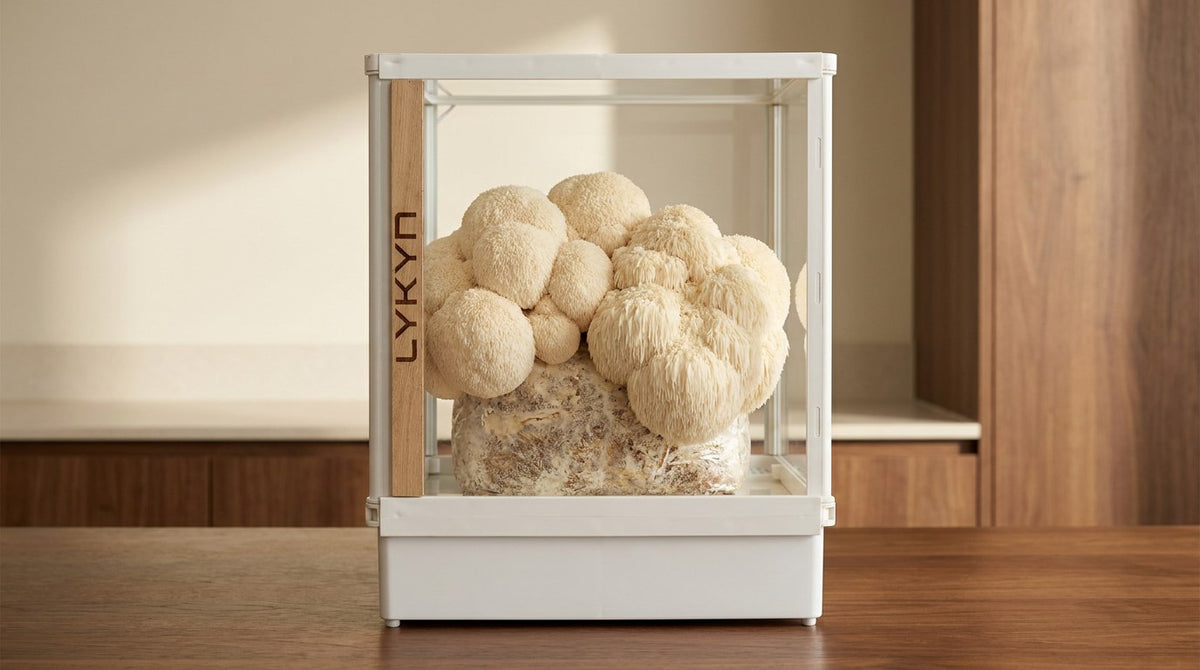
For growers who do want fast, predictable harvests, indoor cultivation of oyster, lion's mane, king oyster, and shiitake is the realistic alternative. Those species fit a true ready-to-fruit kit format and can produce harvests in 10 to 14 days from when conditions are triggered. Modern enclosed grow boxes manage humidity and fresh-air exchange automatically, which removes the steepest part of the indoor learning curve. The standard mushroom grow kits built for those species are a parallel path you can run alongside a slow outdoor morel bed.
Who actually benefits from a morel kit
To summarize: the people who get the most out of morel growing kits are gardeners who already enjoy multi-year projects, cooks who genuinely want morels at home and aren't satisfied substituting other species, families who want a teaching project, and curious mycologists who want to see how a complex soil fungus actually works.
If that's you, the benefits are real and the kit is worth trying. Just go in with eyes open about the timeline, water through winter, leave the bed alone, and let the fungus tell you in spring whether you got lucky.
Share:
Step-by-Step Morel Mushroom Growing Process
How to Set Up a Fruiting Tent (Step by Step)