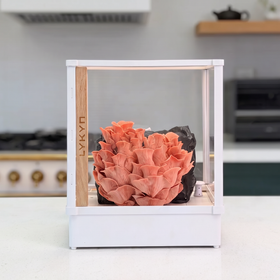



Every couple weeks a repeat customer asks the same thing: "Can I just get a different species shipped to me monthly?" The answer is yes, and here's the map of your options.
Mushroom variety subscriptions solve a real problem for home growers. The rut of growing the same species over and over, the dead time between orders, and the guesswork of timing your next block so nothing sits dormant in the fridge. These friction points hit most growers by month six. A good subscription keeps blocks flowing, lets you test new varieties without the commit of a 5-pound block, and spreads cost over the year instead of bunching it into one harvest window.
But not all subscriptions work the same way. Some ship once a month. Some let you skip months. Some lock you into species rotations you didn't choose. We'll walk through what's out there, how to pick a cadence that fits your life, and when to go subscription versus buying blocks one at a time.
Why mushroom variety subscriptions work for home growers

A mushroom subscription solves three overlapping problems at once.
First: the freshness clock. A colonized block stays viable for 6 weeks in a cold fridge. Order too early and it sits dormant, losing vigor. Order too late and you're caught between harvests, staring at an empty growing chamber. A monthly subscription lands blocks on a schedule that matches your actual fruit cycle, not the calendar. You receive a block around the time you're finishing the last flush from the previous month.
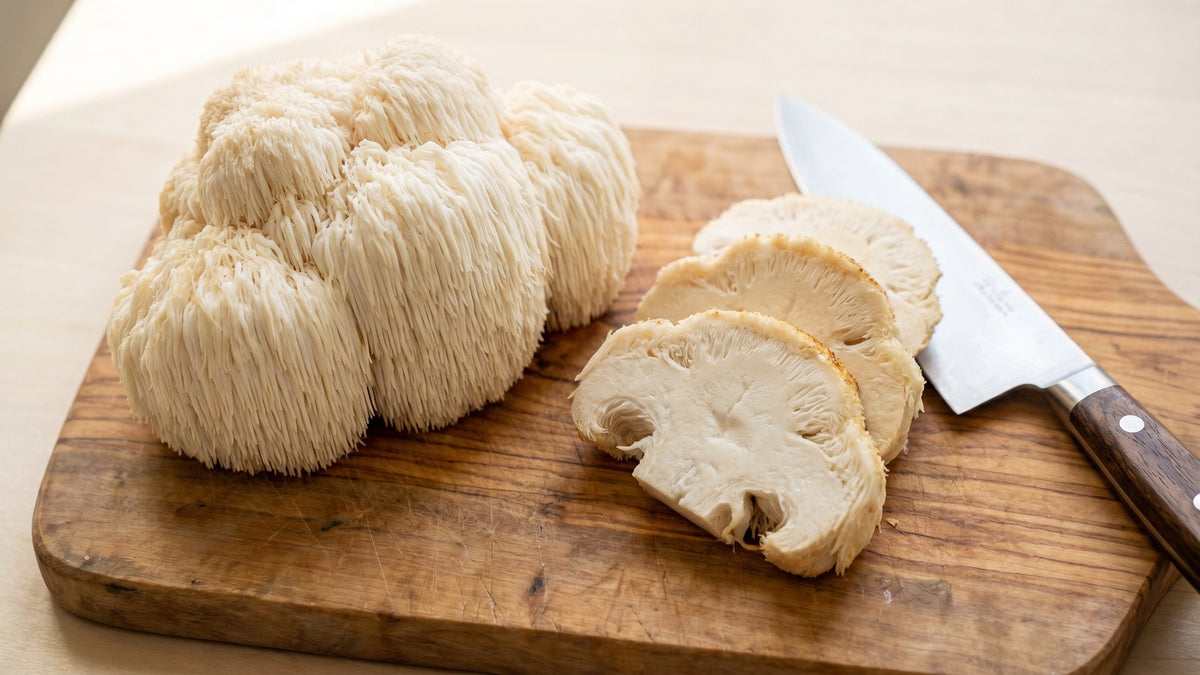
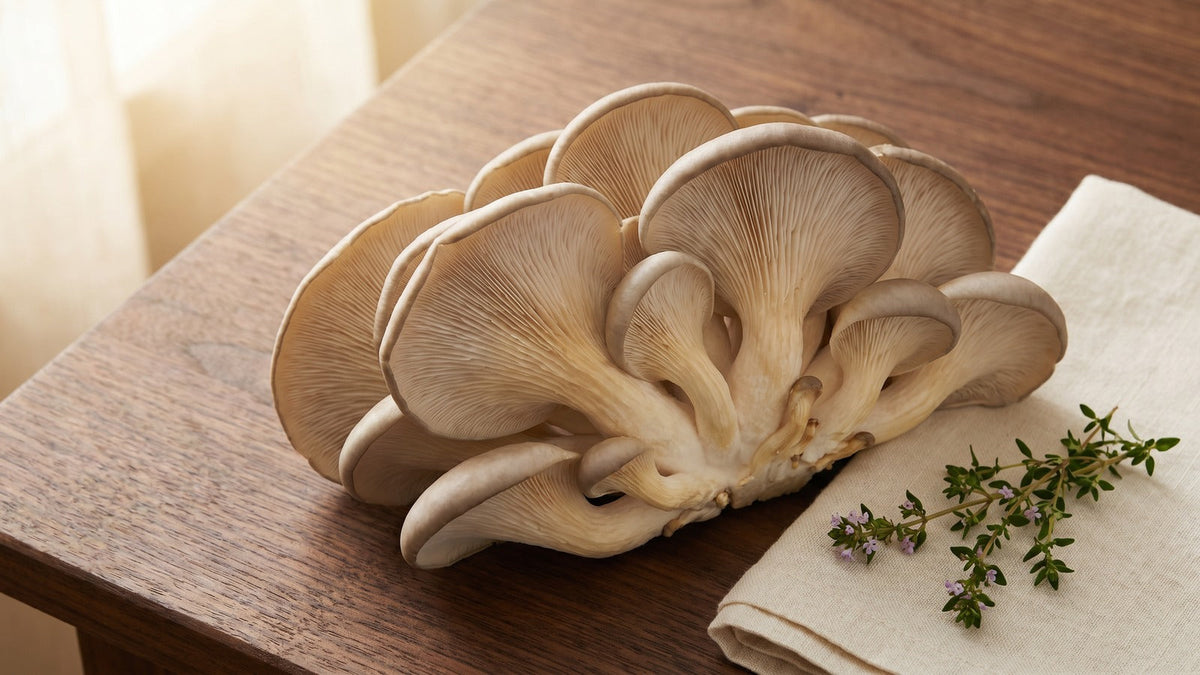
Second: species rotation. Growers fall into patterns. Oyster is fast and forgiving, so you grow oyster every month, and after year two, you're done with it. Shiitake takes 6-12 weeks to fruit, so new growers skip it. Lion's Mane costs more, so it feels like a luxury. A subscription forces the habit of rotation. You're getting Pink Oyster in month two because that's what the box says, not because you remembered to order it. Over time, you find the varieties that click for your kitchen, your climate, your schedule.
Third: cost amortization. Buying single blocks month-to-month costs $30-50 per 5-pound block in the US market. Committing to a subscription smooths that into a predictable monthly bill and unlocks a modest discount: your cost per pound of substrate tips in your favor once you're in the rhythm.
Top 5 variety subscription options 2026

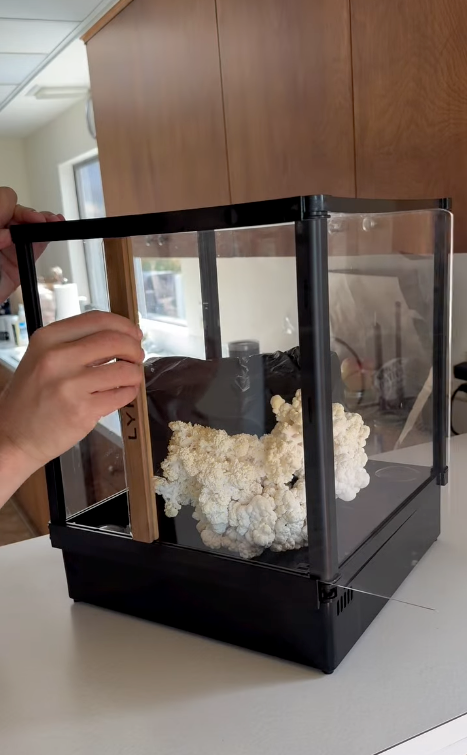
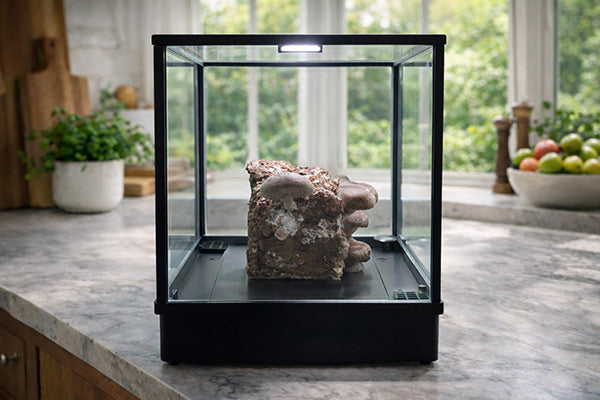
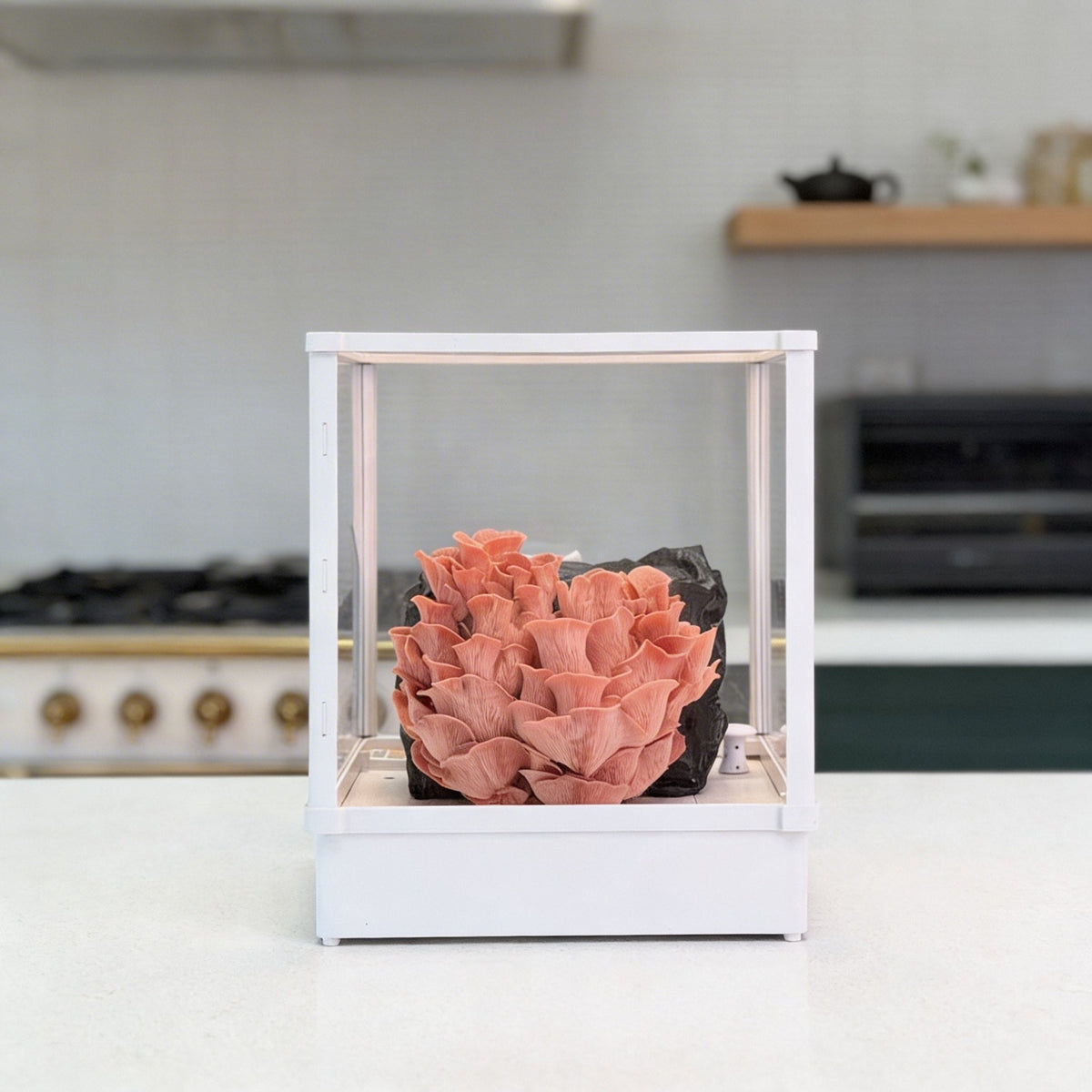
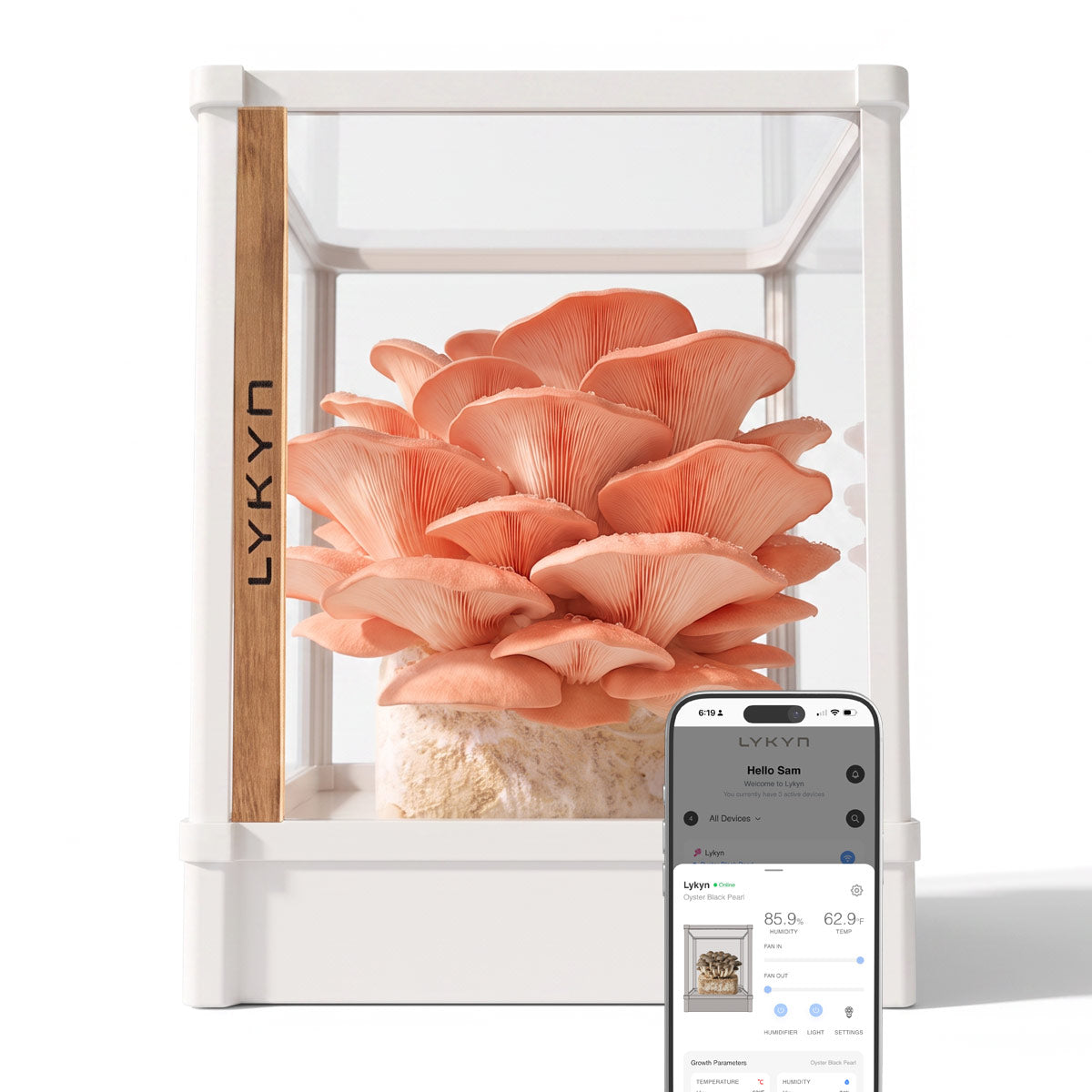
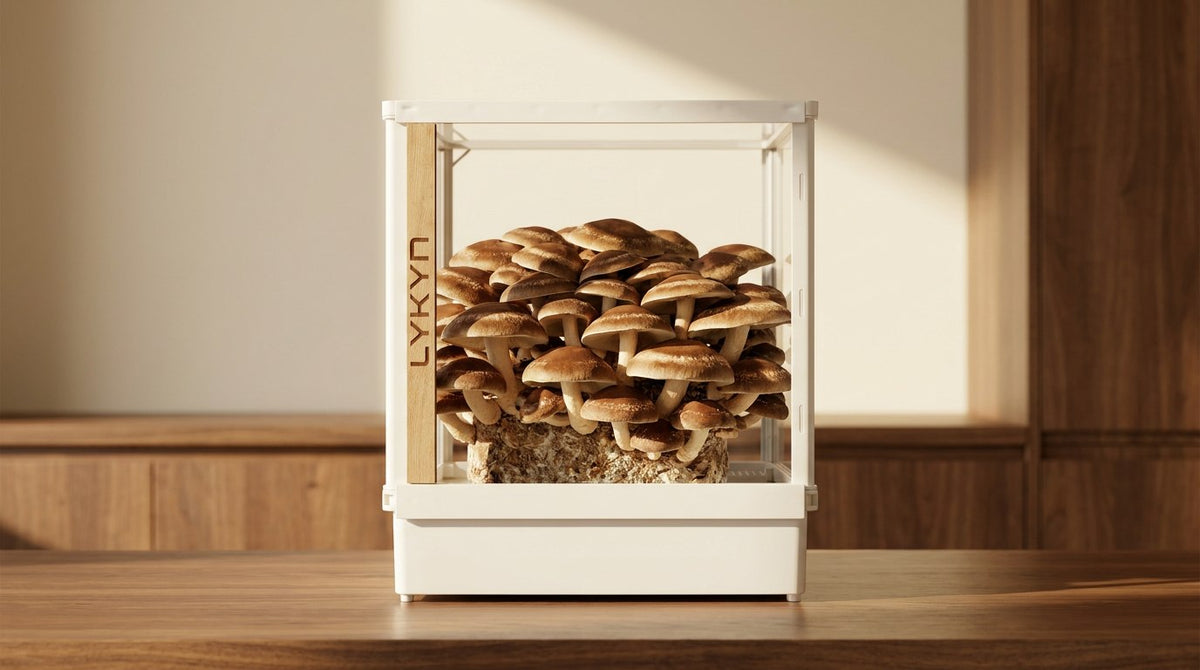
Lykyn Monthly Block Subscription ships a 5-pound colonized block on a fixed monthly schedule (skip or pause anytime). The rotation includes Lion's Mane, Pink Oyster, Shiitake, Black Oyster, and Cinnamon Cap across 5 consecutive months, then repeats. You can start the cycle any month. Block is fully colonized and ready to fruit within 7-14 days of arrival. Cost: $29.95/month after any initial device purchase. Works with Lykyn's smart chamber or any 20×20 inch fruiting space.
North Spore Grow-at-Home Club ($30-50/month) ships pre-colonized blocks and offers a wider species range: oyster, shiitake, lion's mane, wine cap, and specialty varieties like blue oyster. You receive blocks every 2-3 weeks. Flexibility is high; you can pause or modify your shipment anytime. Best for growers who want maximum variety without committing to a fixed rotation.
Cascadia Mushrooms Seasonal Blocks (quarterly shipments, ~$35-40 per block) focuses on species that perform well in each season. Spring/summer blocks emphasize fast oyster and wine cap; fall/winter rotate toward shiitake and lion's mane. Good fit if your climate has strong seasonal swings and you want the supplier doing the timing work for you.
Field & Forest Products Substrate Rotation offers mix-your-own blocks on subscription, $25-35 per shipment of 2-3 blocks. Species vary by month; you also get the option to request specific varieties. More hands-on than pre-colonized; requires 3-4 weeks for colonization before fruiting. Best for experienced growers who like control and don't mind the wait.
Local farm CSA-style subscriptions (varies by region) ship hardwood sawdust or pasteurized straw blocks with fruiting instructions. Pricing ranges $20-40/month. Quality and reliability are highly variable; this route requires finding a reputable local producer. Check farmers' markets, local mushroom groups, or food co-ops in your area.
How to pick the right rotation cadence
A "cadence" is how blocks arrive: weekly, biweekly, monthly, or quarterly.
Weekly subscriptions are rare and intensive. You'd need continuous fruiting space and humidity control. Skip this unless you're running multiple chambers or planning to harvest and gift/sell surplus.
Biweekly works if your chamber can handle a new block every 14-16 days. That means finishing one block's flushes before the next arrives. Best for growers with stable conditions and the time to attend to two simultaneous colonizations in the fridge. Keeps variety high without chaos.
Monthly is the standard. You receive a block around day 28-30, giving you time to finish the previous block's final flush and rest the chamber for a few days if needed. Fits most home growers' schedules and equipment.
Quarterly or seasonal is lighter-touch. You get 4 blocks a year, or 12 blocks spaced out. Suits growers who want to dabble, don't want mushrooms every week, or like longer breaks between growing cycles.
The honest math: if your chamber takes 10 days to colonize, 14-21 days to pin and fruit the first flush, and 7-10 days between flushes, you're looking at 40-50 days total from "block arrives" to "last flush done." Monthly cadence leaves 10-20 days of buffer. Biweekly tightens that to 0-10 days. Know your actual timeline before committing to faster shipping.
The subscription fruiting cycle: colonize, shock, fruit, recycle

Every block, every month, follows the same spine: colonize, shock, fruit, recycle. Understanding this rhythm is how you stay ahead of your subscription.
Colonize (Days 1-10, in the fridge). Block arrives colonized 75-85%. Mycelium continues spreading through the substrate in cold storage. Keep it sealed, keep it around 35-45°F. Do not open or disturb. This is the quiet phase.
Shock (Days 11-14, fruiting conditions). Move the block to your chamber or fruiting area. Temperature rises to 55-75°F depending on species. Humidity jumps to 85-95%. Light exposure triggers pinning: the first tiny mushroom primordia appear as small white bumps on the block's surface. You'll see physical change within 48-72 hours.
Fruit (Days 15-35, harvest window). Mushrooms bulk up and mature. First flush is the heaviest. Harvest when caps flatten or edges start to curl slightly upward. Second flush arrives 7-10 days after the first (substrate rests 2-3 days, then pinning re-triggers). Third flush is smaller but still worth harvesting.
Recycle (Days 36+, optional or compost). After the third flush, the block is spent: mycelium has fruited most of its energy. Some growers soak spent blocks to coax a weak fourth flush; most compost the block and wait for the next month's shipment. This is where substrate loops close: the spent block becomes garden amendment or goes to a green waste program.
A monthly subscription keeps this cycle running in parallel. Month one's block is in flushes 2-3 while month two's block is in shock. You're never in a gap; you're in a rhythm.
When variety subscription beats one-off block purchases

Should you subscribe, or keep buying blocks as you go?
Subscribe if: You're fruiting at least once a month. You want to remove the "should I order now?" friction. You're willing to accept the species rotation instead of hand-picking every block. You want price smoothing across the year.
Buy one-off if: You're new and testing whether home growing sticks. You want absolute control over species and timing. You'd rather skip a month than be forced into a cadence. You have inconsistent growing space or weather (travel, climate swings, moving house).
The pricing math. A $29.95/month subscription ($359.40/year) gets you 12 blocks. That's $30 per block. Buying single blocks at $35-45 from retailers costs roughly $420-540/year for the same 12 blocks. The subscription saves 15-33%, with the trade-off being lock-in to the supplier's species rotation and no mid-month cancellations without penalty.
The freshness math. Subscriptions ship on a predictable schedule, so blocks hit your fridge at consistent intervals. Ad-hoc purchases mean you're sometimes waiting, sometimes accelerating orders to stay supplied. Predictability = fresher blocks, fewer missed windows, and less wasted refrigerator time.
The decision-fatigue math. Over a year, a subscription removes roughly 12 decision points: "Should I order oyster or shiitake? Is there a sale? Will it ship in time?" A curated rotation trades some autonomy for peace of mind. For growers past the experimentation phase, that's often worth it.
Common subscription failures and how to avoid them
Block arrives before you're ready to fruit the last one. The most common failure. You finish a block's flushes on day 38 of your subscription cycle. Day 30, the new block lands in the mail. It sits in your fridge colonizing for another week or two, losing vigor by sitting in cold storage longer than intended. Fix: know your exact cycle (my cycle is 45 days total, so I need biweekly blocks, not monthly). Pause or reschedule your subscription to match your actual fruiting timeline.
You hate the species in rotation. Month three's Shiitake doesn't fruit well in your kitchen's humidity. You're stuck with a slow-growing variety you didn't order. Many subscriptions let you swap one month's species or skip ahead. Read the fine print before committing. Lykyn lets you pause without penalty; other services have different policies.
Your chamber or fruiting space fills up. Two blocks colonizing at once, three in the chamber. You run out of room. Many growers underestimate how much space they actually need. Before subscribing, fruit one block to completion and measure your actual space, air flow, and lighting. Don't add a subscription until you're confident you have room for at least two blocks in parallel.
Travel or seasonal breaks throw off the schedule. You're away for two weeks in July and can't fruit blocks. Or your house is too hot in summer and you pause growing. Subscription blocks still ship. Good subscriptions let you pause 2-3 months per year without penalty. Verify this before signing up.
You forget the commitment and feel blindsided by the charge. Many subscriptions auto-renew. If you've moved on from growing, the monthly bill is a surprise. Set a calendar reminder 30 days before renewal if you're on the fence. Most services offer a "freeze" option instead of full cancellation.
The honest recommendation
A mushroom variety subscription makes sense if you're past the first-block phase and fruiting regularly. It solves real friction: timing, freshness, species variety, and cost smoothing. The trade-off is accepting someone else's rotation and committing to a monthly rhythm.
If you're experimenting or only fruit 2-3 times a year, stick with one-off blocks. If you're in a stable growing rhythm (fruiting monthly, keeping consistent conditions, happy with your equipment), a subscription usually saves money, headaches, and time spent second-guessing orders.
Start with a three-month trial if your subscription allows pausing. Fruit the first block, learn your actual cycle, and decide if the rhythm fits. After one full rotation, you'll know if variety subscriptions are for you.
Monthly block. Weekly harvest. Yearly variety.
Related reading
FAQ
What is the best mushroom subscription for home growers?
It depends on your fruiting rhythm and growth space. If you're fruiting monthly and want a hands-off rotation, Lykyn's 5-species cycle ($29.95/month) keeps things simple. If you want more control and faster shipping, North Spore's Club is more flexible. Test with a three-month trial before locking in a longer commitment.
How much does a monthly mushroom block subscription cost?
Most range $25-50/month depending on block size and species. Lykyn's is $29.95/month for a 5-pound fully colonized block. That works out to $30 per block, versus $35-45 for single ad-hoc purchases. A subscription saves 15-33% if you stay in the cycle. Some services offer discounts for 6-month or annual prepay.
Can you customize a mushroom variety subscription?
Most curated subscriptions come with fixed rotations, but many let you swap one month or skip species you don't want. Lykyn allows pausing without penalty. DIY-substrate services like Field & Forest often offer more flexibility to request specific varieties month-to-month. Ask before subscribing if customization matters to you.
How many species should be in a variety subscription?
Ideally 3-5 different species across a full cycle. Fewer than 3 and you're not getting real variety: you'll end up growing oyster three times in a row. More than 5 becomes hard to track and you might lose focus. A five-month rotation (Lion's Mane, Pink Oyster, Shiitake, Black Oyster, Cinnamon Cap) means you taste each species once a year and avoid monotony.
Do mushroom subscriptions ship year-round?
Most do, but some pause during extreme weather (summer heat, winter cold) if uninsulated shipping could damage the block. Check your provider's schedule before subscribing. Some offer seasonal rotations instead: different species arriving in spring versus winter to match growing conditions. Lykyn ships year-round to US addresses with cold packs in summer.



Share:
Best Mushroom Fruiting Blocks 2026: Complete Guide to Refills + Choosing the Right Species
Where to Buy Mushroom Fruiting Blocks Online in 2026: US Supplier Guide