



Mushrooms are one of the lowest-carb foods you can put on a plate. A 100-gram serving of common varieties contains between 2 and 6 grams of carbohydrates, with at least a third of that coming from fiber. The exact number depends on the species, but no commonly eaten mushroom comes close to the carb density of vegetables like potatoes, corn, or peas. This makes mushrooms a reliable staple for keto, low-carb, diabetic-friendly, and weight-management eating plans.
This guide gives you the specific carb counts for the most common mushroom varieties, explains what those carbs are actually made of, and answers the most common questions about mushrooms and blood sugar.
Carb counts in common mushroom species

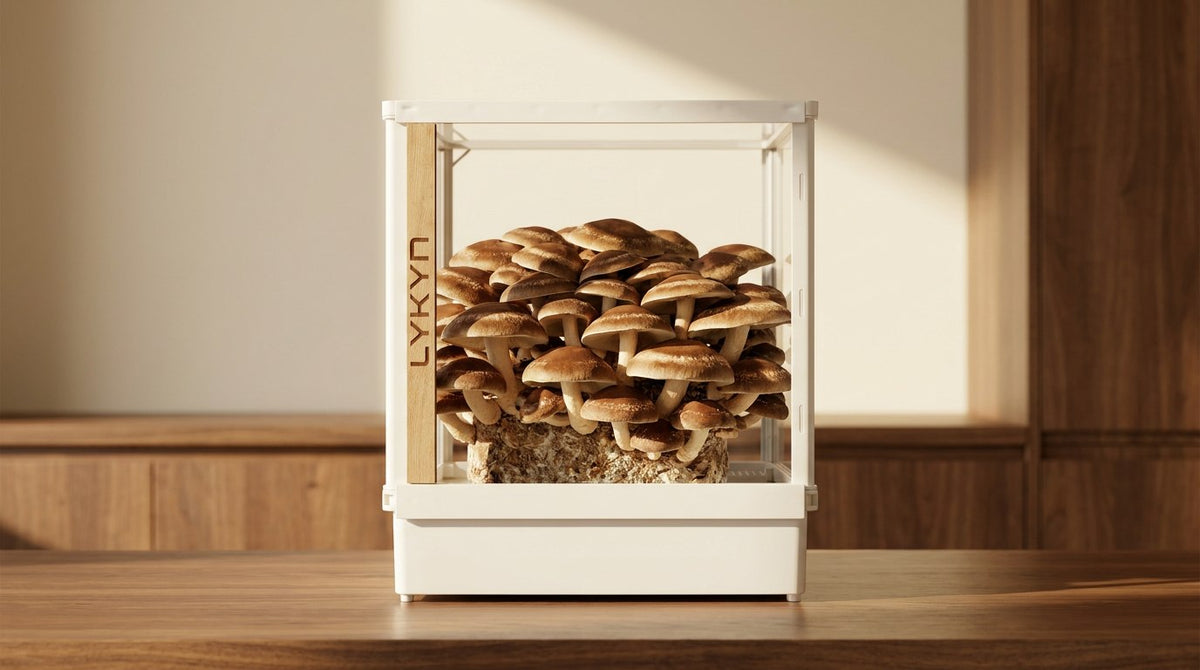
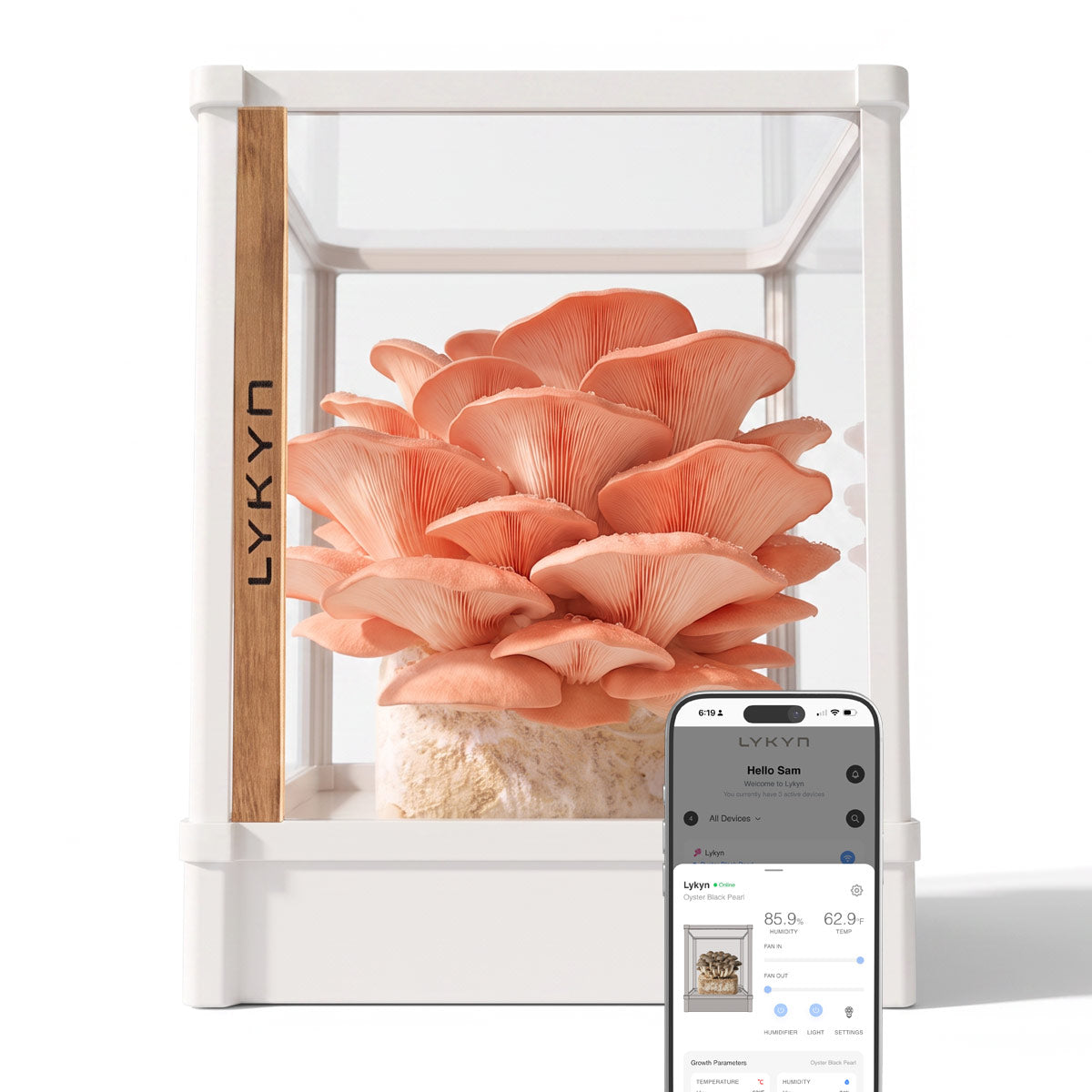
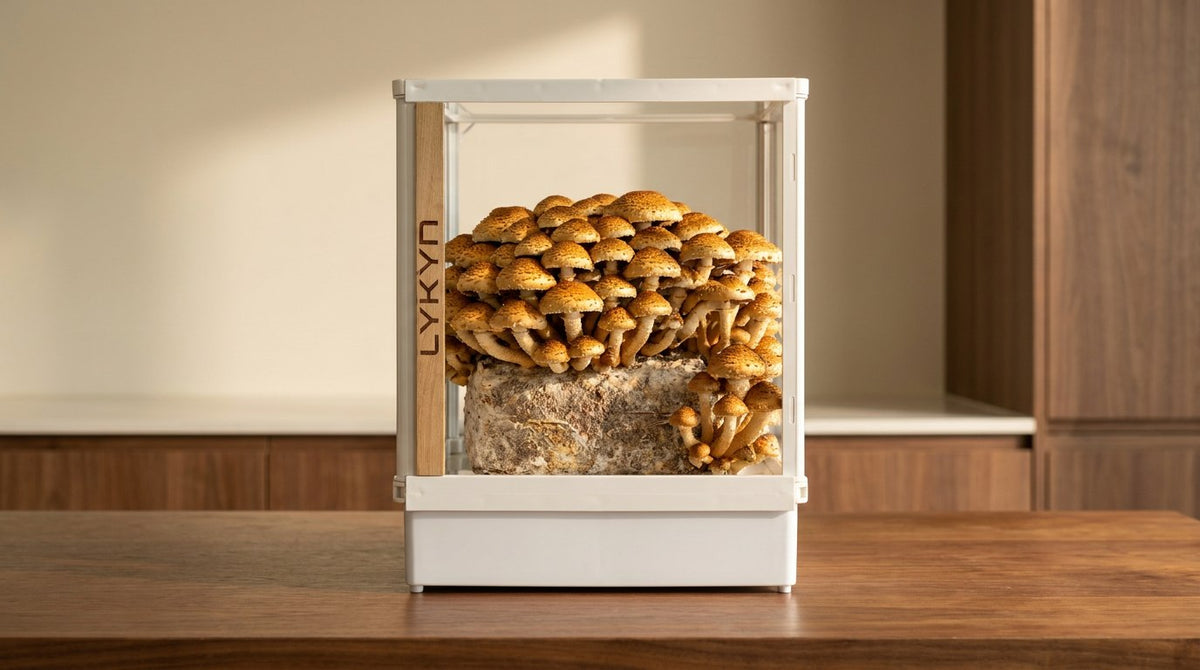
Smart Chamber. Bone White Single
- 2.8L tank, 90% humidity automatic
- App-controlled, plug-and-play
- 6 lb block ceiling, in stock

Smart Chamber. Obsidian Black Single
- Same hardware as Bone White
- Matte black premium finish
- Pairs with any kitchen palette

Carbohydrate content per 100 grams of raw mushrooms (about 1 cup sliced):
- White button: 3.3 grams total carbs, 1 gram fiber, 2.3 grams net carbs
- Cremini (baby bella): 4.3 grams total carbs, 0.6 grams fiber, 3.7 grams net carbs
- Portabella: 4.3 grams total carbs, 1.3 grams fiber, 3 grams net carbs
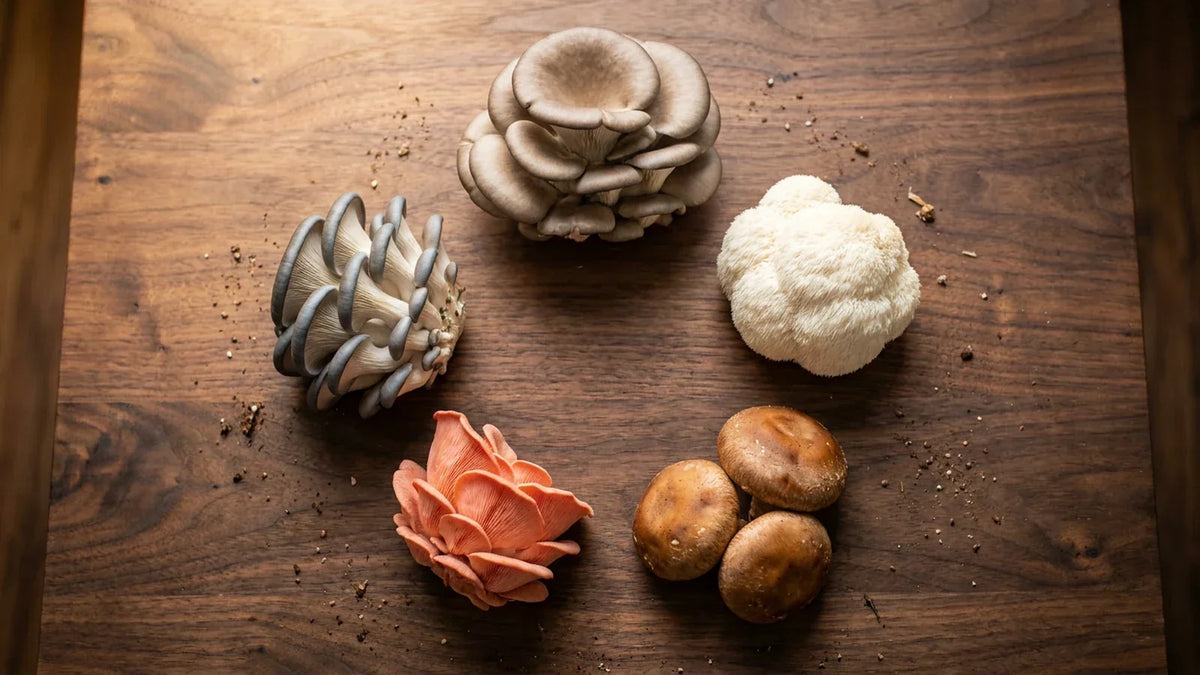
- Shiitake (fresh): 6.8 grams total carbs, 2.5 grams fiber, 4.3 grams net carbs
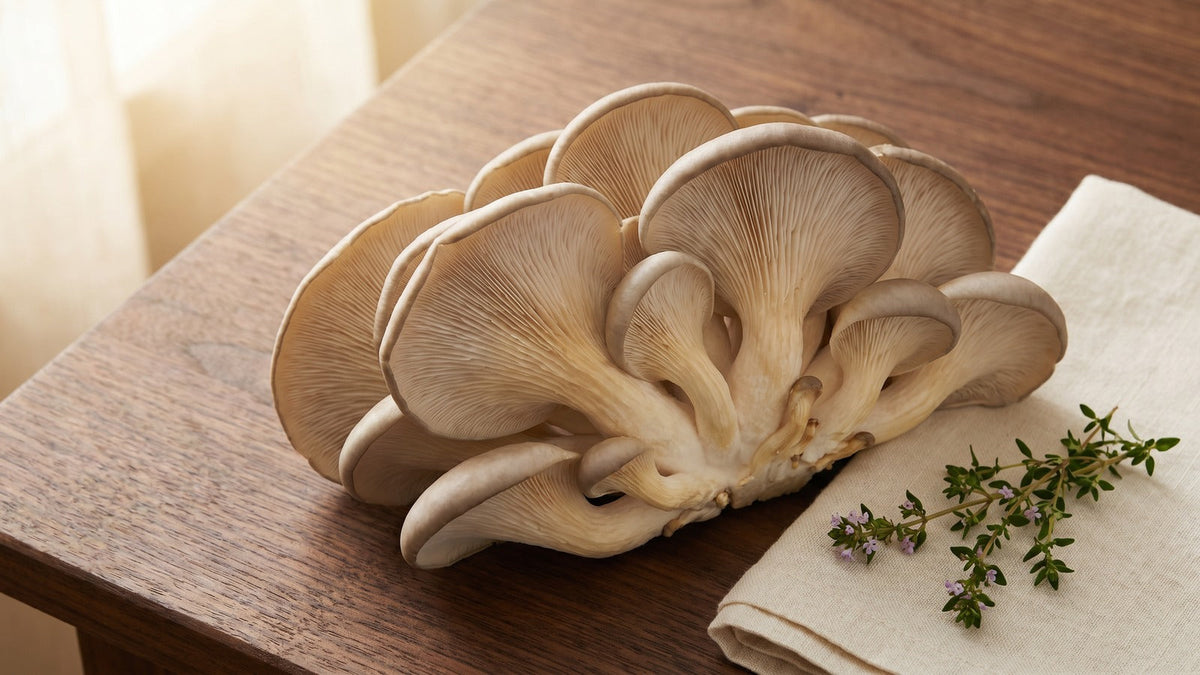
- Oyster: 6.1 grams total carbs, 2.3 grams fiber, 3.8 grams net carbs
- Enoki: 7.8 grams total carbs, 2.7 grams fiber, 5.1 grams net carbs
- Maitake: 6.9 grams total carbs, 2.7 grams fiber, 4.2 grams net carbs
- Chanterelle: 6.9 grams total carbs, 3.8 grams fiber, 3.1 grams net carbs
- Morel: 5.1 grams total carbs, 2.8 grams fiber, 2.3 grams net carbs
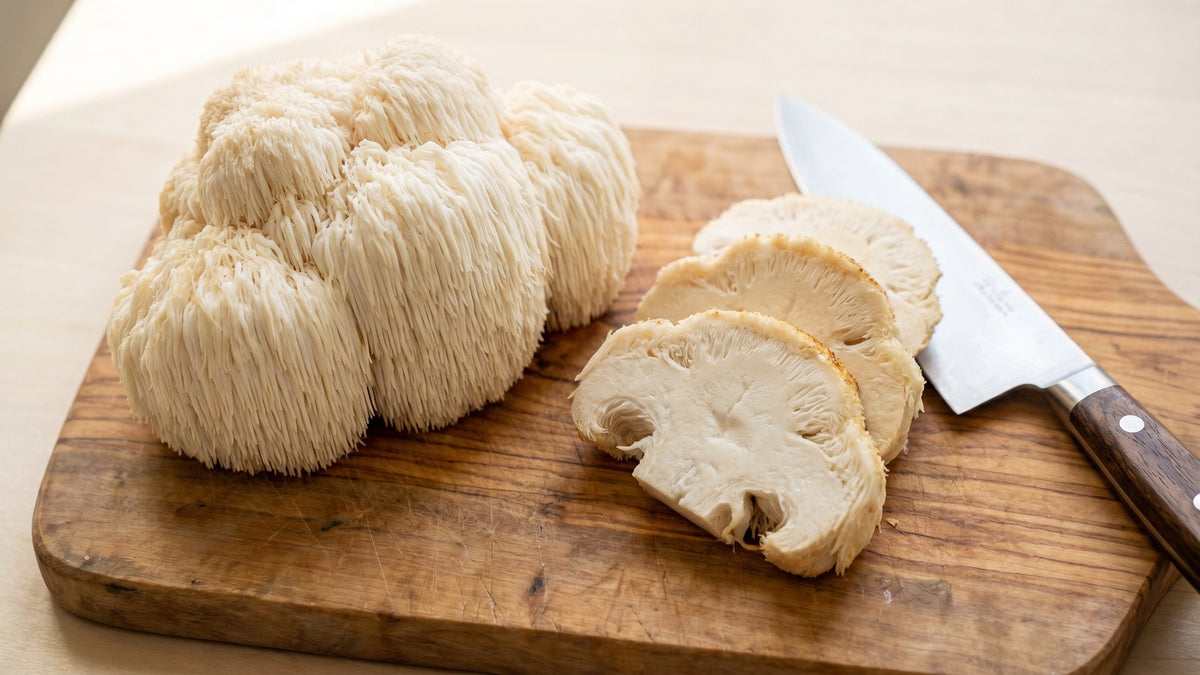
- Lion's mane: around 7 grams total carbs, 2.5 grams fiber, 4.5 grams net carbs
The pattern is consistent: low total carbs, meaningful fiber, and net carbs almost always under 5 grams per cup. For comparison, 100 grams of broccoli has 7 grams of carbs and 100 grams of green beans has 7 grams. Mushrooms are routinely lower than even the lowest-carb vegetables.
What kind of carbs are in mushrooms?
Mushroom carbohydrates are not the same as the starches and sugars found in plants. Mushrooms contain a mix of carbohydrate types that affect the body differently:
- Mannitol: a sugar alcohol that does not significantly raise blood glucose. Common in many edible mushrooms.
- Trehalose: a disaccharide that is broken down slowly and has a smaller impact on blood sugar than glucose.
- Chitin: a tough fiber that forms mushroom cell walls and passes through the human digestive tract largely intact.
- Beta-glucans: soluble fibers studied for cholesterol management and immune support.
- Small amounts of glucose and fructose: present but at low levels.
Because of this mix, the glycemic impact of mushrooms is much lower than their total carbohydrate count would suggest. Most varieties have a glycemic index below 15, which is in the same range as lettuce and avocado.
Net carbs vs total carbs
For people tracking carbs on keto or low-carb diets, the practical number is net carbs (total carbs minus fiber and sugar alcohols). Mushrooms are particularly friendly here because much of their carbohydrate content comes from chitin (fiber) and mannitol (a sugar alcohol that mostly passes through undigested).
For most cooked varieties, expect net carbs of 2 to 4 grams per cup. That puts mushrooms in the same low-carb category as leafy greens, even though their total carb number looks higher on paper.
Carbs in dried mushrooms
Dried mushrooms concentrate everything, including carbohydrates. Per 100 grams of dried mushrooms (which rehydrates to roughly 500 grams of cooked mushrooms):
- Dried shiitake: 75 grams total carbs, 12 grams fiber, 63 grams net carbs
- Dried porcini: 60 grams total carbs, 25 grams fiber, 35 grams net carbs
- Dried morels: 60 grams total carbs, 20 grams fiber, 40 grams net carbs
- Dried wood ear (kikurage): 75 grams total carbs, 60 grams fiber, 15 grams net carbs
These numbers look intimidating, but the typical serving of dried mushrooms is small (5 to 15 grams), and the rehydrated weight is what you actually eat. A 10-gram serving of dried shiitake is about a small handful and produces 50 grams of cooked mushroom, which translates to a net carb count similar to a typical fresh serving.

Fuel Your Mushroom Journey
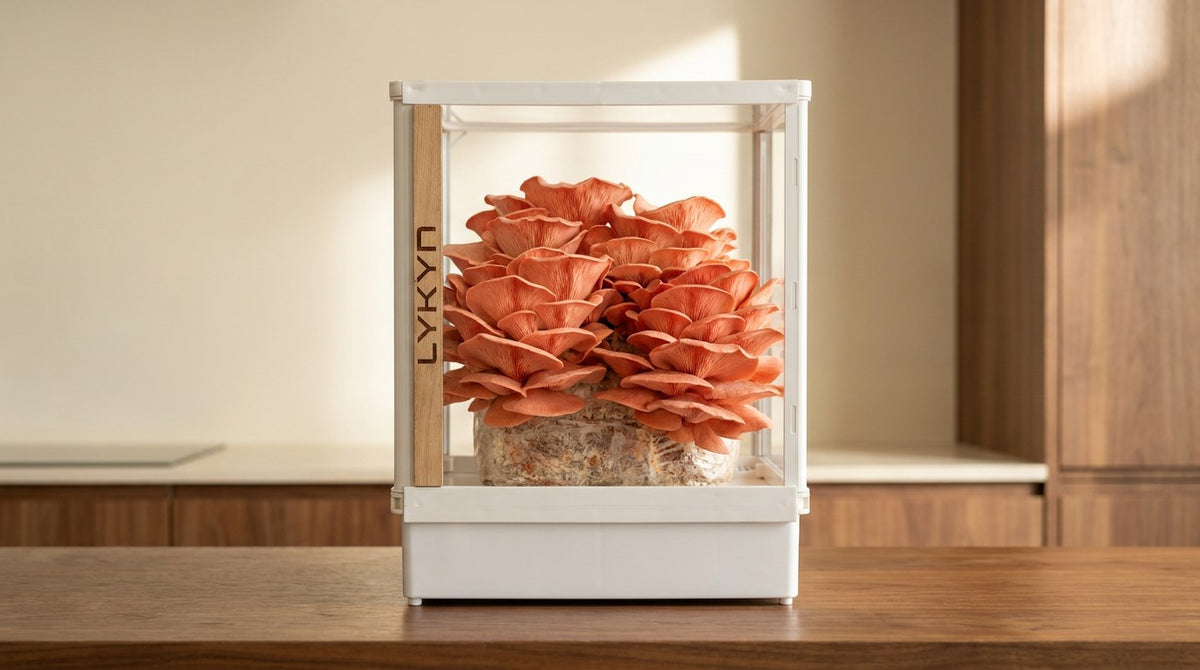
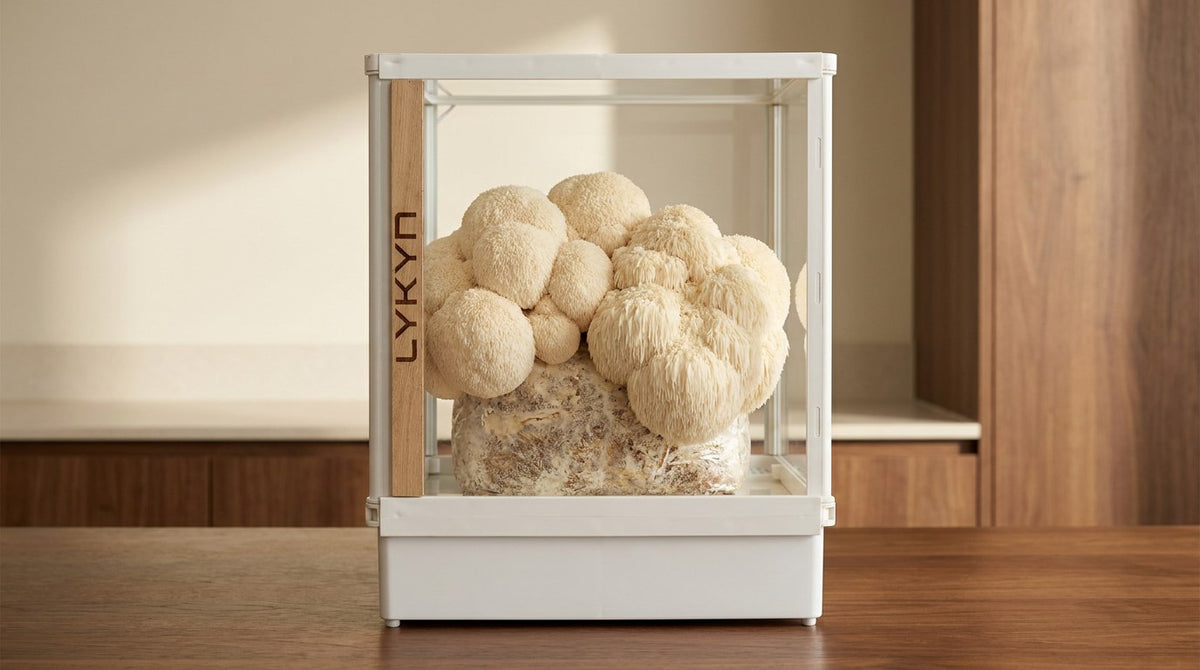
Smart Mushroom Grow Chamber
Plug-and-play smart chamber with humidity, light, and airflow dialed in for every species. Beginners harvest their first flush in days, not months.
Add to cart $299Are mushrooms keto-friendly?
Yes, mushrooms are one of the most keto-friendly foods available. The combination of low net carbs, near-zero fat, and modest protein lets them fit into almost any keto meal without breaking macros. They also add umami depth that helps replace the savory richness of carb-heavy foods you have removed from the plate.
Practical keto uses for mushrooms:
- Sliced and sauteed as a base for steak or salmon
- Stuffed portabella caps replacing burger buns
- Mushroom rice (riced cauliflower mixed with finely chopped mushrooms)
- Cream of mushroom soup made with heavy cream instead of flour-based thickeners
- Mushrooms blended into sauces and gravies for body without added carbs
Do mushrooms raise blood sugar?
For most people, no. The combination of low total carbohydrates, high fiber content, and the presence of mannitol (which passes through largely unabsorbed) means mushrooms have a minimal impact on blood glucose. A 2010 study in the Journal of Medicinal Food found that white button mushrooms had a blood-glucose-lowering effect in diabetic rats, possibly through their beta-glucan content.
People with diabetes can generally eat mushrooms freely and may benefit from substituting them for higher-carb starches in meals. As always, individual responses vary, and a glucose meter is the most reliable way to confirm how a specific food affects you.
Carbs in cooked vs raw mushrooms
Cooking does not significantly change the carbohydrate content of mushrooms. It does remove water, which concentrates the nutrients per gram. A 100-gram serving of cooked mushrooms (down from about 150 grams raw, after water loss) has slightly more carbs per gram than the raw equivalent, but the carb count per serving stays similar because you started with the same amount of food.
Cooking also makes the cell walls accessible, which improves the absorption of all nutrients including some of the trehalose and mannitol. The practical effect on blood sugar is still minimal.
How mushrooms fit into a low-carb diet
A few principles for using mushrooms on low-carb plans:
- Treat mushrooms as a vegetable equivalent with even lower carb impact than leafy greens
- Use them in volume rather than worrying about exact carb counts
- Combine with protein and fat for filling, low-carb meals
- Use dried mushrooms for flavor with minimal portion size
- Skip pre-made mushroom soups and sauces, which often add carb-heavy thickeners
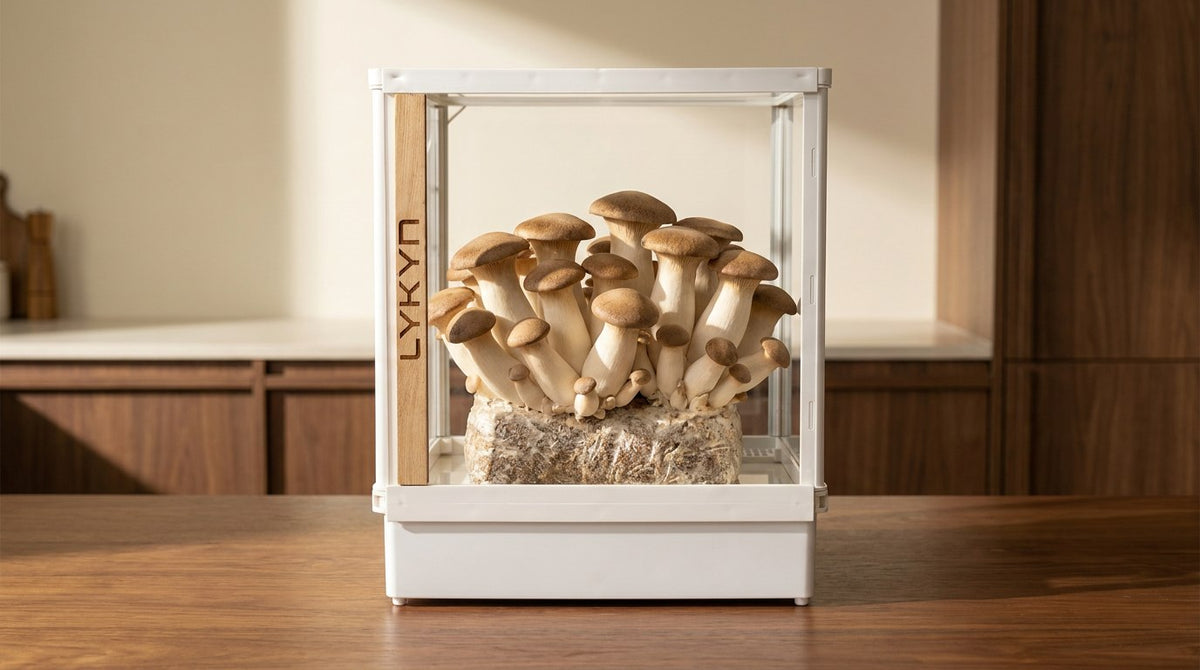
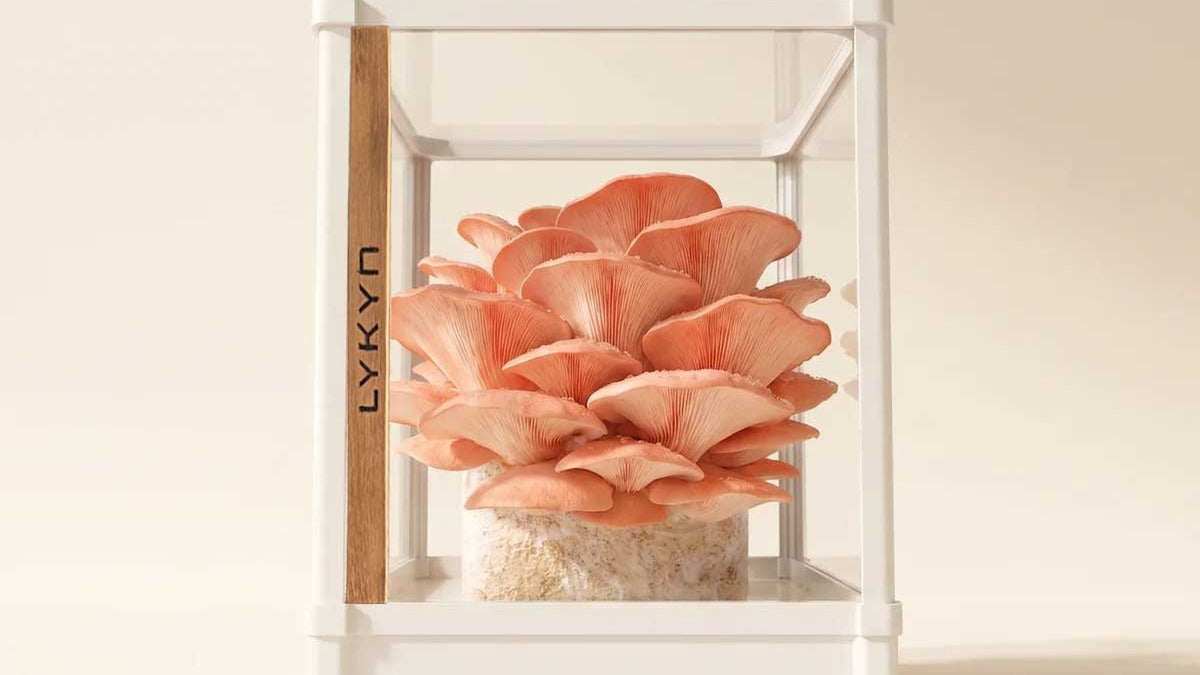
If you cook with mushrooms regularly and want a reliable supply, growing your own at home is a low-effort upgrade in flavor and freshness. A countertop grow kit produces species like oyster, shiitake, and lion's mane on a predictable schedule. You can explore home mushroom grow kits for consistent freshness.
The bottom line
Mushrooms contain very few carbs, and the carbs they do contain (mostly fiber and slow-acting sugar alcohols) have a minimal effect on blood sugar. For keto, low-carb, and diabetes-friendly meal plans, mushrooms are functionally a free food in most portion sizes. Eat them often, vary the species, and they will pull more weight in your diet than the carb count suggests.

Share:
Ground Beef and Mushroom Recipes: 7 Weeknight Dinners and a Technique
Ground Beef and Mushroom Recipes: 7 Weeknight Dinners and a Technique