


Morchella mushrooms (better known by their common name, morels) are the spring-only wild mushrooms with hollow, honeycomb-textured caps and a deep, smoky, nutty flavor that no cultivated mushroom comes close to matching. They're also the wild mushroom with the steepest cooking-rule learning curve: morels must be cooked thoroughly, must never be eaten raw, and respond very differently to heat than most other mushrooms. Get the technique right and you're holding one of the great culinary experiences of the season. Get it wrong and you've either made yourself sick or wasted the most expensive mushroom in your kitchen.
This guide covers prep, the cardinal rules, the half dozen preparations that work consistently with fresh and dried morels, and the pitfalls that ruin them. Morels are a different ingredient from button mushrooms, oysters, or shiitake; the technique that works for those mushrooms will not work for these.
How to prep fresh morels
Start by halving every morel lengthwise from the cap tip down through the stem. The honeycomb hollow inside is a perfect hiding place for grit, dirt, leaf fragments, slugs, and insects. Halving them is non-negotiable: a single bug in a $40-per-pound mushroom dish ruins the whole meal.
Rinse the halves briefly in cool water, working your fingers gently into the honeycomb folds to dislodge debris. Don't soak. Morels absorb water like a sponge and will turn limp and steamy in the pan if you let them sit in liquid. Lay the rinsed halves on a clean towel and pat them dry before cooking. They need to be surface-dry for any preparation that involves searing.
Trim the very bottom of the stem if it's tough or discolored. The rest of the stem is excellent eating.

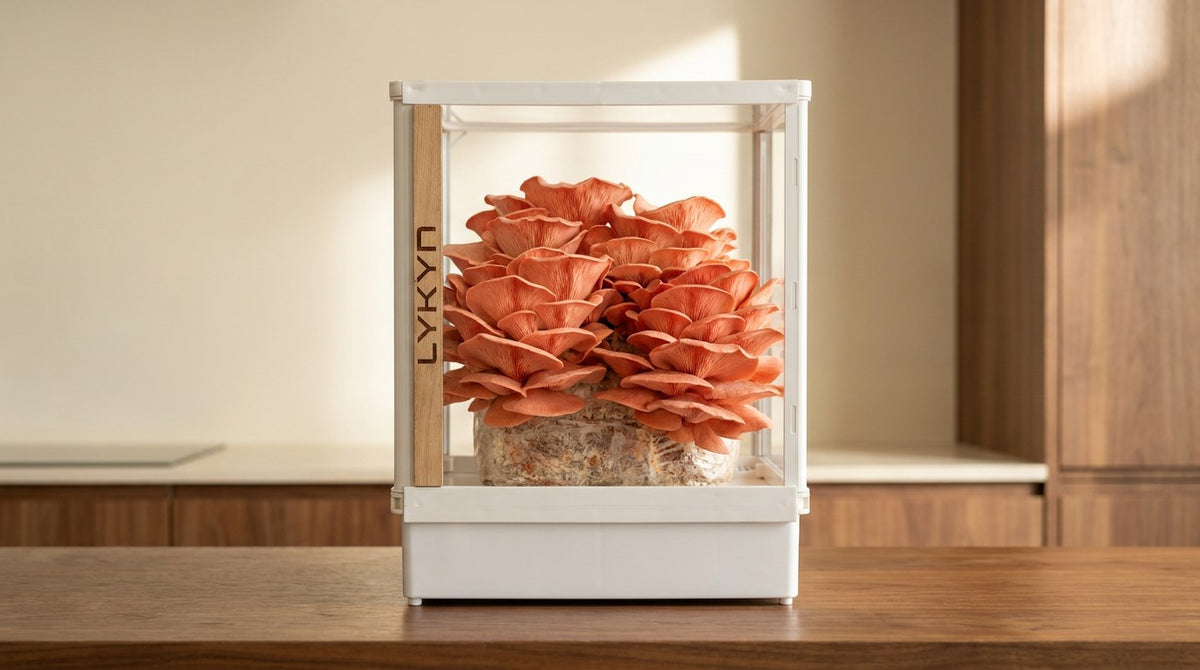
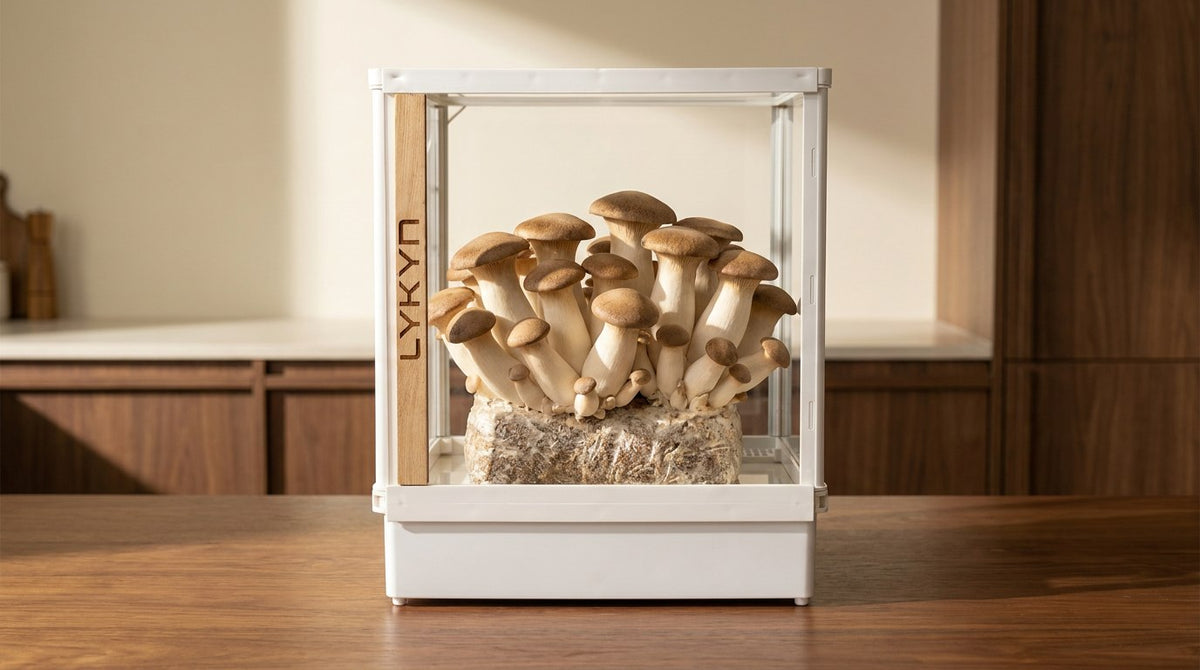
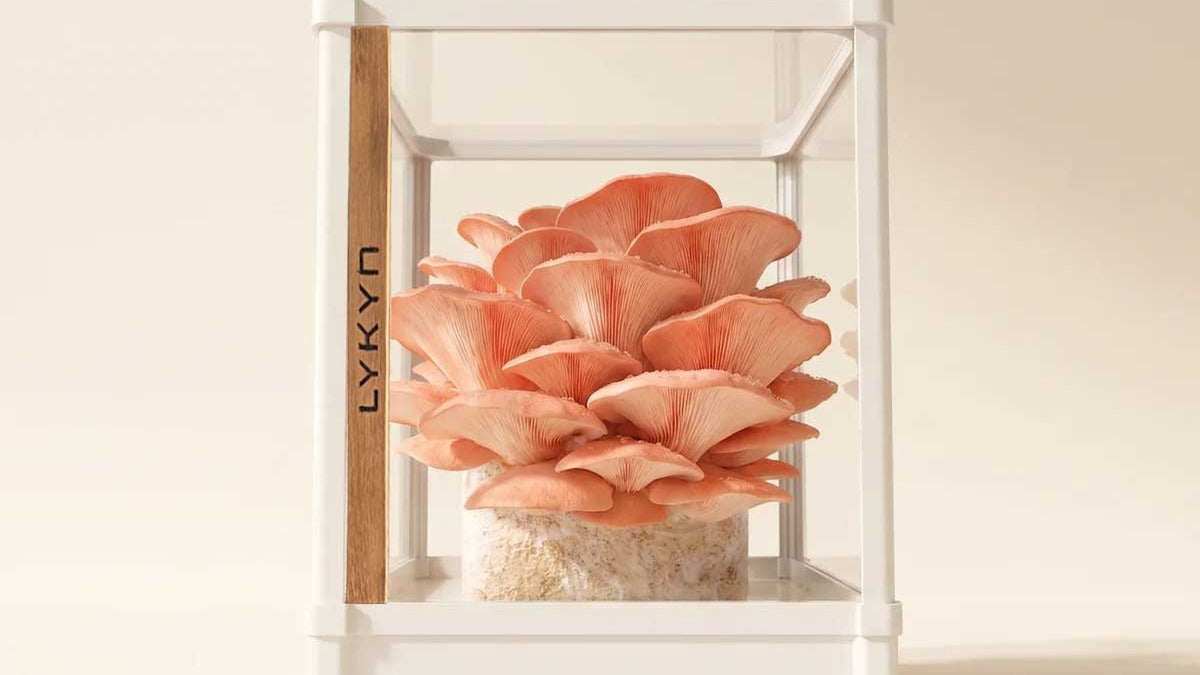
Smart Chamber. Bone White Single
- 2.8L tank, 90% humidity automatic
- App-controlled, plug-and-play
- 6 lb block ceiling, in stock

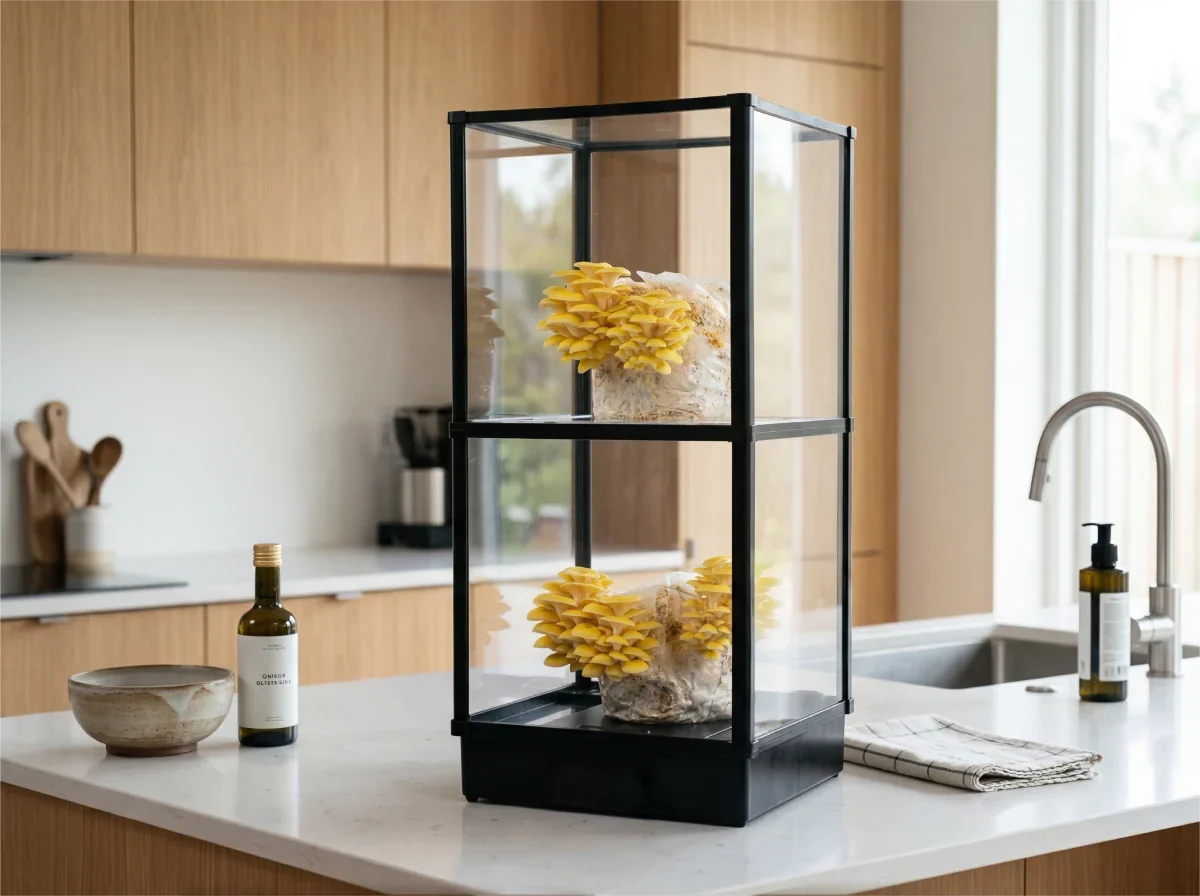
Smart Chamber. Obsidian Black Single
- 2.8L tank, 90% humidity automatic
- App-controlled, plug-and-play
- Matte obsidian finish, in stock

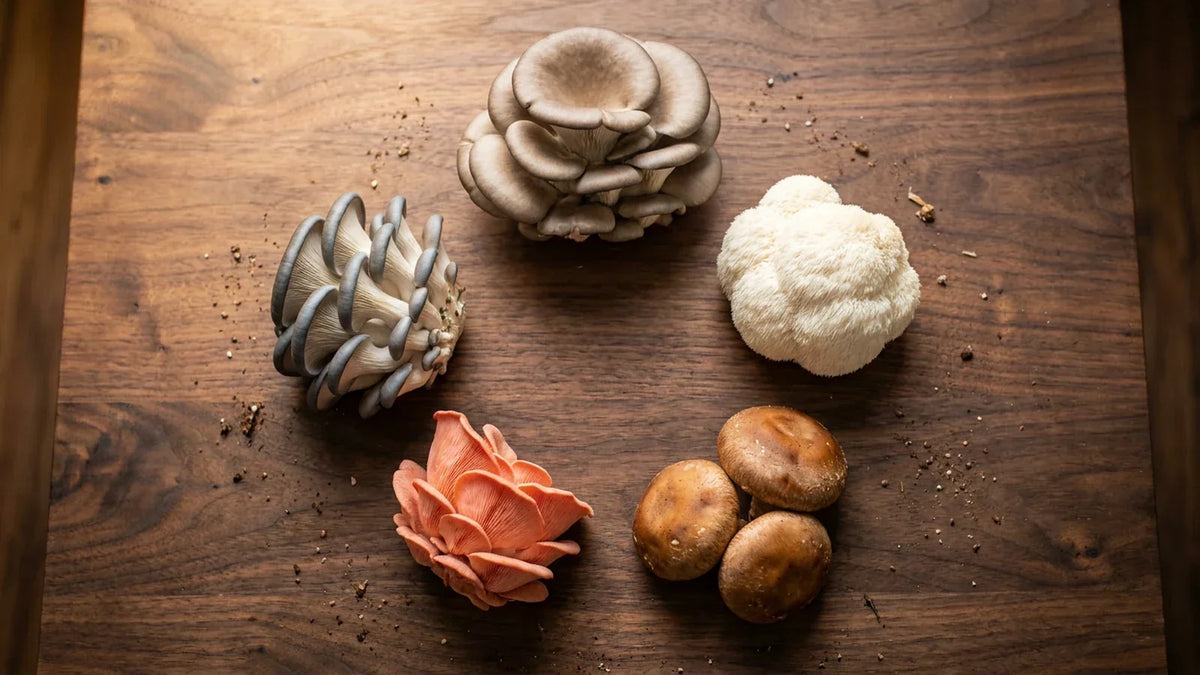
Black Oyster Fruiting Block
- 5 lb colonized hardwood block
- 1-3 day cycle, easy first flush
- Lab-tested strain, in stock
The two cardinal rules
Cook morels thoroughly. Never eat them raw. Raw or undercooked morels contain hydrazine-class compounds and other heat-sensitive irritants that cause gastrointestinal distress in many people. Heat at 160°F or above for at least 5 minutes destroys these compounds. Every reliable preparation in this guide cooks the morel for at least 5 minutes from the moment it hits the heat.
Don't drink alcohol with your first plate. A subset of people react badly when alcohol is consumed alongside well-cooked morels, with symptoms resembling the disulfiram reaction (flushing, nausea, rapid heart rate). The reaction is uncommon but it is documented. If it's your first time eating morels, skip the wine pairing on that meal. After you've established that you tolerate them, the alcohol pairing is up to you.
One more practical rule: don't combine morels with other novel wild mushrooms on the same plate. If you have a reaction, you want to know which mushroom caused it.
Six classic preparations
Sautéed in butter (the benchmark dish). Heat 2 tablespoons of butter in a heavy skillet over medium heat until foaming subsides. Add the dry, halved morels in a single layer (don't crowd). Cook 4 to 6 minutes, tossing or turning, until the edges are browned and the morels have given up most of their water. Add a finely minced shallot and cook 1 minute more. Splash in 2 tablespoons of dry white wine and let it reduce to a glaze. Finish with a tablespoon of chopped fresh parsley and salt to taste. Total cook time: 8 to 10 minutes. Serve on grilled bread or alongside a steak.
Morel cream sauce for pasta or chicken. Sauté halved morels in butter as above for 5 minutes. Add 1 minced shallot and cook 1 minute. Deglaze with 1/4 cup dry sherry or white wine and reduce to a glaze. Add 3/4 cup heavy cream and simmer 4 to 5 minutes until thickened. Salt and pepper to taste, finish with chopped fresh tarragon. Serve over wide pasta or alongside roast chicken.
Cream of morel soup. Sauté 8 ounces of halved morels in 3 tablespoons of butter for 6 minutes. Add 1 chopped leek (white part only) and 2 minced garlic cloves, cook 3 minutes. Add 4 cups of chicken stock and simmer 15 minutes. Remove half the morels and set aside. Blend the soup with 1/2 cup of heavy cream. Return the reserved morels to the pot, season with salt and a grind of black pepper, and serve.
Morel-stuffed pasta or ravioli. Cook morels in butter for 6 minutes, then finely chop with a knife. Combine with 1/2 cup ricotta, 1/4 cup grated parmesan, an egg yolk, salt, and pepper. Use as ravioli filling. Serve in brown butter with sage.
Grilled morels. Halve large morels, brush with olive oil, and grill over medium-high heat for 3 to 4 minutes per side. Finish with flaky salt, lemon zest, and chopped chives. Best with the largest specimens you can find, where the hollow holds up to the grill grate.
Dried morels reconstituted. Cover dried morels with 2 cups of hot water and soak 20 to 30 minutes. Lift the morels out (don't pour, you'll dump the grit back in), squeeze gently, and chop or leave whole. Strain the soaking liquid through a coffee filter and use it as a stock. Sauté the rehydrated morels in butter for 5 minutes and proceed with any of the recipes above.

Fuel Your Mushroom Journey
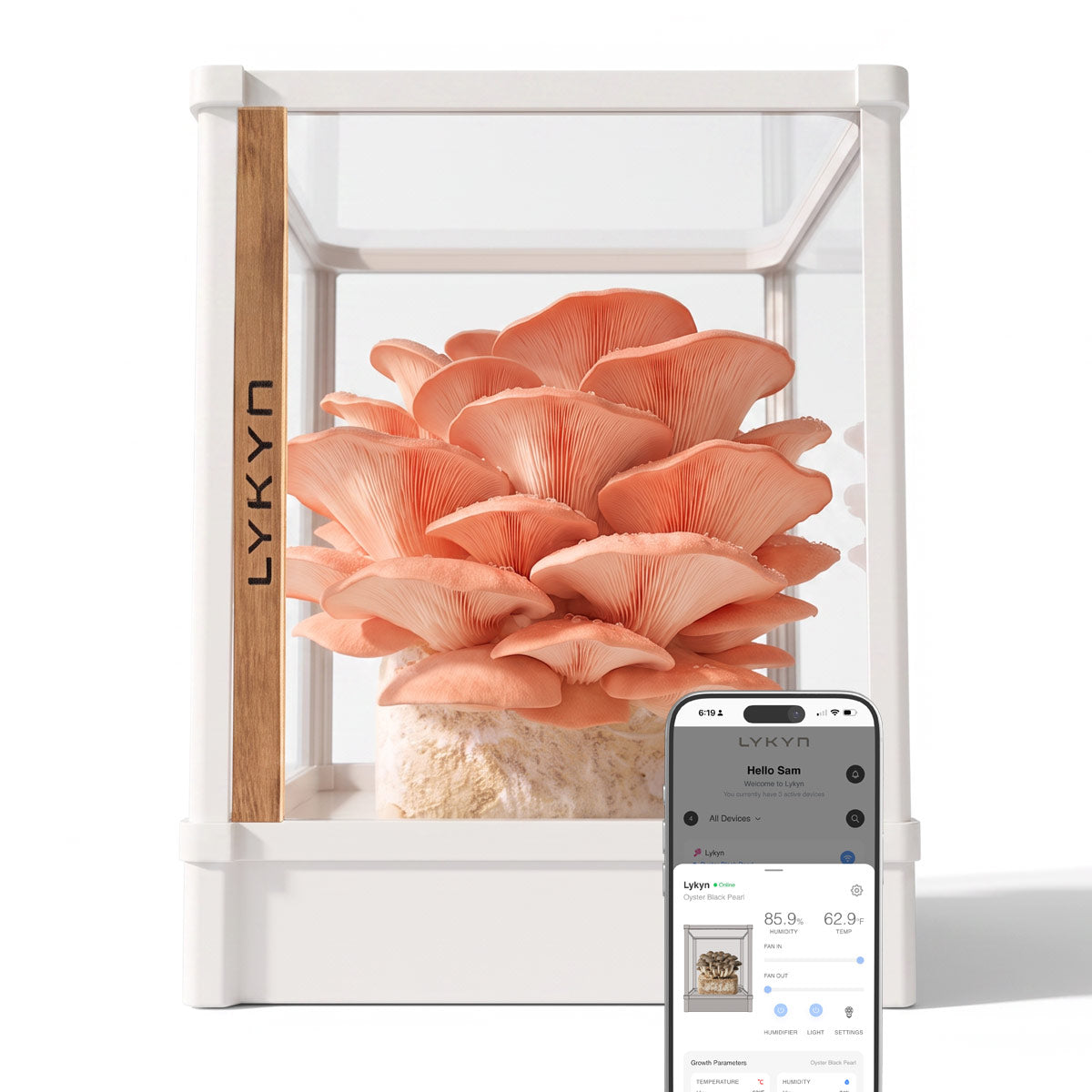
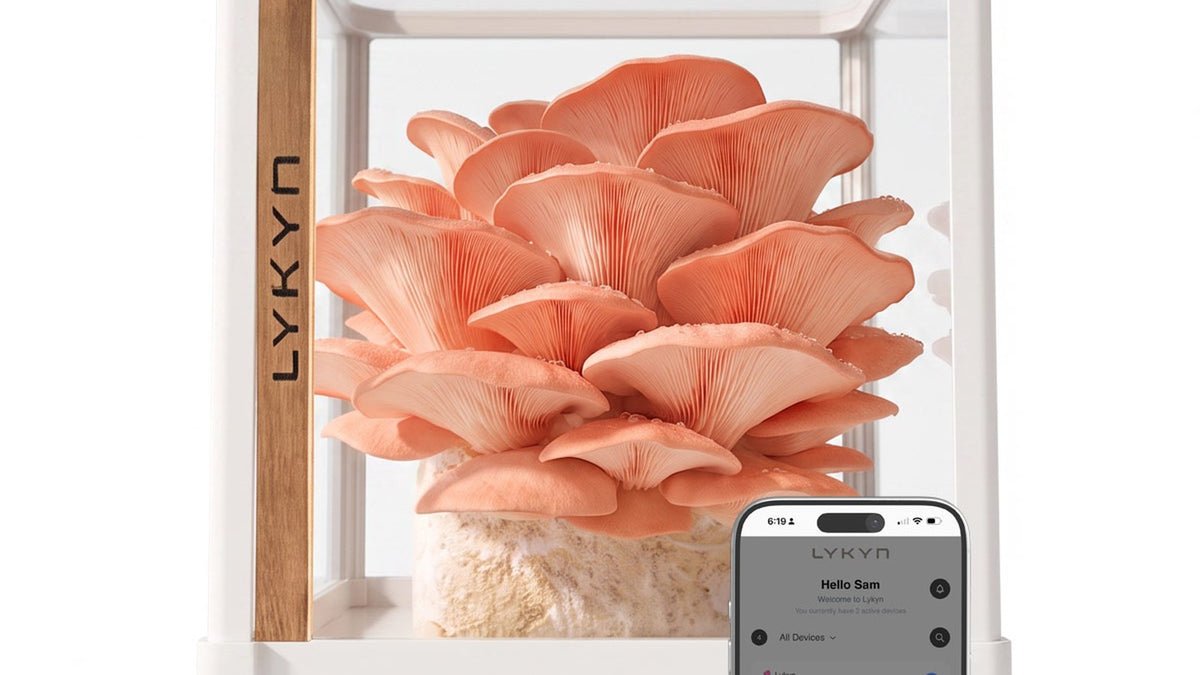
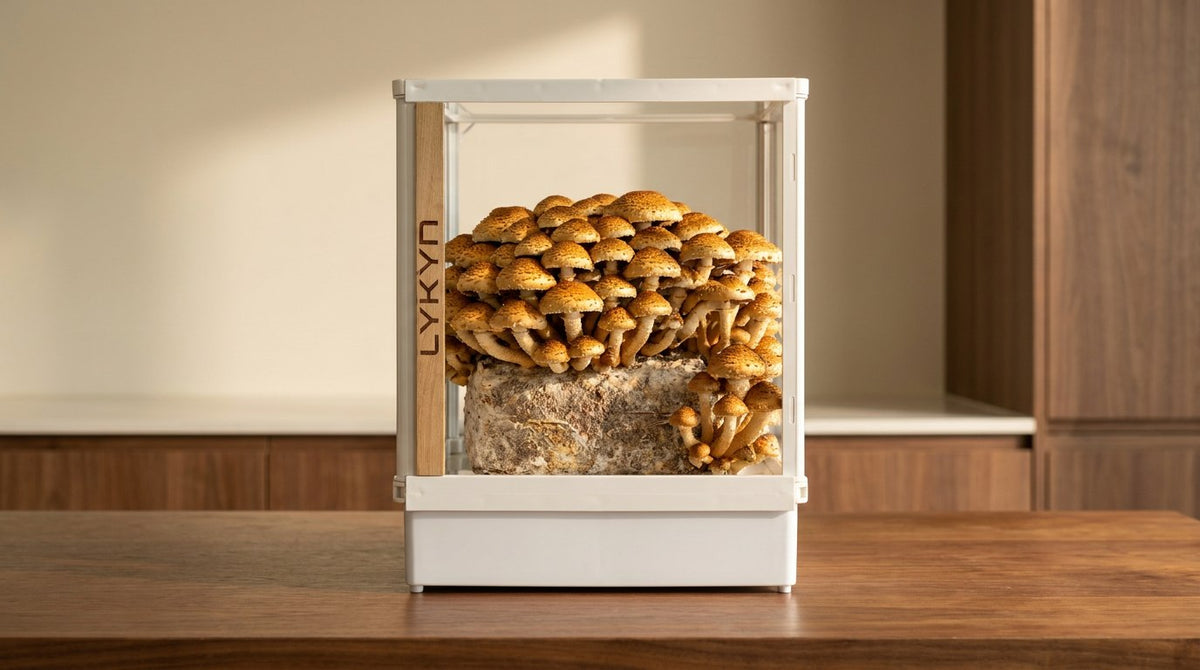
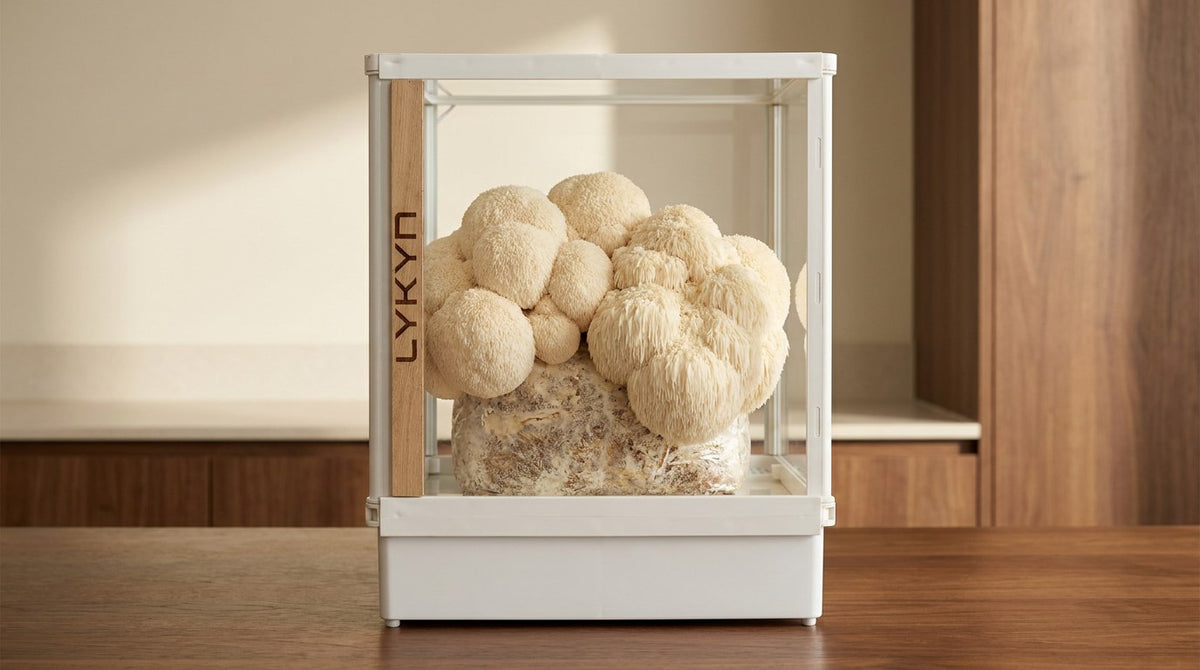
Smart Mushroom Grow Chamber
Plug-and-play smart chamber with humidity, light, and airflow dialed in for every species. Beginners harvest their first flush in days, not months.
Add to cart $299How to dry morels for storage
Fresh morels last 5 to 7 days in the refrigerator, stored in a paper bag, never in sealed plastic. Beyond that window, the easiest preservation method is drying.
Halve the morels (or quarter very large ones) and lay them on a dehydrator tray. Dry at 110 to 130°F for 8 to 12 hours until they're snap-dry and rattle in your hand. Store in an airtight glass jar in a dark cupboard for up to 2 years. Dried morels actually concentrate flavor and many cooks prefer them to fresh in cream-based dishes.
Don't try to freeze raw morels. The ice crystal damage ruins the texture. Freezing sautéed morels works, with butter, in airtight containers for up to 6 months.
Pitfalls that ruin morels
Five mistakes account for most morel disasters.
Skipping the halving step. Morels harbor grit, leaf debris, and insects in their hollow honeycomb. Every morel halved is a morel inspected.
Soaking instead of rinsing. Morels are sponges. Soak them and they absorb water that won't evaporate fast enough in the pan; the result is steamed, soggy morels instead of seared ones.
Crowding the pan. A skillet of overlapping morels steams in its own released water and never browns. Cook in batches if you have to.
Undercooking. The 5-minute thermal rule isn't a suggestion; it's the rule that prevents the gastrointestinal reaction. Set a timer.
Pairing them with bold spices or strong acid. Morels have a delicate, complex, smoky-nutty flavor that disappears under chili heat or vinegar. Pair them with butter, cream, shallots, white wine, sherry, thyme, tarragon, parsley, and minimal acid.
The look-alike warning
If you're cooking morels you foraged yourself, confirm that you have a true Morchella species and not a false morel (Gyromitra). True morels have a fully hollow interior from cap tip down through the stem and an attached cap (the cap meets the stem at the bottom edge of the cap). False morels have a brain-like or convoluted cap rather than a honeycomb pattern, often have cottony fibers inside, and the cap attaches at the top of the stem only. Gyromitra contains gyromitrin, which converts to monomethylhydrazine in the body and is genuinely dangerous.
If you're buying morels from a reliable forager or grocery store, this concern doesn't apply; commercially sold morels are Morchella.
Sourcing morels
Fresh morels appear in specialty markets and farmers markets from late March through early June, depending on latitude and elevation. Expect to pay $30 to $60 per pound for cultivated or commercial-grade wild specimens, with peak-season foraged specimens commanding higher prices. Dried morels are available year-round, typically $40 to $80 per 100 grams, and are a more economical way to cook with the species across the rest of the year.
Morels are difficult to cultivate; commercial cultivation has been achieved in some operations but yields are inconsistent and most morels on the market are still wild-foraged. Home cultivation is not practical. For predictable indoor harvests with documented yields, look at saprotrophic species available as ready-to-fruit mushroom grow kits. Morels stay on the seasonal-buying list.
The bottom line on cooking morels
Morels are worth the rules. Halve them, rinse without soaking, cook in butter for at least 5 to 6 minutes, season simply with shallots, cream, wine, and herbs, and don't crowd them in the pan. Treat them as the once-a-year ingredient they are, and a single pound of fresh morels will produce three or four meals that you'll think about for the rest of the year. The flavor is what it is precisely because morels are wild, seasonal, and impossible to substitute. Pay the price, follow the technique, and you'll understand why this is the mushroom that defines spring cooking.
Share:
How to Cook Enoki Mushrooms: Six Ways That Always Work
How to Cook Enoki Mushrooms: Six Ways That Always Work