


Making mushroom tea at home is simpler than most people expect. The hardest part is patience: a proper mushroom tea is a slow extraction, not a quick steep. Once you understand the difference between decoction and infusion, what ratios to use, and which mistakes to avoid, you can brew a better cup at home than almost any commercial tea bag delivers.
Here is the short version: combine 1 to 2 tablespoons of dried mushroom slices or 1 teaspoon of powdered extract with 4 cups of cold water in a saucepan. Bring to a gentle simmer over medium-low heat. For dried slices, simmer 30 to 90 minutes depending on the species. For powdered extract, steep covered off the heat for 10 to 15 minutes. Strain, sweeten if desired, and drink. The rest is detail and species-specific timing.
Dried Slices vs. Powder: Which to Use
You can make mushroom tea from two starting materials, and they behave differently.
Dried Mushroom Slices
Whole or sliced dried mushroom fruiting body. This is the traditional form and gives you the most control over extraction time and strength. You see and smell the mushroom directly. The downside is longer brewing time and the need to strain out the solids.
Best for: chaga chunks, reishi slices, whole turkey tail, dried lion's mane pieces. These hold up to long simmers.
Powdered Extract
Pre-extracted, dried, and ground mushroom material. The extraction has already happened in a factory; you are dissolving a concentrate in hot water. The result is faster but more variable in quality.
Best for: convenience, blending into other drinks, tea bags. Look for "dual-extract" or "fruiting body extract" on the label.
A good rule of thumb: if you want a traditional, full-flavor mushroom tea experience, use dried slices. If you want a quick daily cup with predictable potency, use a quality extract powder.

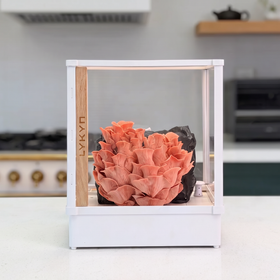
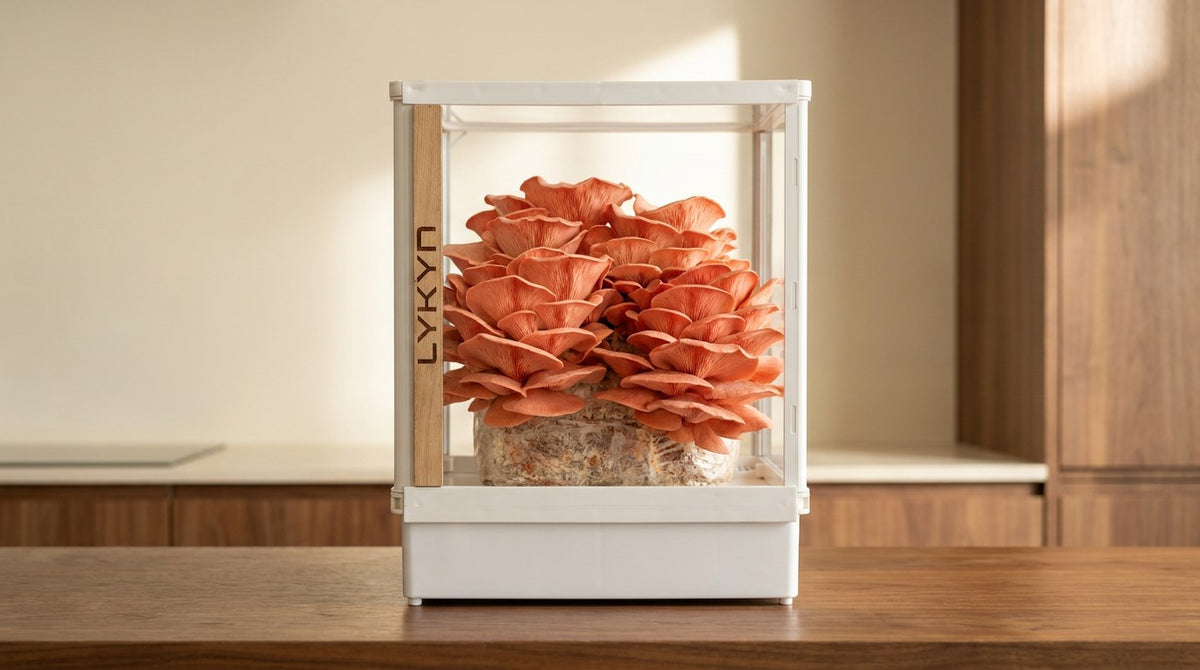
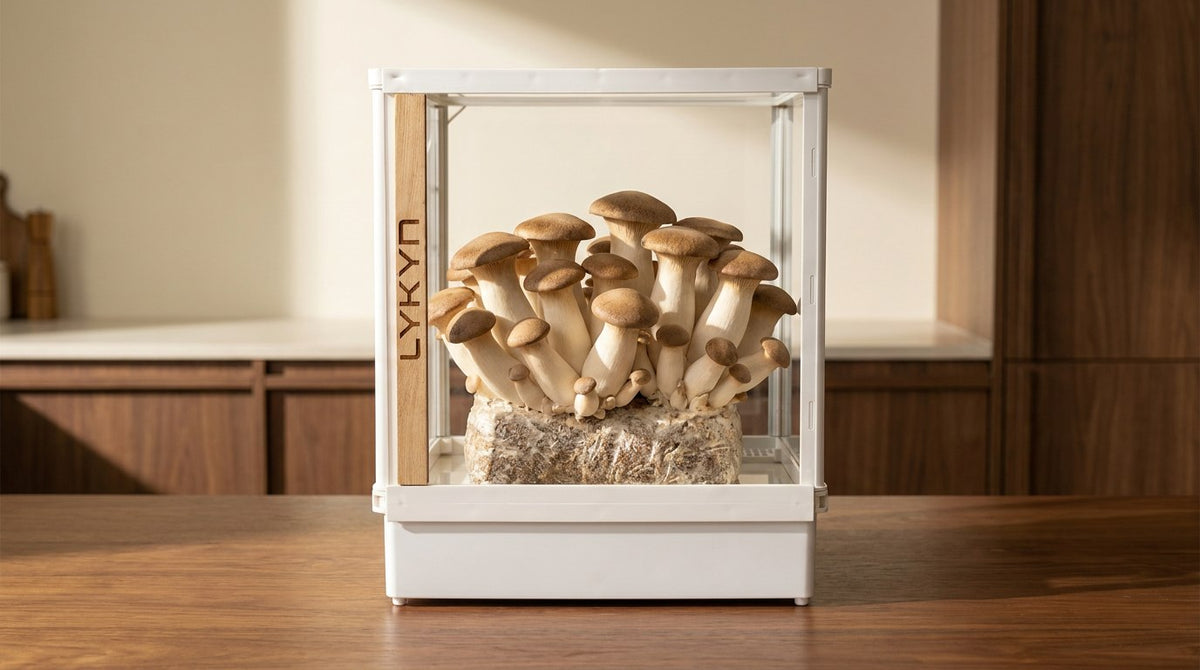
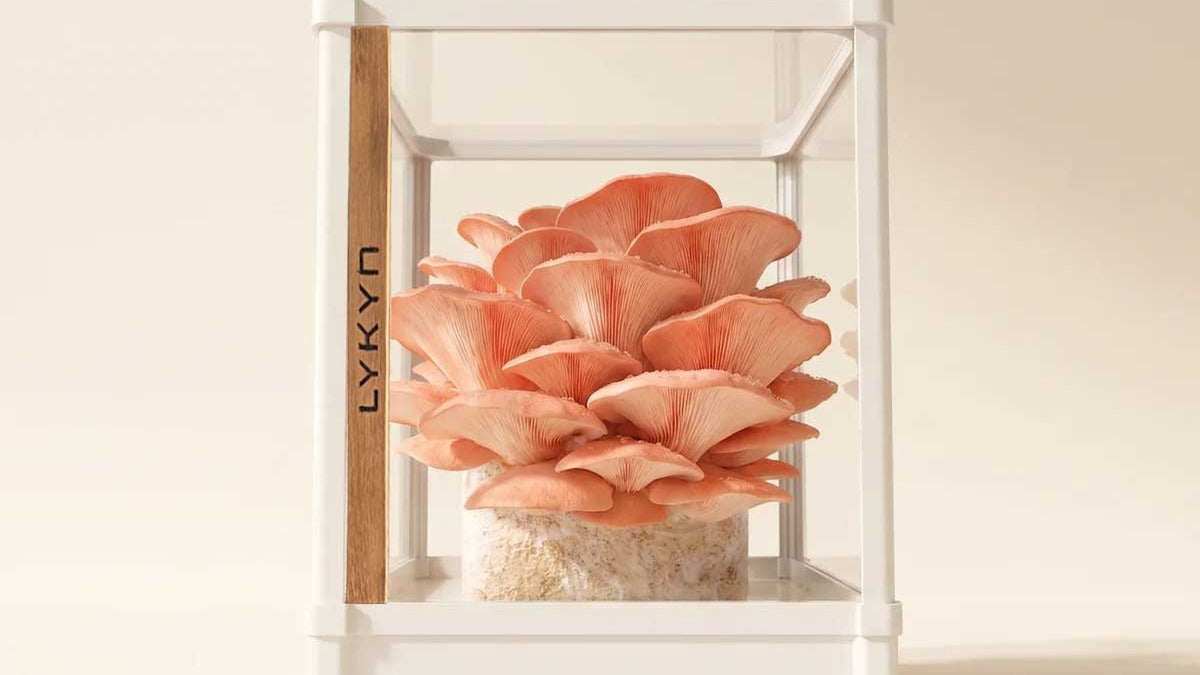
Smart Chamber. Bone White Single
- 2.8L tank, 90% humidity automatic
- App-controlled, plug-and-play
- 6 lb block ceiling, in stock

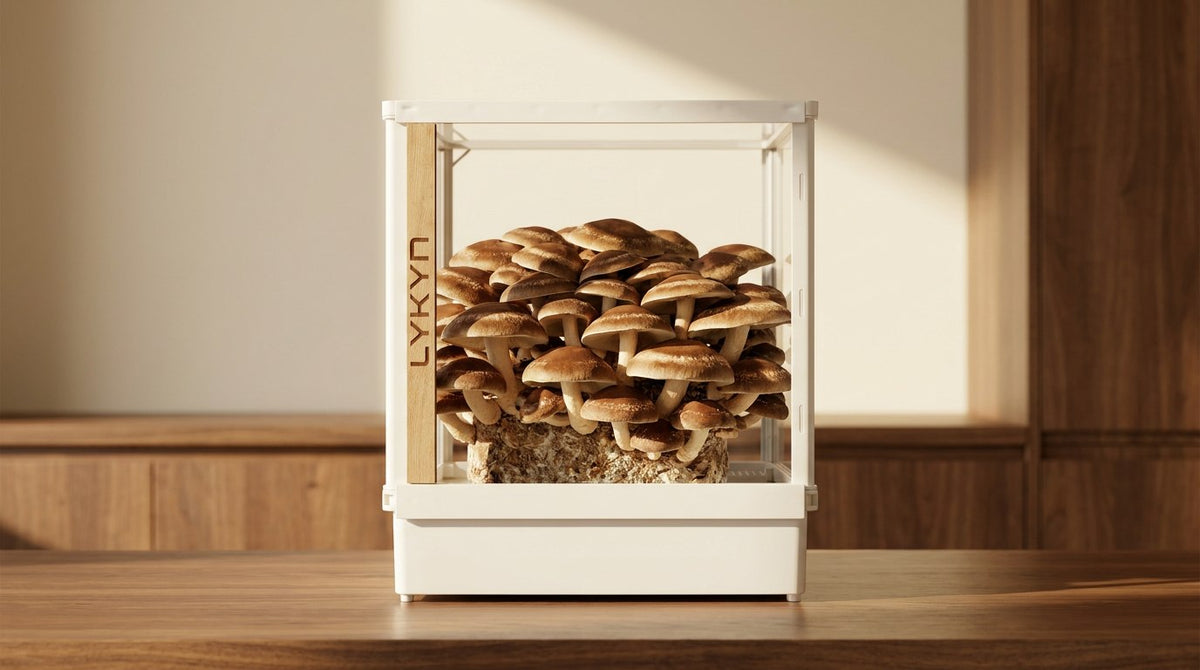
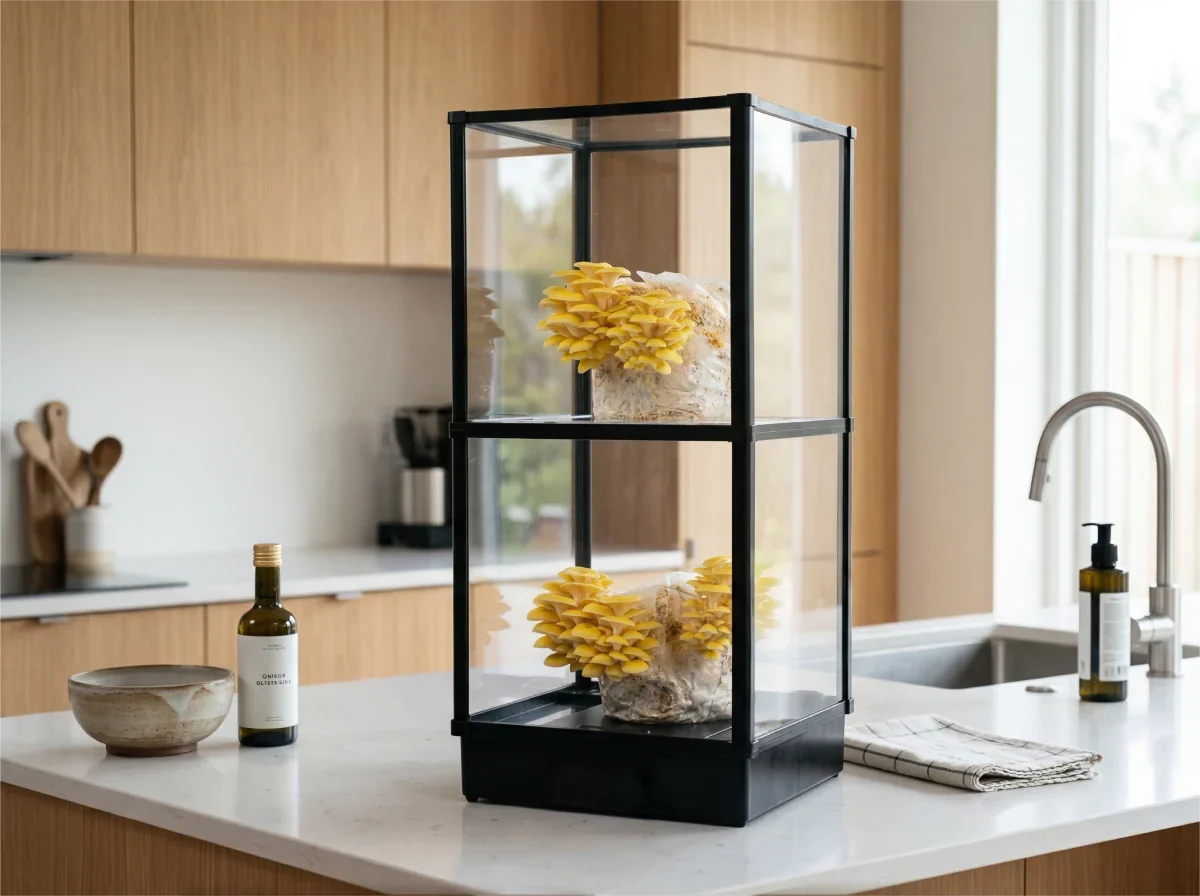
Smart Chamber. Obsidian Black Single
- Same hardware as Bone White
- Matte black premium finish
- Pairs with any kitchen palette

Decoction vs. Infusion: The Two Brewing Methods
Mushroom tea is not made the same way as black or green tea, and this is where most newcomers go wrong.
Decoction (Long Simmer)
Used for whole dried mushroom slices. The mushroom is added to cold water, brought to a low simmer, and held for 30 minutes to 2 hours. The long heat exposure breaks down the chitin in the mushroom cell walls and releases the water-soluble polysaccharides and beta-glucans.
You cannot shortcut a decoction. Steeping dried chaga in hot water for 5 minutes will give you weakly colored water with almost none of the bioactive compounds extracted. The cell walls need time and heat.
Infusion (Short Steep)
Used for powdered extracts and finely processed tea bags. The mushroom has already been extracted at the factory; you are just dissolving the powder in hot water. Steep covered for 5 to 15 minutes off the heat.
Infusing whole dried mushroom slices does not work. Decocting fine powder is unnecessary but harmless.
Water-to-Mushroom Ratios by Species
Different mushrooms extract at different rates and need different ratios.
Reishi (Ganoderma lucidum)
- Dried slices: 1 to 2 tablespoons per 4 cups of water. Simmer 1 to 2 hours.
- Powdered extract: 1/2 to 1 teaspoon per cup of hot water. Steep 10 minutes.
- Notes: Reishi is very bitter. Sweeten with honey or pair with ginger and licorice root. The longer you simmer, the more bitter and intense the cup.
Chaga (Inonotus obliquus)
- Dried chunks: 1 ounce (about 2 tablespoons of small chunks) per 4 cups of water. Simmer 1 to 2 hours at low heat. Do not let it boil hard; that destroys some of the compounds.
- Powdered extract: 1 teaspoon per cup of hot water. Steep 10 to 15 minutes.
- Notes: Chaga chunks can be re-used. After the first brew, save the chunks, refrigerate, and use them for a second batch the next day. The flavor is lighter but still extracts.
Turkey Tail (Trametes versicolor)
- Dried slices: 1 to 2 tablespoons per 4 cups of water. Simmer 30 to 45 minutes.
- Powdered extract: 1/2 to 1 teaspoon per cup of hot water. Steep 8 to 10 minutes.
- Notes: Turkey tail is mild and drinkable plain. It is the easiest mushroom tea for beginners.
Lion's Mane (Hericium erinaceus)
- Dried slices: 1 to 2 tablespoons per 4 cups of water. Simmer 30 to 45 minutes.
- Powdered extract: 1/2 to 1 teaspoon per cup of hot water. Steep 8 to 10 minutes.
- Notes: Lion's mane has a mild, almost sweet flavor. Pairs well with a small piece of fresh ginger or a slice of lemon.
Cordyceps (Cordyceps militaris)
- Dried pieces: 1 to 2 teaspoons per 2 cups of water. Simmer 20 to 30 minutes.
- Powdered extract: 1/2 teaspoon per cup of hot water. Steep 8 to 10 minutes.
- Notes: Cordyceps has a mildly sweet, slightly savory note. Good in the morning or before exercise.
A Step-by-Step Recipe (Chaga, As Example)
Chaga is the most popular mushroom tea, and a chaga decoction is the perfect template for any whole-slice mushroom tea. Here is the full method.
Ingredients:
- 1 ounce dried chaga chunks (about 2 tablespoons of broken pieces)
- 4 cups filtered water
- Optional: small piece of cinnamon stick, slice of fresh ginger, or 1 teaspoon honey
Equipment:
- Small to medium saucepan with a lid
- Fine mesh strainer
- Mug or thermos
Method:
- Add chaga and cold water to the saucepan. Starting with cold water is important; throwing chaga into already-hot water locks in some of the cell wall structure and reduces extraction.
- Bring to a gentle simmer over medium-low heat. You want lazy bubbles, not a rolling boil. High heat damages some of the antioxidant compounds in chaga.
- Cover partially and simmer for 1 to 2 hours. The water will reduce somewhat; that is fine. The longer you go, the darker and stronger the tea. If you go longer than 2 hours, add a small amount of water to maintain volume.
- Strain through a fine mesh strainer into a mug or thermos. Save the chaga chunks; they can be used for a second batch tomorrow.
- Add optional flavorings at this point. Honey dissolves easily when the tea is still hot. Cinnamon or ginger can be added during the simmer for a more integrated flavor.
- Drink fresh or refrigerate for up to 5 days. Mushroom tea is fine cold and can be reheated without losing potency.

Fuel Your Mushroom Journey
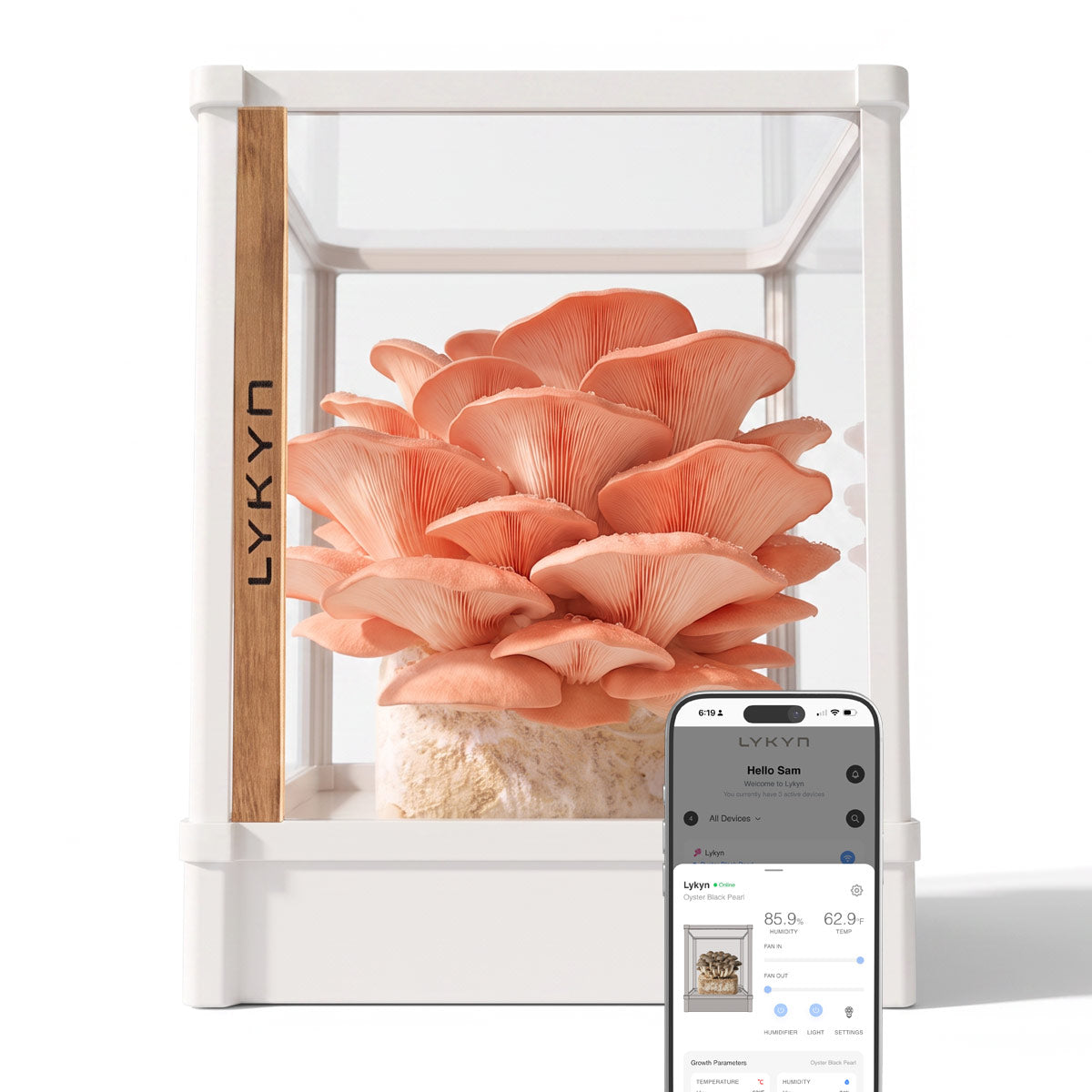
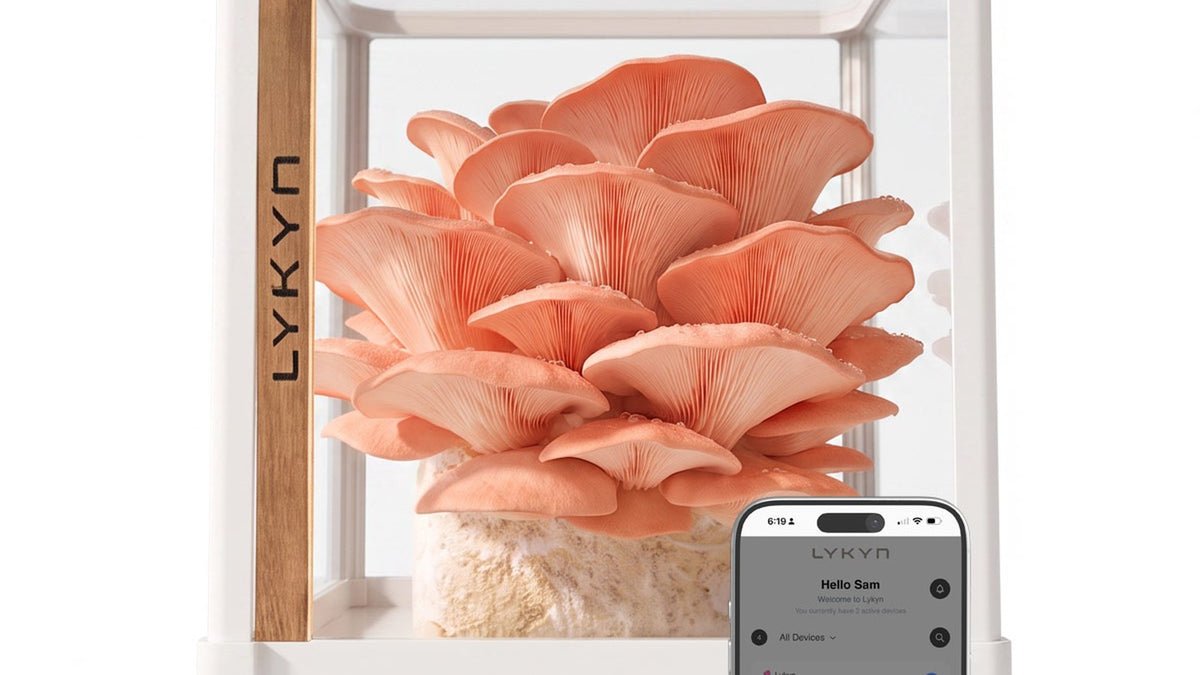
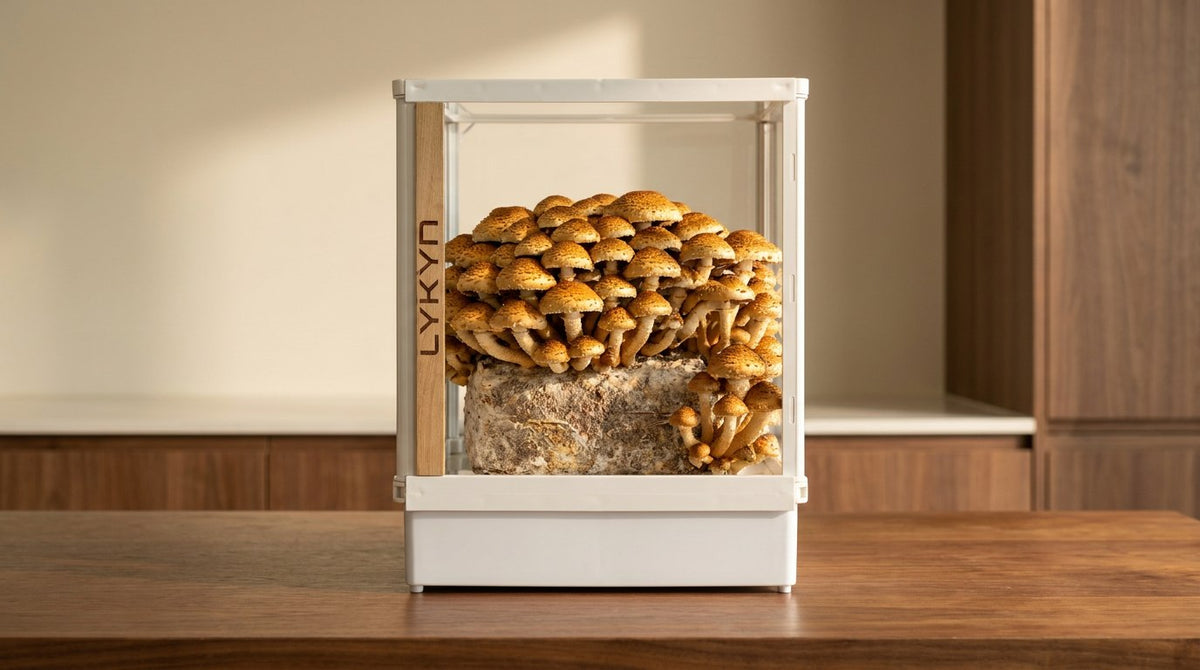
Smart Mushroom Grow Chamber
Plug-and-play smart chamber with humidity, light, and airflow dialed in for every species. Beginners harvest their first flush in days, not months.
Add to cart $299Common Mistakes to Avoid
Most disappointing mushroom tea comes from one of these missteps.
- Boiling hard instead of simmering. A rolling boil for an hour destroys some of the compounds and produces a muddy, bitter cup. Low and slow always.
- Steeping dried slices like a tea bag. Putting whole dried chaga chunks in hot water for 5 minutes gives you weakly colored water. The cell walls need time to break down.
- Not using enough mushroom. Most home brewers under-dose. A tablespoon of dried slices in 4 cups of water is the minimum; more is fine.
- Throwing away the slices after one brew. Chaga and reishi can be re-brewed at least once, sometimes twice. The second batch is lighter but still useful.
- Using metal-lined cookware that reacts with mushroom acids. Stainless steel is fine. Aluminum is not recommended for long simmers.
- Adding milk too early. If you want a creamy mushroom tea, add the milk at the end, off the heat. Simmering milk for an hour with mushroom slices makes a strange-textured drink.
Flavor Pairings That Work
Plain mushroom tea is an acquired taste, especially reishi and chaga. A few pairings make the cup more drinkable.
- Reishi: honey, ginger, licorice root, schisandra berry, cinnamon
- Chaga: cinnamon stick, vanilla bean, raw cacao nibs, maple syrup, a splash of oat milk
- Turkey tail: ginger, lemon, green tea blended in
- Lion's mane: honey, lemon, fresh ginger, a small pinch of black pepper
- Cordyceps: green tea, honey, lemon, raw cacao
You can also combine mushrooms. A common evening blend is reishi plus chaga, simmered together, finished with a touch of honey and cinnamon. A morning blend might be lion's mane plus cordyceps with a slice of fresh ginger.
How Often to Drink It
One to three cups per day is a reasonable range for most people. Mushroom tea is gentle, cumulative, and well-tolerated. The traditional use across cultures is daily, sustained over years, not an acute dose.
If you want a single recommendation: start with one cup per day for two weeks. Pay attention to how you feel, especially the day after starting reishi tea (which is famous for improving sleep quality within a few days for some people). Adjust from there.
Using Fresh Mushrooms for Tea
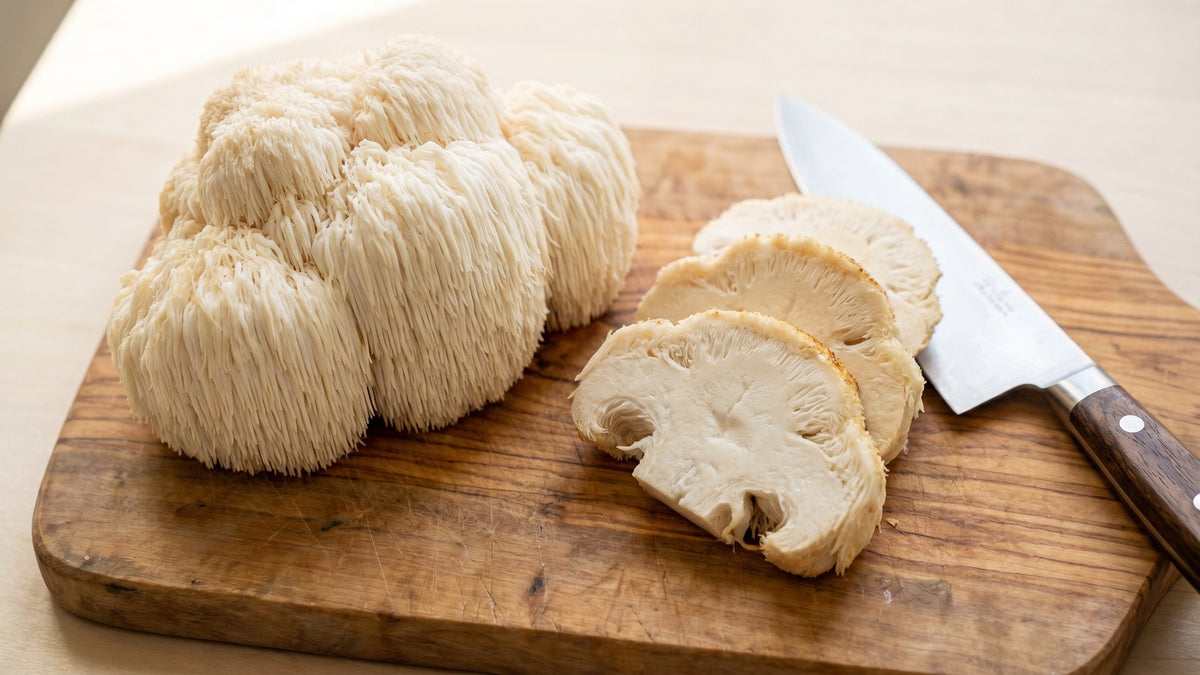
Most mushroom tea is made from dried slices or powder, but fresh mushrooms can also be dried at home and used for tea. Lion's mane is the easiest fresh-to-tea candidate because it dries beautifully and rehydrates into a clean, full-flavored cup.
To dry fresh lion's mane for tea, slice it into 1/4-inch pieces, lay them on a baking sheet in a single layer, and dry at 95°F to 105°F in a dehydrator or in the oven on the lowest setting (with the door cracked) until crisp and brittle. The dried slices keep for a year in an airtight container.
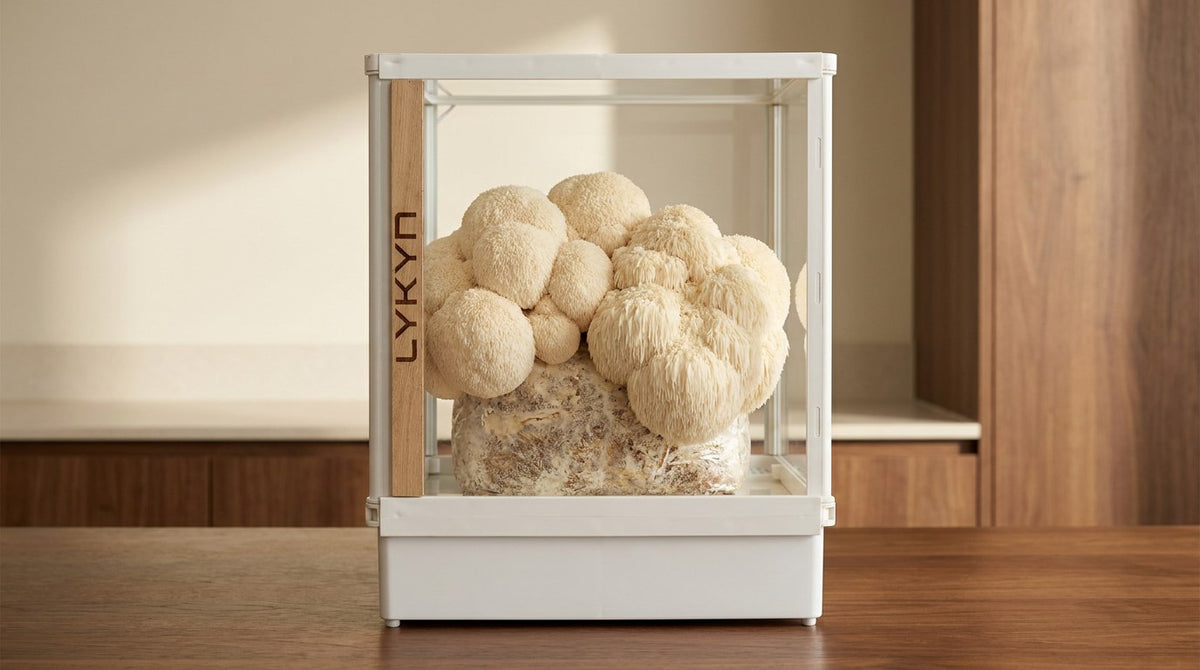
If you want a steady supply of fresh lion's mane to dry for your own tea, growing it at home is more practical than most people realize. Our mushroom grow kits can produce more than a pound of fresh lion's mane per cycle, which dries down to a generous tea supply.
The art of mushroom tea is in the patience. A slow simmer, a generous handful of slices, and the willingness to let the brew develop over an hour or two. Once you have made it a few times, the rhythm becomes second nature and the cup becomes the kind of ritual a tea bag could never replicate.
Share:
Coral Mushroom: ID, Edibility, and Cooking Guide
Coral Mushroom: ID, Edibility, and Cooking Guide