


A mushroom in the tree is almost always a sign of internal wood decay, but not every tree mushroom means the tree is dying. Some species are aggressive parasites that attack living wood. Others are mild decomposers that only show up on already-damaged areas. A few are even neutral, growing on bark or shallow surface wounds without ever penetrating the heartwood. Knowing which is which can save you the cost of an unnecessary tree removal, or warn you in time when a real hazard is forming.
This guide walks through what tree mushrooms actually do, the most common species you will see on residential trees, and when to bring in a professional arborist.
What a mushroom on a tree actually means

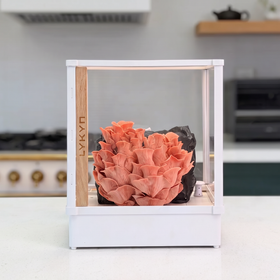
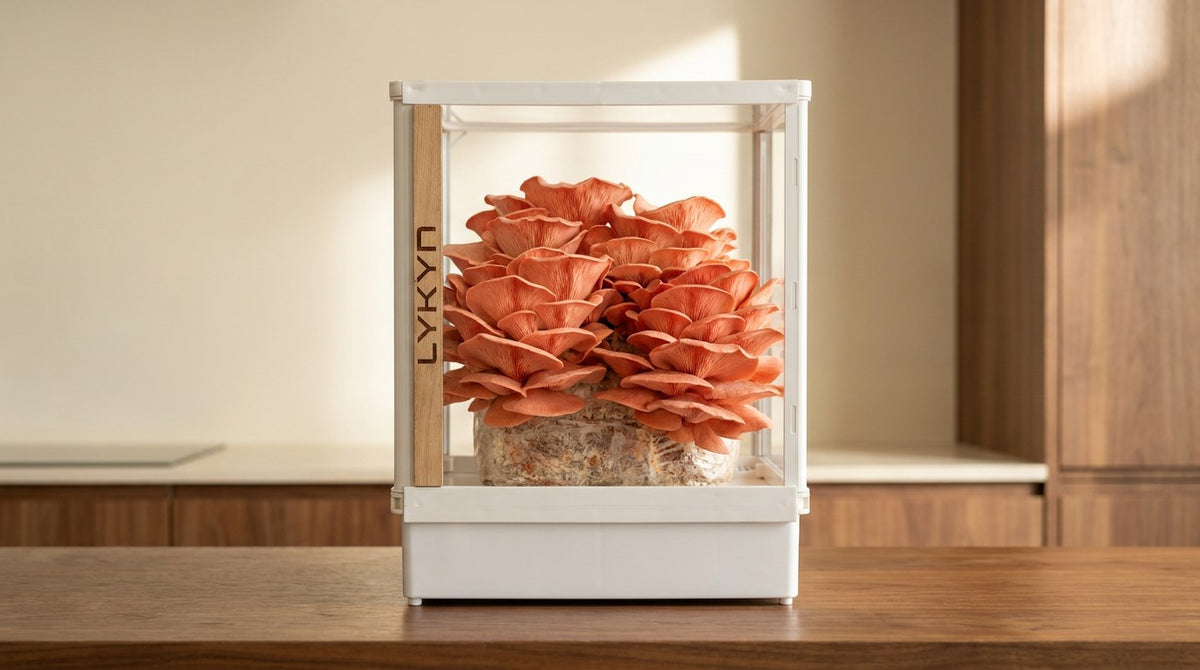
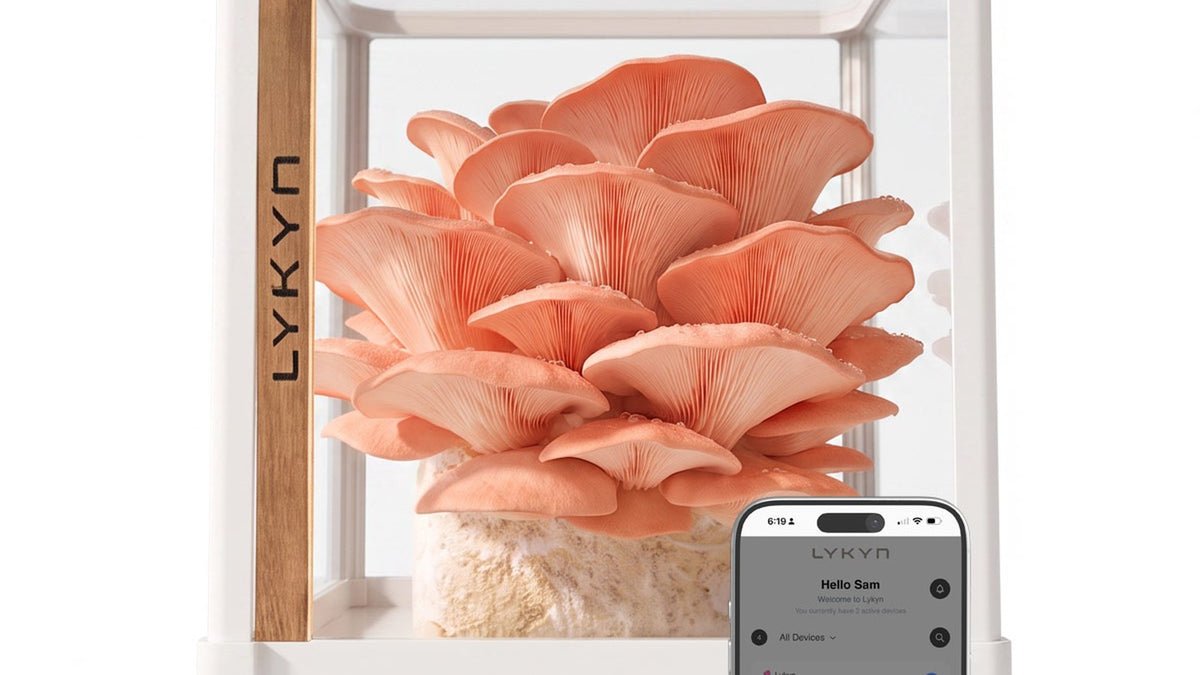
Smart Chamber. Bone White Single
- 2.8L tank, 90% humidity automatic
- App-controlled, plug-and-play
- 6 lb block ceiling, in stock

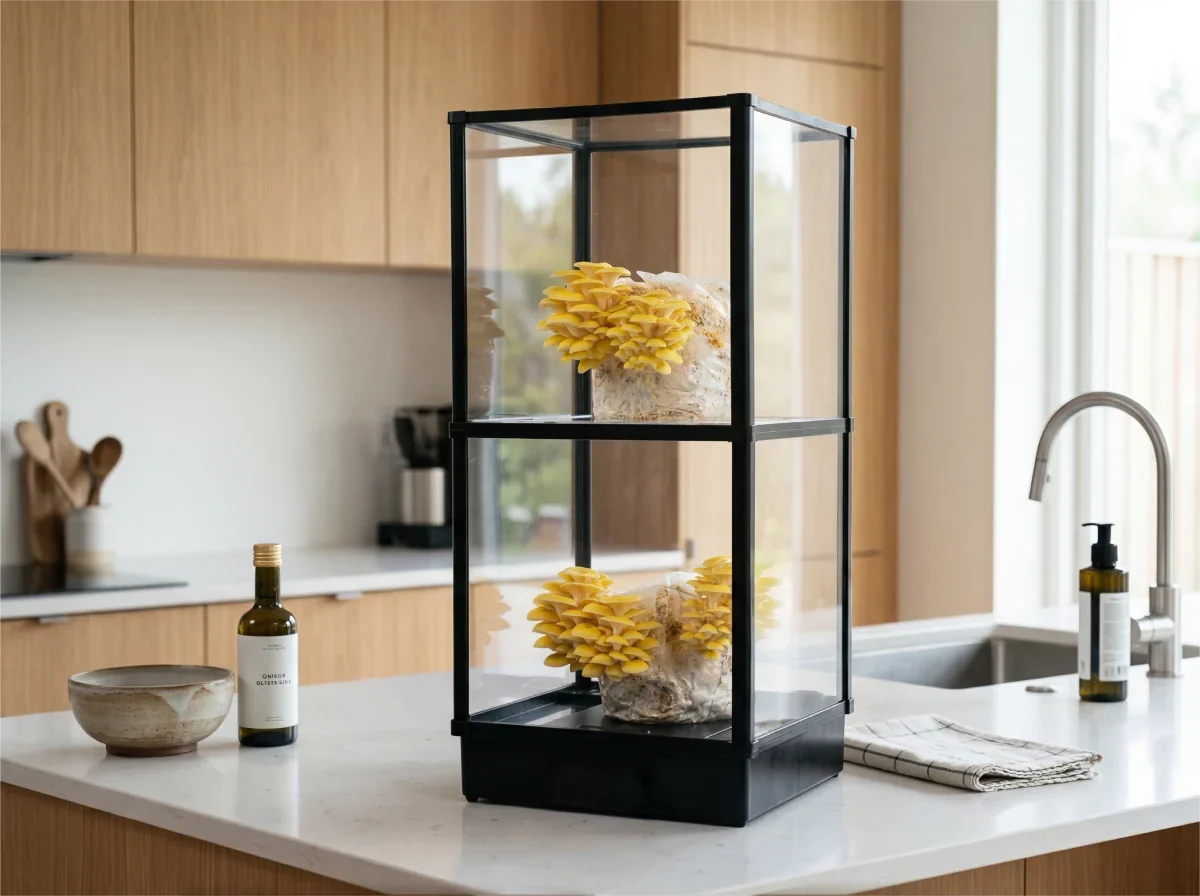
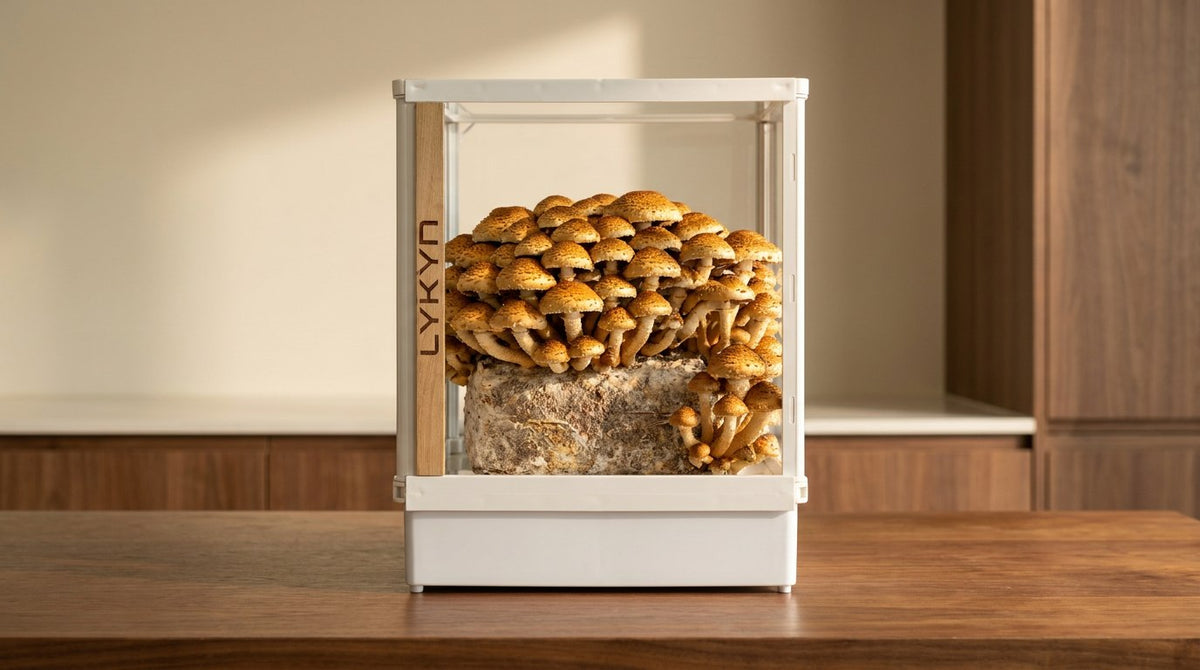
Smart Chamber. Obsidian Black Single
- Same hardware as Bone White
- Matte black premium finish
- Pairs with any kitchen palette

The visible mushroom is the fruiting body of a fungus that has been quietly living inside the tree, sometimes for years. Tree-living fungi fall into three broad categories:
- Pathogenic: aggressive parasites that attack living tissue and weaken or kill the tree
- Saprotrophic: decomposers that feed only on already-dead wood, often within a damaged area
- Mycorrhizal: partners that form mutual relationships with tree roots, never penetrating the trunk
A mushroom growing from the bark or wood of a living tree is usually pathogenic or saprotrophic. The presence of fruiting bodies generally means the fungus has been there long enough to consume significant interior wood, which is why arborists treat them seriously even when the rest of the tree looks healthy.
Common mushrooms found on trees
The most frequently spotted tree mushrooms in residential settings:
- Artist's conk (Ganoderma applanatum): large flat brown brackets with a white underside that bruises brown, common on hardwoods. Slow but eventually fatal.
- Reishi (Ganoderma lucidum and tsugae): shiny red-brown shelves on hardwoods or hemlocks. Medicinal in cultivation, but on living trees it signals decay.
- Chicken of the woods (Laetiporus species): bright orange and yellow shelves on oak, cherry, and other hardwoods. Edible when fresh and young, but the tree it grows on is decaying.
- Hen of the woods (Grifola frondosa): feathery clumps at the base of oak trees in fall. Edible and excellent, but indicates root and lower trunk decay.
- Turkey tail (Trametes versicolor): small striped fan-shaped shelves on dead wood and damaged trees. Medicinal.
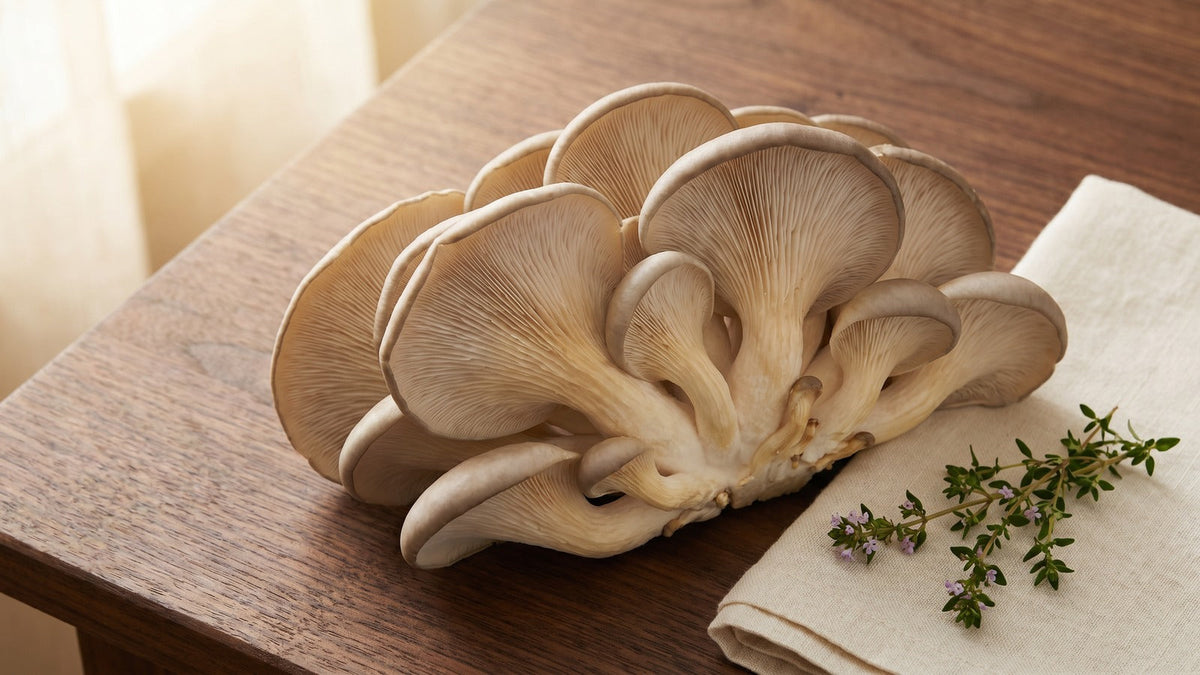
- Oyster mushrooms (Pleurotus species): clustered white-to-tan caps on dying hardwoods. Edible and excellent.
- Honey fungus (Armillaria species): clusters of tan caps at the base of trees or coming from roots. One of the most aggressive tree pathogens.
Identification matters because the response varies. Some of these species mean you have months or years before the tree becomes a hazard. Others can mean structural failure is imminent.
How to tell if a tree is dangerous
Fungi alone do not make a tree dangerous. A fungus combined with one or more of the following signs is what indicates serious risk:
- Visible cavities, hollows, or open wounds in the trunk
- Dead branches in the upper canopy
- Significant lean or recent shift in lean
- Soil heaving on one side of the trunk base
- Cracks running vertically up the trunk
- Bark falling off in large sheets
If a fungus is present and any of these other signs are visible, get a certified arborist out to evaluate the tree. The cost of an assessment is far lower than the cost of damage from a falling limb or trunk.
The most dangerous tree fungi
A few species are particularly concerning because of their speed or aggressiveness:
- Armillaria (honey fungus): attacks healthy trees, spreads underground through root systems, and can take down multiple trees in a yard
- Inonotus dryadeus (weeping conk): grows at the base of oaks, causes root and butt rot, often leading to sudden trunk failure
- Kretzschmaria deusta (brittle cinder): often missed because it looks like burnt charcoal, but causes severe root and trunk decay
- Phellinus (cracked cap and false tinder fungi): slow but fatal heartwood decay in oaks and other hardwoods
These species often cause failure before the tree shows obvious distress. They are also some of the easier ones to mistake for less-dangerous look-alikes, which is why expert ID matters.

Fuel Your Mushroom Journey
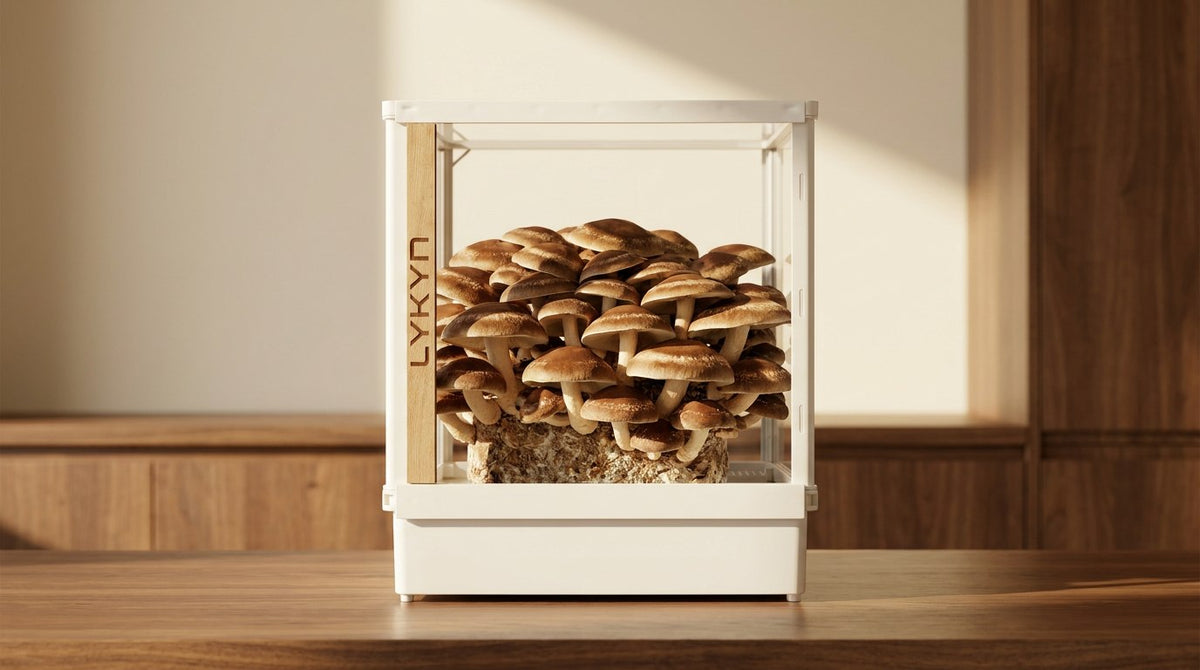
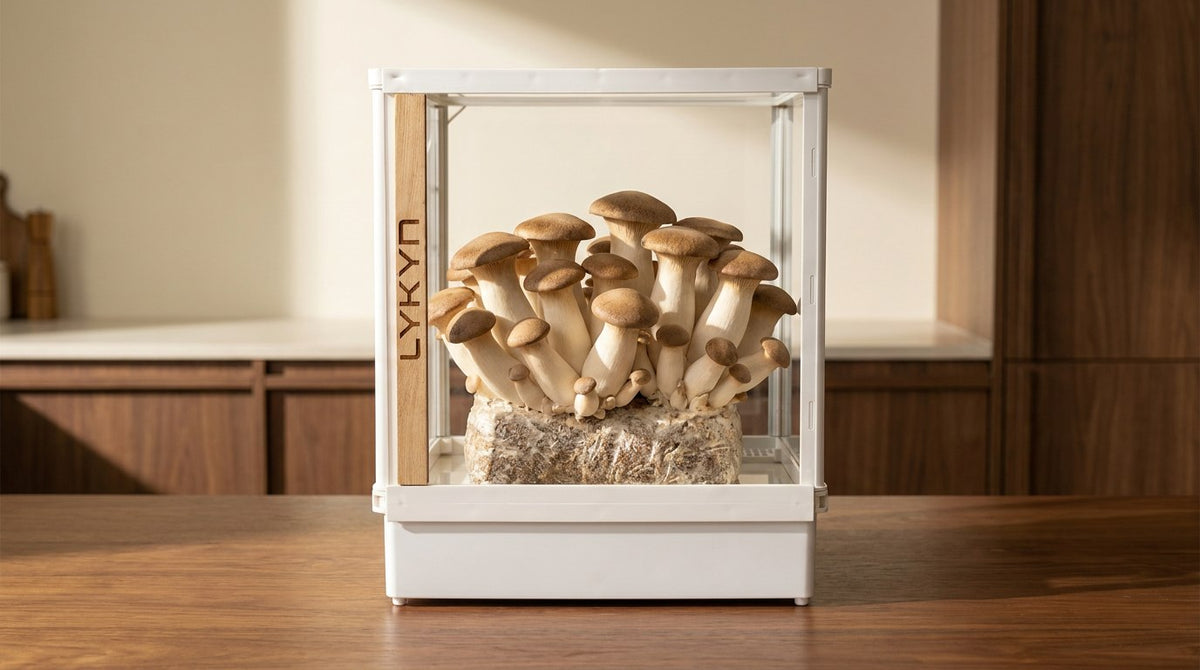
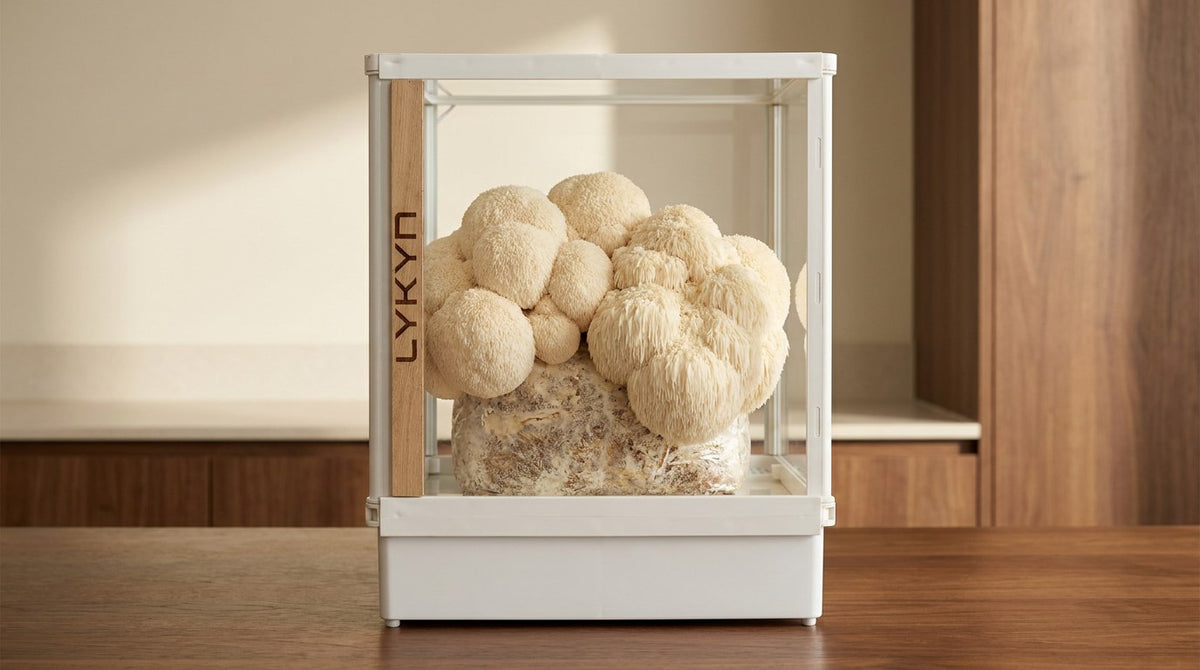
Smart Mushroom Grow Chamber
Plug-and-play smart chamber with humidity, light, and airflow dialed in for every species. Beginners harvest their first flush in days, not months.
Add to cart $299Can you save a tree with a fungus?
Sometimes. Treatment depends on the species, the extent of decay, and the tree's overall health. Surface-only fungi on a small wound can sometimes be managed by improving the tree's growing conditions, removing the visible fruiting body, and monitoring annually. Internal heart rot is generally irreversible. Once the fungus has eaten through the structural wood, no treatment brings it back.
The most useful intervention is usually prevention: avoid wounding trees with mowers or string trimmers, prune correctly to encourage clean wound closure, water during droughts, and avoid soil compaction around the root zone. Healthy trees resist fungal infection far better than stressed ones.
Eating mushrooms growing on trees
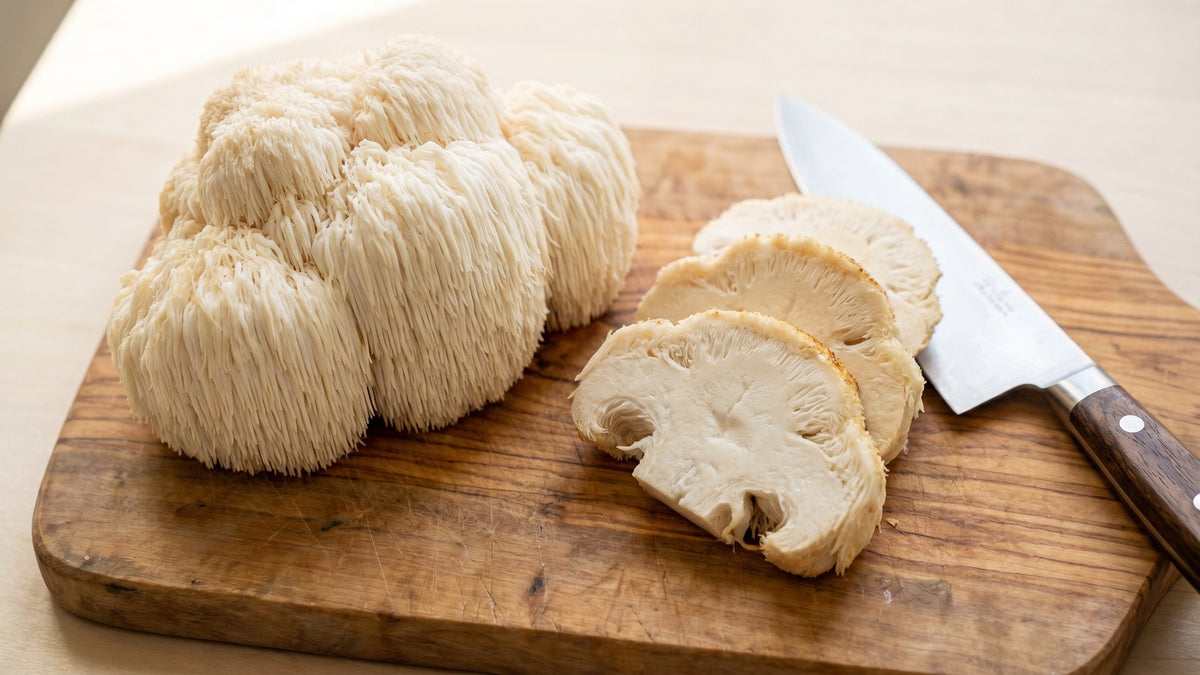
Some of the most prized edible mushrooms grow on trees: chicken of the woods, hen of the woods, oyster, lion's mane, and chaga. Foraging from a living tree is generally fine as long as the tree species is correctly identified (some woods, like yew, can transfer toxins) and the mushroom species is confirmed.
That said, taking a mushroom off a tree does not save the tree. The mushroom is just the fruiting body. The fungus continues to decompose the wood whether you pick the mushroom or not. Foraging is harvest, not treatment.
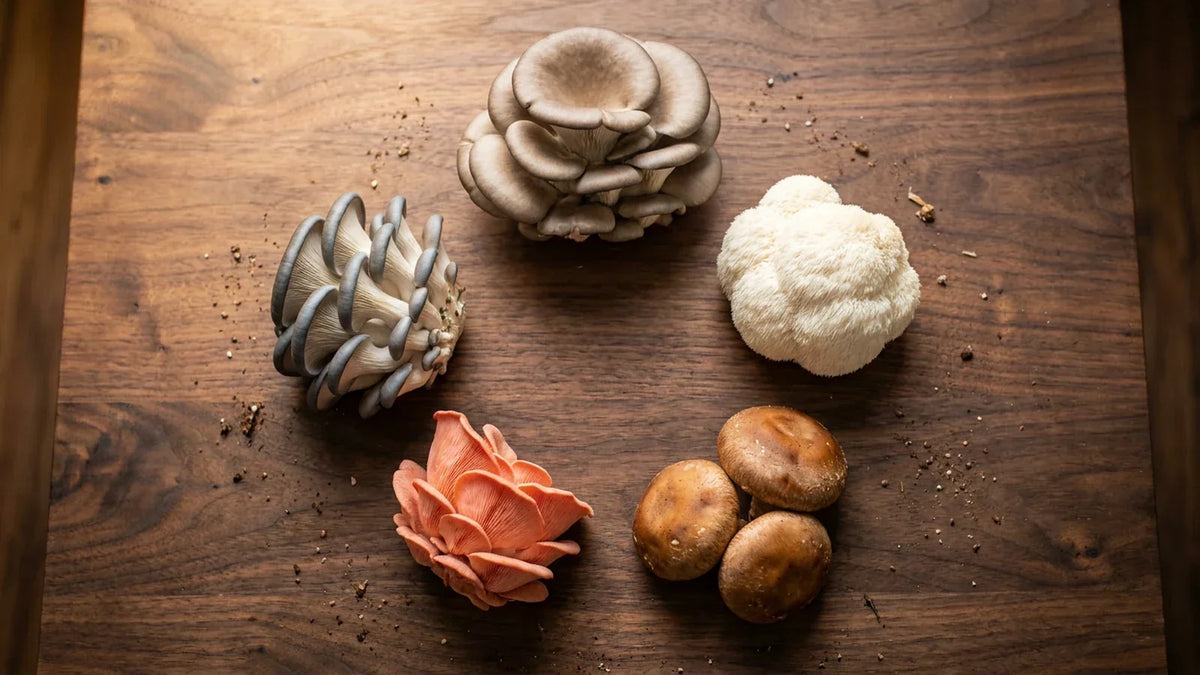
If you find mushrooms interesting and want a reliable supply of culinary species without depending on forest finds, growing your own is a good option. A controlled grow kit produces species like oyster, shiitake, and lion's mane on a predictable timeline. You can explore home mushroom grow kits that handle the substrate and humidity for you.
When to call an arborist
Call a certified arborist (ISA Certified Arborist is the standard credential to look for) any time you see:
- A new fruiting body on the trunk or base of a tree near structures or walkways
- Multiple mushrooms or shelves on the same tree
- Fungal growth combined with any of the structural warning signs listed above
- A mushroom on a tree species you cannot identify
A good arborist will identify the fungus, estimate the extent of internal decay using sounding or tomography tools, and give a real risk assessment. They will not push for removal without justification. If you get a quick removal recommendation without inspection, get a second opinion.
The bottom line
A mushroom in the tree is rarely good news for the tree, but it is not always an emergency. Identify the species, watch for structural warning signs, and bring in an expert before deciding to remove. Most yards have at least one tree carrying some fungal activity, and most of those trees stand healthy for many more years.

Share:
Mushroom Ragout: A Slow-Cooked Stew That Tastes Like Wine-Bar Food
Mushroom Ragout: A Slow-Cooked Stew That Tastes Like Wine-Bar Food