


Mushroom marsala sauce is one of those recipes that punches well above its weight class. The technique is simple, the ingredient list is short, and the result is a glossy, wine-rich pan sauce that turns plain chicken, pork, or polenta into something restaurant-worthy. The whole thing comes together in about 30 minutes once you've got your mise en place ready.
The heart of the sauce is the Marsala wine itself, a fortified Sicilian wine that contributes both sweetness and a nutty depth. Pair that with properly browned mushrooms and a splash of stock, and you get a sauce that's complex without being heavy.
Choosing the Right Marsala

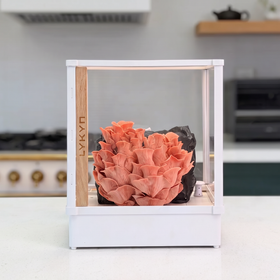
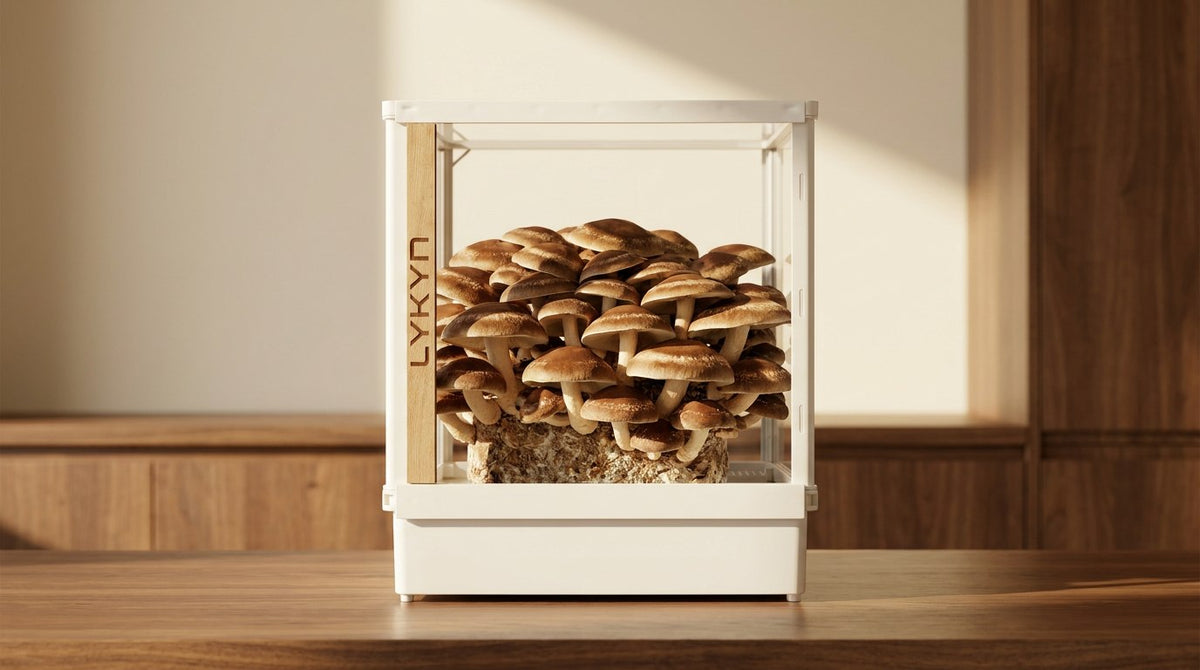
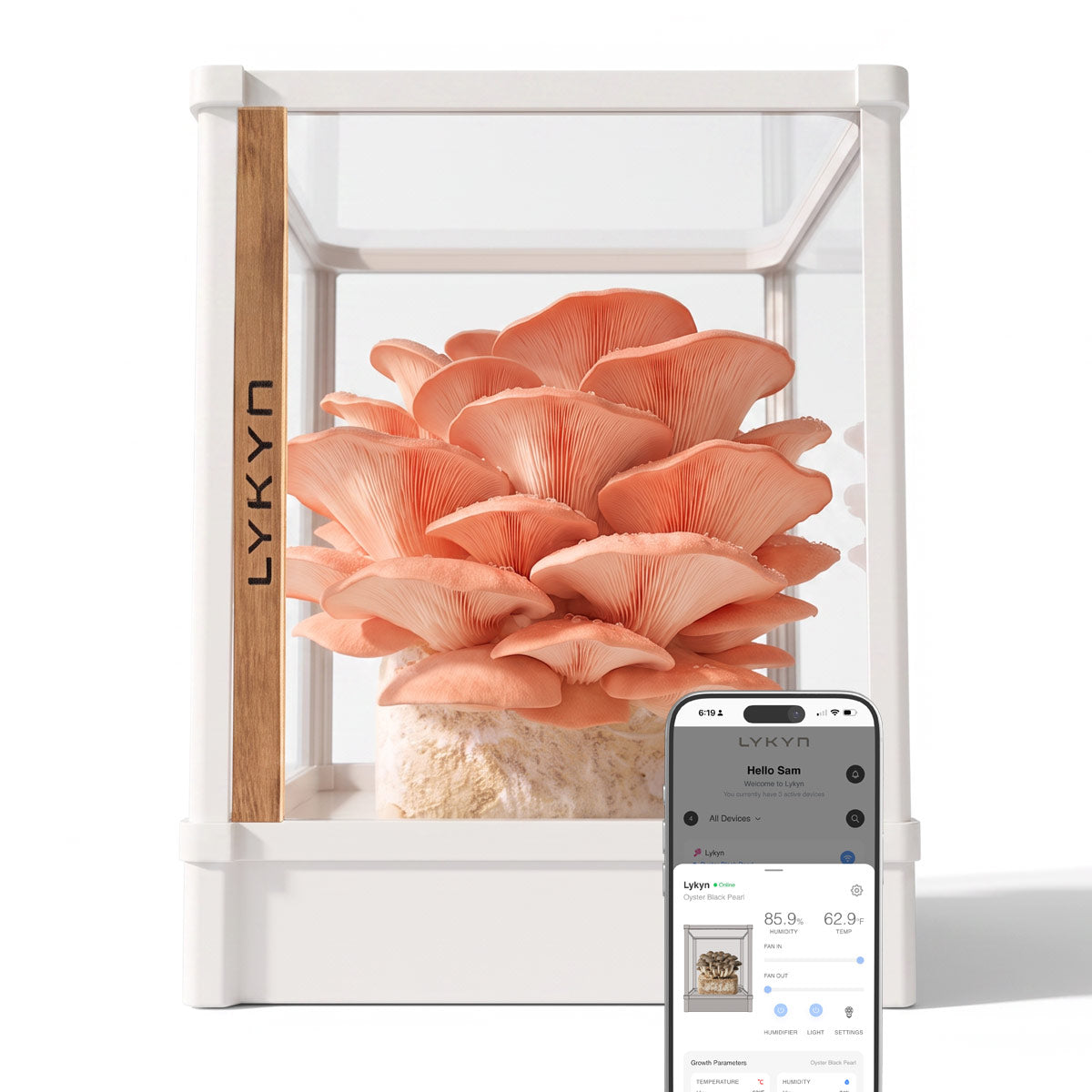
Smart Chamber. Bone White Single
- 2.8L tank, 90% humidity automatic
- App-controlled, plug-and-play
- 6 lb block ceiling, in stock

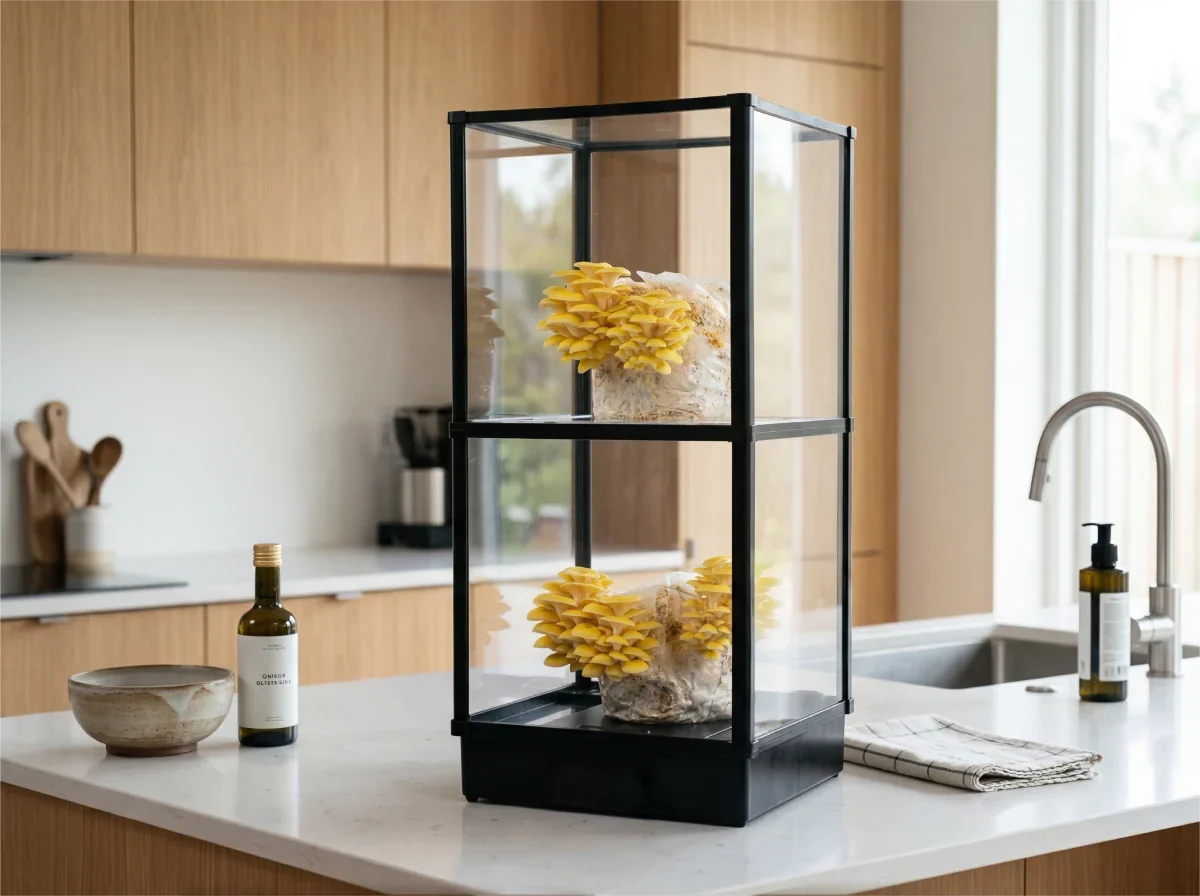
Smart Chamber. Obsidian Black Single
- Same hardware as Bone White
- Matte black premium finish
- Pairs with any kitchen palette

This is the step most people get wrong. The bottle labeled "cooking Marsala" near the vinegar in the grocery store is loaded with salt and lacks the wine character you want. Go to the wine aisle or a liquor store and look for dry Marsala, often labeled "Marsala Secco" or "Marsala Fine." A bottle costs about the same as a mid-range table wine and lasts for months in the fridge after opening.
If you can only find sweet Marsala (Dolce or Superiore), reduce the recipe's added sugar to zero and add an extra splash of stock or a squeeze of lemon at the end to balance the sweetness. Dry Marsala is still the gold standard for savory sauces.
Ingredients (Yields about 2 cups, serves 4)
- 1 lb cremini or baby bella mushrooms, sliced 1/4-inch thick
- 3 tbsp unsalted butter, divided
- 1 tbsp olive oil
- 1 small shallot, finely diced
- 3 cloves garlic, minced
- 3/4 cup dry Marsala wine
- 1 cup chicken or vegetable stock (low-sodium)
- 1/3 cup heavy cream
- 1 tbsp fresh thyme leaves
- 1 tsp all-purpose flour
- 1 tsp Dijon mustard
- Salt and freshly cracked black pepper
- 2 tbsp chopped parsley
The Step-by-Step
- Brown the mushrooms. Heat 1 tbsp butter and the olive oil in a wide skillet over medium-high heat. Add the mushrooms in a single layer (work in batches if needed) and don't touch them for 4 minutes. Stir once, cook another 3-4 minutes until deeply golden. Transfer to a plate.
- Build the base. Reduce the heat to medium. Add another tbsp of butter, then the shallot. Cook for 2 minutes until softened. Add the garlic and stir for 30 seconds.
- Deglaze with Marsala. Pour in the wine and scrape up the browned bits on the bottom of the pan with a wooden spoon. This fond is where 80 percent of the flavor lives. Let the wine reduce by half, about 3 minutes.
- Add stock and reduce. Pour in the stock and bring to a simmer. Let it reduce for 5-7 minutes until slightly thickened.
- Finish the body. Whisk the flour into the cream until smooth, then whisk the cream into the simmering sauce. Stir in the Dijon. Cook for another 2-3 minutes until the sauce coats the back of a spoon.
- Return the mushrooms. Add the mushrooms back to the pan along with any accumulated juices and the thyme. Stir to coat. Off the heat, swirl in the final tbsp of butter for gloss.
- Season and finish. Taste, adjust salt and pepper, and stir in the parsley right before serving.
The Browning Step Is Non-Negotiable
Mushrooms that haven't been properly browned will dilute the sauce instead of supporting it. The Maillard reaction (the chemistry behind golden, savory crusts) creates hundreds of new flavor compounds that water-cooked mushrooms simply don't have. To get there:
- Use a wide skillet so the mushrooms aren't piled on top of each other.
- Start with a dry pan or use a minimal amount of fat. Mushrooms will release plenty of water on their own.
- Hold off on salt until after they brown. Salt pulls moisture out and slows the browning.
- Let them sit. Stirring constantly drops the pan temperature and keeps the surface wet.
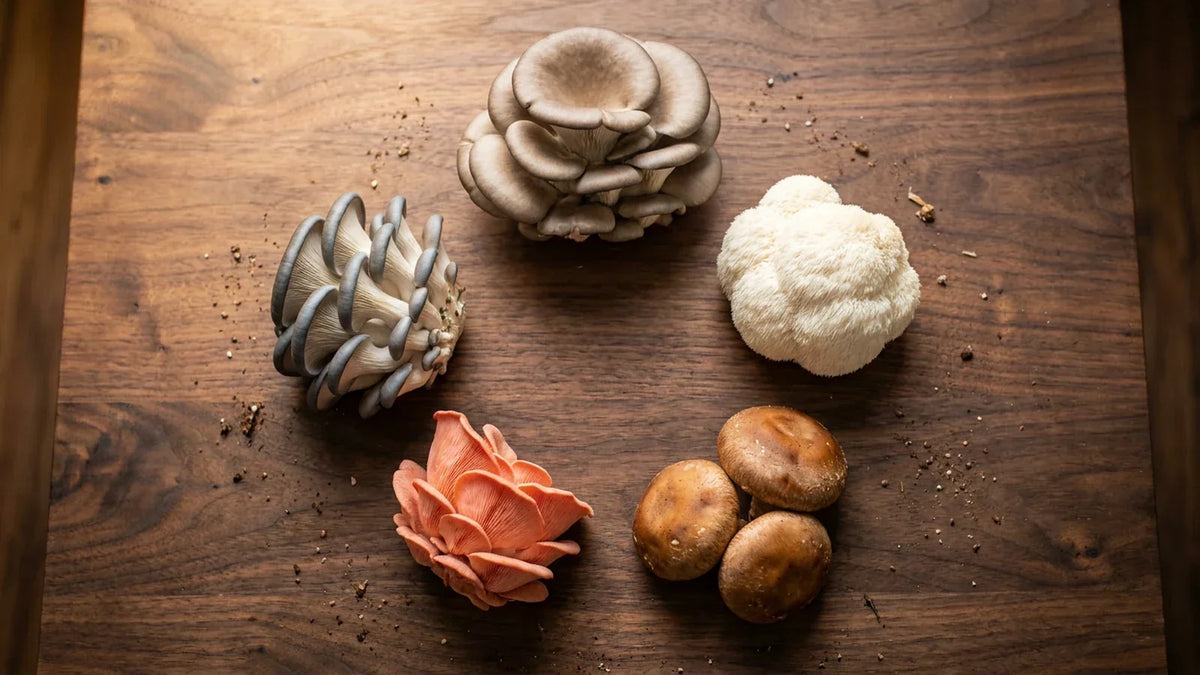
If you're using delicate varieties like oyster or chestnut mushrooms from mushroom grow kits, the same principles apply but the timing tightens. Watch them carefully because they brown faster.
Best Pairings
Chicken Marsala
The classic. Pound boneless chicken breasts to 1/2-inch thickness, dredge in seasoned flour, and pan-sear in the same skillet before you make the sauce. Set the chicken aside while you build the sauce, then nestle the cutlets back in to warm through. The sauce is glossy enough to spoon over the top without needing additional thickening.

Fuel Your Mushroom Journey
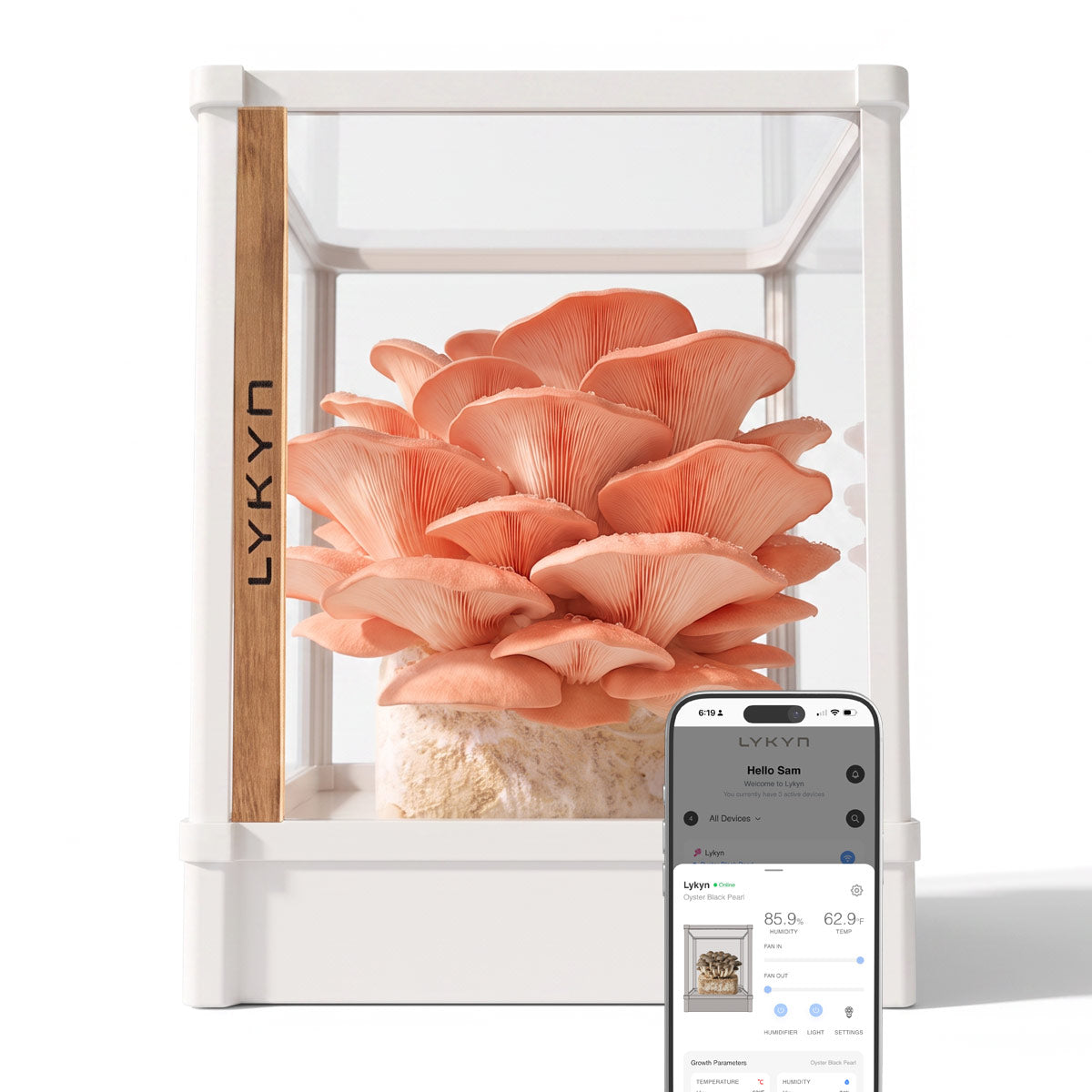
Smart Mushroom Grow Chamber
Plug-and-play smart chamber with humidity, light, and airflow dialed in for every species. Beginners harvest their first flush in days, not months.
Add to cart $299Pork tenderloin medallions
Slice a tenderloin into 1-inch medallions, season aggressively, and sear hard on both sides. They cook quickly (about 6 minutes total) and the leaner meat pairs perfectly with the rich sauce.
Creamy polenta
For a vegetarian centerpiece, spoon the sauce over a bowl of soft, butter-loaded polenta. Top with extra parmesan and a crack of black pepper.
Pan-seared mushroom steaks
Thick slices of king trumpet or whole portobello caps, scored in a crosshatch and pan-seared hard, hold the sauce like a perfect sponge. A double mushroom dish that doesn't feel redundant because the textures are so different.
Make-Ahead and Storage
The sauce can be made up to 2 days in advance and reheated gently on the stovetop. The cream will tighten in the fridge, so when reheating, add a splash of stock or water to loosen the consistency. Don't reheat at a hard boil or the cream will break.
For longer storage, freeze the sauce without the cream and finish with the cream when you reheat. The wine-and-stock base freezes beautifully for up to 3 months. Cream-based sauces tend to separate after thawing, so saving that step for serving day gives you a much better result.
Common Mistakes
- Using sweet Marsala without adjusting. The sauce ends up cloying and one-dimensional. Add lemon or extra stock to compensate.
- Skipping the reduction. If you don't let the wine cook down by half, you taste raw alcohol instead of concentrated grape flavor.
- Drowning the mushrooms. The sauce should glaze them, not submerge them. If your sauce is too thin, simmer a few minutes longer or whisk in a pinch more flour-cream slurry.
- Forgetting the finishing butter. That last tbsp of cold butter swirled in off the heat is what makes the sauce look glossy on the plate instead of dull and tired.
Get the technique right once and this sauce becomes a weeknight power move. The same base method (sear, deglaze, reduce, enrich) translates to dozens of other pan sauces, so you're not just learning a recipe, you're learning the chassis.



Share:
Mushroom Appetizers: 7 Crowd-Pleasing Recipes for Every Occasion
Mushroom Appetizers: 7 Crowd-Pleasing Recipes for Every Occasion