


Cremini mushrooms are the brown, firm, button-shaped mushrooms you find next to the white ones in every grocery store. They're sometimes labeled "baby bella," "crimini," or "Italian brown mushrooms." All of those names refer to the same thing: Agaricus bisporus, the same species as both the white button mushroom and the portobello.
What changes between cremini, white button, and portobello isn't the species. It's the age and the strain of the same fungus. Understanding that one fact clears up a lot of confusion about which mushroom to buy for which recipe.
The one-species, three-stages story

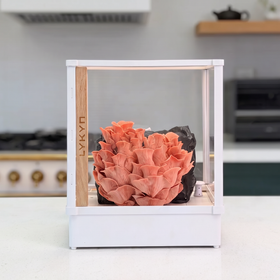
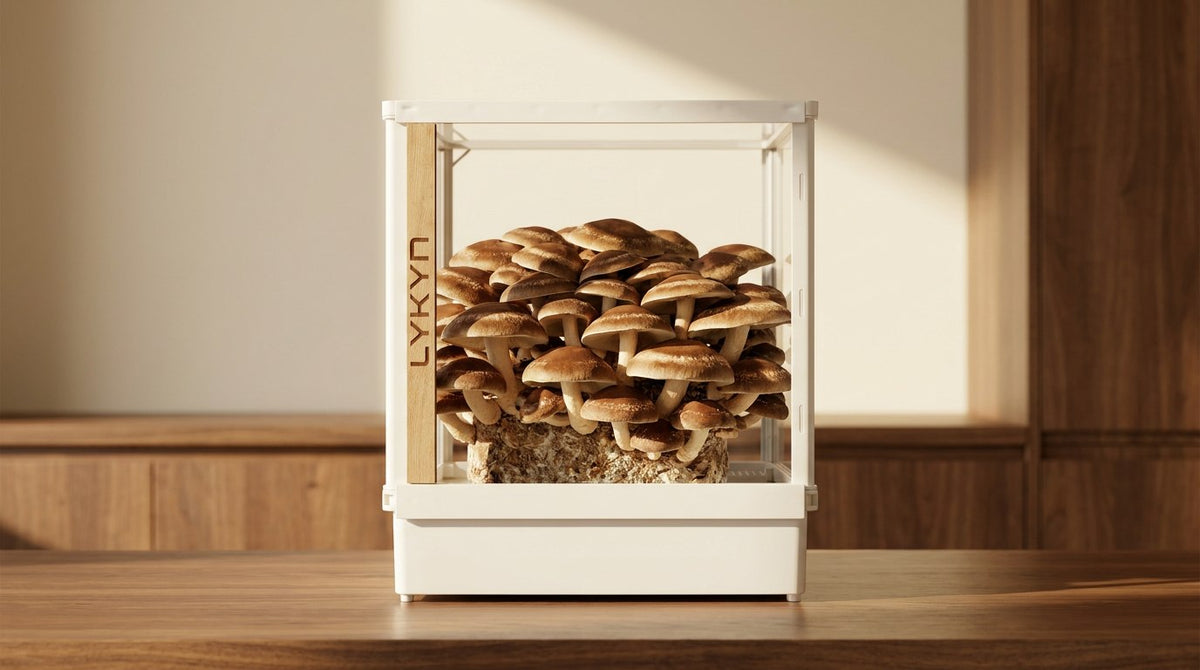
Smart Chamber. Bone White Single
- 2.8L tank, 90% humidity automatic
- App-controlled, plug-and-play
- 6 lb block ceiling, in stock

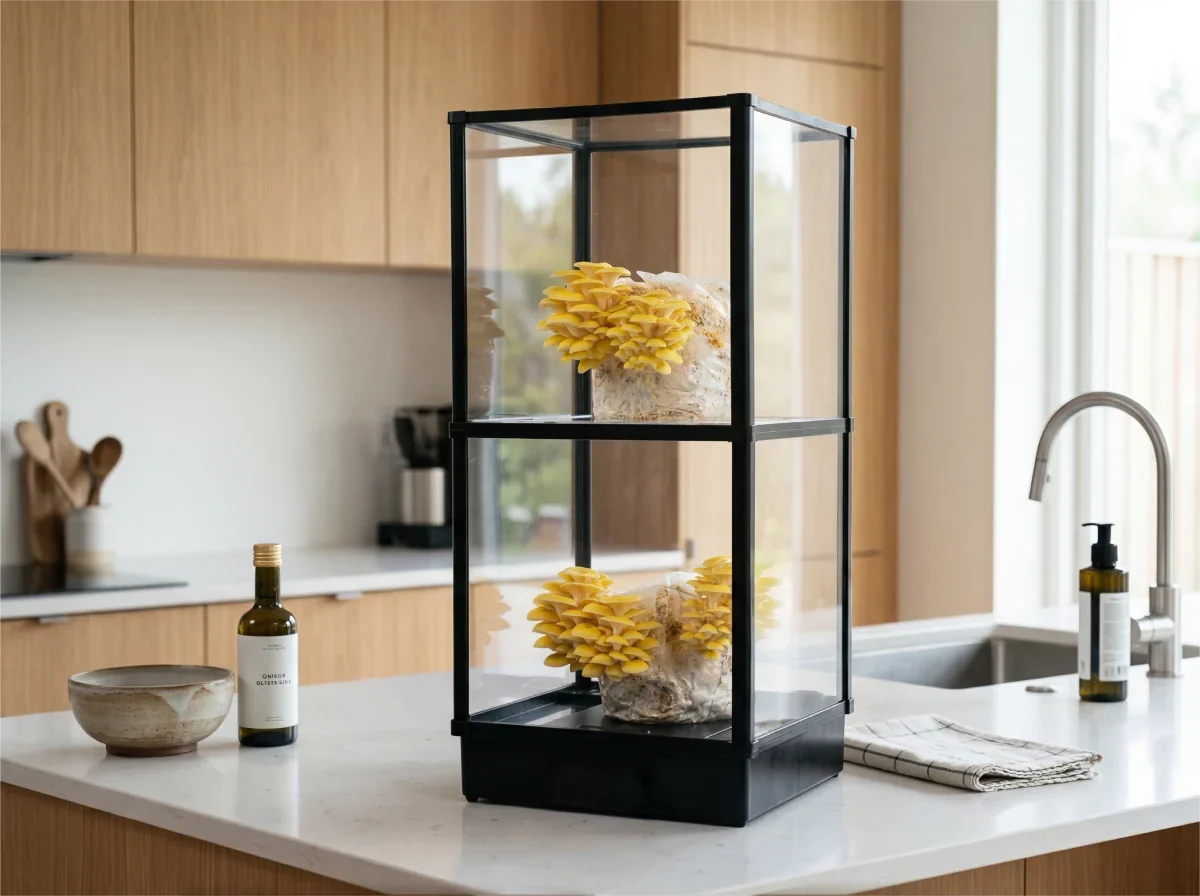
Smart Chamber. Obsidian Black Single
- Same hardware as Bone White
- Matte black premium finish
- Pairs with any kitchen palette

Agaricus bisporus has a few cultivated strains. The most common in the West are the white strain (called "white button") and the brown strain. The brown strain harvested young, when caps are still small and closed, is sold as cremini. Let those same mushrooms grow another five to seven days, and the caps open up, flatten out, and become portobello. Same mushroom, different age and size.
The white strain has a paler color and a slightly milder flavor. The brown strain has more pigment, denser flesh, and a deeper savory taste, partly because brown-strain mushrooms have been selected over generations for the qualities that show up best in the older growth stages.
So cremini is essentially "a brown button mushroom" or "a baby portobello." It's the same organism at a different point in its life cycle.
What cremini taste like
Earthy, slightly nutty, with a noticeable savory depth (more umami than white buttons). The flavor is mild enough to absorb whatever you cook them in but assertive enough to carry a dish on their own. Compared to white buttons, cremini hold up better to high-heat cooking, have firmer texture, and develop deeper browning.
Compared to specialty mushrooms like shiitake or maitake, cremini are milder and less distinctively flavored. They're the workhorse, not the headliner. But that's exactly why they're so useful. Cremini fit into nearly every cuisine without overpowering other ingredients.
How to pick good cremini at the store
Look for firm caps with no dark soft spots or slimy patches. The underside should be tight, with closed gills (or only just opening). When the gills are widely flared and very dark brown, the mushroom is older and will spoil sooner.
The stems should be firm, not rubbery. Avoid any mushrooms that smell off (fresh cremini have a mild, earthy aroma, not a sour or fishy one).
Loose cremini in a bin are usually fresher than the pre-packaged ones, because the packaged containers trap moisture and accelerate spoilage. If you have a choice, buy loose.
Storage that actually works
Take cremini out of plastic the second you get home. Plastic traps moisture, and trapped moisture is what makes mushrooms slimy in the fridge.
Transfer them to a paper bag or wrap them loosely in a paper towel, then store in the fridge. They'll keep five to seven days, with the first three days at their best texture and flavor.
Don't wash mushrooms until you're ready to cook them. Water on the surface, plus refrigeration, equals slime.
Prep: to wash or not to wash
This is one of the longest-running mushroom debates. The reality is somewhere in the middle.
If your cremini look clean (most do, since they grow on pasteurized composted substrate), wipe them with a damp paper towel and you're done. If they have visible dirt or debris (less common with cremini than with foraged species), give them a quick rinse under cold water and pat them dry immediately. Don't soak them. Mushrooms aren't waterproof, and prolonged contact with water makes them spongy when cooked.
Trim the dry tip of the stem. The rest of the stem on cremini is edible, unlike shiitake stems which stay tough.

Fuel Your Mushroom Journey
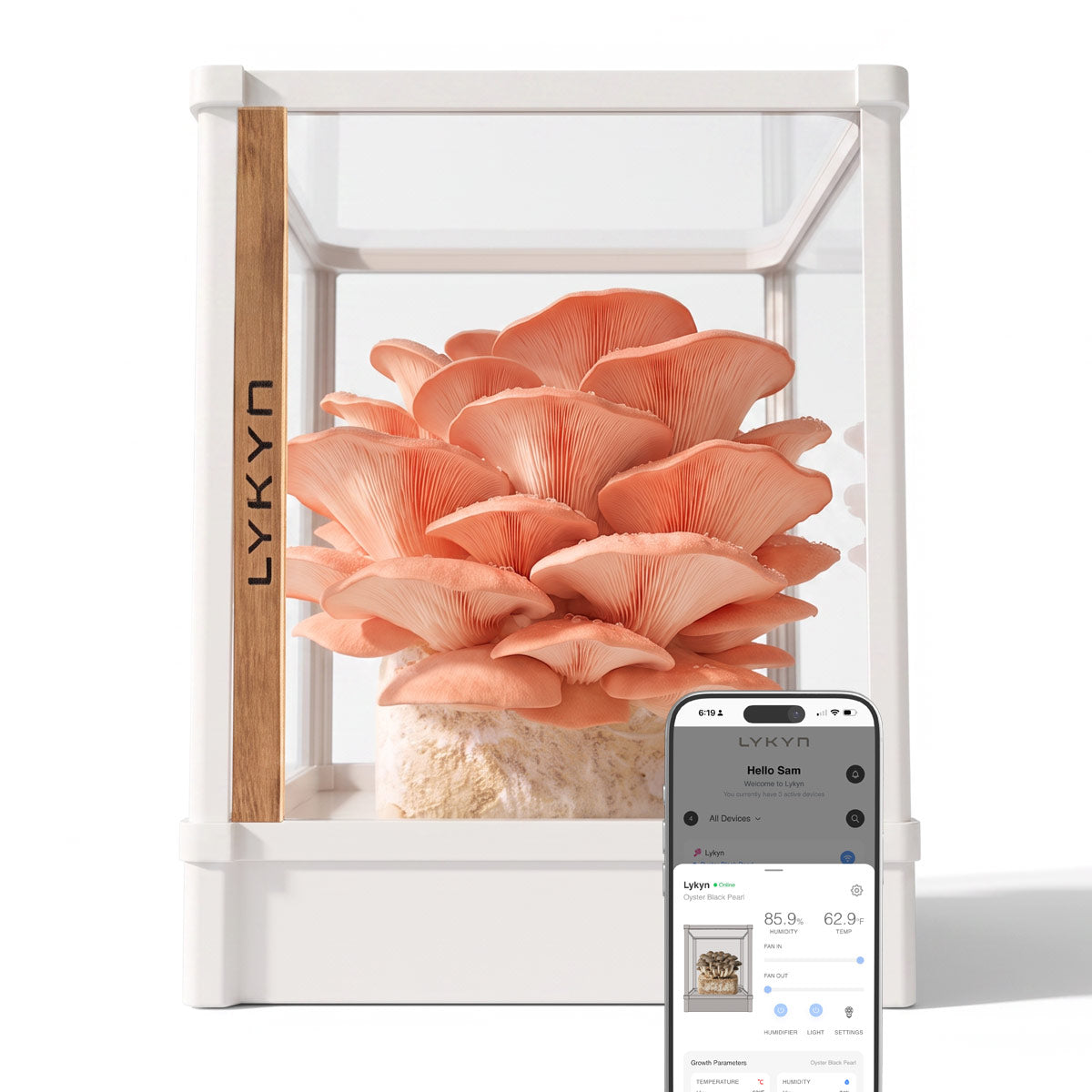
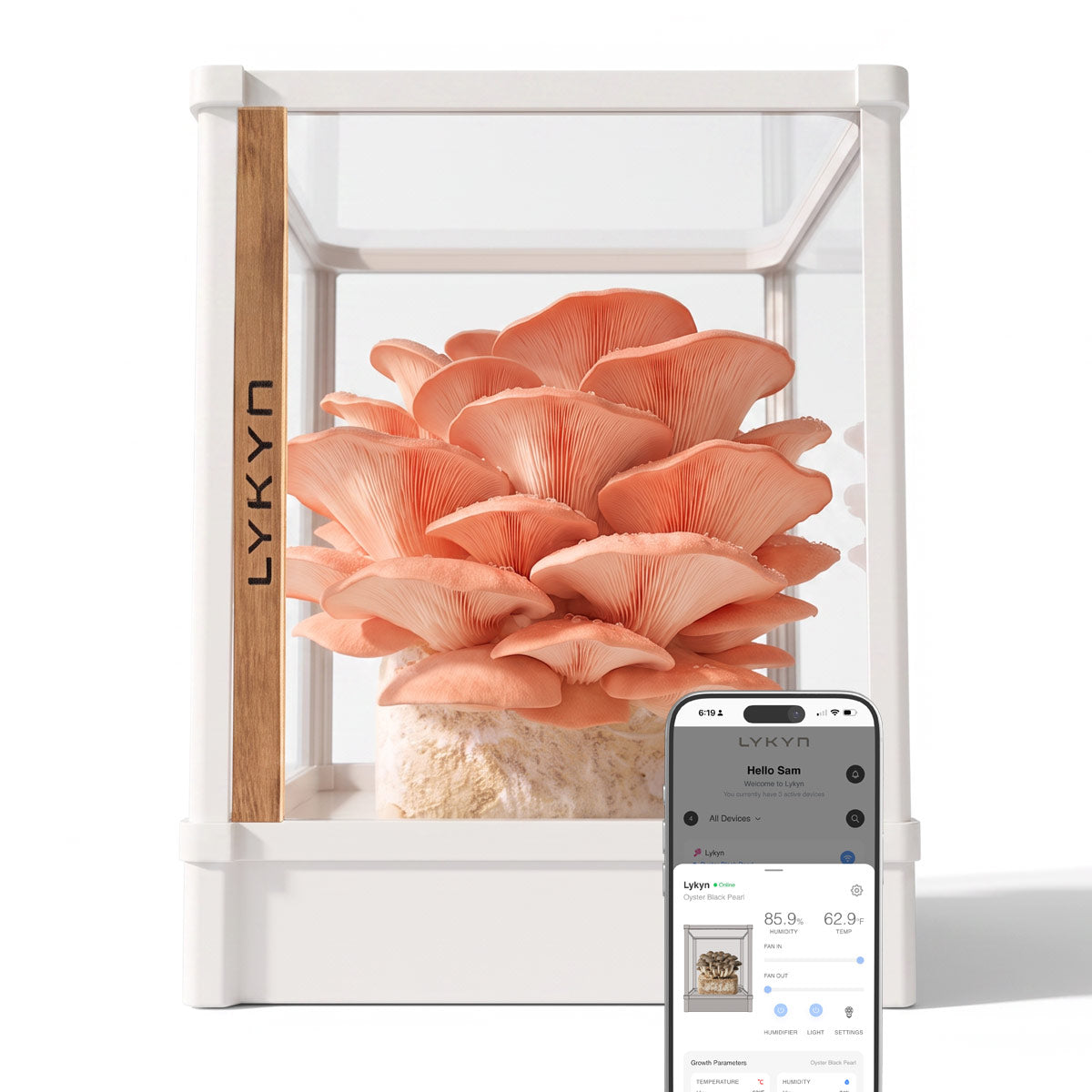
Smart Mushroom Grow Chamber
Plug-and-play smart chamber with humidity, light, and airflow dialed in for every species. Beginners harvest their first flush in days, not months.
Add to cart $299The right way to cook cremini
The biggest mistake home cooks make is crowding the pan and cooking on too-low heat. Cremini release water as they cook. If the pan is hot enough, that water evaporates and the mushrooms brown. If the pan is too crowded or too cool, the water pools and the mushrooms steam, going gray, soft, and bland.
Heat a wide skillet over medium-high. Add a tablespoon of olive oil and one tablespoon of butter (the olive oil raises butter's smoke point). Slice the cremini a quarter-inch thick. Add them in a single layer with at least a little space between pieces.
Don't move them for two minutes. Then flip, cook two more minutes, then add a pinch of salt and any aromatics (garlic, thyme, shallot). They're done.
If you have a lot of mushrooms, cook in two batches rather than crowding the pan. Five minutes of cooking time per batch is worth the difference in result.
What to make with cremini
This is where cremini's versatility pays off.
Sautéed cremini with butter, garlic, and thyme is a five-minute side dish that pairs with steak, chicken, pasta, or eggs. Pasta with cremini in a cream sauce is a classic. Cremini work beautifully in stews and braises, where their texture holds up to long cooking. Roasted cremini at 425 F with olive oil get crisp edges and deep flavor in about 20 minutes.
For a more creative use, marinate cremini in olive oil, garlic, herbs, and lemon zest, then grill them on skewers. Cremini make excellent stuffed mushrooms (small caps work better than portobello for appetizer-sized bites). Cremini in beef bourguignon, mushroom risotto, French onion soup with mushrooms, or mushroom-and-thyme galette are all proven preparations.
Cremini vs. portobello, definitively
If a recipe calls for cremini and you only have portobello, you can substitute. Use slightly less (portobellos hold more water and shrink more), slice or chop them into similar-sized pieces, and cook them the same way.
The other direction works too. Portobello caps stuffed with cremini filling is a clever way to use both stages of the same mushroom in one dish.
For dishes that need the mushroom to hold its shape (kebabs, grilled steaks of mushroom), portobello is better. For sautés, sauces, and mushroom-forward dishes where you want texture without large pieces, cremini wins.
Nutrition notes worth knowing
Cremini are low in calories (about 22 per cup raw), good source of B vitamins (especially riboflavin, niacin, and pantothenic acid), and contain selenium, copper, and potassium. Cremini grown under UV light develop significant vitamin D content. Standard grocery cremini may or may not be UV-treated, so check labels if you're looking for vitamin D.
The savory umami flavor in cremini comes from glutamates that form naturally as the mushroom matures, which is part of why brown-strain mushrooms taste richer than white-strain.
If you want to grow them at home
Agaricus bisporus is more challenging to grow at home than oyster mushrooms or Lion's Mane because it requires composted substrate, casing layer, and specific humidity and temperature control. Most home cultivators start with easier species like oyster, Lion's Mane, or King Trumpet, all of which give faster results and are more forgiving of beginner mistakes.
Our mushroom grow kits focus on those higher-yield, faster-cycling species. Fresh cremini are still worth buying from the store (or a farmer's market) for everyday cooking, but if you want to grow gourmet varieties at home, start with the species designed for that.



Share:
Blue Oyster Mushroom Recipe: Pan-Seared, Braised, and Beyond
Blue Oyster Mushroom Recipe: Pan-Seared, Braised, and Beyond