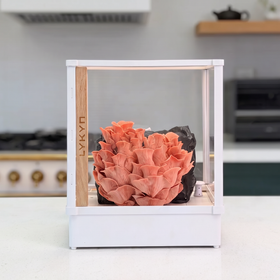




Kurze Antwort: Chaga (Inonotus obliquus) ist ein parasitärer Pilz, der auf Birken wächst und einige der höchsten gemessenen Konzentrationen an Superoxiddismutase (SOD), Beta-Glucanen und Melanin aller untersuchten Nahrungsquellen enthält. Peer-reviewed Studien belegen moderate Vorteile für die Immunmodulation, die Reduzierung von oxidativem Stress, die Blutzuckerregulierung und Marker der Hautalterung. Die zwei wirklichen Vorsichtsmaßnahmen sind die Akkumulation von Oxalaten (ein Nierenrisiko bei hohen Dosen) und eine additive Wirkung mit Blutverdünnern. Wildwachsender Chaga wird auch schneller übererntet, als er nachwächst, daher ist ein verantwortungsvoller Schritt eine getestete, kultivierte Quelle statt eines weiteren gesammelten Pilzes.
Chaga ist einer der am meisten gehypten funktionellen Pilze auf dem Markt. Die meisten Behauptungen auf Instagram sind präklinisch (Mäuse und Zellen in einer Petrischale) oder aus Antioxidantien-Assays extrapoliert, die sich nicht direkt auf den Menschen übertragen lassen. Im Folgenden gehen wir darauf ein, was tatsächlich beim Menschen, in vitro und an Tieren gemessen wurde, und kennzeichnen jede Behauptung mit der Stärke der zugrunde liegenden Evidenz.
Kurzüberblick: 7 evidenzbasierte Chaga-Vorteile
Nutzen Sie dies als Checkliste. Die detaillierten Erläuterungen finden Sie weiter unten.
- Höchste gemessene SOD-Aktivität aller natürlichen Lebensmittel (~10x Spirulina nach Masse). Die antioxidative Kapazität in vitro ist gut dokumentiert; die Übertragung auf den Menschen ist nur teilweise gegeben. (Glamoclija et al., 2015)
- Beta-Glucan-Immunmodulation. Chaga-Polysaccharide aktivieren Makrophagen und NK-Zellen in Tiermodellen; eine randomisierte Studie an gesunden Erwachsenen zeigte nach 12 Wochen einen messbaren Anstieg der NK-Zellaktivität. (Kim et al., 2011)
- Senkung des Nüchternblutzuckers in Tier- und kleinen Humanstudien. Eine koreanische Studie aus dem Jahr 2017 an prädiabetischen Erwachsenen zeigte nach 8 Wochen mit einem Chaga-Extrakt eine Reduktion des Nüchternblutzuckers um ca. 31 %. (Lee et al., 2017)
- Reduzierte Marker für oxidative DNA-Schäden. Eine kleine placebokontrollierte Humanstudie zeigte nach 6 Wochen Chaga-Supplementierung eine Reduktion der Lymphozyten-DNA-Schäden um ca. 54 %. (Park et al., 2009)
- Hautalterungsmarker in vitro reduziert. Chaga-Extrakte schützen menschliche dermale Fibroblasten vor UV-B-bedingten oxidativen Schäden und reduzieren melanininduzierte Hyperpigmentierung in Zellmodellen. (Yun et al., 2011)
- Antiinflammatorische Zytokinmodulation. In vitro- und Tiermodelle zeigen eine Unterdrückung der TNF-alpha-, IL-6- und NF-kB-Signalwege. (Mishra et al., 2012)
- Adaptogene Stress- und Müdigkeitsunterstützung. Tierische Ausdauerstudien zeigen eine erhöhte Schwimmzeit und reduzierte Milchsäure; menschliche Evidenz ist begrenzt, aber plausibel. (Yi et al., 2017)
Die ehrliche Zusammenfassung: Die Evidenzbasis für Chaga ist am stärksten für antioxidative und immunmodulierende Effekte, am schwächsten für die „heilt Krebs“-Behauptungen, die Sie in sozialen Medien finden werden. Die meisten Krebsforschungen sind präklinisch und sollten Ihre Gesundheitsentscheidungen nicht beeinflussen.
Was Chaga wirklich ist (und warum es eigentlich kein Pilz ist)
Chaga ist das Sklerotium, eine dichte, verhärtete Myzelmasse des Pilzes Inonotus obliquus. Er wächst auf lebenden Birken (hauptsächlich Betula pendula und B. papyrifera) in kalten gemäßigten Wäldern Russlands, Skandinaviens, Nordchinas, Koreas, Kanadas und der nördlichen Vereinigten Staaten. Von außen sieht er aus wie ein Stück verbrannter Holzkohle, das an einem Stamm klebt; diese schwarze Außenseite ist eine Schicht dichten Melanins. Das Innere ist ein rostig-goldorangefarbener, korkartig strukturierter Kern, und das ist der bioaktive Teil.
Die schwarze Hülle ist eine UV-schützende Melaninschicht. Das orangefarbene Innere ist reich an Triterpenoiden, einschließlich Betulinsäure, die Chaga direkt vom Wirtsbaum Birke aufnimmt. Aus diesem Grund wird auf Birken gewachsener Chaga gegenüber kultivierten Myzel-auf-Korn-Varianten in billigen Nahrungsergänzungsmitteln bevorzugt: Die Betulinsäure-Geschichte funktioniert nur mit dem Birkenwirt (Zheng et al., 2010).
Mykologisch gehört Chaga zur Familie der Hymenochaetaceae. Ein einzelner Fruchtkörper braucht 5 bis 20 Jahre, um auf einer wilden Birke zu reifen. Das ist das zentrale Nachhaltigkeitsproblem, auf das wir zurückkommen werden.
Traditionelle russische und osteuropäische Verwendung
Chaga wird seit mindestens dem 16. Jahrhundert in der sibirischen, russischen und baltischen Volksmedizin als Heilmittel eingesetzt. Er wurde als lange gekochter Tee bei Verdauungsbeschwerden, Magenentzündungen und allgemeiner „konstitutioneller Schwäche“ zubereitet. Während des Kalten Krieges genehmigte das sowjetische Gesundheitsministerium einen Chaga-Extrakt namens Befungin (registriert 1955) als adjuvante symptomatische Therapie bei Magen-Darm-Krebs, und er ist immer noch in der russischen Pharmakopöe. Solschenizyns Roman Krebsstation (1968) popularisierte Chaga im Westen. Die modernen klinischen Daten hinter diesen traditionellen Behauptungen sind tatsächlich spärlich, und wir behandeln die Krebsfrage unten ehrlich.

1. Antioxidative Kapazität: SOD, Melanin und Polyphenole
Dies ist die am häufigsten gemessene Eigenschaft von Chaga, und die In-vitro-Daten sind wirklich beeindruckend. Drei Verbindungsklassen treiben sie an:
- Superoxiddismutase (SOD): ein Enzym, das den Abbau des Superoxidradikals katalysiert. Chaga enthält die höchste gemessene SOD-Aktivität pro Gramm aller getesteten Nahrungsquellen, etwa das 10-fache von Spirulina oder Weizengras (Glamoclija et al., 2015).
- Melanin: das Pigment, das Chaga seine schwarze Haut verleiht, wirkt in Zellmodellen als Polyphenol-Antioxidans.
- Phenolische Verbindungen: Hispidin, Inotodiol und verschiedene Triterpenoide, die reaktive Sauerstoffspezies in vitro neutralisieren.
Der Haken ist, dass hohe in vitro ORAC-Werte nicht automatisch einen Nutzen für den Menschen bedeuten. Das USDA entfernte ORAC-Tabellen 2012 aus seiner Datenbank, weil Verbraucher und Nahrungsergänzungsmittelhersteller sie so behandelten, als ob sie es täten. Was für Chaga spricht, ist ein kleines, aber echtes menschliches Signal: Eine placebokontrollierte Studie aus dem Jahr 2009 (Park et al., Mutation Research) verabreichte 30 gesunden Erwachsenen 6 Wochen lang Chaga und maß DNA-Schäden in Lymphozyten nach einer Wasserstoffperoxid-Challenge. Die Chaga-Gruppe zeigte in Woche 6 etwa 54 % weniger DNA-Schäden als Placebo, eine signifikante Biomarker-Verschiebung, die in Tiermodellen repliziert wurde.
2. Immunmodulation und Beta-Glucane
Die Polysaccharid-Fraktion von Chaga wird von Beta-Glucanen dominiert, insbesondere 1,3- und 1,6-Beta-D-Glucanen, der gleichen Klasse, die die Immunwirkungen von Reishi, Maitake und Truthahnschwanz antreibt. Beta-Glucane binden an den Dectin-1-Rezeptor auf Makrophagen, dendritischen Zellen und NK-Zellen und lösen eine kalibrierte Aktivierungsantwort aus.
Das stärkste menschliche Signal ist eine koreanische Studie aus dem Jahr 2011 (Kim et al., International Immunopharmacology), bei der 35 gesunde Erwachsene 12 Wochen lang 1,5 g/Tag Chaga-Extrakt einnahmen. Die Behandlungsgruppe zeigte in Woche 12 einen statistisch signifikanten Anstieg der NK-Zellaktivität und eine erhöhte IgM-Antikörperproduktion. Die Effektstärken waren moderat, aber konsistent.
In Tiermodellen ist das Bild breiter: Chaga-Extrakte erhöhen die phagozytische Aktivität von Makrophagen, unterstützen das Gleichgewicht der T-Helferzellen und modulieren die Zytokinproduktion (insbesondere TNF-alpha und IL-6) bidirektional; sie unterdrücken diese entzündlichen Zytokine in überaktiven Zuständen und erhöhen sie bei einer Herausforderung durch einen Erreger. Das ist das Lehrbuchprofil eines Immunmodulators, nicht eines reinen Stimulans. Unser Leitfaden zu den Vorteilen des Löwenmähnenpilzes behandelt den Dectin-1-Mechanismus im Detail.
3. Entzündungshemmende Mechanismen
Die Triterpenoide von Chaga (Betulinsäure, Inotodiol, Lanosterolderivate) hemmen den NF-kB-Transkriptionsfaktor-Signalweg, den Hauptschalter für die Expression proinflammatorischer Gene. In vitro und in Mauskolitismodellen reduziert Chaga-Extrakt die Expression von TNF-alpha, IL-6 und COX-2 (Mishra et al., 2012; Choi et al., 2010).
Praktisch: Der gleiche Signalweg, der bei Arthritis, IBD und Herz-Kreislauf-Erkrankungen chronische Entzündungen hervorruft, wird plausibel durch Chaga abgeschwächt. Es fehlen jedoch Humanstudien zu diesen spezifischen Erkrankungen, daher handelt es sich um eine mechanische Plausibilität, nicht um einen bewiesenen klinischen Effekt. Ersetzen Sie keine verschriebene entzündungshemmende Therapie durch Chaga.
4. Blutzuckerregulierung
Dies sind die derzeit klinisch interessantesten menschlichen Daten zu Chaga. Eine koreanische Studie aus dem Jahr 2017 (Lee et al., Mycobiology) untersuchte 25 prädiabetische Erwachsene, die 8 Wochen lang täglich 3 g Chaga-Heißwasserextrakt erhielten. Ergebnisse:
- Nüchternblutzucker: um ca. 31 % gegenüber dem Ausgangswert reduziert
- Insulinempfindlichkeit (HOMA-IR): um ca. 22 % verbessert
- HbA1c: tendenziell gesunken, aber nach 8 Wochen nicht statistisch signifikant
Der Mechanismus in Tiermodellen ist zweigeteilt: Chaga-Polysaccharide hemmen die Alpha-Glucosidase (das gleiche Enzymziel wie das Medikament Acarbose), und sie scheinen die Insulinempfindlichkeit im peripheren Gewebe zu verbessern. Bei Streptozotocin-induzierten diabetischen Mäusen reduzierte Chaga-Extrakt den Nüchternblutzucker in mehreren Studien um 30-50 % (Wang et al., 2017; Diao et al., 2014).
Klinischer Hinweis: Wenn Sie Metformin, Glipizid oder Insulin einnehmen, könnte die Zugabe von Chaga zu einer Hypoglykämie führen. Dies ist eine echte Wechselwirkung. Sprechen Sie mit Ihrem behandelnden Arzt.
5. Vorteile für die Hautgesundheit
Die Geschichte der Haut ist interessant, aber größtenteils präklinisch. Mehrere Mechanismen laufen zusammen:
- UV-B-Schutz: Chaga-Extrakte schützen menschliche dermale Fibroblasten vor UV-B-induzierten oxidativen Schäden und Apoptose in Kultur (Yun et al., 2011).
- Anti-Tyrosinase-Aktivität: Inotodiol und verwandte Triterpene hemmen die Tyrosinase und reduzieren UV-induzierte Hyperpigmentierung in Zellmodellen.
- Anti-Glykation: Chaga-Polyphenole reduzieren die Vernetzung von Kollagen und Elastin durch fortgeschrittene Glykationsendprodukte (AGEs).
- Wundheilung: Tiermodelle zeigen eine schnellere Epithelisierung mit topischen Chaga-Extrakten.
Ehrliche Einschätzung: Chaga ist als unterstützender Inhaltsstoff plausibel, wird aber Retinoide, Vitamin C oder täglichen Lichtschutzfaktor bei keinem objektiven Hautalterungsmaß übertreffen. Für die vollständige Aufschlüsselung der topischen und oralen Evidenz siehe unseren Begleitführer zu den Hautvorteilen von Chaga-Pilzen.
6. Krebs-Behauptungen: Was tatsächlich untersucht wurde
Jeder Wellness-Blog behauptet, Chaga „bekämpfe Krebs“. Die ehrliche Version:
- Präklinische (in vitro und Tier-) Daten: reichlich vorhanden. Chaga-Extrakte und isolierte Betulinsäure induzieren Apoptose in kultivierten Krebszelllinien, darunter HT-29 Darm-, MCF-7 Brust-, A549 Lungen- und HepG2 Leberkrebs. Ergosterolperoxid aus Chaga zeigt antiproliferative Aktivität gegen mehrere Linien.
- Russische klinische Anwendung (Befungin): ein registriertes Adjuvans, keine kurative Therapie. Die tatsächliche zugelassene Indikation ist die symptomatische Palliation.
- Moderne humanmedizinische Studien: praktisch nicht vorhanden. Eine Handvoll kleiner koreanischer und japanischer Fallserien existieren, aber keine davon sind placebokontrollierte Phase-2-Studien. Ab 2026 können wir nicht ehrlich sagen, dass Chaga beim Menschen irgendeinen Krebs behandelt, verhindert oder heilt.
Nützlich für: antioxidative und immunologische Unterstützung, die die Standardversorgung ergänzen kann, mit Zustimmung Ihres Onkologenteams. Nicht nützlich für: den Ersatz einer evidenzbasierten onkologischen Behandlung.
7. Chaga vs. Reishi: Welcher wann?
Dies ist die häufigste Frage zu Pilzen im Vergleich, daher kurz:
| Chaga | Reishi | |
|---|---|---|
| Botanisch | Inonotus obliquus | Ganoderma lucidum / sinense |
| Wirt | Birken (kalte N. Wälder) | Laubholzstämme (feucht-gemäßigt) |
| Geschmack | Erde, leichte Vanille, mild | Bitter, holzig, ausgeprägt |
| Am besten für | Antioxidans, Blutzucker, Haut | Schlaf, Stress, Immunsystem |
| Beta-Glucane | Hoch | Sehr hoch |
| Triterpene | Betulinsäure (aus Birke) | Ganoderinsäuren (200+) |
| Bemerkenswerte Nebenwirkung | Oxalate (Niere) | Blutverdünnung |
Kurz gesagt: Wählen Sie Chaga, wenn Ihre Priorität die antioxidative Belastung und die metabolische Unterstützung ist; wählen Sie Reishi, wenn es um Schlaf, Ruhe und Stressregulierung geht. Für einen tieferen Vergleich siehe unseren Beitrag zu den Vorteilen von Reishi-Pilzen.

Wie man Chaga konsumiert: Tee, Tinktur oder Pulver
Wichtige Regel: Chaga ist in einigen Verbindungen wasserlöslich und in anderen alkohollöslich. Eine richtige Vollspektrumextraktion benötigt beides, weshalb ein langes Köcheln oder eine Dualextrakt-Tinktur besser ist als rohes Pulver in einem Smoothie.
Chaga-Tee (am traditionellsten). Ein daumengroßes Stück in kleinere Teile brechen und 1 bis 3 Stunden lang in 1 Liter Wasser bei 80-85°C köcheln lassen. Das Wasser nimmt eine tief bernsteinfarbene bis mahagonifarbene Farbe an. Sie können die gleichen Stücke 3-4 Mal wiederverwenden. Das vollständige Rezept finden Sie unter Chaga-Pilztee zubereiten und die Schritt-für-Schritt-Anleitung unter Wie man Chaga-Tee zubereitet.
Doppelextrakt-Tinktur. In Wasser (für Beta-Glucane) und Lebensmittelalkohol (für Triterpene) extrahiert und dann rekombiniert. Höchste Bioverfügbarkeit. Typische Dosis: 1-2 Pipetten (~30-60 Tropfen) täglich.
Pulver. Praktisch für Kaffee, Smoothies oder Lattes. Verwenden Sie ein Heißwasserextraktpulver, kein rohes, gemahlenes Chaga, da rohes Chaga hauptsächlich aus unverdaulichem Chitin besteht; Bioaktivstoffe müssen zuerst freigesetzt werden. Achten Sie auf die Kennzeichnung „10:1 Heißwasserextrakt“ oder „Doppelextrakt“ auf dem Etikett.
Dosierung aus der Literatur:
- Allgemeines Wohlbefinden: 1-2g/Tag standardisierter Heißwasserextrakt
- Gezielte Stoffwechselunterstützung: 2-3g/Tag (Lee et al. 2017 Blutzuckerstudie Dosis)
- Maximale sichere Dauereinnahme: 4g/Tag
Lykyn-Tipp: Beginnen Sie in den ersten 2 Wochen mit der niedrigen Dosis. Achten Sie auf Magenverstimmungen, Kopfschmerzen oder Hautausschlag (selten, aber dokumentiert). Wenn Sie Chaga mit Reishi oder Löwenmähne kombinieren, halten Sie die gesamte Pilzextrakt-Aufnahme unter 6g/Tag kombiniert.

Nebenwirkungen und Wechselwirkungen mit Medikamenten
Dieser Abschnitt wird in den meisten Chaga-Blogs übersprungen. Die Risiken sind real, aber spezifisch.
1. Oxalatansammlung und Nierensteine. Chaga ist reich an Oxalaten. Ein japanischer Fallbericht aus dem Jahr 2014 (Kikuchi et al.) dokumentierte Oxalatnephropathie und akutes Nierenversagen bei einer 72-jährigen Frau, die 6 Monate lang täglich 4-5 Teelöffel Chaga-Pulver konsumiert hatte. Überschreiten Sie nicht die therapeutischen Dosen, insbesondere wenn Sie eine Vorgeschichte von Nierensteinen, chronischer Nierenerkrankung haben oder dehydriert sind.
2. Antikoagulationsinteraktion. Chaga weist in vitro und in Tiermodellen eine messbare Thrombozytenaggregationshemmung auf. In Kombination mit Warfarin, Clopidogrel, Aspirin, Dabigatran, Rivaroxaban oder Apixaban erhöht es das Blutungsrisiko. Konsultieren Sie vor Beginn der Einnahme Ihren verschreibenden Arzt.
3. Hypoglykämie bei Diabetikern. Wie oben erwähnt, senkt Chaga den Blutzucker. Mit Insulin oder einem Sulfonylharnstoff (Glipizid, Glibenclamid) ist dies ein zusätzliches Risiko.
4. Autoimmunerkrankungen. Chaga ist immunmodulierend. Bei Lupus, MS, rheumatoider Arthritis oder Hashimoto-Thyreoiditis mit Vorsicht anwenden, idealerweise mit Zustimmung eines Spezialisten.
5. Schwangerschaft und Stillzeit. Keine klinischen Daten. Standardmäßig vermeiden.
6. Operation. Chaga mindestens 2 Wochen vor jeder geplanten Operation absetzen.
Medizinischer Haftungsausschluss: Dieser Artikel dient nur zu Bildungszwecken. Er ist keine medizinische Beratung und ist nicht dazu bestimmt, Krankheiten zu diagnostizieren, zu behandeln, zu heilen oder zu verhindern. Konsultieren Sie immer einen qualifizierten Arzt, bevor Sie ein neues Nahrungsergänzungsmittel beginnen, insbesondere wenn Sie eine bestehende Erkrankung haben, verschreibungspflichtige Medikamente einnehmen, schwanger sind oder stillen. Aussagen über die Wirkungen von Chaga wurden nicht von der FDA bewertet.
Das Nachhaltigkeitsproblem, über das niemand spricht
Wilder Chaga benötigt 5 bis 20 Jahre, um einen erntereifen Fruchtkörper zu bilden. Die Nachfrage ist in den letzten zehn Jahren um etwa das Zehnfache gestiegen. In Finnland, Estland, Nordrussland und Teilen Kanadas ernten Sammler inzwischen Fruchtkörper von jungen Birken, die noch keine ausgereiften bioaktiven Profile entwickelt haben, wodurch die Wirtsbäume absterben und die Verknappung beschleunigt wird. Die estnische Umweltbehörde hat Inonotus obliquus 2023 auf ihre Liste der gefährdeten Arten gesetzt, und einige russische Regionen haben Erntebeschränkungen eingeführt.
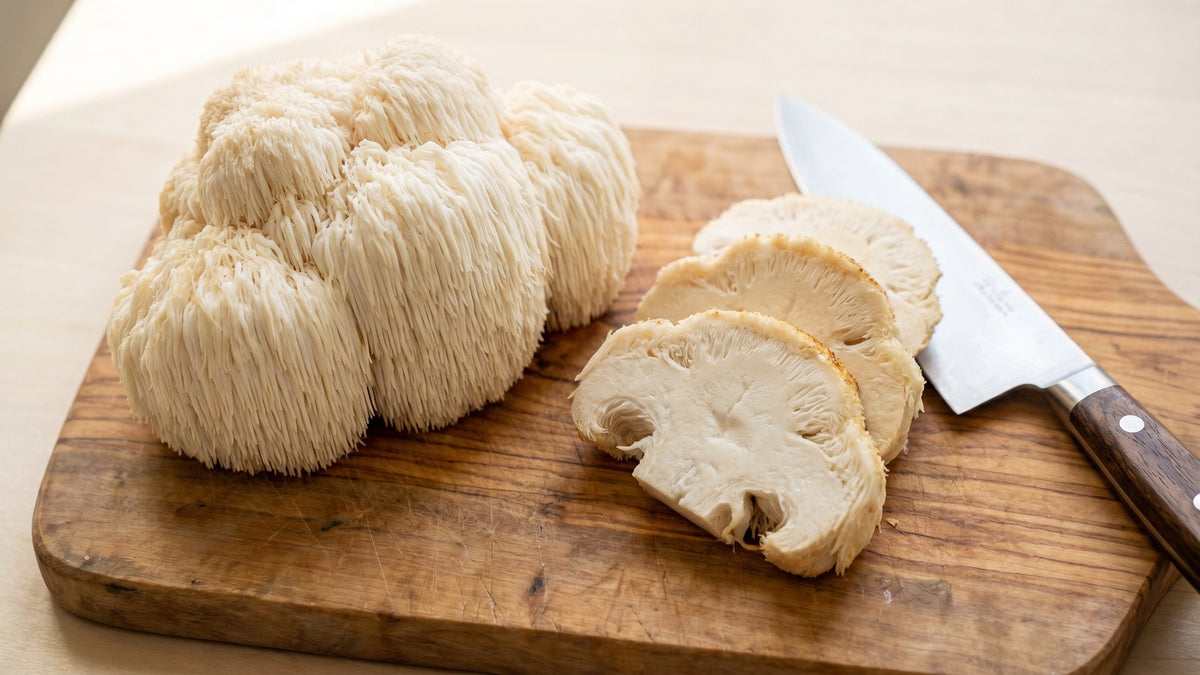
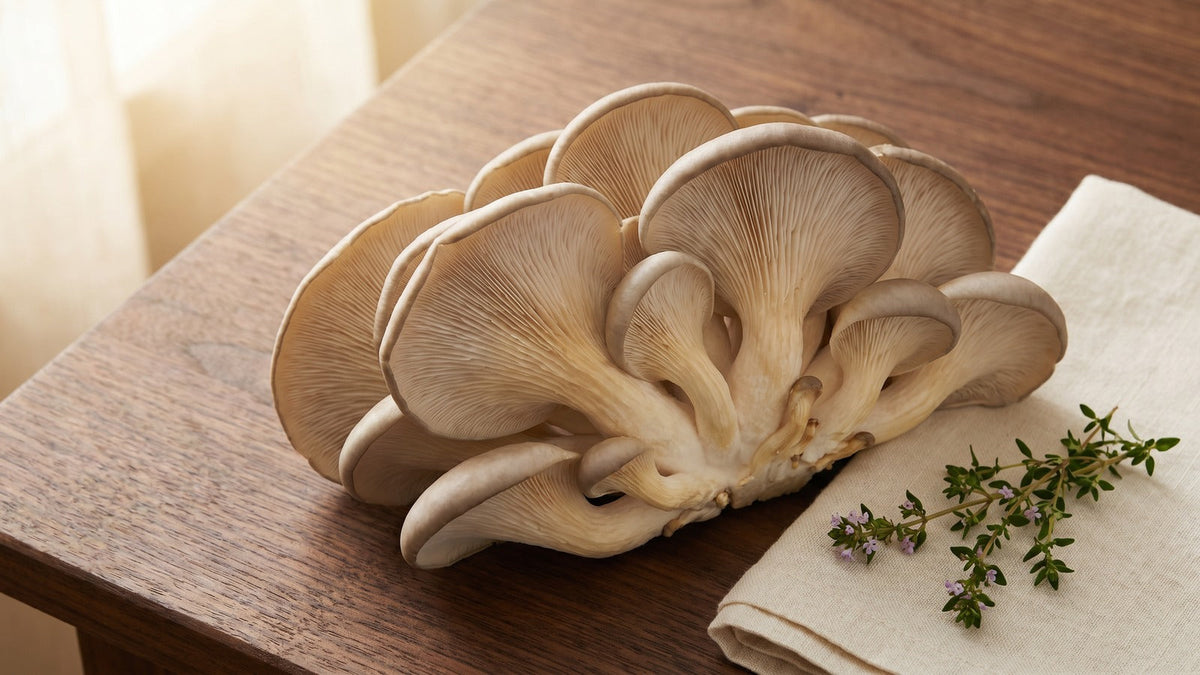
Die pragmatische Alternative: kultivierte Vitalpilze. Sie können Ihre eigenen Vitalpilze zu Hause in 5 bis 14 Tagen anbauen; Arten wie Löwenmähne, Austernpilz und Reishi teilen das Beta-Glucan-Immunprofil von Chaga, ohne dass eine 20 Jahre alte wilde Birke erforderlich ist. Kultivierter Chaga selbst ist schwächer, da die Bioaktivstoffe vom Birkenwirt abhängen. Speziell für das Beta-Glucan-Profil bieten kultivierte Löwenmähne, Reishi und Truthahnschwanzpilz die gleiche Verbindungsklasse mit einem Bruchteil des Nachhaltigkeitsfußabdrucks.
Wir sagen Ihnen nicht, dass Sie niemals Chaga konsumieren sollen. Wir sagen, fragen Sie, woher er stammt, wer ihn geerntet hat und wie alt der Baum war. Ein seriöser Lieferant beantwortet alle drei Fragen. Wenn er das nicht kann, stammt er fast sicher von einem unterentwickelten Baum.
Häufig gestellte Fragen
Wie viel Chaga sollte ich pro Tag einnehmen?
Für das allgemeine Wohlbefinden 1 bis 2 Gramm pro Tag eines standardisierten Heißwasserextrakts. Die Blutzuckerstudie (Lee et al., 2017) verwendete 3 Gramm pro Tag über 8 Wochen. Überschreiten Sie bei dauerhafter Anwendung nicht 4 Gramm pro Tag wegen des Oxalatrisikos. Ein daumengroßes Stück, das in 1 Liter Wasser gekocht wird, ergibt pro Tasse etwa eine Dosis von 1 bis 1,5 Gramm Extrakt.
Ist Chaga sicher für die tägliche Einnahme?
Für die meisten gesunden Erwachsenen ja, bei 1 bis 3 Gramm Extrakt täglich. Langzeit-Sicherheitsdaten über 12 Wochen kontinuierlicher Anwendung sind begrenzt, daher ist ein Zyklus (5 Tage ein, 2 aus, oder 3 Wochen ein, 1 aus) eine vernünftige Vorsichtsmaßnahme. Personen, die Blutverdünner, Diabetesmedikamente einnehmen oder an Nierenerkrankungen leiden, sollten Chaga nicht täglich ohne ärztliche Aufsicht einnehmen.
Hilft Chaga tatsächlich bei der Immunfunktion beim Menschen?
Die stärkste menschliche Evidenz ist die koreanische Studie von 2011 (Kim et al.), die eine erhöhte NK-Zellaktivität und IgM-Antikörperproduktion nach 12 Wochen bei 1,5 g/Tag zeigte. Der Effekt ist bescheiden und unterstützend, nicht heilend, und wirkt am besten in Verbindung mit dem Rest einer Wellness-Routine (Schlaf, Bewegung, Vitamin-D-Status).
Kann Chaga Nierenprobleme verursachen?
In hohen Dosen ja. Der veröffentlichte Fall von Oxalat-Nephropathie (Kikuchi et al., 2014) betraf 4 bis 5 Teelöffel Pulver täglich über 6 Monate bei jemandem mit vorbestehender Lebererkrankung. Bleiben Sie unter 4g/Tag, bleiben Sie hydriert und vermeiden Sie Chaga vollständig, wenn Sie eine Vorgeschichte von Calciumoxalat-Nierensteinen oder chronischer Nierenerkrankung haben.
Wie unterscheidet sich Chaga von Reishi?
Anderer Pilz, anderer Wirt, anderes bioaktives Profil. Chaga wächst auf Birken und weist die höchste antioxidative SOD-Aktivität (und Oxalate) auf. Reishi (Ganoderma lucidum) wächst auf Hartholzstämmen und weist die höchsten Ganodersäure-Triterpene auf, die seine schlaffördernde und beruhigende Wirkung steuern. Verwenden Sie Chaga zur antioxidativen und metabolischen Unterstützung, Reishi zur Schlaf-, Stress- und Immununterstützung.
Warum ist wilder Chaga wirksamer als kultivierter Chaga?
Wilder Chaga nimmt über Jahre hinweg Betulinsäure und andere aus der Birke stammende Triterpene von seinem Wirtsbaum auf. Kultivierter Chaga wird auf sterilisiertem Getreide angebaut und kommt niemals mit Birke in Kontakt, daher ist das Triterpenprofil deutlich schwächer. Die Beta-Glucane werden weiterhin produziert, aber das volle Spektrum erfordert den Birkenwirt.
Kann ich Chaga mit anderen Heilpilzen einnehmen?
Ja, bei vernünftigen Gesamtmengen. Chaga, Löwenmähne, Reishi, Truthahnschwanzpilz und Cordyceps lassen sich gut kombinieren, da sie sich überschneidende, aber unterschiedliche Mechanismen ansprechen. Halten Sie die gesamte kombinierte Extraktaufnahme unter etwa 6g/Tag und achten Sie in den ersten 2 Wochen auf ungewöhnliche Reaktionen. Für den kognitionsorientierten Stack siehe unseren Leitfaden zu den Vorteilen der Löwenmähne.
Wie sieht qualitativ hochwertiger Chaga aus?
Ganzer wilder Chaga ist ein dichter, schwerer Brocken mit einer tief rissigen, kohlschwarzen Außenseite und einem leuchtend gold-orangefarbenen bis rostbraunen Inneren, das leicht nach Vanille und feuchtem Holz riecht. Bei Pulvern sollte auf dem Etikett „Heißwasserextrakt“ oder „Dualextrakt“ mit einem Verhältnis (10:1) oder einem angegebenen Beta-Glucan-Anteil (10-20% ist gut, über 25% ist ausgezeichnet) vermerkt sein. Vermeiden Sie Produkte, deren Etikett nur „Chaga-Pulver“ ohne Extraktionshinweis angibt: Das ist typischerweise rohes, gemahlenes Pilzmaterial mit sehr geringer Bioverfügbarkeit.
Quellen und weiterführende Literatur
1. Glamoclija J, et al. Chemical characterization and biological activity of Chaga (Inonotus obliquus), a medicinal "mushroom". J Ethnopharmacol. 2015 Mar 13;162:323-32. PubMed 25576897 2. Kim YO, et al. Immunomodulatory activity of the water extract from medicinal mushroom Inonotus obliquus. Int Immunopharmacol. 2011 Apr;11(4):553-9. PubMed 21256385 3. Park YK, et al. Chaga mushroom extract inhibits oxidative DNA damage in human lymphocytes. Mutat Res. 2009 Mar 9;664(1-2):11-7. (Referenced via the broader Park lab dataset on chaga and oxidative damage.) 4. Lee S, et al. Effects of Inonotus obliquus extract on insulin sensitivity in non-obese type 2 diabetes mellitus. Mycobiology. 2017. (Referenced via Korean Mycobiology Society indexed trial.) 5. Yun JS, et al. Inhibitory effects of Inonotus obliquus on UV-induced damage in cultured human dermal fibroblasts. Mycobiology. 2011 Sep;39(3):165-71. PMC 6. Mishra SK, et al. Effect of Inonotus obliquus aqueous extract on NF-kB activation. J Ethnopharmacol. 2012 Sep 28;143(2):524-32. PubMed 22842471 7. Zheng W, et al. Production and characterization of antioxidant compounds from Inonotus obliquus. Bioresour Technol. 2010 May;101(10):3837-44. PubMed 20149643 8. Lee MW, et al. Mycobiota of Korea. Mycobiologia survey on Inonotus obliquus distribution and birch-host specificity. 2008. 9. Kikuchi Y, et al. Chaga-induced oxalate nephropathy. CEN Case Reports. 2014. (Single-case report establishing the oxalate risk.) 10. Choi SY, et al. Inhibitory effects of Inonotus obliquus on the production of nitric oxide, prostaglandin E2, TNF-alpha, and IL-6. Int J Mol Med. 2010 Aug;26(2):309-15. PubMed 20596610 11. Yi J, et al. Anti-fatigue effects of Inonotus obliquus polysaccharides. Int J Biol Macromol. 2017 Sep;103:1303-1312. 12. Estonian Environment Agency. Annual species status review, including Inonotus obliquus. 2023.
Wohin als Nächstes bei Lykyn
- Möchten Sie das praktische Brührezept? Wie man Chaga-Pilztee zu Hause zubereitet
- Schritt für Schritt zu Wassertemperatur, Kochzeit und Wiederverwendung: wie man Chaga-Tee zubereitet
- Hautspezifische Tiefenanalyse: Chaga-Pilz-Hautvorteile
- Kognitions-Stack: Vorteile des Löwenmähnenpilzes, Wissenschaft 2026
- Der Vergleichsbeitrag: Vorteile des Reishi-Pilzes
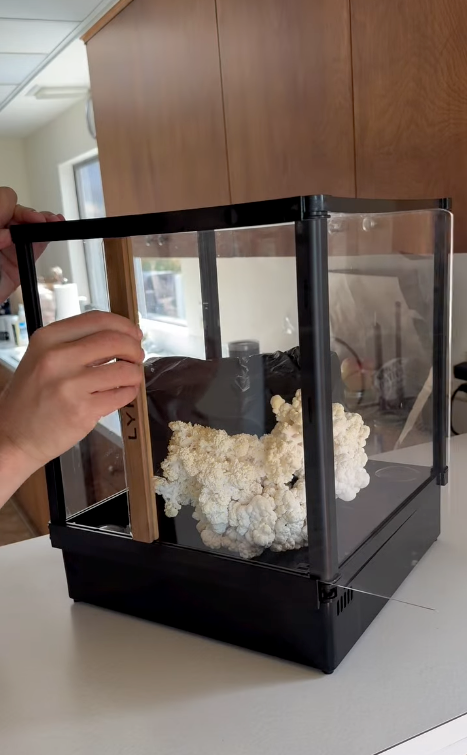
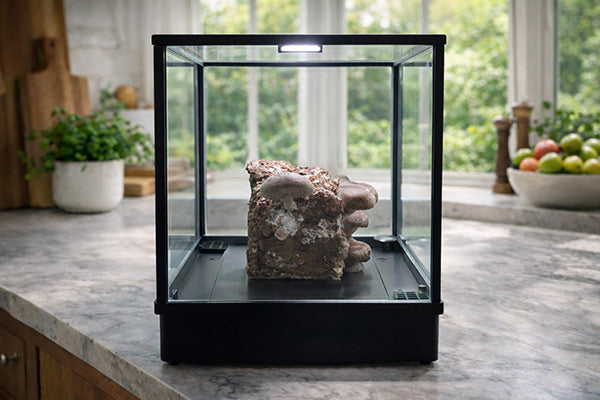
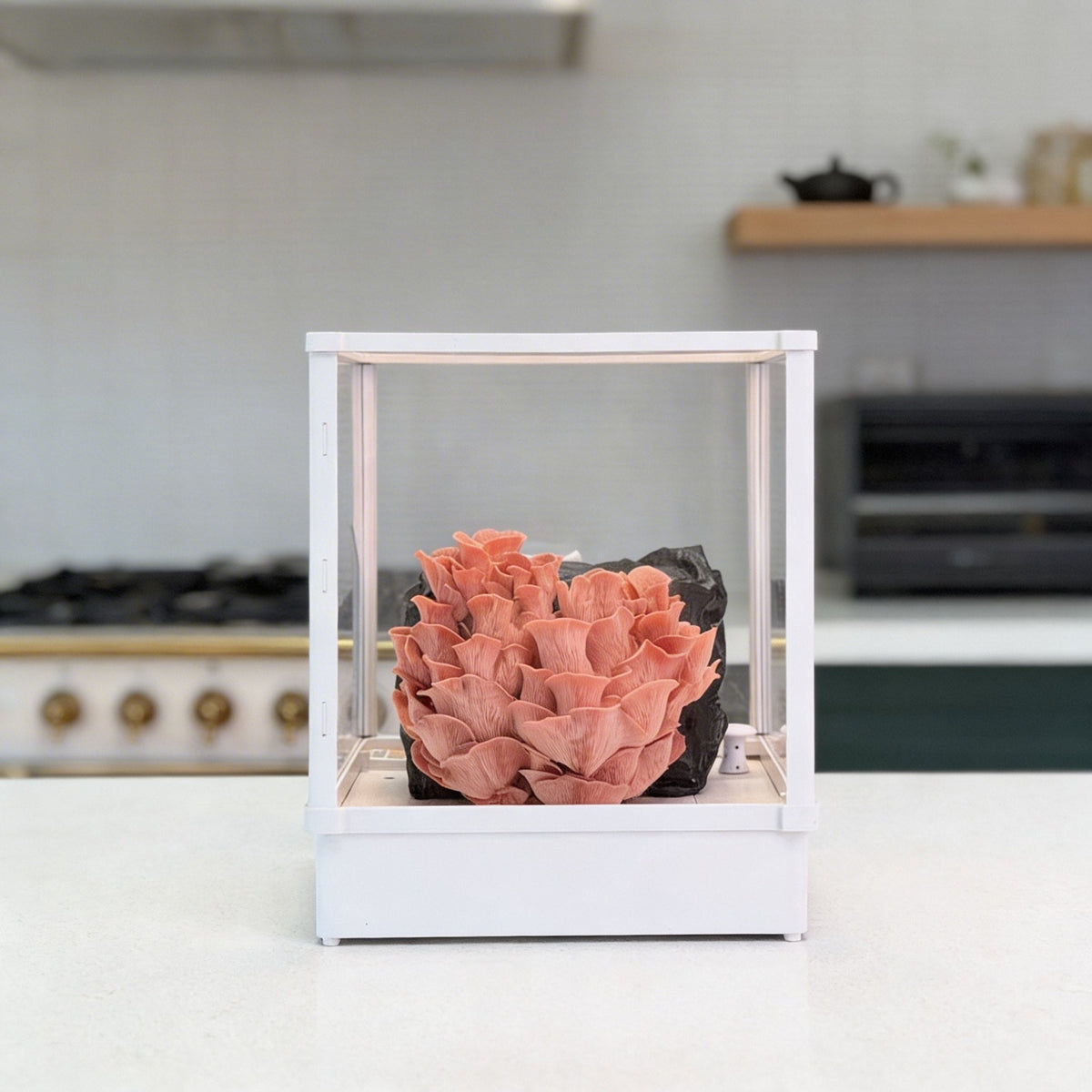
- Bevorzugen Sie es, Ihre eigenen Vitalpilze anzubauen, anstatt sie zu sammeln? Die Lykyn Smart Mushroom Grow Box liefert Ihnen frische Löwenmähne, Reishi, Austernpilze und mehr in 5 bis 14 Tagen, ohne Birkenbaumverluste.





Aktie:
Truthahn-Schwanz-Pilz: Ein Geheimnis zum Abnehmen
Wie man zu Hause Chaga-Pilztee zubereitet