



Pilze gehören zu den kohlenhydratärmsten Lebensmitteln, die Sie auf den Teller bekommen können. Eine 100-Gramm-Portion gängiger Sorten enthält zwischen 2 und 6 Gramm Kohlenhydrate, wovon mindestens ein Drittel aus Ballaststoffen stammt. Die genaue Menge hängt von der Art ab, aber kein gewöhnlich verzehrter Pilz kommt annähernd an die Kohlenhydratdichte von Gemüsesorten wie Kartoffeln, Mais oder Erbsen heran. Dies macht Pilze zu einem zuverlässigen Grundnahrungsmittel für Keto-, Low-Carb-, diabetikerfreundliche und gewichtsreduzierende Ernährungspläne.
Dieser Leitfaden gibt Ihnen die spezifischen Kohlenhydratmengen für die gängigsten Pilzsorten, erklärt, woraus diese Kohlenhydrate tatsächlich bestehen, und beantwortet die häufigsten Fragen zu Pilzen und Blutzucker.

Smart Chamber. Bone White Single
- 2,8L Tank, 90% Luftfeuchtigkeit automatisch
- App-gesteuert, Plug-and-Play
- 6 lb Block Decke, auf Lager

Smart Chamber. Obsidian Black Single
- Gleiche Hardware wie Bone White
- Mattschwarzes Premium-Finish
- Passt zu jeder Küchenpalette

Black Oyster Anzucht-Set
- Auf Lager
- Pin in 3-5 Tagen
- Ersetzt 1 Kammerzyklus
Kohlenhydratmengen in gängigen Pilzarten
Kohlenhydratgehalt pro 100 Gramm roher Pilze (ca. 1 Tasse geschnitten):
- Champignon: 3,3 Gramm Gesamtkohlenhydrate, 1 Gramm Ballaststoffe, 2,3 Gramm Netto-Kohlenhydrate
- Cremini (Baby Bella): 4,3 Gramm Gesamtkohlenhydrate, 0,6 Gramm Ballaststoffe, 3,7 Gramm Netto-Kohlenhydrate
- Portabella: 4,3 Gramm Gesamtkohlenhydrate, 1,3 Gramm Ballaststoffe, 3 Gramm Netto-Kohlenhydrate
- Shiitake (frisch): 6,8 Gramm Gesamtkohlenhydrate, 2,5 Gramm Ballaststoffe, 4,3 Gramm Netto-Kohlenhydrate
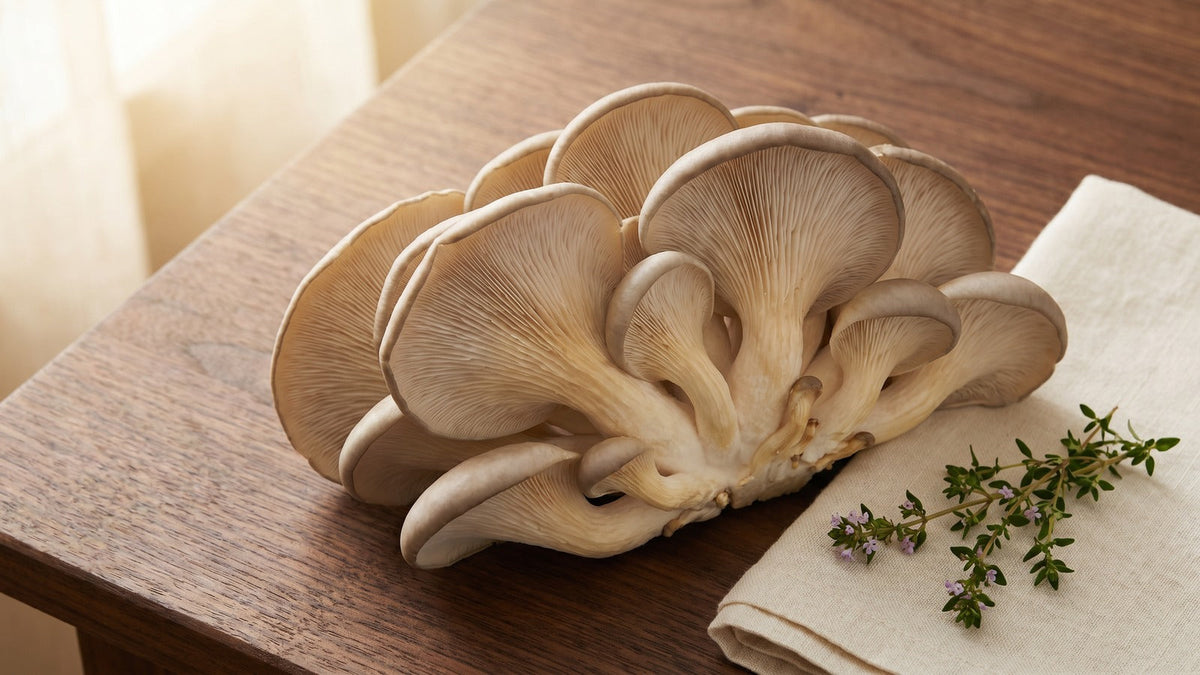
- Austernpilz: 6,1 Gramm Gesamtkohlenhydrate, 2,3 Gramm Ballaststoffe, 3,8 Gramm Netto-Kohlenhydrate
- Enoki: 7,8 Gramm Gesamtkohlenhydrate, 2,7 Gramm Ballaststoffe, 5,1 Gramm Netto-Kohlenhydrate
- Maitake: 6,9 Gramm Gesamtkohlenhydrate, 2,7 Gramm Ballaststoffe, 4,2 Gramm Netto-Kohlenhydrate
- Pfifferling: 6,9 Gramm Gesamtkohlenhydrate, 3,8 Gramm Ballaststoffe, 3,1 Gramm Netto-Kohlenhydrate
- Morchel: 5,1 Gramm Gesamtkohlenhydrate, 2,8 Gramm Ballaststoffe, 2,3 Gramm Netto-Kohlenhydrate
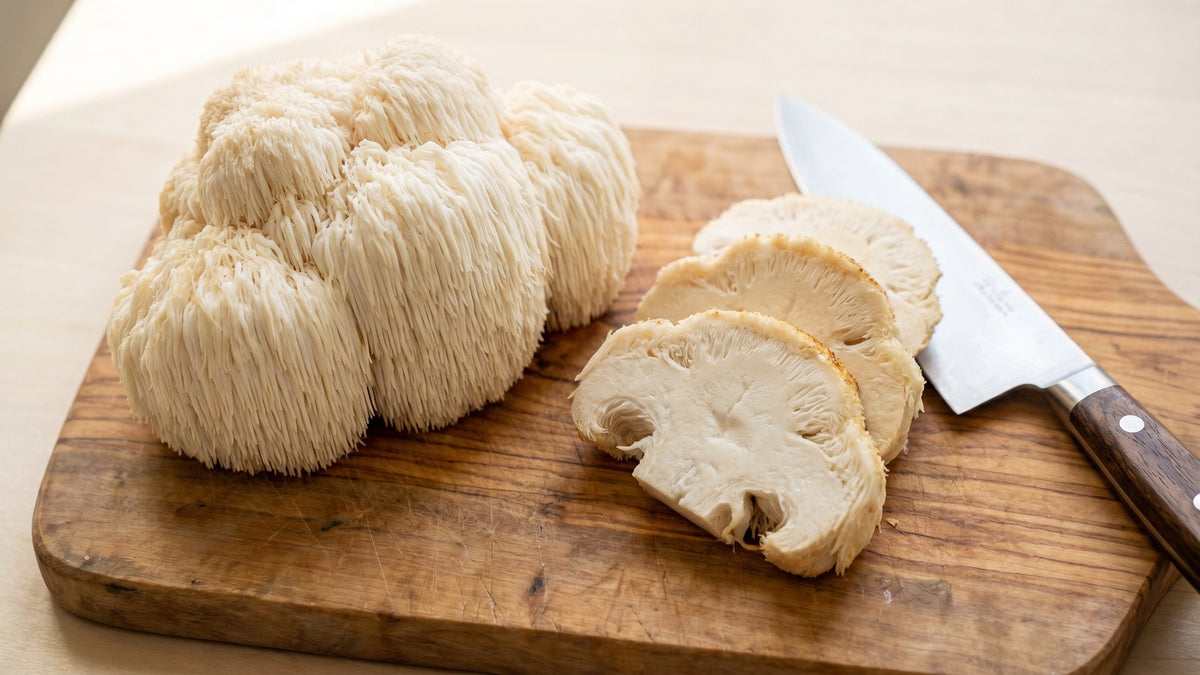
- Löwenmähne: ca. 7 Gramm Gesamtkohlenhydrate, 2,5 Gramm Ballaststoffe, 4,5 Gramm Netto-Kohlenhydrate
Das Muster ist konsistent: niedrige Gesamtkohlenhydrate, signifikante Ballaststoffe und Netto-Kohlenhydrate fast immer unter 5 Gramm pro Tasse. Zum Vergleich: 100 Gramm Brokkoli haben 7 Gramm Kohlenhydrate und 100 Gramm grüne Bohnen haben 7 Gramm. Pilze liegen routinemäßig niedriger als selbst das kohlenhydratärmste Gemüse.
Welche Art von Kohlenhydraten steckt in Pilzen?
Pilzkohlenhydrate sind nicht dieselben wie die in Pflanzen vorkommenden Stärken und Zuckerarten. Pilze enthalten eine Mischung aus Kohlenhydrattypen, die den Körper unterschiedlich beeinflussen:
- Mannit: ein Zuckeralkohol, der den Blutzucker nicht wesentlich erhöht. Häufig in vielen essbaren Pilzen enthalten.
- Trehalose: ein Disaccharid, das langsam abgebaut wird und einen geringeren Einfluss auf den Blutzucker hat als Glukose.
- Chitin: ein zäher Ballaststoff, der die Zellwände von Pilzen bildet und den menschlichen Verdauungstrakt weitgehend unverdaut passiert.
- Beta-Glucane: lösliche Ballaststoffe, die zur Cholesterinsenkung und Immununterstützung untersucht werden.
- Geringe Mengen an Glukose und Fruktose: vorhanden, aber in geringen Mengen.
Aufgrund dieser Mischung ist der glykämische Einfluss von Pilzen viel geringer, als ihre Gesamtkohlenhydratzahl vermuten ließe. Die meisten Sorten haben einen glykämischen Index unter 15, was im gleichen Bereich liegt wie Salat und Avocado.
Netto-Kohlenhydrate vs. Gesamtkohlenhydrate
Für Personen, die Kohlenhydrate bei Keto- oder Low-Carb-Diäten verfolgen, ist die praktische Zahl die Netto-Kohlenhydrate (Gesamtkohlenhydrate minus Ballaststoffe und Zuckeralkohole). Pilze sind hier besonders vorteilhaft, da ein Großteil ihres Kohlenhydratgehalts aus Chitin (Ballaststoffe) und Mannit (ein Zuckeralkohol, der größtenteils unverdaut ausgeschieden wird) stammt.
Für die meisten gekochten Sorten können Sie mit 2 bis 4 Gramm Netto-Kohlenhydraten pro Tasse rechnen. Damit gehören Pilze zur gleichen Low-Carb-Kategorie wie Blattgemüse, obwohl ihre Gesamtkohlenhydratzahl auf dem Papier höher aussieht.
Kohlenhydrate in getrockneten Pilzen
Getrocknete Pilze konzentrieren alles, auch Kohlenhydrate. Pro 100 Gramm getrockneter Pilze (die nach Rehydrierung etwa 500 Gramm gekochte Pilze ergeben):
- Getrocknete Shiitake: 75 Gramm Gesamtkohlenhydrate, 12 Gramm Ballaststoffe, 63 Gramm Netto-Kohlenhydrate
- Getrocknete Steinpilze: 60 Gramm Gesamtkohlenhydrate, 25 Gramm Ballaststoffe, 35 Gramm Netto-Kohlenhydrate
- Getrocknete Morcheln: 60 Gramm Gesamtkohlenhydrate, 20 Gramm Ballaststoffe, 40 Gramm Netto-Kohlenhydrate
- Getrocknete Judasohren (Kikurage): 75 Gramm Gesamtkohlenhydrate, 60 Gramm Ballaststoffe, 15 Gramm Netto-Kohlenhydrate
Diese Zahlen wirken einschüchternd, aber die typische Portion getrockneter Pilze ist klein (5 bis 15 Gramm), und das rehydrierte Gewicht ist das, was Sie tatsächlich essen. Eine 10-Gramm-Portion getrockneter Shiitake ist etwa eine kleine Handvoll und ergibt 50 Gramm gekochten Pilz, was einer Netto-Kohlenhydratmenge entspricht, die einer typischen frischen Portion ähnelt.

Befeuern Sie Ihre Pilzreise
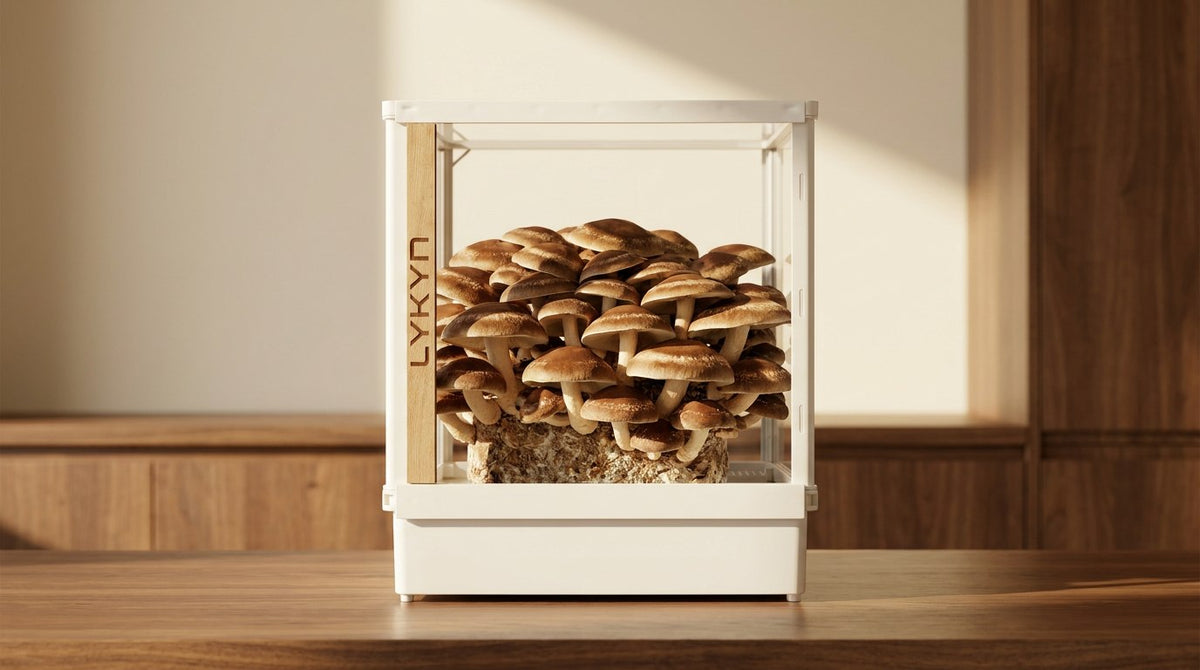
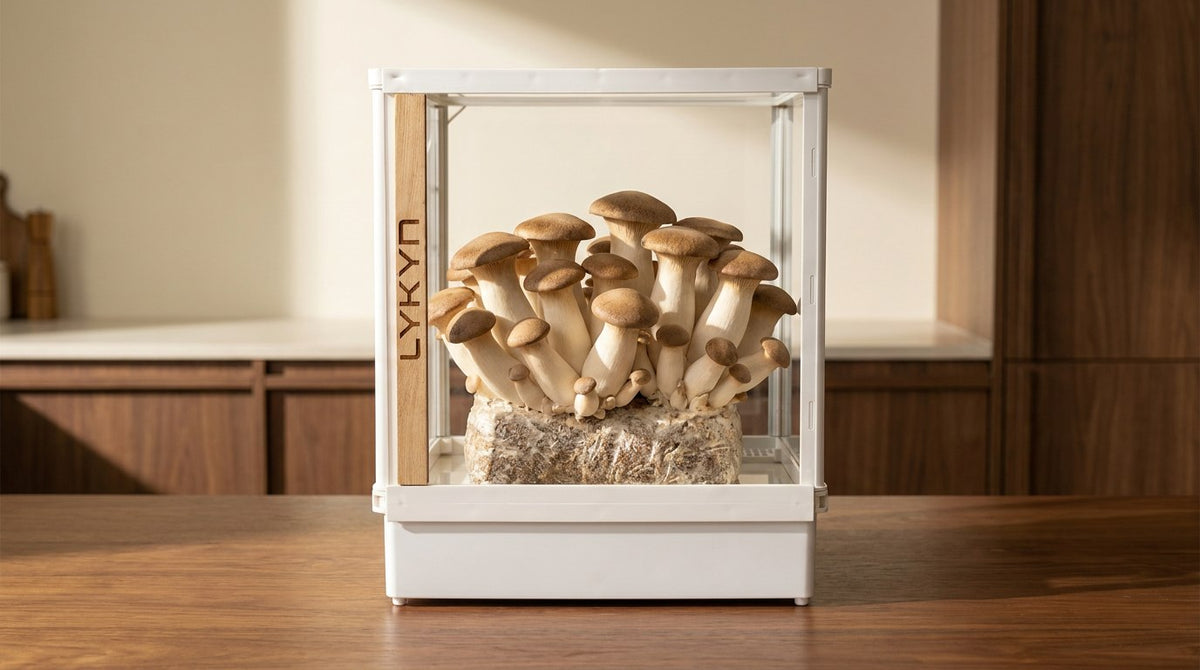
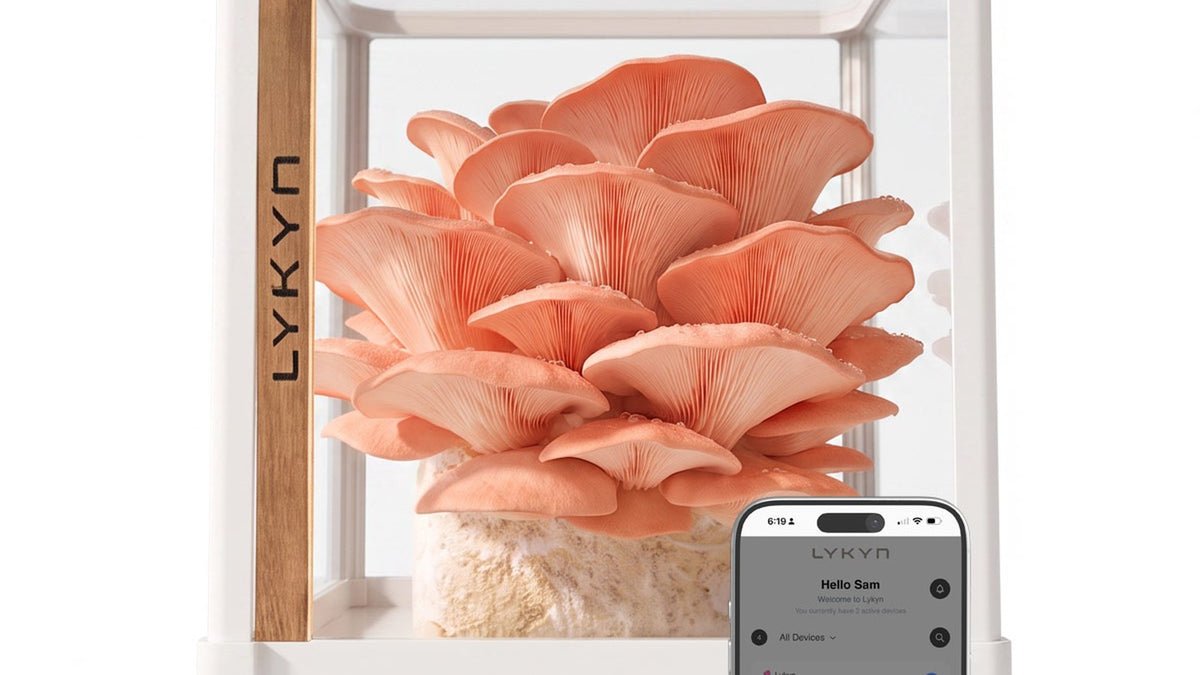
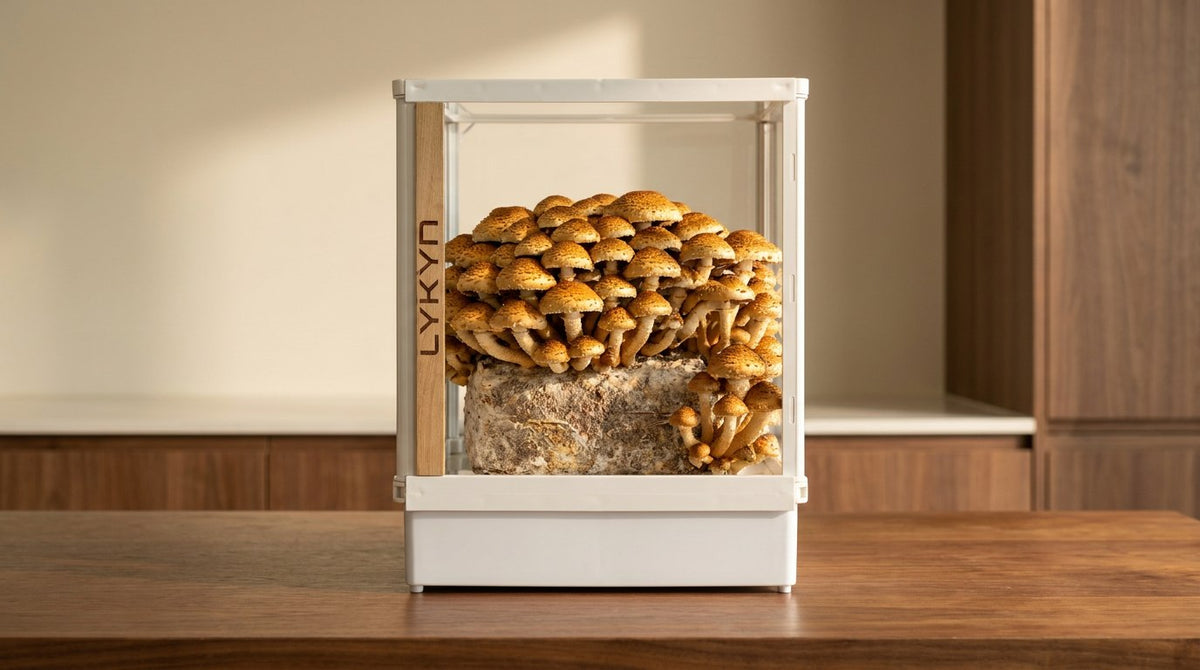
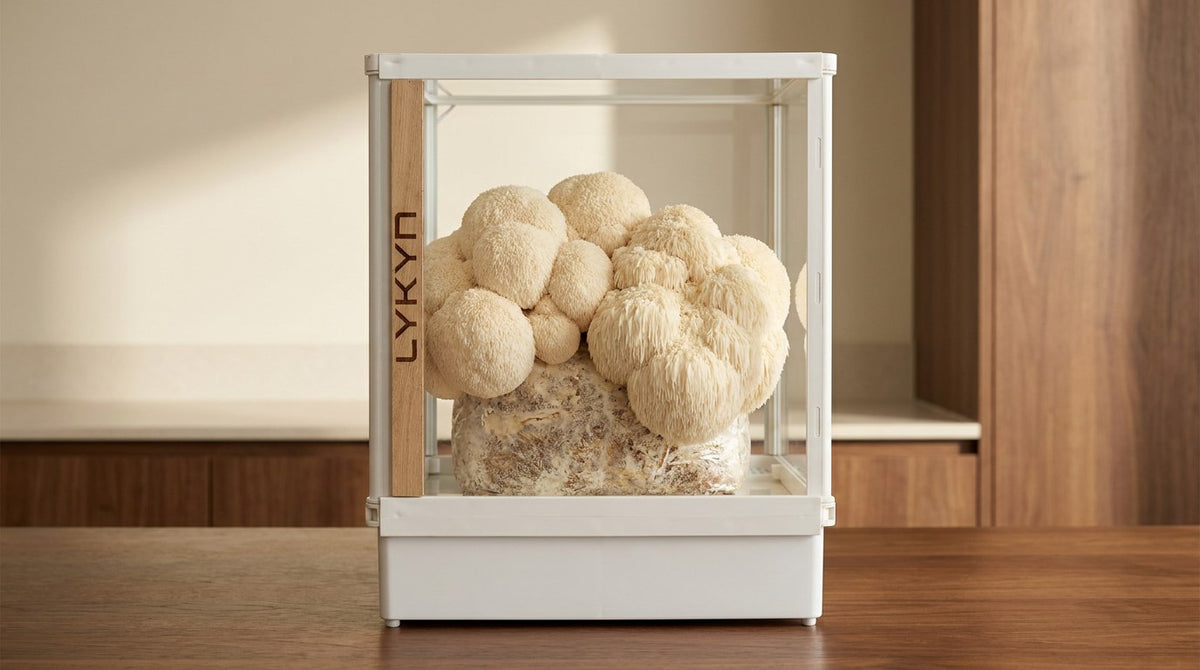
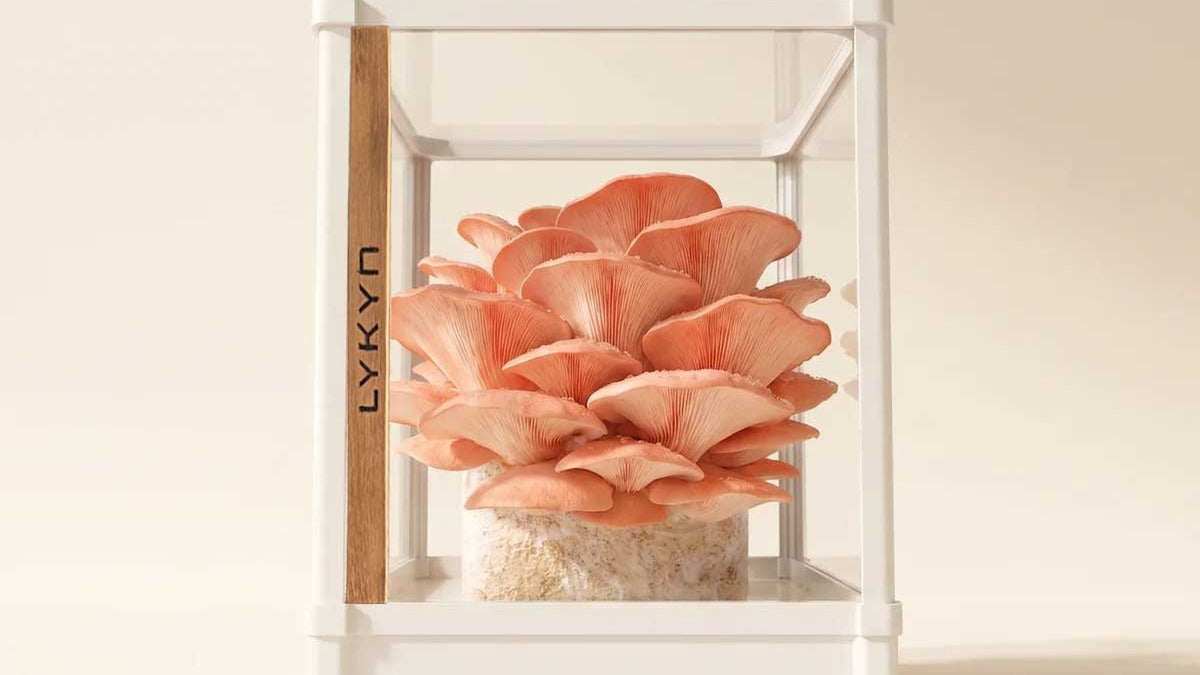
Intelligente Pilz-Zuchtkammer
Plug-and-Play Smart Chamber mit Feuchtigkeit, Licht und Luftstrom, abgestimmt auf jede Spezies. Anfänger ernten ihre erste Spülung in Tagen, nicht Monaten.
In den Warenkorb $299Sind Pilze Keto-freundlich?
Ja, Pilze gehören zu den keto-freundlichsten Lebensmitteln, die es gibt. Die Kombination aus wenig Netto-Kohlenhydraten, fast keinem Fett und moderatem Protein ermöglicht es ihnen, in fast jede Keto-Mahlzeit zu passen, ohne die Makros zu sprengen. Sie verleihen auch Umami-Tiefe, die hilft, den herzhaften Reichtum kohlenhydratreicher Lebensmittel zu ersetzen, die Sie vom Teller entfernt haben.
Praktische Keto-Anwendungen für Pilze:
- Geschnitten und angebraten als Basis für Steak oder Lachs
- Gefüllte Portabella-Kappen ersetzen Burgerbrötchen
- Pilzreis (Blumenkohlreis gemischt mit fein gehackten Pilzen)
- Pilzrahmsuppe mit Sahne statt mehlbasierter Verdickungsmittel
- Pilze in Saucen und Bratensoßen gemischt für Konsistenz ohne zusätzliche Kohlenhydrate
Erhöhen Pilze den Blutzucker?
Für die meisten Menschen, nein. Die Kombination aus geringem Kohlenhydratgehalt, hohem Ballaststoffgehalt und dem Vorhandensein von Mannit (das weitgehend unverdaut passiert) bedeutet, dass Pilze den Blutzucker nur minimal beeinflussen. Eine Studie aus dem Jahr 2010 im Journal of Medicinal Food stellte fest, dass weiße Champignons bei diabetischen Ratten eine blutzuckersenkende Wirkung hatten, möglicherweise durch ihren Beta-Glucan-Gehalt.
Diabetiker können Pilze im Allgemeinen bedenkenlos essen und könnten davon profitieren, sie in Mahlzeiten anstelle von stärkereicheren Kohlenhydraten zu verwenden. Wie immer variieren die individuellen Reaktionen, und ein Blutzuckermessgerät ist die zuverlässigste Methode, um zu bestätigen, wie ein bestimmtes Lebensmittel Sie beeinflusst.
Kohlenhydrate in gekochten vs. rohen Pilzen
Das Kochen verändert den Kohlenhydratgehalt von Pilzen nicht wesentlich. Es entzieht Wasser, was die Nährstoffe pro Gramm konzentriert. Eine 100-Gramm-Portion gekochter Pilze (aus ca. 150 Gramm roh, nach Wasserverlust) hat etwas mehr Kohlenhydrate pro Gramm als das rohe Äquivalent, aber die Kohlenhydratzahl pro Portion bleibt ähnlich, da Sie mit der gleichen Menge an Lebensmitteln begonnen haben.
Das Kochen macht auch die Zellwände zugänglich, was die Aufnahme aller Nährstoffe, einschließlich eines Teils der Trehalose und des Mannits, verbessert. Der praktische Effekt auf den Blutzucker ist immer noch minimal.
Wie Pilze in eine Low-Carb-Diät passen
Einige Prinzipien für die Verwendung von Pilzen in Low-Carb-Plänen:
- Behandeln Sie Pilze als Gemüseäquivalent mit noch geringerem Kohlenhydrateinfluss als Blattgemüse.
- Verwenden Sie sie in großen Mengen, anstatt sich über genaue Kohlenhydratmengen Gedanken zu machen.
- Kombinieren Sie sie mit Protein und Fett für sättigende, kohlenhydratarme Mahlzeiten.
- Verwenden Sie getrocknete Pilze für den Geschmack bei minimaler Portionsgröße.
- Vermeiden Sie vorgefertigte Pilzsuppen und Saucen, die oft kohlenhydratreiche Verdickungsmittel enthalten.
Wenn Sie regelmäßig mit Pilzen kochen und eine zuverlässige Versorgung wünschen, ist der eigene Anbau zu Hause eine einfache Möglichkeit, Geschmack und Frische zu verbessern. Ein Anzuchtset für die Arbeitsplatte bringt Pilzarten wie Austernpilze, Shiitake und Löwenmähne nach einem vorhersagbaren Zeitplan hervor. Sie können Anzuchtsets für Pilze für konstante Frische erkunden.
Fazit
Pilze enthalten sehr wenige Kohlenhydrate, und die Kohlenhydrate, die sie enthalten (hauptsächlich Ballaststoffe und langsam wirkende Zuckeralkohole), haben eine minimale Auswirkung auf den Blutzucker. Für Keto-, Low-Carb- und diabetikerfreundliche Ernährungspläne sind Pilze bei den meisten Portionsgrößen praktisch ein Freibier. Essen Sie sie oft, variieren Sie die Arten, und sie werden in Ihrer Ernährung mehr Gewicht haben, als die Kohlenhydratzahl vermuten lässt.



Aktie:
Rezepte mit Hackfleisch und Pilzen: 7 Abendessen unter der Woche und eine Technik
Rezepte mit Hackfleisch und Pilzen: 7 Abendessen unter der Woche und eine Technik