


Jedes Frühjahr überprüfen Pilzsammler in ganz Nordamerika die Bodentemperaturen, durchkämmen Wetterkarten und beobachten Satellitenbilder nach der sich bewegenden Front der Morchel-Saison. Die Morchel-Pilzkarte 2025 ist kein einzelnes Dokument; es ist ein sich bewegendes Ziel, das durch eine Kombination aus Gemeinschaftsberichten, USDA-Bodentemperaturdaten und jahrzehntelangem angesammeltem regionalem Wissen darüber verfolgt wird, wann Morcheln in jeder Klimazone erscheinen.
Hier ist der praktische, wissenschaftlich fundierte Leitfaden, wo und wann Morcheln 2025 in den Vereinigten Staaten erscheinen, was die Fruchtbildung auslöst und wie Sie Ihre Sammel- oder Anbausaison anhand der Daten planen können.
Wie sich die Morchel-Saison bewegt
Morcheln fruchten, wenn die Bodentemperaturen in 10 cm Tiefe etwa 10 Grad Celsius erreichen, wobei die nächtlichen Lufttemperaturen über 4 Grad Celsius bleiben und es kürzlich geregnet hat. Diese biologische Uhr beginnt in den südlichsten Bundesstaaten Ende März und rollt bis Mai nordwärts, wobei sie Mitte bis Ende Mai den oberen Mittleren Westen, die Großen Seen und Neuengland erreicht.
Der Verlauf wird manchmal als Morchel-Front bezeichnet, und die Verfolgung erfordert die Betrachtung von drei Datenschichten:
- Bodentemperatur: Das USDA und universitäre Beratungsdienste veröffentlichen aktuelle 10-cm-Bodentemperaturkarten für die meisten Staaten.
- Jüngste Niederschläge: Morcheln benötigen 2,5 bis 5 cm Regen in den 7 bis 10 Tagen vor der Fruchtbildung.
- Zeitpunkt des Blattaustriebs der Bäume: Morcheln erscheinen oft, wenn Maiäpfel austreiben, Tulpenbäume zu blühen beginnen und Eichenblätter die Größe eines Eichhörnchenohrs haben (ein altes Pilzsammler-Sprichwort, das sich in der Praxis bewährt hat).

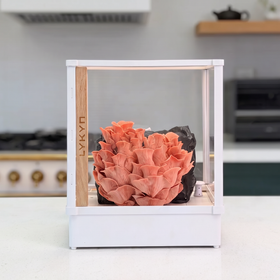
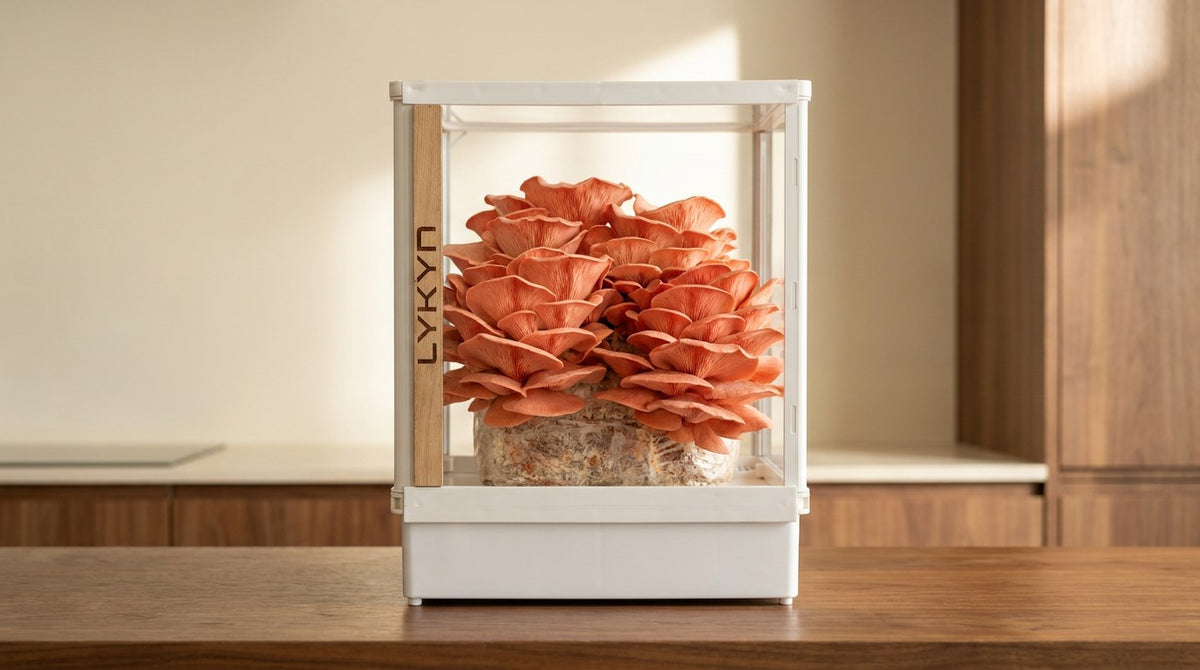
Smart Chamber. Knochenweiß Single
- 2,8L Tank, 90% Luftfeuchtigkeit automatisch
- App-gesteuert, Plug-and-Play
- 2,7 kg Blockdecke, auf Lager

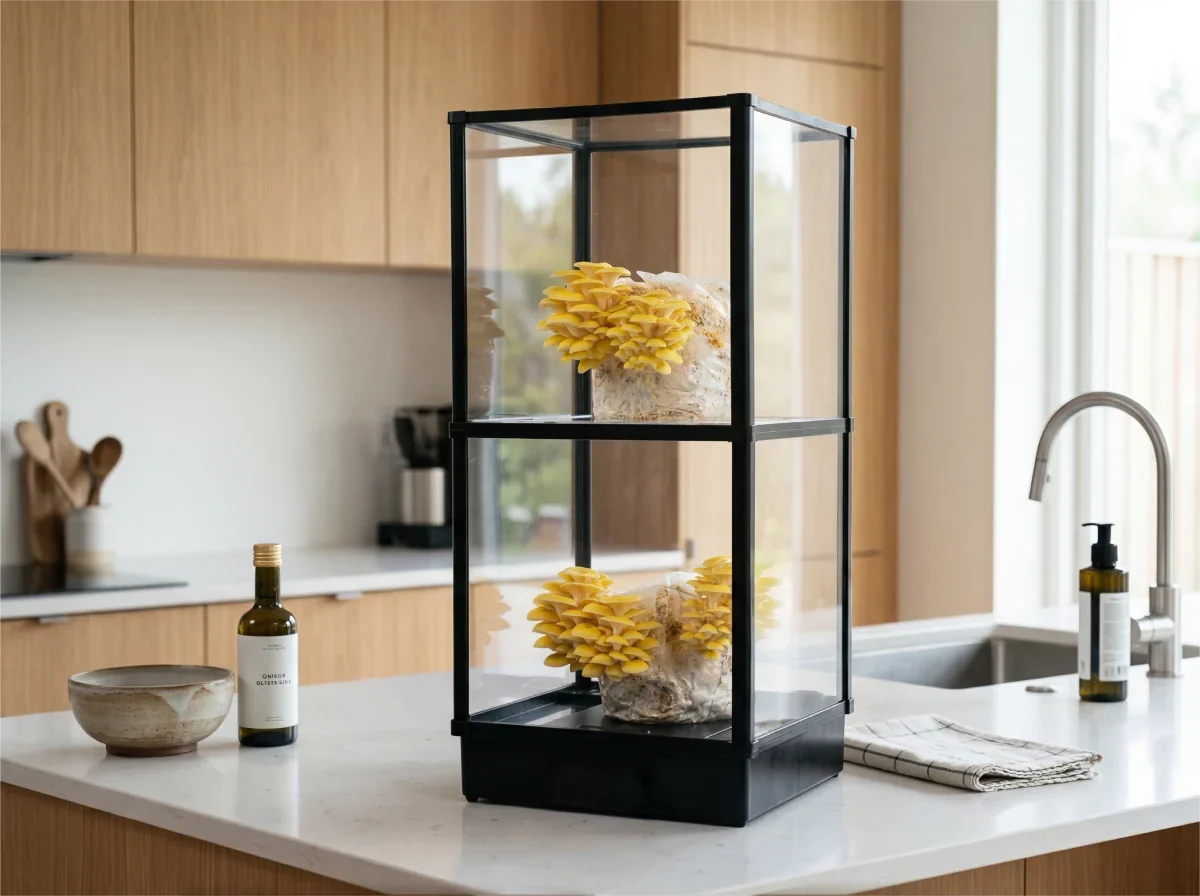
Smart Chamber. Obsidian Schwarz Single
- Gleiche Hardware wie Knochenweiß
- Mattschwarze Premium-Oberfläche
- Passt zu jeder Küchenpalette

Black Oyster Anzuchtset
- Auf Lager
- Ansatz in 3-5 Tagen
- Ersetzt 1 Kammerzyklus
Regionale Zeitliche Schätzungen für 2025
Dies sind grobe Zeitfenster, basierend auf durchschnittlichen historischen Zeitabläufen. Lokale Bedingungen können diese um 1 bis 3 Wochen in beide Richtungen verschieben.
- Tiefer Süden (GA, AL, MS, LA, FL Panhandle): Ende März bis Anfang April. Begrenzte Morchelpopulationen; kleine erste Ernten der Saison.
- Mittel-Süden (TN, KY, NC, VA, AR): Anfang bis Mitte April. Wichtige Morchel-Produktionszone, besonders in den Ausläufern der Appalachen.
- Unterer Mittlerer Westen (MO, IL, IN, OH, unteres KS): Mitte bis Ende April. Das historische Morchel-Kernland. Mosaik der Fruchtbildung basierend auf lokalen Mikroklimata.
- Mittelatlantik (PA, WV, MD): Mitte April bis Anfang Mai. Starke Populationen in gemischten Laubwäldern.
- Oberer Mittlerer Westen (MI, WI, MN, IA, ND, SD): Ende April bis Mitte Mai. Berühmt für reichliche Ernten gelber Morcheln.
- Neuengland (NY, VT, NH, ME, MA): Anfang bis Ende Mai. Schwarze Morcheln Anfang Mai, gelbe später.
- Pazifischer Nordwesten (OR, WA, nördliches CA): April bis Juni, je nach Höhenlage. Brandmorcheln nach Waldbränden können im Jahr nach einem Brand außergewöhnliche Ernten hervorbringen.
- Rocky Mountains (CO, MT, WY, ID): Ende Mai bis Juli, je nach Höhenlage. Höhere Lagen fruchten bis Mitte des Sommers.
Wo man suchen sollte (Lebensraumkarte)
Morcheln fruchten in Verbindung mit bestimmten Baumarten und Lebensraumbedingungen. Die produktivsten Landschaften:
- Absterbende Ulmen (Amerikanische oder Rotulme): Der Goldstandard-Morchel-Lebensraum im Mittleren Westen. Suchen Sie nach Ulmen, die vor 2 bis 4 Jahren abgestorben sind und noch den größten Teil ihrer Rinde intakt haben.
- Tulpenbaumhaine: besonders in den Appalachen-Staaten. Morcheln fruchten oft am Fuß stehender toter Bäume.
- Alte Apfelplantagen: Verlassene Obstplantagen im Mittleren Westen und Nordosten produzieren häufig gelbe Morcheln.
- Pappelkorridore: entlang von Flüssen und Überschwemmungsgebieten in den Great Plains und den Mountain West.
- Verbrannte Nadelwälder: im Westen der USA können schwarze Morcheln im ersten Jahr nach einem Waldbrand den Boden bedecken.
- Gestörte Gebiete: Ränder von Holzfällerwegen, kürzlich geräumtes Gestrüpp und die Ränder bestehender Wälder produzieren oft.
Südhanglagen erwärmen sich im Frühjahr zuerst, daher fruchten sie früher. Nordhanglagen halten den Boden länger kühl und fruchten gegen Ende der Saison. Das Bearbeiten beider Aspekte in derselben Woche kann Ihr Sammelzeitfenster erheblich verlängern.

Befeuer Sie Ihre Pilzreise
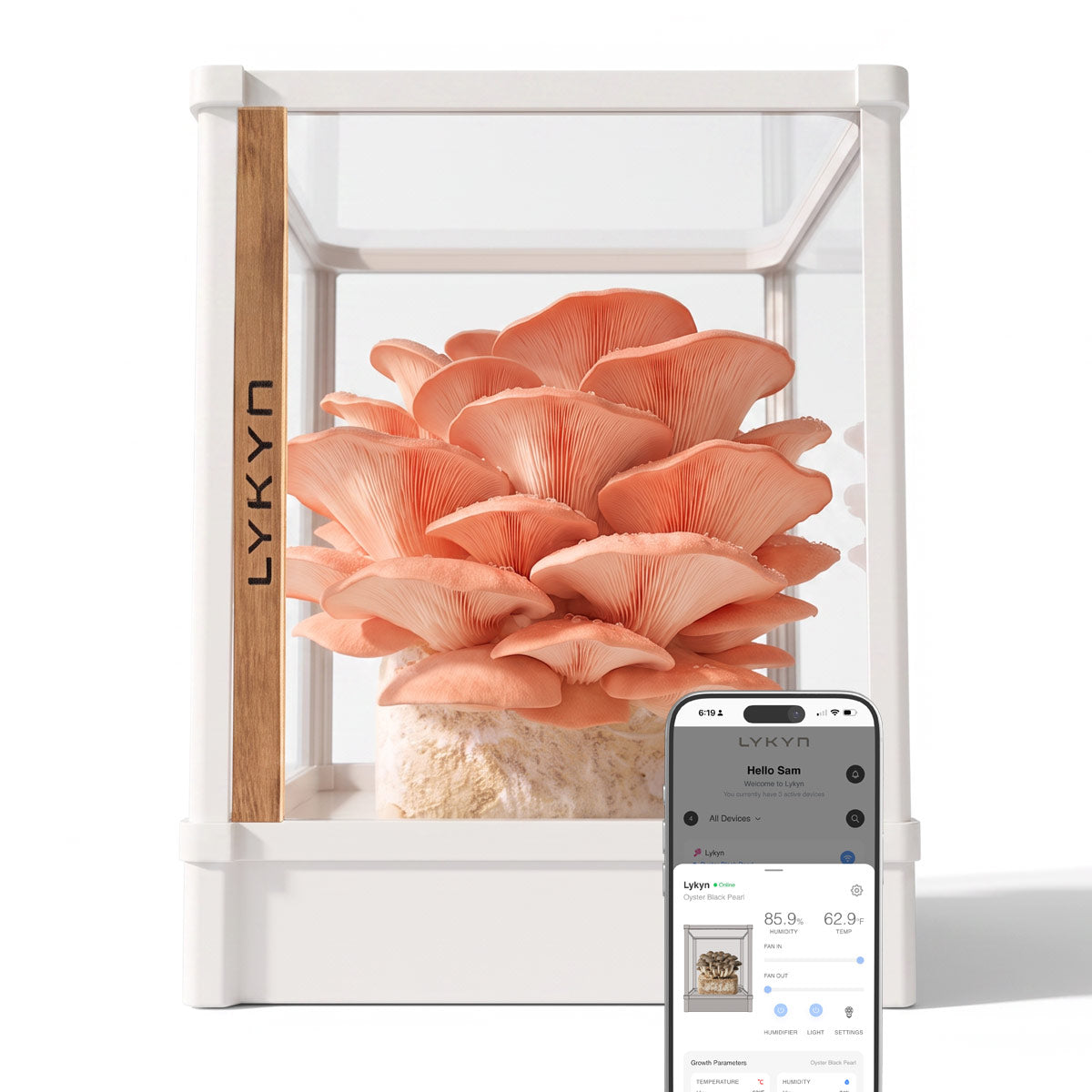
Intelligente Pilzzuchtkammer
Plug-and-Play-Smart-Kammer mit optimaler Luftfeuchtigkeit, Licht und Luftstrom für jede Spezies. Anfänger ernten ihre erste Ernte in Tagen, nicht Monaten.
In den Warenkorb $299Bodentemperatur-Tools für 2025
Für Echtzeitdaten lohnen sich drei Ressourcen zum Speichern:
- USDA Pflanzenhärtezonenkarte (aktualisiert 2023, immer noch relevant für die durchschnittliche Zeitplanung 2025)
- Dashboards für Bodentemperaturen der staatlichen Universitätserweiterungen (die meisten landwirtschaftlichen Staaten veröffentlichen diese)
- NOAAs saisonale Niederschlagsprognosen für das Frühjahrsquartal
Für Berichte auf lokaler Ebene sind Community-Foren und Social-Media-Gruppen für Morchelsucher in Ihrem Bundesstaat in der Regel am aktuellsten. Suchen Sie nach staatsspezifischen Facebook-Gruppen oder regionalen Foraging-Discord-Servern. Berichte über Funde treffen innerhalb weniger Stunden ein.
Das Phänomen der Brandmorchel
Einer der zuverlässigsten Indikatoren für das Sammeln im Westen der USA ist die Waldbrandkarte des vorigen Sommers. Schwarze Morcheln (oft als Brandmorcheln bezeichnet) fruchten im Frühjahr nach einem Waldbrand reichlich, wobei das zweite Jahr manchmal noch größere Ernten hervorbringt, da mehr organische Bodensubstanz zersetzt wird.
Die Brandsaison 2024 in Kalifornien, Oregon, Washington und Montana schuf ein beträchtliches neues Brandmorchelgebiet. Pilzsammler-Erfahrungen legen nahe, Brandkarten von August bis Oktober des Vorjahres zu studieren und dann für den folgenden Mai oder Juni Ausflüge in zugängliche Brandgebiete zu planen.
Beachten Sie die Zugangsregeln: Viele Brandgebiete erfordern Genehmigungen oder bleiben aus Sicherheitsgründen geschlossen, und einige Bundesgebiete verbieten die kommerzielle Ernte oder beschränken die persönliche Ernte auf wenige Pfund pro Tag. Erkundigen Sie sich beim örtlichen Forest Service oder BLM-Büro, bevor Sie eine Reise planen.
Lokale Mikroklimata lesen
Die Morchel-Pilzkarte auf Landesebene bringt Sie nur einen Teil des Weges. Die andere Hälfte ist das Lesen Ihres spezifischen Landes. Drei Prinzipien leiten Feldfeldentscheidungen:
- Exposition: Südhänge fruchten zuerst, Nordhänge zuletzt. Durch die Bearbeitung beider können Sie die Saison verlängern.
- Höhenlage: Höhere Lagen fruchten später. In Bergregionen können Sie der Morchel-Front im Laufe der Saison bergauf folgen.
- Bodenfeuchtigkeit: Morcheln benötigen gleichmäßige Feuchtigkeit ohne Staunässe. Suchen Sie nach sandigem Lehm, zersetzter Laubstreu und schattigem Boden, der kein Wasser ansammelt.
Identifikationssicherheit
Echte Morcheln sind, wenn sie der Länge nach aufgeschnitten werden, vollständig hohl von Hut bis Stiel. Der Hut hat Gruben und Rippen, die durchgehend mit dem Stiel verbunden sind. Hut und Stiel haben typischerweise die gleiche Farbe.
Falsche Morcheln (Gattung Gyromitra) enthalten Monomethylhydrazin, eine wirklich giftige Verbindung. Sie sind niemals vollständig hohl; das Innere hat Kammern oder watteartiges Material. Der Hut ist eher gehirnartig oder sattelförmig als grubig und haftet oft nur oben am Stiel.
Wenn ein Pilz den Hohlstiel-Test nicht besteht, essen Sie ihn nicht. Diese eine Überprüfung eliminiert das häufigste Risiko einer Morchel-Vergiftung.
Kochen und Konservieren Ihrer Funde
Morcheln sollten immer gekocht werden. Sie enthalten geringe Mengen Hydrazin und andere hitzeempfindliche Verbindungen. Der Länge nach halbieren, das Innere des Hutes auf Sand und Insekten prüfen, kurz abspülen, trocken tupfen und in Butter mit Knoblauch und einem Schuss Sahne oder Weißwein anbraten.
Zum Konservieren Morcheln für die Langzeitlagerung trocknen (sie lassen sich wunderbar rehydrieren) oder Portionen in Olivenöl oder Butter anbraten und einfrieren. Frische Morcheln halten sich im Kühlschrank 5 bis 7 Tage in einer Papiertüte.
Morcheln zu Hause anbauen
Wenn das Verfolgen der Morchelfront nach zu viel Fahrerei für zu wenige Pilze klingt, ist der Eigenanbau möglich, aber langsam. Outdoor-Morchelbeete brauchen 12 bis 14 Monate, um sich zu etablieren, bevor sie produzieren. Der Indoor-Anbau von Morcheln befindet sich noch im experimentellen Stadium.
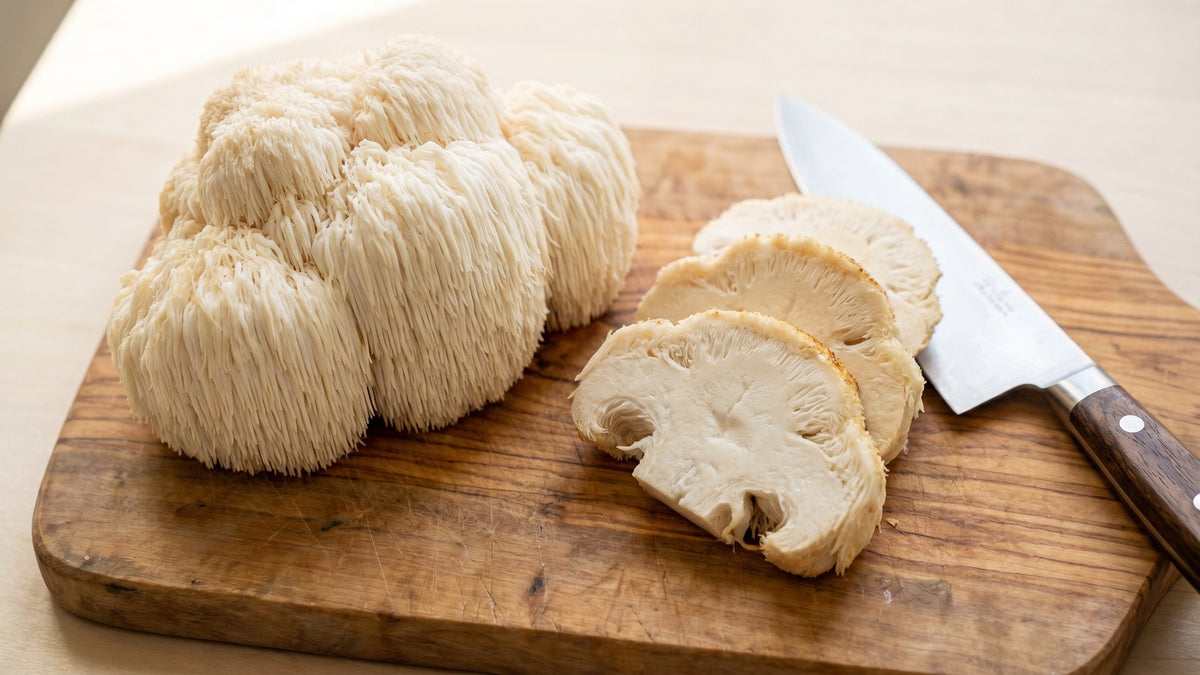
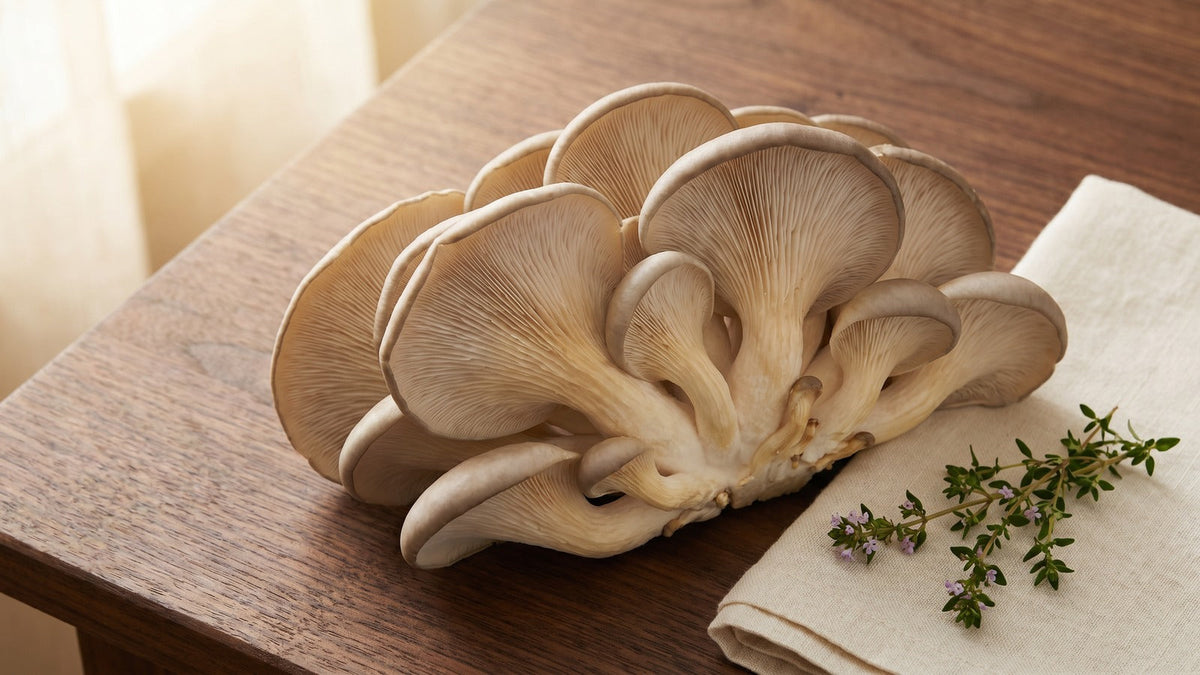
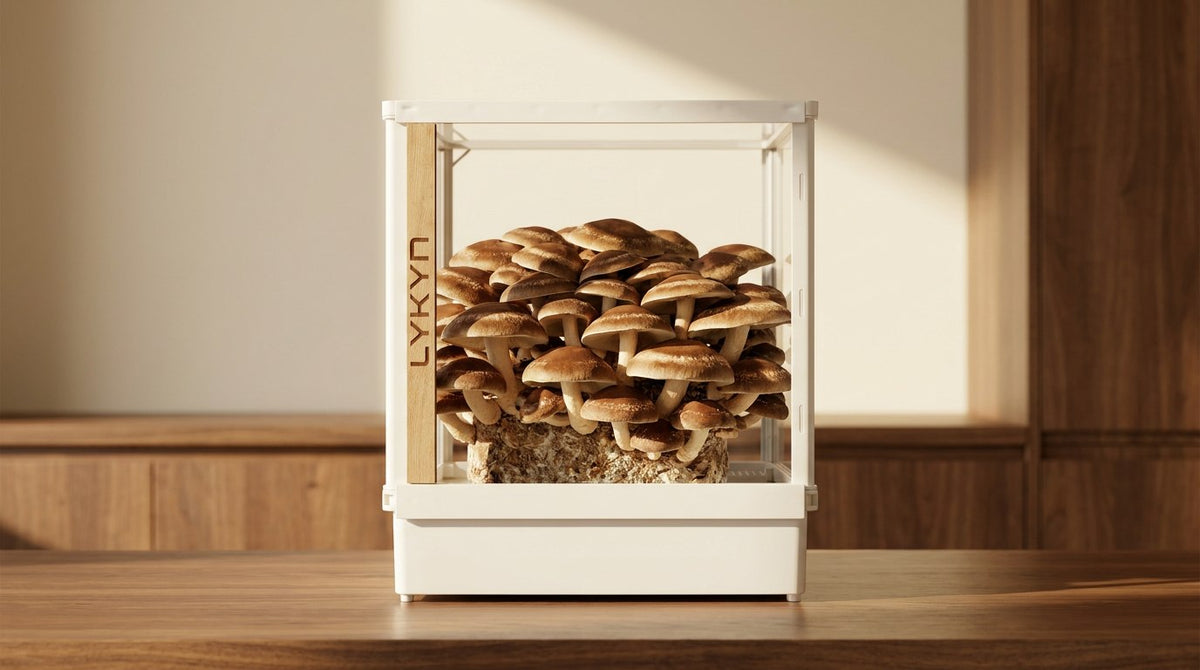
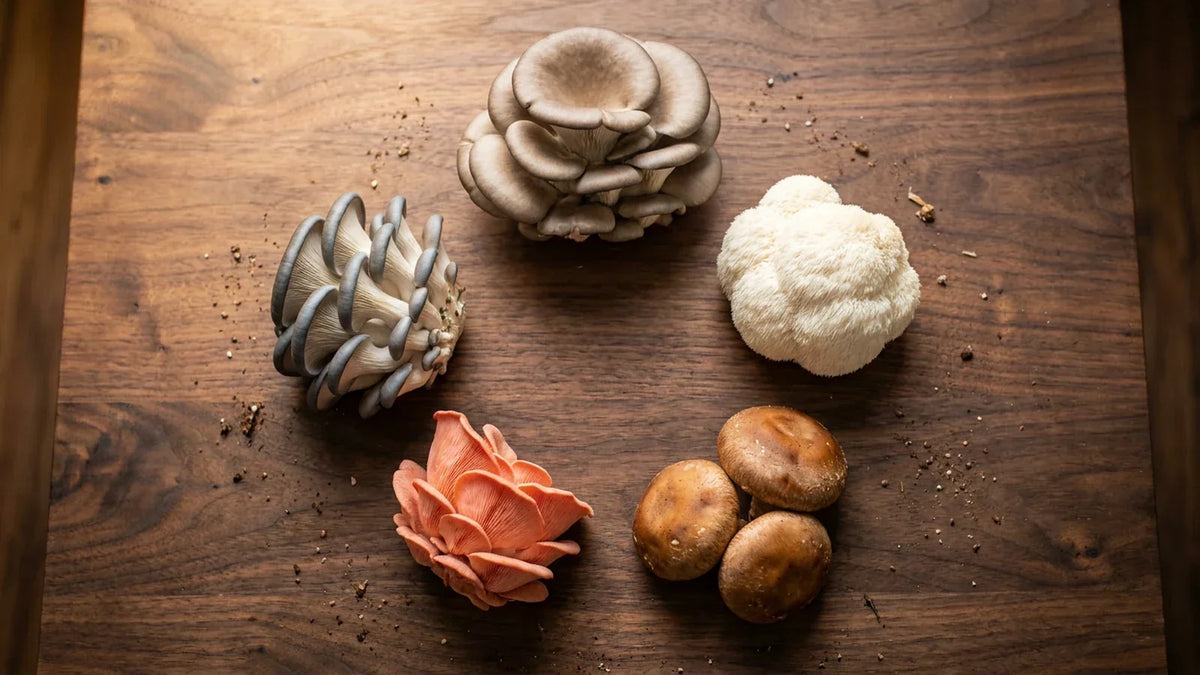
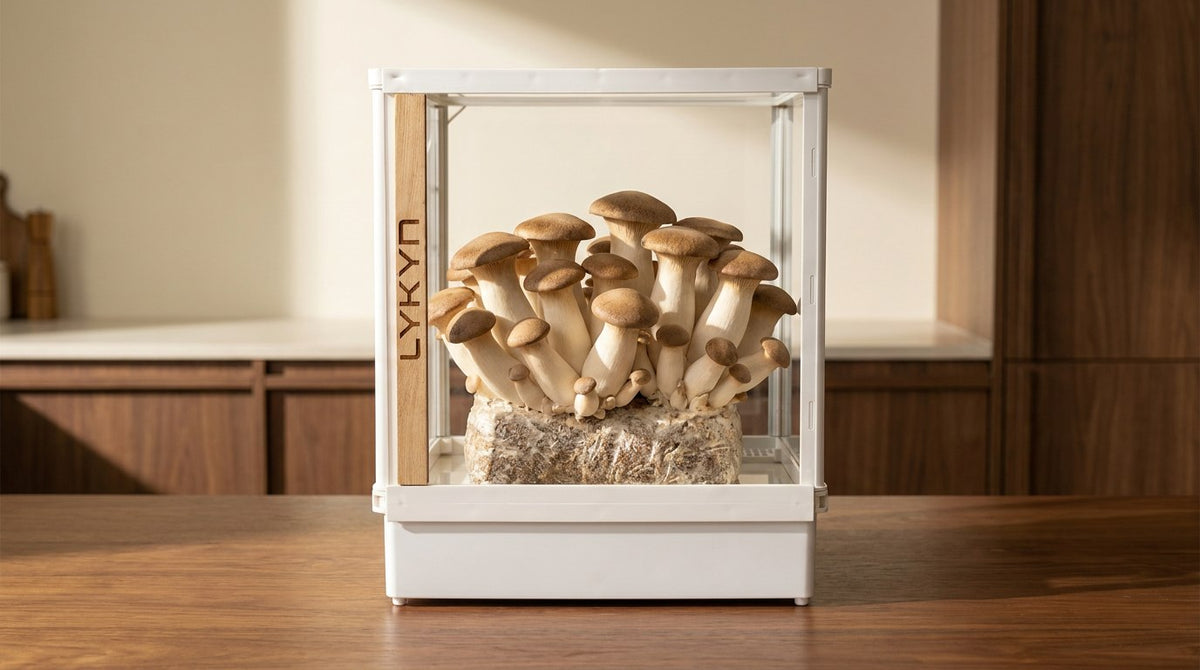
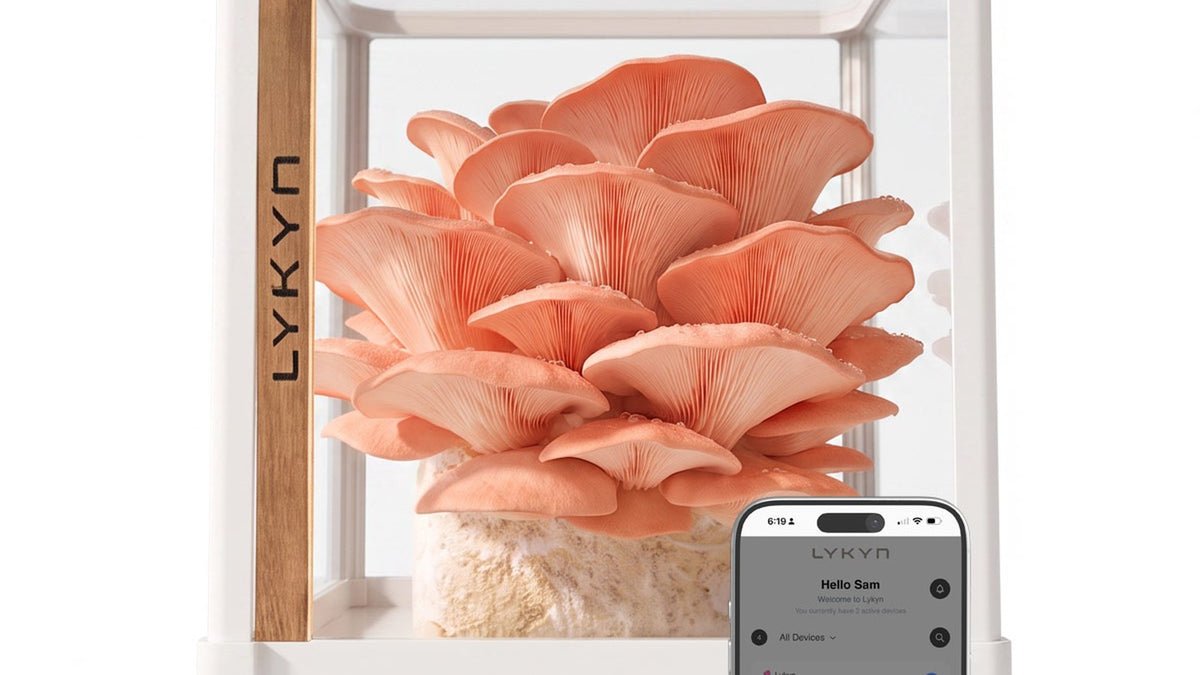
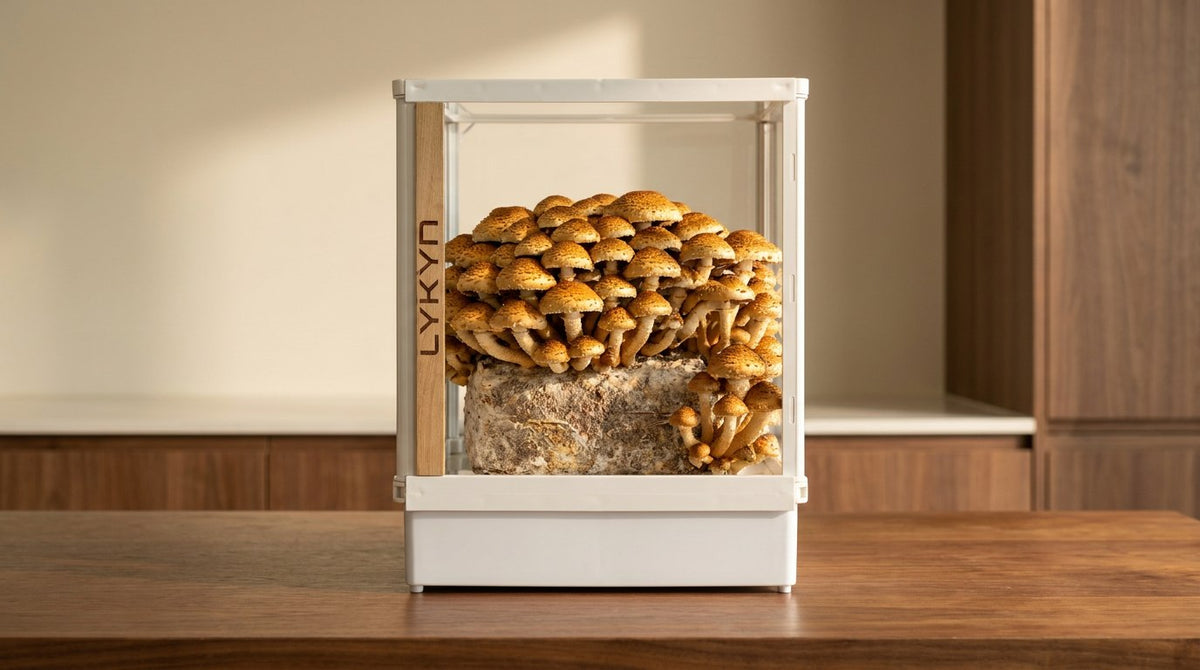
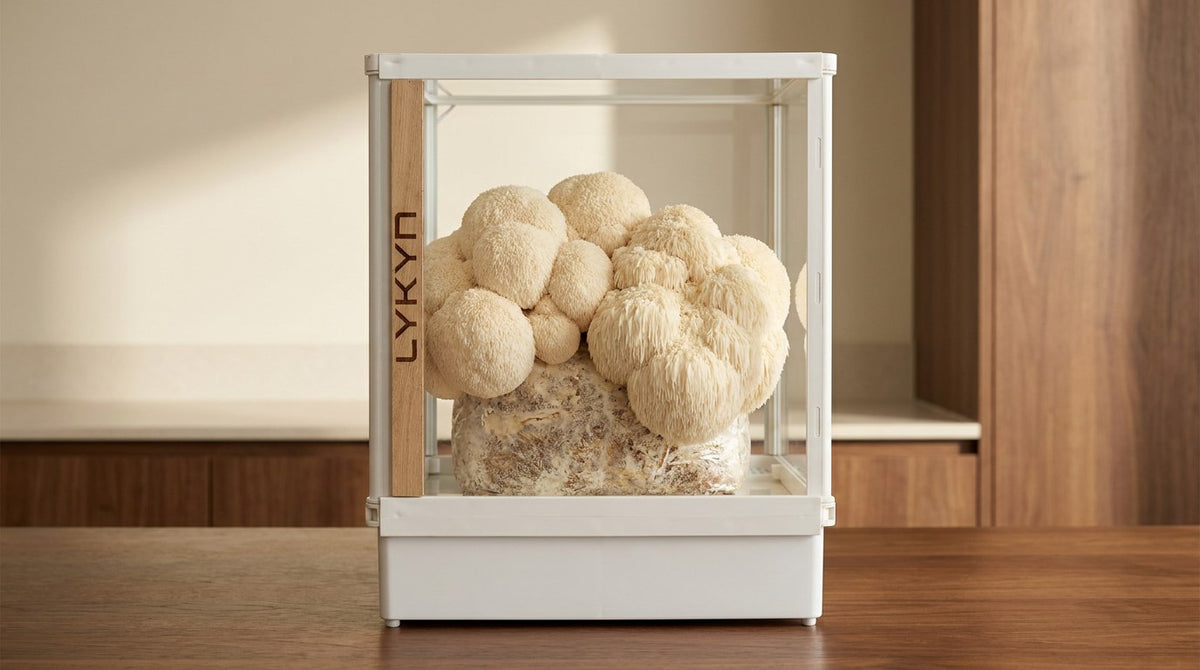
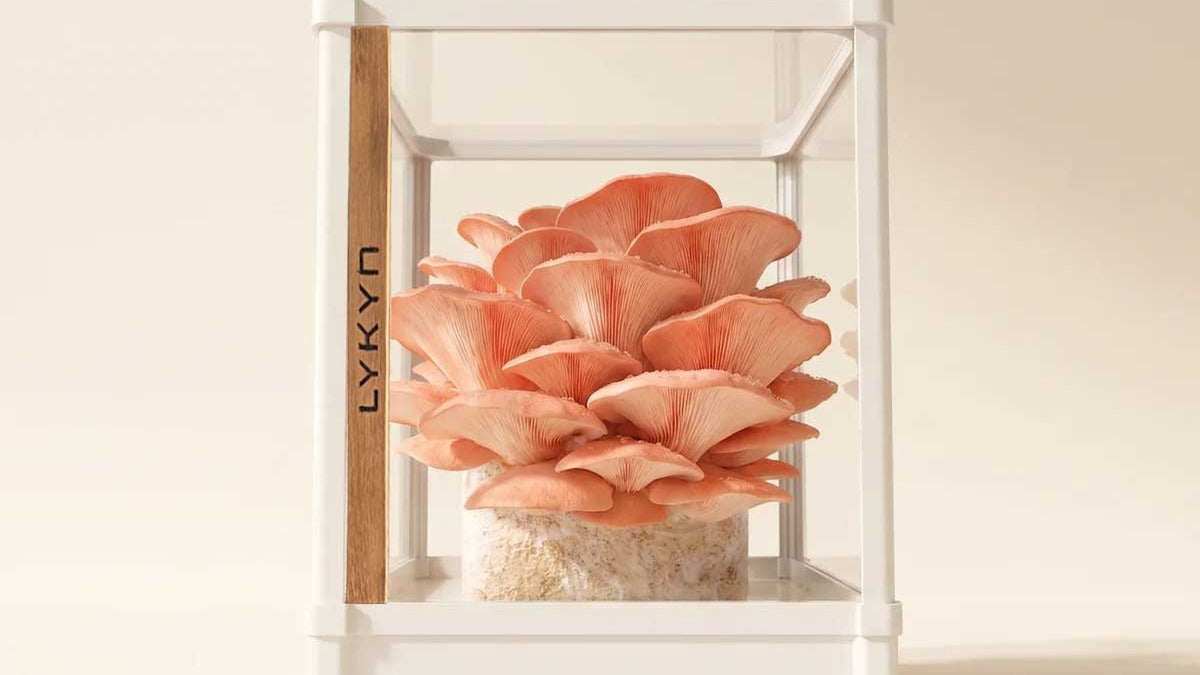
Für schnellere, zuverlässigere Ergebnisse wachsen andere Arten wie Igelstachelbart, Austernpilze und Kräuterseitlinge gut in Innenräumen und sind in etwa einer Woche erntereif. Ein Küchenset von Lykyns Pilzzuchtkits produziert diese Arten zuverlässig ohne saisonale Wartezeiten.
Die Morchel-Pilzkarte 2025 wird sich durch das Land bewegen, egal ob Sie ihr folgen oder nicht. Wählen Sie ein Zeitfenster für Ihre Region, beobachten Sie die Bodentemperatur, erkunden Sie den Lebensraum im Spätwinter und seien Sie bereit, innerhalb weniger Stunden nach der richtigen Kombination aus Regen und Wärme in den Wald zu gehen. Wenn die Front vorbeizieht, wartet sie nicht.
Aktie:
Pilzzucht-Set: So funktionieren sie und was man kaufen sollte
Pilzzucht-Set: So funktionieren sie und was man kaufen sollte