


Das allgemeine Wort für Pilz im Japanischen ist キノコ (Kinoko), geschrieben きのこ in Hiragana oder 茸 in Kanji. Aber das ist nur der Anfang der Antwort. Japan benennt, kocht mit und verehrt Pilze seit über tausend Jahren, und die Sprache spiegelt das wider. Spezifische Arten haben ihre eigenen Namen, oft poetisch, und sie tauchen in der Küche, Medizin und sogar Mythologie auf.
Wenn Sie Japanisch lernen, eine Reise nach Tokio planen oder versuchen, zu identifizieren, was in einem japanischen Lebensmittelgeschäft etikettiert ist, führt dieser Leitfaden durch die gängigsten Begriffe und was sie tatsächlich bedeuten.

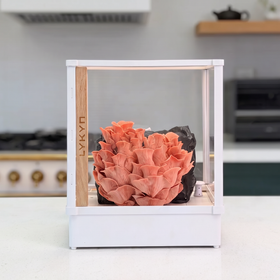
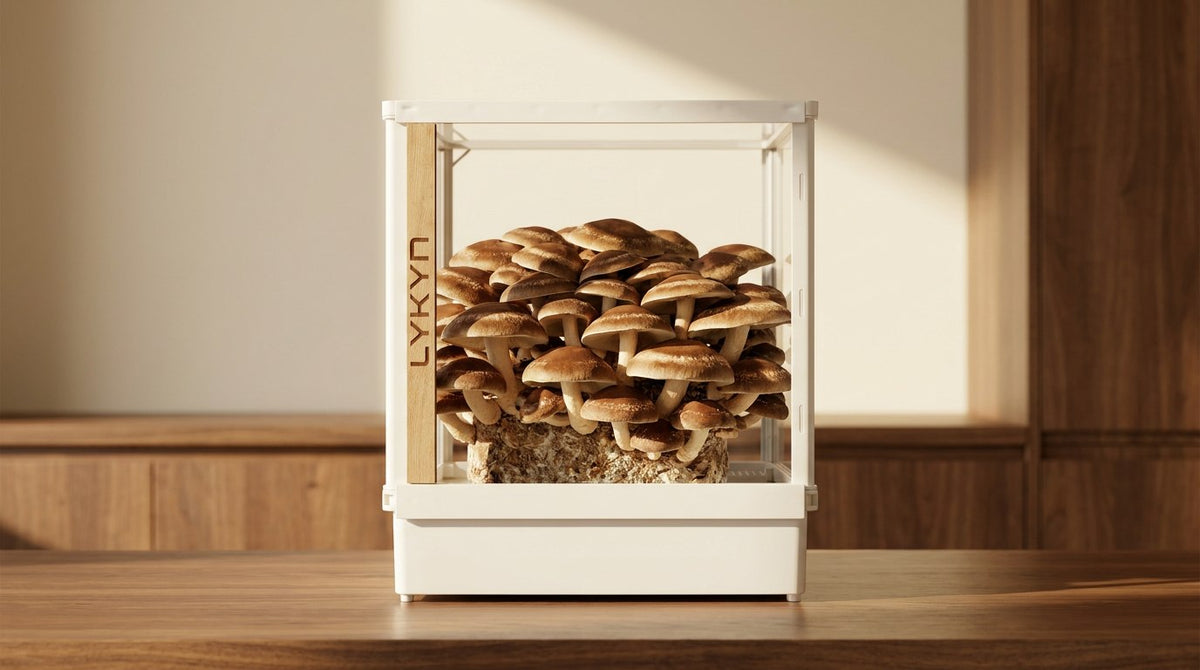
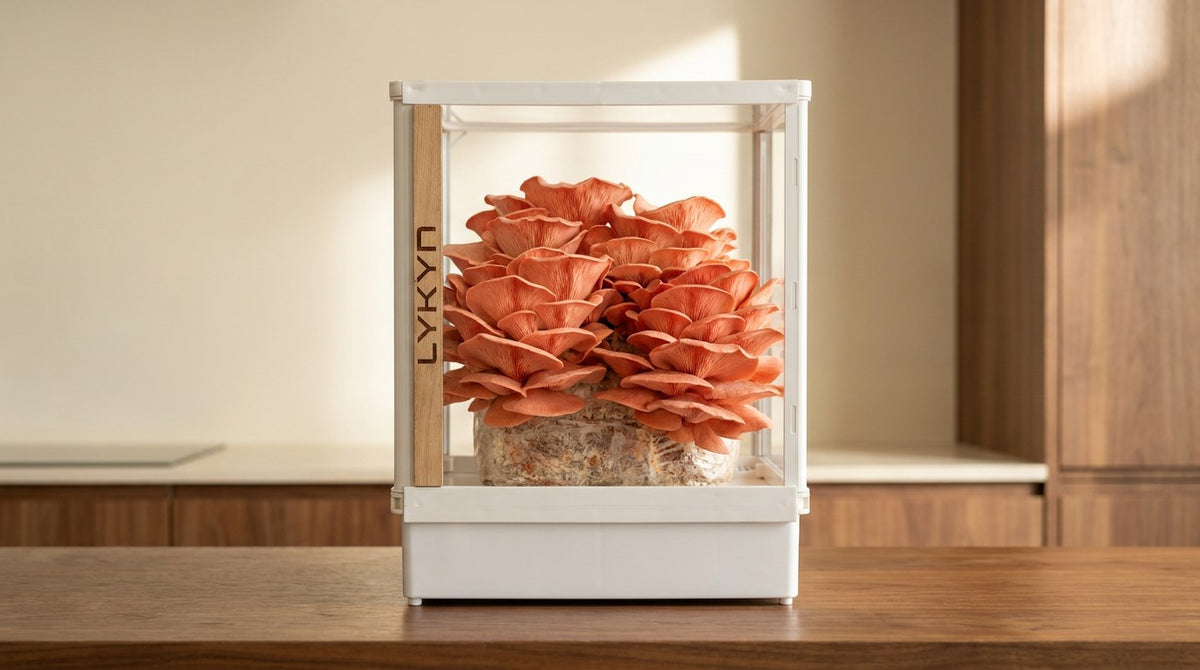
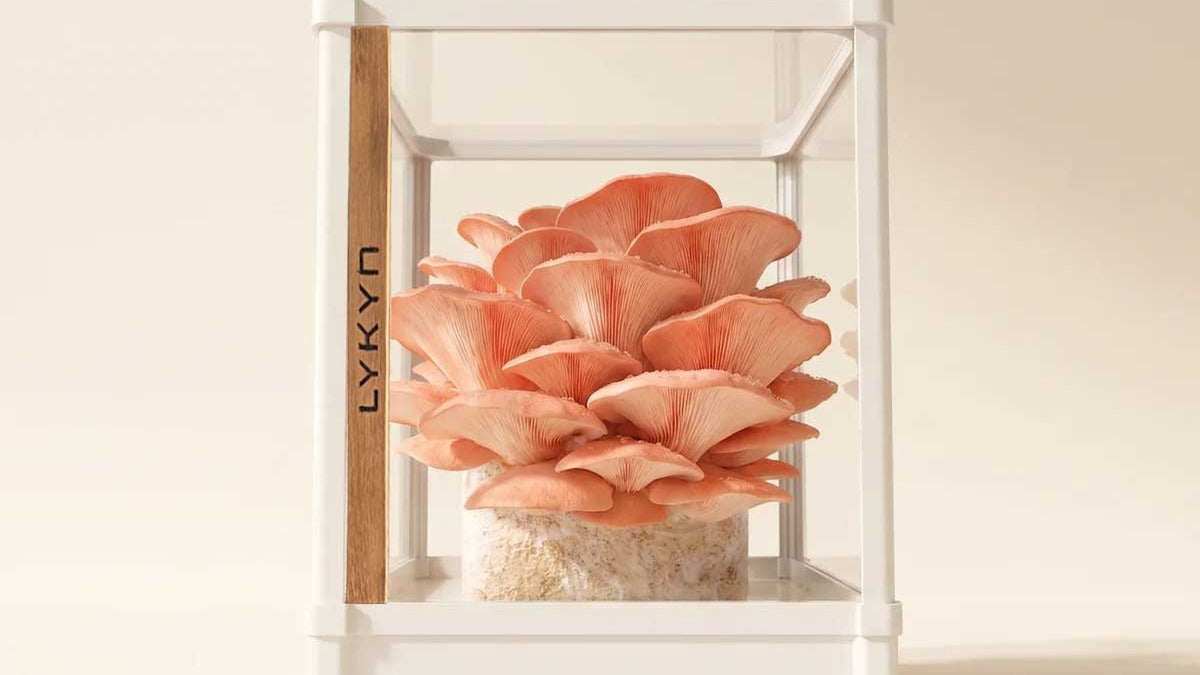
Smart Chamber. Knochenweiß Single
- 2,8 l Tank, 90 % automatische Luftfeuchtigkeit
- App-gesteuert, Plug-and-Play
- 6 lb Blockdecke, auf Lager

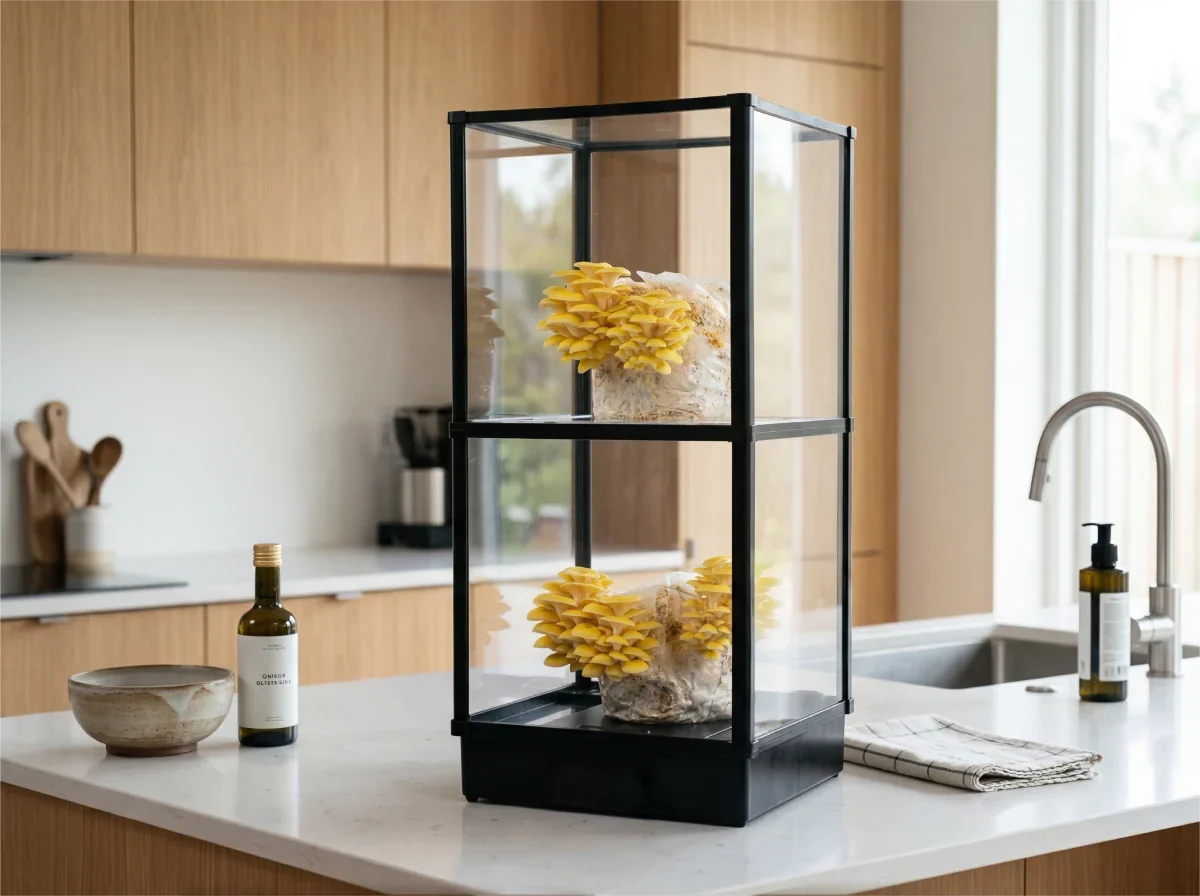
Smart Chamber. Obsidian Schwarz Single
- Gleiche Hardware wie Knochenweiß
- Mattschwarzes Premium-Finish
- Passt zu jeder Küchenpalette

Black Oyster Anzucht-Set
- Auf Lager
- Pin in 3-5 Tagen
- Ersetzt 1 Kammerzyklus
Kinoko: der Überbegriff
キノコ (Kinoko) ist das alltägliche Wort, das so verwendet wird, wie "mushroom" im Englischen. Es deckt alles ab, von Champignons bis hin zu Wildpilzen. Das Kanji 茸 wird manchmal in Lebensmittelverpackungen und traditionellen Menüs verwendet, aber in der zwanglosen Schrift ist Katakana キノコ gebräuchlicher (Japanisch schreibt biologische Begriffe oft in Katakana).
Sie werden auch 菌 (kin) sehen, was im weiteren wissenschaftlichen Sinne Pilz oder Schimmel bedeutet. Das ist der Begriff, der in mykologischen Lehrbüchern verwendet wird, nicht im Lebensmittelgeschäft.
Shiitake (椎茸)
Der berühmte Pilz. Shiitake bedeutet „Eichenpilz“ (椎 Shii ist eine Art immergrüne Eiche, 茸 Take ist Pilz). Er wird in Japan und China seit mindestens 1.000 Jahren auf Hartholzstämmen kultiviert, ursprünglich auf dem Shii-Baum, woher auch der Name stammt. Shiitake hat den tiefsten Umami-Geschmack aller gängigen Zuchtpilze dank seines hohen Glutamat- und Guanylatgehalts.
In Japan ist getrockneter Shiitake (干し椎茸 Hoshi-Shiitake) ein Grundnahrungsmittel. Die Rehydrierflüssigkeit wird als Dashi verwendet, die Grundlage unzähliger Suppen und Schmorgerichte. Frischer Shiitake (生椎茸 Nama-Shiitake) wird gegrillt, in Sukiyaki gekocht oder gefüllt.
Maitake (舞茸)
Der Name bedeutet „tanzender Pilz“. Die Folklore besagt, dass Pilzsammler vor Freude tanzten, wenn sie einen fanden, weil der Preis so hoch war. Maitake (Grifola frondosa, im Englischen auch „hen-of-the-woods“ genannt) wächst in großen, federartigen Büscheln am Fuß von Eichen. Er hat eine fleischige Textur und einen leicht erdigen, fast pfeffrigen Geschmack. Tempura Maitake ist eine klassische Zubereitung, und er ist auch eine wichtige Zutat in japanischen Hot Pots.
Maitake wird wegen seines Beta-Glucan-Gehalts untersucht, der zu den höchsten unter den essbaren Pilzen gehört. Forscher des National Cancer Institute und mehrerer japanischer Universitäten haben seine immunmodulierenden Wirkungen untersucht.
Enoki (榎茸 oder えのき)
Enoki sind die langen, dünnen, weißen Pilze mit winzigen Kappen, die man in Plastiktüten gebündelt sieht. Wilde Enoki sehen anders aus (goldbraun, kürzer, leicht klebrig oben), aber die kultivierte weiße Version dominiert den Markt. Der Name stammt von 榎 (enoki), dem Zürgelbaum, auf dem sie in der Wildnis wachsen.
In der japanischen Küche wird Enoki zu Nabe (Hot Pot), Miso-Suppe hinzugefügt und mit Speck gegrillt. Sie sind mild und leicht knusprig. Sie gehören auch zu den billigsten Pilzen in Japan, oft nur ein paar hundert Yen für eine großzügige Tüte.

Befeuern Sie Ihre Pilzreise
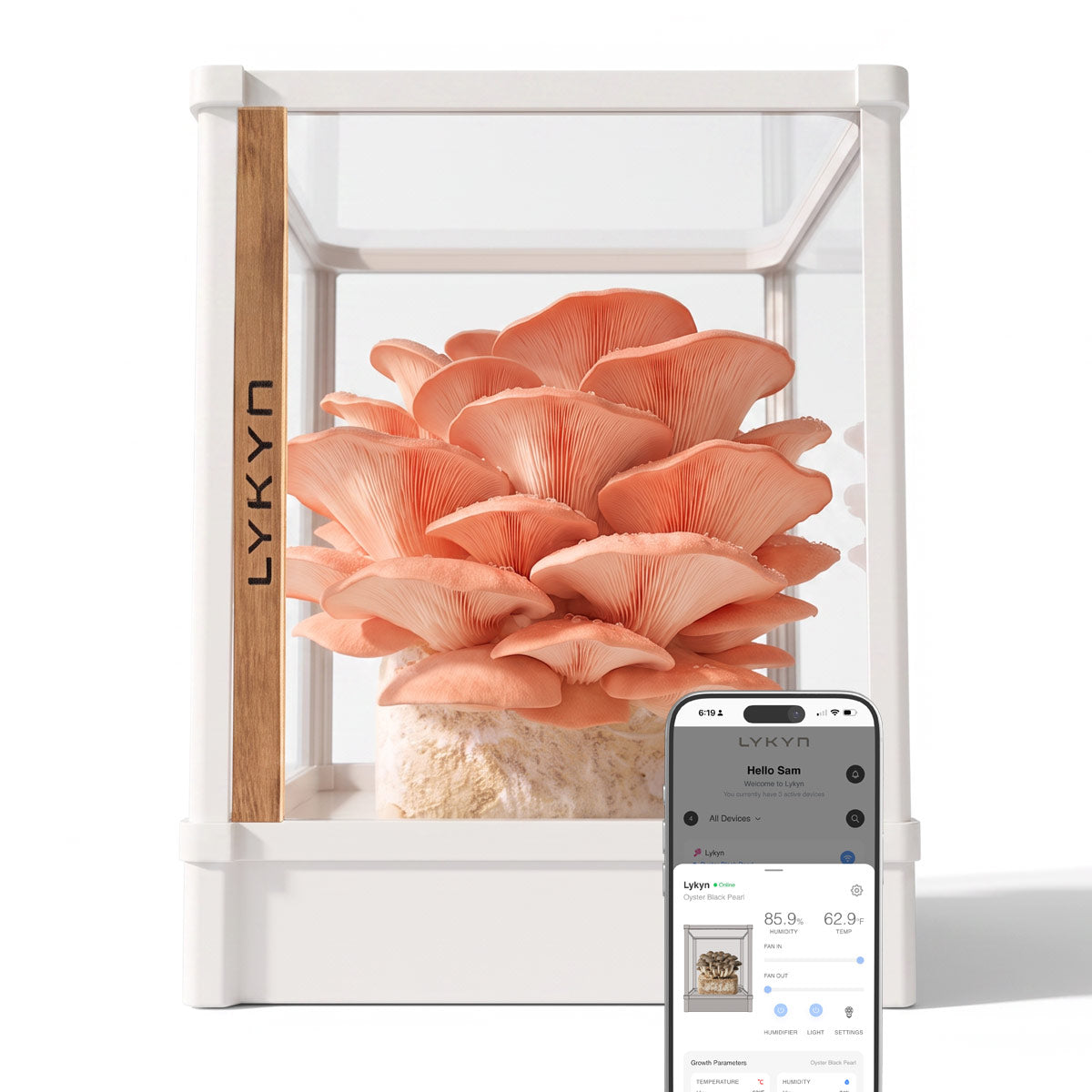
Smart Pilzzucht-Kammer
Plug-and-Play-Smart-Kammer mit Feuchtigkeit, Licht und Luftstrom, die für jede Art eingestellt ist. Anfänger ernten ihre erste Spülung in Tagen, nicht Monaten.
In den Warenkorb $299Shimeji (しめじ)
Shimeji ist eine Kategorie, die einige Arten umfasst, wobei die häufigste Buna-Shimeji (ブナシメジ, „Buchen-Shimeji“) mit braunen Kappen und weißen Stielen ist. Der Geschmack ist nussig und leicht bitter im Rohzustand, was beim Kochen zu herzhaft und süß wird. „Shimeji ist für den Geschmack, Matsutake für das Aroma“ ist ein japanisches Sprichwort darüber, welche Pilze was zu einem Gericht beitragen.
Shimeji immer kochen. Roher oder unzureichend gekochter Shimeji kann Magenverstimmungen verursachen.
Matsutake (松茸)
Der Pilz, der mehr kostet als Trüffel. Matsutake bedeutet „Kiefern-Pilz“ (松 matsu ist Kiefer, 茸 take ist Pilz). Er wächst wild in Symbiose mit Rotkiefern in Japan, Korea und Teilen des pazifischen Nordwestens. Er hat ein starkes, würziges, fast zimtartiges Aroma, das völlig einzigartig ist.
Hochwertiger japanischer Matsutake kann in der Saison (Ende September bis Oktober) über 100.000 Yen pro Kilogramm kosten. Die traditionelle Zubereitung ist Matsutake Gohan (Reis, gekocht mit Matsutake) oder Dobin Mushi (eine klare Suppe, in einer kleinen Teekanne gedämpft).
Eringi (エリンギ)
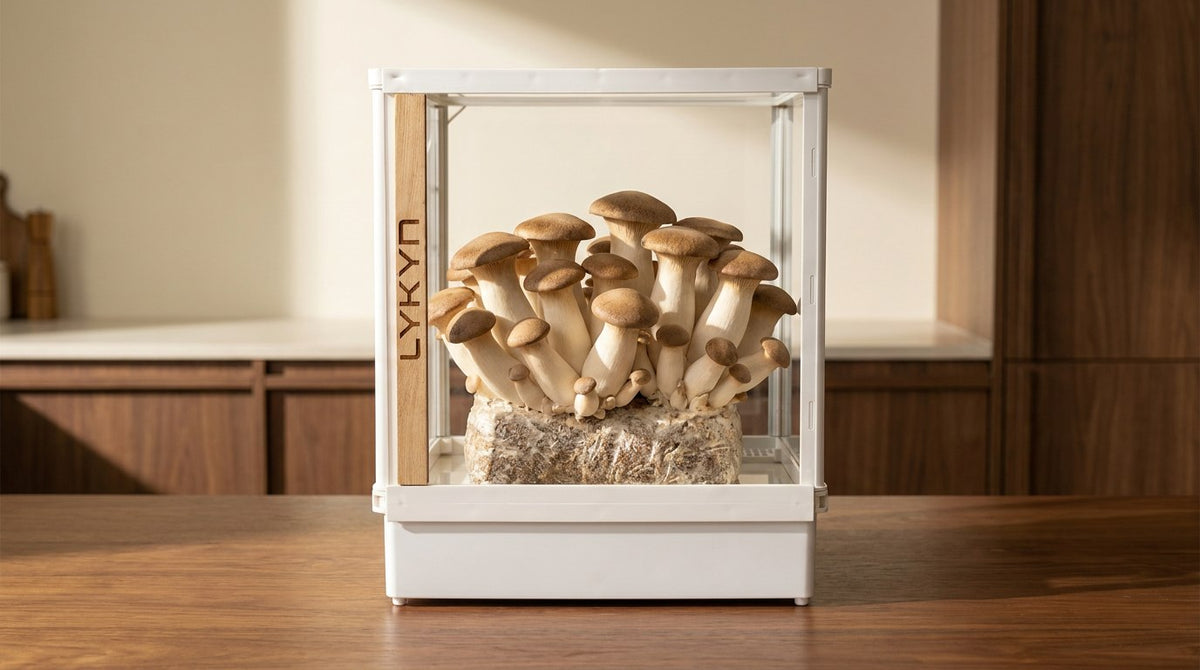
Dies ist der Kräuterseitling oder Königsausternpilz (Pleurotus eryngii). Er ist nicht in Japan beheimatet, wurde aber in der japanischen Küche enorm populär, nachdem die kommerzielle Kultivierung in den 1990er Jahren an Fahrt aufnahm. Der dicke weiße Stiel hält dem Grillen und Braten stand, und Scheiben von Eringi sehen beim Anbraten fast wie Jakobsmuscheln aus. Die Textur ist der Verkaufspunkt: dicht, leicht zäh, sehr fleischig.
Nameko (なめこ)
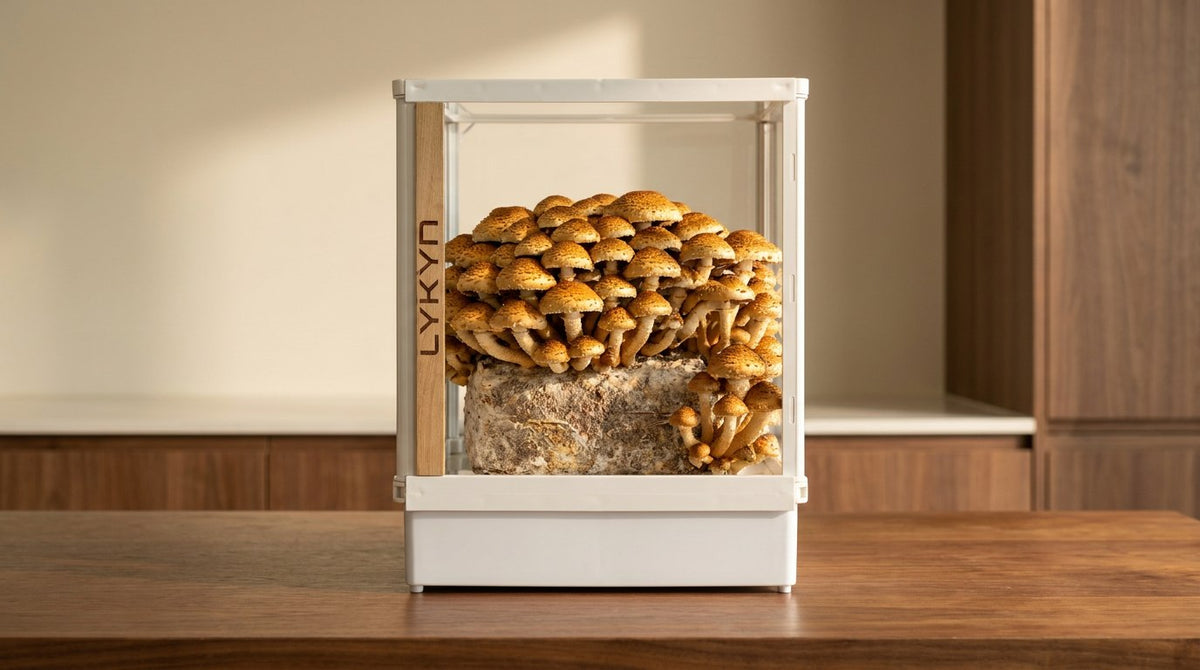
Kleine, orange-braune Kappen mit einer glänzenden, gelatinösen Schicht. Die Schmierigkeit ist der Punkt. Nameko ist der traditionelle Pilz für Miso-Suppe im Nordosten Japans, und die Textur passt gut zur herzhaften Brühe. Das Wort なめ (name) bezieht sich auf die Schleimigkeit, eine Eigenschaft, die in der japanischen Küche oft zelebriert und nicht vermieden wird.
Weitere Begriffe, denen Sie begegnen werden
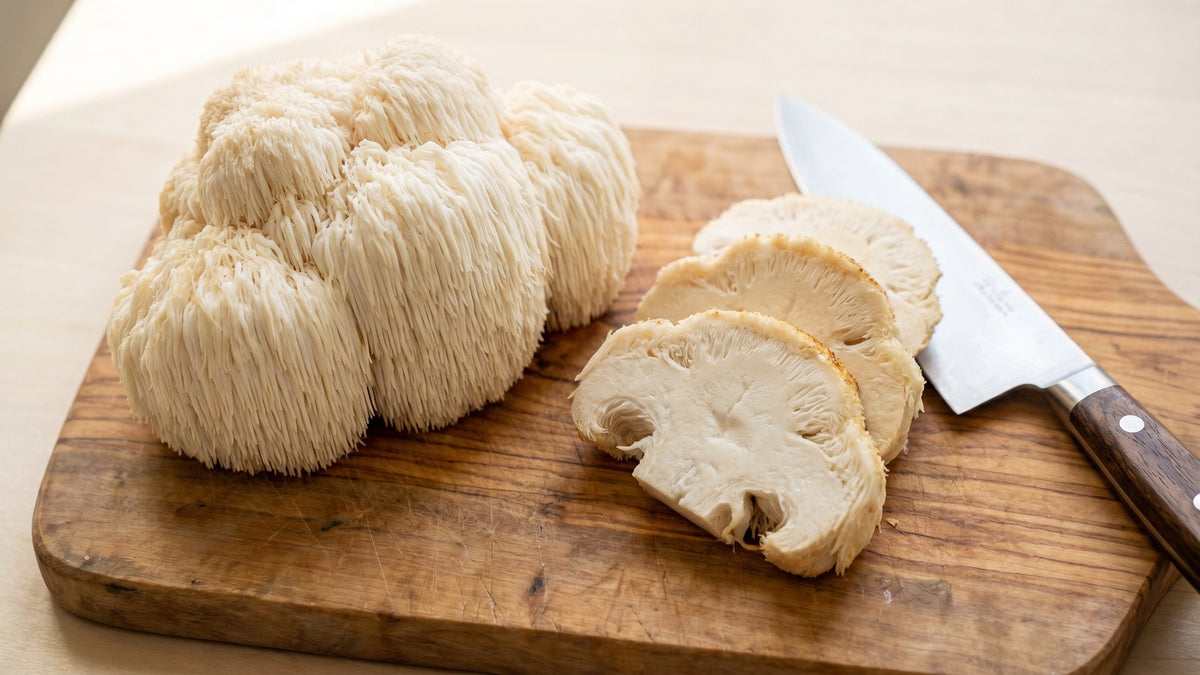
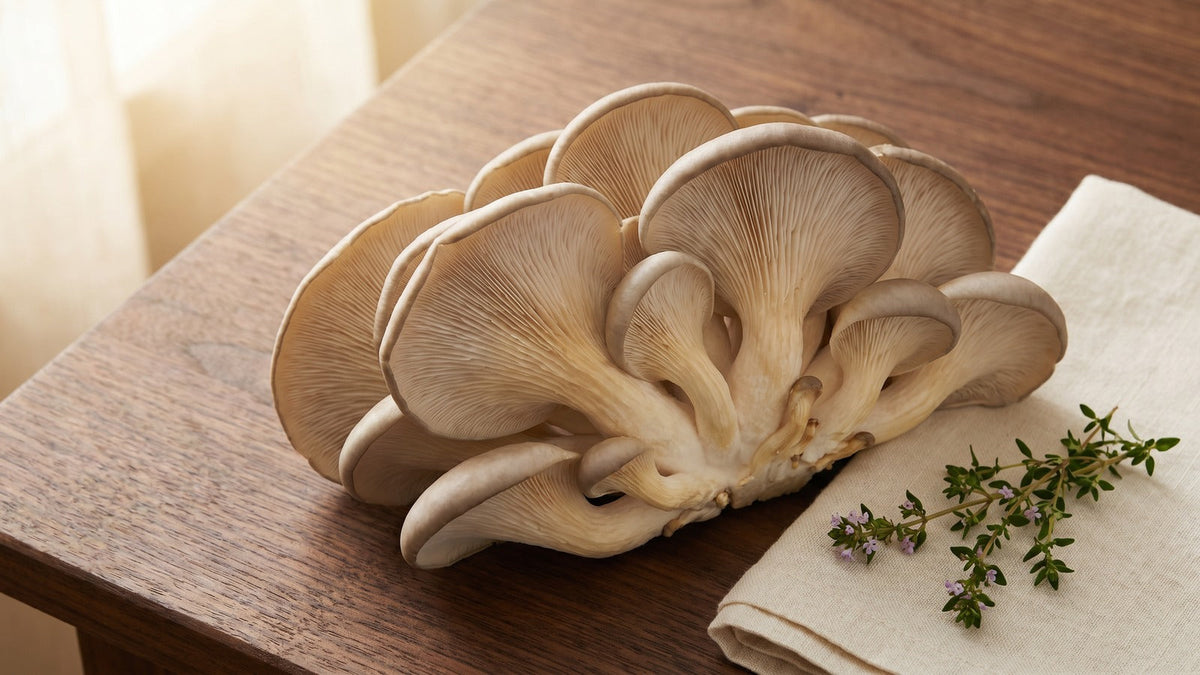
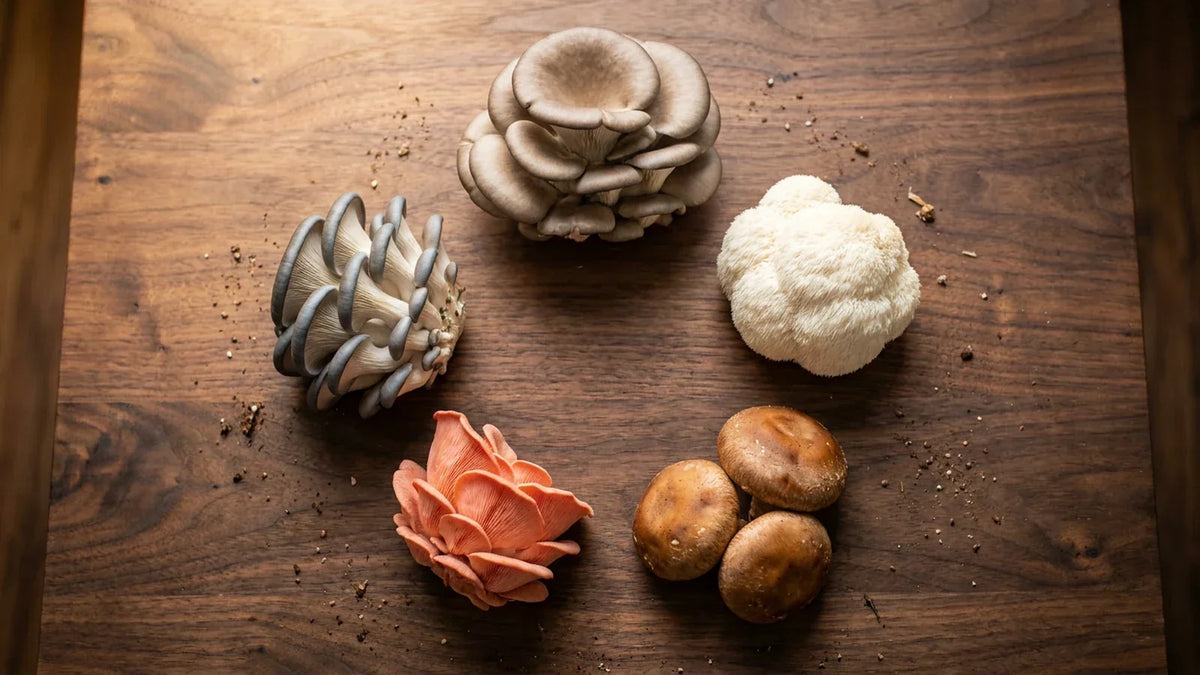
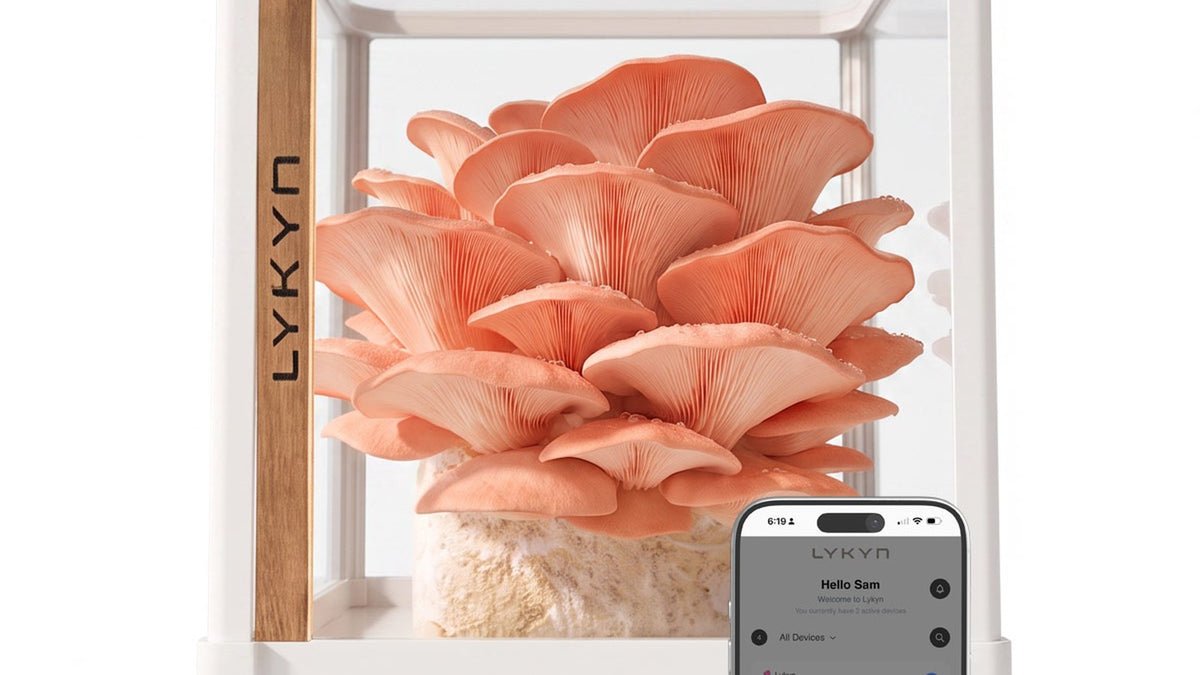
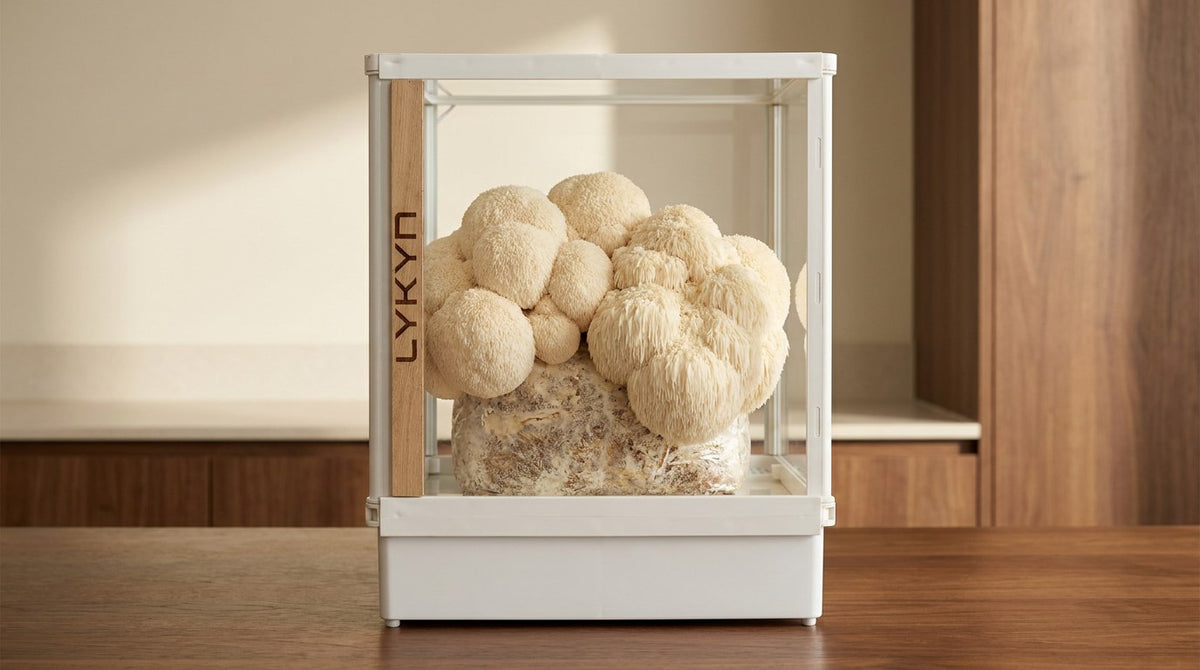
Sie werden キクラゲ (Kikurage) auf Ramen-Speisekarten sehen. Das ist der Judasohr-Pilz (Auricularia auricula-judae), bekannt für seinen gummiartigen Biss und hauptsächlich für die Textur verwendet. ヤマブシタケ (Yamabushitake) ist der Igelstachelbart, benannt nach Yamabushi (asketische Mönche aus den Bergen), weil der Pilz ihren quastenbesetzten Roben ähnelt. ヒラタケ (Hiratake) ist das allgemeine Wort für Austernpilze. レイシ (Reishi) ist der berühmte Heilpilz, auch Manetake (万年茸, „Zehntausend-Jahre-Pilz“) genannt wegen seiner Assoziation mit Langlebigkeit.
Warum Japan so viele spezifische Namen hat
Pilze sind tief in der japanischen Esskultur verwurzelt. Sie tauchen in der Küche jeder Jahreszeit, in regionalen Spezialitäten und in formellen Kaiseki-Menüs auf, wo jede Zutat sorgfältig nach ihrem Platz im Kalender ausgewählt wird. Das Vokabular spiegelt diese Tiefe wider. Englisch fasst Dutzende von Arten unter "Pilz" zusammen; Japanisch gibt den meisten ihren eigenen Namen und ihren eigenen Platz am Tisch.
Wenn Sie daran interessiert sind, einige davon selbst anzubauen (insbesondere Igelstachelbart und Königsausternpilz), ermöglichen Ihnen unsere Pilzzuchtsets für zu Hause, dieselben Gourmetarten zu kultivieren, ohne einen Wald oder eine 1000 Jahre alte Anbautradition zu benötigen. Nur eine Arbeitsplatte und Geduld.
Aktie:
Pilz-Heiße Schokolade: Die leckerste Art, funktionale Pilze zu trinken
Pilz-Heiße Schokolade: Die leckerste Art, funktionale Pilze zu trinken