


Pilzreis ist eine Beilage aus einem Topf, die aus einfachen Körnern etwas Wertvolles macht. Die einfachste Version dauert etwa 30 Minuten: geschnittene Pilze in Butter anbraten, den Reis mit Zwiebeln und Knoblauch anrösten und dann in Brühe köcheln lassen, bis die Flüssigkeit verschwunden ist und die Küche nach einem Sonntagsbraten duftet. Das ist alles. Das Ergebnis ist ein herzhafter, leicht nussiger Pilaw, der zu fast jedem Protein passt und ein halbes Pfund Pilze in 4 bis 6 Portionen verwandelt.
Das Geheimnis eines großartigen Pilzreises liegt nicht in einer langen Zutatenliste. Es sind zwei Dinge: die Pilze tatsächlich zu bräunen, bevor sie auf den Reis treffen, und eine echte Brühe statt Wasser zu verwenden. Lässt man eines davon weg, erhält man blassen, wässrigen Reis mit einem schwachen erdigen Hauch. Macht man beides, bekommt man eine Beilage, die schmeckt, als hätte sie ein Restaurant zubereitet.

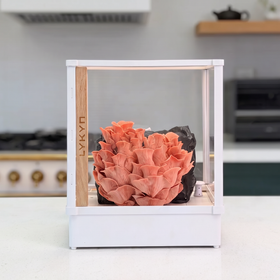
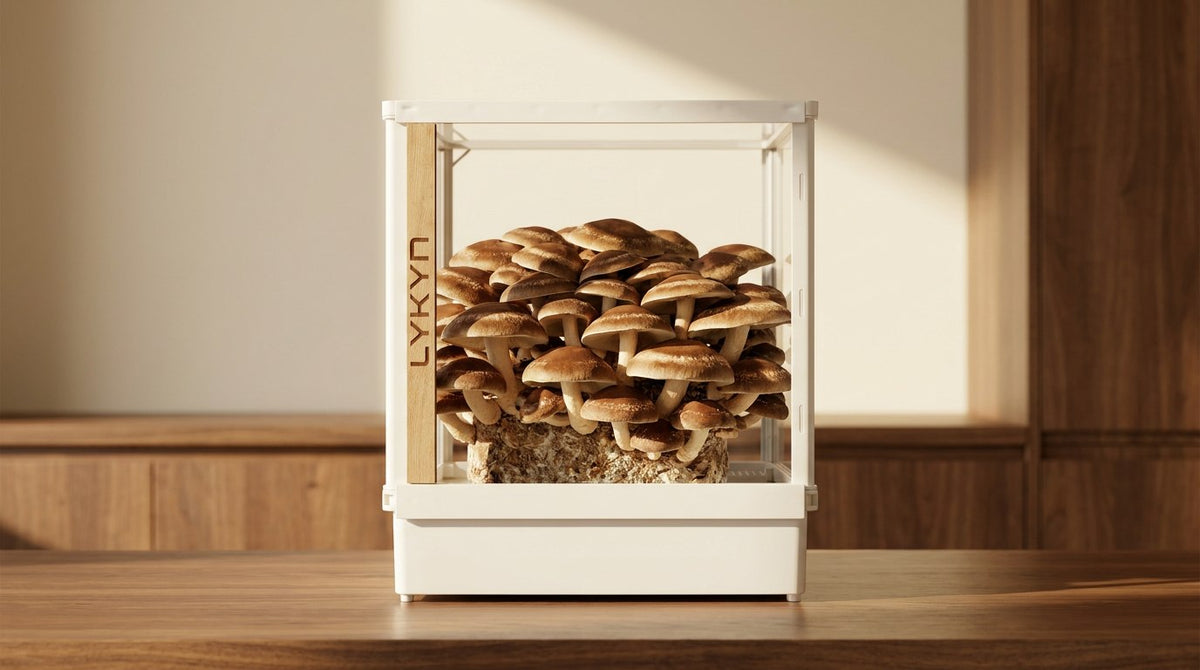
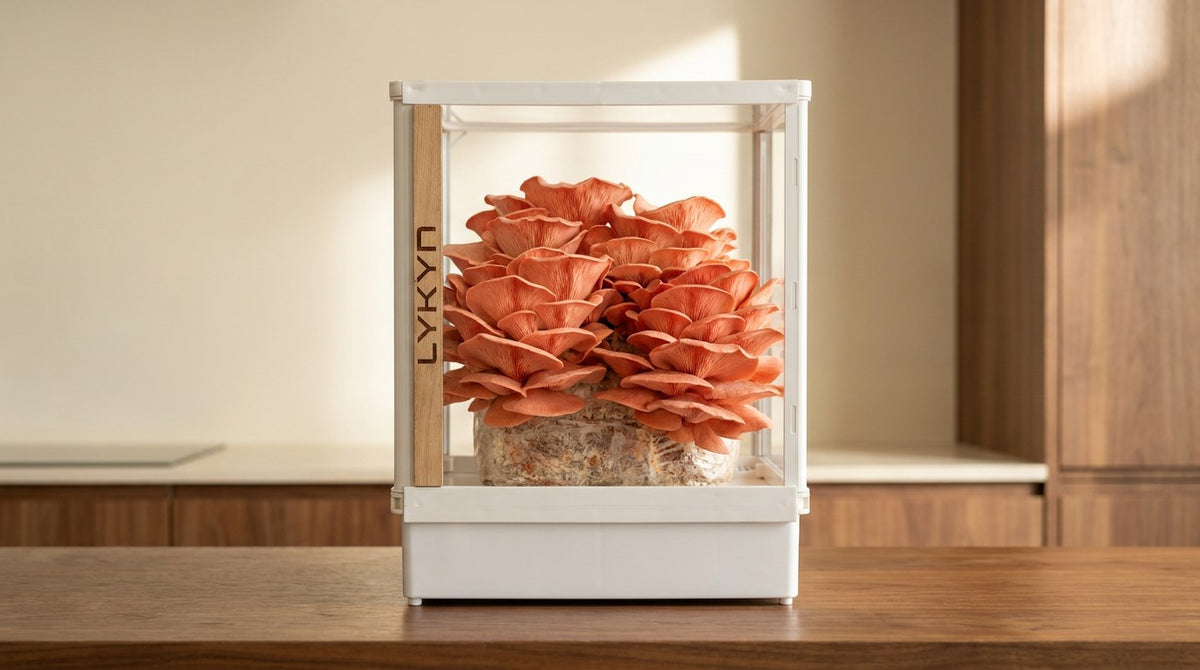
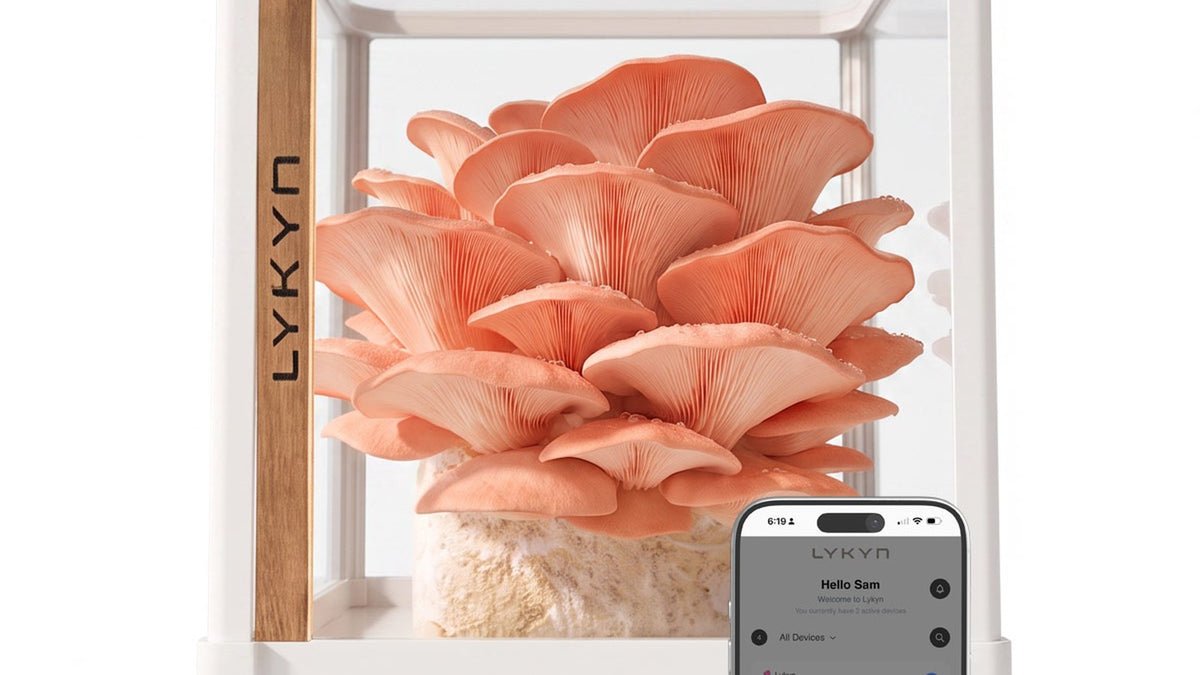
Smart Chamber. Knochenweiß Single
- 2.8L Tank, 90% Luftfeuchtigkeit automatisch
- App-gesteuert, Plug-and-Play
- 6 lb Blockdecke, auf Lager

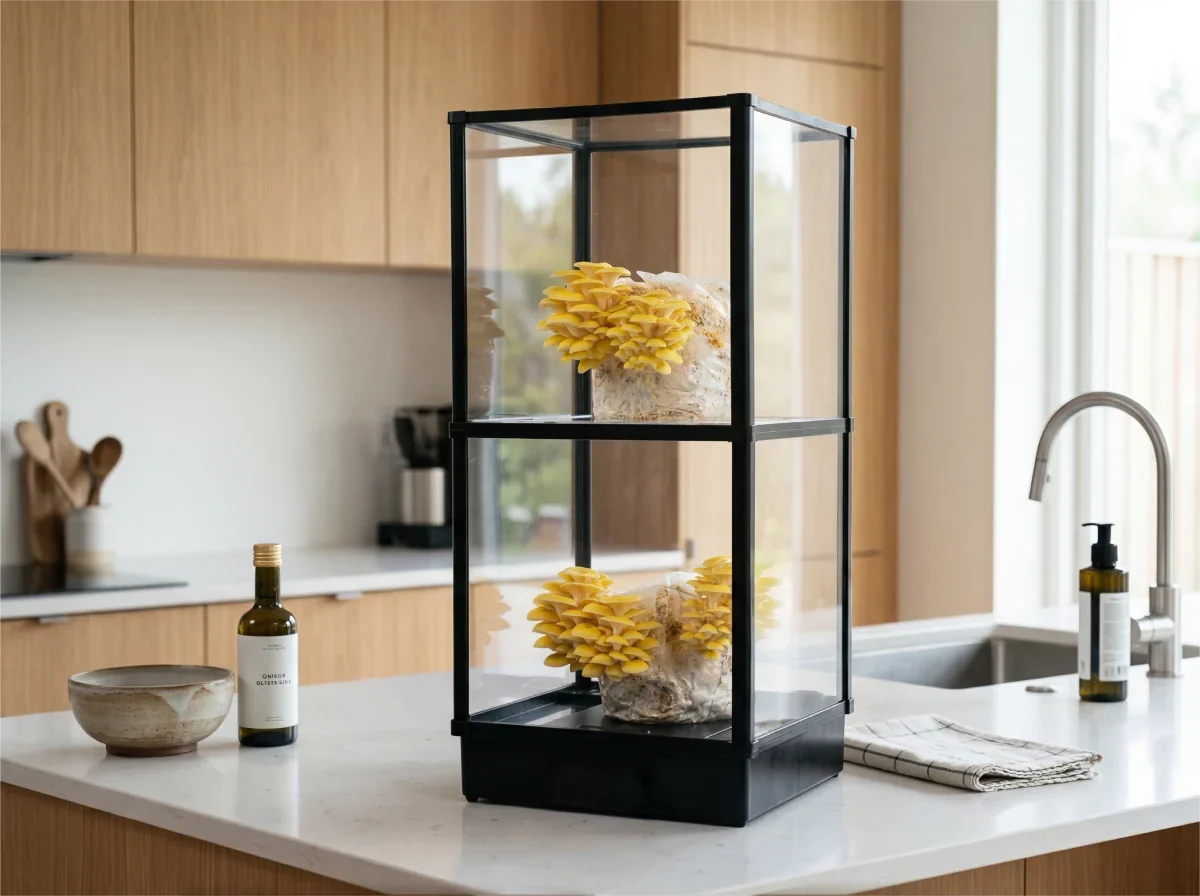
Smart Chamber. Obsidianschwarz Single
- Gleiche Hardware wie Knochenweiß
- Mattschwarzes Premium-Finish
- Passt zu jeder Küchenpalette

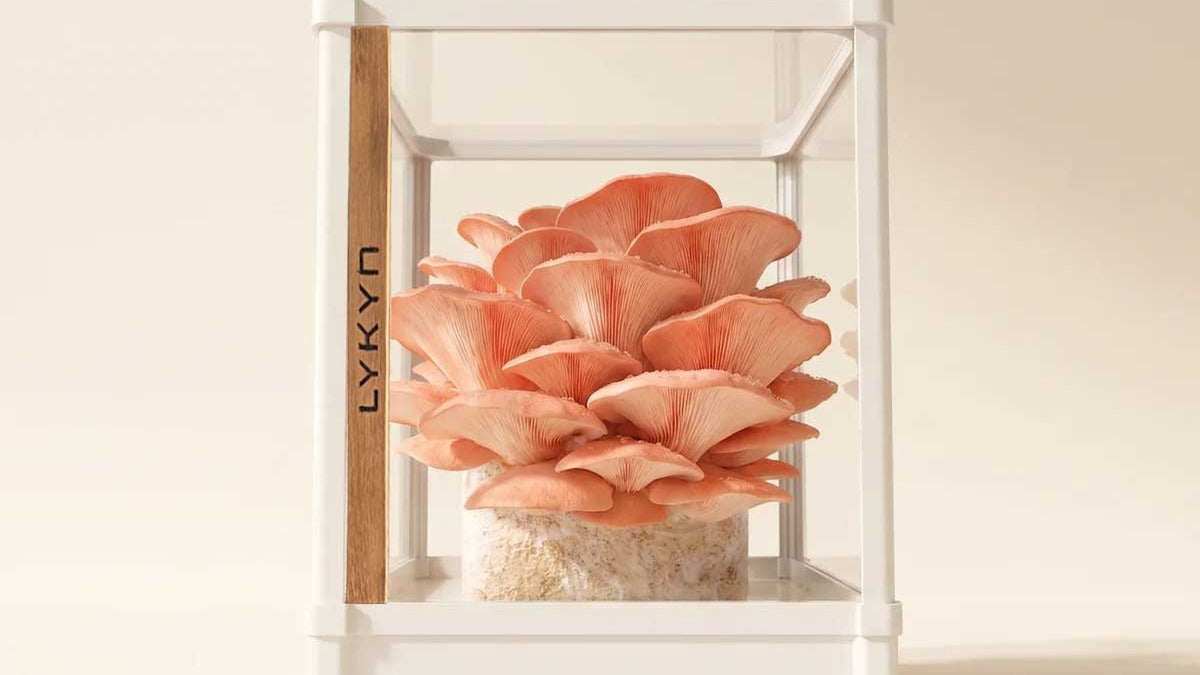
Austernpilz-Zuchtset
- Auf Lager
- Pin in 3-5 Tagen
- Ersetzt 1 Kammerzyklus
Zutaten für die klassische Version
Dieses Rezept reicht für 4 großzügige Portionen oder 6 als Beilage. Erhöhen Sie die Menge um einen Faktor; Reis und Pilze verhalten sich vorhersehbar.
- 1 1/2 Tassen Langkornreis (Basmati oder Jasmin funktionieren beide; Jasmin ist weicher, Basmati getrennter)
- 225 g Cremini- oder Champignons, 0,6 cm dick geschnitten
- 3 Esslöffel Butter, geteilt
- 1 Esslöffel Olivenöl
- 1 kleine gelbe Zwiebel, fein gewürfelt
- 2 Knoblauchzehen, gehackt
- 2 1/4 Tassen Hühner- oder Gemüsebrühe
- 1 Teelöffel koscheres Salz (anpassen, wenn Ihre Brühe salzig ist)
- 1/2 Teelöffel schwarzer Pfeffer
- 1 Esslöffel frischer Thymian oder 1 Teelöffel getrockneter
- 2 Esslöffel frische Petersilie, gehackt, zum Garnieren
Schritt für Schritt
- Den Reis waschen. Den Reis in ein feinmaschiges Sieb geben und kaltes Wasser darüber laufen lassen, bis das Wasser klar ist. Dies entfernt überschüssige Stärke und hält die Körner getrennt.
- Die Pilze anbraten. 2 Esslöffel Butter und 1 Esslöffel Olivenöl in einer tiefen Pfanne oder einem weiten Topf bei mittlerer bis hoher Hitze erhitzen. Die Pilze in einer einzigen Schicht hinzufügen. Die ersten 3 Minuten nicht umrühren. Lassen Sie sie ihr Wasser abgeben und anfangen zu bräunen. Wenden, mit einer Prise Salz würzen und weitere 4 bis 5 Minuten kochen, bis sie tief goldbraun sind. In eine Schüssel geben.
- Die Aromaten weich machen. Die Hitze auf mittlere Stufe reduzieren. Den letzten Esslöffel Butter in die Pfanne geben. Die Zwiebel 3 bis 4 Minuten kochen, bis sie durchscheinend ist. Knoblauch und Thymian hinzufügen, 30 Sekunden kochen.
- Den Reis anrösten. Den gewaschenen, abgetropften Reis in die Pfanne geben. 1 bis 2 Minuten rühren, bis die Körner leicht nussig riechen. Dieser Schritt verleiht Tiefe.
- Köcheln lassen. Die Brühe hinzufügen, Salz und Pfeffer dazugeben und einmal umrühren. Die Pilze zurück in die Pfanne geben. Zum Kochen bringen, dann auf die niedrigste Stufe reduzieren. Fest abdecken und 18 Minuten kochen lassen. Den Deckel nicht anheben.
- Ruhen lassen. Die Pfanne vom Herd nehmen und zugedeckt 10 Minuten ruhen lassen. In diesem Stadium wird der Reis mit Restdampf fertig gegart.
- Auflockern und fertigstellen. Den Deckel abnehmen, mit einer Gabel auflockern und die Petersilie unterheben. Abschmecken und Salz nach Bedarf hinzufügen.
Warum das Anbraten der Pilze wichtig ist
Frische Pilze bestehen zu etwa 90 Prozent aus Wasser. Wenn man sie zusammen mit der Brühe direkt in den Reis gibt, dämpfen sie, geben ihr Wasser ab und verwässern das Gericht. Das separate Anbraten erledigt zwei Dinge: Es konzentriert ihren Geschmack durch die Maillard-Reaktion (dieselbe Chemie, die Toast und Steaks bräunt) und es entfernt das Wasser, bevor es den Reis verwässern kann.
Die Regel der Einzelschicht ist hier wichtig. Pilze, die dreifach übereinander liegen, fangen Dampf ein und bräunen nicht. Wenn Ihre Pfanne nicht alle Pilze in einer Schicht fassen kann, braten Sie sie in zwei Durchgängen. Fünf zusätzliche Minuten lohnen sich.
Variationen, die es sich lohnt zu probieren
Pilaw mit Wildpilzen
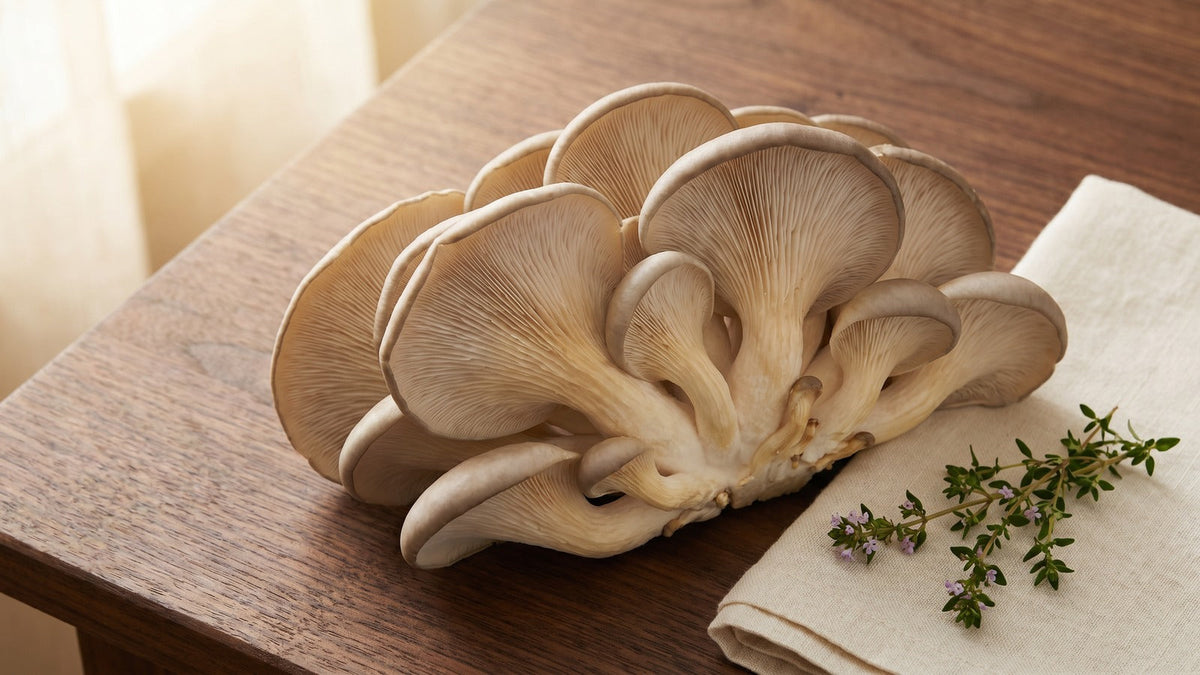
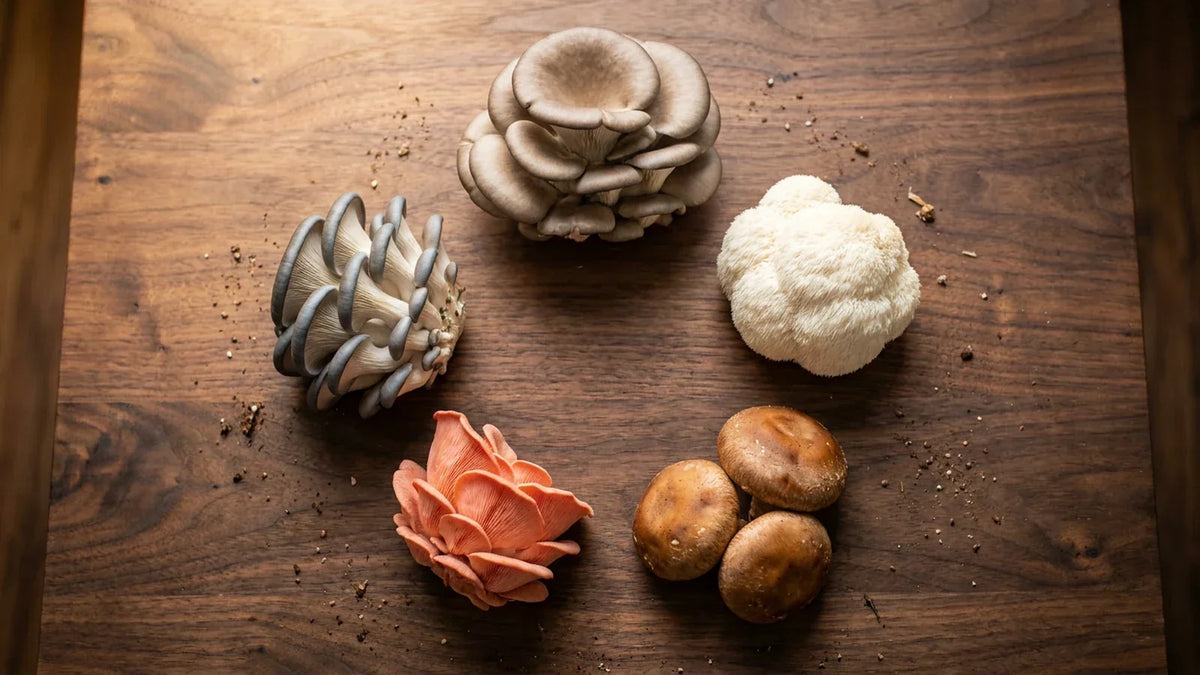
Tauschen Sie die Cremini-Pilze gegen eine Mischung aus Shiitake-, Austern- und Maitake-Pilzen (insgesamt etwa 225 g) aus. Wildpilze haben einen stärkeren Geschmack, reduzieren Sie daher den Thymian auf 1/2 Teelöffel und lassen Sie die Petersilie weg, zugunsten eines kleinen Spritzers Zitrone am Ende. Wenn Sie Ihre eigenen Pilze zu Hause mit Pilzzuchtsets anbauen, erhalten Sie die frischeste mögliche Basis für diese Version, und Austernpilze nehmen insbesondere nach dem Bräunen eine fleischige Textur an.
Brauner Reis-Version
Verwenden Sie die gleichen Verhältnisse, erhöhen Sie aber die Brühe auf 3 Tassen und die Kochzeit auf 45 Minuten. Brauner Reis benötigt mehr Flüssigkeit und Zeit, aber die Nussigkeit passt wunderbar zu den Pilzen.
Pilz- und Wildreis-Mischung
Ersetzen Sie die Hälfte des weißen Reises durch Wildreis. Wildreis kocht langsamer, kochen Sie ihn daher zuerst 20 Minuten teilweise vor, lassen Sie ihn abtropfen und fügen Sie ihn dann zusammen mit dem weißen Reis bei Schritt 4 hinzu. Die zäheren Wildreiskörner verleihen Textur.

Befeuern Sie Ihre Pilzreise
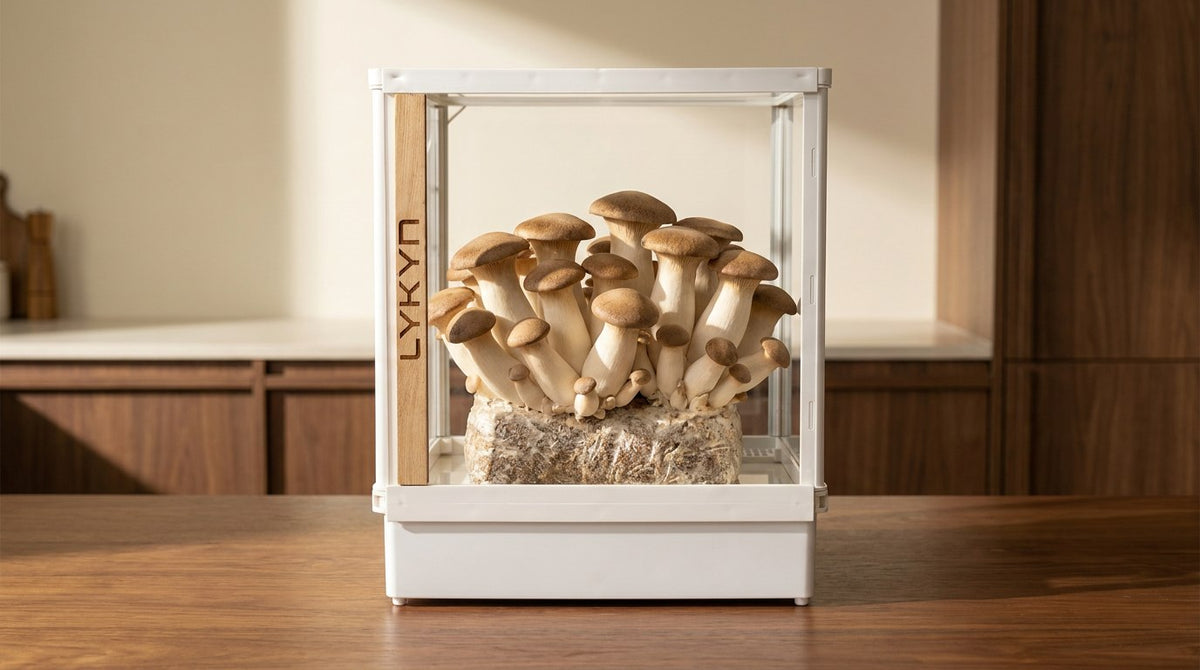
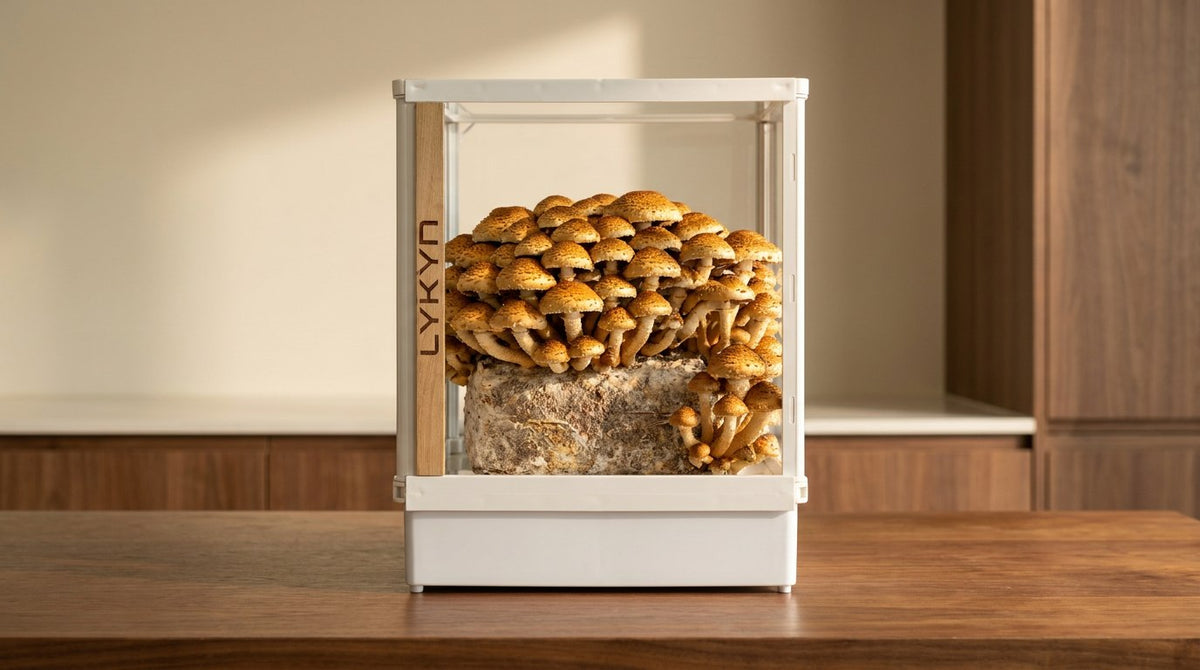
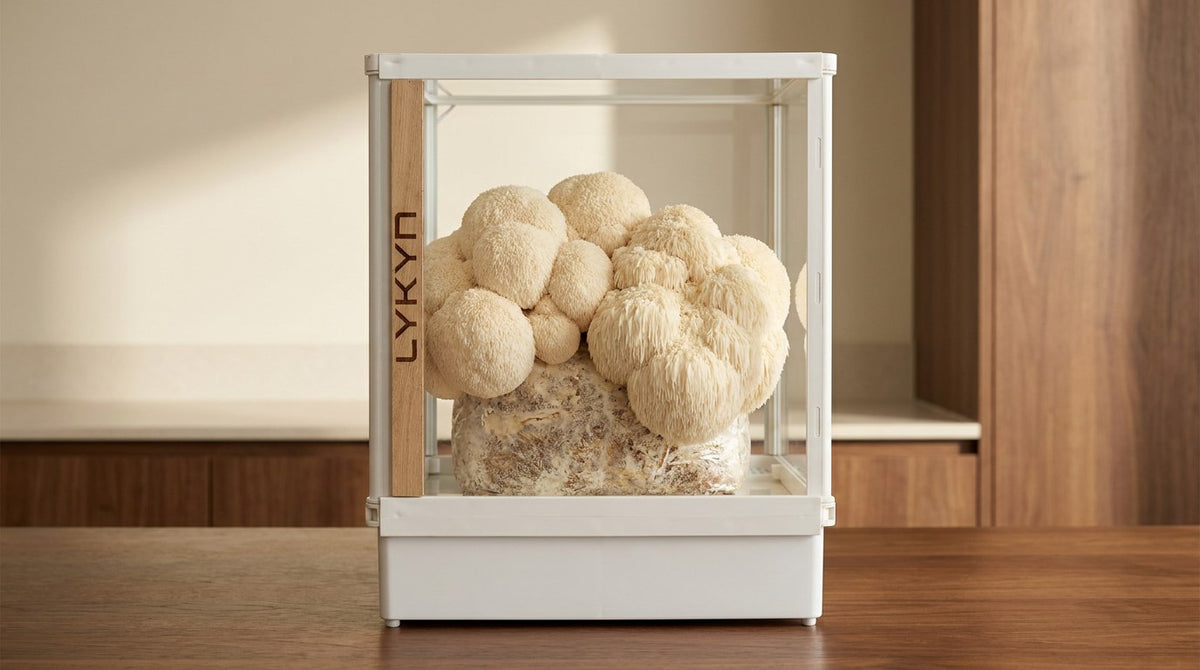
Smart Mushroom Grow Chamber
Plug-and-Play-Smart-Kammer mit Feuchtigkeit, Licht und Luftstrom, abgestimmt auf jede Art. Anfänger ernten ihre erste Spülung in Tagen, nicht Monaten.
In den Warenkorb $299Cremiger Pilzreis
Rühren Sie 1/4 Tasse Sahne und 1/4 Tasse geriebenen Parmesan in den fertigen Reis, solange er noch heiß ist. Die Sahne lockert die Körner auf und der Käse verleiht eine herzhafte Tiefe. Diese Version lehnt sich näher an Risotto an, ohne ständiges Rühren.
Womit servieren
Pilzreis ist eine selbstbewusste Beilage. Kombinieren Sie ihn mit:
- Gebratenes Hähnchen oder gebratene Hähnchenschenkel (die Bratensäfte über dem Reis sind ein kleines Wunder)
- Gebratenes Steak oder Schweinekoteletts
- Gegrillter Lachs oder Forelle, zitronenbetont
- Ein einfaches grünes Gemüse: blanchierte grüne Bohnen, sautierter Spinat oder gerösteter Brokkoli
- Als vegetarisches Hauptgericht: mit einem Spiegelei und einer Handvoll Rucola belegen
Lagerung und Aufwärmen
Gekochter Pilzreis hält sich in einem luftdichten Behälter im Kühlschrank 4 Tage. Zum Aufwärmen, ohne ihn auszutrocknen: 1 bis 2 Esslöffel Wasser oder Brühe über den Reis streuen, abdecken und 90 Sekunden in der Mikrowelle erhitzen, dabei nach der Hälfte der Zeit umrühren. Alternativ in einem abgedeckten Topf bei geringer Hitze mit einem Schuss Brühe aufwärmen.
Er lässt sich auch gut einfrieren. Vollständig abkühlen lassen, in Gefrierbeutel portionieren, flachdrücken und bis zu 3 Monate einfrieren. Vor dem Aufwärmen über Nacht im Kühlschrank auftauen lassen.
Häufige Fehler vermeiden
- Das Spülen überspringen. Ungespülter Reis klumpt und wird klebrig. 30 Sekunden am Spülbecken beheben das Problem.
- Den Deckel während des Köchelns anheben. Jedes Hineinschauen lässt Dampf entweichen und beeinflusst die Kochzeit. Vertrauen Sie dem Timer.
- Die Pilze vor dem Bräunen salzen. Salz entzieht sofort Wasser und verhindert das Bräunen. Erst salzen, wenn sie goldbraun sind.
- Wasser statt Brühe verwenden. Dies ist der größte behebbare Fehler. Schon ein in Wasser aufgelöster Brühwürfel ist eine sinnvolle Verbesserung.
- Die Pfanne überfüllen. Die Pilze bei Bedarf in Portionen braten. Gedämpfte Pilze schmecken fade.
Abschließende Hinweise zur Pilzwahl
Für dieses Gericht ist die Frische der Pilze wichtiger als die Art. Achten Sie auf feste, trockene Kappen ohne Schleim oder dunkle Flecken an der Unterseite. Wenn Sie freiliegende Lamellen (offene Kappen) sehen, sind die Pilze älter, aber immer noch in Ordnung; sie haben lediglich einen stärkeren Geschmack und können mehr Flüssigkeit abgeben. Ältere Pilze eignen sich für dieses Rezept besonders gut, da der lange Bratvorgang ihren Geschmack konzentriert.
Sobald Sie die klassische Version ein- oder zweimal zubereitet haben, wird das Rezept zu einer Vorlage. Tauschen Sie Kräuter aus (Rosmarin im Winter, Estragon im Frühling), ändern Sie das Getreide, fügen Sie nach dem Knoblauch einen Spritzer Weißwein für mehr Helligkeit hinzu. Pilzreis belohnt kleine Anpassungen. Beginnen Sie mit der Basis und lassen Sie sie sich entwickeln.

Aktie:
Pilzbrut: Sorten, Lagerung und Auswahl
Pilzbrut: Sorten, Lagerung und Auswahl