


Pilz-Spinat-Pasta ist genau das Richtige für einen Dienstagabend, wenn Sie in 25 Minuten ein Abendessen zubereiten möchten, das sich trotzdem wie echtes Kochen anfühlt. Die Kombination ist einfach: erdige Pilze, zarter, welker Spinat, eine glänzende Soße, die an langen Nudeln haftet, und ein Schuss Parmesan, um alles miteinander zu verbinden. Das Gericht benötigt nur eine Pfanne, sechs Hauptzutaten und belohnt ein wenig Geschick mit Ergebnissen in Restaurantqualität.
Die untenstehende Version ergibt 4 Portionen in 25 Minuten. Sie können die Menge für zwei Personen anpassen, sie für Gäste aufpeppen, die Sahne durch Tomaten oder Olivenöl ersetzen, aber die grundlegende Struktur bleibt dieselbe: anbraten, welken lassen, Soße, mischen.

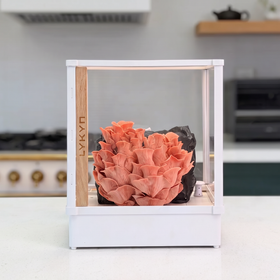
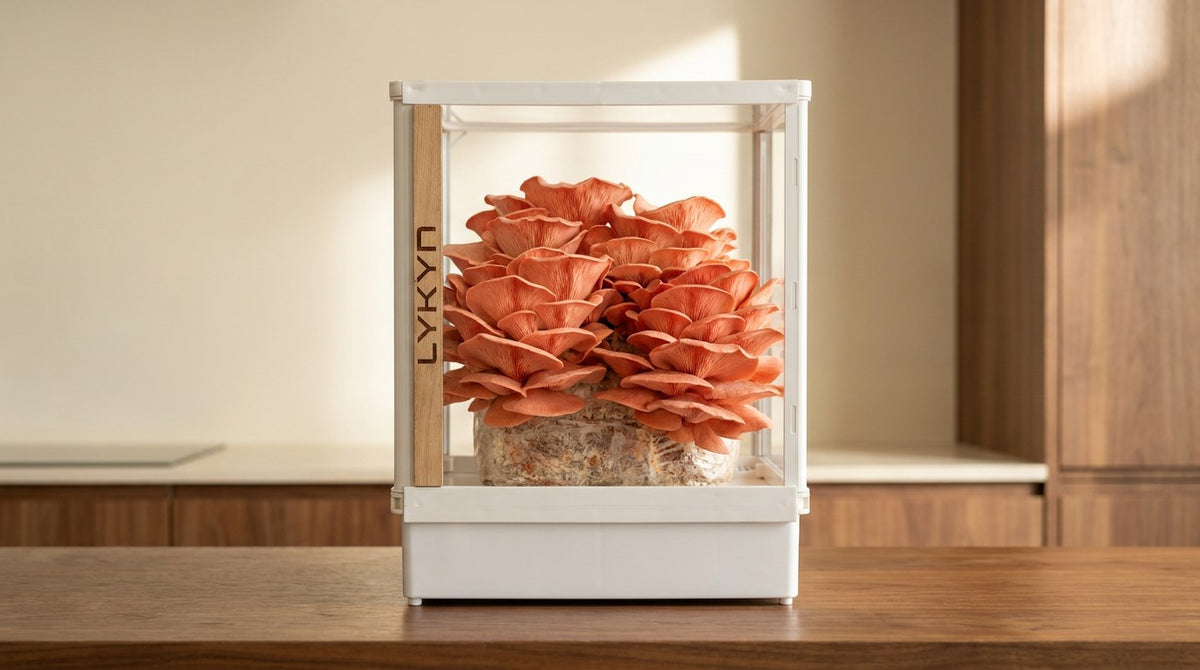
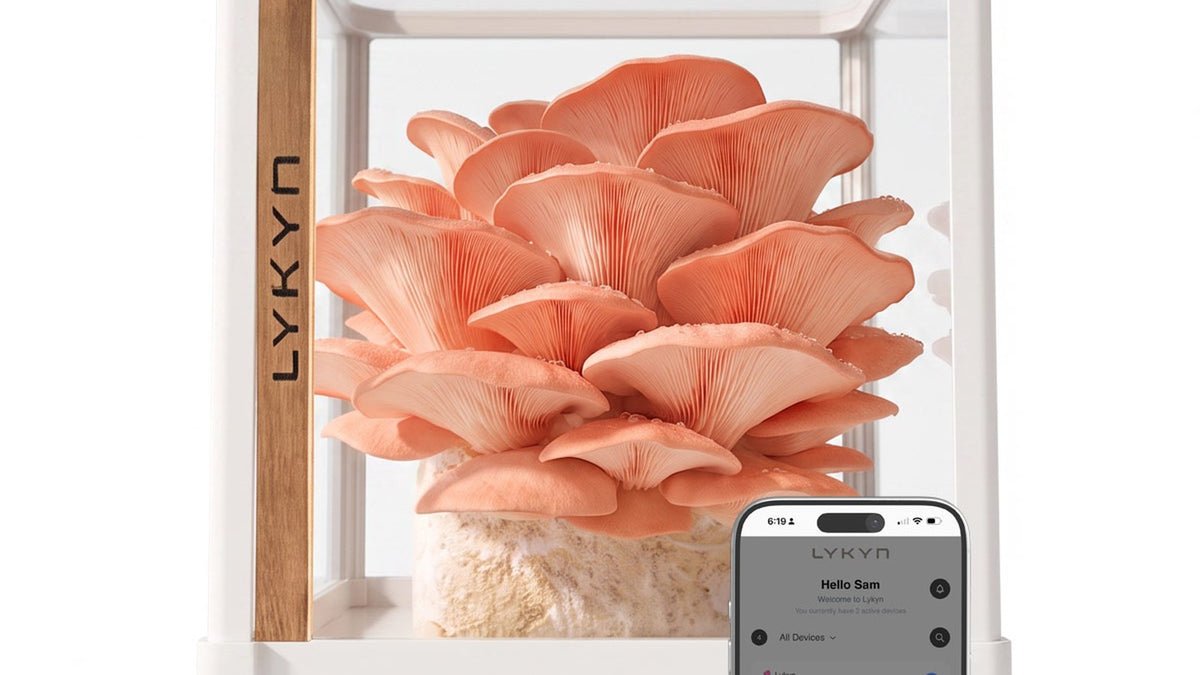
Smart Chamber. Bone White Single
- 2,8L Tank, 90% Luftfeuchtigkeit automatisch
- App-gesteuert, Plug-and-Play
- 6 lb Block Decke, auf Lager

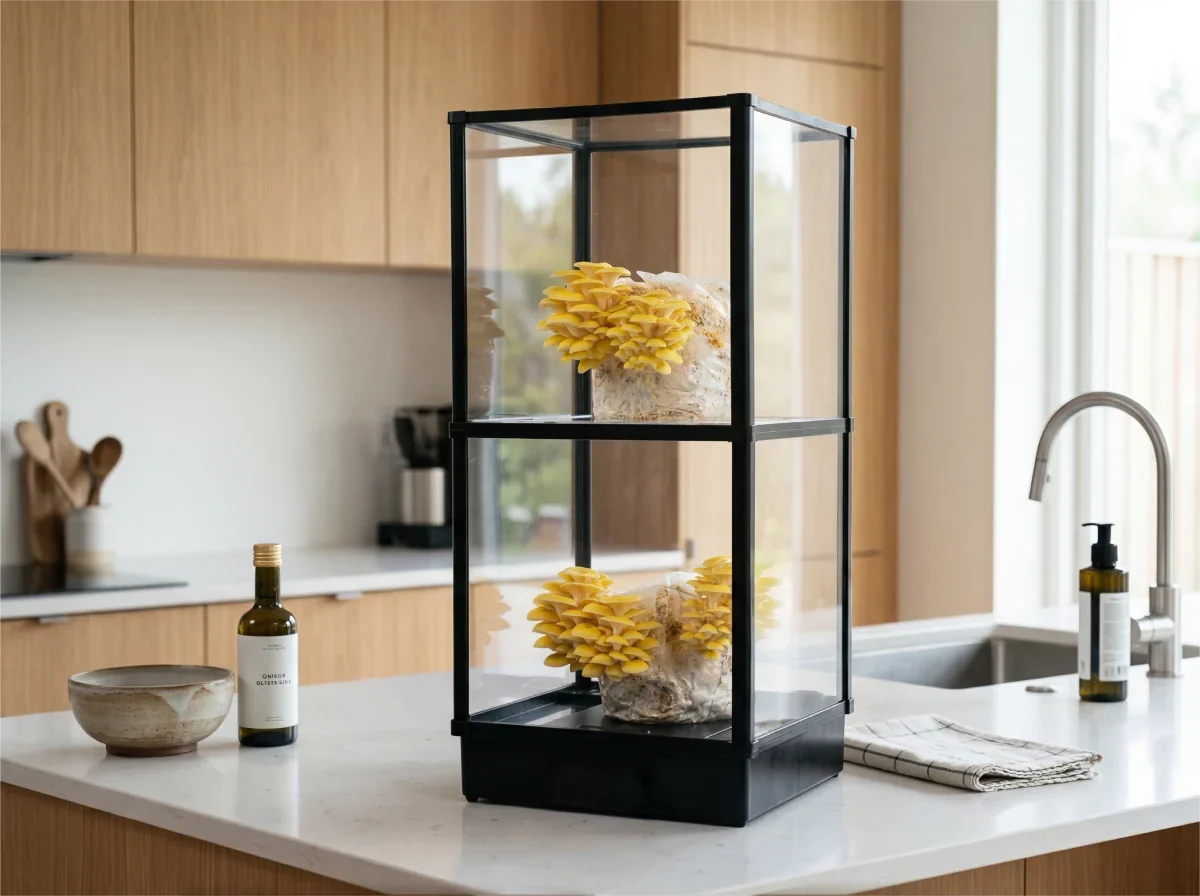
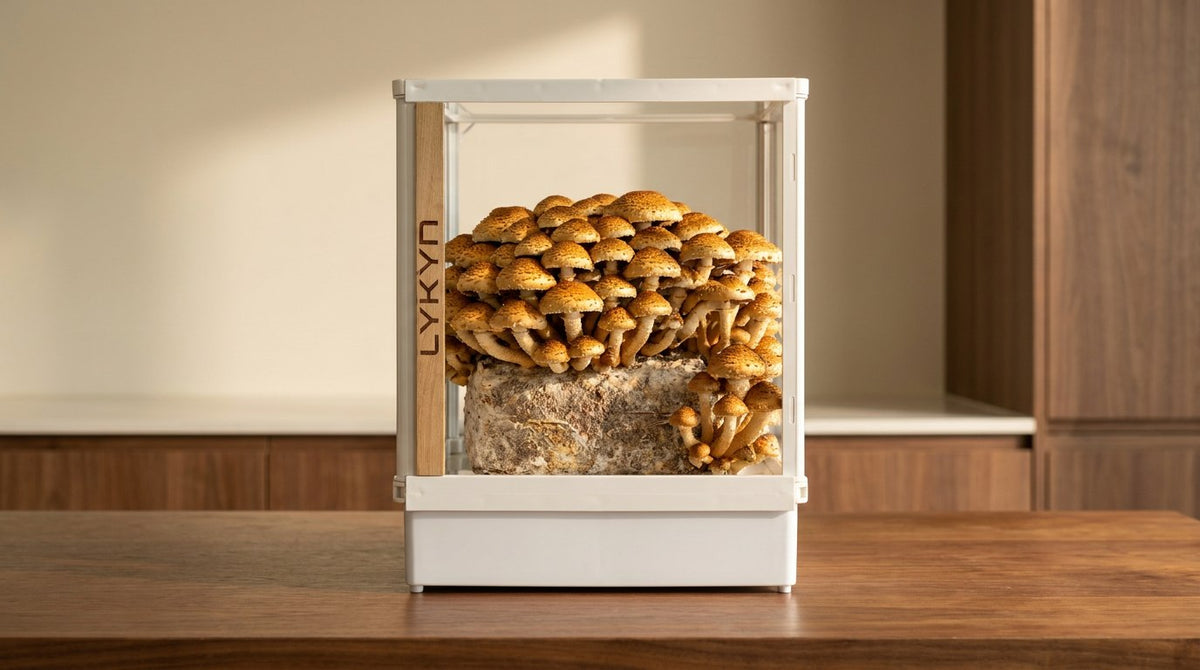
Smart Chamber. Obsidian Black Single
- Gleiche Hardware wie Bone White
- Mattschwarzes Premium-Finish
- Passt zu jeder Kücheneinrichtung

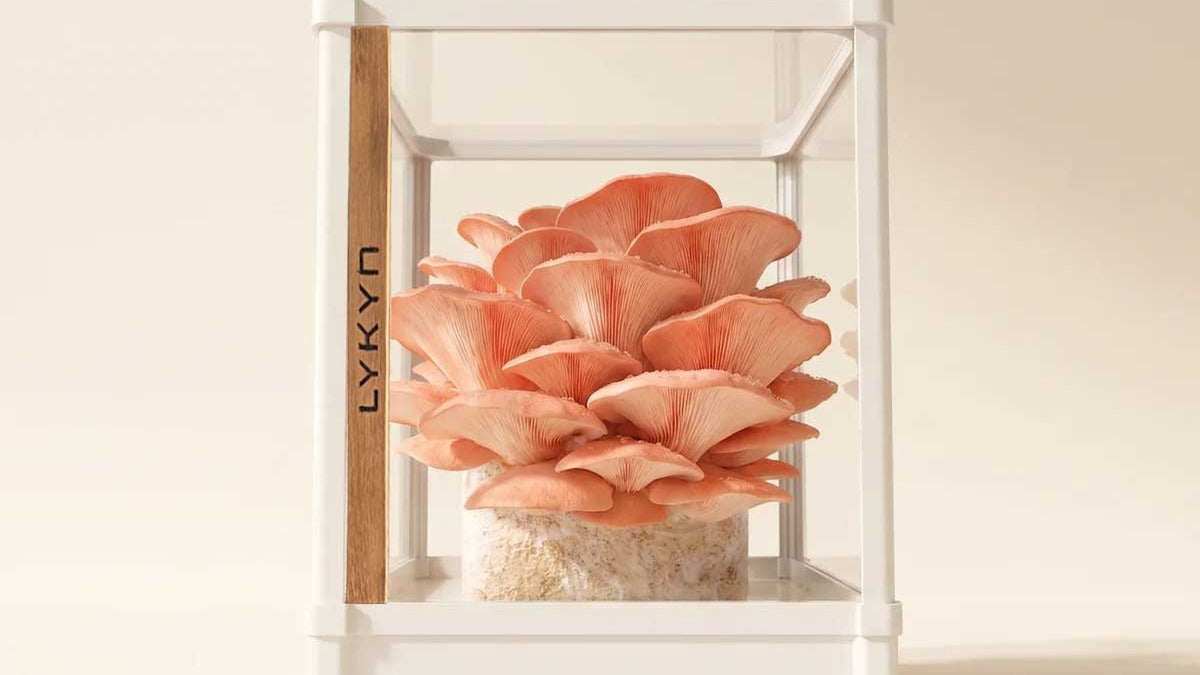
Black Oyster Grow Kit
- Auf Lager
- Pin in 3-5 Tagen
- Ersetzt 1 Kammerzyklus
Warum dieses Gericht?
Einige Gründe, warum Pilz-Spinat-Pasta einen festen Platz in Ihrer wöchentlichen Routine verdient:
- Eine Pfanne, ein Topf, minimale Reinigung
- Kostet etwa 3 bis 4 $ pro Portion
- Schneller fertig als der Lieferservice
- Wirklich nährstoffreich (Eisen, Ballaststoffe, B-Vitamine, Vitamin K)
- Standardmäßig vegetarisch, vegan mit einer Änderung
- Natürlich sättigend, ohne schwer zu sein
Master-Rezept: Cremige Pilz-Spinat-Pasta
Zutaten (für 4 Portionen)
- 340 g Pasta (Fettuccine, Tagliatelle oder Pappardelle eignen sich am besten)
- 3 EL Olivenöl
- 2 EL ungesalzene Butter
- 450 g Cremini-, Shiitake- oder gemischte Pilze, in 0,5 cm dicke Scheiben geschnitten
- 1 mittelgroße Schalotte, fein gewürfelt
- 4 Knoblauchzehen, gehackt
- 120 ml trockener Weißwein
- 180 ml Sahne
- 120 g geriebener Parmesan, plus mehr zum Servieren
- 170 g frischer Babyspinat (etwa 6 gepackte Tassen)
- 1 TL Zitronenschale
- 0,25 TL Chiliflocken (optional)
- Salz, schwarzer Pfeffer, frische Petersilie zum Verfeinern
Zubereitung
- Einen großen Topf mit gut gesalzenem Wasser zum Kochen bringen. Pasta 1 Minute kürzer als auf der Packung angegeben kochen, dabei 1 Tasse Pastawasser vor dem Abgießen aufheben.
- Während die Pasta kocht, Olivenöl in einer weiten Pfanne bei mittlerer bis hoher Hitze erhitzen. Pilze in einer einzigen Schicht hinzufügen. 3 bis 4 Minuten nicht umrühren. Einmal umrühren und weitere 3 Minuten kochen, bis sie tief goldbraun sind. Mit Salz würzen.
- Pilze zur Seite schieben. Butter, Schalotte und Chiliflocken hinzufügen. 2 Minuten kochen.
- Knoblauch hinzufügen, 30 Sekunden umrühren, bis er duftet.
- Wein hinzufügen und den Pfannenboden abkratzen. 1 Minute reduzieren, bis er fast trocken ist.
- Sahne, Zitronenschale und eine Prise Salz hinzufügen. 2 Minuten köcheln lassen, bis die Soße leicht andickt.
- Spinat nach und nach hinzufügen, dabei jede Portion umrühren, bis sie welk ist (insgesamt etwa 2 Minuten).
- Die gekochte Pasta und 60 ml Pastawasser hinzufügen. Kräftig umrühren. Parmesan hinzufügen, erneut umrühren und bei Bedarf mehr Pastawasser hinzufügen, um die Soße glänzend zu halten.
- Abschmecken, Salz und Pfeffer nach Belieben hinzufügen. Sofort mit zusätzlichem Parmesan und gehackter Petersilie servieren.
Die Technik hinter der Soße
Der Grund, warum Restaurant-Pasta diese seidige, haftende Soße hat und hausgemachte Pasta oft nicht, liegt an zwei Details:
- Pastawasser. Stärkehaltiges, salziges Pastawasser emulgiert das Fett und Wasser in der Soße. Immer eine Tasse vor dem Abgießen aufheben.
- In der Pfanne fertigstellen. Die Pasta heiß in die Soße geben und kräftig umrühren. Die Stärke auf der Pastaoberfläche bindet die Soße.
Wenn Ihre Soße "gebrochen" aussieht (oben abgesetztes Fett, darunter trockene Pasta), hilft mehr Pastawasser und kräftiges Rühren für 30 Sekunden. Die Soße wird sich wieder verbinden.
Pilzauswahl
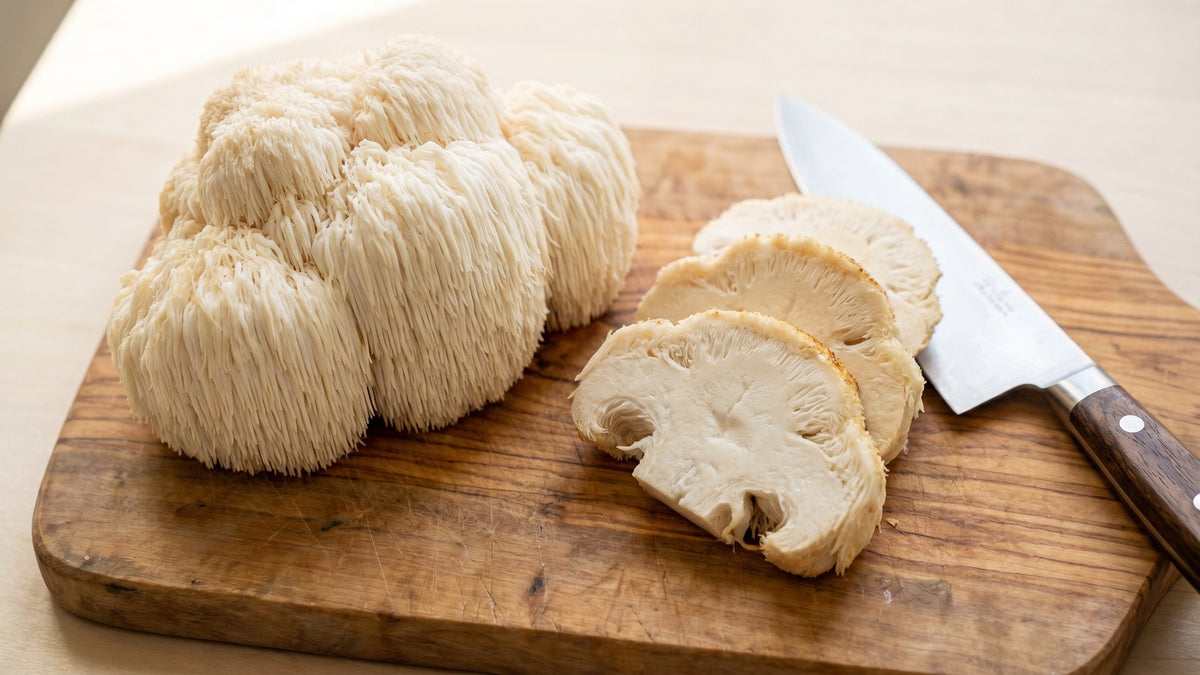
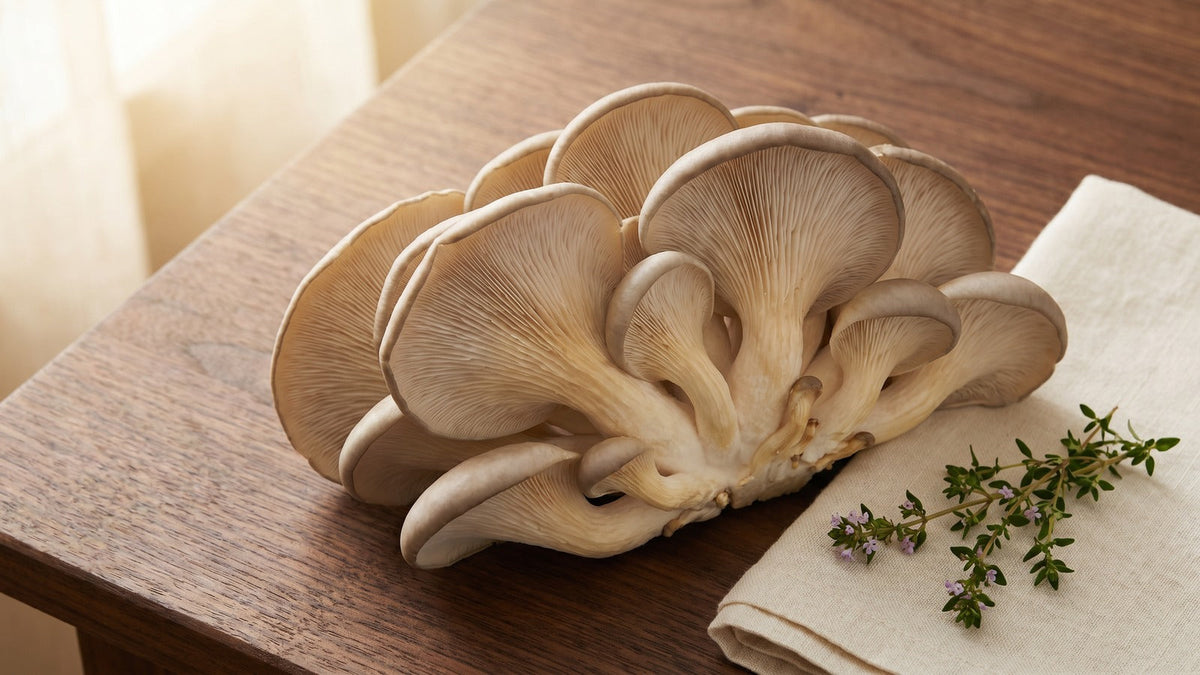
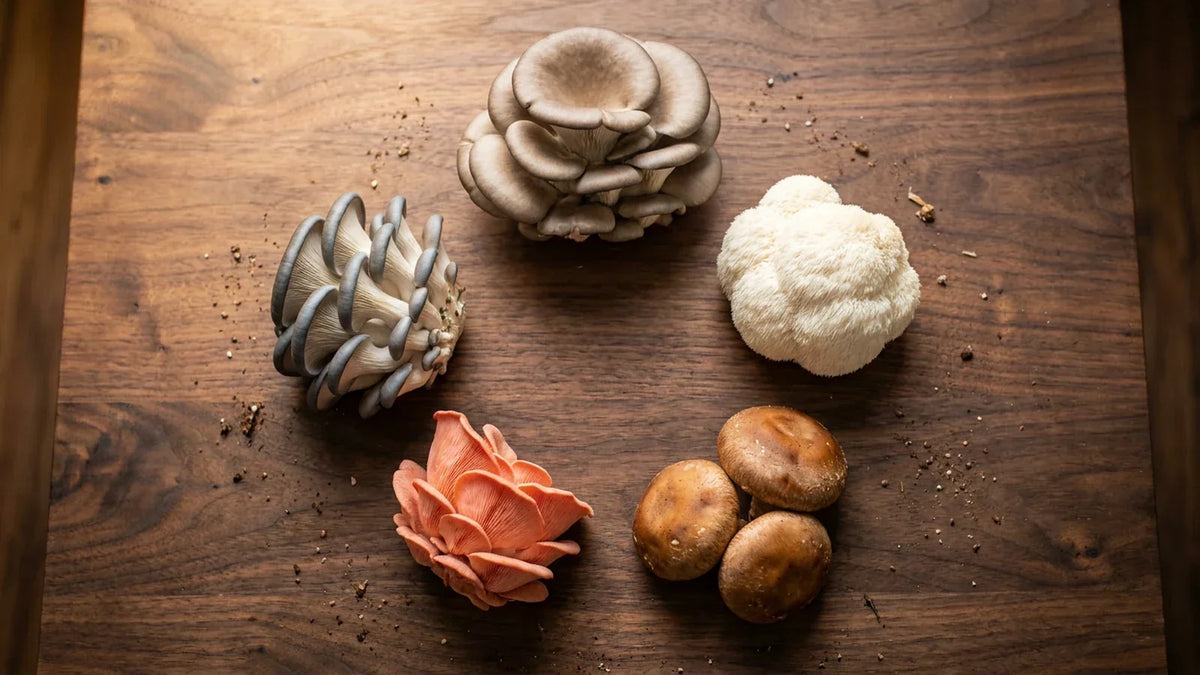
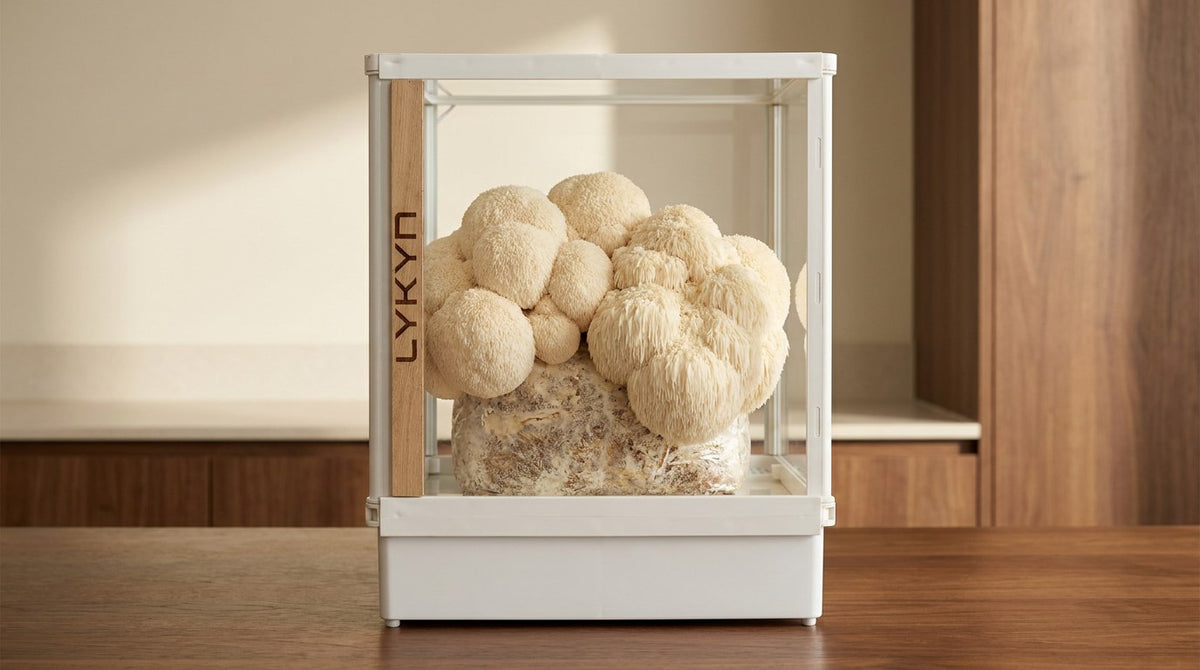
Cremini sind die alltägliche Standardoption. Shiitake haben einen fleischigeren Biss und ein tieferes Umami. Austernpilze zerfallen in rustikale Stücke, die die Soße wunderschön aufnehmen. Königsseitlinge, dick geschnitten, behalten ihre Textur auch in einer lange gekochten Soße. Löwenmähne hat eine delikate, meeresfrüchteähnliche Qualität, die das Gericht zu etwas Besonderem macht.
Mischen Sie, wenn möglich, zwei Sorten. Halbe Cremini, halbe Shiitake ist ein zuverlässiges Upgrade. Halbe Austernpilze, halbe Löwenmähne verwandelt es in ein Gericht für Dinnerpartys.
Variationen
Olivenöl und Zitrone (leichtere Version)
Verzichten Sie vollständig auf Sahne und Parmesan. Nachdem Sie den Spinat gewelkt haben, mit 2 zusätzlichen EL Olivenöl, 2 EL Zitronensaft und 80 ml Pastawasser abschmecken. Mit gerösteten Pinienkernen und großzügig gehobeltem Pecorino garnieren. Weniger Kalorien, aber immer noch absolut sättigend.
Tomate und Kräuter (italienisch angehaucht)
Verzichten Sie auf Sahne. Nach dem Ablöschen mit Wein 1 Tasse passierte Tomaten und 2 EL Tomatenmark hinzufügen. 5 Minuten köcheln lassen. Mit Spinat und Pasta fortfahren. Mit frischem Basilikum und einem Schuss Olivenöl abschmecken.
Vegane Version
Butter durch mehr Olivenöl ersetzen. Sahne durch vollfette Kokosmilch oder Cashewcreme ersetzen (80 g rohe Cashews mit 120 ml Wasser pürieren, bis sie glatt sind). Hefeflocken oder veganen Parmesan anstelle von Milch-Parmesan verwenden.

Beflügeln Sie Ihre Pilz-Reise
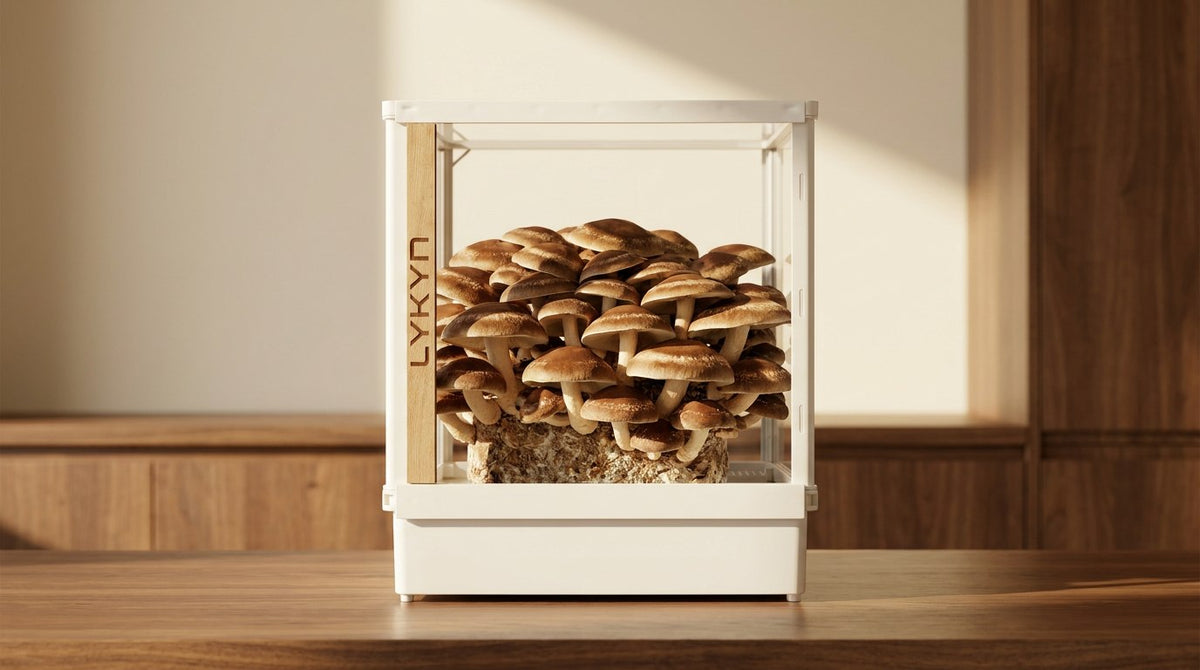
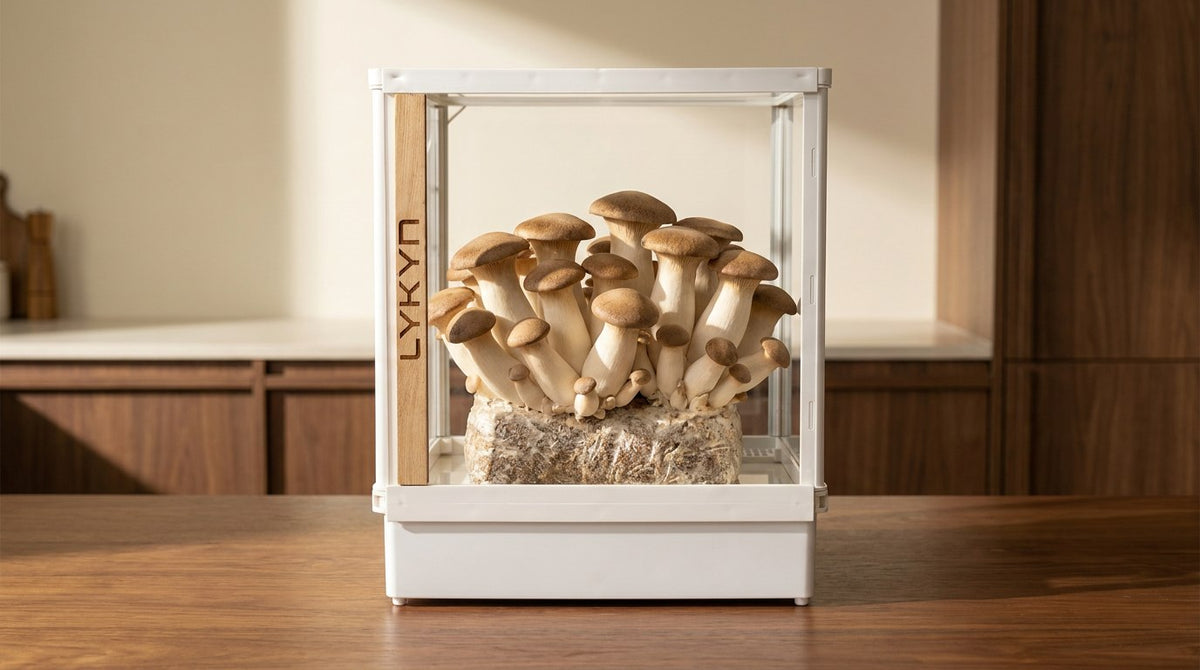
Smart Pilz-Zuchtkammer
Plug-and-Play Smart-Kammer mit Luftfeuchtigkeit, Licht und Luftstrom, abgestimmt auf jede Spezies. Anfänger ernten ihre erste Welle in Tagen, nicht Monaten.
In den Warenkorb $299Protein-Beilagen
Dieses Gericht passt gut zu:
- In der Pfanne gebratene Hähnchenbrust, in Scheiben geschnitten
- Knuspriger Pancetta oder Speck (zu Beginn anbraten, Pilze im Fett braten)
- Wurstfleisch (vor den Pilzen zerbröseln und anbraten)
- Cannellini-Bohnen oder Kichererbsen für einen vegetarischen Proteinschub
- In der Pfanne gebratene Garnelen, in den letzten 2 Minuten hinzugefügt
Extra-Grün-Version
Zusätzlich zum Spinat 1 Tasse Erbsen und 1 Tasse Rucola hinzufügen. Der Rucola sorgt für eine pfeffrige Frische. Tiefkühlerbsen können direkt hinzugefügt werden, ohne Auftauen.
Pilz-Alfredo-Stil
Doppelte Sahne, doppelter Parmesan, auf den Wein verzichten. Fettuccine verwenden. Eine Prise Muskatnuss hinzufügen. Es ist reichhaltiger, aber an einem kalten Abend unschlagbar.
Häufige Fehler
- Matschige Pilze. In einer weiten Pfanne in einer einzigen Schicht braten, die ersten Minuten nicht umrühren und erst nach dem Bräunen salzen.
- Wässriger Spinat. Ganz am Ende hinzufügen und nur 2 Minuten welken lassen. Überkochter Spinat gibt Wasser in die Soße ab.
- Abgetropfte Pasta auf einen Teller geben, dann Soße hinzufügen. Die Stärke auf der Pastaoberfläche trocknet sofort aus. Sie verlieren das seidige Finish.
- Auf das Pastawasser verzichten. Leitungswasser hat nicht die gleiche Stärke und Salz. Immer eine Tasse aufheben.
- Soße zu dick. Pasta nimmt Soße auf, wenn sie steht. Machen Sie die Soße beim Anrichten etwas flüssiger, als Sie denken.
Vorbereitung und Reste
Dieses Gericht schmeckt am besten frisch, überlebt aber eine Nacht im Kühlschrank. In einem verschlossenen Behälter 3 Tage aufbewahren. In einer Pfanne mit einem großzügigen Schuss Milch oder Pastawasser (normales Wasser geht im Notfall auch) bei mittlerer Hitze unter ständigem Rühren aufwärmen. Sahnesaucen neigen dazu, beim Kühlen zu stark anzudicken, daher müssen Sie sie lockern.
Die Frage der Pilzfrische
Pastagerichte zeigen den Unterschied zwischen frischen und nicht so frischen Pilzen deutlich. Pilze, die einige Tage im Kühlschrank verbracht haben, geben mehr Wasser ab und haben einen faderen Geschmack. Die schmackhafteste Version dieses Gerichts verwendet Pilze, die innerhalb von ein oder zwei Tagen geerntet wurden, was am einfachsten durch den Eigenanbau zu Hause erreicht wird. Pilzzucht-Sets sind genau für diesen Anwendungsfall konzipiert: eine stetige Versorgung mit frischen Gourmetpilzen (Austernpilze, Löwenmähne, Shiitake) für die tägliche Küche.
Weinempfehlung
Die cremige Version verlangt einen mittelschweren Weißwein: Chardonnay (leicht holzfassgereift), einen reichhaltigeren Sauvignon Blanc oder einen trockenen Chenin Blanc. Die Tomatenversion passt am besten zu einem leichten Rotwein: Spätburgunder, Chianti oder ein Barbera. Die Olivenölversion harmoniert wunderbar mit knackigen Weißweinen: Vermentino, Pinot Grigio oder ein junger Albariño.
Nährwertangaben
Eine Portion des Masterrezepts hat etwa 510 Kalorien, 18 g Protein, 60 g Kohlenhydrate, 5 g Ballaststoffe, mit erheblichem Eisen und Vitamin K aus dem Spinat. Die veganen und Olivenöl-Versionen reduzieren sich auf etwa 410 bis 450 Kalorien pro Portion.
Dieses Rezept wird wahrscheinlich nach dem ersten Mal, wenn Sie es zubereiten, in Ihre wöchentliche Rotation aufgenommen. Es ist eines jener Gerichte, die leichter zu meistern als zu verderben sind, und der geringe Aufwand, auf das Anbraten der Pilze und das Pastawasser zu achten, macht den Unterschied zwischen gut und unvergesslich aus.

Aktie:
Pilzsojasauce: Was sie ist und wie man sie in der Küche verwendet
Pilzsojasauce: Was sie ist und wie man sie in der Küche verwendet