


Der Riesenschirmling (Macrolepiota procera) ist einer der bekanntesten essbaren Wildpilze in gemäßigten Wäldern. Er überragt oft das umgebende Gras und hat einen Hut, der so breit wie ein Essteller sein kann. Ausgewachsene Exemplare erreichen einen Durchmesser von 25 bis 30 cm an Stielen, die 30 bis 40 cm hoch werden können, was ihn zu einem der wenigen Pilze macht, die man aus einem fahrenden Auto erkennen kann. Das Fleisch ist fest, der Geschmack ist sanft nussig mit einem Hauch von gerösteter Haselnuss, und ein einzelner Hut ist groß genug, um paniert und wie ein Schnitzel in der Pfanne gebraten zu werden.
Riesenschirmlinge werden gesammelt, nicht angebaut. Sie bilden eine Mykorrhiza mit dem Bodenökosystem und haben jahrzehntelangen kommerziellen Kultivierungsversuchen widerstanden. Wenn Sie sie essen möchten, müssen Sie lernen, sie in der Natur zu erkennen, und Sie müssen die ähnlichen Pilze kennen, die Menschen ins Krankenhaus gebracht haben. Dieser Leitfaden behandelt beides.

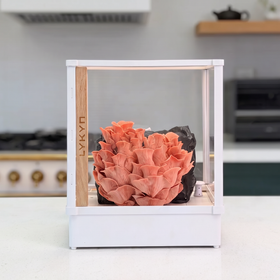
Smart Chamber. Bone White Single
- 2.8L Tank, 90% automatische Luftfeuchtigkeit
- App-gesteuert, Plug-and-Play
- 6-Pfund-Blockdecke, auf Lager

Smart Chamber. Obsidian Black Single
- Gleiche Hardware wie Bone White
- Mattschwarze Premium-Oberfläche
- Passt zu jeder Küchenpalette

Black Oyster Anzucht-Set
- Auf Lager
- Pins in 3-5 Tagen
- Ersetzt 1 Kammerzyklus
Wie man einen Riesenschirmling erkennt
Ausgewachsene Riesenschirmlinge haben fünf zuverlässige Merkmale. Der Hut beginnt eiförmig und öffnet sich flach mit einer kleinen erhabenen Beule (einem Umbo) in der Mitte, wie ein japanischer Sonnenschirm. Die Oberfläche ist mit groben braunen Schuppen bedeckt, die in einem ungefähr konzentrischen Muster auf einem cremefarbenen Hintergrund angeordnet sind. Die Lamellen darunter sind weiß bis cremefarben und verfärben sich mit dem Alter niemals rosa, braun oder schwarz. Der Stiel ist hoch, schlank und mit einem Schlangenhautmuster aus braunen Schuppen bedeckt. Der Ring um den oberen Stiel ist doppelrandig und kann, sobald der Pilz ausgewachsen ist, frei auf- und abwärts geschoben werden, ein Merkmal, das Sammler als "beweglichen Ring" bezeichnen.
Der Sporenabdruck ist weiß. Wenn man das Fleisch anschneidet, bleibt es weiß oder leicht cremefarben. Wenn Ihr Exemplar rot, orange, gelb oder safranfarben anläuft, hören Sie sofort auf. Sie halten eine andere Art in der Hand, und eine dieser Arten ist giftig.
Die gefährlichen Doppelgänger
Drei ähnliche Pilze teilen den Lebensraum des Riesenschirmlings und verursachen jede Saison echte Vergiftungen. Der erste ist Chlorophyllum molybdites, der grünsporige Riesenschirmling oder "Brechling". Er sieht im jungen Zustand nahezu identisch aus, aber seine Lamellen werden olivgrün, wenn die Sporen reifen, und sein Sporenabdruck ist grün, nicht weiß. Er verursacht innerhalb von 1 bis 3 Stunden schwere Magen-Darm-Beschwerden und ist die am häufigsten gemeldete Pilzvergiftung in Nordamerika.
Der zweite ist Chlorophyllum rhacodes, der Safranschirmling. Der Hut sieht ähnlich aus, aber der Stiel ist glatt (keine Schlangenhautschuppung), und das geschnittene Fleisch verfärbt sich rötlich oder safranfarben. Manche Menschen essen ihn problemlos, aber eine signifikante Minderheit reagiert schlecht, daher behandeln die meisten Pilzführer ihn als ungenießbar.
Die dritte Gruppe sind die tödlichen Lepiota-Arten, darunter Lepiota brunneoincarnata und Lepiota subincarnata. Diese enthalten die gleichen Amatoxine wie Knollenblätterpilze und können tödlich sein. Sie sind viel kleiner als Riesenschirmlinge (Hüte unter 5 cm), aber ein Anfänger kann einen jungen Riesenschirmling für einen dieser Pilze halten. Die Größenregel ist einfach: Wenn Ihr Pilz einen Hut hat, der kleiner als 10 cm im Durchmesser ist, lassen Sie ihn stehen. Echte Riesenschirmlinge sind groß.
Wo und wann man sie findet
Riesenschirmlinge bevorzugen grasbewachsene Ränder von Laub- und Mischwäldern, alte Weiden, Hecken und die sonnige Seite von Waldwegen. Sie mögen nährstoffarme Böden und gute Drainage, weshalb sie oft an Orten auftauchen, an denen einst Schafe oder Rinder weideten. In Europa dauert die Saison von August bis Oktober. In Nordamerika findet man sie vom Spätsommer bis zum ersten Frost.
Sie neigen dazu, in verstreuten Gruppen statt in dichten Clustern zu fruchten, manchmal bilden sie raue Bögen (Fragmente eines Hexenrings). Wenn Sie einen produktiven Ort gefunden haben, markieren Sie ihn. Riesenschirmlinge kehren Jahr für Jahr an denselben Ort zurück, solange sich der Lebensraum nicht ändert.

Befeuer Dein Pilzabenteuer
Smarte Pilzzuchtkammer
Plug-and-Play-Smart-Kammer mit optimaler Luftfeuchtigkeit, Licht und Luftstrom für jede Art. Anfänger ernten ihren ersten Flush in Tagen, nicht Monaten.
In den Warenkorb $299Essbarkeit, Geschmack und Zubereitung
Nur die Hüte werden gegessen. Ausgewachsene Riesenschirmling-Stiele sind zäh und faserig, und die meisten Sammler schneiden sie bündig an der Lamellenlinie ab. Das Hutfleisch ist fest genug, um hohen Temperaturen standzuhalten, ohne zusammenzufallen, was Riesenschirmlinge in europäischen Küchen so beliebt macht.
Die klassische Zubereitung ist paniert und in der Pfanne gebraten: Den Hut in Mehl wenden, in geschlagenem Ei tauchen, in Paniermehl wälzen und in Butter goldbraun braten. So zubereitet schmeckt ein Riesenschirmling-Hut wie ein dünnes, würziges Schnitzel mit einem zarten Waldgeschmack. Andere gute Zubereitungen sind das Grillen über Hartholzkohlen, das Füllen mit Käse und Kräutern oder das dünne Schneiden in eine cremige Nudelsauce. Der Geschmack ist mild und passt besser zu Butter, Sahne und Kräutern als zu starken Gewürzen, die ihn überdecken würden.
Riesenschirmlinge gründlich kochen. Wie die meisten Wildpilze sollten sie niemals roh gegessen werden. Ziel ist eine Innentemperatur von mindestens 70 °C, und entsorgen Sie jedes Exemplar, das durchnässt, schleimig aussieht oder von Insekten angefressen wurde.
Sammeltipps für Anfänger
Drei Gewohnheiten schützen Sie. Erstens: Sammeln Sie nur vollreife Riesenschirmlinge, bei denen der Hut geöffnet und der Ring beweglich ist, sodass alle Erkennungsmerkmale sichtbar sind. Zweitens: Machen Sie zu Hause einen Sporenabdruck, bevor Sie kochen: Legen Sie den Hut mit den Lamellen nach unten für ein paar Stunden auf weißes Papier und vergewissern Sie sich, dass der Abdruck weiß und nicht grün ist. Drittens: Im Zweifelsfall wegwerfen. Es gibt keine seltenen oder besonderen Riesenschirmlinge, die einen Krankenhausaufenthalt wert wären.
Tragen Sie Ihre Funde in einem Korb oder einer Papiertüte, damit die Sporen beim Gehen abfallen und die Kolonie sich verbreiten kann. Schneiden Sie Blätter und Schmutz im Feld ab und prüfen Sie jeden Hut auf Insektenschäden, bevor Sie ihn einpacken.
Kann man Riesenschirmlinge zu Hause anbauen?
Praktisch gesehen, nein. Macrolepiota procera hat einen komplexen Lebenszyklus, der an die Ökologie des Bodens im Freien gebunden ist, und den niemand im Innenbereich in kommerziellem Maßstab reproduzieren konnte. Hobbyisten haben gelegentliches Fruchten bei Bodenbett-Experimenten berichtet, aber die Erfolgsrate ist zu gering, um es zu empfehlen.
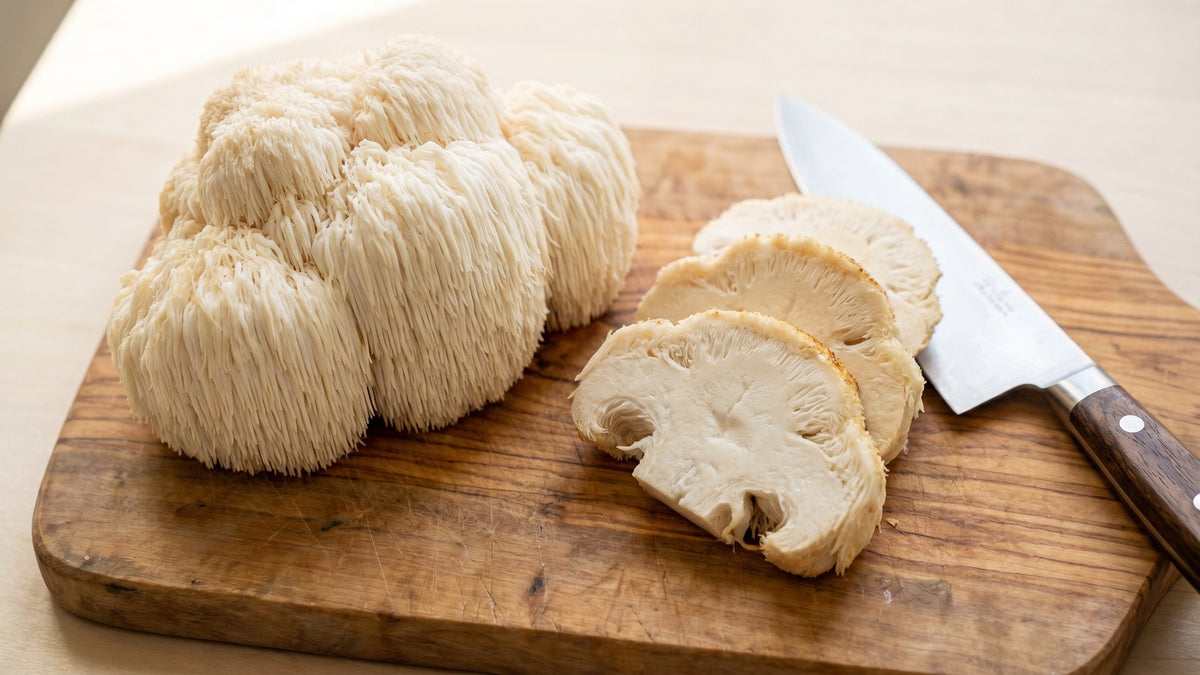
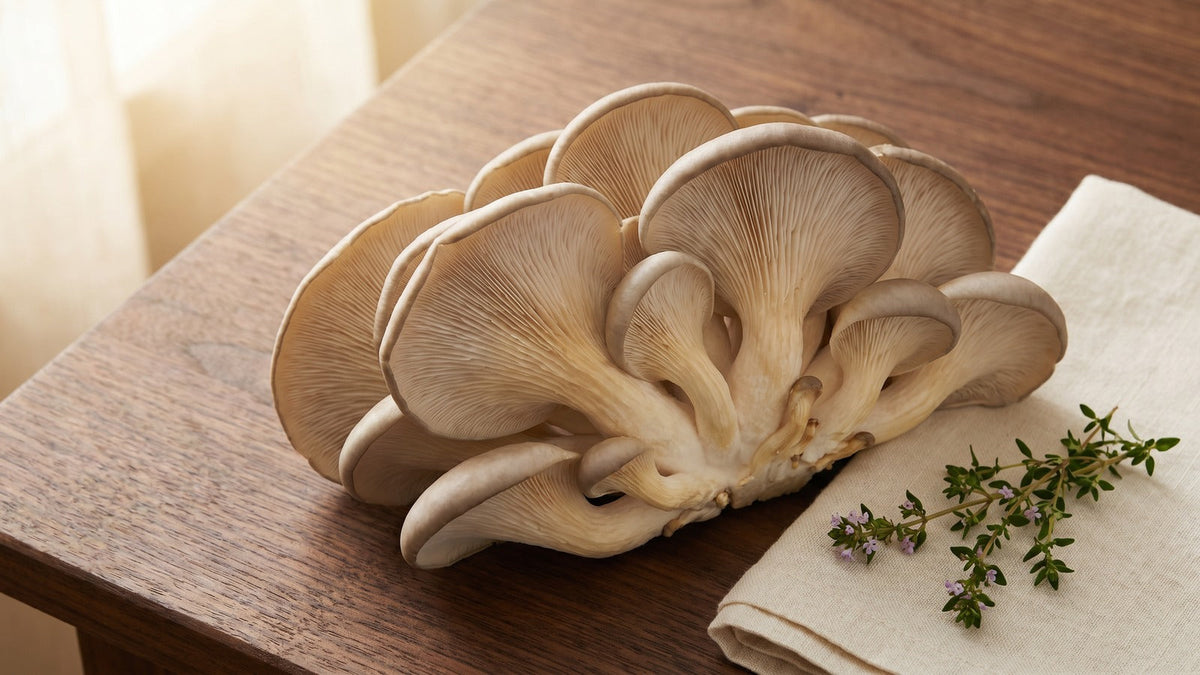
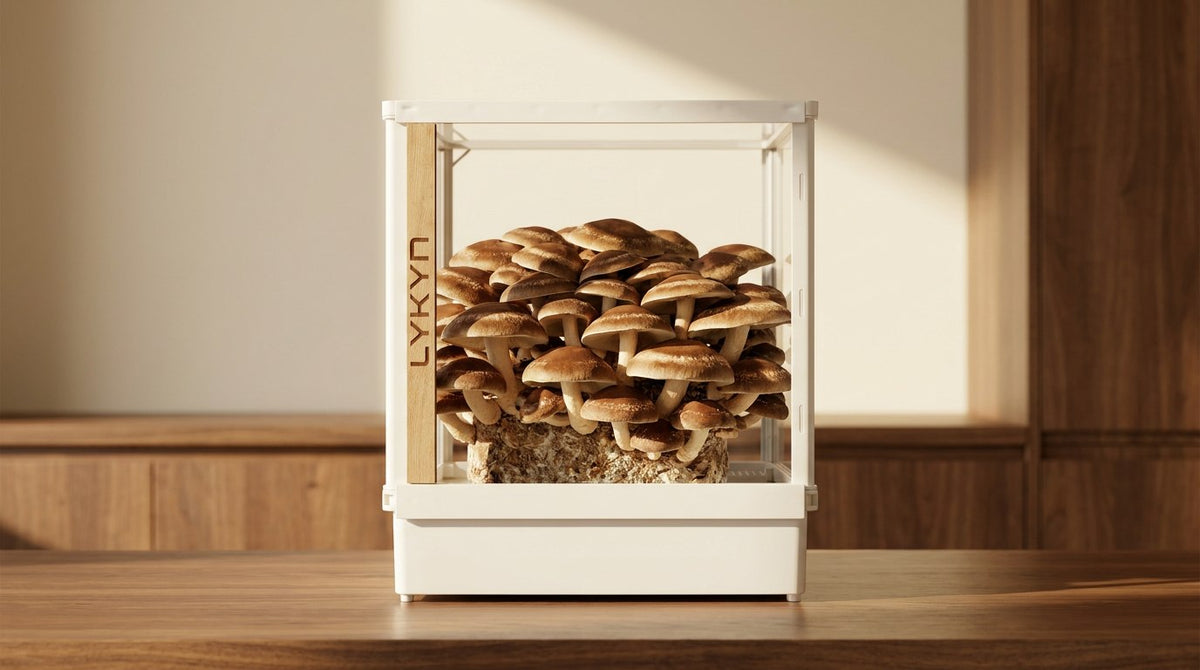
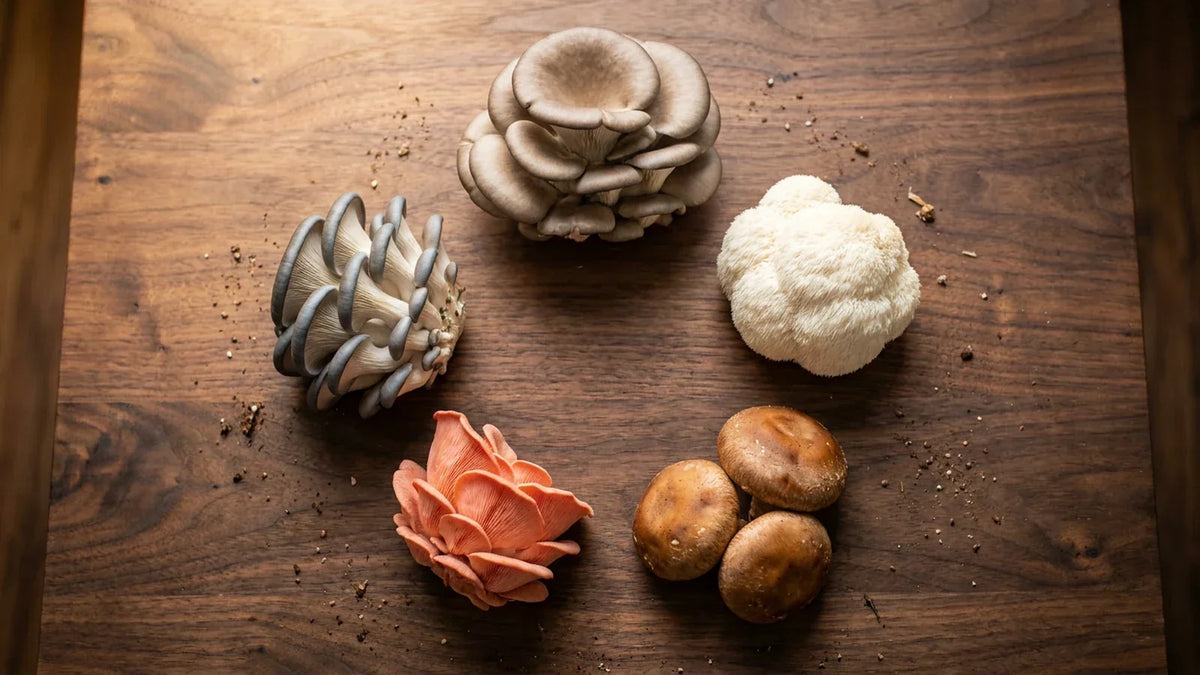
Wenn Sie die Erfahrung lieben, Ihre eigenen Gourmetpilze anzubauen, aber eine Art wünschen, die tatsächlich zu Hause funktioniert, schauen Sie sich Austernpilze, Shiitake und Igelstachelbart an. Sie sind alle auf vorbereitetem Substrat kultivierbar und alle als gebrauchsfertige Pilzzuchtsets mit vorhersehbaren Erträgen und Erntefenstern erhältlich. Riesenschirmlinge bleiben auf der Sammelliste, wo sie hingehören.
Das Fazit zu Riesenschirmlingen
Nur wenige Wildpilze belohnen einen vorsichtigen Sammler so gut wie ein vollreifer Riesenschirmling. Ein 25 cm großer, in Butter gebratener Hut ist ein Referenzgericht, das man in keinem Geschäft kaufen kann. Aber die Art steht neben Doppelgängern, die von "ruiniert Ihren Abend" bis "ruiniert Ihre Leber" reichen, daher sind die Regeln wichtig. Großer Hut, Schlangenhautstiel, beweglicher Ring, weißer Sporenabdruck, weiß bleibendes Fleisch: alle fünf Merkmale, sonst kommt er nicht in die Pfanne. Sobald Sie die Identifizierung mit einem erfahrenen Sammler ein paar Mal gemeistert haben, werden Riesenschirmlinge zu einer der zuverlässigsten Herbstmahlzeiten, die ein Mischwald Ihnen bieten wird.


Aktie:
Schopftintling: Identifizierung, Sammeln und Zubereiten
Schopftintling: Identifizierung, Sammeln und Zubereiten