


Kurzantwort: Der Schuppige Porling (Cerioporus squamosus) ist ein essbarer Frühlingspilz, der auf toten oder sterbenden Laubbäumen, insbesondere Ulmen und Ahorn, vorkommt. Er ist an seinem braunen, gefiederten Hut und der weißen Porenunterseite zu erkennen. Am besten erntet man ihn jung (unter 10 cm), und er schmeckt nach einer Mischung aus Gurke und Wassermelonenschale. Die Hauptsammelzeit ist von April bis Juni in Nordamerika.
Was ist ein Schuppiger Porling?
Der Schuppige Porling (engl. Pheasant Back Mushroom, "Fasanenrücken-Pilz") verdankt seinen Namen den schönen braunen und hellbraunen Schuppen auf seinem Hut, die genau wie Fasanenfedern aussehen. Im Ernst, wenn man es einmal gesehen hat, kann man es nicht mehr vergessen.

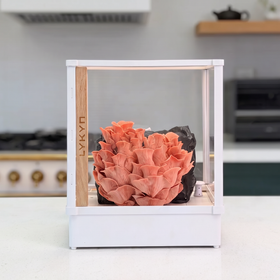
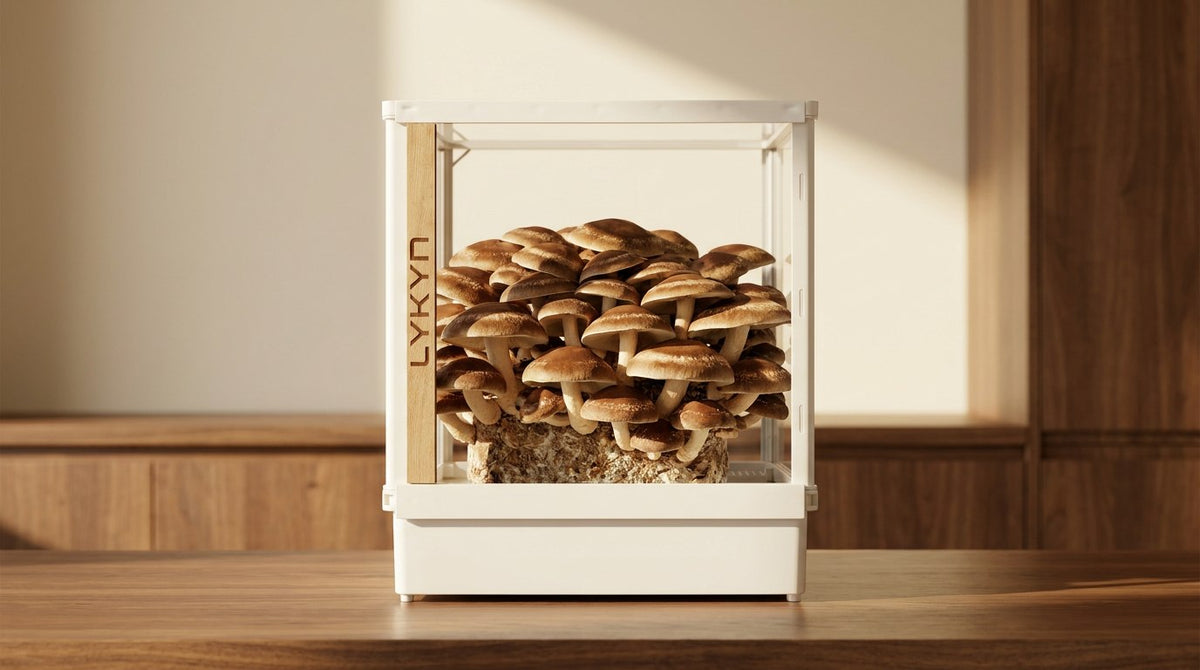
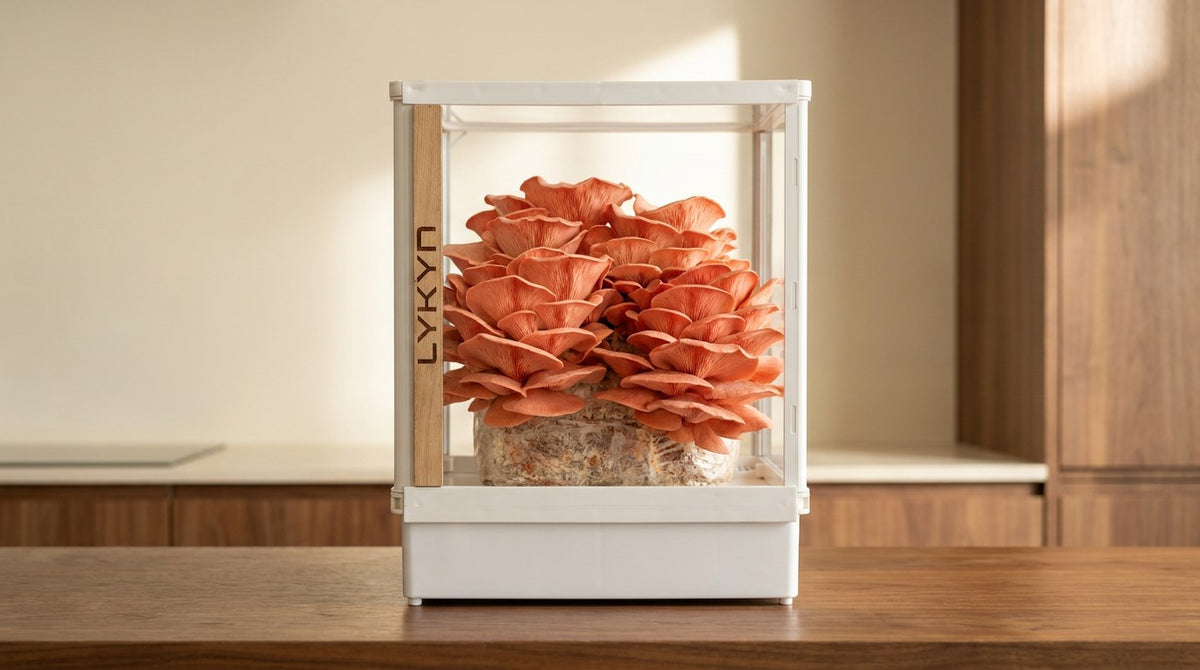
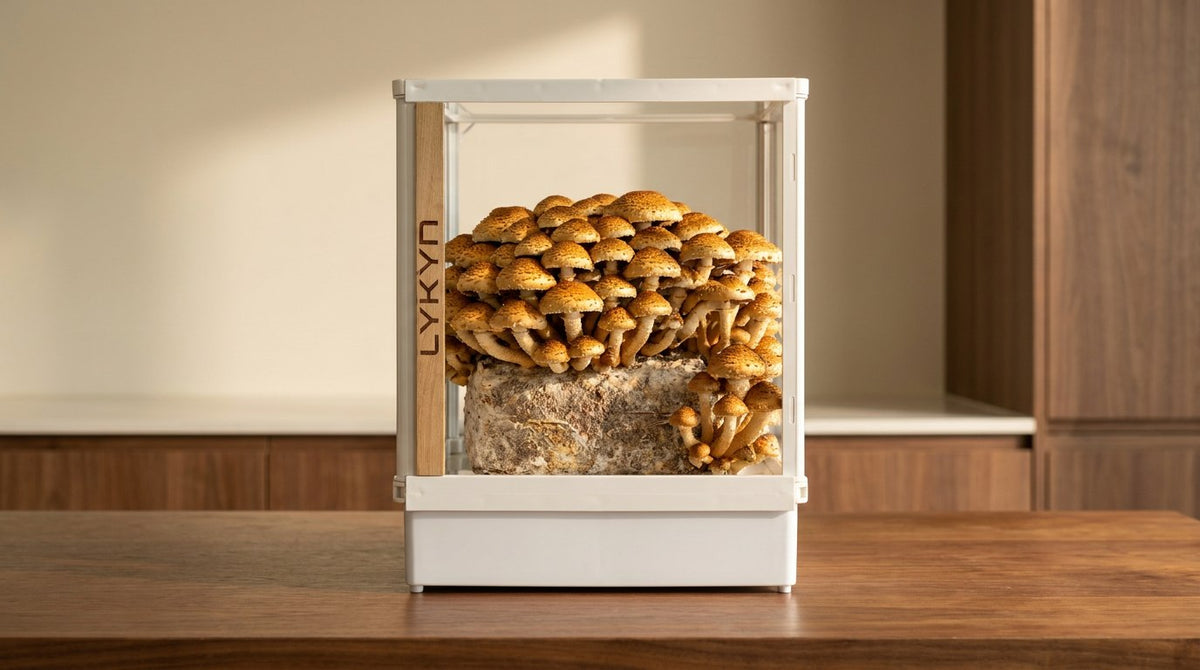
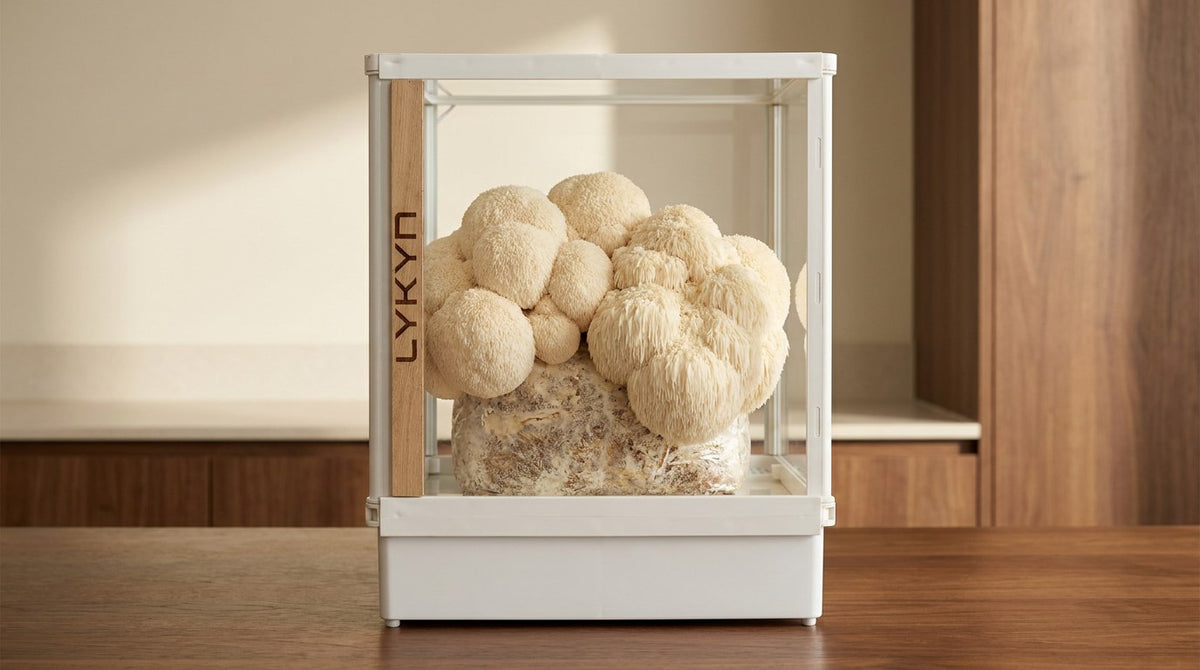
Smart Chamber. Bone White Single
- 2,8L Tank, 90 % automatische Luftfeuchtigkeit
- App-gesteuert, Plug-and-Play
- 2,7 kg Blockdecke, auf Lager

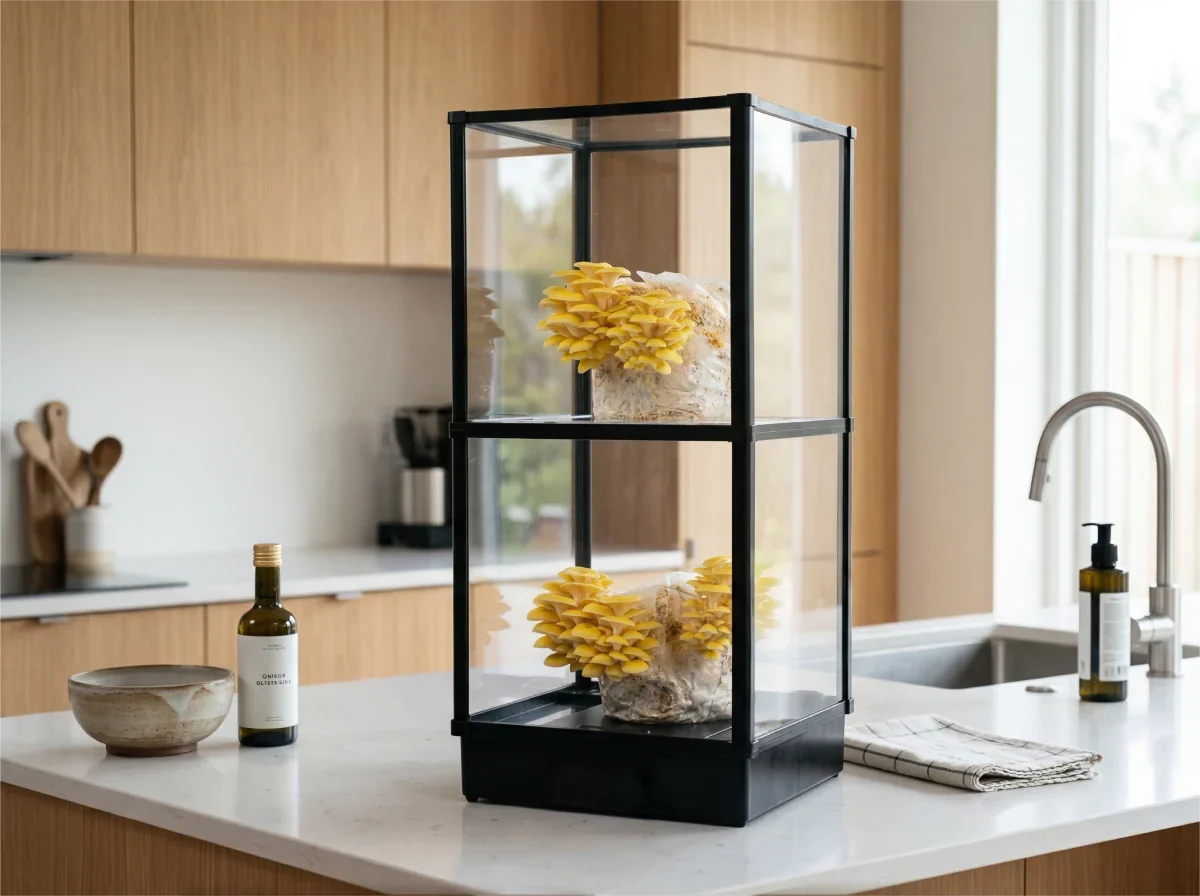
Smart Chamber. Obsidian Black Single
- Gleiche Hardware wie Bone White
- Mattes schwarzes Premium-Finish
- Passt zu jeder Küchenpalette

Black Oyster Grow Kit
- Auf Lager
- Pin in 3-5 Tagen
- Ersetzt 1 Kammerzyklus
Wissenschaftlich bekannt als Cerioporus squamosus (ehemals Polyporus squamosus), wird dieser Konsolenpilz auch als Schuppiger Porling bezeichnet. Der Name "Dryadensattel" stammt aus der griechischen Mythologie, da er angeblich wie ein perfekter kleiner Sitz für Baumnymphen geformt ist. Ich persönlich finde "Fasanenrücken" nützlicher, da das Federmuster Ihr bestes Identifikationsmerkmal ist.
Wichtige Bestimmungsmerkmale
Darauf sollten Sie achten, wenn Sie im Wald unterwegs sind:
| Merkmal | Beschreibung |
|---|---|
| Hutgröße | 2-12 Zoll Durchmesser (unter 4 Zoll ernten) |
| Hutmuster | Braune/beige Schuppen in konzentrischen Ringen |
| Unterseite | Weiße bis cremefarbene Poren (keine Lamellen!) |
| Stiel | Kurz, dick, außermittig, an der Basis schwarz |
| Geruch | Markanter Geruch nach Wassermelonenschale oder Gurke |
| Sporenabdruck | Weiß |
Der Geruchstest ist tatsächlich mein liebster Bestimmungstrick. Frische Schuppige Porlinge haben dieses unverwechselbare Gurken-Wassermelonen-Aroma. Wenn Sie diesen Geruch nicht wahrnehmen, überprüfen Sie Ihre Bestimmung noch einmal.

Wo und wann findet man Schuppige Porlinge?
Beste Sammelzeit
Schuppige Porlinge fruchten in den meisten Teilen Nordamerikas hauptsächlich von April bis Juni. Sie gehören zu den ersten essbaren Pilzen, die im Frühling erscheinen, und sind daher perfekt für Anfänger, die die Sammelsaison beginnen möchten.
Im Süden der Vereinigten Staaten können sie bereits im März erscheinen. Nördlichere Regionen können sie bis in den Juli hinein finden. Gelegentlich produzieren sie im Herbst einen zweiten Wachstumsschub, wenn die Bedingungen stimmen: viel Regen, gefolgt von warmen Tagen.
Beste Standorte für die Suche
- Tote oder absterbende Laubbäume (insbesondere Ulme, Ahorn und Eschenahorn)
- Umgestürzte Baumstämme in bewaldeten Gebieten
- Stehende tote Bäume (Totholz) in Wäldern und Parks
- Städtische Gebiete mit alten Bäumen, Parkplätzen, Parks, sogar Straßenbäumen
- Entlang von Flussufern und in Überschwemmungsgebieten
Ich habe ehrlich gesagt einige meiner besten Exemplare in Stadtparks gefunden. Ulmen, die von der Holländischen Ulmenkrankheit befallen sind, sind Magneten für Schuppige Porlinge. Übersehen Sie Ihre lokalen Grünflächen nicht.
Für umfassendere Informationen zu saisonalen Zeitpunkten und Standortsuche, lesen Sie unseren Pilzsammelführer 2025, der die besten Sammelorte in Nordamerika abdeckt.

So ernten Sie Schuppige Porlinge richtig
Die goldene Regel: Jung ernten
Das ist die Sache, die Anfängern niemand sagt: Die Größe ist bei Schuppigen Porlingen wichtiger als alles andere.
Junge Exemplare (unter 10 cm Durchmesser) sind zart und köstlich. Größere werden schneller zäh und holzig, als man denkt. Ich habe wunderschöne, tellerförmige Exemplare gesehen, die fantastisch aussahen, aber wie Schuhleder zu kauen waren.
Schritt-für-Schritt-Ernteprozess
- Bestätigen Sie die Identifikation anhand des Hutmusters, der Poren, des Geruchstests und des Lebensraums
- Überprüfen Sie die Ränder, sie sollten weich und biegsam sein, nicht getrocknet oder eingerollt
- Drücken Sie auf den Hut, junge fühlen sich leicht federnd an, alte fühlen sich hart an
- Am Stielansatz abschneiden mit einem scharfen Messer (nicht abreißen)
- Auf Insekten überprüfen, ältere Exemplare haben oft Larventunnel
- In einem Netzbeutel transportieren, um die Sporenverbreitung während des Gehens zu ermöglichen
Wenn Sie das Sammeln ernst meinen, ist die Arbeit in einer sterilen Umgebung wichtig, wenn Sie Ihre Ernte nach Hause bringen. Eine Still Air Box ist nicht nur für die Zucht nützlich, sondern auch unglaublich praktisch für die saubere Verarbeitung und sogar das Speichern von Sporenabdrücken von Wildexemplaren.
Sichere Identifikation: Vermeidung von Doppelgängern
Gute Nachrichten: Schuppige Porlinge haben keine gefährlichen Doppelgänger. Deshalb gelten sie als ausgezeichnete Anfängerpilze.
Vergleich ähnlicher Arten
| Art | Hauptunterschied |
|---|---|
| Schwarzer Schwammporling | Schwärzt bei Druck |
| Berkleys Porling | Größer, wächst in Rosetten, keine Schuppen |
| Krause Glucke | Andere Textur, Herbstsaison, keine Schuppen |
Das federartige Schuppenmuster ist wirklich einzigartig. Wenn Sie diese markanten braunen Markierungen in konzentrischen Kreisen auf einem cremefarbenen Hintergrund sehen, haben Sie einen Schuppigen Porling.
Dreifach-Check-Methode
Überprüfen Sie immer diese drei Merkmale zusammen:
- ✓ Geschuppter Hut mit Fasanenfedermuster
- ✓ Weiße/cremefarbene Poren darunter (nie Lamellen)
- ✓ Geruch nach Gurke oder Wassermelonenschale
Kein einzelnes Merkmal ist ausreichend. Verwenden Sie immer alle drei.
Wie man Schuppige Porlinge kocht
Geschmacksprofil und Textur
Frische Schuppige Porlinge schmecken leicht erdig mit Noten von Gurke und Wassermelonenschale. Die Textur variiert stark je nach Alter und Kochmethode.
- Junge Hüte: zart, leicht zitronig
- Randbeschnitt von größeren Exemplaren: noch verwendbar, benötigt aber längere Kochzeit
- Ältere Exemplare: am besten getrocknet und zu Pulver für Gewürze vermahlen
Beste Kochmethoden
Anbraten (Meine bevorzugte Methode)
Junge Hüte in 0,5 cm dicke Streifen schneiden. In Butter bei mittlerer bis hoher Hitze 6-8 Minuten braten, bis die Ränder leicht knusprig sind. Mit Salz, Pfeffer und einem Spritzer Zitrone würzen. Fertig.
Panieren und Braten
Die feste Textur hält dem Panieren wunderbar stand. In Scheiben schneiden, in Eierwasch tauchen, in gewürztem Mehl oder Paniermehl wenden und in der Pfanne goldbraun braten. Diese sind wirklich gut, denken Sie an Pilzschnitzel.

Befeuern Sie Ihre Pilzreise
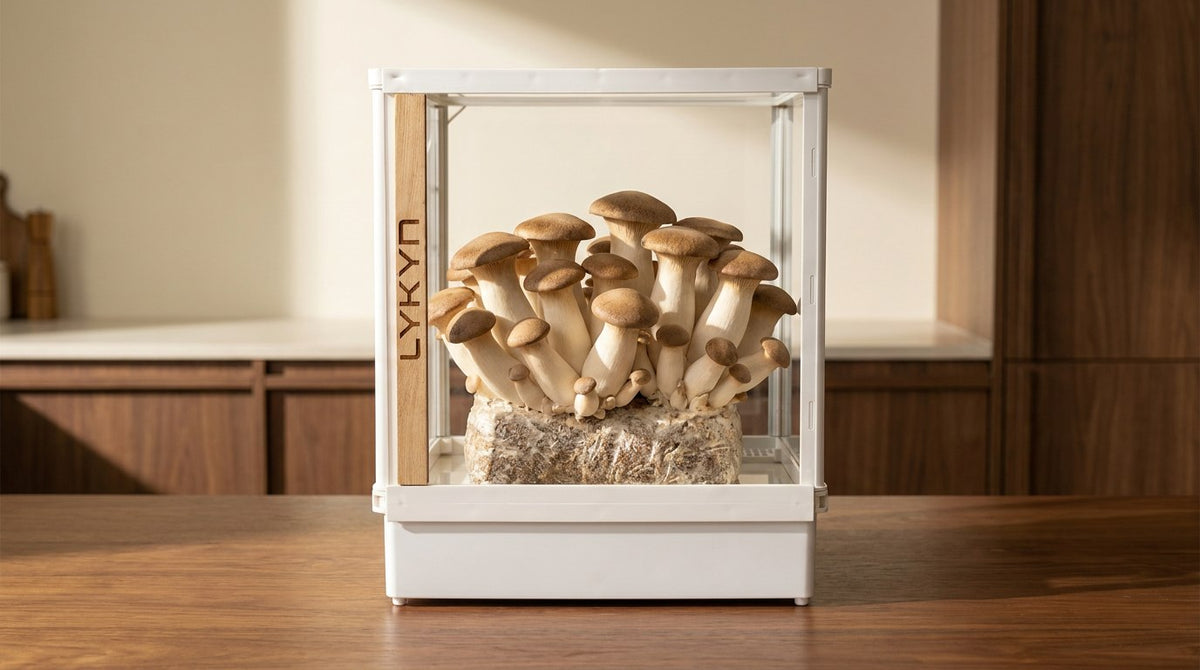
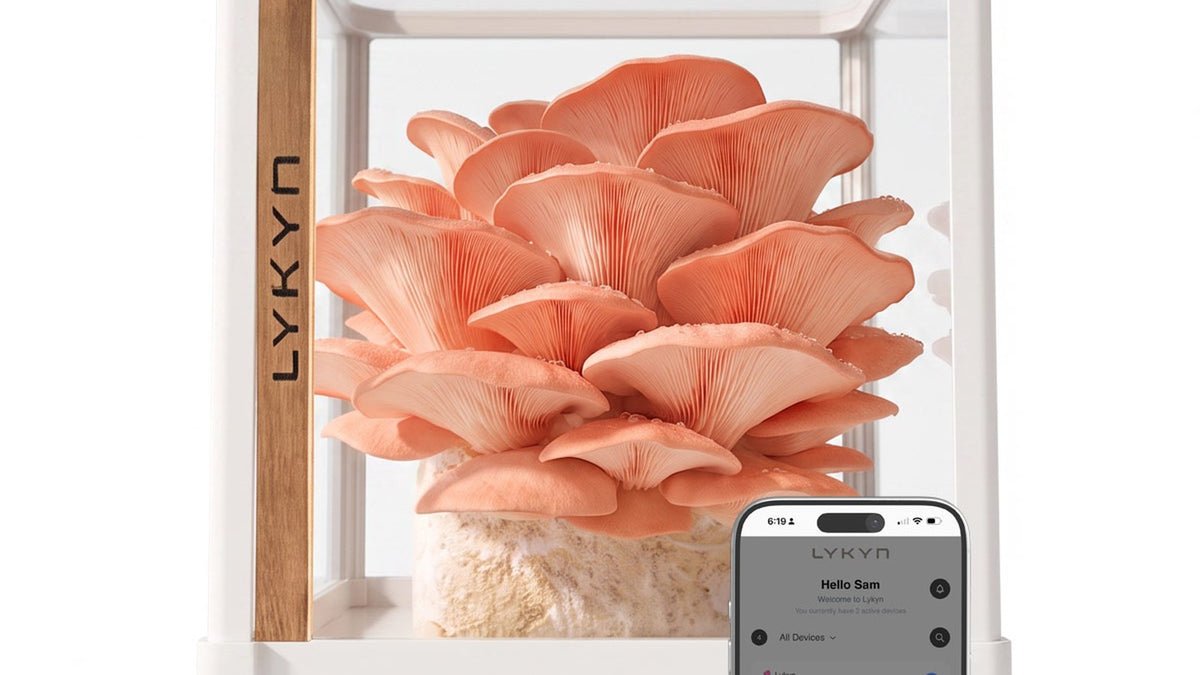
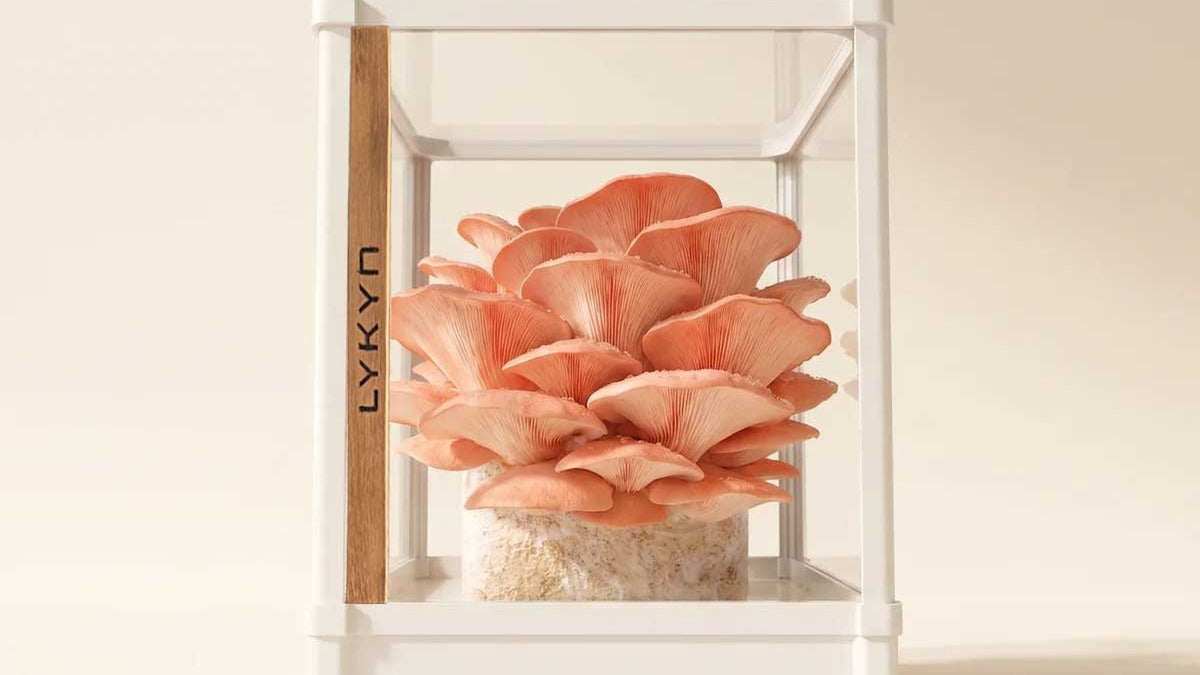
Intelligente Pilzzuchtkammer
Plug-and-Play Smart Chamber mit Feuchtigkeit, Licht und Luftstrom, abgestimmt auf jede Art. Anfänger ernten ihre erste Spülung in Tagen, nicht Monaten.
In den Warenkorb $299Zum späteren Gebrauch dehydrieren
Dünn (1/8 Zoll) schneiden und bei 125°F (52°C) 8-10 Stunden lang dehydrieren. Vor dem Kochen 30 Minuten in warmem Wasser rehydrieren oder zu Pulver für Suppen und Saucen vermahlen.

Schuppige Porlinge zu Hause züchten
Während Schuppige Porlinge traditionell gesammelt werden, ist der Anbau durchaus möglich, er erfordert jedoch Geduld.
Grundlagen der Kultivierung
Schuppige Porlinge sind saprotroph, das heißt, sie zersetzen Totholz. Für den Hausanbau werden typischerweise verwendet:
- Hartholzstämme (Ulme, Ahorn, Eiche)
- Dübel- oder Sägemehlbrut
- Standorte im Schatten im Freien
- 1-2 Jahre Kolonisierungszeit vor der Fruchtbildung
Wenn Sie sich für den Pilzanbau interessieren, hilft Ihnen der Start mit schneller wachsenden Arten, die Grundlagen zu erlernen. Unser Smart Mushroom Grow Kit bietet praktische Erfahrungen mit Anbautechniken, die für alle Arten gelten.
Für die Inokulationspraxis mit Flüssigkulturen beginnen viele Züchter mit zuverlässigen Produzenten wie der Blauen Austernpilz-Flüssigkultur, bevor sie sich an anspruchsvollere Arten wagen.
Nutzen und Forschung
Schuppige Porlinge enthalten bemerkenswerte Nährstoffe:
- Protein: 2,5g pro 100g Frischgewicht
- Ballaststoffe: Bedeutender Chitingehalt, der die Darmgesundheit unterstützt
- Mineralien: Kalium, Phosphor, Selen
- Vitamine: B-Komplex-Vitamine, insbesondere Niacin und Riboflavin
Eine im International Journal of Medicinal Mushrooms (2024) veröffentlichte Studie deutet darauf hin, dass Cerioporus squamosus antioxidative Verbindungen enthält, obwohl weitere Humanstudien erforderlich sind. Dieser Pilz wird in der traditionellen osteuropäischen Volksmedizin zur Verdauungsunterstützung eingesetzt.
Haftungsausschluss: Nährwertangaben basieren auf der aktuellen Forschung von 2026. Pilze sollten medizinische Behandlungen ergänzen, nicht ersetzen. Konsultieren Sie immer medizinisches Fachpersonal für Gesundheitsberatung.
Häufig gestellte Fragen
Sind Schuppige Porlinge sicher zu essen?
Ja, Schuppige Porlinge gelten als sicher und essbar, wenn sie richtig identifiziert werden. Sie haben keine giftigen Doppelgänger und werden seit Jahrhunderten in Europa und Nordamerika verzehrt. Kochen Sie sie immer gründlich, bevor Sie sie essen, und verzehren Sie niemals wilde Pilze roh.
Wie schmeckt ein Schuppiger Porling?
Frische Schuppige Porlinge haben einen milden, erdigen Geschmack mit deutlichen Noten von Gurke und Wassermelonenschale. Junge Exemplare sind zart mit einem leicht zitronigen Abgang. Der Geschmack intensiviert sich beim Anbraten in Butter und entwickelt herzhafte, umami-ähnliche Qualitäten, ähnlich wie andere Gourmetpilze.
Wann ist die beste Zeit, um Schuppige Porlinge zu finden?
Die Hauptsaison für Schuppige Porlinge ist von April bis Juni in den meisten Teilen Nordamerikas. Sie gehören zu den ersten essbaren Pilzen, die im Frühling fruchten. In südlichen Regionen können sie bereits im März erscheinen, während sie in nördlichen Gebieten bis in den Juli hinein gefunden werden können. Gelegentlich kommt es im Oktober zu einem Herbstwachstum.
Woran erkennt man, ob ein Schuppiger Porling zu alt zum Verzehr ist?
Überprüfen Sie zuerst die Hutränder, sie sollten weich und biegsam sein, nicht getrocknet oder nach oben gewölbt. Drücken Sie auf die Hutoberfläche; junge Exemplare fühlen sich leicht federnd an, während alte hart und holzig sind. Achten Sie auf Insektenlöcher oder Tunnel, die darauf hinweisen, dass der Pilz von Larven besiedelt wurde. Wenn er größer als 10-12 cm ist, ist möglicherweise nur der zarte äußere Rand verwendbar.
Kann man Schuppige Porlinge zu Hause züchten?
Ja, Schuppige Porlinge können auf Hartholzstämmen mit Dübelbrut oder Sägemehlbrut angebaut werden. Sie kolonisieren jedoch langsamer als Arten wie Austernpilze und benötigen typischerweise 1-2 Jahre, bevor sie zum ersten Mal fruchten. Die meisten Sammler ziehen es vor, wilde Exemplare im Frühling zu ernten, anstatt sie anzubauen.
Wo wachsen Schuppige Porlinge?
Schuppige Porlinge wachsen auf toten oder sterbenden Laubbäumen, insbesondere Ulmen, Ahorn und Eschenahorn. Sie sind in ganz Nordamerika, Europa und Teilen Asiens zu finden. Suchen Sie in Wäldern auf umgestürzten Stämmen, an stehenden toten Bäumen, in Stadtparks und in Gebieten mit alten Laubbäumen, insbesondere solchen, die von der Holländischen Ulmenkrankheit betroffen sind.
Wie lagert man Schuppige Porlinge?
Frische Schuppige Porlinge in einer Papiertüte im Kühlschrank 5-7 Tage aufbewahren. Zur längeren Lagerung dünn (1/8 Zoll) schneiden und bei 52°C (125°F) 8-10 Stunden lang dehydrieren. Getrocknete Schuppige Porlinge halten sich in luftdichten Behältern fern von Licht 6-12 Monate. Gekochte Exemplare können auch bis zu 3 Monate eingefroren werden.
Fazit: Ihr Aktionsplan für die Schuppige Porlingsuche
Schuppige Porlinge sind eine der lohnenswertesten Arten für Frühlingssammler. Hier ist, woran Sie sich erinnern sollten:
Wichtige Erkenntnisse:
- Achten Sie auf das charakteristische braune Feder-Schuppenmuster und die weiße Porenunterseite
- Ernten Sie junge Exemplare (unter 10 cm) für beste Textur und Geschmack
- Verwenden Sie immer die Dreifach-Check-Methode: Muster, Poren und Gurkengeruch
- Die Hauptsaison ist von April bis Juni auf toten Harthölzern, insbesondere Ulmen
- Junge Hüte lassen sich wunderbar anbraten; ältere Exemplare eignen sich am besten getrocknet und pulverisiert
Diesen Frühling solltest du rausgehen und jeden abgestorbenen Baum anders betrachten. Schuppige Porlinge warten in Parks, Wäldern und sogar städtischen Gebieten in ganz Nordamerika.
Bereit, deine Pilzreise zu erweitern?
Egal, ob du Wildpilze sammelst oder selbst züchtest, die richtige Ausrüstung macht den Unterschied.
👉 Entdecke unsere Pilzzucht-Werkzeuge und verwandle dein Pilzhobby von einem gelegentlichen Interesse in eine ernsthafte Fertigkeit. Unser Smart Mushroom Grow Kit wird diese Woche verschickt, fang an zu züchten, bevor die Saison der Schuppigen Porlinge endet!

Aktie:
Identifikation oranger Pilze: So erkennen Sie, was Sie gefunden haben
Wie man Pilze jedes Mal perfekt knusprig in der Heißluftfritteuse zubereitet