


Featured Snippet Box:
Most store-bought mushrooms are safe for dogs in small amounts. However, wild mushrooms can be extremely dangerous, even deadly. Approximately 99% of mushroom species are non-toxic, but the 1% that are poisonous can cause liver failure, seizures, or death within hours. When in doubt, keep all mushrooms away from your dog.
Look, I get it. You're probably reading this because your dog just scarfed down something suspicious in the backyard, or maybe you dropped a mushroom while cooking and your pup was faster than your reflexes.

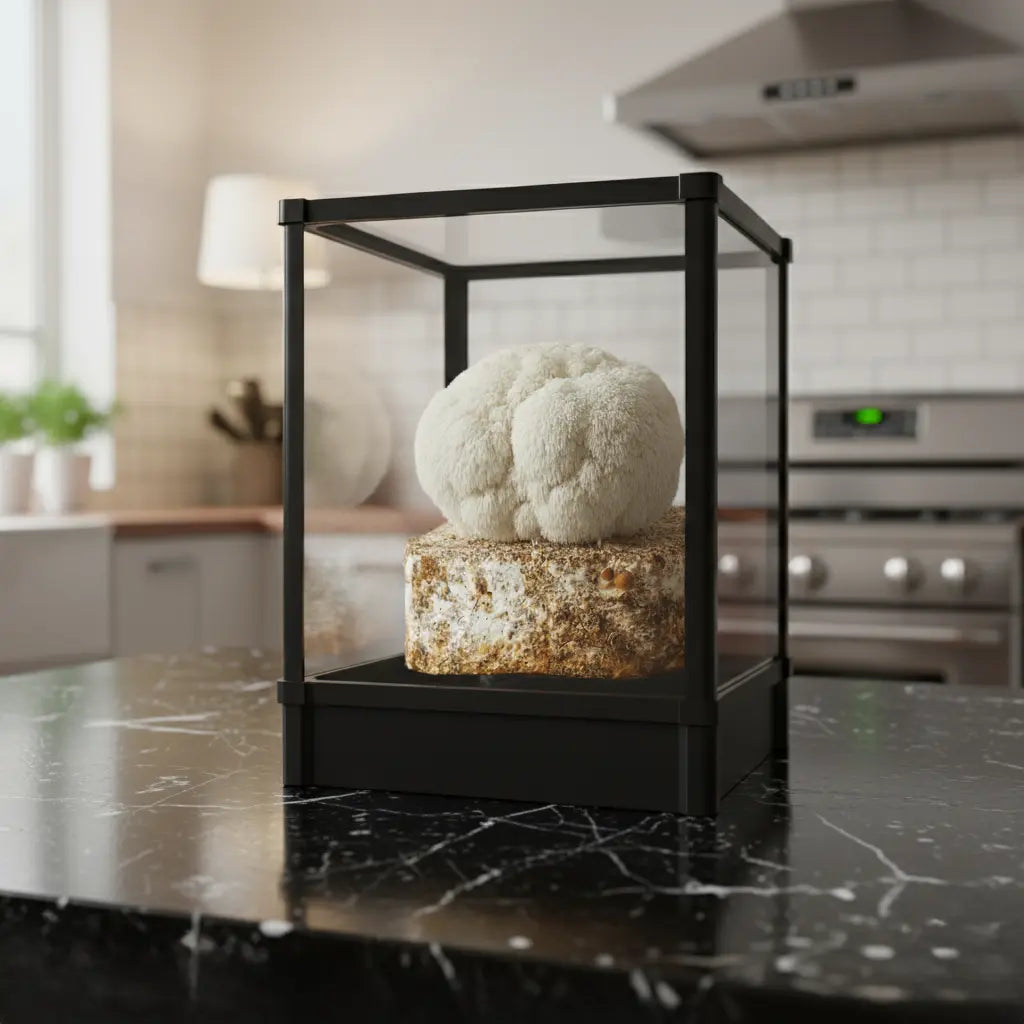
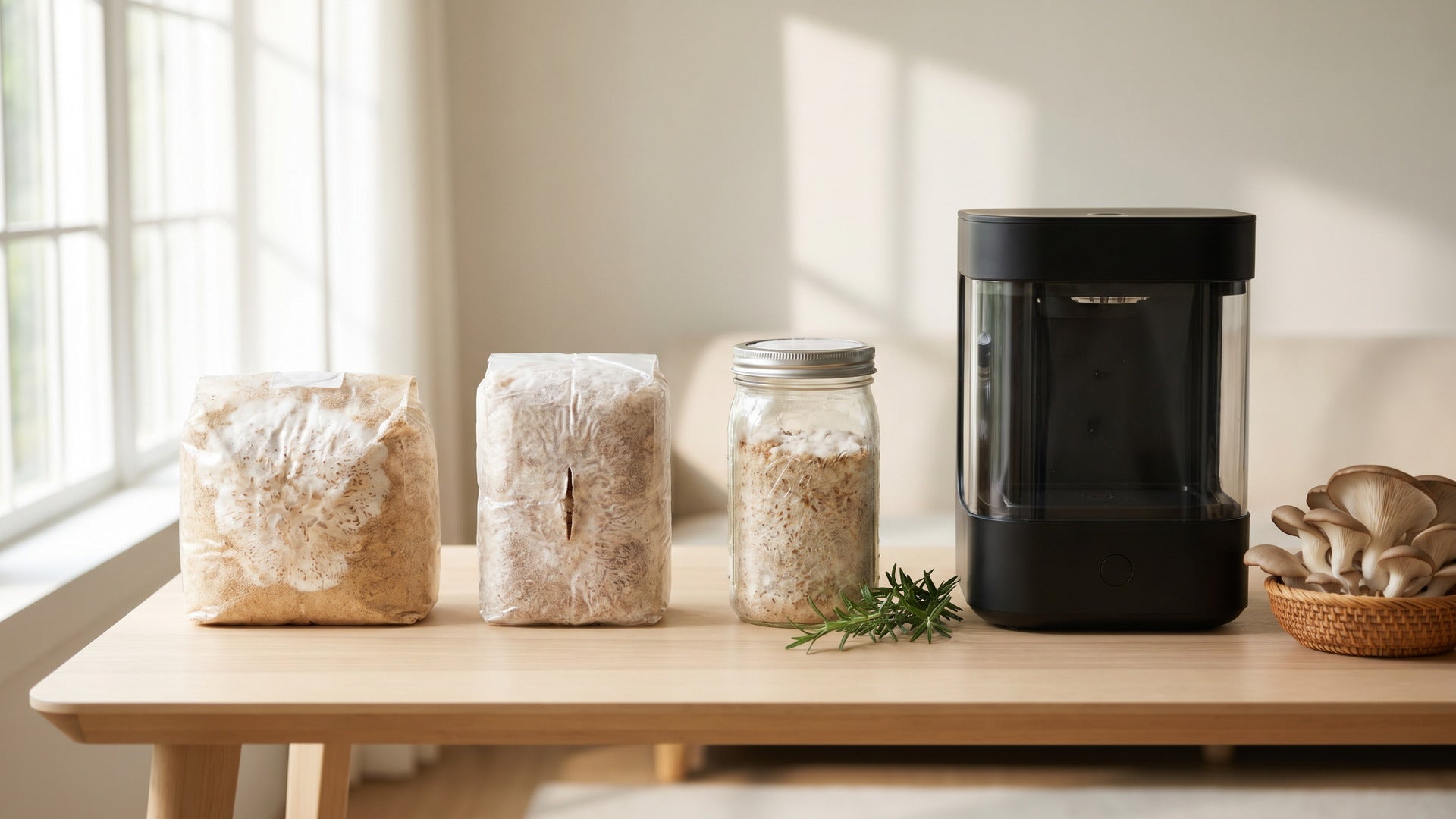
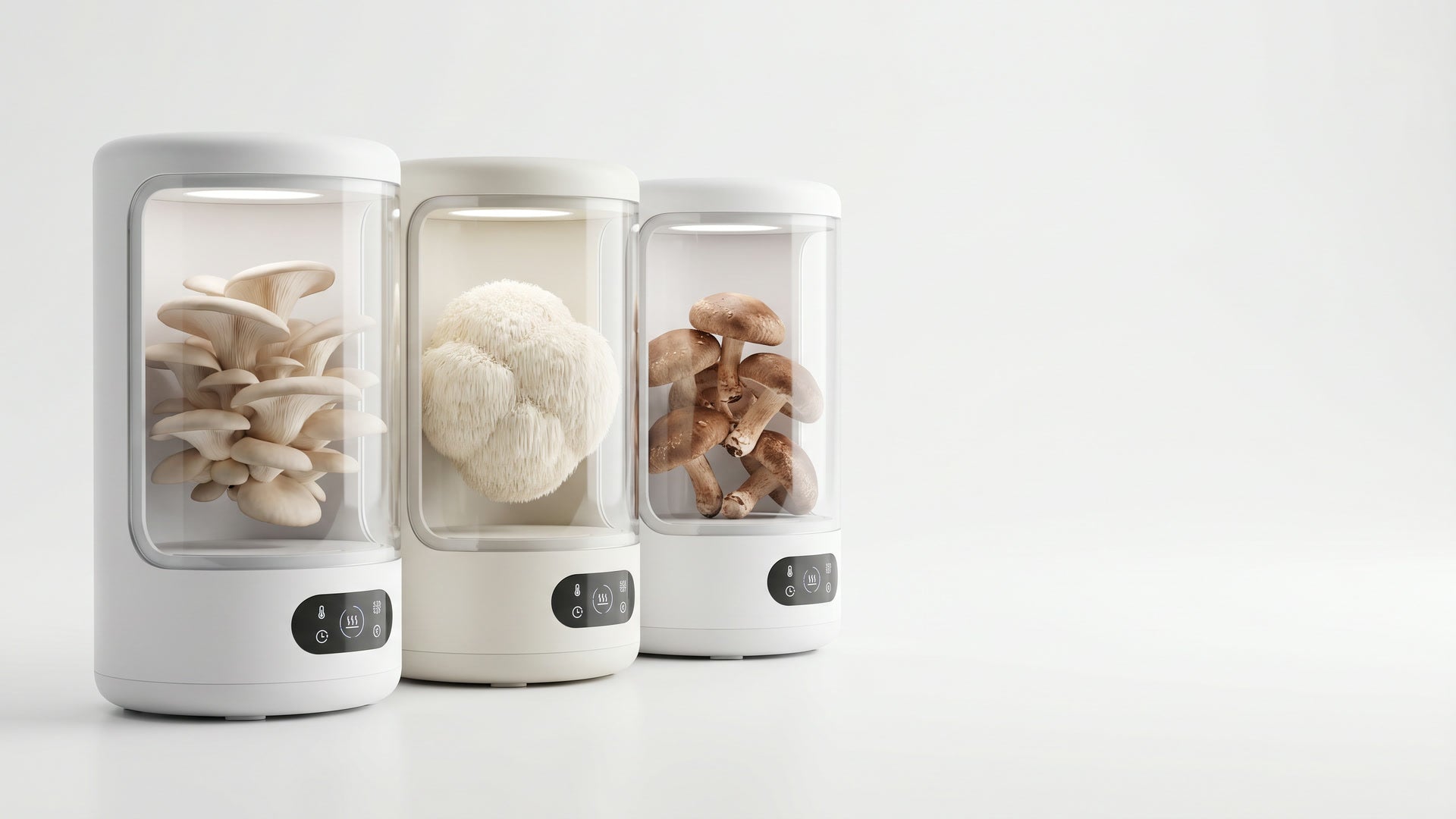
Smart Chamber. Bone White Single
- 2.8L tank, 90% humidity automatic
- App-controlled, plug-and-play
- 6 lb block ceiling, in stock

Smart Chamber. Obsidian Black Single
- Same hardware as Bone White
- Matte black premium finish
- Pairs with any kitchen palette

Either way, you need answers. Fast.
After years of growing gourmet mushrooms and fielding questions from pet owners in our community, I've learned that this topic causes more panic than almost anything else. So let's break it down, no fluff, just the facts you actually need.
The Short Answer: It Depends on the Mushroom
Here's the deal: are mushrooms bad for dogs? Not all of them. But some are absolutely lethal.
Store-bought culinary mushrooms from your grocery store are generally safe for dogs. We're talking about varieties like:
- White button mushrooms
- Cremini mushrooms
- Portobello mushrooms
- Shiitake mushrooms (in moderation)
These common edible mushrooms contain beneficial nutrients including B vitamins, selenium, and antioxidants. A small piece that falls on the floor during dinner prep? Probably fine.
But here's where it gets serious.
Wild mushrooms are a completely different story. According to the ASPCA Animal Poison Control Center, mushroom poisoning in dogs has increased by 28% since 2020, largely due to more people spending time outdoors with their pets. The North American Mycological Association reports that identifying toxic mushrooms requires expert-level knowledge, even experienced foragers make mistakes.
For a deeper dive into specific varieties, check out our guide on Can Dogs Eat Shiitake Mushrooms? Let's Explore! where we cover the nuances of this popular culinary mushroom.
Why Wild Mushrooms Are So Dangerous
Wild mushrooms pose unique risks because toxic species often look nearly identical to safe ones. This is called "look-alike" danger, and it trips up humans and dogs alike.
The most dangerous wild mushrooms for dogs include:
| Mushroom Type | Toxicity Level | Symptoms Onset | Survival Rate Without Treatment |
|---|---|---|---|
| Amanita phalloides (Death Cap) | Extremely High | 6-24 hours | Less than 50% |
| Amanita muscaria (Fly Agaric) | High | 30 min - 2 hours | 95% with treatment |
| Galerina marginata | Extremely High | 6-12 hours | Less than 40% |
| Gyromitra species (False Morels) | High | 2-6 hours | 85% with treatment |
| Inocybe species | Moderate-High | 15-30 minutes | 90% with treatment |
The Death Cap mushroom alone accounts for over 90% of fatal mushroom poisonings worldwide, in both humans and animals.

Signs of Mushroom Poisoning in Dogs: What to Watch For
Time matters. A lot.
If your dog ate a wild mushroom, symptoms can appear anywhere from 15 minutes to 24 hours later, depending on the species. This delayed onset is what makes mushroom toxicity so dangerous, by the time you see symptoms, significant damage may have already occurred.
Early Warning Signs (First 1-6 Hours)
Watch for these initial symptoms:
- Excessive drooling or foaming at the mouth
- Vomiting (often repeated)
- Diarrhea (may contain blood)
- Weakness or lethargy
- Loss of coordination (ataxia)
- Abdominal pain (hunched posture, whimpering)
Severe Symptoms (6-24 Hours)
These indicate serious toxicity requiring emergency care:
- Jaundice (yellowing of gums, eyes, skin)
- Seizures or tremors
- Collapse or inability to stand
- Unresponsive behavior
- Bloody stool or vomit
- Excessive thirst and urination
Important: Some mushroom toxins cause a "false recovery" period. Your dog might seem better after initial vomiting, then crash 12-24 hours later as liver damage progresses. Don't be fooled by temporary improvement.
If you're curious about other mushroom varieties and pet safety, our article Can Dogs Eat Morel Mushrooms? A Guide for Pet Owners covers another commonly asked-about species.

What to Do If Your Dog Eats a Wild Mushroom
This is the action plan. Print it. Screenshot it. Whatever, just know these steps.
Step 1: Don't Panic, But Act Fast
Stay calm so you can think clearly. Your dog needs you focused.
Step 2: Remove Any Remaining Mushrooms
Get any uneaten mushroom pieces away from your dog immediately. Check their mouth for fragments.
Step 3: Collect a Sample
This is crucial. Grab a piece of the mushroom (use a bag or paper towel, don't touch with bare hands). Take clear photos from multiple angles. Include photos showing:
- The cap (top and underside)
- The gills or pores
- The stem
- Where it was growing
Step 4: Contact Poison Control or Your Vet Immediately
Call one of these resources:
- ASPCA Animal Poison Control: (888) 426-4435 (fee applies)
- Pet Poison Helpline: (855) 764-7661 (fee applies)
- Your emergency veterinarian
Step 5: Do NOT Induce Vomiting Unless Instructed
Seriously. Some toxins cause more damage coming back up. Wait for professional guidance.
Step 6: Get to the Vet
Even if your dog seems fine, get them evaluated. Blood work can catch liver or kidney damage before symptoms appear.
Safe Mushrooms Your Dog Can Actually Enjoy
Alright, enough doom and gloom. Let's talk about the mushrooms that are actually okay.
Plain, cooked, store-bought mushrooms can be a healthy occasional treat. The key words here are plain and cooked.
Dog-Safe Mushroom Preparation Guidelines
- No seasoning: Garlic and onions are toxic to dogs
- No butter or oil: Can cause digestive upset
- Cooked, not raw: Easier to digest
- Small pieces: Prevent choking hazards
- Moderation: Treats should be less than 10% of daily calories
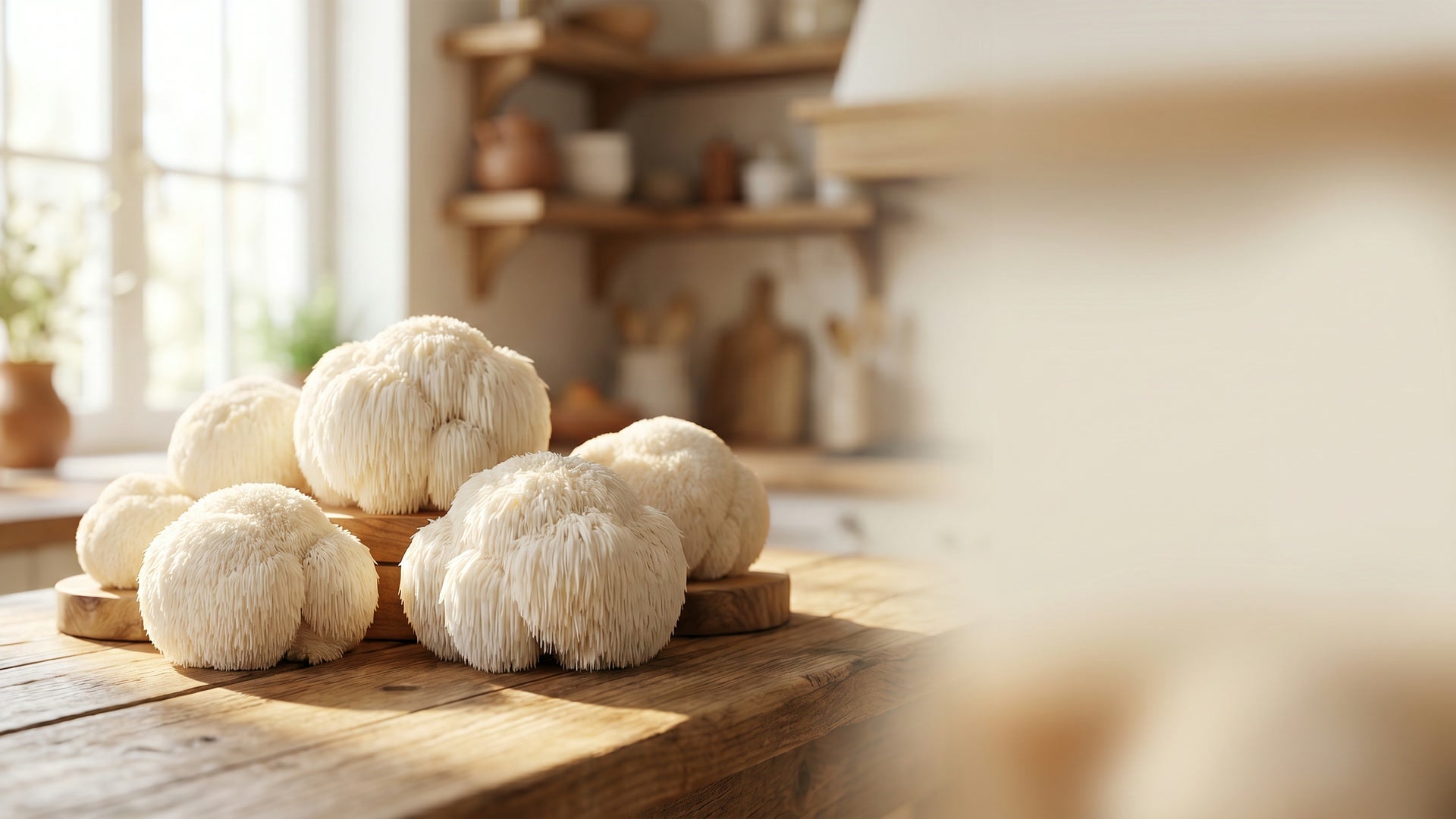
Some pet owners even explore medicinal mushroom supplements for dogs. Lion's Mane, for example, has shown promising results for cognitive support in aging pets. While we primarily help humans grow their own gourmet mushrooms with products like our Lion's Mane Mushroom Fruiting Block, the compounds that benefit human brain health are being studied for canine applications too.

Fuel Your Mushroom Journey
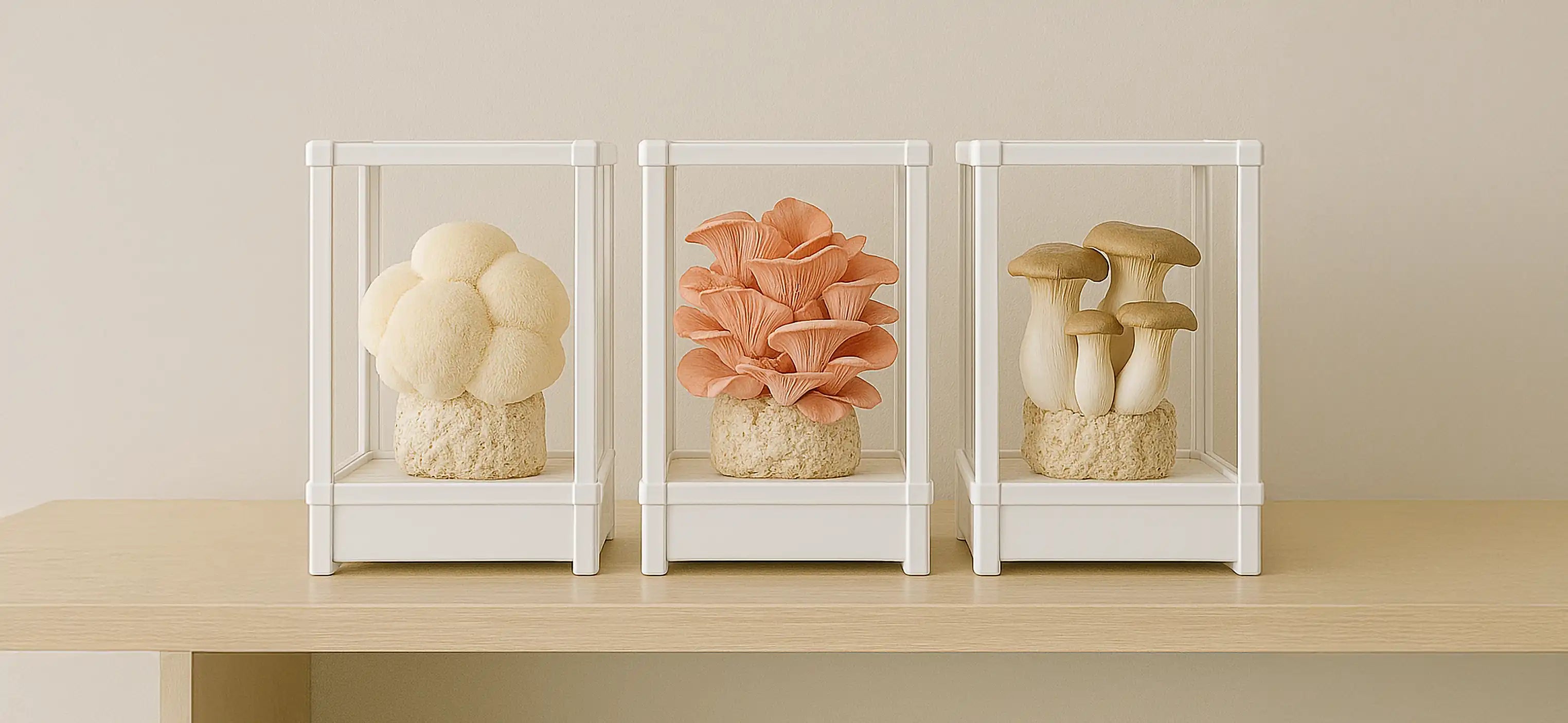
Smart Mushroom Grow Chamber
Plug-and-play smart chamber with humidity, light, and airflow dialed in for every species. Beginners harvest their first flush in days, not months.
Add to cart $299Nutritional Benefits of Safe Mushrooms for Dogs
When prepared properly, mushrooms offer:
- B vitamins: Support energy metabolism
- Selenium: Antioxidant properties
- Potassium: Heart and muscle function
- Low calories: Good for weight management
- Fiber: Digestive health support
Our Enoki Mushroom: The Delicate Delight article briefly touches on the mushrooms-and-dogs question if you want more context on specific varieties.
Preventing Mushroom Encounters: Practical Tips
The best treatment is prevention. Here's what actually works.
Yard Maintenance
- Check your yard daily during wet seasons (spring and fall)
- Remove mushrooms immediately, bag and dispose in sealed trash
- Improve drainage in shady, damp areas
- Consider adjusting sprinkler patterns
Walk and Hike Safety
- Keep dogs on leash in wooded areas
- Train a reliable "leave it" command
- Scan the path ahead for mushroom clusters
- Avoid areas with decaying wood and leaf litter
Training Investment
Teaching a strong "leave it" or "drop it" command could literally save your dog's life. Many professional trainers offer specific poison-prevention training modules.
If you're a mushroom enthusiast yourself, you might consider growing your own safe varieties at home. Our Pink Oyster Mushroom Fruiting Block and Cinnamon Cap Mushroom Fruiting Block let you cultivate gourmet mushrooms in controlled environments, away from curious paws.
Frequently Asked Questions
Q: Can one mushroom kill a dog?
A: Yes, unfortunately. A single Death Cap mushroom (Amanita phalloides) contains enough toxin to kill a large dog. Small dogs are at even greater risk due to their body weight. Even partial consumption of highly toxic species can be fatal without immediate treatment.
Q: How long after eating a mushroom will a dog show symptoms?
A: Symptoms can appear anywhere from 15 minutes to 24 hours after ingestion, depending on the mushroom species. Some of the most dangerous mushrooms, like Death Caps, have delayed symptoms that don't appear for 6-12 hours, making them particularly deceptive.
Q: Are mushrooms from my yard safe for dogs?
A: No, assume all wild mushrooms growing in your yard are potentially toxic. Even if you think you can identify them, the risk isn't worth it. Remove any mushrooms you find immediately and dispose of them in a sealed bag in the trash.
Q: Can dogs eat cooked mushrooms from my dinner?
A: Plain, cooked store-bought mushrooms (button, cremini, portobello) are generally safe in small amounts. However, avoid any mushrooms cooked with garlic, onions, butter, or heavy seasonings, as these ingredients can be harmful to dogs.
Q: What does mushroom poisoning look like in dogs?
A: Early signs include vomiting, diarrhea, drooling, and weakness. Severe poisoning may cause jaundice (yellow gums/eyes), seizures, collapse, and bloody stool. Some toxins cause a "false recovery" where the dog seems better before rapidly declining.
Q: Should I make my dog vomit if they ate a wild mushroom?
A: Do not induce vomiting unless specifically instructed by a veterinarian or poison control. Some mushroom toxins can cause additional damage when vomited. Call the ASPCA Poison Control at (888) 426-4435 or your vet immediately for guidance.
Q: Are store-bought mushrooms really safe for dogs?
A: Yes, common store-bought varieties like white button, cremini, and portobello mushrooms are non-toxic to dogs when served plain and cooked. They can even provide nutritional benefits. Just keep portions small and avoid seasonings.
The Bottom Line on Dogs and Mushrooms
Let's wrap this up with what you actually need to remember.
Key Takeaways:
- Store-bought mushrooms are generally safe for dogs when plain and cooked in moderation
- Wild mushrooms should always be considered dangerous, identification is extremely difficult even for experts
- Time is critical if your dog eats a wild mushroom, contact poison control or your vet immediately
- Prevention beats treatment, regularly check your yard and train a strong "leave it" command
- Collect evidence if ingestion occurs, photos and samples help veterinarians provide accurate treatment
Your dog's curiosity is natural. Your job is to create an environment where that curiosity doesn't turn dangerous. Check your yard after rainy days. Stay alert on hikes. And keep the pet poison control number saved in your phone.
Most importantly? Trust your gut. If something seems off with your dog after any potential mushroom exposure, don't wait to see if it gets worse. Get professional help immediately.
🍄 Want to Safely Explore the World of Mushrooms?
Growing your own gourmet mushrooms at home is the safest way to enjoy these incredible fungi, and keep curious pets away from wild varieties. Our ready-to-fruit mushroom blocks produce abundant harvests in just 7-14 days, right on your kitchen counter.
Browse Our Mushroom Growing Kits →
Start growing today and experience the satisfaction of harvesting your own Lion's Mane, Pink Oyster, or Cinnamon Cap mushrooms. Your taste buds (and your peace of mind) will thank you.
Medical Disclaimer: This article is for informational purposes only and is not a substitute for professional veterinary advice. If your dog has consumed a wild mushroom, contact your veterinarian or animal poison control immediately.
Share:
How to Make Perfectly Crispy Air Fryer Mushrooms Every Single Time
How to Make the Best Marinated Mushrooms You've Ever Tasted