


Beef stroganoff made with cream of mushroom soup is the home-cook shortcut version of the Russian classic, ready in about 35 minutes for 4 to 6 people. It is not authentic stroganoff (the original uses sour cream and no canned soup), but it is a comforting, gravy-rich weeknight dinner that delivers tender beef over noodles with minimal fuss.
The secret to the canned-soup version is doing two things: searing the beef hard before braising it, and finishing the sauce with sour cream off the heat so it does not curdle. Skip either and you get a flat, broken-looking sauce. Both steps take just a few extra minutes.

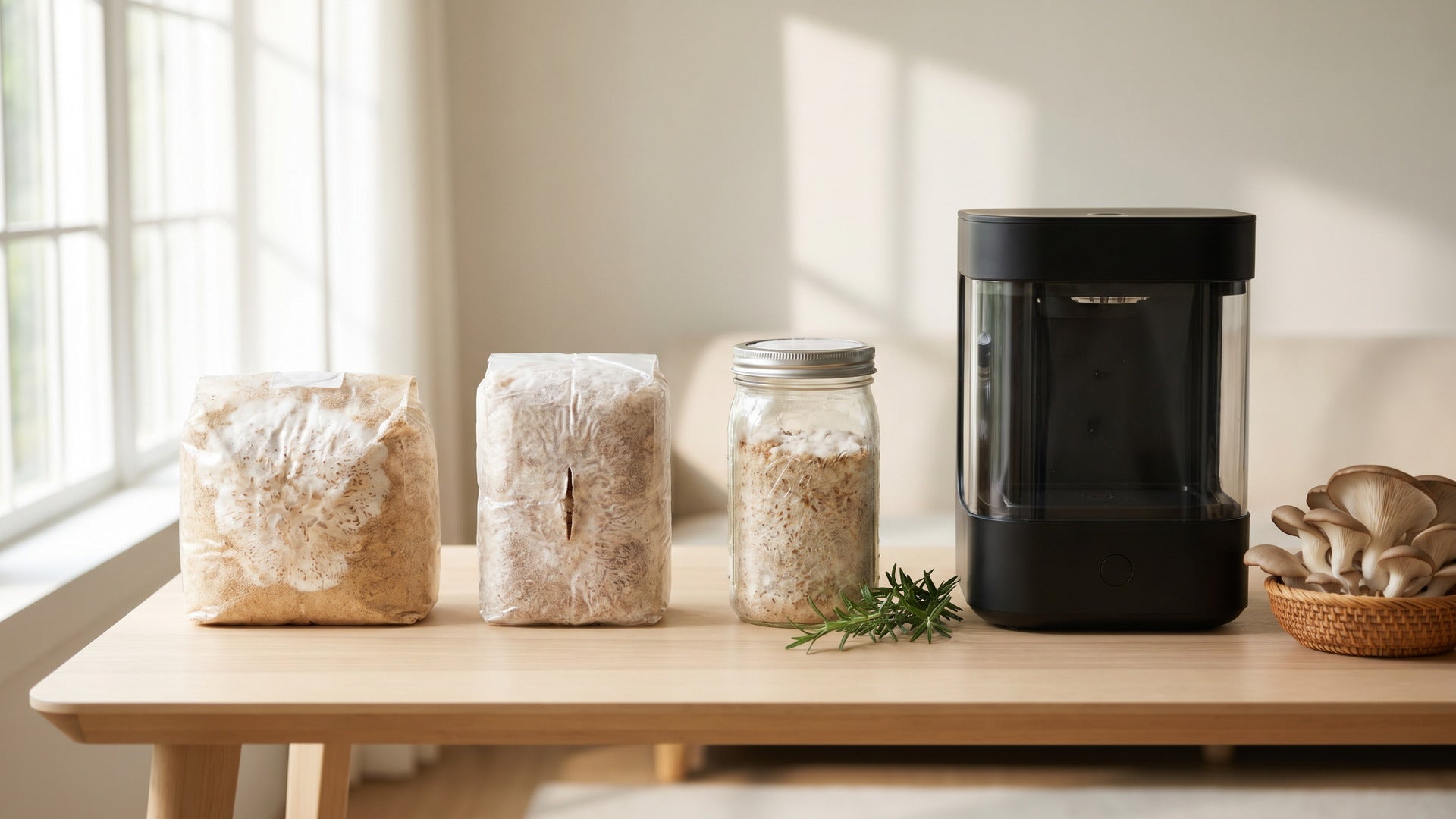
Smart Chamber. Bone White Single
- 2.8L tank, 90% humidity automatic
- App-controlled, plug-and-play
- 6 lb block ceiling, in stock

Smart Chamber. Obsidian Black Single
- Same hardware as Bone White
- Matte black premium finish
- Pairs with any kitchen palette

Cream of mushroom vs. classic stroganoff: what changes
Classic Russian stroganoff is built on sauteed beef, sauteed mushrooms, onions, and a sauce made from beef stock, sour cream, mustard, and sometimes a splash of brandy or white wine. It is bright, slightly tangy, and lets the beef and mushroom flavors lead.
The cream of mushroom soup version takes a different approach. The canned soup contributes thickening, additional cream, and a baseline savory backbone. The sauce is heavier, slightly sweeter, and more gravy-like. It is what most American home cooks grew up calling stroganoff, and it is a legitimate dish in its own right.
For honesty: if you want truly excellent stroganoff, the from-scratch version is better. The cream-of-mushroom version is the workhorse weeknight comfort food, and that is its own kind of excellent.
Choosing the right beef cut
The cut you pick decides whether your stroganoff is tender or chewy. The wrong choice cannot be saved by long cooking in this dish, because the cooking time is short.
- Top sirloin steak (best for speed): Slice thinly across the grain. Cooks in 3 to 4 minutes. Tender and lean.
- Ribeye: The most luxurious choice. Slice into strips. Excellent flavor.
- Tenderloin tips: The classic restaurant cut. Tender but expensive.
- Flank or skirt steak: Affordable. Must be sliced very thin across the grain to stay tender.
- Ground beef: Often used as a budget version. Works but produces a different dish (sometimes called "hamburger stroganoff").
- Chuck roast or stew meat: Avoid for the short-cook version. These need 90+ minutes to tenderize, which means slow-cooker or oven-braised methods (covered separately below).
For 4 to 6 servings, plan on 1 1/2 pounds of steak.
Ingredients
- 1 1/2 pounds top sirloin steak, sliced 1/4 inch thick across the grain
- 1 teaspoon kosher salt
- 1/2 teaspoon black pepper
- 3 tablespoons all-purpose flour (for dusting the beef)
- 3 tablespoons neutral oil (canola, avocado, or grapeseed)
- 1 tablespoon butter
- 1 medium yellow onion, thinly sliced
- 10 ounces fresh mushrooms (cremini or white button), sliced
- 3 cloves garlic, minced
- 1 (10.5 oz) can condensed cream of mushroom soup
- 1 cup beef broth (low sodium)
- 1 tablespoon Worcestershire sauce
- 1 teaspoon Dijon mustard
- 1/2 teaspoon paprika (sweet or smoked)
- 3/4 cup full-fat sour cream
- Salt and pepper to finish
- 12 ounces wide egg noodles
- 2 tablespoons chopped fresh parsley to garnish
Step-by-step method
- Prep the beef (5 minutes): Pat the sliced beef dry with paper towels. Season generously with salt and pepper. Dust lightly with the flour and toss to coat.
- Start the noodle water: Bring a large pot of salted water to a boil. You will cook the noodles in parallel with the beef so everything finishes at the same time.
- Sear the beef in batches (about 6 minutes total): Heat 2 tablespoons of oil in a large skillet over medium-high heat. Working in two batches to avoid crowding, sear the beef 60 to 90 seconds per side until just browned. Transfer to a plate. Do not cook through; the beef finishes in the sauce later.
- Saute the mushrooms (6 to 8 minutes): Add the remaining tablespoon of oil and the butter to the same skillet. Add the sliced mushrooms. Spread them out and resist stirring for 3 minutes. Continue cooking until deeply browned, about 6 to 8 minutes total.
- Sweat the onions and garlic (3 minutes): Add the sliced onions to the mushrooms. Cook 3 minutes until softened. Add the garlic; cook 30 seconds.
- Build the sauce (5 minutes): Add the cream of mushroom soup, beef broth, Worcestershire, Dijon, and paprika. Stir until smooth. Bring to a simmer.
- Cook the noodles (about 7 minutes, parallel): While the sauce simmers, cook the egg noodles in the boiling salted water until just tender. Drain.
- Return the beef (2 minutes): Return the seared beef and any accumulated juices to the skillet. Simmer 2 minutes to warm through. Do not let it boil aggressively.
- Finish with sour cream (1 minute): Reduce heat to low. Temper the sour cream by stirring 2 tablespoons of hot sauce into it first, then stir the warmed sour cream into the skillet. This prevents curdling. Heat through but do not boil.
- Serve: Spoon the beef and sauce over hot egg noodles. Garnish with chopped parsley. Taste and adjust salt and pepper.
Why tempering the sour cream matters
Pouring cold sour cream directly into a hot skillet causes it to curdle into grainy white specks. The fix is to stir a few tablespoons of the hot sauce into the cold sour cream first, then add the warmed mixture back to the skillet. This brings the temperature up gradually and the dairy stays smooth.
For extra insurance, you can also stir 1 teaspoon of cornstarch into the sour cream before tempering. The starch protects the protein from breaking. This is the trick most restaurant stroganoffs rely on.
Mushroom upgrades
The canned soup contributes about a tablespoon of mushroom solids; the rest of the mushroom flavor comes from the 10 ounces of fresh mushrooms you saute. Using a mix of varieties dramatically improves the dish.

Fuel Your Mushroom Journey
Smart Mushroom Grow Chamber
Plug-and-play smart chamber with humidity, light, and airflow dialed in for every species. Beginners harvest their first flush in days, not months.
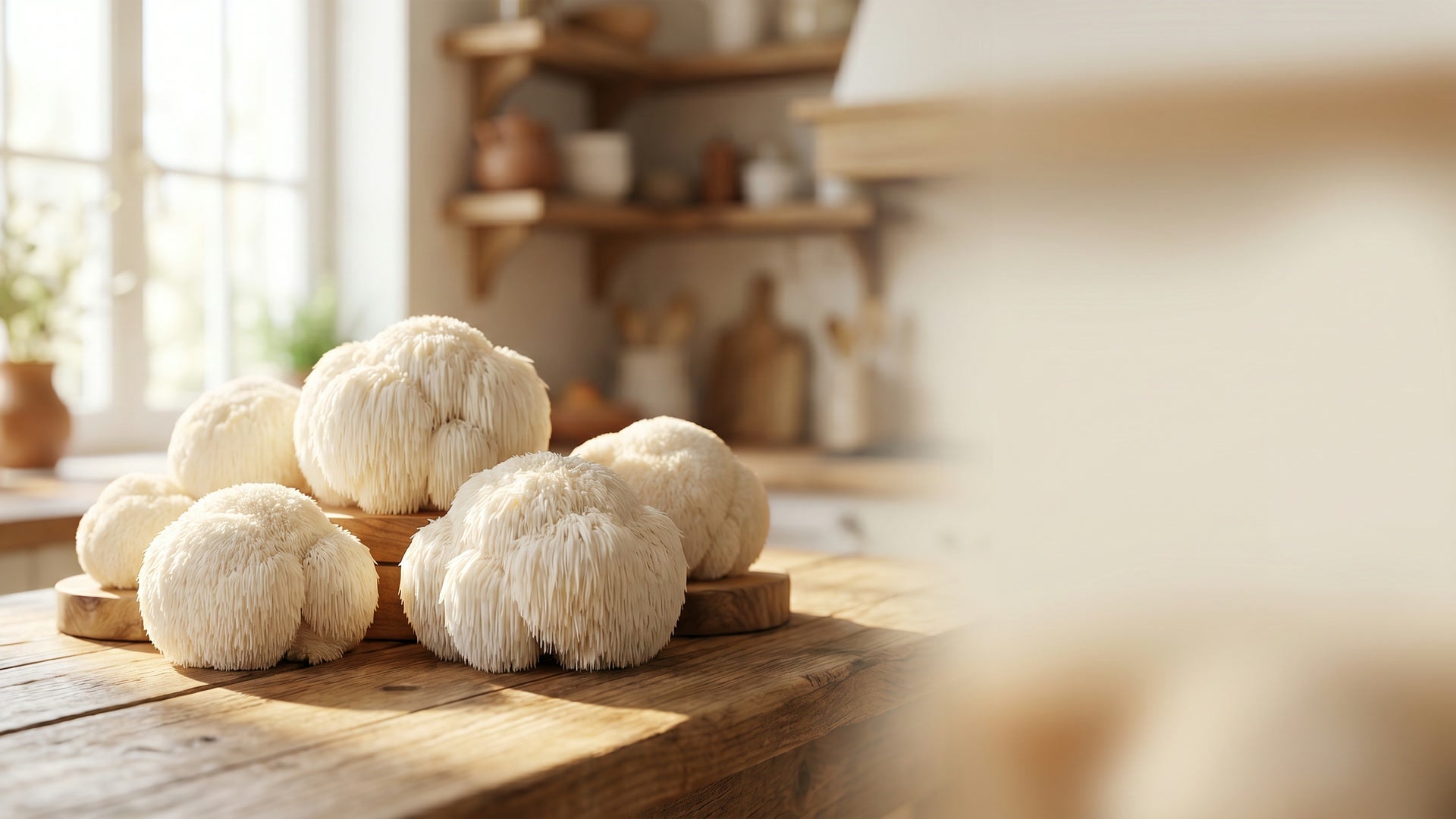
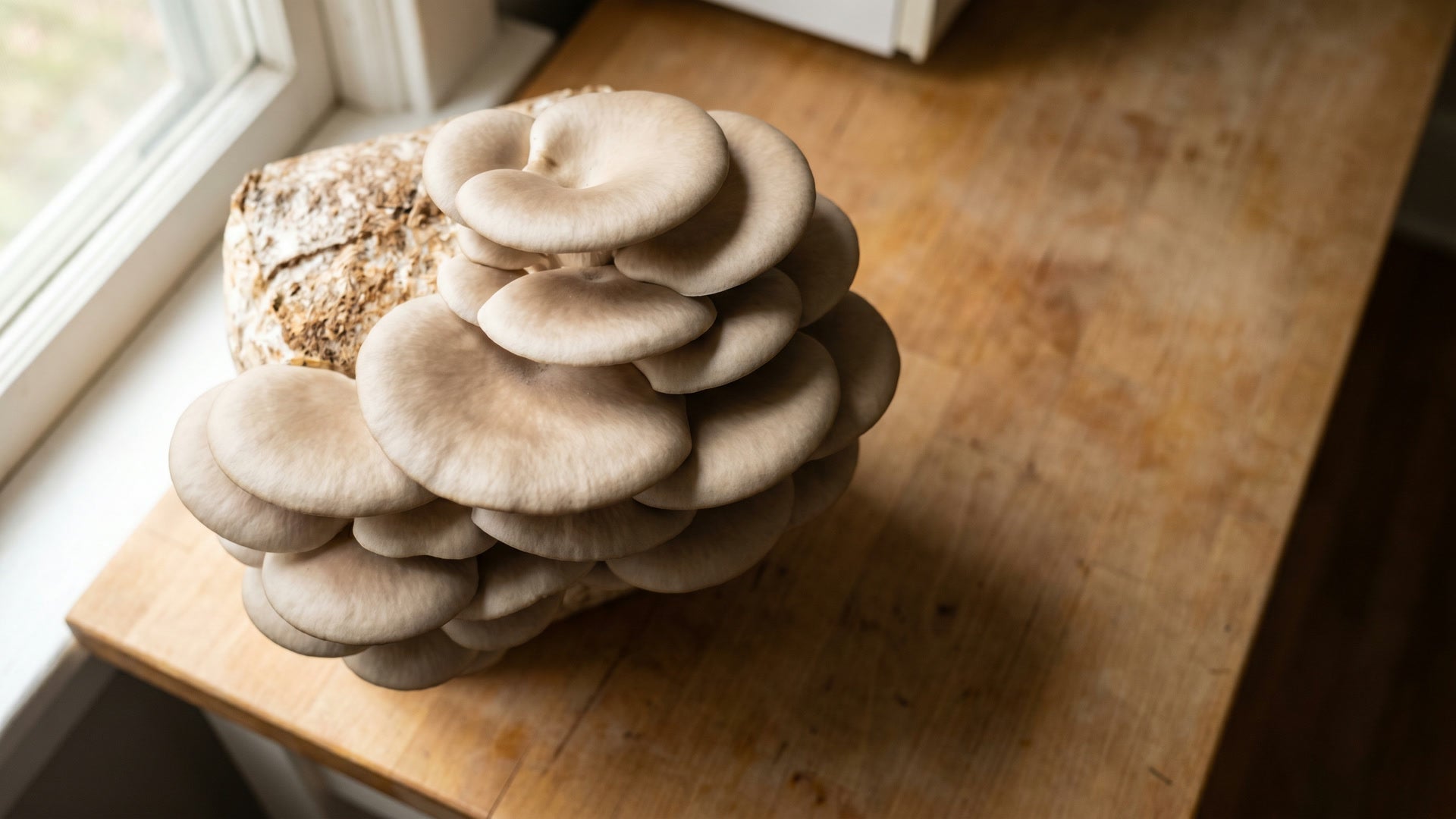
Add to cart $299Try 60 percent cremini, 30 percent shiitake (stems removed), and 10 percent oyster or lion's mane. If you grow your own with a home mushroom grow kits, lion's mane shreds into beef-like fibers when sauteed and adds a meaty body that few people identify as mushroom. It is one of the most satisfying additions to stroganoff.
For a deeper flavor still, add 2 tablespoons of dried porcini soaked in 1/4 cup hot water for 15 minutes. Strain the soaking liquid into the sauce; chop the rehydrated mushrooms and add them to the skillet.
Slow cooker and Instant Pot versions
If you prefer to use tougher cuts (chuck roast or stew meat), the slow cooker is the right tool. The method changes:
- Sear 2 pounds of cubed chuck in batches in a skillet. Do not skip this step.
- Transfer to a slow cooker.
- Add sauteed onions, mushrooms, garlic, soup, broth, Worcestershire, Dijon, and paprika to the cooker.
- Cook on low for 7 to 8 hours or high for 4 hours.
- In the last 15 minutes, stir in 3/4 cup tempered sour cream.
- Serve over cooked egg noodles.
In a 6-quart Instant Pot: sear on Saute, then add other ingredients (except sour cream and noodles), lock the lid, and pressure cook on Manual for 25 minutes with a 10-minute natural release. Stir in sour cream after depressurizing. Cook noodles separately.
What to serve with cream-of-mushroom stroganoff
- Wide egg noodles: The classic. Catches the sauce.
- Buttered jasmine rice: Less traditional but soaks up sauce well.
- Mashed potatoes: Heavy on heavy, but works on cold nights.
- Buttered cabbage or sauteed kale: A green side cuts the richness.
- Pickled cucumber salad: The tang balances the gravy beautifully.
- Roasted root vegetables: Carrots and parsnips are particularly good.
Skip a starchy bread side; the noodles or rice already do that job.
Troubleshooting
- Sour cream curdled: You added it too hot. Off-heat, whisk in a tablespoon of cold cream and let the sauce calm; the texture often recovers. Next time, temper as described above.
- Beef is tough: Wrong cut or sliced with the grain instead of across it. Slice across the grain in thin strips.
- Sauce is too thick: Stir in 1/4 cup of beef broth.
- Sauce is too thin: Simmer uncovered 3 to 5 minutes more, or whisk in 1 teaspoon of cornstarch dissolved in 1 tablespoon cold water.
- Tastes flat: A teaspoon more Worcestershire, a half-teaspoon more Dijon, and a squeeze of lemon. Add salt last.
Storage and leftovers
Refrigerate leftovers up to 3 days. Reheat gently over medium-low heat with a splash of broth or milk to loosen the sauce. The flavor often improves on day two.
Freezing: the sauce can break a bit when frozen because of the sour cream. To freeze successfully, freeze without the sour cream, then add fresh sour cream after reheating. Frozen base keeps 2 months.
This is the dinner that will get requested over and over once you nail the method. Searing the beef hard, browning the mushrooms hard, and tempering the sour cream are the three details that separate good stroganoff from great stroganoff in a busy kitchen.



Share:
Green Beans and Mushrooms: 15-Minute Side That Earns Its Spot
Green Beans and Mushrooms: 15-Minute Side That Earns Its Spot