


Have you ever wanted to grow your own fresh, organic mushrooms but felt intimidated by the process? You're not alone. Growing mushrooms at home might seem complicated, but with the right mushroom grow kit designed for beginners, you can harvest gourmet varieties like oyster, shiitake, and lion's mane right in your kitchen, without any prior experience.
This guide will walk you through everything you need to know about choosing the best mushroom grow kit for beginners, from understanding what makes a kit truly beginner-friendly to harvesting your first delicious crop.
Why Choose a Mushroom Grow Kit as a Beginner?
Starting your mushroom cultivation journey with a quality grow kit eliminates the guesswork that frustrates so many new growers. Unlike traditional cultivation methods that require extensive knowledge of sterilization techniques, substrate preparation, and complex environmental controls, modern mushroom grow kits come pre-prepared with everything you need to succeed.
Think of it like this: traditional mushroom growing is like baking a cake from scratch, measuring flour, creating the perfect batter, and getting the oven temperature just right. A mushroom grow kit is like having a pre-mixed cake box where you just add water and bake. Simple, reliable, and perfect for beginners.

What Comes in a Quality Beginner Mushroom Grow Kit?
The best mushroom grow kits for beginners include these essential components:
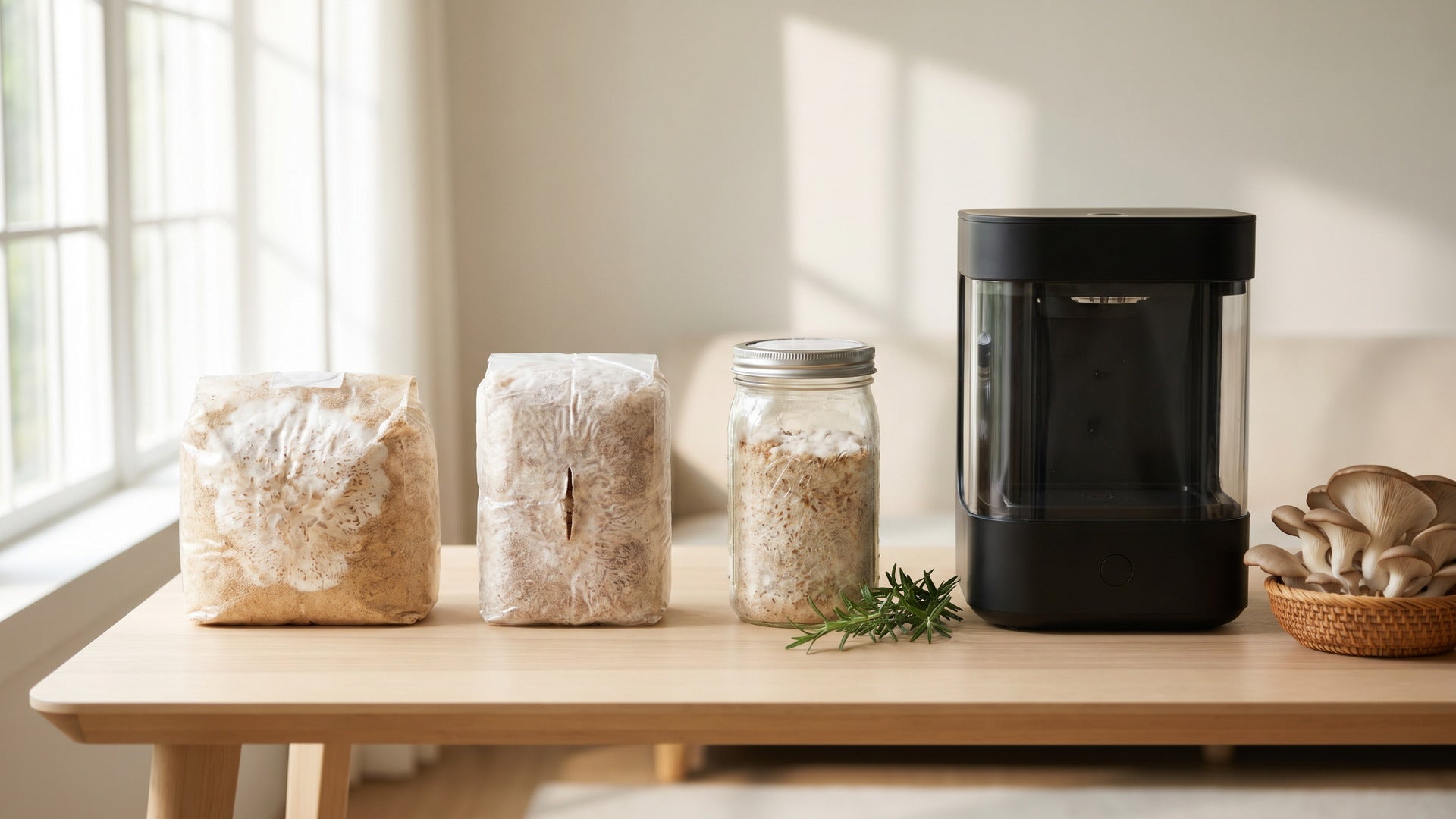
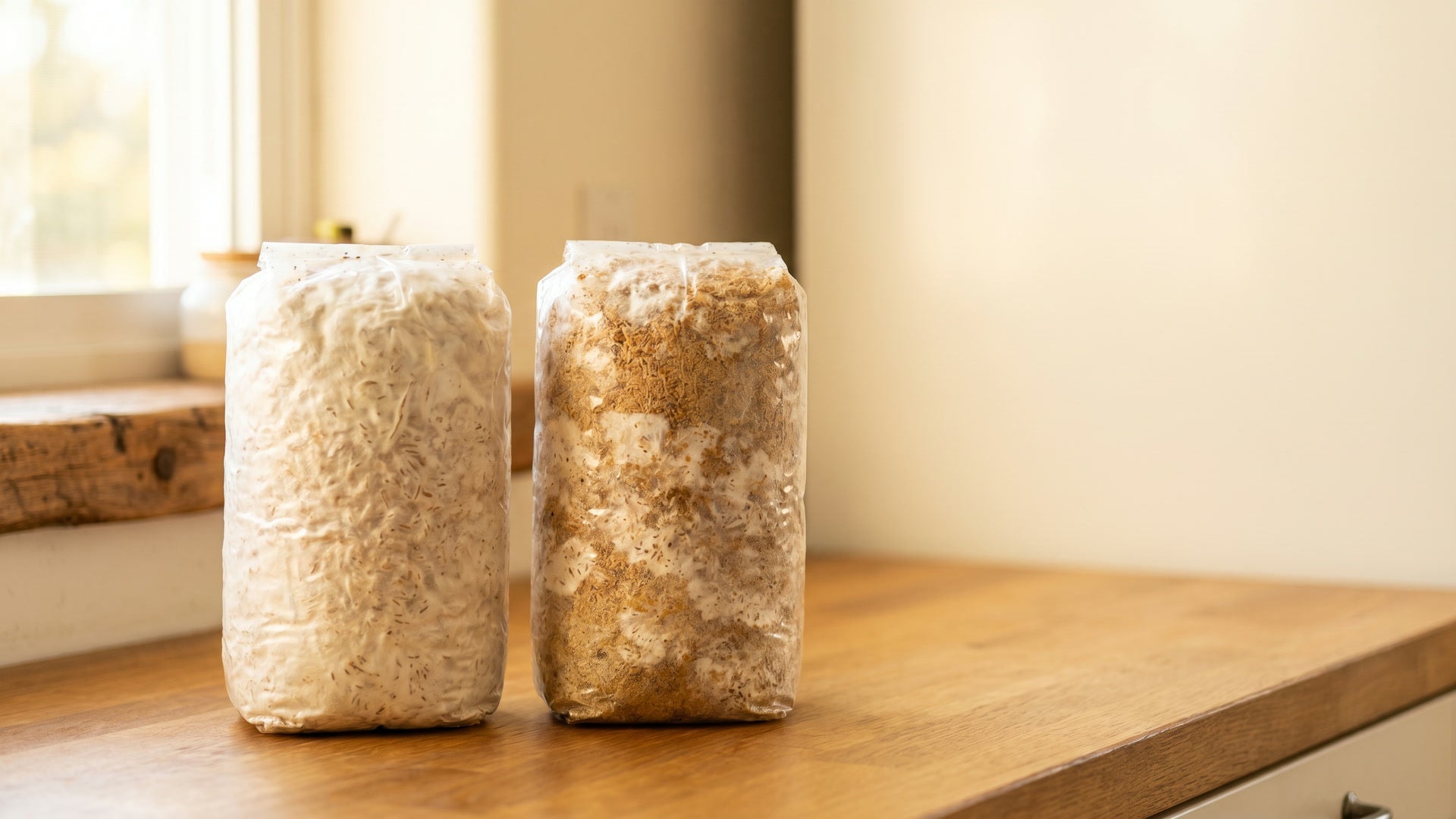
- Pre-inoculated substrate blocks ready to start fruiting immediately
- Humidity control system to maintain the moisture mushrooms need
- Air circulation mechanism for proper gas exchange
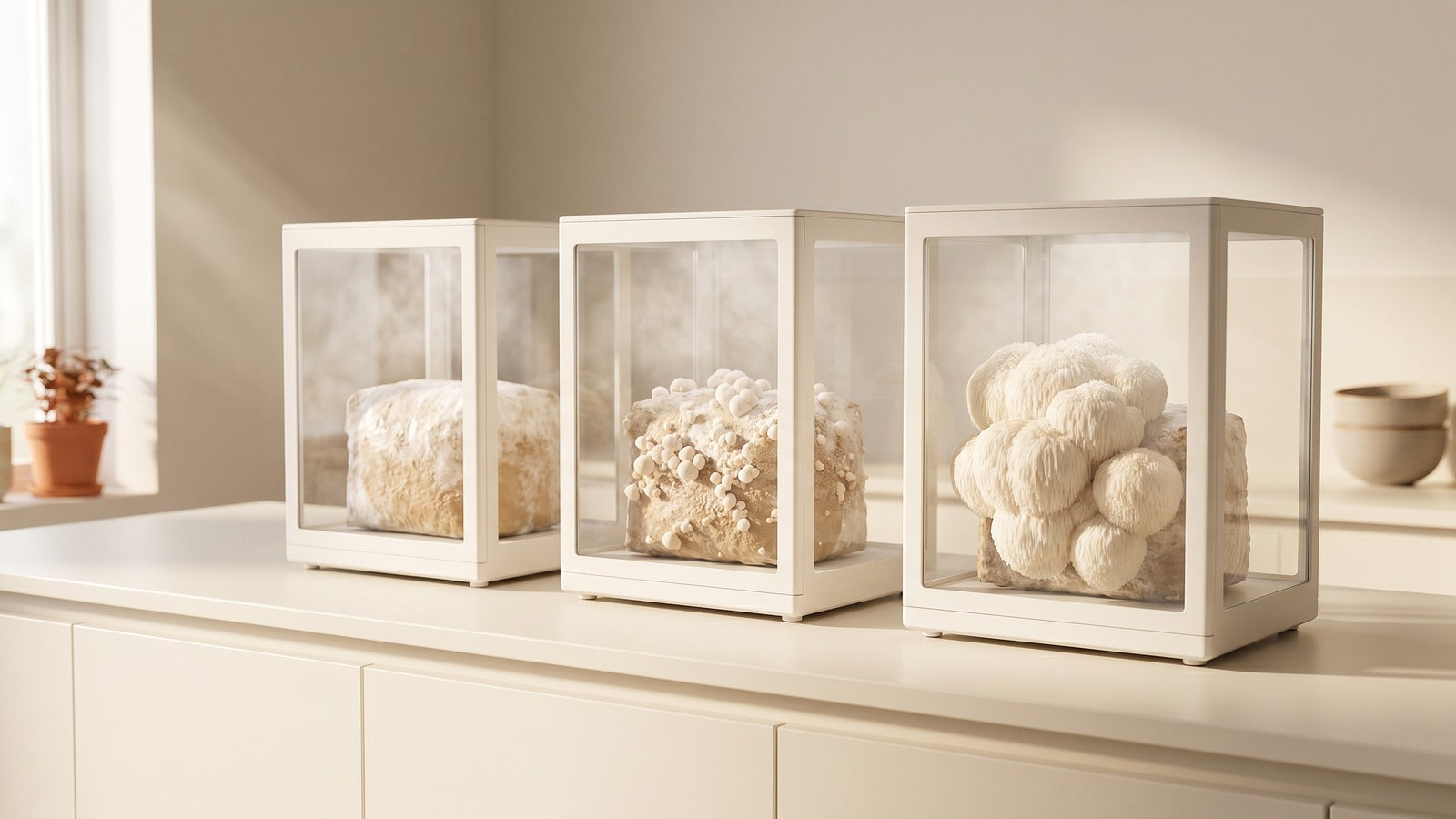
- Clear growing chamber so you can watch your mushrooms develop
- Simple instructions that anyone can follow
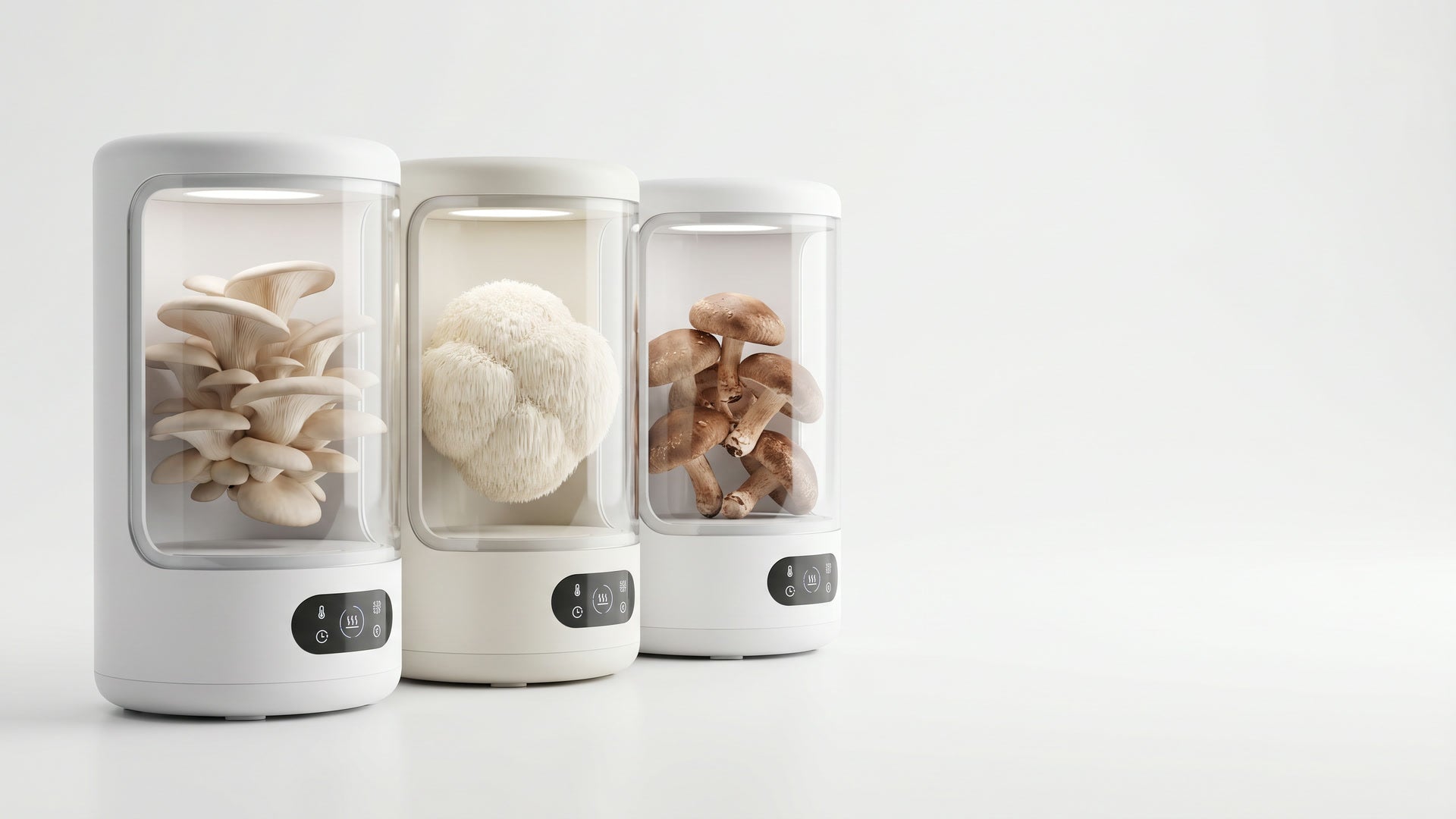
The Lykyn Smart Mushroom Grow Chamber takes this even further by automating humidity and airflow through a smartphone app. You simply select your mushroom type, and the system handles the rest, no daily misting or manual fanning required.
Time and Space Requirements
One of the biggest advantages of mushroom grow kits for beginners is their minimal space requirement. Most kits fit perfectly on a kitchen counter, bookshelf, or desk. You don't need a basement, greenhouse, or outdoor garden space.
Time commitment is equally manageable. With automated systems like the Lykyn Smart Mushroom Grow Chamber, you'll spend just minutes per week checking progress and harvesting. Traditional methods require multiple daily interactions, but modern grow kits have revolutionized home cultivation for busy people.
What Makes a Mushroom Grow Kit Beginner-Friendly?
Not all mushroom grow kits are created equal. The best options for beginners share several key characteristics that ensure success even on your first attempt.
Automated Environmental Controls
Temperature and humidity control separate successful grows from disappointing failures. Mushrooms are picky about their growing conditions, too dry and they won't develop properly, too wet and you risk contamination.
The best beginner kits feature automated systems that:
- Maintain optimal humidity levels (typically 80-95%)
- Provide consistent fresh air exchange
- Adjust conditions based on mushroom species
- Monitor environmental parameters automatically
These features transform mushroom growing from a demanding hobby into a hands-off experience. If you're curious about how different mushroom species require specific environmental conditions, check out our comprehensive guide on lion's mane mushroom cultivation.

User-Friendly Design
The ideal mushroom grow kit for beginners features intuitive operation that doesn't require technical expertise. Look for these design elements:
- Transparent chambers that let you observe growth without opening the system
- Simple setup that takes minutes, not hours
- Minimal maintenance requirements that fit busy schedules
- Clear visual indicators showing when to harvest
- Easy cleaning for multiple growing cycles
Modern smart grow chambers incorporate app connectivity that guides you through each step. The technology handles the complicated aspects while you enjoy watching nature do its work.
Species Selection for First-Time Growers
Some mushroom varieties are more forgiving than others. The best mushroom grow kits for beginners focus on these easy-to-grow species:
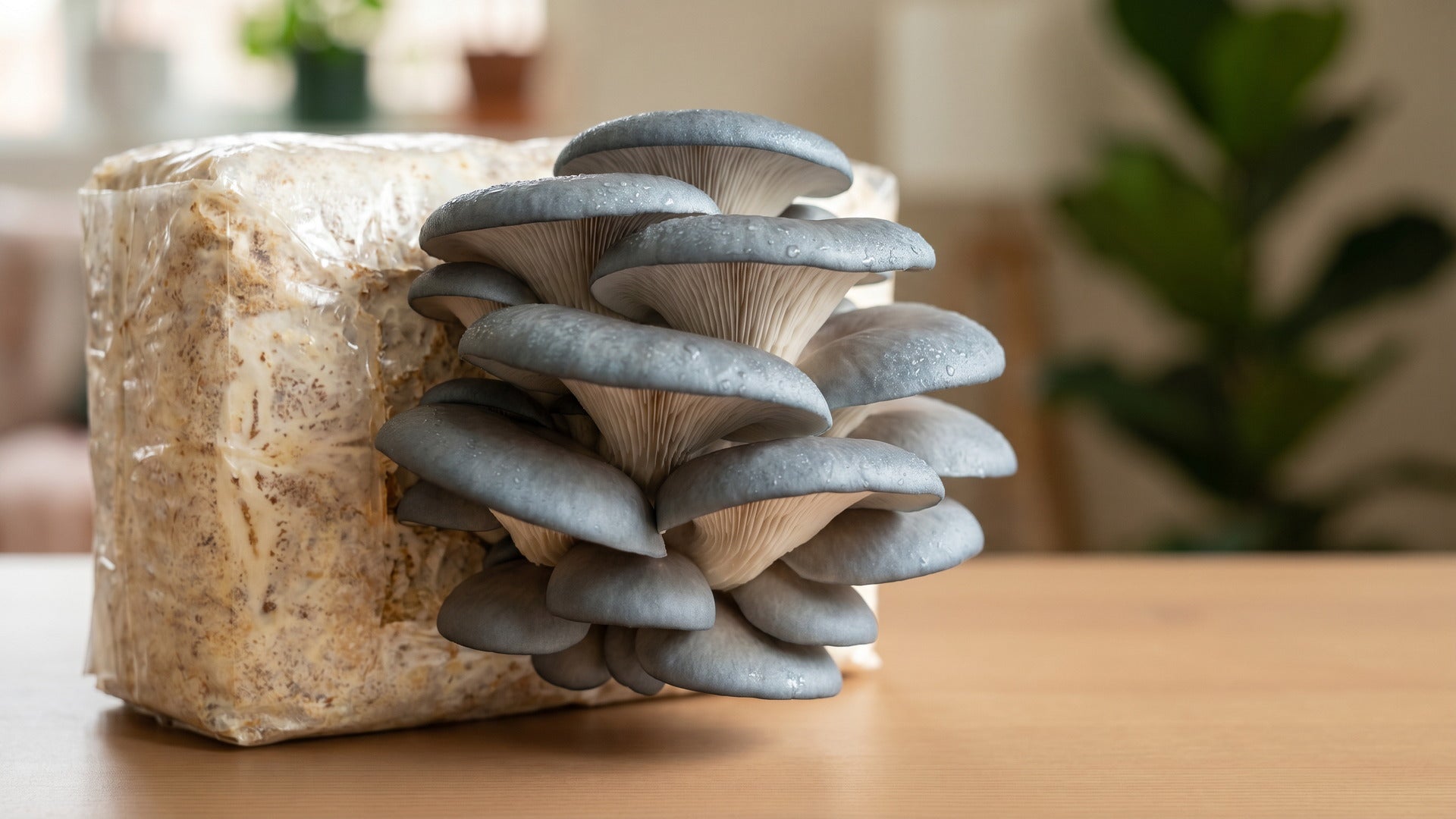
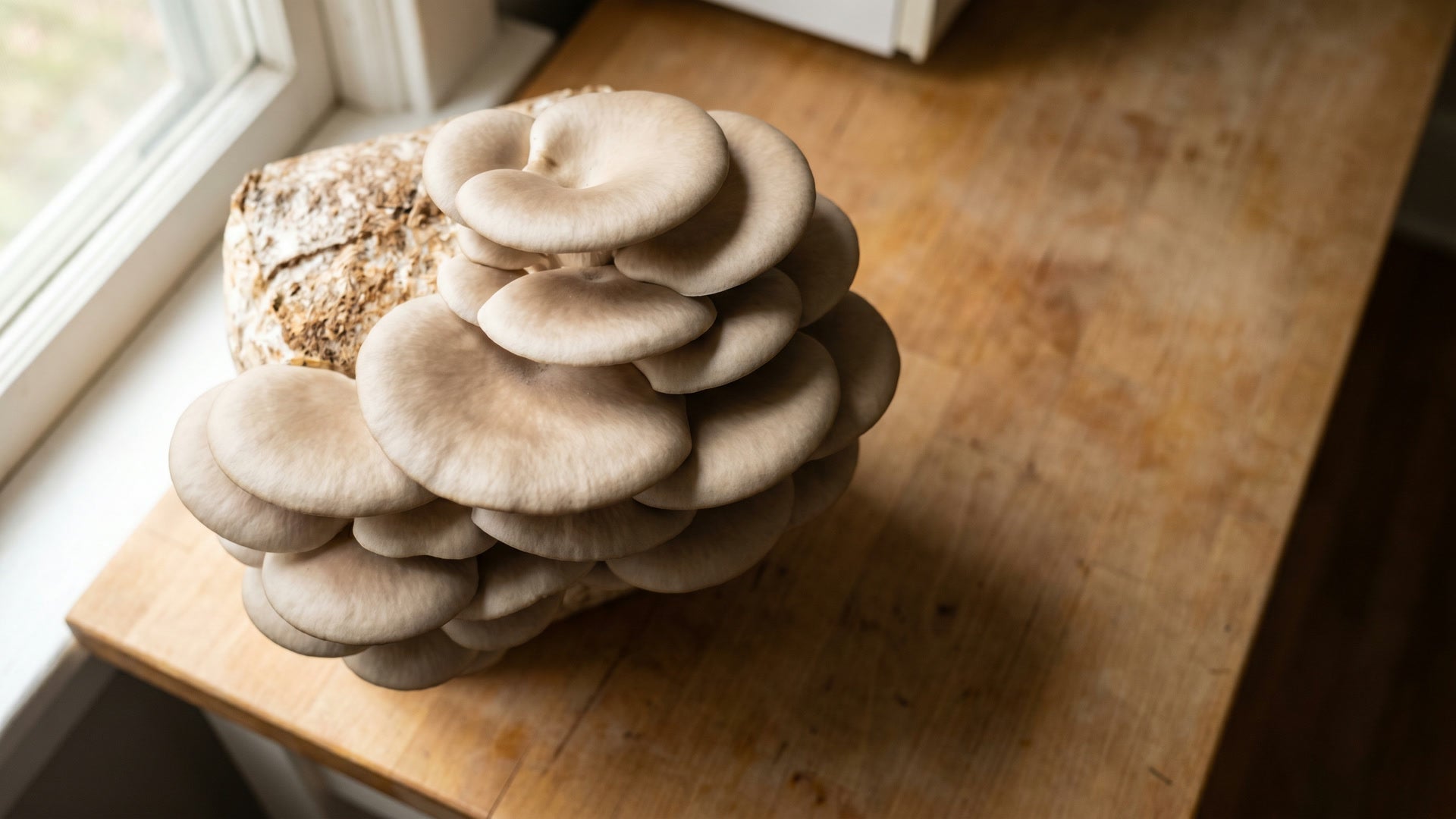
Oyster Mushrooms: The absolute best choice for first-time growers. They colonize quickly, produce abundant harvests, and tolerate minor environmental fluctuations. Oyster varieties come in several colors, from classic white to golden yellow to striking pink, all delicious and nutritious.
Shiitake Mushrooms: These popular Asian mushrooms offer rich, savory flavor and impressive health benefits. While slightly slower than oysters, shiitake mushrooms remain very beginner-friendly and command premium prices if you decide to sell your harvest.
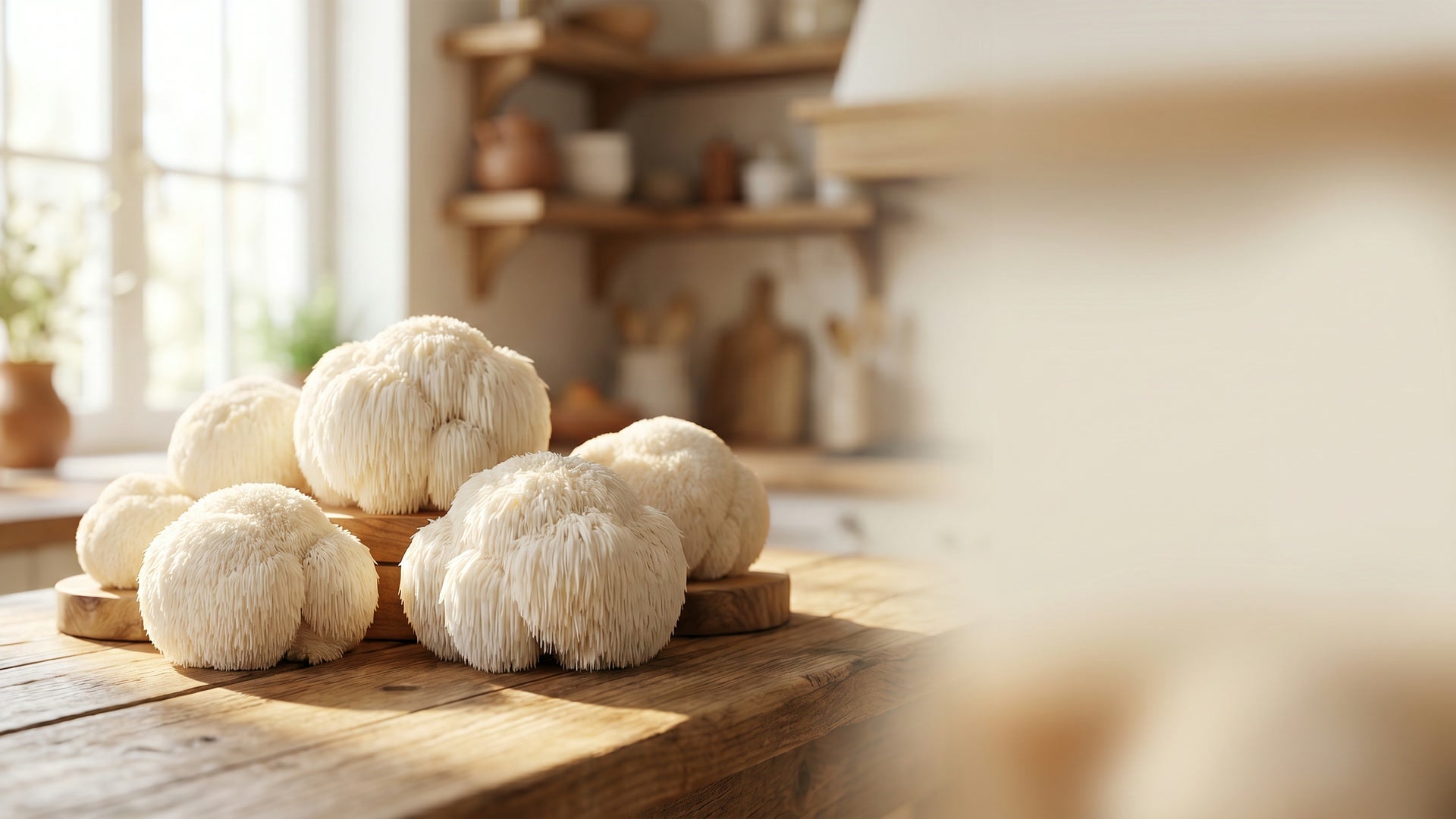
Lion's Mane Mushrooms: Known for cognitive health benefits and seafood-like texture, lion's mane mushrooms create stunning white cascading formations. They're reasonably forgiving for beginners and absolutely fascinating to watch develop. Our detailed article on lion's mane mushroom growth stages explains their development process.
Avoid starting with difficult species like morels or truffles. Save those challenges for after you've gained confidence with easier varieties.
Step-by-Step: Using Your First Mushroom Grow Kit
Getting started with your mushroom grow kit is surprisingly straightforward. Here's what to expect from day one through your first harvest.
Initial Setup
Unbox your kit and place it in a suitable location. Most mushrooms prefer indirect light, think bright room lighting rather than direct sunlight. Room temperature (65-75°F) works well for most species.
If you're using a smart system like the Lykyn Smart Mushroom Grow Chamber, you'll download the app, connect your device, and select your mushroom species. The system automatically creates the perfect environment.
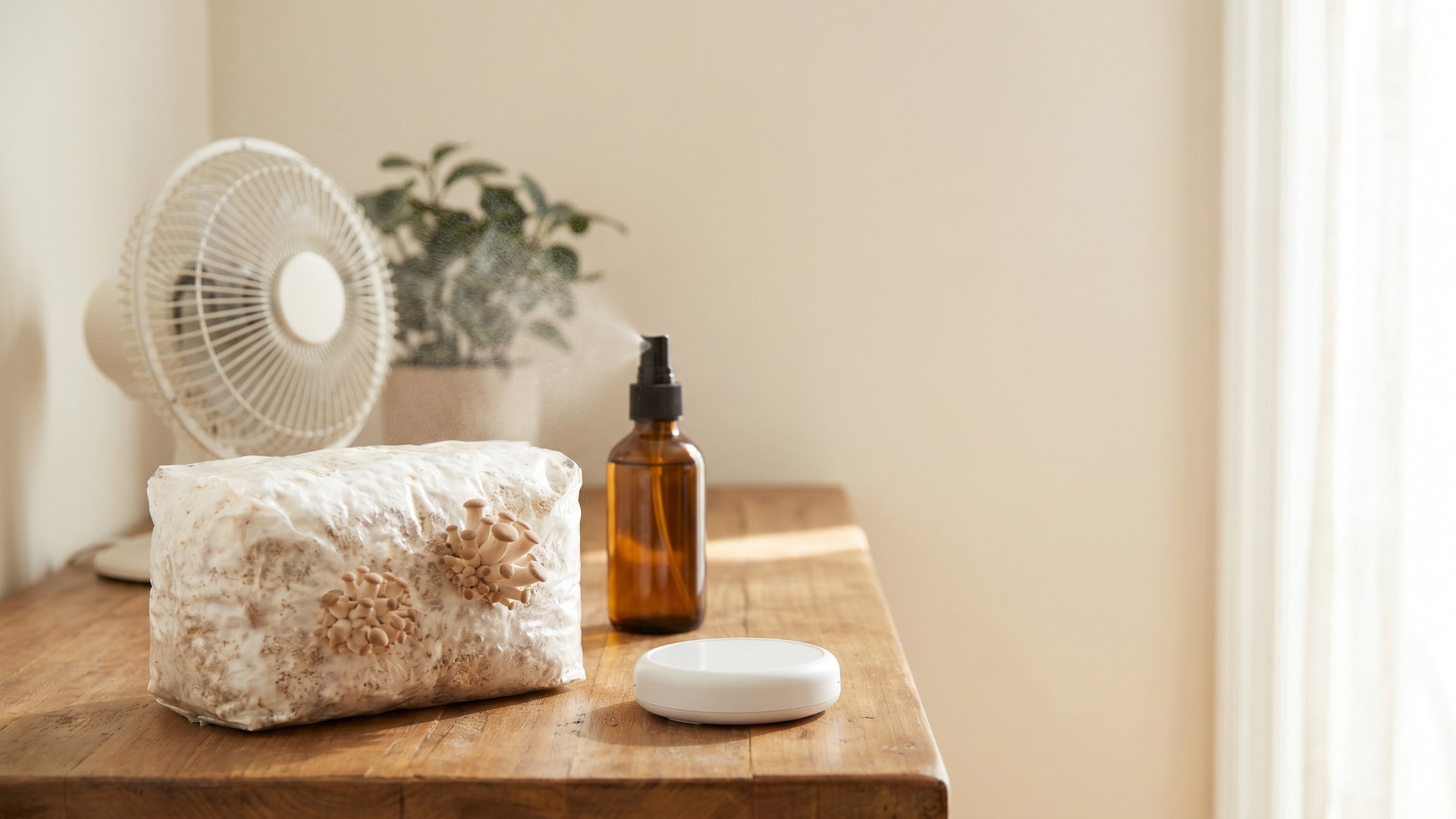
For basic kits, you'll typically mist the substrate several times daily and ensure adequate air circulation. This is where automation really shines, eliminating the daily maintenance routine that causes many beginners to lose interest.
The Waiting Period (Days 1-10)
After setup, patience becomes your primary task. During the first week, the mycelium (the mushroom's root network) adjusts to its new environment and prepares to fruit.
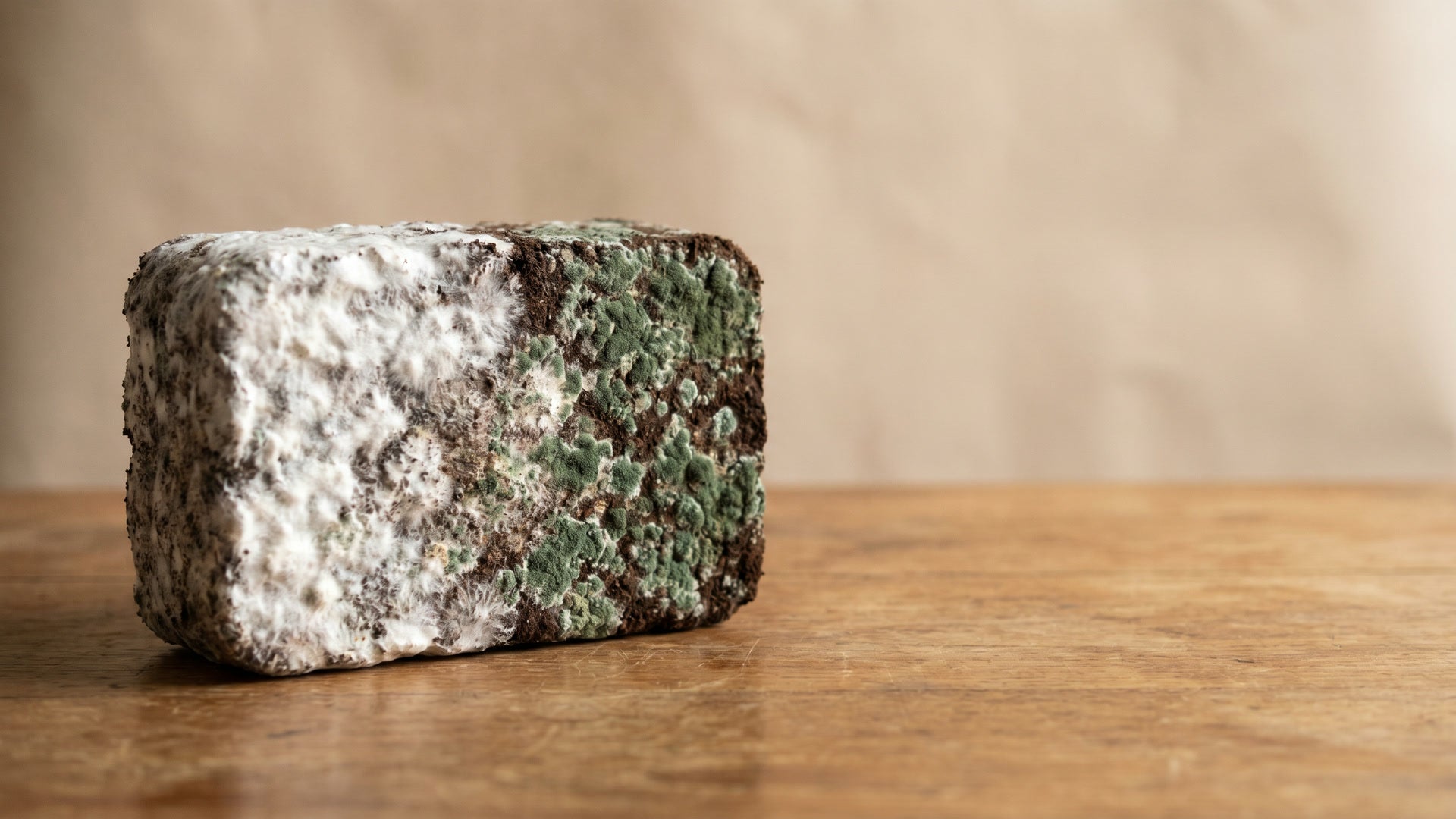
You might notice white fuzzy growth, that's normal! This mycelium growth shows your mushrooms are healthy. Learn more about identifying healthy white fuzz versus contamination in our white fuzzy mushroom guide.
Pinning and Early Growth (Days 7-14)
Around day 7-10, you'll notice tiny mushroom "pins" forming. These look like small dots or bumps and represent baby mushrooms beginning their journey. This exciting milestone means you did everything right!
The pins rapidly develop into recognizable mushroom shapes over the next few days. Growth accelerates dramatically during this phase, you might notice visible changes every few hours.
Harvest Time (Days 12-21)
Knowing when to harvest requires watching for specific indicators. For most species:
- Oyster mushrooms: Harvest when caps flatten out and edges begin to curl upward
- Shiitake: Wait until caps fully open and reveal gills underneath
- Lion's mane: Harvest when white and spines are prominent, before yellowing begins
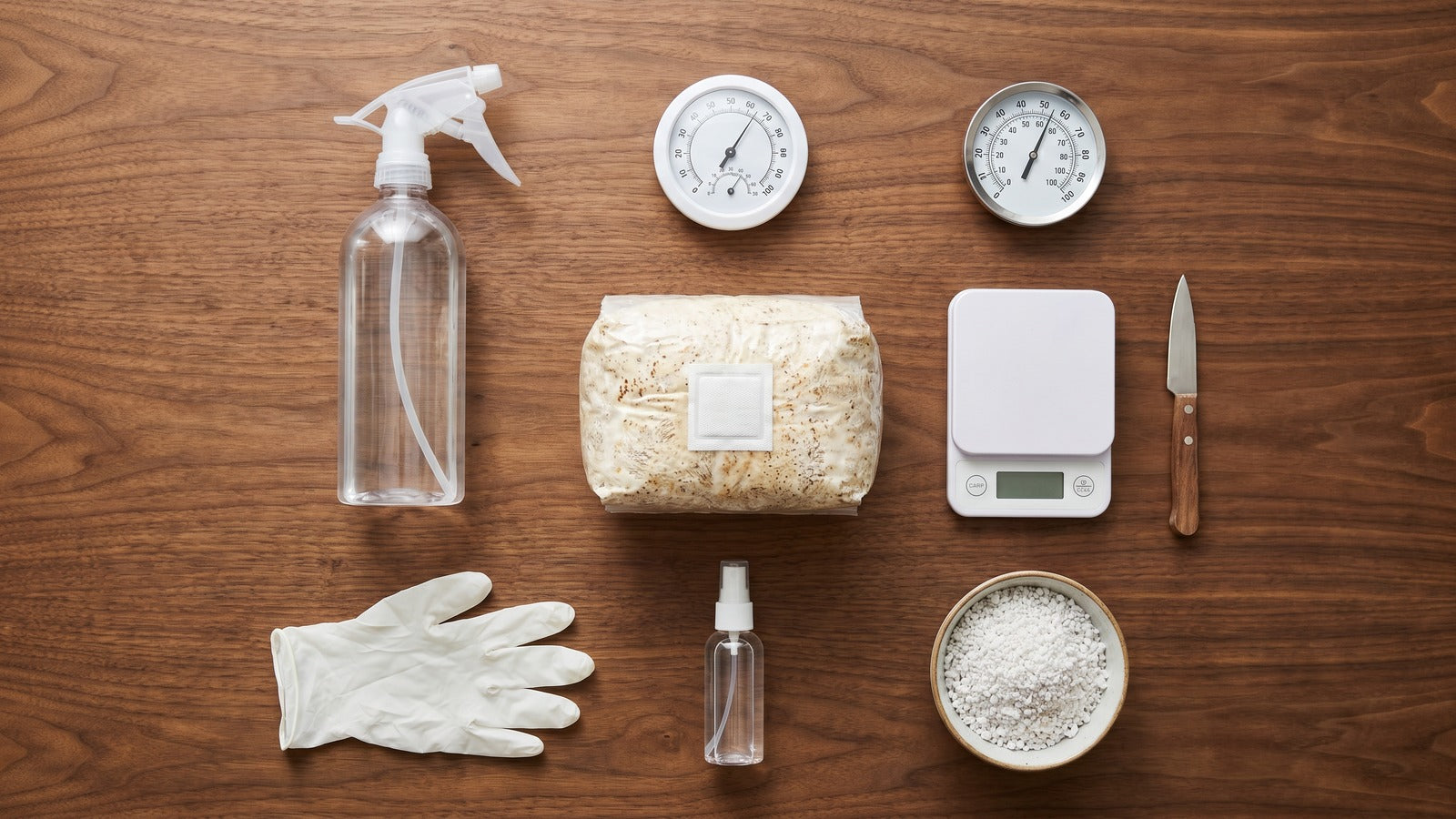
Use clean scissors or a sharp knife to cut mushrooms at the base. Avoid pulling, which can damage the substrate and reduce future flushes.
Most grow kits produce 2-4 flushes (harvest cycles) from a single substrate block. After harvesting, continue providing proper conditions and you'll see another crop develop within 1-2 weeks.
Common Beginner Mistakes and How to Avoid Them
Even with the best mushroom grow kit, certain mistakes can derail your success. Here's what to watch for and how to prevent problems.
Mistake #1: Insufficient Humidity
Mushrooms are approximately 90% water and need consistent moisture to develop properly. Signs of low humidity include:
- Cracked or dry mushroom caps
- Slow growth or stalled development
- Mushrooms that never reach full size
Solution: Automated systems solve this entirely by maintaining precise humidity levels. For manual kits, invest in a hygrometer to monitor moisture and mist more frequently if levels drop below 80%.
Mistake #2: Poor Air Circulation
Mushrooms need fresh air to prevent CO2 buildup. Insufficient circulation causes:
- Long, stretched stems with tiny caps
- Fuzzy white growth on mushrooms (not the substrate)
- Slow development and weak mushroom structure
Solution: Ensure your growing area has some air movement. Automated systems like the Lykyn Smart Mushroom Grow Chamber include variable-speed fans with built-in filtration that provide perfect airflow without introducing contaminants.
Mistake #3: Temperature Extremes
Most mushroom species prefer temperatures between 60-75°F. Extreme temperatures cause:
- No mushroom formation (too cold)
- Rapid but weak growth (too hot)
- Increased contamination risk (temperature stress)
Solution: Place your kit in a temperature-stable location away from heating vents, air conditioners, or cold windows.
Mistake #4: Contamination from Opening the System
New growers often get excited and open their growing chambers too frequently. Each opening introduces potential contaminants from the air, bacteria, mold spores, and other unwanted microorganisms.
Solution: Transparent growing chambers eliminate the need to open your system for observation. Only open when absolutely necessary, such as during harvest. If you're interested in advanced contamination prevention techniques, our article on growing turkey tail mushrooms covers sterilization methods in detail.
Advanced Tips for Beginner Success
Once you've mastered the basics, these tips will help you maximize yields and improve your results.
Optimizing Multiple Flushes
Your substrate block can produce several harvest cycles. To maximize production:
- Keep the substrate hydrated between flushes
- Maintain consistent environmental conditions
- Allow adequate rest periods (7-10 days) between harvests
- Remove all mushroom remnants after each harvest
Some growers achieve 4-5 flushes from quality substrate blocks, though yields typically decrease with each successive flush.
Expanding Your Mushroom Variety
After succeeding with your first species, try branching out. Each mushroom type offers unique flavors, textures, and growing characteristics. Consider trying:
- Chestnut mushrooms for nutty, rich flavor
- King oyster for meaty texture perfect for vegetarian dishes
- Reishi for medicinal properties and tea preparation
For those interested in medicinal varieties, our guide on growing turkey tail mushrooms provides detailed cultivation instructions for this immune-supporting species.
Connecting with the Mushroom Growing Community
Join online forums, local mushroom clubs, and social media groups dedicated to home cultivation. The mushroom growing community is exceptionally welcoming and eager to help beginners succeed. You'll find troubleshooting advice, recipe ideas, and inspiration for your next growing project.
Fuel Your Mushroom Journey
Smart Mushroom Grow Chamber
Plug-and-play smart chamber with humidity, light, and airflow dialed in for every species. Beginners harvest their first flush in days, not months.
Add to cart $299Health Benefits of Home-Grown Mushrooms
Growing your own mushrooms delivers more than just culinary satisfaction. Home-cultivated mushrooms offer significant health advantages:
Nutritional Superiority: Fresh mushrooms contain higher levels of vitamins, minerals, and beneficial compounds compared to store-bought varieties that have been transported and stored for days or weeks.
No Chemical Contamination: You control exactly what goes into your growing process, no pesticides, preservatives, or unknown additives.
Medicinal Properties: Many mushroom species contain compounds that support immune function, cognitive health, and overall wellness. Lion's mane, for example, is being studied for its potential neuroprotective effects.
Cost Savings: After the initial investment in a quality grow kit, you'll produce pounds of gourmet mushrooms for pennies per serving. Specialty mushrooms that cost $15-30 per pound in stores become incredibly affordable when grown at home.
Featured Snippet Summary
The best mushroom grow kit for beginners features automated humidity and temperature controls, transparent growing chambers for easy observation, and includes pre-inoculated substrate blocks ready for immediate fruiting. Look for kits with smart app integration, sealed and app-controlled air circulation, and compatibility with beginner-friendly species like oyster, shiitake, and lion's mane mushrooms. Expect your first harvest within 10-21 days with minimal maintenance required.
Frequently Asked Questions
Q: How long does it take to grow mushrooms with a beginner kit?
A: Most beginner mushroom grow kits produce your first harvest within 10-21 days after setup. Faster-growing species like oyster mushrooms can fruit in as little as 7-10 days, while slower varieties like shiitake might take 14-21 days. The timeline depends on species selection, environmental conditions, and substrate colonization status. Understanding mycelium growth timelines helps set realistic expectations for your cultivation journey.
Q: Do mushroom grow kits work for complete beginners with no experience?
A: Absolutely! Modern mushroom grow kits are specifically designed for people with zero growing experience. The best kits include pre-inoculated substrates that eliminate technical challenges like sterilization and inoculation. Automated systems like the Lykyn Smart Mushroom Grow Chamber make success virtually guaranteed by automatically maintaining perfect conditions. If you can follow simple instructions and check your kit every few days, you can successfully grow mushrooms at home.
Q: What's the difference between cheap and premium mushroom grow kits?
A: Budget kits typically require manual misting multiple times daily, lack environmental monitoring, and produce only 1-2 flushes. Premium kits feature automated humidity control, temperature sensors, app connectivity, sealed and app-controlled air circulation, and can produce 3-5 flushes from a single substrate block. The initial cost difference is offset by superior results, time savings, and multiple harvest cycles. Premium kits also maintain contamination-free environments that protect your investment.
Q: Can I reuse my mushroom grow kit for multiple batches?
A: The growing chamber itself is reusable indefinitely, but you'll need fresh substrate blocks for each growing cycle. Quality chambers like the Lykyn system are built to last for years of continuous use. Simply harvest all mushrooms, clean the chamber thoroughly, insert a new substrate block, and begin again. Some growers maintain continuous production by staggering multiple substrate blocks at different growth stages.
Q: What's the best location in my home for a mushroom grow kit?
A: Choose a location with indirect natural light (bright room lighting without direct sun), stable temperatures between 60-75°F, and away from heating/cooling vents. Kitchen counters, spare room shelves, and home office spaces work perfectly. Avoid basements or garages with temperature fluctuations. Mushrooms don't need much light, they're not plants, but indirect lighting helps you observe growth and creates an attractive display. The transparent design of quality grow kits makes them conversation starters that look great in any room.
Start Growing Fresh Mushrooms Today
Growing your own mushrooms at home transforms from intimidating challenge to rewarding hobby when you choose the right beginner-friendly grow kit. With automated environmental controls, transparent observation chambers, and pre-prepared substrate blocks, modern cultivation systems remove all barriers to success.
The Lykyn Smart Mushroom Grow Chamber represents the gold standard for beginner mushroom cultivation, combining sleek design with sophisticated automation that guarantees results. Whether you're motivated by culinary adventures, health benefits, or sustainable food production, your mushroom growing journey begins with selecting quality equipment that sets you up for success.
Ready to harvest your first crop of fresh, organic gourmet mushrooms? Browse the complete selection of beginner-friendly mushroom growing solutions at Lykyn and discover why thousands of home growers trust automated smart chambers for consistent, abundant harvests. Your kitchen counter is about to become your most productive growing space, and your family will love the fresh, flavorful results.
Transform your approach to fresh food and experience the satisfaction of growing your own gourmet mushrooms. Start today and enjoy harvests for years to come!
Fuel Your Mushroom Journey

Smart Chamber. Bone White Single
- 2.8L tank, 90% humidity automatic
- App-controlled, plug-and-play
- 6 lb block ceiling, in stock

Smart Chamber. Obsidian Black Single
- Same hardware as Bone White
- Matte black premium finish
- Pairs with any kitchen palette

Share:
Essential Tips for Indoor Greenhouse Gardening: Your Complete Guide to Mushroom Cultivation Success
Edible Mushrooms: The Complete 2025 Guide to Safe Identification and Growing