



Quick answer: Chestnut mushrooms (Pholiota adiposa, also sold as cinnamon caps or pioppini) bring something to a recipe that white button mushrooms never can: a firm, almost crunchy bite and a sweet, nutty flavor that holds up to long cooking without turning to mush. This guide covers the five recipes that show off chestnut mushrooms best, a complete prep walkthrough, the cooking science that makes them so versatile, and a flagship Chestnut Mushroom Risotto with full schema-tagged ingredients and steps.

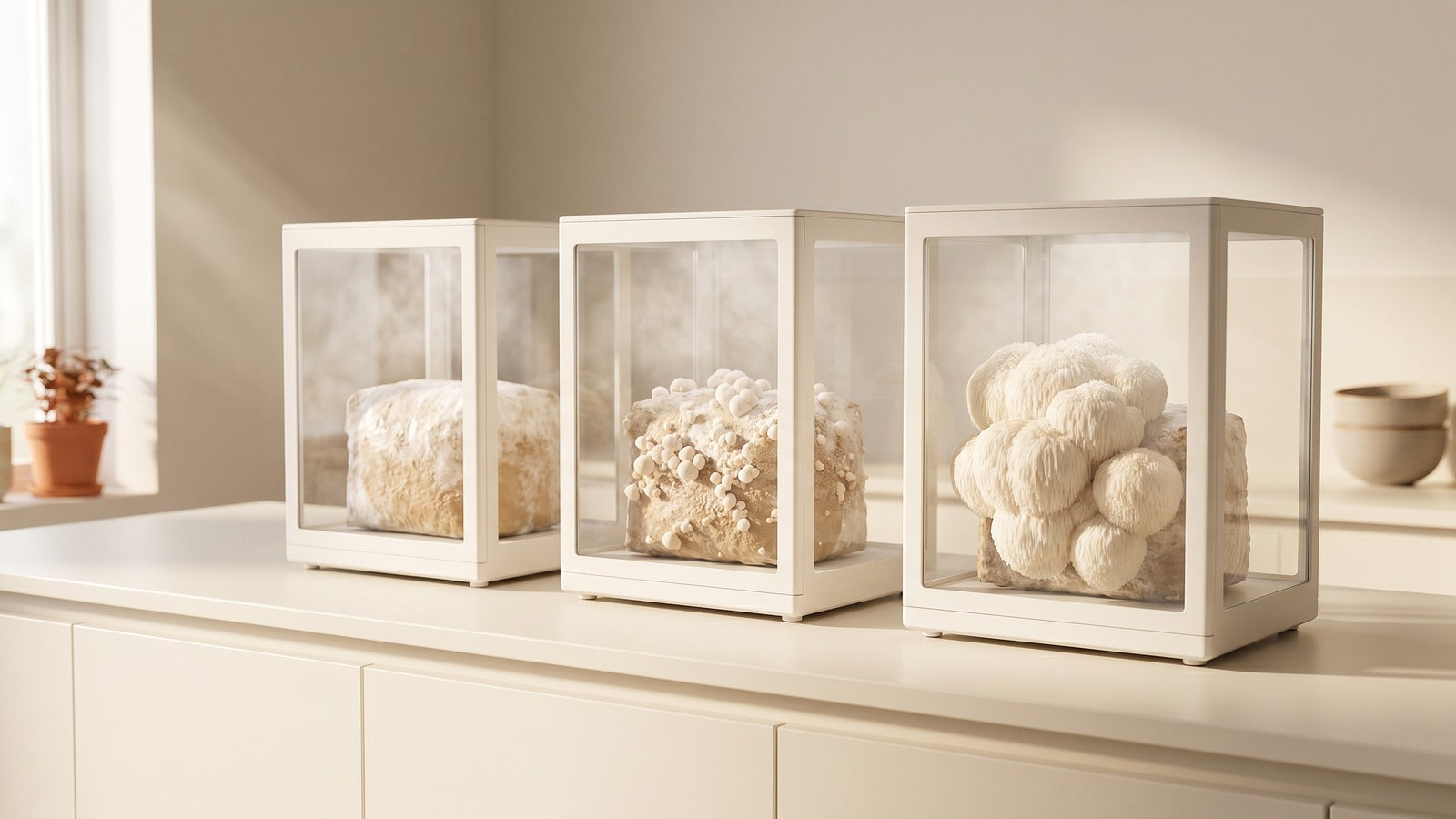
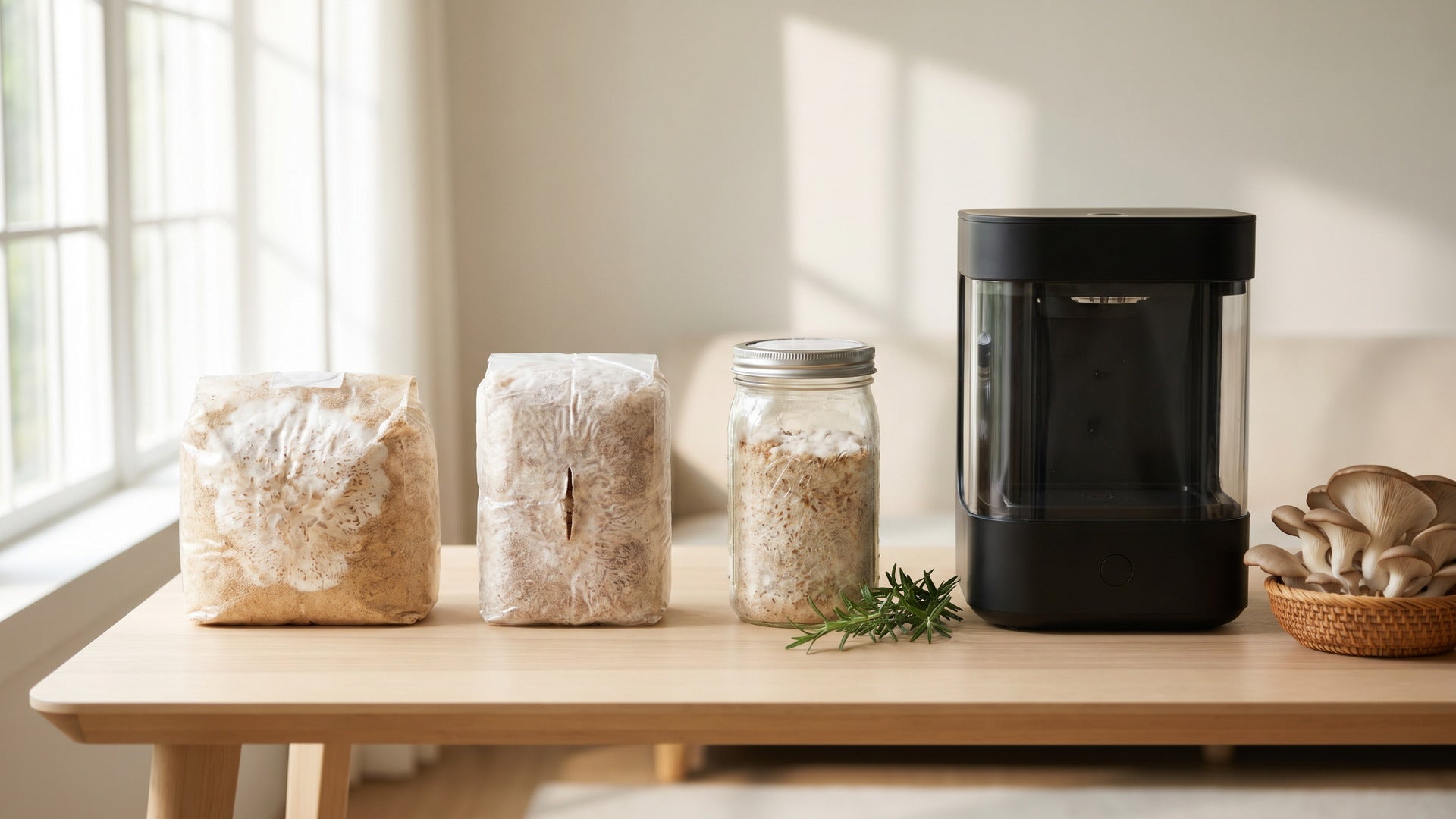
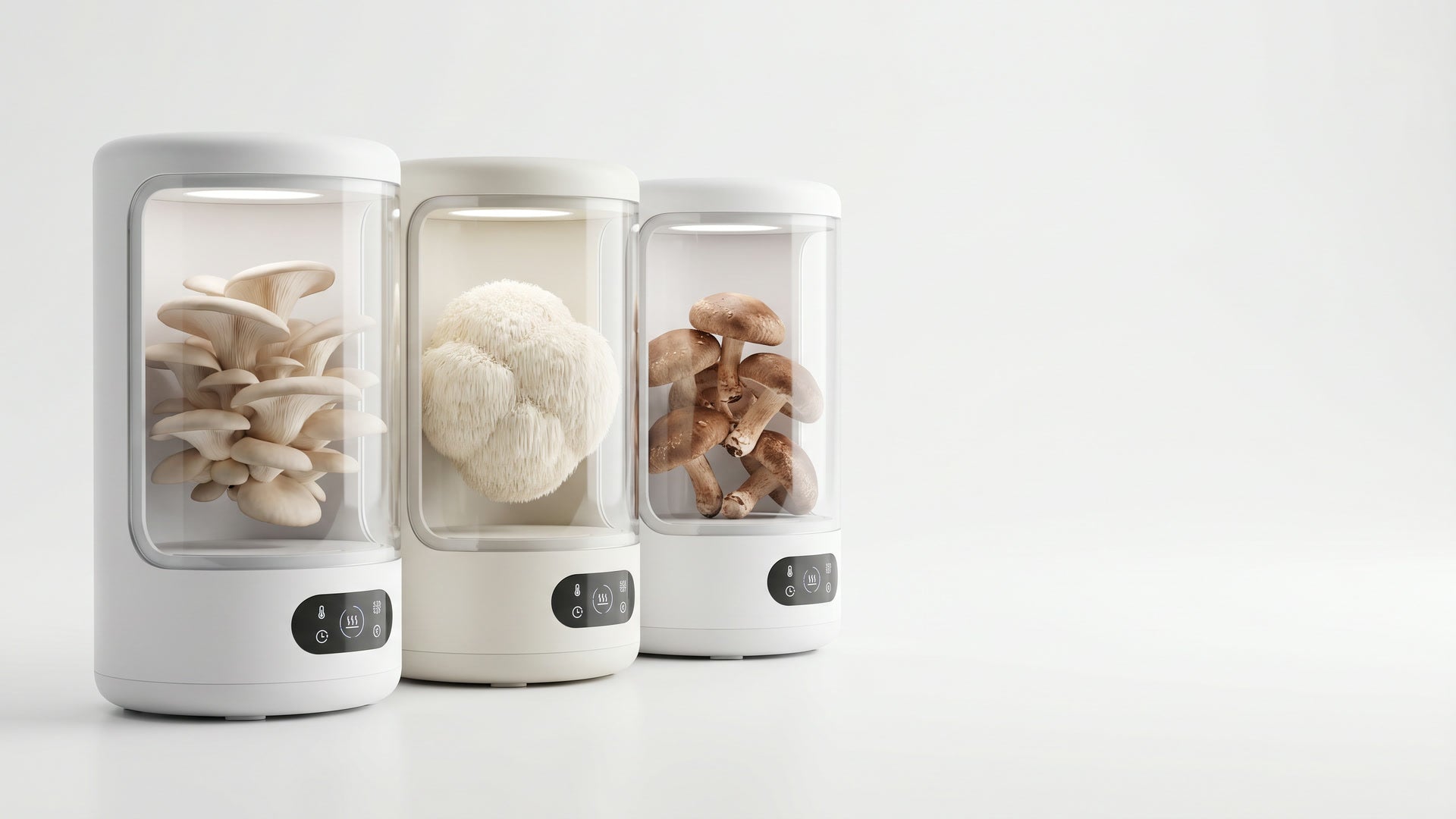
Smart Chamber. Bone White Single
- 2.8L tank, 90% humidity automatic
- App-controlled, plug-and-play
- 6 lb block ceiling, in stock

Smart Chamber. Obsidian Black Single
- Same hardware as Bone White
- Matte black premium finish
- Pairs with any kitchen palette

What Are Chestnut Mushrooms (and Why They're Different)

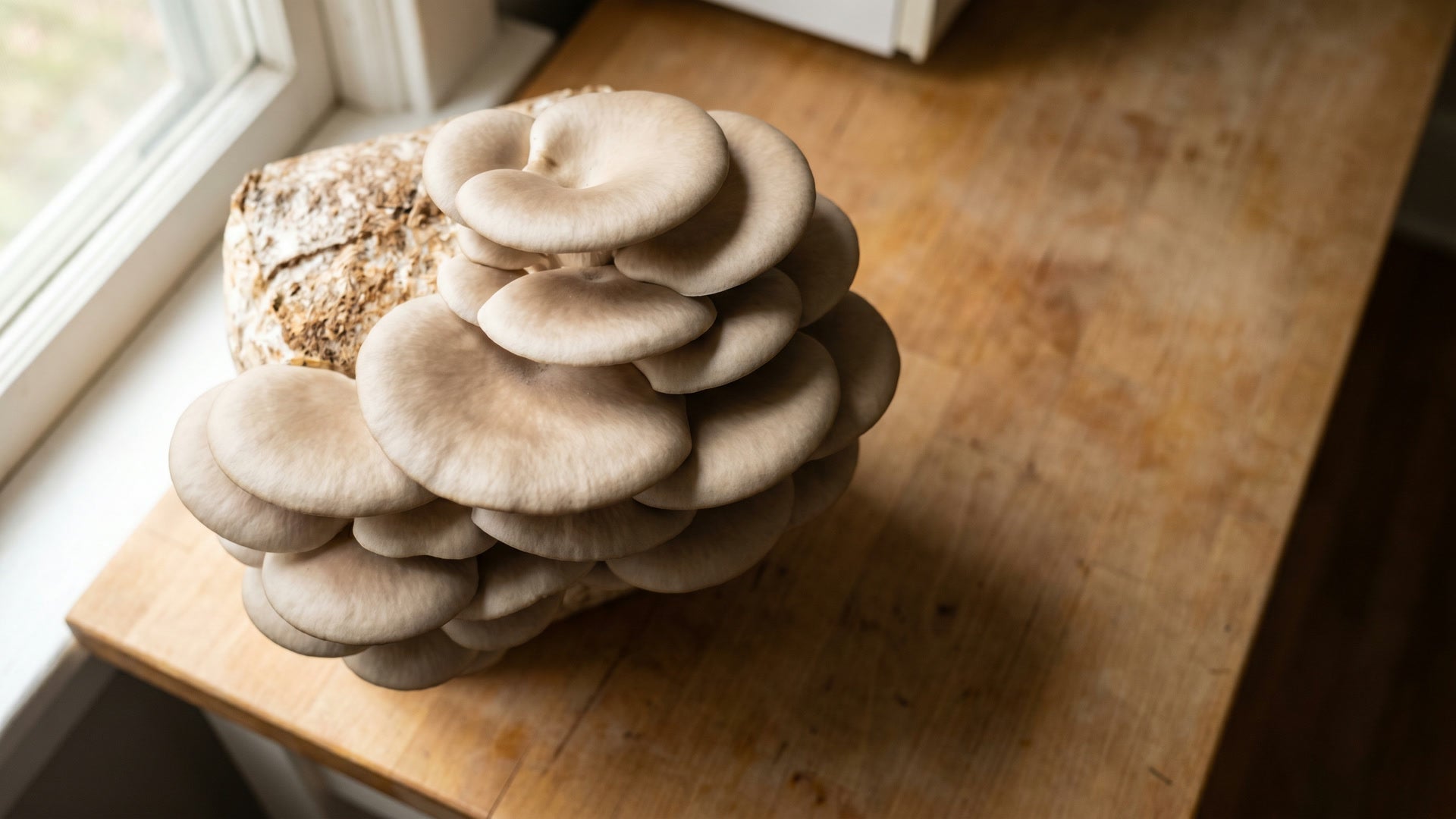
Chestnut mushrooms are the cultivated fruiting bodies of Pholiota adiposa, an East Asian wood-decay species in the Strophariaceae family. They grow in dense clusters with deep amber-brown caps about 1 to 3 inches across, scattered with small white scales, and crisp white stems. In US grocery stores they show up under three names: chestnut mushrooms, cinnamon caps, and pioppini. They're the same species. Different sellers, different names.
A quick clarification, because this is the question most home cooks ask first. The brown "chestnut mushrooms" you sometimes see in UK supermarkets, in mesh bags next to button mushrooms, are not the same. Those are chestnut-colored cremini (Agaricus bisporus), the same species as white button mushrooms but harvested a few days later. Pholiota adiposa is a totally different mushroom: firmer, sweeter, more aromatic, and far better in cooked dishes. If you're shopping in the US for chestnut mushrooms in a recipe like the ones below, look for the dense clusters with scaly caps. That's the real thing.
According to USDA FoodData Central, fresh Pholiota adiposa offers roughly 4 grams of protein, 3 grams of fiber, and 22 calories per 100 grams. They contain B vitamins (niacin, riboflavin, pantothenic acid), copper, selenium, and potassium, plus beta-glucan polysaccharides studied in the journal Mycologia for their immune-supporting role. They're naturally low in sodium and fat, and they're vegan, gluten-free, and keto-friendly out of the bag.
If you want to grow them yourself, chestnut mushrooms are one of the easiest exotic species to fruit at home. Lykyn's Cinnamon Cap grow kit is pre-colonized Pholiota adiposa - same species, same recipes, ready to fruit in about a week.
Why Chestnut Mushrooms Are Great for Cooking

Three things separate Pholiota adiposa from every supermarket mushroom and explain why chefs pick them for hearty dishes.
Firm, fibrous texture. Pholiota mushrooms have parallel-bundled hyphae rather than the loose tangled hyphae of Agaricus button mushrooms. That bundling means they hold their shape through 15 minutes of braising or sauteing without collapsing into a wet pile. You get distinct bites of mushroom in every spoonful of risotto, soup, or pasta. Button mushrooms turn to slush at the 8-minute mark. Chestnut mushrooms stay structurally intact.
Sweet, nutty flavor profile. Where button mushrooms read as mild and earthy, chestnut mushrooms have natural sugars (mainly trehalose) that caramelize when sauteed in butter, giving them a roasted hazelnut quality. Cornell's small farms program describes their flavor as "between fresh shiitake and pine nut". Sweeter than most cultivated species. That sweetness pairs especially well with browned butter, garlic, thyme, and parmesan.
Holds shape under long heat. This is the most useful property in real cooking. Soups, stews, risottos, and pasta sauces all benefit from a mushroom that won't disappear. Chestnut mushrooms maintain their dense cap and crunchy stem even after 20 minutes in liquid. You taste them at the end the way you tasted them at the start. That's rare in the mushroom world.
How to Prepare Chestnut Mushrooms

Prep takes about 5 minutes and matters more than you'd think. Get it right and the recipes below will work the first time.
- Clean dry. Wipe each mushroom with a damp paper towel or a soft pastry brush. Do not rinse them under running water. Chestnut mushrooms are slightly more water-absorbent than buttons, and a soak turns the cooking liquid into a watery mess.
- Trim the base. Slice off about 1/4 inch of the dried, fibrous stem base where the mushroom met the substrate. The rest of the stem is fully edible, sweet, and arguably better than the cap.
- Separate the cluster. Pholiota grows in tight bunches. Pull apart the cluster into individual mushrooms with your fingers.
- Slice or leave whole. For risotto, pasta, and soup, slice lengthwise to expose stem and cap in each piece. For garlic butter saute or a side dish, leave the smaller mushrooms whole and halve the bigger ones.
- Don't pre-salt. Salt draws water out and dulls the browning. Salt at the end of the cook, not at the start.
If you're trying to figure out how to prepare chestnut mushrooms for the freezer, the answer is: cook first, freeze after. Saute them in oil or butter until lightly golden, cool completely, then portion into freezer bags. They keep for 3 months and reheat beautifully into a quick sauce.
The Top 5 Chestnut Mushroom Recipes

These five recipes cover the range. Comfort food, weeknight pasta, restaurant-style risotto, a cozy soup, and the most foolproof side dish in your repertoire.
1. Creamy Chestnut Mushroom Risotto (The Flagship)
The dish that shows off chestnut mushrooms most clearly. Their firmness gives every spoonful a satisfying bite that classic mushroom risotto with cremini just can't match. Full ingredients and instructions are in the recipe card below.
The trick is to brown half the mushrooms hard before they go into the rice, then add the rest in the final 5 minutes for textural contrast. Finish with a generous handful of parmesan and chopped parsley.

Fuel Your Mushroom Journey
Smart Mushroom Grow Chamber
Plug-and-play smart chamber with humidity, light, and airflow dialed in for every species. Beginners harvest their first flush in days, not months.
Add to cart $2992. Garlic Butter Chestnut Mushrooms
The five-minute side dish that turns into the main event. Heat 3 tablespoons of butter and 1 tablespoon of olive oil in a wide skillet over medium-high until foaming. Add 12 oz of whole or halved chestnut mushrooms in a single layer. Cook undisturbed for 4 minutes until the bottoms are deep golden. Toss, add 4 minced garlic cloves and a small handful of fresh thyme, and cook 2 minutes more. Finish with flaky salt, cracked pepper, and a squeeze of lemon. Serve on toast, alongside steak, or straight out of the pan.
3. Chestnut Mushroom Pasta With Brown Butter
A 20-minute weeknight pasta that tastes like it came from a restaurant. Boil 1 lb of rigatoni or pappardelle. While it cooks, melt 4 tablespoons of butter in a wide skillet over medium-high heat until the milk solids turn golden brown and nutty. Add 1 lb of sliced chestnut mushrooms in a single layer and cook 6 minutes, tossing once, until deeply browned. Add 3 minced garlic cloves, 2 tablespoons fresh sage, and a pinch of red pepper flakes. Toss in the drained pasta with a ladle of starchy pasta water, 1/2 cup grated parmesan, and 1/4 cup chopped parsley. Plate with extra parmesan, cracked pepper, and a drizzle of fresh olive oil.
4. Chestnut Mushroom and Barley Soup
A heartier alternative to classic mushroom soup. Sweat 1 chopped onion, 2 carrots, 2 ribs celery, and 4 cloves garlic in olive oil. Add 1 lb sliced chestnut mushrooms and brown for 6 minutes. Stir in 2 tablespoons tomato paste, 1 teaspoon thyme, and 1 bay leaf. Add 1 cup pearl barley, 8 cups good vegetable or chicken stock, and a parmesan rind if you have one. Simmer 45 minutes until the barley is tender. Finish with a glug of sherry vinegar, 1/4 cup chopped parsley, and salt to taste. The chestnut mushrooms hold their texture through the whole 45-minute simmer.
5. Chestnut Mushroom and Spinach Saute (the side)
The fastest of the five. Saute 1 lb sliced chestnut mushrooms in 2 tablespoons olive oil over medium-high heat for 5 minutes until browned. Push to one side, add 3 minced garlic cloves and 8 oz baby spinach to the empty side, and toss until the spinach wilts (about 60 seconds). Combine, finish with flaky salt, lemon zest, and a drizzle of fresh olive oil. Pairs with almost anything: roast chicken, grilled fish, baked tofu, or polenta.
Flagship Recipe: Chestnut Mushroom Risotto
The full recipe card for the flagship dish. Serves 4. Active cook time about 25 minutes.
Ingredients
- 1 lb fresh chestnut mushrooms (Pholiota adiposa), cleaned and sliced
- 1 1/2 cups arborio rice
- 1 small yellow onion, finely diced
- 4 garlic cloves, minced
- 1/2 cup dry white wine
- 5 to 6 cups warm vegetable or chicken stock
- 4 tablespoons unsalted butter, divided
- 2 tablespoons olive oil
- 1/2 cup grated parmesan, plus more for serving
- 1/4 cup chopped flat-leaf parsley
- 2 sprigs fresh thyme
- Flaky sea salt and cracked black pepper
Instructions
- Brown half the mushrooms. Heat 1 tablespoon butter and 1 tablespoon olive oil in a wide skillet over medium-high. Add half the sliced mushrooms in a single layer. Cook undisturbed for 4 minutes until deep golden. Toss, season lightly with salt, cook 2 more minutes. Transfer to a plate.
- Sweat the aromatics. In the same pan, add the second tablespoon of olive oil, the diced onion, and a pinch of salt. Cook 4 minutes until softened. Add the garlic and thyme leaves and cook 30 seconds more.
- Toast the rice. Add the arborio rice and stir for 90 seconds until the edges turn translucent. Pour in the white wine and stir until almost fully absorbed.
- Add stock gradually. Add warm stock 1 cup at a time, stirring frequently. Wait until each cup is mostly absorbed before adding the next. After about 18 minutes the rice should be al dente and creamy.
- Fold in the second batch of mushrooms. Add the remaining raw sliced mushrooms in the final 5 minutes of cooking. They'll soften into the rice while keeping their bite.
- Finish. Remove from heat. Stir in 2 tablespoons cold butter, the grated parmesan, and the browned mushrooms from step 1. Taste, season with flaky salt and cracked pepper.
- Plate. Spoon into wide bowls. Top with extra parmesan, chopped parsley, and a few drops of good olive oil.
Lykyn tip: don't crowd the pan when browning mushrooms. A single layer in a hot skillet gives you the golden crust. A piled-up pan steams and goes gray.
Cooking Tips That Actually Matter
Five quick rules that change every chestnut mushroom dish for the better.
- High heat, dry pan, single layer. Crowding the pan steams instead of sears. Cook in batches if your skillet is small.
- Don't move them. The first 4 minutes are when the crust forms. Toss too early and you get pale, soggy mushrooms.
- Salt at the end. Salt draws water out. Add it after browning.
- Use butter and oil together. Oil raises the smoke point, butter delivers flavor. Best of both worlds.
- Save the stems. Pholiota stems are the best part. Slice them thin and add them to the pan with the caps.
Where to Buy Fresh Chestnut Mushrooms
Fresh Pholiota adiposa is harder to find in regular US supermarkets than cremini or shiitake. Best sources:
- Whole Foods and specialty markets. Most carry pioppini or cinnamon cap mushrooms from local growers seasonally.
- Farmers markets in the fall. Peak season for wild-cultivated chestnut mushrooms in the US is September through November.
- Asian groceries. Often labeled in Mandarin as "tea tree mushroom" (cha shu gu). Same species, same recipes.
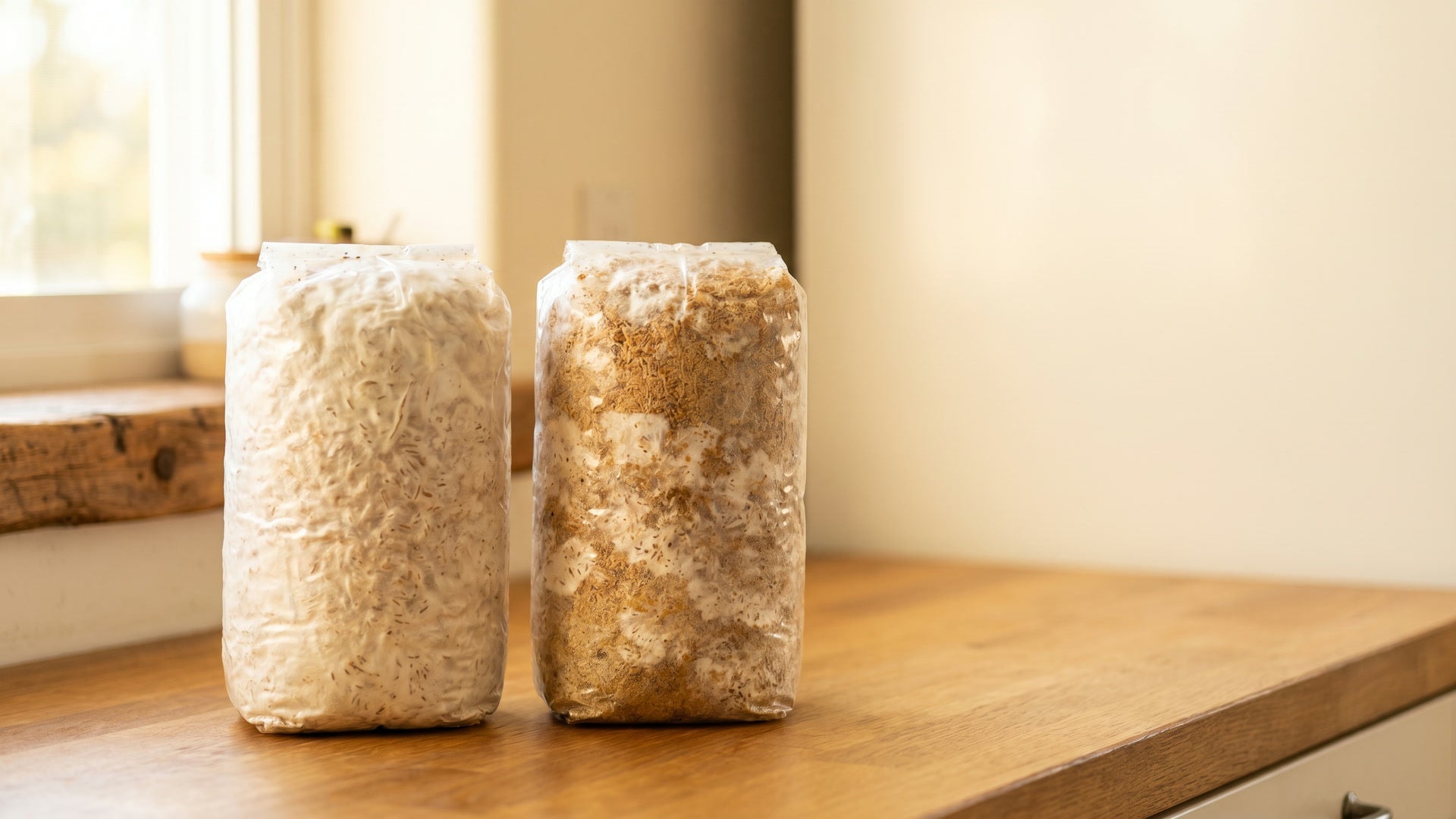
- Grow at home. The most reliable option. A pre-colonized Pholiota adiposa block in the Lykyn smart mushroom chamber fruits in 7 to 10 days and yields about 1 lb per flush. No daily misting, no contamination guesswork. Sensors handle the humidity.
For more on the cultivation process and biology, see Lykyn's deeper Chestnut Mushrooms: Growing Guide, Health Benefits & Cooking Tips article. If you want even more recipe ideas, our Chestnut Mushrooms Recipe: The Ultimate Guide covers six more variations and a Japanese-style miso preparation.
Frequently Asked Questions
How do you cook chestnut mushrooms?
Saute them whole or sliced over medium-high heat in a mix of butter and olive oil for 5 to 7 minutes until golden brown on both sides. Don't move them in the first 4 minutes (that's when the crust forms), don't salt until the end, and don't crowd the pan. They're firm enough to handle braising, roasting, grilling, and stir-frying without falling apart.
How do you prepare chestnut mushrooms before cooking?
Wipe each mushroom with a damp paper towel. Don't rinse them under water, as they absorb liquid faster than button mushrooms. Trim about 1/4 inch off the dried base of each stem. Separate clustered mushrooms by hand. Then slice lengthwise or leave whole, depending on the recipe.
What do chestnut mushrooms taste like?
Sweet, nutty, and slightly earthy. Cornell's mushroom extension describes the flavor as "between fresh shiitake and pine nut." They're sweeter than button or cremini mushrooms thanks to natural trehalose sugars that caramelize beautifully in butter.
What is a good chestnut mushrooms substitute?
If you can't find fresh Pholiota adiposa, the closest substitutes are shiitake (firmer texture, more umami) or king oyster (denser, more meaty). Cremini works in a pinch but lacks the firm texture and sweet finish. Avoid white button mushrooms. They'll collapse into the dish.
Can you eat chestnut mushrooms raw?
Technically yes in small amounts, but they're far better cooked. Raw Pholiota adiposa contains chitin in the cell walls that's hard to digest without heat. A quick 5-minute saute breaks it down and unlocks the flavor.
Are chestnut mushrooms the same as cremini?
No. In the US, "chestnut mushrooms" usually refers to Pholiota adiposa (also sold as cinnamon caps or pioppini). Dense brown clustered mushrooms with scaly caps. In some UK supermarkets, "chestnut mushrooms" are brown cremini (Agaricus bisporus). Same name, completely different species. The recipes in this guide are for Pholiota adiposa.
Where can I buy chestnut mushrooms?
Fresh Pholiota adiposa is available seasonally at Whole Foods, specialty grocers, farmers markets in fall, and Asian groceries (often labeled tea tree mushroom). For year-round access, growing them at home in a pre-colonized Cinnamon Cap grow kit gives you about 1 lb every 10 days.
Are chestnut mushrooms good for you?
Yes. Per 100 grams, fresh chestnut mushrooms (Pholiota adiposa) deliver 4 g protein, 3 g fiber, B vitamins, copper, selenium, and beta-glucan polysaccharides. They're vegan, gluten-free, low in sodium, and roughly 22 calories per 100 g. They're a smart addition to a varied diet for the fiber and trace minerals alone.
Start Your Own Chestnut Harvest
The best chestnut mushroom recipe starts with the freshest mushrooms you can get. Growing them at home in a Lykyn smart mushroom chamber means you harvest, slice, and saute the same morning, and the difference in flavor is night and day from a 5-day-old grocery pack. One Cinnamon Cap block yields about a pound of Pholiota adiposa per flush. Enough for a full risotto, a pasta night, and a garlic butter side.
Share:
Mushroom Pinning Explained: Hyphal Knots, Primordia, Stalled Pins
Shiitake Stir Fry: The 15-Minute Garlic Method That Always Works