


Morel mushrooms are a culinary treasure, cherished by foragers and chefs alike for their distinctive honeycomb appearance and rich, nutty flavor. These prized fungi have a frustratingly short growing season, typically appearing for just a few weeks each spring. This limited availability makes knowing how to properly store morel mushrooms essential for any mushroom enthusiast who wants to enjoy these delicacies year-round.
Whether you've hit the jackpot while foraging or simply purchased more fresh morels than you can consume immediately, this comprehensive guide will walk you through the best methods for storing morel mushrooms. From short-term refrigeration to long-term preservation techniques including freezing, drying, and more, we'll cover everything you need to know to maximize the shelf life of your morel harvest.
Understanding Morel Mushrooms and Their Storage Needs
Before diving into specific storage methods, it's important to understand why morels require special consideration when it comes to preservation.
Morel mushrooms (Morchella species) have several characteristics that impact their storage requirements:
- High moisture content: Fresh morels contain significant moisture, making them prone to spoilage
- Honeycomb structure: The distinctive pitted cap creates countless small spaces that can trap dirt, debris, and tiny insects
- Delicate texture: Improper storage can quickly lead to mushiness or deterioration
- Unique flavor compounds: Some preservation methods are better than others at maintaining morels' distinctive taste
Unlike commercially grown button mushrooms, morels are wild fungi with a limited shelf life when fresh. Understanding these unique characteristics will help you choose the most appropriate storage method based on how long you need to preserve them.

Cleaning Morels Before Storage
Regardless of which storage method you choose, proper cleaning is the critical first step. However, timing is important, clean morels just before storage, not before harvesting or collecting.
Supplies Needed for Cleaning
- Cold water
- Large bowl or clean sink
- Colander
- Soft brush (optional)
- Kitchen towels or paper towels
- Salt (for some cleaning methods)
Step-by-Step Cleaning Process
-
Inspect your morels for any signs of spoilage or excessive damage and discard any that look questionable.
-
Cut morels in half lengthwise to check for insects inside the hollow center and to ensure they are true morels (which are completely hollow).
-
Choose your cleaning method:
- Quick rinse method: For relatively clean morels, gently rinse under cold running water and immediately pat dry.
- Salt water soak method: For morels that need deeper cleaning, prepare a bowl of cold water with 1-2 tablespoons of salt per quart. Soak morels for 5-15 minutes (not longer, to prevent mushiness), swishing gently to dislodge dirt and encourage any hiding insects to exit.
-
Lift morels from water rather than pouring through a strainer, which would redeposit dirt on the clean mushrooms.
-
Drain thoroughly and pat dry with paper towels or clean kitchen towels. Proper drying is crucial before any storage method.
Now that your morels are properly cleaned, let's explore the different storage methods, starting with short-term refrigeration.
Storing Fresh Morel Mushrooms in the Refrigerator
For short-term storage of up to 5-7 days, refrigeration is the simplest option and preserves the texture and flavor of fresh morels best.
Best Practices for Refrigerating Morels
-
Use a paper bag or container lined with paper towels, never a sealed plastic bag. Morels need to breathe and release moisture, or they'll quickly deteriorate.
-
Place cleaned and thoroughly dried morels in the paper bag or container. Some experts recommend placing a slightly dampened paper towel in the bag to maintain some humidity without causing wetness.
-
Store in the crisper drawer of your refrigerator, which typically provides the optimal humidity level.
-
Check daily for any signs of spoilage and use the oldest morels first.
-
Consume within 5-7 days for optimal quality. The exact timeframe depends on how fresh the morels were when you started.
While refrigeration works well for short-term storage, you'll need different techniques for long-term preservation. Let's explore these methods next.
Freezing Morel Mushrooms
Freezing is an excellent option for preserving morels for up to a year. However, because of their high moisture content, morels require special preparation before freezing.
Three Primary Methods for Freezing Morels
1. Sauté and Freeze Method
This method is preferred by many enthusiasts as it best preserves the flavor and makes morels ready to use directly from frozen.
Instructions:
- Clean and thoroughly dry morels as described earlier
- Slice morels into halves or quarters for larger specimens
- Sauté in butter or oil until they release their water and are lightly cooked
- Allow to cool completely
- Freeze in one of two ways:
- Flash freeze on a baking sheet, then transfer to freezer bags or containers
- Portion into usable amounts and freeze in separate containers
Advantage: Preserves flavor exceptionally well and allows you to use frozen morels directly in recipes without thawing.
2. Flour Coating Method
This technique is popular among those who primarily use morels for frying.
Instructions:
- Clean, dry, and slice morels as needed
- Coat lightly with flour
- Arrange in a single layer on a baking sheet
- Freeze until solid (several hours)
- Transfer to freezer bags or containers
Advantage: Morels are ready for frying directly from the freezer, no thawing required.
3. Blanch and Freeze Method
This method helps preserve texture for longer-term storage.
Instructions:
- Clean and prepare morels
- Blanch in boiling water for 1-2 minutes
- Immediately transfer to ice water to stop cooking
- Drain thoroughly and pat dry
- Flash freeze on a baking sheet
- Transfer to freezer-safe containers
Advantage: Helps maintain better texture for certain cooking applications.
Tips for Successful Freezing
- Label containers with the date to track storage time
- Remove as much air as possible from freezer bags to prevent freezer burn
- Freeze in usable portion sizes to avoid thawing more than needed
- Never refreeze previously frozen morels
- Use within 6-12 months for best quality
While freezing is effective, it does alter the texture of morels somewhat. For the longest storage life and excellent flavor preservation, many foragers turn to drying.
Drying Morel Mushrooms
Drying is perhaps the most traditional and effective method for long-term storage of morels. Properly dried morels can last 1-2 years while maintaining their distinctive flavor. When rehydrated, they provide much of the same culinary delight as fresh specimens.
Four Methods for Drying Morels
1. Food Dehydrator Method
Using a food dehydrator is the most reliable and efficient method.
Instructions:
- Clean morels thoroughly
- Cut larger specimens in half lengthwise
- Arrange on dehydrator trays with space between each mushroom
- Set temperature between 110°F and 125°F
- Dry for 8-10 hours, or until completely dry and brittle
- Check that mushrooms are "cracker dry", they should break rather than bend
2. Oven Drying Method
If you don't have a dehydrator, your oven can work well.
Instructions:
- Prepare morels as above
- Set oven to lowest possible setting (ideally 140°F or lower)
- Arrange morels on baking sheets lined with parchment paper
- Leave oven door slightly ajar to allow moisture to escape
- Dry for 4-8 hours, checking frequently
- Rotate trays occasionally for even drying
3. Air Drying Method
This traditional approach requires more time but minimal equipment.
Instructions:
- Clean and prepare morels
- Thread cleaned morels on unwaxed dental floss or cooking twine, leaving space between each mushroom
- Hang in a warm, dry area with good air circulation
- Allow to dry for 2-7 days, depending on humidity and temperature
- Morels are done when completely dry and brittle
4. Screen Drying Method
Popular among serious foragers who process large quantities.
Instructions:
- Clean and prepare morels
- Lay out on window screens or mesh racks
- Position in a warm, dry area with good airflow
- Turn morels occasionally for even drying
- Dry for 2-4 days, depending on conditions
Storing Dried Morels
Once your morels are completely dry:
- Allow to cool completely if using a heated drying method
- Store in airtight glass jars or vacuum-sealed bags
- Add a desiccant packet if available, especially in humid climates
- Label with date and store in a cool, dark place
- For extra longevity, store dried morels in the freezer
Rehydrating Dried Morels
When you're ready to use your dried morels:
- Place in warm water, stock, or milk for 20-30 minutes
- Save the soaking liquid for use in recipes, it contains valuable flavor
- Pat dry before using in your recipe
- Use rehydrated morels as you would fresh ones, keeping in mind they're already partially cooked
Canning Morel Mushrooms
Canning is another preservation option, though less common than freezing or drying. If done properly using pressure canning methods, canned morels can last for 1-2 years.
Important Safety Note
Morels must be pressure canned, not water bath canned, due to their low acidity. Always follow tested recipes and current USDA guidelines for pressure canning mushrooms to ensure safety.
Basic Pressure Canning Process
- Clean and prepare morels
- Pre-cook for 5 minutes in boiling water
- Pack into canning jars with the cooking liquid
- Process in a pressure canner at 10 pounds pressure (adjust for altitude)
- Process half-pints and pints for 30 minutes, quarts for 45 minutes
- Allow to cool completely before storing
Canned morels work best in soups, stews, and sauces where their softer texture isn't a disadvantage.

Comparing Storage Methods: Which is Best?
Each storage method has advantages and limitations. Here's a quick comparison to help you choose:
Refrigeration
- Pros: Preserves fresh texture and flavor, minimal preparation
- Cons: Very short-term (5-7 days maximum)
- Best for: Immediate use within a week
Freezing
- Pros: Preserves much of the flavor, relatively easy
- Cons: Alters texture somewhat, requires cooking preparation
- Best for: Medium-term storage (up to 1 year), maintaining flavor
Drying
- Pros: Longest shelf life, concentrates flavor, most traditional method
- Cons: Requires rehydration, changes texture
- Best for: Long-term storage (1-2 years), saving space, intensity of flavor
Canning
- Pros: Shelf-stable, ready to use
- Cons: Significantly changes texture, requires pressure canner
- Best for: Ready-to-use preparation for soups and stews
Many experienced foragers use multiple methods to preserve their harvest, giving them different options for various culinary applications throughout the year.
Common Questions About Storing Morel Mushrooms
How can I tell if morels have gone bad?
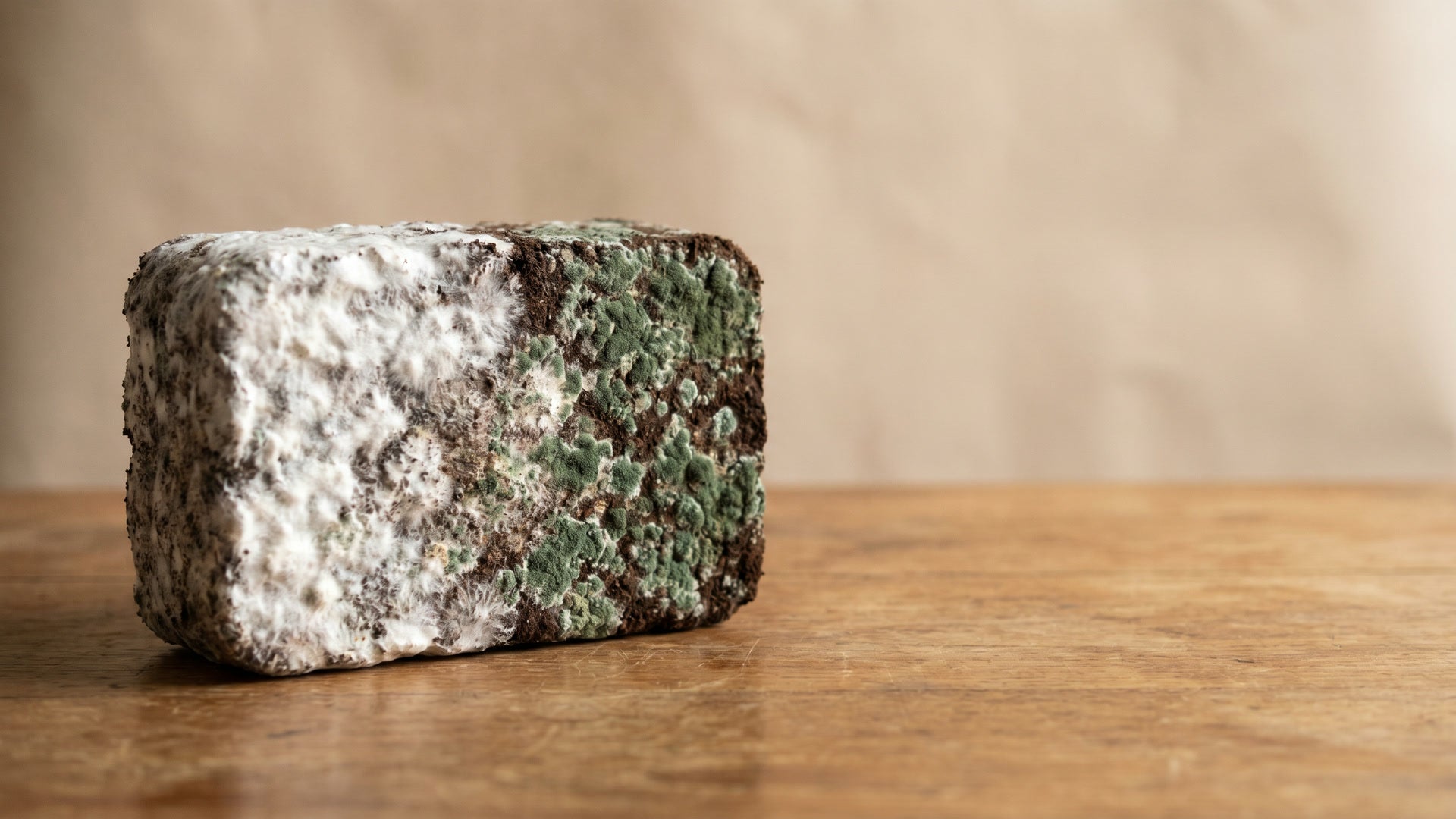
Look for sliminess, strong off-odors, excessive mushiness, or visible mold. Fresh morels should have a pleasant earthy smell and relatively firm texture.
Should I wash morels before storing them?
Yes, but do so just before storage, not before transportation. Use the gentlest effective cleaning method, and always dry thoroughly before storing.
Can I refreeze morels that have been thawed?
No, for food safety and quality reasons, you should not refreeze morels once they've been thawed.
What's the best way to use dried morels?
Dried morels excel in recipes with liquid components that benefit from their concentrated flavor, such as risottos, pasta sauces, soups, and stews.
How long do morels last in the freezer?
Properly prepared and stored frozen morels can maintain good quality for 9-12 months.
Can I store fresh morels in a plastic bag?
No, plastic bags trap moisture and accelerate spoilage. Always use paper bags or containers that allow air circulation for fresh morels.
Conclusion: Making the Most of Your Morel Harvest
The ability to properly store morel mushrooms extends their limited season and allows you to enjoy these delicacies year-round. Whether you choose refrigeration for short-term storage, freezing for medium-term preservation, or drying for the longest shelf life, each method helps you maximize your precious morel harvest.
Remember that the best storage method begins with proper handling from the moment you harvest or purchase your morels. Handle gently, clean appropriately, and choose the storage technique that best fits your intended use and timeframe.
With these methods mastered, you can enjoy the distinctive flavor of morel mushrooms in your favorite recipes long after their brief spring season has passed, a small taste of springtime preserved for any time of year.
Share:
Morel Mushroom Season: The Hunt for Nature’s Gourmet Treasure Begins
How to Clean Morel Mushrooms: Easy Tips for Perfect Results