


A great mushroom ragout is what happens when you stop treating mushrooms as a side note and let them be the main event. The dish is essentially a slow-cooked, deeply seasoned mushroom stew, rich enough to ladle over polenta or pasta, lean enough to serve alongside a roast. If you can chop an onion and stand at a stove for 40 minutes, you can make a ragout that tastes like it came out of a wine bar kitchen.
Here is the version we keep coming back to: a mixed-mushroom ragout built on shallots, garlic, herbs, white wine, and a splash of cream, finished with fresh parsley. It scales from a weeknight dinner for two to a holiday side for ten, and it gets better after a night in the fridge.

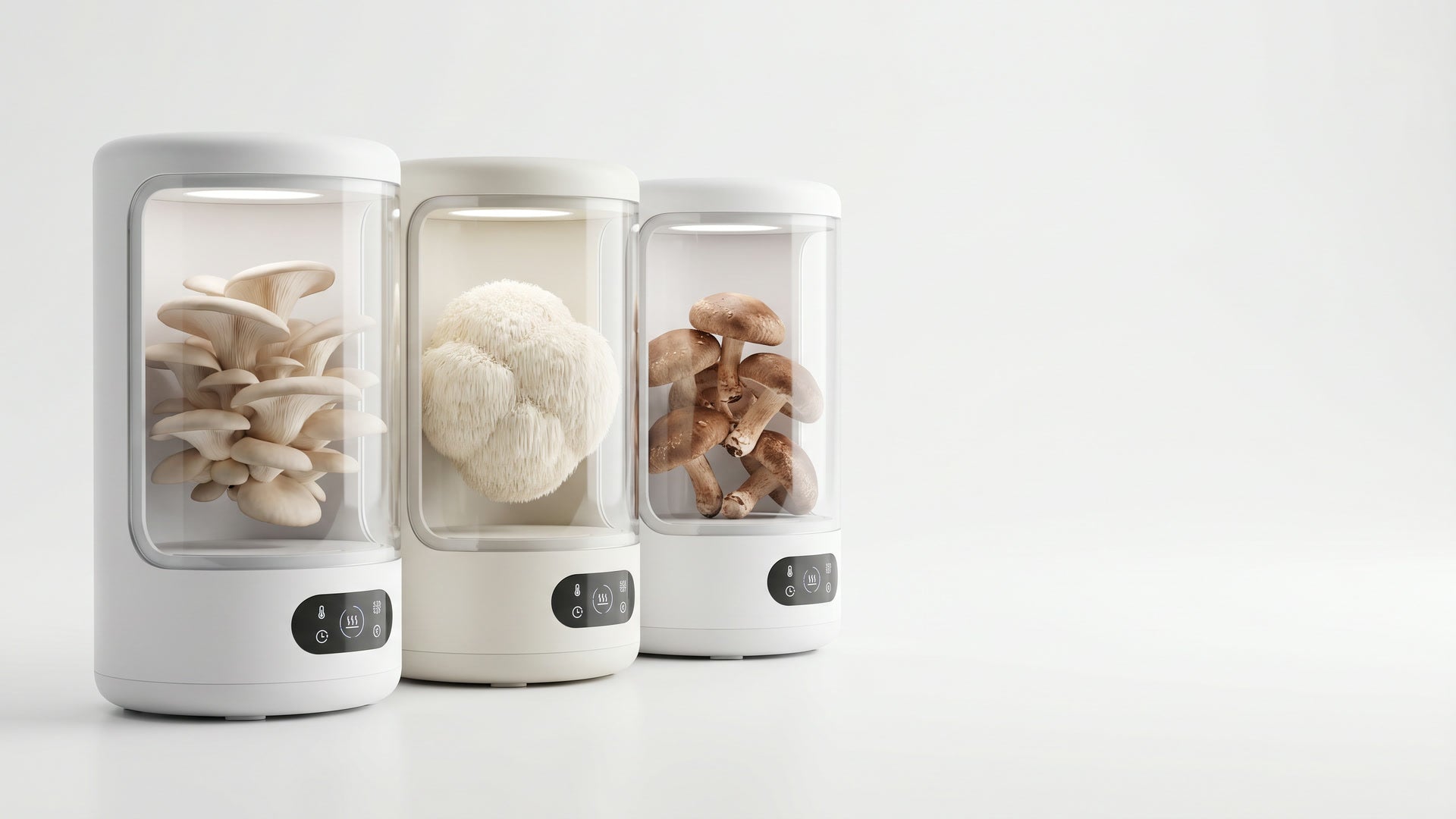
Smart Chamber. Bone White Single
- 2.8L tank, 90% humidity automatic
- App-controlled, plug-and-play
- 6 lb block ceiling, in stock

Smart Chamber. Obsidian Black Single
- Same hardware as Bone White
- Matte black premium finish
- Pairs with any kitchen palette

What makes a ragout a ragout (not just sauteed mushrooms)
A few details separate a ragout from a quick pan of mushrooms. First, you cook the mushrooms long enough that they collapse, release their moisture, and then re-absorb a flavorful liquid. Second, that liquid is built in stages: aromatics, wine, stock, sometimes cream or tomato. Third, the texture is spoonable, not crisp. You want soft, glossy mushrooms in a sauce that coats the back of a spoon.
The classic French version leans on butter, shallots, and cream. Italian ragout di funghi often uses olive oil, garlic, white wine, and a little tomato paste. Both work. The technique below borrows from each.
Ingredients for 4 servings
- 1.5 lb mixed mushrooms (cremini, shiitake, oyster, lion's mane, or whatever looks freshest)
- 3 tbsp unsalted butter
- 2 tbsp olive oil
- 2 large shallots, finely diced (about 1/2 cup)
- 4 garlic cloves, minced
- 2 sprigs fresh thyme
- 1 bay leaf
- 1/2 cup dry white wine (sauvignon blanc or pinot grigio)
- 1 cup mushroom or chicken stock
- 1/3 cup heavy cream
- 1 tsp soy sauce or tamari (for depth, not saltiness)
- 1 tsp Dijon mustard
- Salt and black pepper to taste
- 1/4 cup chopped fresh parsley
- Optional: 1 tbsp tomato paste, 1/4 tsp smoked paprika
Picking your mushrooms
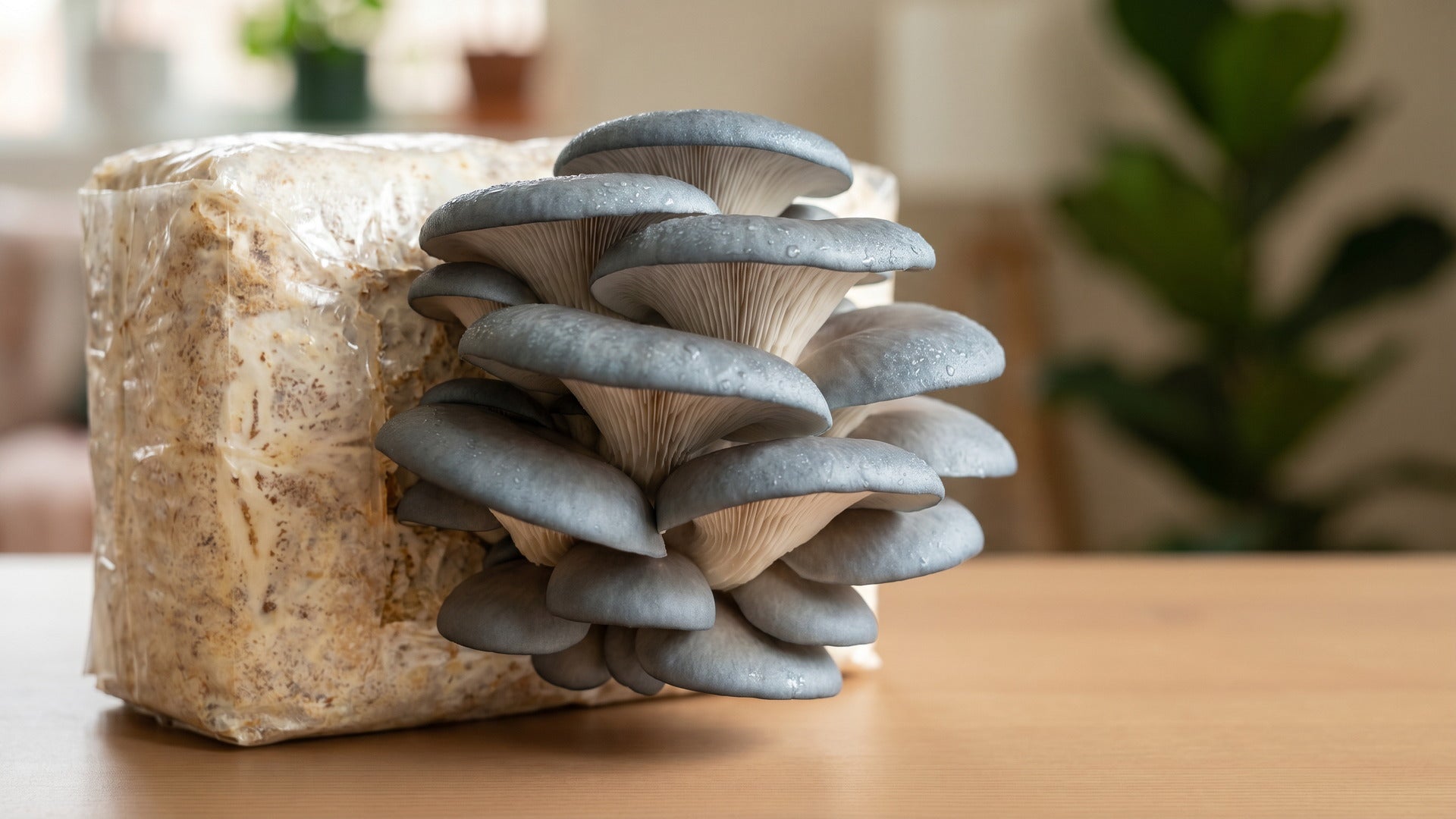
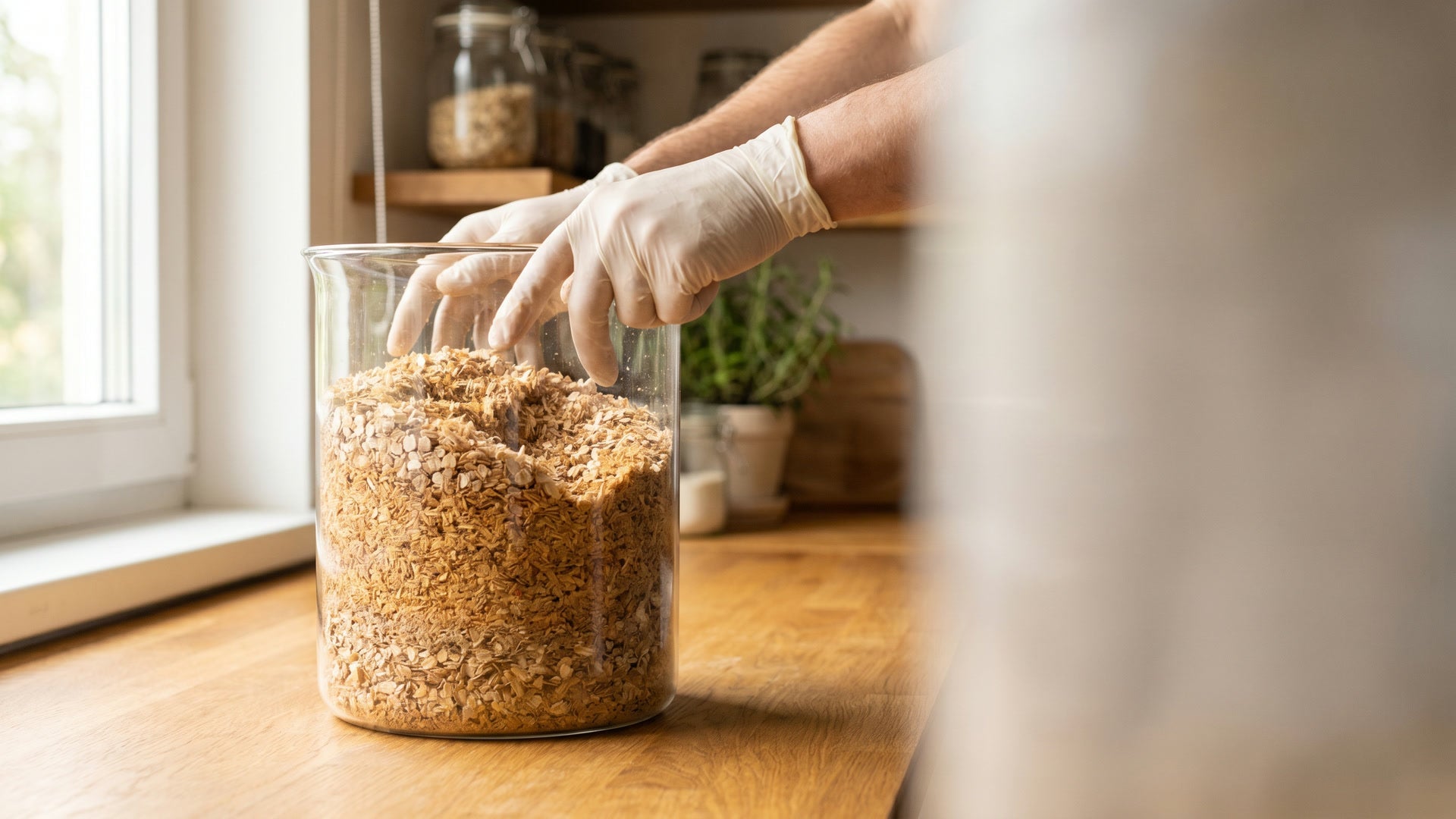
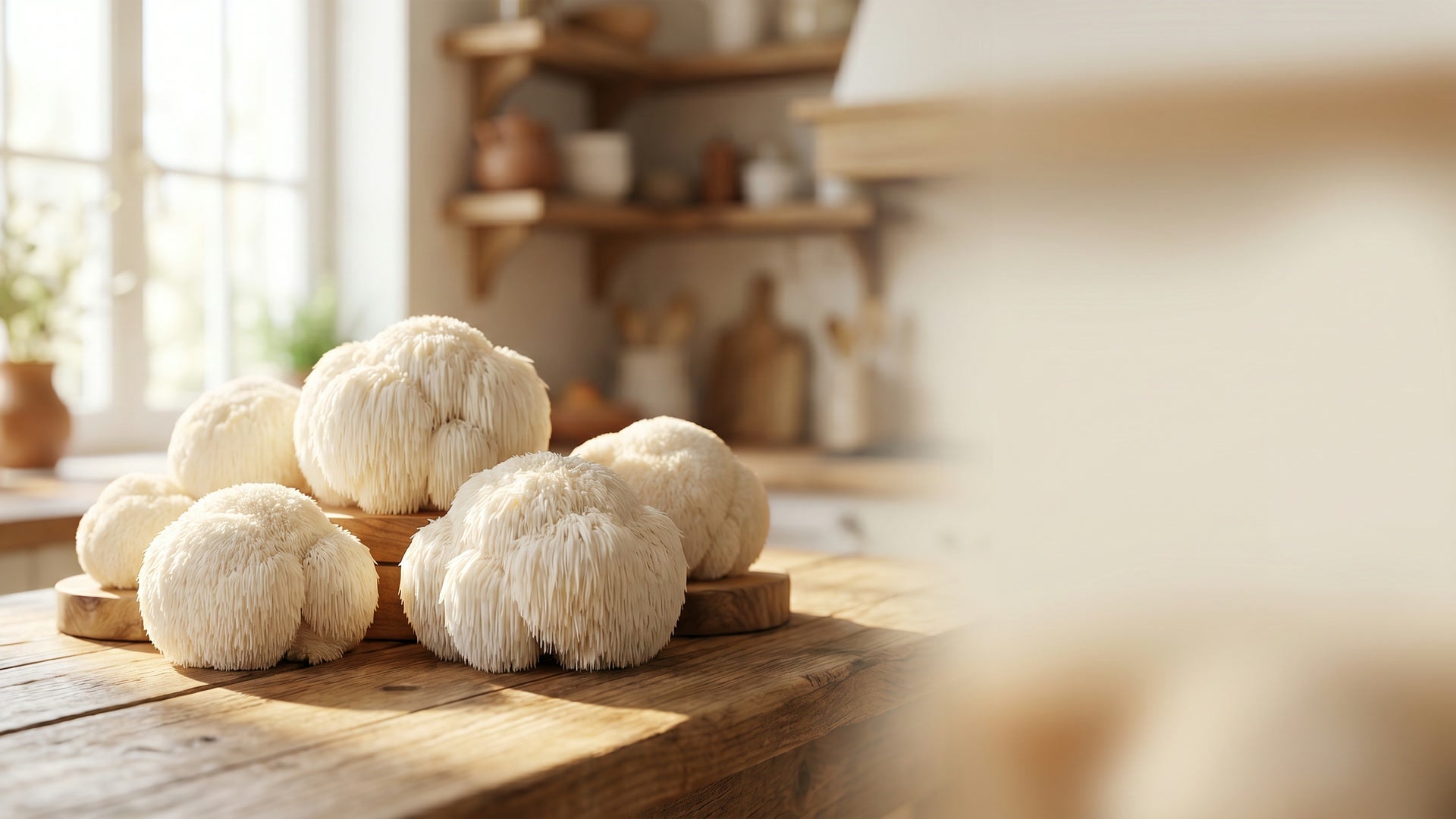
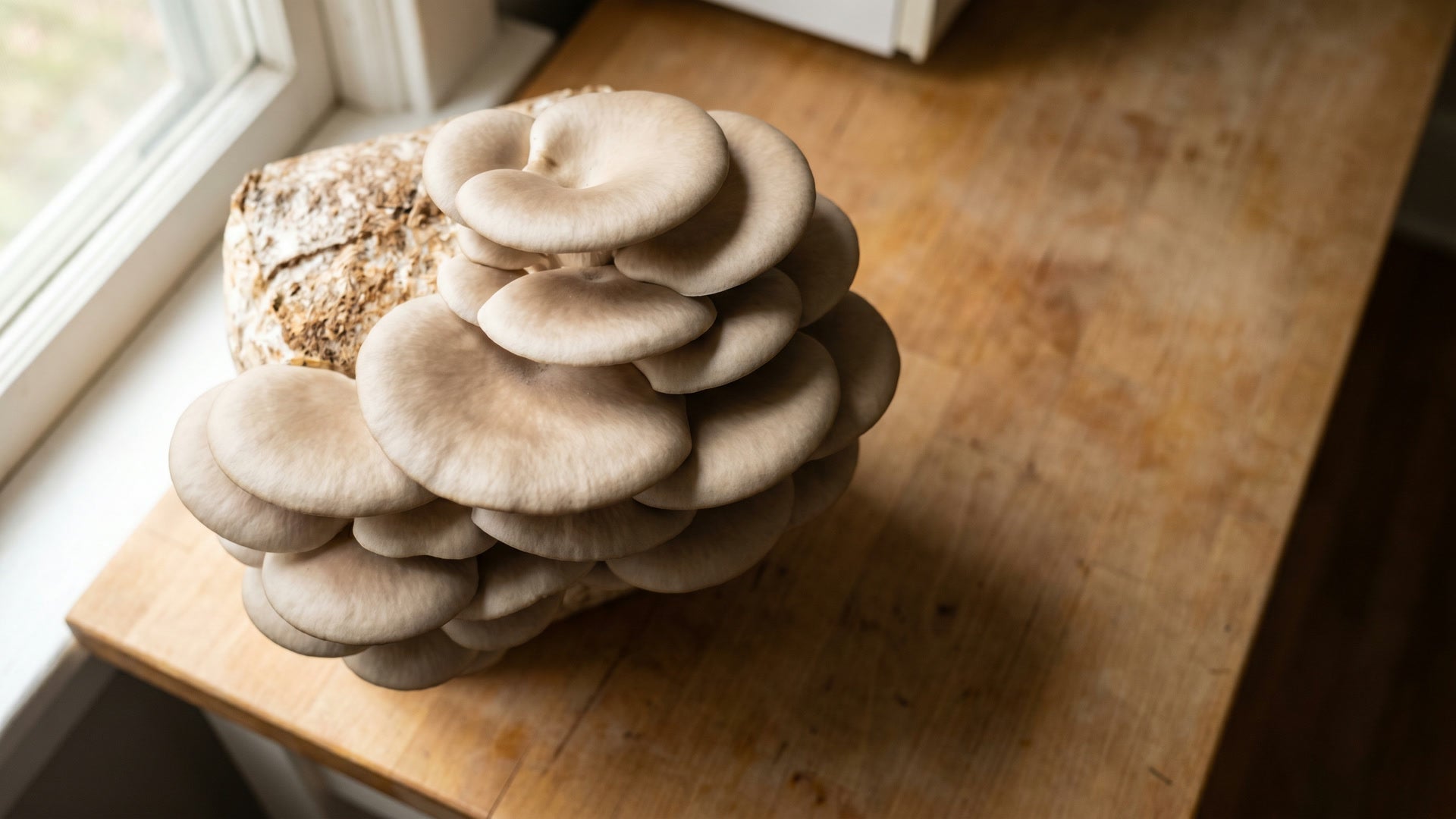
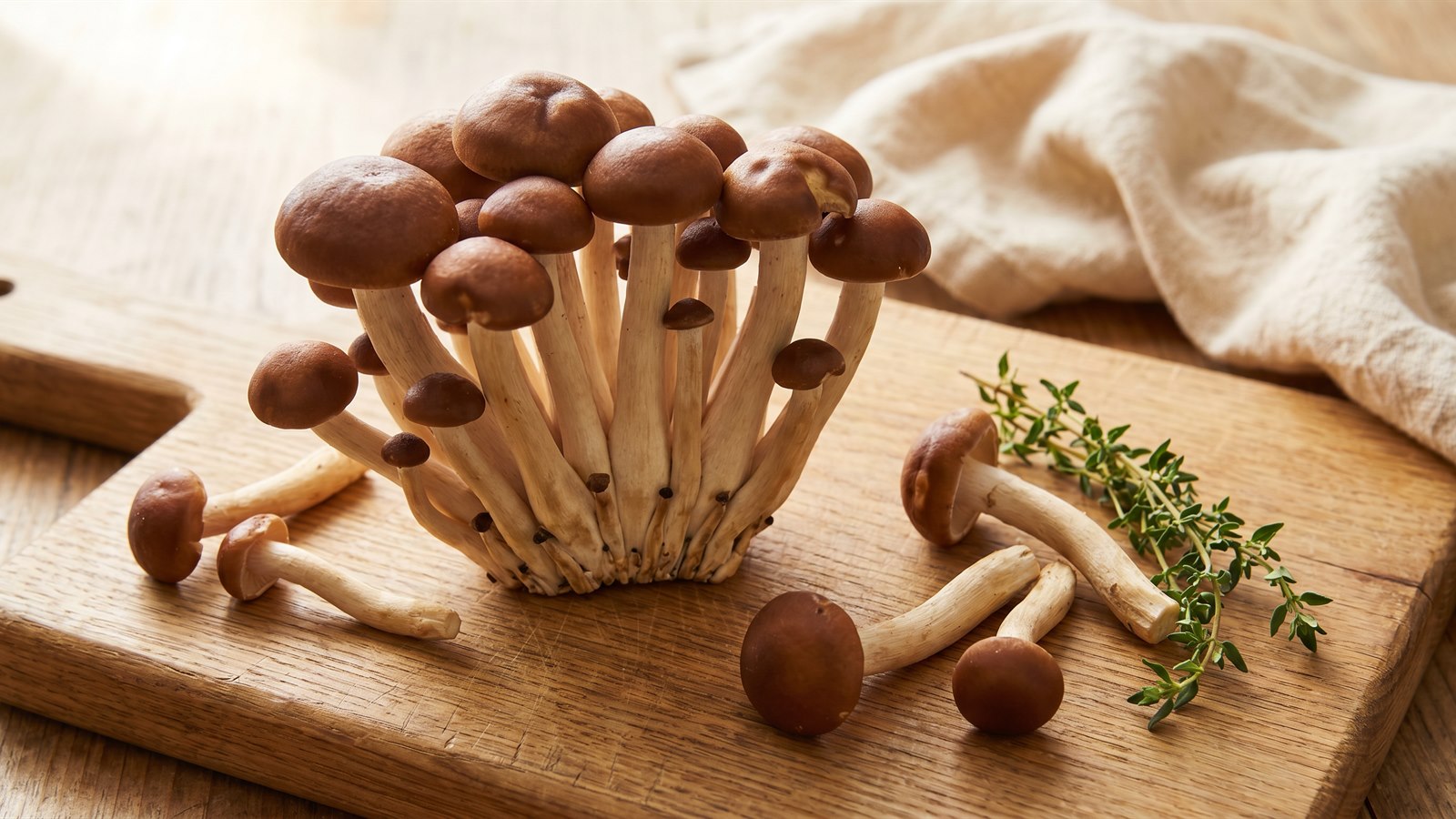
The interesting thing about mushroom ragout is that the more varieties you blend, the better the flavor. Cremini gives body. Shiitake adds savory depth. Oyster brings a softer, almost seafood-like note. Lion's mane has a meaty bite that holds up to the long cook. If you grow your own at home with one of the mushroom grow kits on the market, this is a great recipe for using a mixed harvest.
Step-by-step method
- Clean the mushrooms with a damp cloth or quick rinse, then dry them well. Wet mushrooms steam instead of browning. Tear oyster and lion's mane into bite-size pieces, slice cremini and shiitake into thick slices.
- Heat a large skillet or Dutch oven over medium-high heat. Add 1 tbsp butter and 1 tbsp olive oil. When the butter foams, add half the mushrooms in a single layer. Do not crowd the pan or they will steam.
- Let the mushrooms sit undisturbed for 3 to 4 minutes until the bottoms are golden. Stir once, cook another 3 minutes, then transfer to a plate. Repeat with another 1 tbsp butter, 1 tbsp olive oil, and the rest of the mushrooms.
- Reduce heat to medium. Add the last tbsp of butter, the shallots, and a pinch of salt. Cook 4 to 5 minutes until soft and translucent.
- Add garlic, thyme, bay leaf, and tomato paste if using. Stir 1 minute until fragrant.
- Pour in the wine and scrape up any browned bits from the pan. Let it reduce by half, about 3 minutes.
- Return the mushrooms to the pan. Add the stock, soy sauce, and Dijon. Bring to a simmer, then cook uncovered for 15 to 20 minutes, stirring occasionally, until the sauce has reduced and the mushrooms are glossy and tender.
- Stir in the cream, taste, and adjust salt and pepper. Simmer another 2 minutes to thicken.
- Pull the thyme stems and bay leaf. Off the heat, fold in the parsley.
How to serve it
Ragout is one of those dishes that flexes to whatever starch you have. A few of the best pairings:

Fuel Your Mushroom Journey
Smart Mushroom Grow Chamber
Plug-and-play smart chamber with humidity, light, and airflow dialed in for every species. Beginners harvest their first flush in days, not months.
Add to cart $299- Over creamy polenta: the corn sweetness against the savory mushrooms is the classic move
- Tossed with pappardelle or tagliatelle: the wide ribbons catch the sauce
- On toasted sourdough: a quick lunch with a fried egg on top
- Alongside roasted chicken or seared steak: ragout as a sauce-side
- Spooned over mashed potatoes: easy Sunday dinner
Common mistakes and how to avoid them
The most frequent ragout failure is watery, pale mushrooms. Three causes, three fixes:
- Pan is too cold or too crowded. Cook in batches, get a real sear before you add liquid.
- Salting too early. Salt pulls out water. Add salt after the first browning, not during.
- Reducing too little. If the sauce looks thin at the end, simmer 5 more minutes uncovered. Cream-based ragouts thicken when they cool, but you still want a glossy reduction.
Make-ahead and storage
Ragout improves overnight. Make it a day ahead, cool to room temp, refrigerate up to 4 days. Reheat gently with a splash of stock or water to loosen the sauce. It also freezes well for up to 2 months. Thaw in the fridge before reheating so the cream does not split.
Variations to try
- Vegan ragout: swap butter for olive oil, cream for full-fat coconut milk or cashew cream, and skip the chicken stock
- Brandy ragout: flame 2 tbsp brandy after the shallots for a deeper, sweeter note
- Truffled ragout: finish with 1 tsp truffle oil or a few shaved fresh truffle slices off the heat
- Tomato ragout: double the tomato paste and add 1 cup crushed tomatoes for an Italian-leaning version
- Mushroom and lentil ragout: stir in 1 cup cooked green lentils for a heartier, protein-rich main
Why mushrooms shine in slow-cooked dishes
Mushrooms are unusual among vegetables because they hold their texture under long cooking. The cell walls are made of chitin, the same material in shellfish shells, so they soften without dissolving the way zucchini or spinach would. That structural durability is why ragout works: 20 minutes of simmering builds flavor without turning the mushrooms to mush.
They also contribute natural glutamates, the same umami compounds in aged parmesan, soy sauce, and tomatoes. A pan of mushrooms is essentially a flavor concentrator. Combined with wine, stock, and cream, you get a dish that punches well above the ingredient list.
Make this once with the recipe as written. Then start playing with it. The framework is forgiving, the result is always restaurant-worthy, and your kitchen will smell like a place people want to be.
Share:
Mushroom in the Tree: What It Means and What to Do
Mushroom in the Tree: What It Means and What to Do