


Mushroom soy sauce is the bottle that quietly transformed Cantonese home cooking and is now finding its way into Western kitchens. It is regular dark soy sauce that has been infused with dried straw mushrooms or shiitake, giving it deeper umami, a slightly sweeter finish, and a thicker, more glossy texture than ordinary soy sauce. If you have ever wondered why restaurant chow mein tastes richer than yours, mushroom soy sauce is one of the answers.
This guide covers what mushroom soy sauce actually is, how it differs from light and dark soy sauce, how to use it in everyday cooking, how to substitute when you cannot find it, and how to make your own.

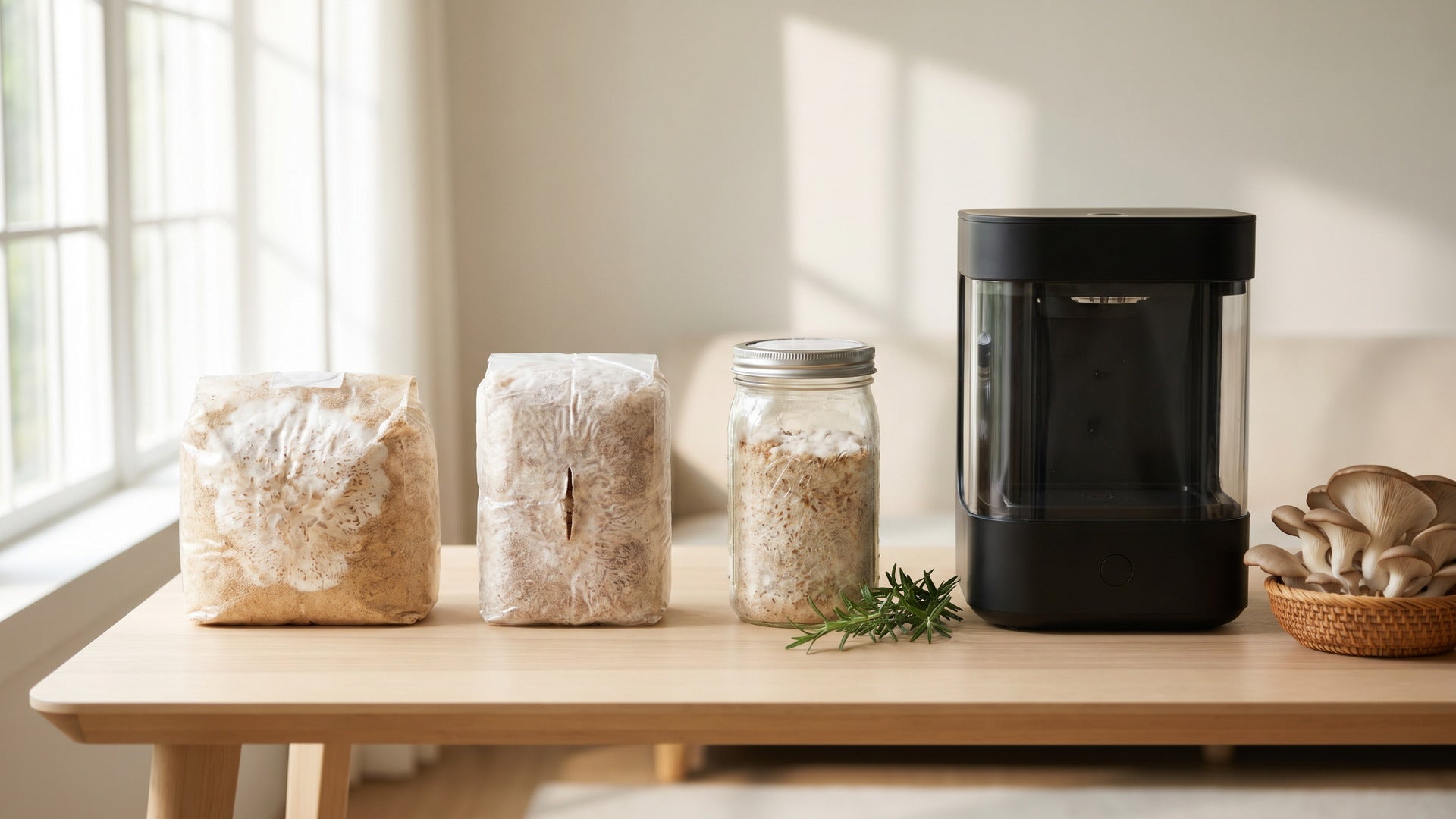
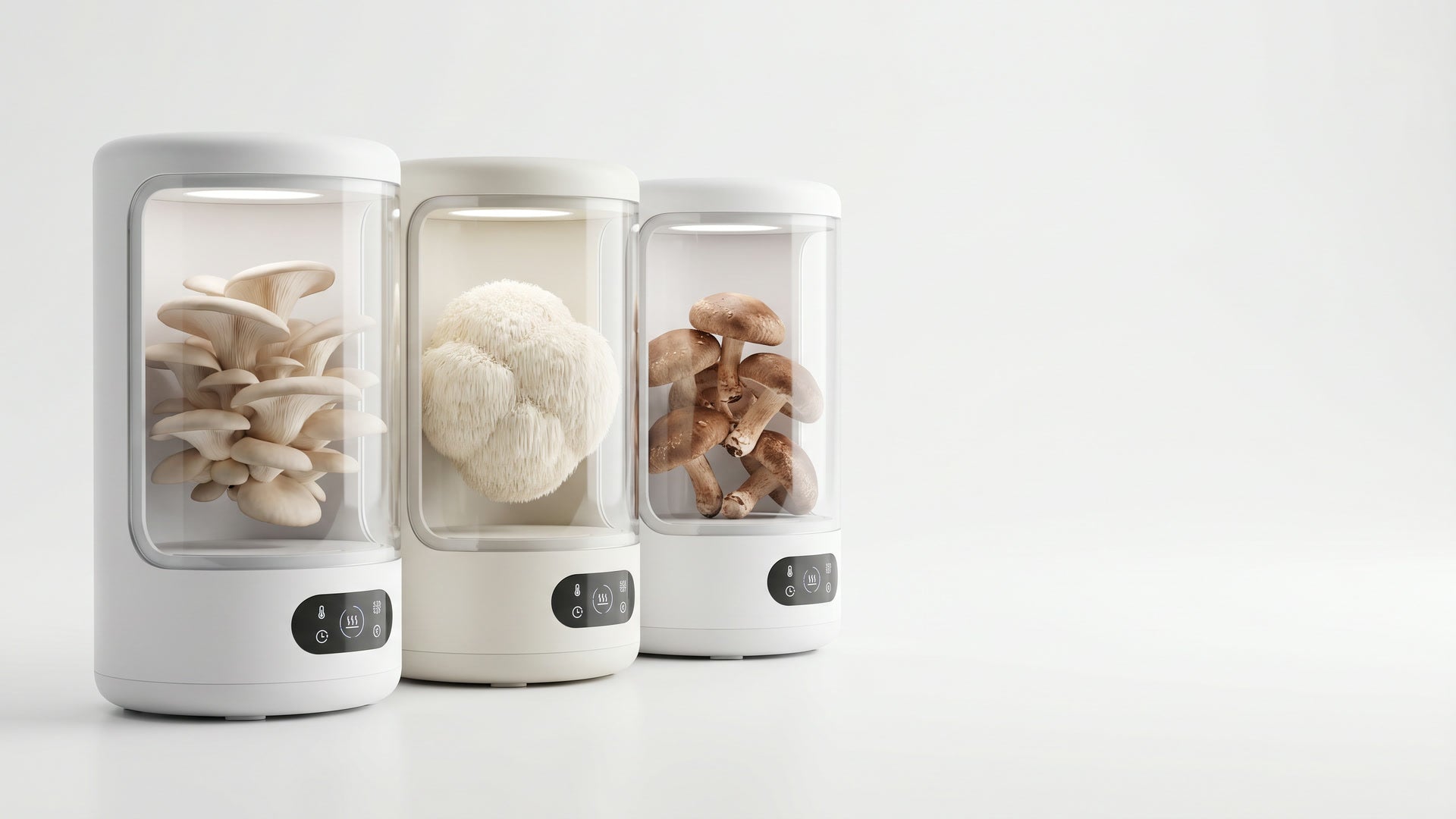
Smart Chamber. Bone White Single
- 2.8L tank, 90% humidity automatic
- App-controlled, plug-and-play
- 6 lb block ceiling, in stock

Smart Chamber. Obsidian Black Single
- Same hardware as Bone White
- Matte black premium finish
- Pairs with any kitchen palette

What is mushroom soy sauce
Mushroom soy sauce (also labeled "mushroom-flavored dark soy," "cao gu lao chou," or "mushroom soy" depending on the brand) is a Chinese-style dark soy sauce that has been brewed or steeped with dried mushrooms (most commonly straw mushrooms, sometimes shiitake) to add a second layer of glutamate-rich savory flavor.
Compared to regular soy sauce, the differences are real but subtle:
- Color: very dark brown, almost black
- Texture: slightly thicker and more syrupy than light soy, a little less viscous than pure dark soy
- Flavor: less salty than light soy, less harsh than dark soy, with a noticeable mushroom undertone
- Use: often called for in stir-fries, braises, and noodle dishes where you want color and depth without aggressive saltiness
The most familiar brand on Western shelves is Pearl River Bridge Mushroom Flavored Dark Superior Soy Sauce, but every Asian grocery carries 2 or 3 versions.
Mushroom soy vs light vs dark soy: the simple version
Chinese cooking distinguishes between several soy sauces. Here is the practical breakdown:
- Light soy sauce (sheng chou): thin, very salty, light brown. Used for seasoning and dipping. The default if a recipe just says "soy sauce."
- Dark soy sauce (lao chou): thicker, less salty, very dark. Used for color and richness. Often paired with light soy in braises.
- Mushroom soy sauce: a dark soy sauce with mushroom infusion. Less salty than light, less intense in color than pure dark. The all-rounder.
- Sweet soy sauce (kecap manis, jiang you gao): palm sugar added, used in Indonesian and Malaysian dishes.
If you can only keep one bottle, light soy is the workhorse. If you can keep two, add mushroom soy. It is a one-bottle solution to add both color and umami depth.
How to use it
Mushroom soy sauce is most at home in:
Stir-fries
Use 1 to 2 tbsp at the end of a stir-fry to give the dish a glossy mahogany color and deep flavor without making it salty. It is excellent in beef and broccoli, chow mein, lo mein, and stir-fried greens like gai lan or bok choy.
Braises and stews
Red-braised pork belly (hong shao rou), soy-braised chicken thighs, and master stock all benefit from mushroom soy as part of the soy blend. Use it alongside light soy for a balanced 1:1 ratio of saltiness to color.
Noodle dishes
Hong Kong-style chow mein, soy sauce noodles (chow mein with bean sprouts and scallions), and pan-fried noodle dishes use mushroom soy as the primary seasoning. It gives the noodles their characteristic dark, glossy color.
Marinades
Mix 2 tbsp mushroom soy, 1 tbsp shaoxing wine, 1 tsp sesame oil, 1 tsp sugar, and 1 minced garlic clove for a 30-minute marinade for chicken thighs, pork shoulder slices, or firm tofu before grilling or roasting.
Dipping sauce base
Combine 2 tbsp mushroom soy with 1 tbsp rice vinegar, 1 tsp chili oil, 1/2 tsp sugar, and 1 sliced scallion for dumplings, scallion pancakes, or steamed buns.
A simple recipe to try first: mushroom soy chow mein
This is the test drive. 20 minutes, 4 servings, every ingredient is available at a regular grocery store (mushroom soy excluded).

Fuel Your Mushroom Journey
Smart Mushroom Grow Chamber
Plug-and-play smart chamber with humidity, light, and airflow dialed in for every species. Beginners harvest their first flush in days, not months.
Add to cart $299Ingredients:
- 8 oz dried Hong Kong-style egg noodles or fresh chow mein noodles
- 2 tbsp neutral oil
- 4 oz fresh shiitake or cremini mushrooms, sliced
- 1 cup bean sprouts
- 4 scallions, cut in 2-inch lengths
- 2 garlic cloves, minced
- 2 tbsp mushroom soy sauce
- 1 tbsp light soy sauce
- 1 tsp sugar
- 1 tsp sesame oil
- White pepper to taste
Method:
- Cook noodles 1 minute less than the package says. Drain, rinse with cold water, toss with 1 tsp oil to prevent sticking.
- Heat 1 tbsp oil in a wok or wide skillet over high heat. Sear mushrooms 3 minutes. Remove.
- Add the rest of the oil. Spread the noodles in a single layer. Do not stir for 2 minutes (you want some crisping on the bottom).
- Flip with chopsticks. Add garlic, scallions, bean sprouts, mushrooms.
- Pour in mushroom soy, light soy, sugar. Toss vigorously 1 minute.
- Off heat, drizzle sesame oil, sprinkle white pepper.
You will taste the difference immediately. The noodles are darker, glossier, and more savory than a recipe that uses only light soy.
Substitutes when you cannot find it
If your store does not carry mushroom soy, here are workarounds in order of accuracy:
- 1 tbsp dark soy sauce + 1 tsp soaking liquid from rehydrated dried shiitake: very close to the original
- 1 tbsp dark soy sauce + 1/2 tsp oyster sauce: not identical but adds the savory layer
- 1 tbsp regular soy sauce + 1 tsp molasses + 1/4 tsp mushroom powder: approximates the sweetness and depth
- 1 tbsp tamari + 1 tsp maple syrup + a drop of fish sauce: for gluten-free
None of these are perfect, but they will get you close enough that a recipe still works.
How to make mushroom soy sauce at home
For the curious cook, a homemade version is straightforward. It is not a commercial product (you are not brewing soybeans), but it gets you a mushroom-infused soy sauce that is brighter than store-bought.
Ingredients:
- 1 cup dark soy sauce
- 1/2 cup light soy sauce
- 4 dried shiitake mushrooms (or 2 dried straw mushroom pieces if you can find them)
- 2 tbsp sugar
- 1 star anise
- 1 small piece of dried tangerine peel (optional)
Method: Combine everything in a small saucepan. Bring to a bare simmer (not a boil) and hold there for 20 minutes. Cool completely. Strain out the solids. Bottle and refrigerate. Keeps 3 months.
The dried mushrooms can be saved and chopped into a stir-fry the next day.
A note on growing your own mushrooms for cooking
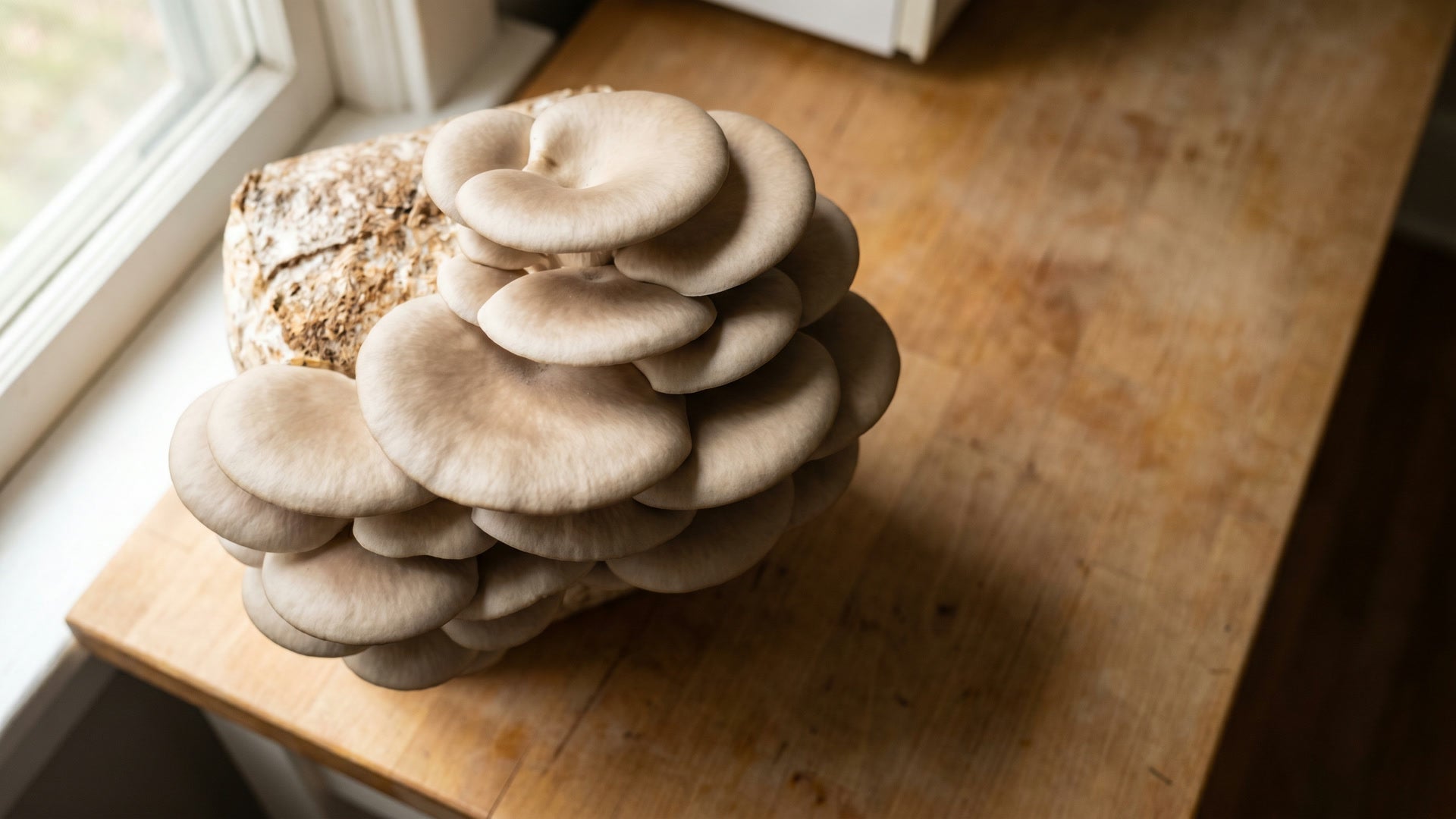
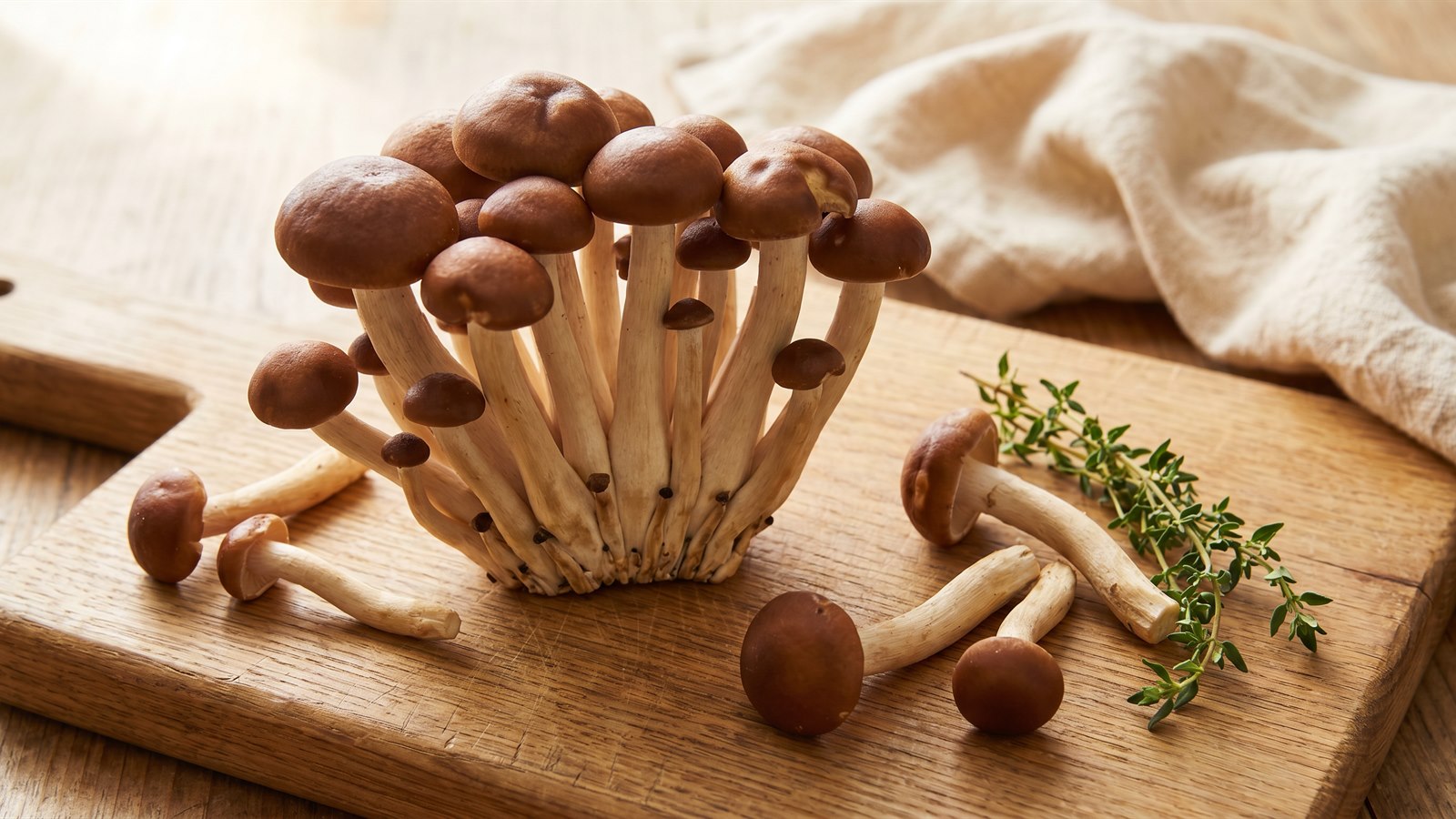
The flavor of fresh shiitake or oyster mushrooms in a stir-fry is significantly better than the stale, refrigerated versions most groceries stock. Home growers using mushroom grow kits harvest fresh on the day they cook, which makes everything from a quick stir-fry to homemade mushroom soy sauce more vivid. If you cook Asian food often, even one variety of fresh gourmet mushroom on hand is a meaningful upgrade.
Storage
Store-bought mushroom soy keeps 1 year unopened in the pantry, 6 months opened in the fridge. The flavor stays best refrigerated even though the salt content makes it shelf-stable.
Once you start cooking with mushroom soy, you will reach for it without thinking. It is the rare ingredient that improves almost every Chinese-style dish you already make, without changing the recipe in any fundamental way. Get a bottle, try one stir-fry, and decide for yourself.
Share:
Mushroom Spinach Pasta: 25-Minute Weeknight Dinner for Four
Mushroom Spinach Pasta: 25-Minute Weeknight Dinner for Four