


Pickled mushrooms are the small jar in the fridge that solves a dozen problems: cheese boards, sandwiches, salads, Bloody Marys, a quick snack when you open the fridge bored. The basic technique is a 25-minute quick pickle that's ready to eat in 24 hours and keeps for a month in the refrigerator. Hot brine over blanched mushrooms, a few aromatics, time. That's it. This guide covers the master recipe, two variations, a fermented version for the curious, and the practical decisions (which mushrooms, how long they keep, whether they're safe to can).
Important note up front: the recipes here are all refrigerator pickles, not shelf-stable canned goods. Mushrooms are low-acid and can support botulism growth in improperly canned jars. If you want shelf-stable pickled mushrooms, follow a USDA-tested pressure-canning recipe specifically (they exist, but they require a pressure canner). For refrigerator pickles eaten within a month, the recipes below are safe and simple.
The master recipe
Makes 1 quart (about 4 cups). 25 minutes of active work plus 24 hours of waiting.
- 1 lb small button or cremini mushrooms (or larger ones halved or quartered to about 1 inch)
- 1 1/4 cups white wine vinegar (or distilled white vinegar)
- 1 cup water
- 2 tablespoons granulated sugar
- 1 1/2 tablespoons kosher salt
- 2 cloves garlic, smashed
- 1 small shallot or 1/2 small red onion, sliced
- 1 small bay leaf
- 1 teaspoon black peppercorns
- 1 teaspoon mustard seeds
- 1/2 teaspoon coriander seeds
- 1/4 teaspoon red pepper flakes (optional)
- 2 sprigs fresh thyme (or 1/2 teaspoon dried)
- 3 tablespoons olive oil

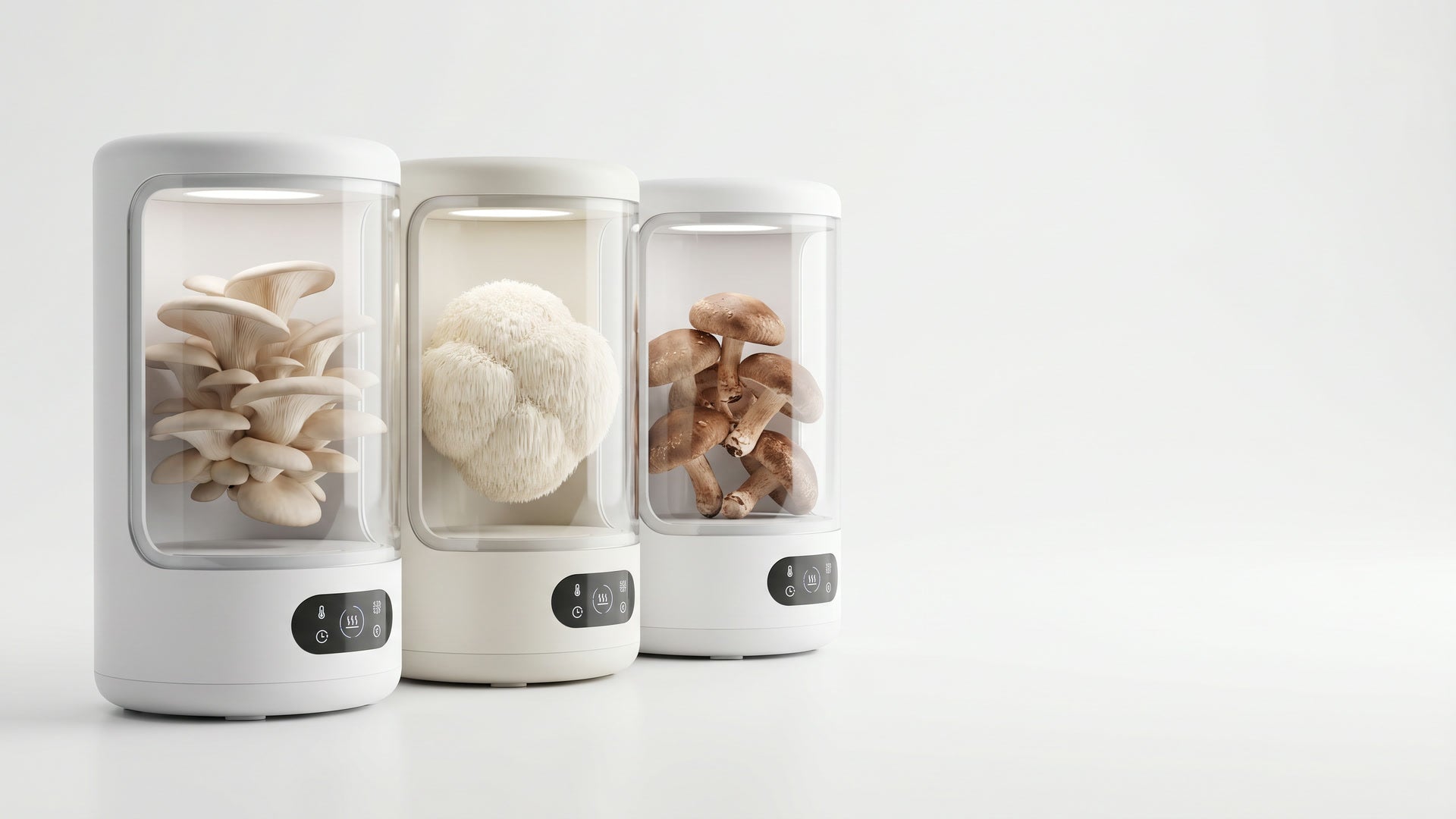
Smart Chamber. Bone White Single
- 2.8L tank, 90% humidity automatic
- App-controlled, plug-and-play
- 6 lb block ceiling, in stock

Smart Chamber. Obsidian Black Single
- Same hardware as Bone White
- Matte black premium finish
- Pairs with any kitchen palette

Method
- Clean the mushrooms. Wipe them with a damp cloth. Don't soak. Trim off any dry stem ends. Halve or quarter larger mushrooms so all pieces are about 1 inch.
- Blanch. Bring a large pot of salted water to a boil. Add the mushrooms and cook for 4 minutes. They'll shrink slightly and the inside will turn from white to grayish. Drain immediately and rinse under cold water to stop the cooking. Drain well, shaking out as much water as you can.
- Make the brine. In a small saucepan, combine vinegar, water, sugar, salt, garlic, bay leaf, peppercorns, mustard seeds, coriander, and red pepper flakes. Bring to a boil, stirring until the sugar and salt dissolve. Turn off the heat.
- Pack the jar. Layer the mushrooms, shallot, and thyme in a clean 1-quart jar.
- Brine and finish. Pour the hot brine over the mushrooms, making sure to include all the spices. Press down so the mushrooms are submerged. Pour the olive oil on top; it forms a thin protective layer.
- Cool and chill. Let the jar cool to room temperature (about an hour). Cover with a tight lid and refrigerate. Wait 24 hours before eating; 48 to 72 hours is even better.
The pickles keep refrigerated for up to 1 month. Always use a clean utensil to remove them; introducing crumbs or bacteria shortens the shelf life.
Why blanching matters
Raw mushrooms in brine end up rubbery, with a wet-spongy texture in the center that nobody enjoys. A 4-minute blanch does three things: it cooks the mushrooms partially so they absorb brine evenly, it firms the texture (paradoxically, brief boiling makes them less rubbery once chilled), and it removes some of their internal water, leaving room for the pickling liquid to penetrate.
Skip blanching only if your mushrooms are very small (under 1/2 inch) and very fresh. Even then, a 90-second blanch helps.
Two variations
Italian-style with fennel and lemon
Replace the mustard seeds and coriander with 1 teaspoon fennel seeds and 1 strip of lemon peel. Use white wine vinegar. Add 1 tablespoon fresh oregano with the thyme. These go especially well on antipasto platters.
Russian-style with dill and bay
Replace half the white vinegar with apple cider vinegar. Add a generous bunch of fresh dill (whole stems, including the seed heads if you can find them). Skip the red pepper flakes. Add 2 whole allspice berries. The result is what you'll find in Eastern European delis: assertive, dill-forward, slightly sweet.

Fuel Your Mushroom Journey
Smart Mushroom Grow Chamber
Plug-and-play smart chamber with humidity, light, and airflow dialed in for every species. Beginners harvest their first flush in days, not months.
Add to cart $299A fermented version (for the patient)
Fermented pickled mushrooms use no vinegar; the sourness comes from lactic acid bacteria. They take 5 to 10 days at room temperature, then keep in the fridge for 2 to 3 months. The flavor is funkier and more complex than vinegar pickles.
For 1 lb of blanched mushrooms (drained), make a brine of 2 cups water and 1 tablespoon plus 1 teaspoon kosher salt (a 2.5 percent brine). Pack the mushrooms into a jar with garlic, peppercorns, bay leaf, and dill. Pour the brine over so the mushrooms are submerged. Weight them down with a small jar or a fermentation weight. Cover loosely (the lid needs to release gas; an airlock works well).
Let sit at room temperature (65 to 75°F) for 5 to 10 days. The brine will turn cloudy. Taste daily after day 5. When you like the tang, tighten the lid and refrigerate.
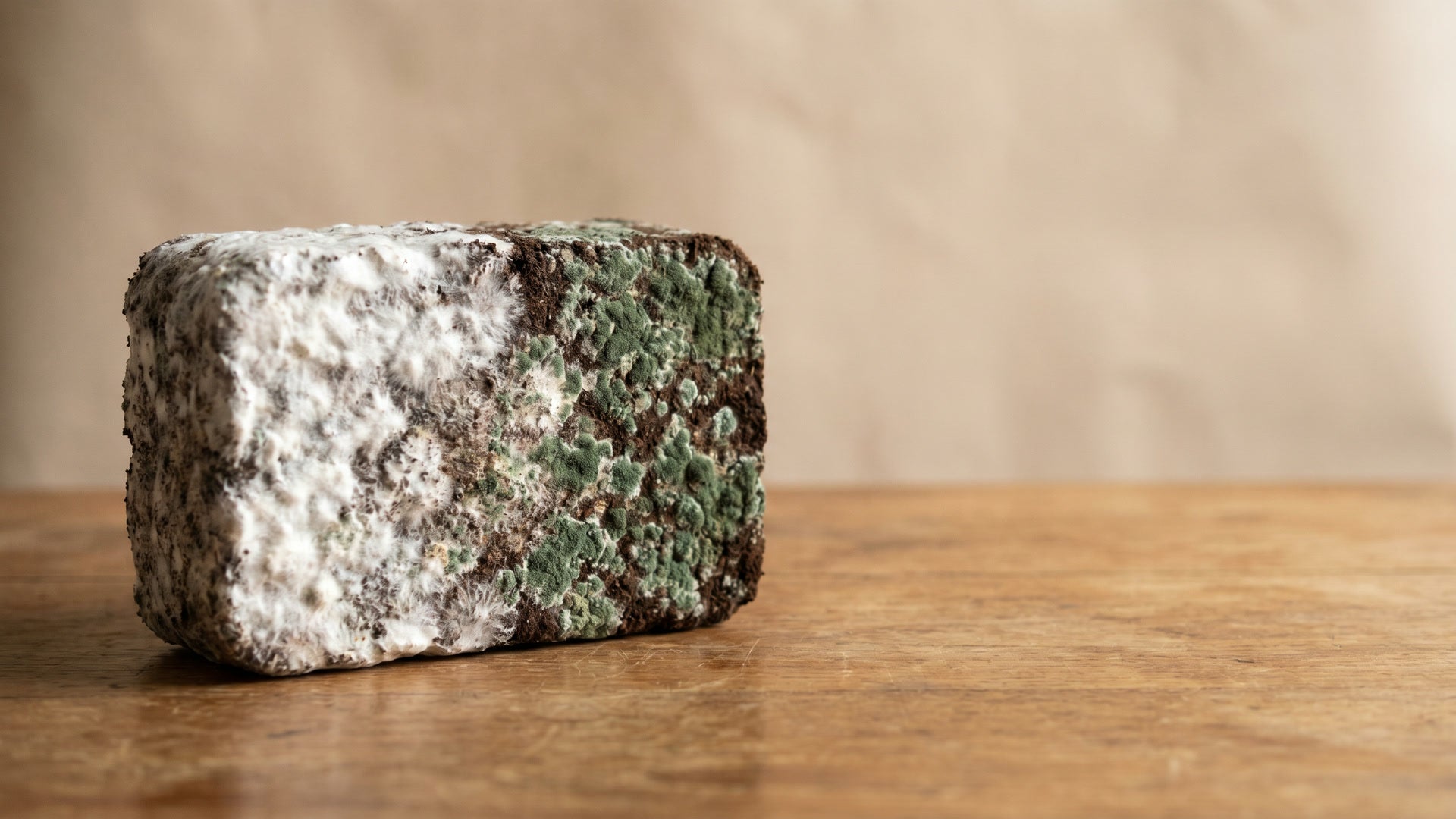
Surface yeast (white film) is normal and safe. Skim it off. Black, green, or pink mold is not safe; discard and start over with a cleaner jar.
Which mushrooms work
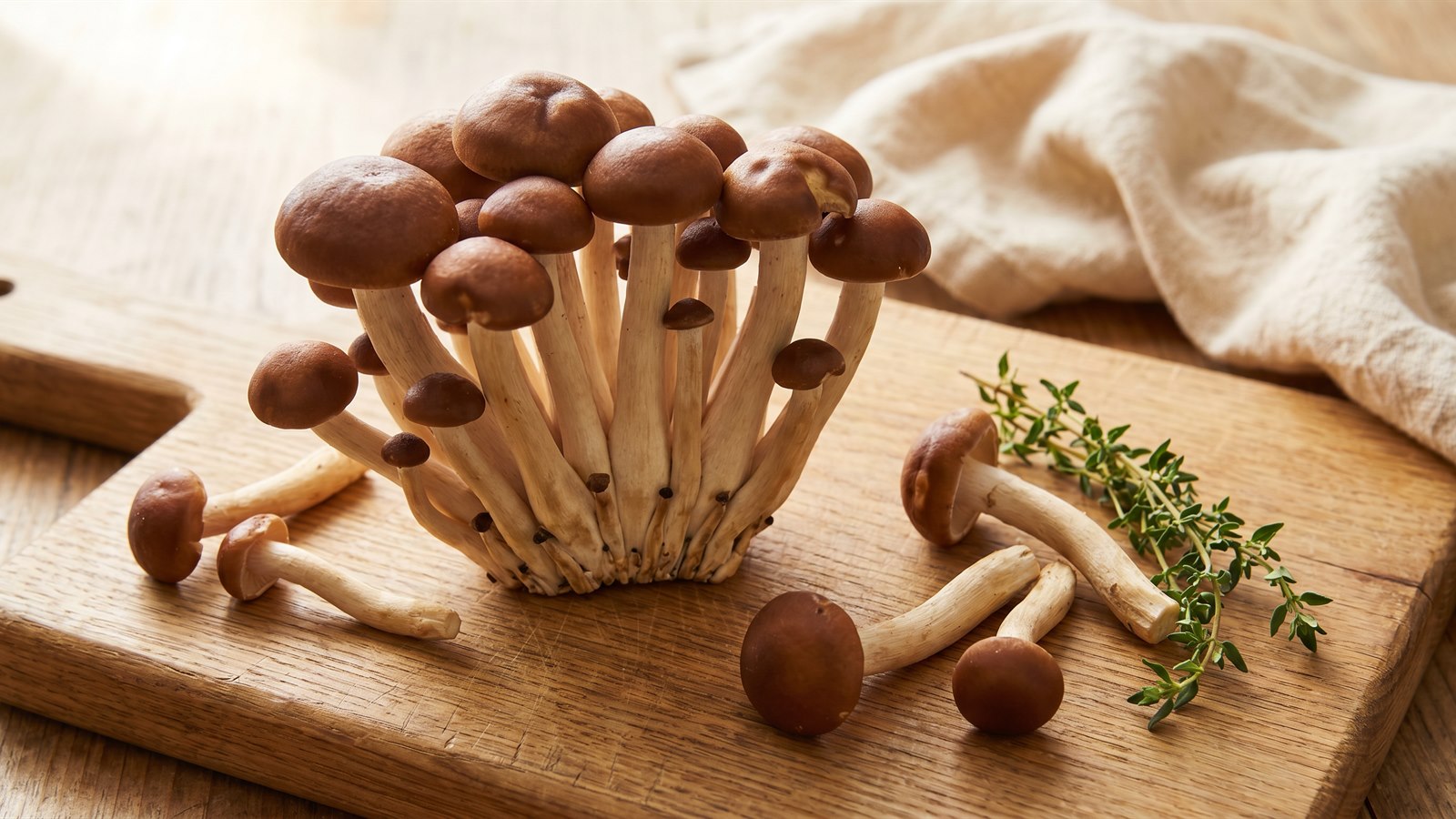
- Button and cremini: The classic choice. They hold shape, take brine well, and are widely available.
- King oyster (king trumpet): Slice into 1/4-inch rounds first. The texture stays meaty and slightly crunchy.
- Shiitake: Stem first (the stems are too woody). Use small whole caps or sliced halves. They're more flavorful than button but cost more.
- Oyster: Best torn into bite-sized pieces. They absorb brine very fast, so blanch only 90 seconds.
- Wild mushrooms (porcini, chanterelle, morel): Worth pickling if you have a haul. Treat them gently and use a milder brine so the mushroom flavor reads through.
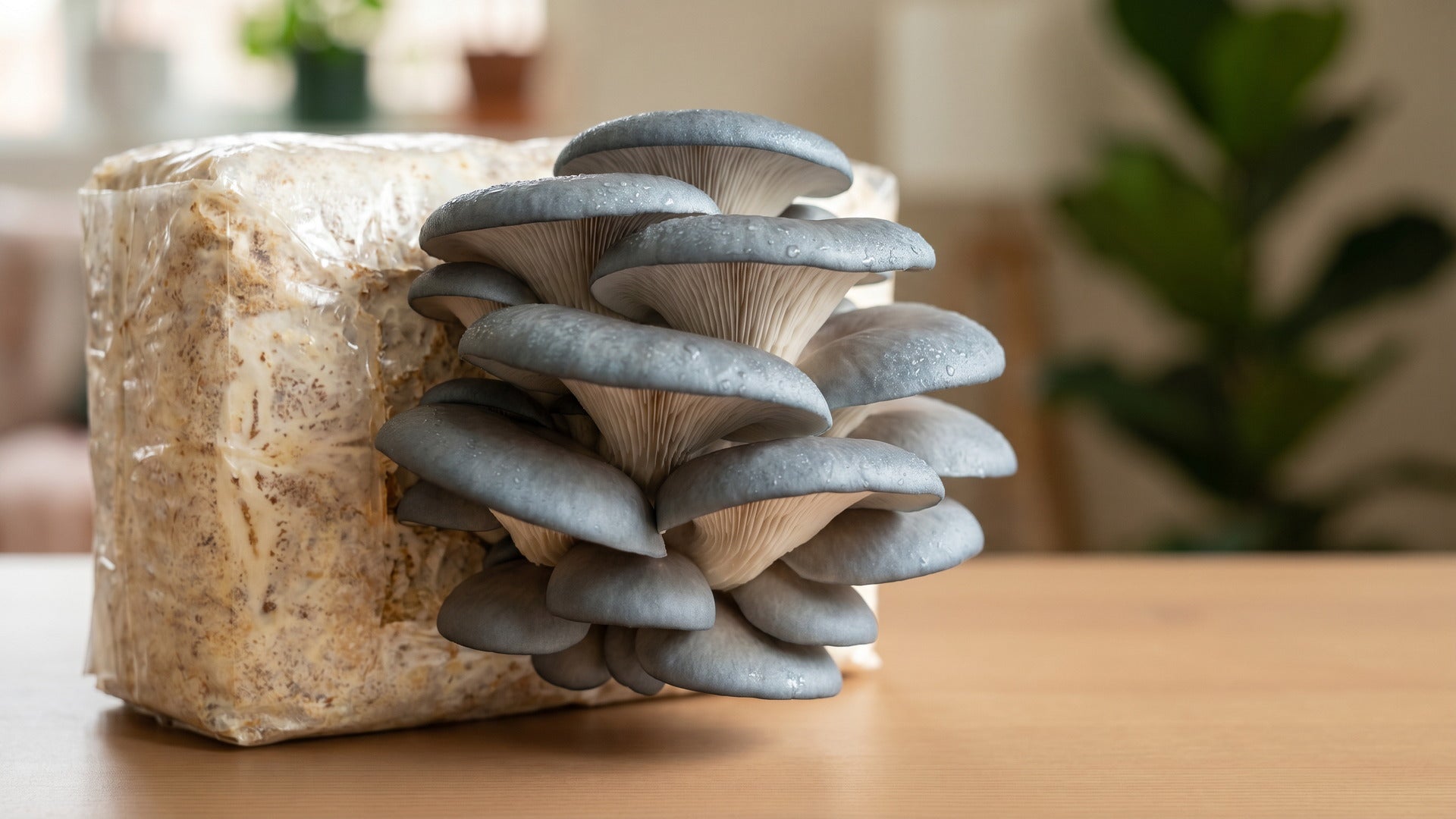
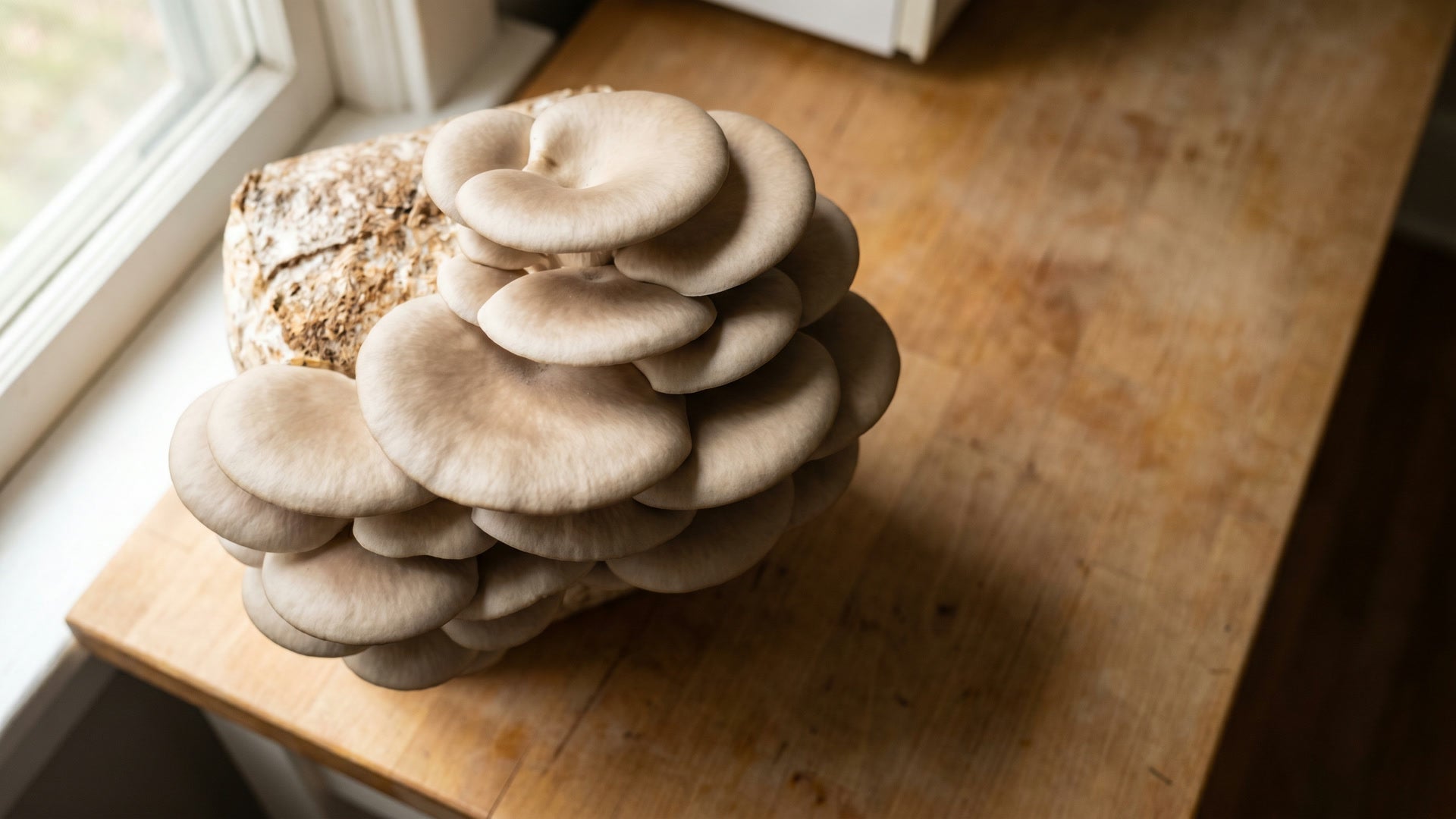
If you're using home-grown mushrooms from mushroom grow kits, oyster varieties work especially well because they have a clean flavor and a tender, brine-absorbing texture. Pink and golden oysters keep their color through the pickling process, which makes for a beautiful jar.
How to use them
- Cheese and charcuterie boards. Bright, briny, and a good foil to fatty cheeses and cured meats.
- Bloody Marys. Skewer one or two with a pickled bean and an olive.
- Grain bowls. A spoonful on top of farro, rice, or barley bowls cuts through richness.
- Sandwiches and burgers. Especially good on a roast beef sandwich or a portobello burger.
- Salads. Chop and toss into a green salad. The brine in the bottom of the jar makes an excellent vinaigrette base.
- Pizza topping. Drained and scattered on a finished pizza, especially with goat cheese or ricotta.
- Straight from the jar. No shame in this. Late-night fridge snack territory.
Storage and safety
Refrigerator pickles need to stay cold (below 40°F). They keep for 1 month for the best flavor and texture, though they remain safe to eat for slightly longer. After a month, check the smell, look for any fuzz or discoloration, and trust your nose.
Signs to throw a jar out:
- Off smell (yeasty or rotten, not just vinegar-sharp)
- Cloudy brine in a fresh jar that wasn't fermented
- Visible mold (white film on a fermented jar is yeast and can be skimmed; fuzzy or colored mold is not)
- Slimy texture on the mushrooms
- Bulging or hissing lid
Don't water-bath can these. Vinegar pickles for mushrooms need pressure canning to be shelf-stable, and improperly canned low-acid foods can support botulism, which is rare but serious. The 1-month refrigerator window is enough for most home cooks.
Quick troubleshooting
- Mushrooms are mushy. Blanched too long, or the mushrooms were already past their prime. Stick to 4 minutes.
- Brine is too sour. Next batch, increase water to 1 1/4 cups and decrease vinegar to 1 cup.
- Mushrooms look gray. Normal. Blanched mushrooms always change color slightly. Doesn't affect taste.
- Mushrooms float. They lose density during blanching. The olive oil layer on top keeps things submerged. If they're really persistent floaters, weight them with a small clean rock or fermentation weight.
One jar of pickled mushrooms in the fridge feels like an upgrade for almost everything you make for a month. Worth the 25 minutes.
Share:
Spinach Mushroom Quiche: The Foolproof Brunch Recipe
Spinach Mushroom Quiche: The Foolproof Brunch Recipe