


Introduction to Maitake Mushrooms
Maitake mushrooms, also known as "hen of the woods" or "dancing mushrooms" in Japanese, are among nature's most fascinating fungi. With their distinctive frilly appearance resembling a hen's feathered plumage, these mushrooms have gained tremendous popularity in culinary circles around the world. Native to the forests of Japan, North America, and Europe, maitake mushrooms grow at the base of oak, maple, and elm trees, sometimes reaching impressive sizes of up to 100 pounds in the wild, truly earning their title as "king of the mushrooms."
What makes maitake mushrooms particularly special is not just their unique appearance and rich, earthy flavor but also their impressive nutritional profile and medicinal properties. These mushrooms have been treasured in traditional Asian medicine for over 1,000 years, with modern research continuing to uncover the science behind their health-promoting effects.
In this comprehensive guide, we'll explore everything you need to know about roasting maitake mushrooms to perfection, along with their nutritional benefits, selection tips, and creative ways to incorporate them into your meals. Whether you're a mushroom enthusiast or a curious home cook looking to expand your culinary horizons, this article will help you master the art of preparing these magnificent mushrooms.

The Nutritional Powerhouse: Health Benefits of Maitake Mushrooms
Before we dive into cooking techniques, let's explore why maitake mushrooms deserve a place in your regular diet. These remarkable fungi pack an impressive nutritional punch that supports overall health in numerous ways.
Rich in Essential Nutrients
Maitake mushrooms are nutritional powerhouses containing:
- Vitamins: Particularly B vitamins and vitamin D (with some varieties providing up to 200% of your daily vitamin D requirements)
- Minerals: Including copper, potassium, zinc, and phosphorus
- Protein: Containing 13-21% protein by dry weight
- Dietary fiber: Excellent source of prebiotic fiber
- Low calories: Providing substantial nutrition with minimal calories
Immune System Support
One of the most celebrated benefits of maitake mushrooms is their immune-enhancing properties. They contain beta-glucans, particularly D-fraction, which research suggests may help stimulate the immune system. These compounds support both cellular and humoral immunity, potentially helping the body defend against pathogens and maintain overall immune health.
Blood Sugar Regulation
For those concerned about maintaining healthy blood sugar levels, maitake mushrooms show promise. Studies indicate that these mushrooms may help support insulin sensitivity and promote healthy glucose metabolism, making them a valuable addition to a balanced diet for those managing blood sugar concerns.
Heart Health Support
The beta-glucans in maitake mushrooms may also benefit cardiovascular health. Research suggests they can help maintain healthy cholesterol levels by reducing LDL (bad) cholesterol without affecting HDL (good) cholesterol or triglyceride levels, potentially supporting overall heart health.
Antioxidant Properties
Like many mushrooms, maitake contains powerful antioxidants, including polysaccharides and phenolic compounds. These antioxidants help neutralize free radicals in the body, supporting cellular health and potentially slowing oxidative stress that contributes to aging and various health concerns.
Adaptogenic Properties
Maitake mushrooms are considered adaptogens, meaning they may help the body respond to stress, restore balance, and support overall wellbeing. This adaptogenic quality makes them particularly valuable in our modern, stress-filled world.
Selecting and Preparing Maitake Mushrooms
Where to Find Maitake Mushrooms
You can find maitake mushrooms in several places:
- Specialty grocery stores and health food markets
- Asian markets and international food stores
- Farmers' markets, especially during fall months
- Online retailers specializing in gourmet mushrooms
- Wild foraging (only if you're experienced in mushroom identification)
How to Select Fresh Maitake Mushrooms
When shopping for maitake mushrooms, look for these qualities:
- Firm, fresh-looking clusters without signs of sliminess
- Earthy aroma without any ammonia-like smell
- Relatively dry surface (they shouldn't look wet or soggy)
- Grayish-brown caps with cream-colored undersides
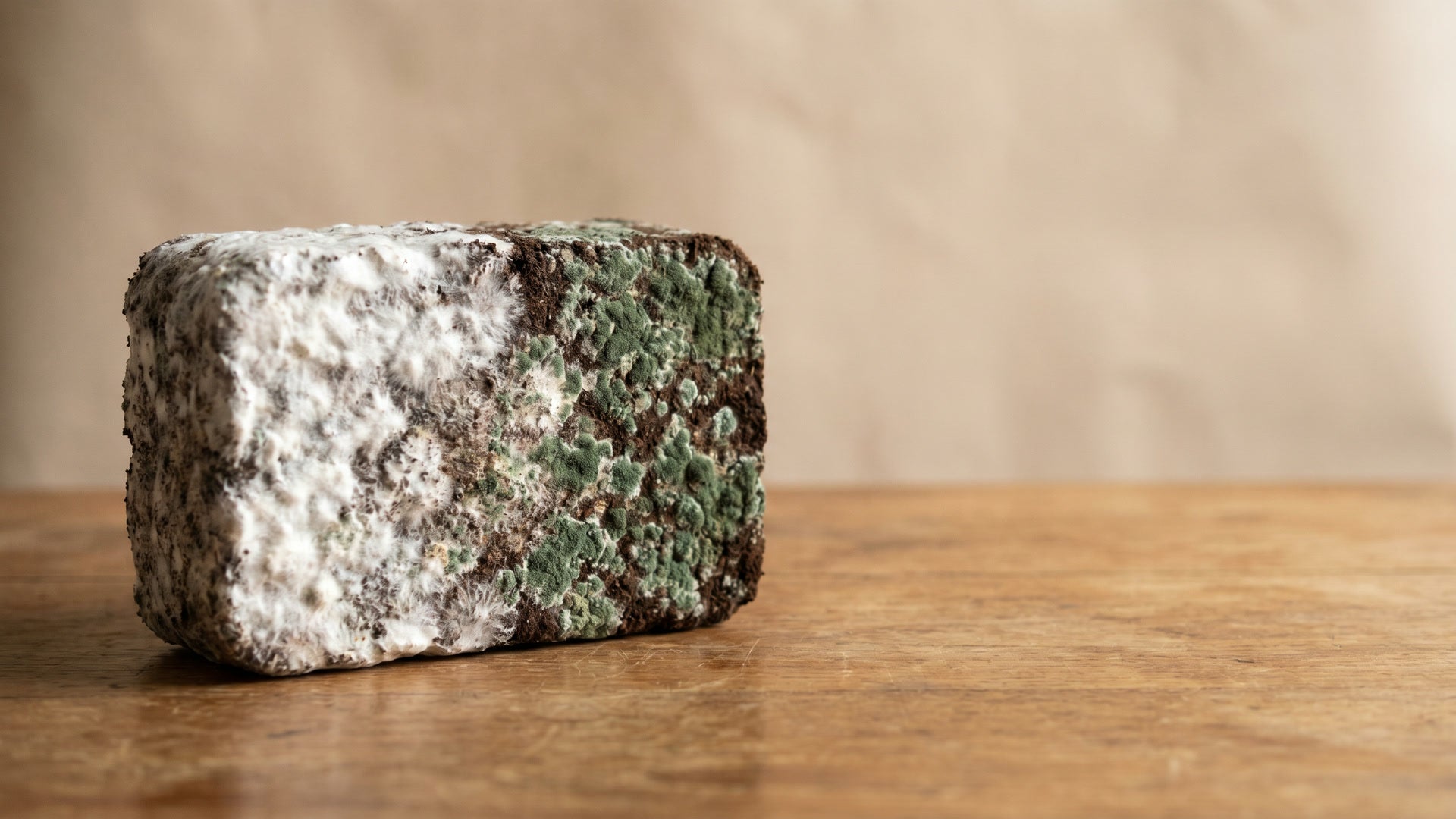
- No signs of mold or discoloration
Cleaning and Preparing Maitake Mushrooms
Proper preparation is key to enjoying maitake mushrooms:
- Never submerge maitake mushrooms in water, as they will absorb liquid like a sponge and become soggy.
- Instead, gently brush off any dirt with a soft brush or paper towel.
- Trim the tough base slightly, but keep the clusters intact for roasting.
- If needed, you can tear larger clusters into smaller, more manageable pieces along their natural separations.
Storing Maitake Mushrooms
For optimal freshness:
- Store in a paper bag (not plastic) in the refrigerator
- Use within a week of purchase for best flavor and texture
- Wait to clean until right before using to prevent moisture absorption
- If you have excess, consider freezing after cooking
The Perfect Roasted Maitake Mushrooms: Step-by-Step Guide
Now, let's get to the heart of this article: how to roast maitake mushrooms to crispy, golden perfection. This cooking method enhances their natural flavors and creates a delightful contrast between crispy edges and tender centers.
Essential Equipment
- Rimmed baking sheet or cast iron skillet
- Parchment paper (optional, for easier cleanup)
- Cooking oil (olive oil works wonderfully)
- Seasonings of your choice
- Spatula for turning
Basic Roasted Maitake Mushrooms Recipe
Ingredients:
- 1 pound fresh maitake mushrooms
- 2-3 tablespoons high-quality olive oil
- 1 teaspoon sea salt
- ½ teaspoon freshly ground black pepper
- 2-3 cloves garlic, minced (optional)
- 1 tablespoon fresh thyme leaves (optional)
- 1 teaspoon fresh rosemary, chopped (optional)
Instructions:
- Preheat your oven to 425°F (220°C).
- Prepare the maitake mushrooms by gently cleaning and dividing into manageable pieces if needed. Try to keep the beautiful structure intact.
- Line a baking sheet with parchment paper or lightly oil a cast iron skillet.
- Place the mushrooms on the prepared surface, trying not to overcrowd them.
- Drizzle with olive oil and sprinkle with salt, pepper, and herbs if using.
- Gently toss to coat evenly, making sure the oil reaches all the frilly edges.
- Arrange in a single layer for optimal browning.
- Roast for 15 minutes, then carefully flip the clusters.
- Continue roasting for another 10-15 minutes until the edges are crispy and golden brown, and the interior is tender.
- Serve immediately for the best texture and flavor.
Key Tips for Perfectly Roasted Maitake Mushrooms
- Don't overcrowd the pan: Give the mushrooms enough space to release moisture and crisp up properly.
- High heat is essential: Lower temperatures won't achieve the desirable crispy exterior.
- Mind the contrast: The thick stems might not get as crispy as the delicate frills, but this textural contrast is part of the appeal.
- Oil distribution: Ensure oil reaches all the nooks and crannies for even browning.
- Seasoning timing: While basic salt and pepper work before roasting, delicate fresh herbs can be added in the last few minutes to preserve their flavors.

Creative Variations for Roasted Maitake Mushrooms
Once you've mastered the basic technique, consider these delicious variations to expand your maitake mushroom repertoire.
Asian-Inspired Maitake Mushrooms
Ingredients:
- 1 pound maitake mushrooms
- 2 tablespoons sesame oil
- 1 tablespoon soy sauce or tamari
- 1 teaspoon grated ginger
- 1 clove garlic, minced
- 1 teaspoon maple syrup or honey
- Sesame seeds and green onions for garnish
Follow the same roasting method, but toss with this Asian-inspired marinade before cooking.
Miso Butter Roasted Maitake
Ingredients:
- 1 pound maitake mushrooms
- 2 tablespoons olive oil
- 3 tablespoons miso butter (mix 2 tablespoons softened butter with 1 tablespoon miso paste)
- Salt and pepper to taste
Roast with olive oil for the first 15 minutes, then dot with miso butter for the remaining cooking time, basting occasionally.
Spicy Roasted Maitake Mushrooms
Ingredients:
- 1 pound maitake mushrooms
- 2 tablespoons olive oil
- 1 teaspoon smoked paprika
- ½ teaspoon cayenne pepper (adjust to taste)
- 1 teaspoon garlic powder
- ½ teaspoon onion powder
- Salt to taste
Combine all spices with oil before coating the mushrooms and roasting as directed.
Serving Suggestions: Making the Most of Roasted Maitake Mushrooms
Roasted maitake mushrooms are incredibly versatile and can be incorporated into numerous dishes. Here are some delicious ways to enjoy them:
As a Side Dish
Serve roasted maitake mushrooms as a side dish alongside:
- Grilled steak or chicken
- Roasted salmon or other fish
- Risotto or polenta
- Roasted vegetables
In Main Courses
Incorporate roasted maitake mushrooms into:
- Pasta dishes with garlic and herbs
- Grain bowls with other vegetables
- Pizza as a meaty topping
- Sandwiches or wraps
- Asian noodle soups or ramen
- Omelets or frittatas
Creative Uses
Get imaginative with your roasted maitake mushrooms:
- Add to salads for hearty texture
- Use as a meat substitute in tacos
- Blend into savory sauces
- Incorporate into vegetarian stuffing
- Add to flatbreads with cheese
Storage and Reheating Tips
If you happen to have leftover roasted maitake mushrooms (though that's rarely the case!), here's how to handle them:
Storage:
- Refrigerate in an airtight container for up to 3 days
- For longer storage, freeze after cooking for up to 3 months
Reheating:
- Oven: Reheat at 350°F (175°C) for 5-10 minutes
- Stovetop: Quickly sauté in a hot pan to crisp up again
- Avoid microwave reheating as it can make them soggy
Frequently Asked Questions About Maitake Mushrooms
Q: Are maitake mushrooms safe to eat? A: Yes, maitake mushrooms are generally safe for most people to consume. However, as with any food, some individuals may have allergic reactions. If you've never eaten maitake mushrooms before, start with a small amount.
Q: Can I eat maitake mushrooms raw? A: While technically edible raw, maitake mushrooms are best enjoyed cooked. Raw mushrooms can be difficult to digest and cooking enhances both their flavor and the bioavailability of their nutrients.
Q: How do maitake mushrooms compare to other mushroom varieties? A: Maitake mushrooms have a distinctive texture that's meatier than many common mushrooms. Their flavor is earthy, umami-rich, and somewhat reminiscent of wild game, making them more robust than button or cremini mushrooms.
Q: Are there any medications that interact with maitake mushrooms? A: Maitake may interact with blood-thinning medications and diabetes medications due to their effects on blood sugar. Always consult with a healthcare provider if you're on medication and want to include significant amounts of maitake in your diet.
Q: Can I forage for maitake mushrooms myself? A: While maitake mushrooms grow wild in many forests, foraging should only be done by those with extensive knowledge of mushroom identification. Misidentification of wild mushrooms can lead to serious health consequences.
Conclusion: Embracing the Magic of Maitake
Roasted maitake mushrooms represent the perfect intersection of culinary delight and nutritional benefit. Their unique texture, crispy on the edges yet tender in the center, combined with their rich, earthy flavor, makes them an exceptional addition to countless dishes.
Beyond their gastronomic appeal, maitake mushrooms offer a wealth of health benefits, from immune support to heart health. By incorporating these magnificent mushrooms into your cooking repertoire, you're not just elevating your meals but potentially supporting your overall wellbeing.
Whether you're a dedicated mushroom enthusiast or a curious cook exploring new ingredients, mastering the art of roasting maitake mushrooms opens up a world of culinary possibilities. So next time you spot these frilly fungi at your local market, bring them home, fire up your oven, and discover why maitake mushrooms have been treasured across cultures for centuries.
Remember, the key to perfect roasted maitake mushrooms lies in high heat, proper spacing, and a light touch with seasoning that complements rather than overwhelms their natural flavor. With these techniques in hand, you're well on your way to becoming a maitake master in your own kitchen.
Share:
Maitake Mushroom Nutrition Facts Unveiled
“Side Effects of Maitake Mushrooms: Explained and Backed by Science