


Sauteed mushrooms and onions are the small recipe that punches way above its complexity. Done right, it's 15 minutes of active cooking that turns 1 lb of mushrooms and 2 onions into a deeply savory, almost candied side that disappears off the plate faster than anything else you made. The keys are simple: cook the onions slowly, cook the mushrooms hot and fast, and don't combine them until both are properly browned. This guide walks through the base recipe, then breaks down five variations and the specific reasons each technique step exists.
People often ask why their sauteed mushrooms come out gray and limp instead of golden and crisp-edged. Nine times out of ten, the answer is the same: the pan was too crowded, the heat was too low, or the salt went in too early. Fix those three things and the whole recipe transforms.
The base recipe
Serves 4 as a side.
- 1 lb cremini or button mushrooms, cleaned and sliced 1/4 inch thick
- 2 large yellow onions, halved and sliced into 1/4-inch half-moons
- 3 tablespoons unsalted butter, divided
- 2 tablespoons olive oil, divided
- 2 cloves garlic, minced
- 1 teaspoon fresh thyme leaves (or 1/2 teaspoon dried)
- 1 tablespoon balsamic vinegar or dry sherry
- 1 teaspoon kosher salt
- 1/2 teaspoon black pepper
- 1 tablespoon fresh parsley, chopped (optional)

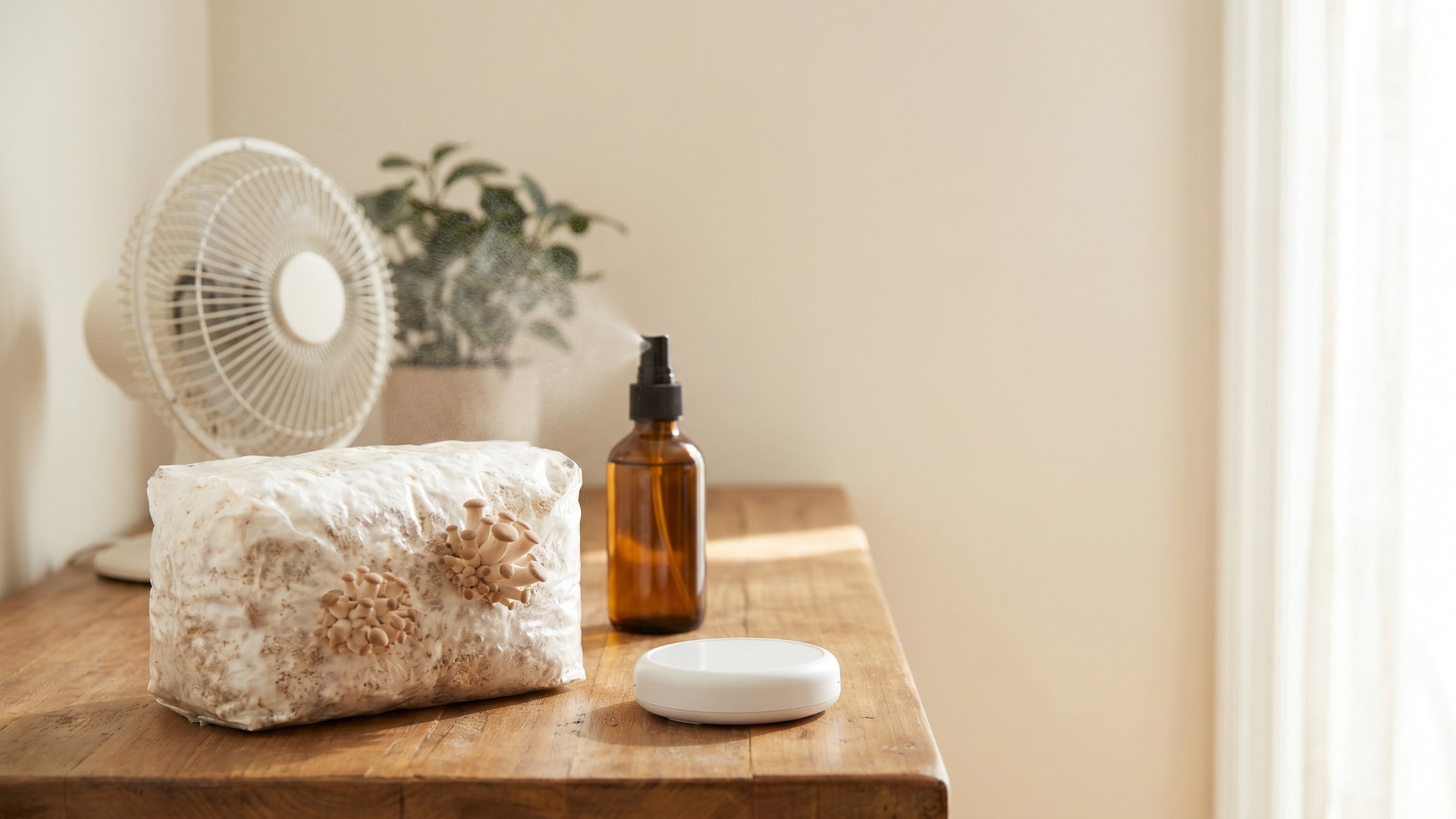
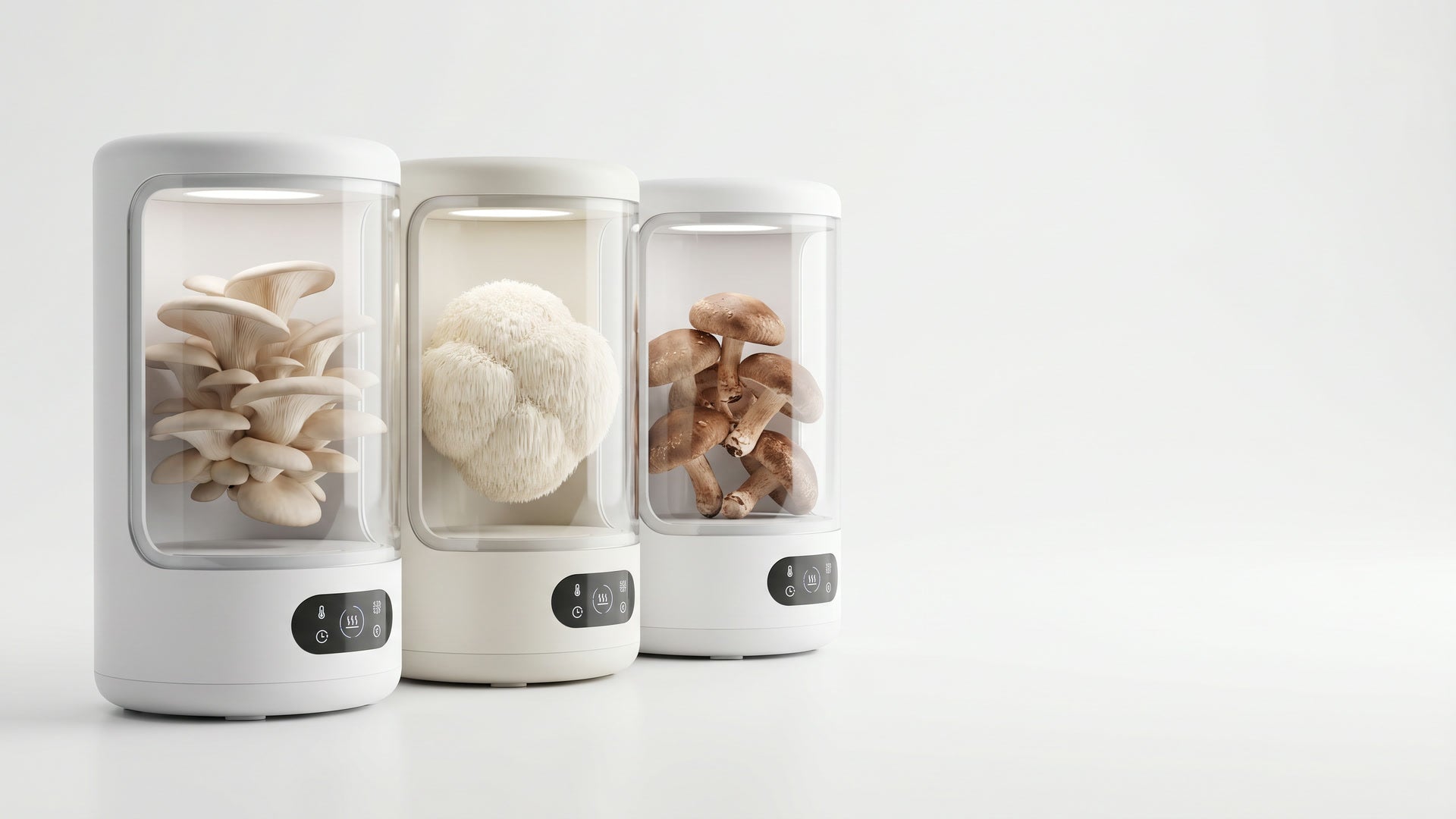
Smart Chamber. Bone White Single
- 2.8L tank, 90% humidity automatic
- App-controlled, plug-and-play
- 6 lb block ceiling, in stock

Smart Chamber. Obsidian Black Single
- 2.8L tank, 90% humidity automatic
- App-controlled, plug-and-play
- Matte obsidian finish, in stock

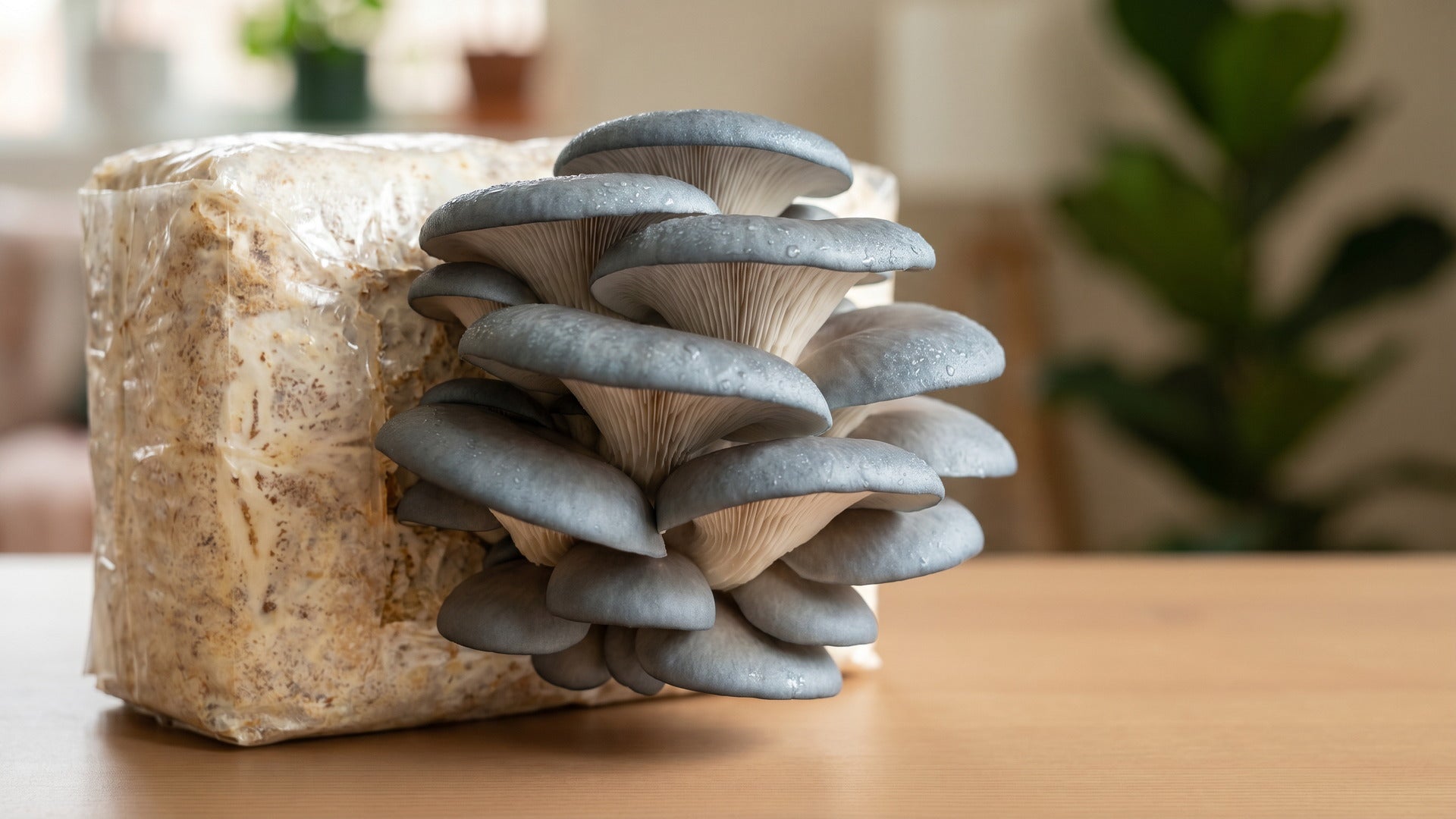
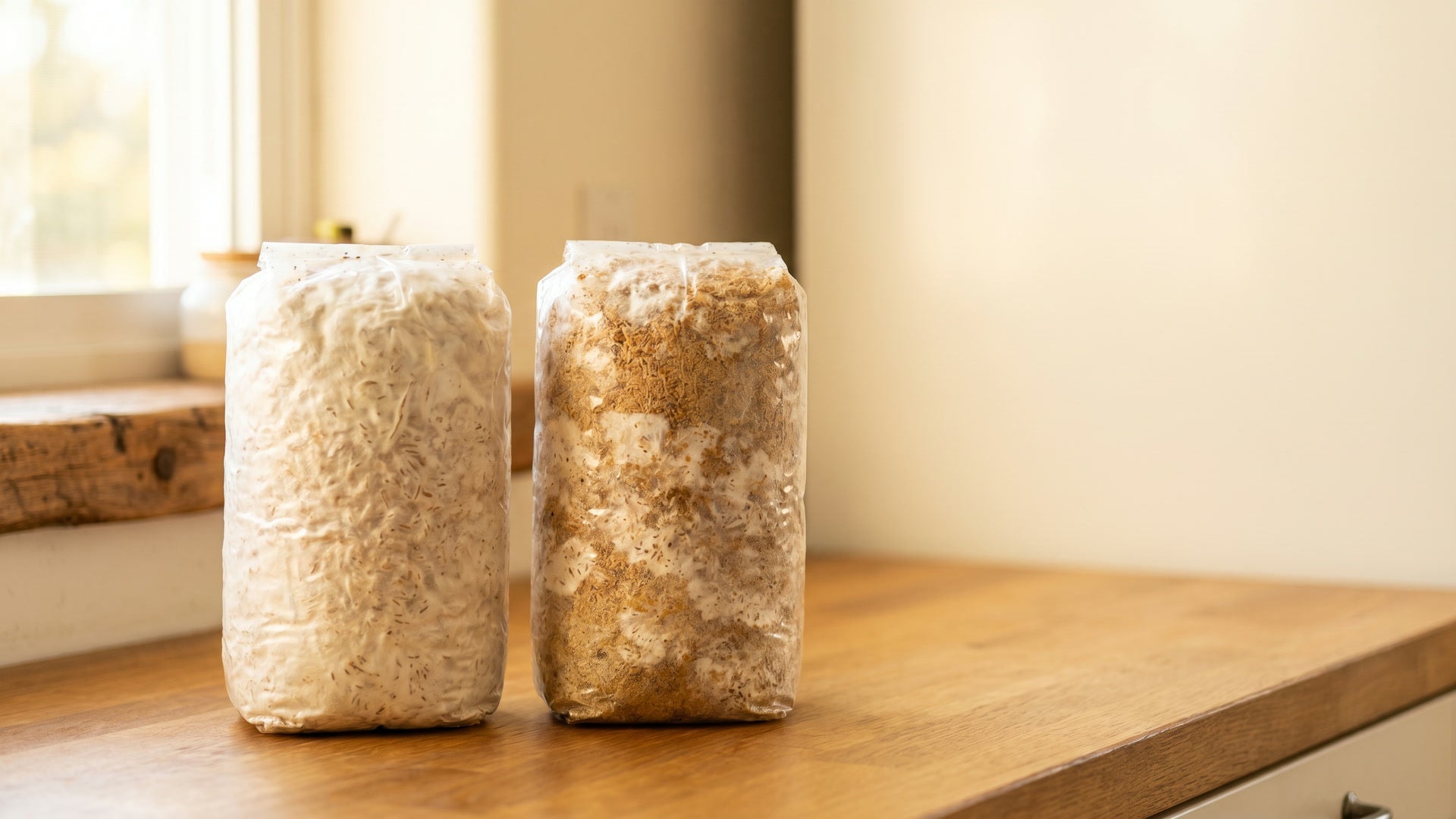
Black Oyster Fruiting Block
- 5 lb colonized hardwood block
- 1-3 day cycle, easy first flush
- Lab-tested strain, in stock
The method
- Start the onions. Heat 1 tablespoon butter and 1 tablespoon olive oil in a large skillet over medium-low. Add the onions and a pinch of salt. Cook 12 to 15 minutes, stirring every few minutes, until they're soft, lightly caramelized, and reduced to about a third of their original volume. Slide them to a plate.
- Brown the mushrooms. Wipe out the pan, return it to medium-high heat, and add 2 tablespoons butter and 1 tablespoon olive oil. Once the butter foams, add the mushrooms in a single layer (cook in batches if you must). Don't stir for the first 3 minutes. Let them sit in contact with the hot pan and develop a crust.
- Continue cooking. Stir or toss the mushrooms once, then cook another 4 to 5 minutes, stirring occasionally, until they're deep golden on the cut surfaces.
- Add garlic and thyme. Sprinkle in the garlic and thyme. Stir for 30 seconds.
- Combine. Return the onions to the pan. Add the balsamic vinegar (or sherry). Stir to coat. Cook 1 to 2 minutes more, letting the liquid reduce and glaze everything.
- Finish. Off heat, season with salt and pepper. Scatter with parsley if using.
Why the steps matter
Onions go first because they need time
Onions release water, then sugar, then start to caramelize. That arc takes 12 to 15 minutes at medium-low. You can't rush it without burning the edges before the centers soften. Cooking the onions first also clears the pan for the mushrooms, which need every square inch.
Mushrooms go second because they need a hot, dry pan
Fresh mushrooms are 90 percent water. Drop them into a moist pan with already-cooked onions and they steam in the runoff. Brown them alone, in a clean hot pan, and you get crisp edges and concentrated flavor. The two-step approach takes 5 extra minutes and is the single biggest upgrade you can make.
Salt goes in at the end
Salt pulls water out of mushrooms within seconds. Salt the raw mushrooms in the pan and they'll release water immediately and stew instead of browning. Salt them after they're golden, when the surfaces are already dry. Same logic for the onions: a small pinch at the start (to help them sweat) is fine, but the bulk of the seasoning waits.
The acid at the end
That tablespoon of balsamic or sherry isn't a sauce. It's a deglaze and a finishing brightness. It pulls up the browned bits and adds a hint of sweetness that ties the onions and mushrooms together.

Fuel Your Mushroom Journey
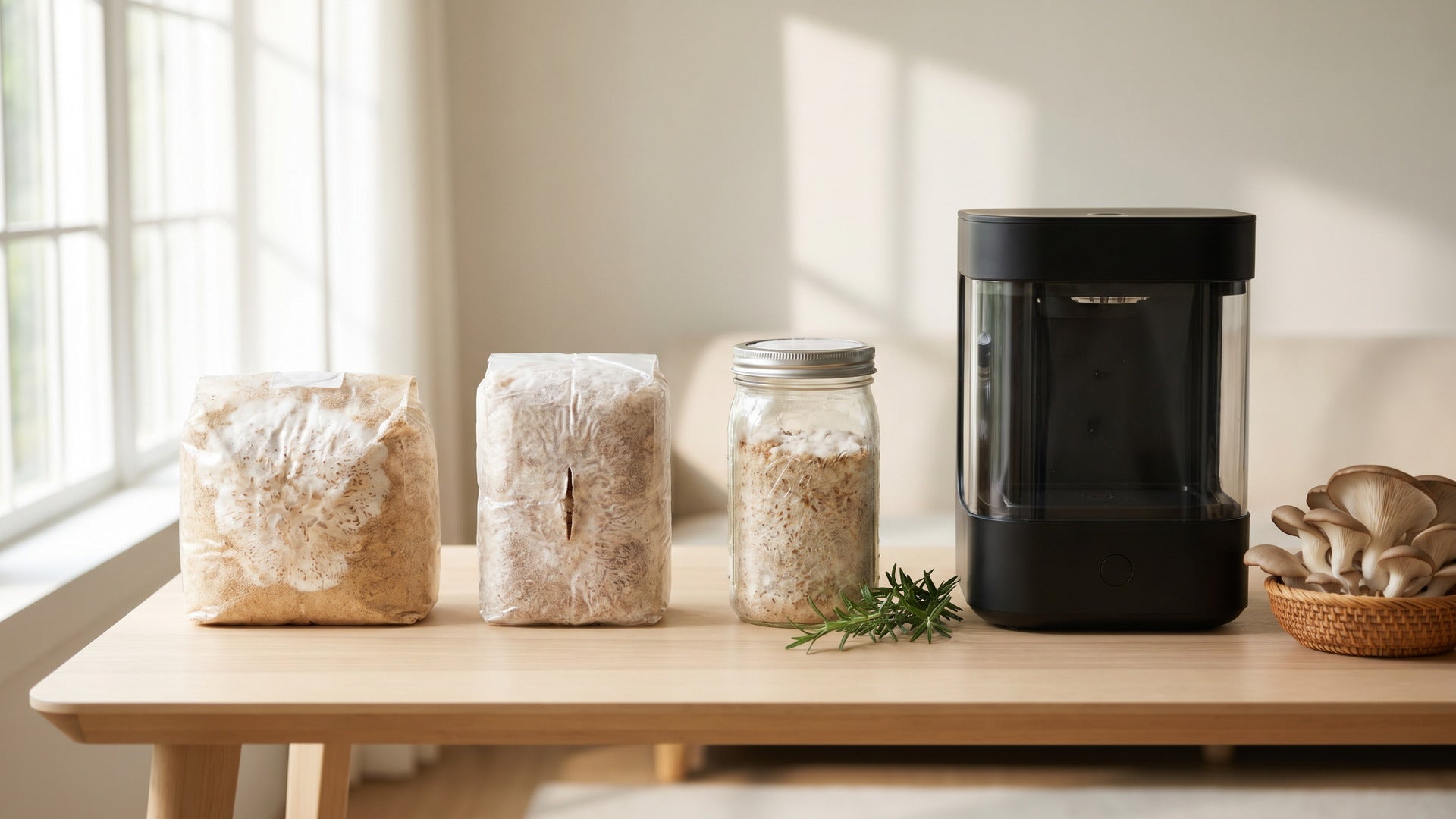
Smart Mushroom Grow Chamber
Plug-and-play smart chamber with humidity, light, and airflow dialed in for every species. Beginners harvest their first flush in days, not months.
Add to cart $299Five variations
French bistro version
Skip the balsamic. Deglaze with 1/4 cup dry red wine, let it reduce by half, then add 1/2 cup beef stock and reduce again until syrupy. Finish with a dab of cold butter. Serve under a steak.
Asian-leaning
Replace olive oil with sesame oil. Skip the thyme. Add 1 tablespoon soy sauce and 1 teaspoon rice vinegar with the garlic. Finish with toasted sesame seeds and sliced scallions. Excellent over rice or noodles.
Smoky and bold
Add 1/4 teaspoon smoked paprika and 1/4 teaspoon ground cumin with the garlic. Use sherry vinegar instead of balsamic. Finish with a squeeze of lemon and chopped fresh cilantro. Good with grilled meats.
Creamy
After combining, add 1/2 cup heavy cream and 1 tablespoon Dijon mustard. Simmer 2 to 3 minutes until thickened. Finish with parsley. Spoon over toast or chicken.
Steakhouse-style with sherry
Use dry sherry instead of balsamic. Add a sprig of fresh rosemary in step 4 (remove before serving). Finish with cracked black pepper and a teaspoon of Worcestershire stirred in off heat.
Choosing mushrooms and onions
Cremini mushrooms (also called baby bella) have more flavor than white button and the same versatility. They're the everyday choice. For something more interesting, mix species:
- Half cremini, half shiitake: meatier, more umami
- Half cremini, half oyster: silkier texture, faster cook
- Wild mix (maitake, king trumpet, cremini): restaurant-style depth
For onions, yellow is the workhorse. Sweet onions (Vidalia, Walla Walla) caramelize faster and end up sweeter, which can be too much next to mushrooms unless you like that. Red onions stain everything pink but taste fine.
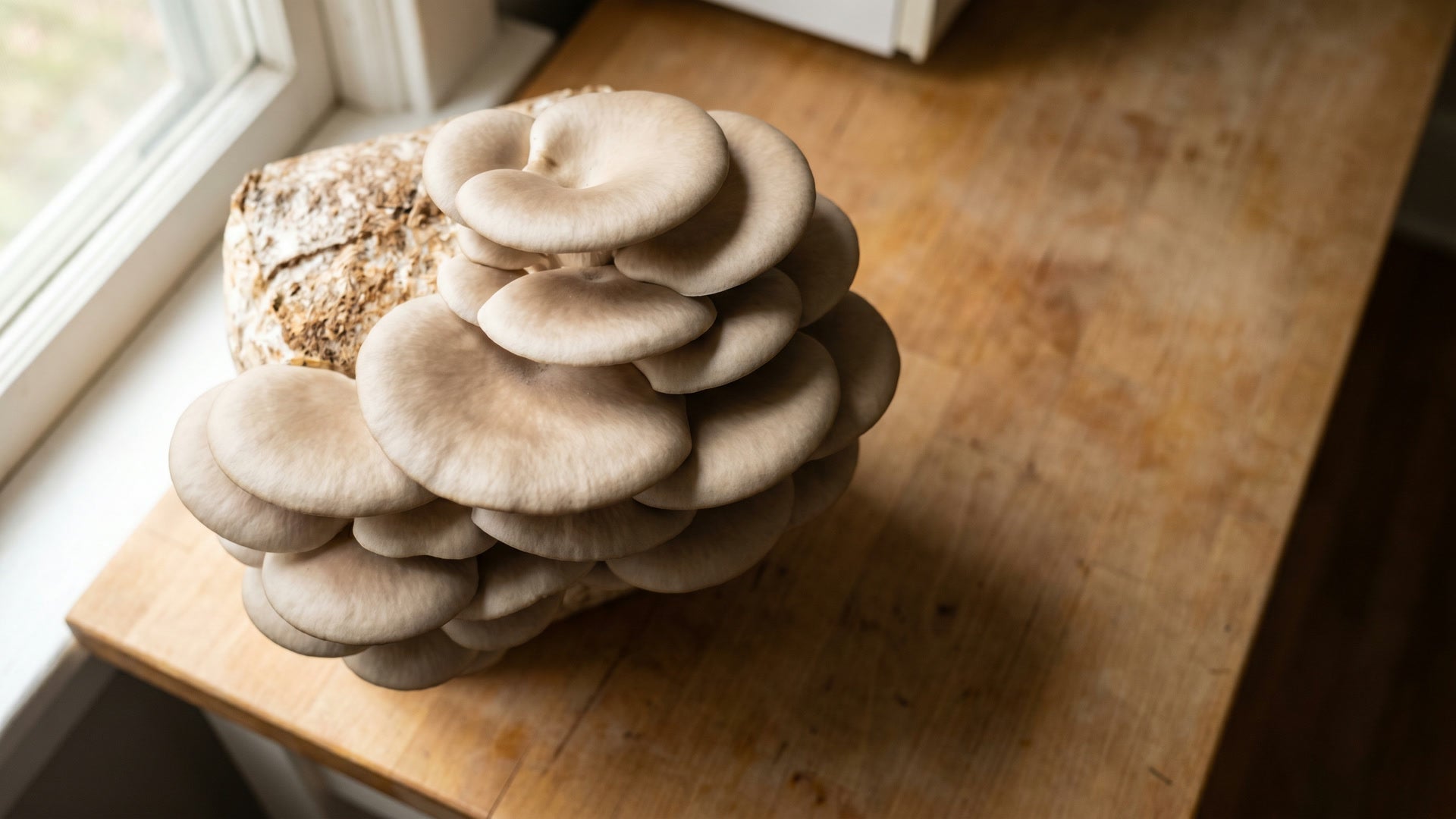
If you grow mushrooms at home using mushroom grow kits, you'll notice fresh-harvested mushrooms have lower water content than supermarket ones. They brown faster (sometimes in half the time) so watch closely and adjust the timing.
What to serve them with
Sauteed mushrooms and onions are a confident sidekick. They go with:
- Steak, especially ribeye or strip
- Roast chicken or pan-seared chicken thighs
- Grilled pork chops
- Burgers (smashed, formal, veggie, all work)
- Mashed potatoes (pile them on top, no further sauce needed)
- Eggs of any kind: scrambled, fried, omelet, frittata
- Polenta, rice, or pasta as a vegetarian main
- Inside a grilled cheese with Gruyere
Storage and reheating
Cool the cooked mushrooms and onions completely, transfer to an airtight container, and refrigerate up to 4 days. Reheat in a skillet over medium with a splash of water or stock for 3 to 4 minutes, stirring. The microwave works in a pinch but the texture is better on the stovetop.
Freeze for up to 3 months. The mushrooms lose some texture in the freezer but the flavor holds, so they work best in soups, pasta sauces, or fillings after thawing rather than as a stand-alone side.
Common mistakes
- Cooking the onions and mushrooms together from the start. The onions release too much moisture and the mushrooms steam. Always brown separately, combine at the end.
- Crowding the pan. If the mushrooms touch each other and the pan, they brown. If they pile up, they steam. Two batches is fine.
- High heat for the onions. They burn before they soften. Medium-low and patience.
- Low heat for the mushrooms. They drown in their own water. Medium-high and don't stir for the first 3 minutes.
- Salting too early. Pulls water, prevents browning. Season after they're golden.
- Forgetting the acid. Without the balsamic or sherry, the dish is good but flat. The hit of acid at the end makes everything sing.
Make this once at the right heat, with the right timing, and you'll never go back to the steamed-mushroom version. It earns its place on the table.
Share:
Puffball Mushrooms: Foraging, Safety, and Cooking
Puffball Mushrooms: Foraging, Safety, and Cooking