


Trumpet mushrooms, scientifically known as Pleurotus eryngii, represent the crown jewel of the oyster mushroom family. These impressive fungi have captured the attention of home cooks, professional chefs, and health enthusiasts worldwide for their remarkable meaty texture, versatile culinary applications, and exceptional nutritional profile. Whether you're interested in growing your own or simply want to master cooking techniques, this comprehensive guide covers everything you need to know about these extraordinary mushrooms.

Understanding Trumpet Mushrooms: Nature's Culinary Marvel
Trumpet mushrooms are the largest species in the oyster mushroom genus, noted by their thick white stems and golden brown caps that are somewhat flat. Their distinctive trumpet-like shape is made up of a brown cap and a white stem that can grow to be 6 to 8 inches long and up to 2 inches wide. What sets these fungi apart from their oyster mushroom cousins is their substantial size and incredibly dense, meaty texture that has earned them the nickname "vegetarian scallops."
The Many Names of Trumpet Mushrooms
These versatile fungi go by several names in culinary circles, including king trumpet mushrooms, king oyster mushrooms, French horn mushrooms, eryngii, and trumpet royale. Their species name is derived from the fact that it grows in association with the roots of Eryngium campestre or other Eryngium plants, commonly known as sea holly or eryngo.
Origins and Natural Habitat
Trumpet mushrooms are native to Mediterranean regions of Europe, the Middle East, and North Africa, but also grown in many parts of Asia. Unlike other oyster mushroom varieties that primarily grow on decaying wood, trumpet mushrooms are also weak parasites on the roots of herbaceous plants in the carrot family (Apiaceae), making them unique within their genus.
Nutritional Profile and Health Benefits
Trumpet mushrooms aren't just delicious, they're nutritional powerhouses packed with essential vitamins, minerals, and bioactive compounds that support overall health and wellness.
Key Nutritional Components
These remarkable fungi are excellent sources of protein, dietary fiber, potassium, and vitamin D. Several studies have shown it could help manage high cholesterol, diabetes, and obesity, among other conditions. Their low calorie content combined with high protein makes them ideal for weight management and muscle building.
Immune System Support
Trumpet mushrooms may contain chemicals that stimulate the immune system, making them valuable additions to a health-conscious diet. The beta-glucans found in these mushrooms are particularly noted for their immune-enhancing properties.
Cholesterol Management
Dietary intake of trumpet mushrooms may function as cholesterol-lowering dietary agent, supporting cardiovascular health through natural compounds that help regulate blood lipid levels.
Growing Trumpet Mushrooms at Home
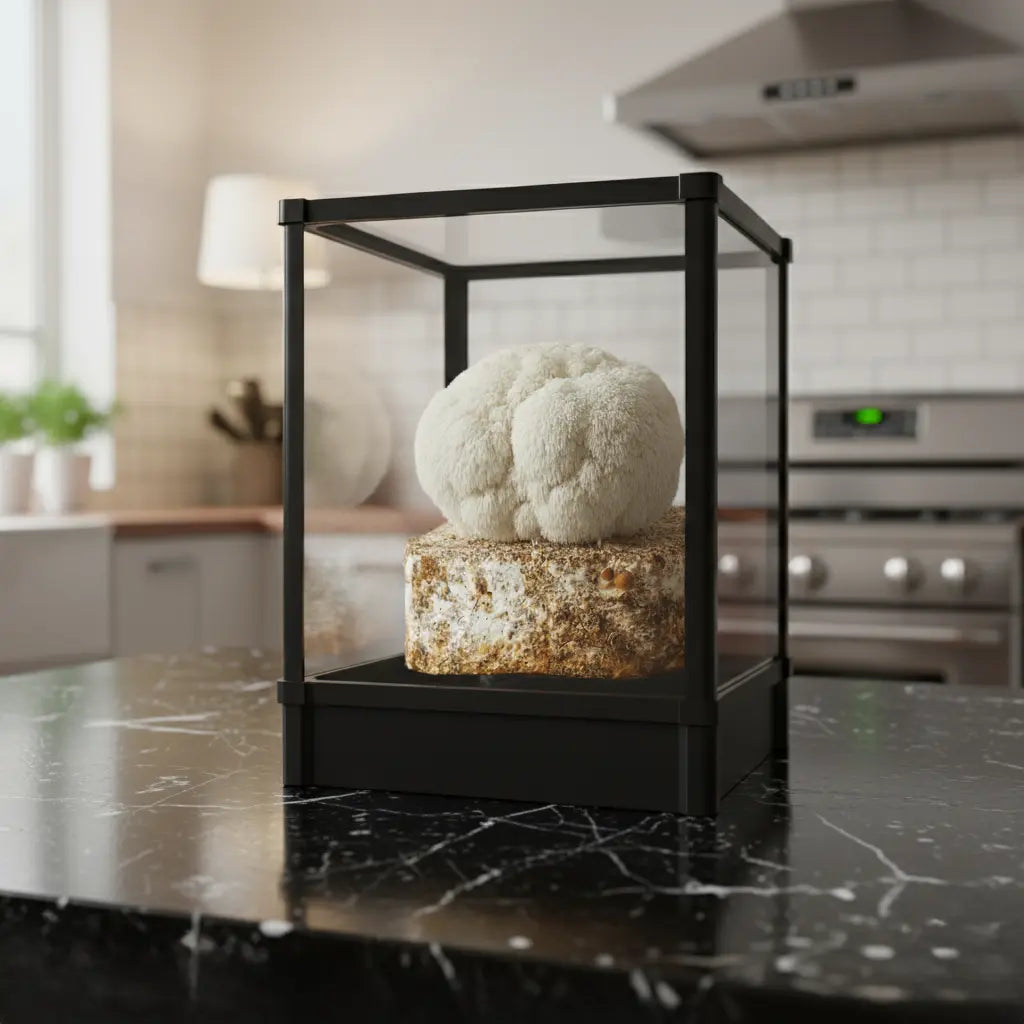
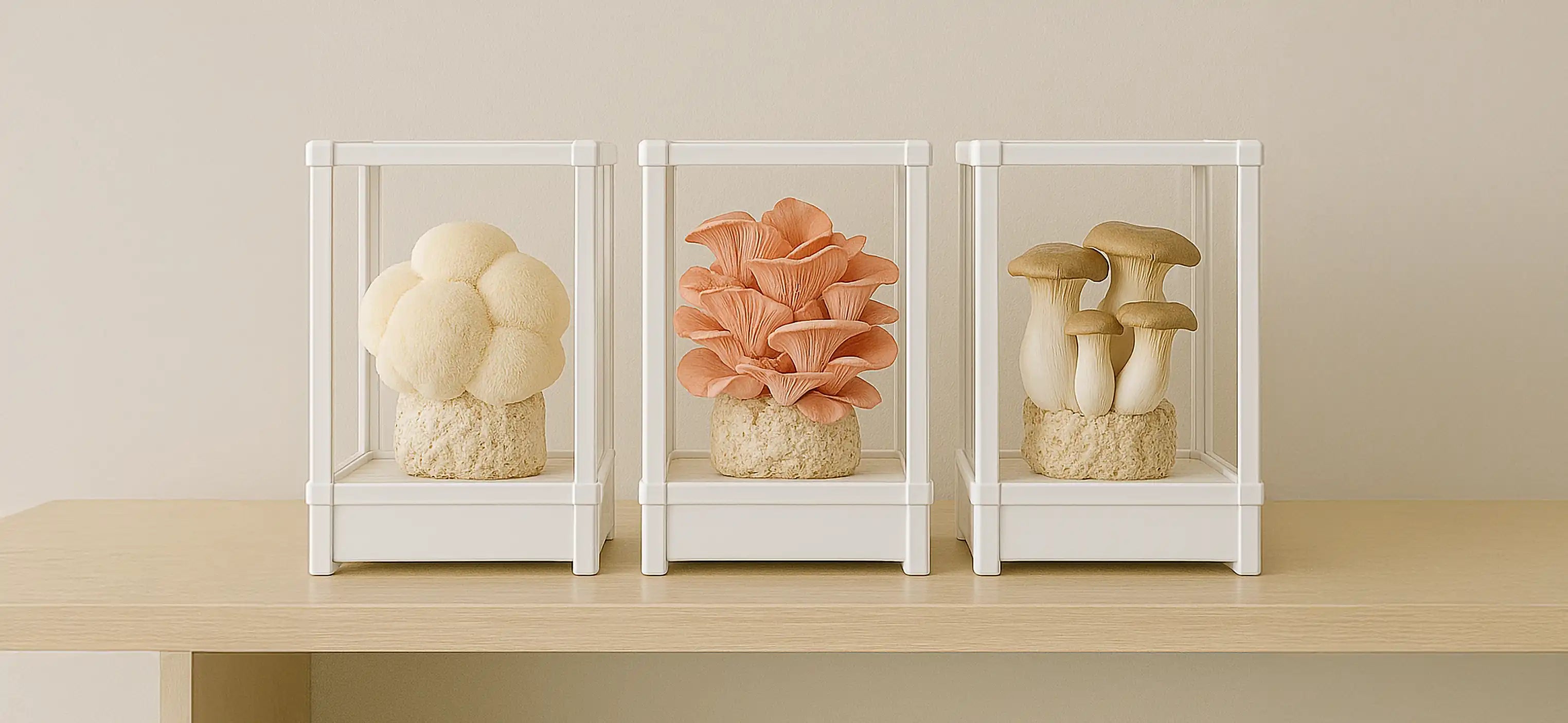
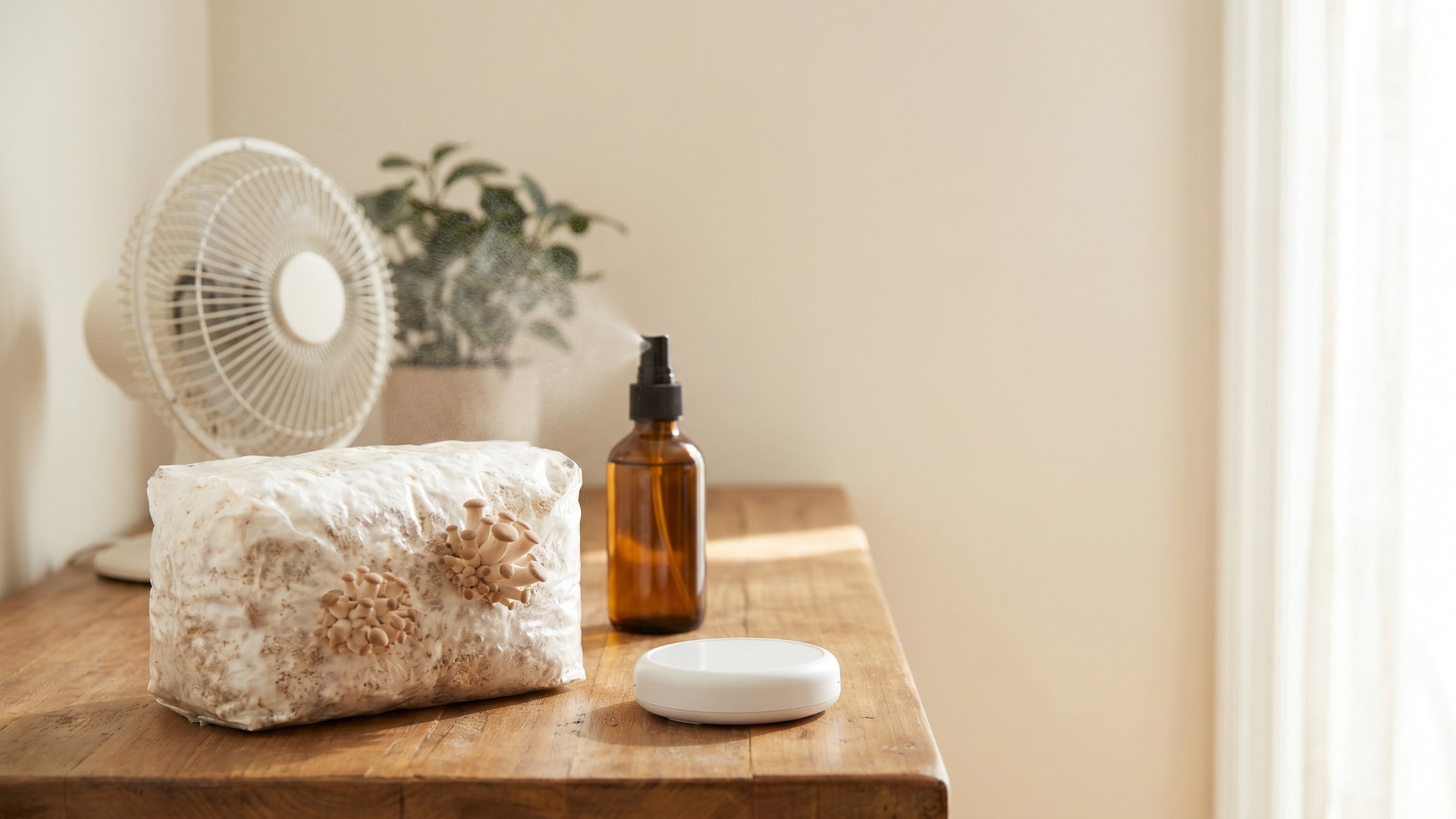
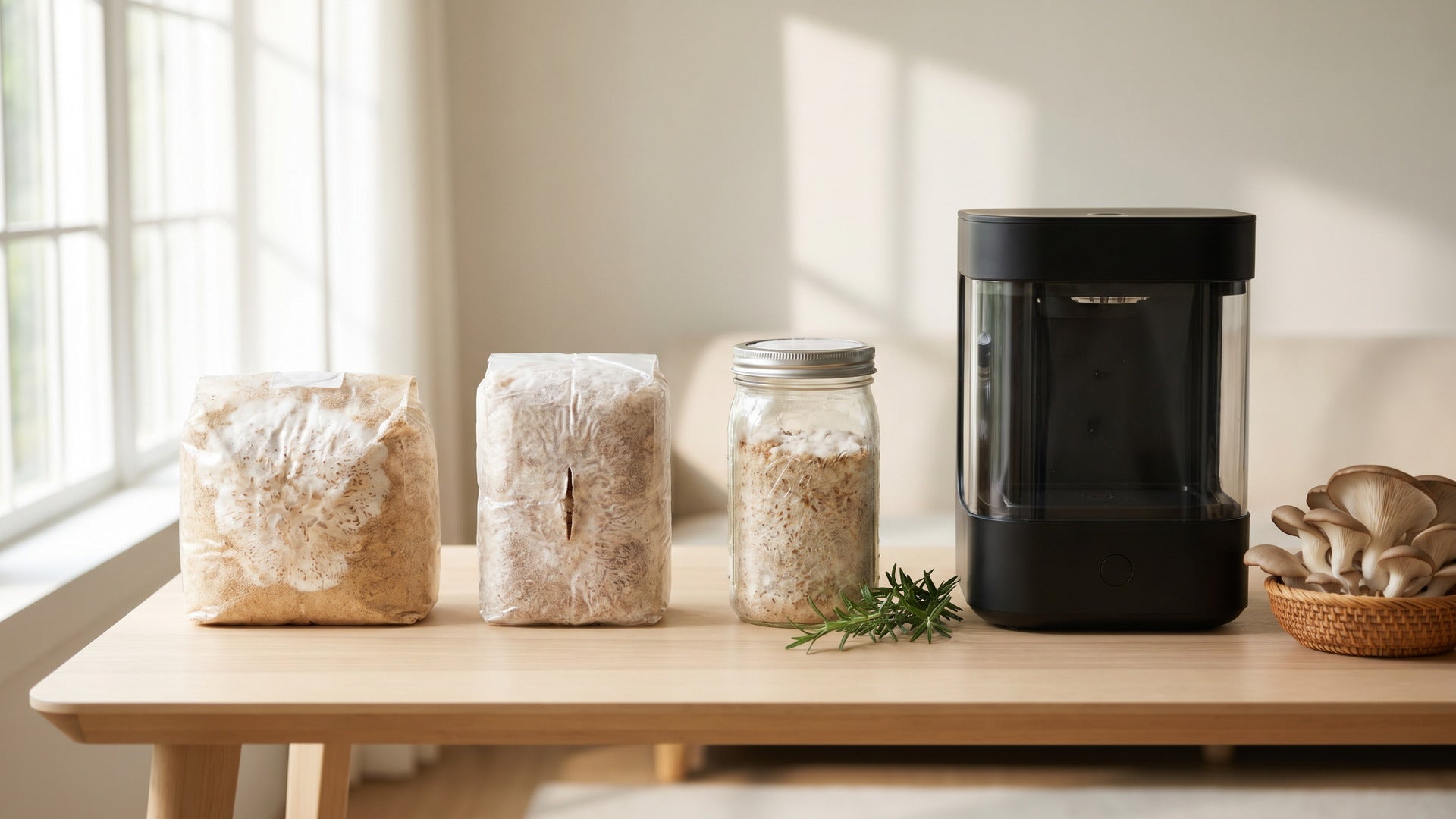
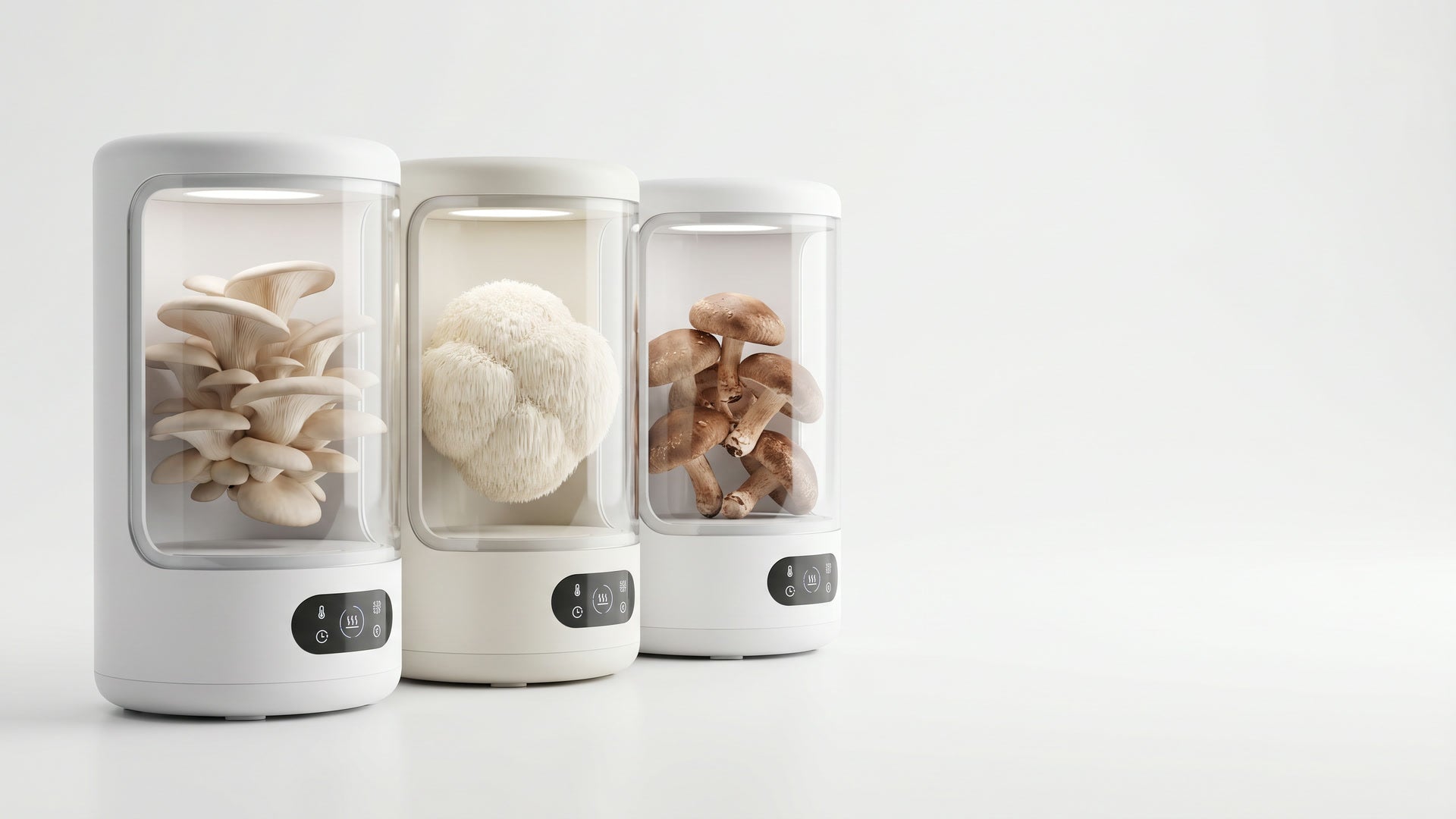
Growing trumpet mushrooms at home has become increasingly popular among mushroom enthusiasts, thanks to modern growing technology and controlled environment systems. The Lykyn Smart Mushroom Grow Chamber represents the cutting edge of home mushroom cultivation, offering precise environmental control that makes growing trumpet mushrooms accessible to everyone.
Optimal Growing Conditions
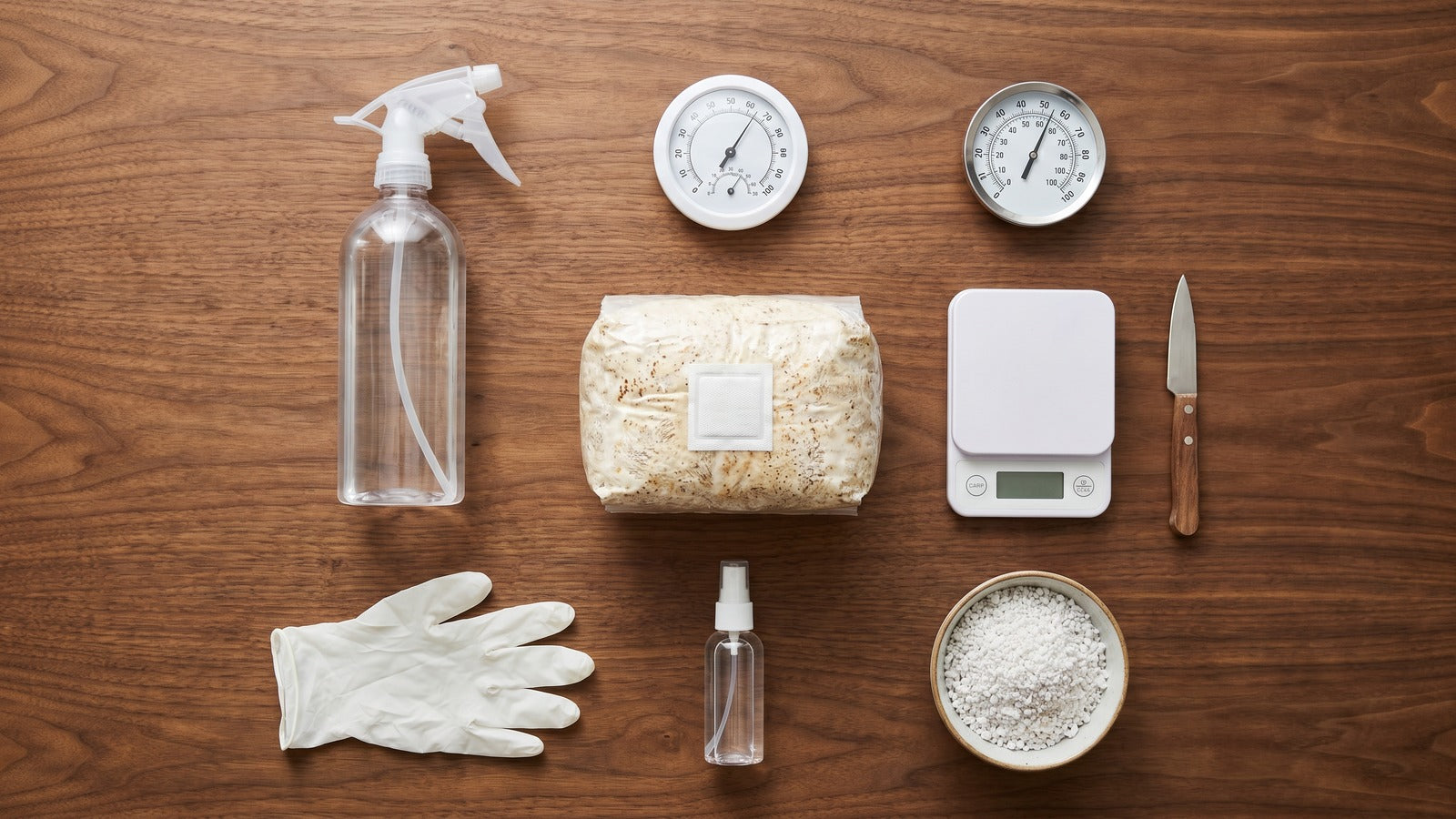
Fruiting time depends on both temperature and humidity with ideal conditions sitting at a temperature of 15 to 18 degrees Celsius and a humidity of 80 to 90 percent. These specific requirements make controlled environment growing systems essential for consistent success.
Professional Growing Setup with Lykyn Technology
The Lykyn Smart Grow Chamber eliminates the guesswork from trumpet mushroom cultivation by automatically maintaining perfect humidity levels, airflow, and environmental conditions. This advanced system features ultrasonic humidification, variable speed fans, and smart sensors that continuously monitor and adjust growing conditions for optimal mushroom development.
Harvesting and Timing
The timing of the harvest largely depends on the preference of the cultivator. Younger mushrooms typically offer more desirable textures and flavors while older mushrooms provide the prized large stems that are characteristic of trumpet mushrooms. When harvesting trumpet mushrooms, the mushroom is removed at the base of the stem and stored in clusters to increase shelf life.
Culinary Techniques and Cooking Methods
Trumpet mushrooms have revolutionized vegetarian and vegan cooking with their remarkable ability to mimic the texture and satisfaction of seafood and meat dishes. Their dense, meaty structure makes them incredibly versatile in the kitchen.
Preparation Basics
The entire mushroom is edible from cap to stem, making trumpet mushrooms exceptionally economical. To clean your mushrooms it's best to avoid washing them under the tap, as the moisture can be absorbed and result in a soggy shroom. Instead brush any dirt off and wipe with damp kitchen paper.
Slicing Techniques for Different Applications
Their large size makes them a versatile pick for slicing and serving in any number of ways from large-to-small dice to slicing lengthwise to shredding. When its thick stem is sliced crosswise, the result can appear just like scallops, opening up exciting possibilities for plant-based seafood alternatives.
Scoring for Even Cooking
The wide surface area of the stems also makes it possible for the mushrooms to be scored with a fine cross-hatch pattern like a duck breast. Scoring the cut side of trumpet mushrooms allows them to cook much faster and evenly, as well as soak up all the flavor from the cooking oil or butter.
Popular Cooking Methods
Searing and Pan-Frying
Heat 1 tablespoon of olive oil in a large skillet over medium heat. Place mushrooms cut side down in the sauté pan and cook for 3 to 5 minutes or until the scored side starts to become golden-brown. The key to perfect searing is patience, allow the mushrooms to develop a golden crust before flipping.
Grilling Applications
When grilled, halved trumpets take on all the smoky flavor of the Japanese charcoals, melt into a soft texture while still retaining all their moisture. This makes them perfect for outdoor cooking and barbecue applications.
Pulled Mushroom Technique
Pulled, shredded trumpet mushrooms make great sandwich fodder. Sear or grill mushrooms, then when cool enough to handle, using your hands or two forks, pull the mushrooms apart into strings. This technique creates a texture remarkably similar to pulled pork or chicken.
Flavor Profile and Texture Analysis
Trumpet mushrooms have a delicate, nutty flavor and a firm, meaty texture. When cooked, the trumpet's texture mimics seafood, like scallops. Trumpet mushrooms taste like a cross between a portobello mushroom and a maitake, with a distinct juicy nuttiness when cooked.
Raw vs. Cooked Characteristics
It has little flavor or aroma when raw. When cooked, it develops rich umami flavor and a meaty texture. It is ok to eat oyster mushrooms raw, however this isn't the best way to enjoy them as they can be slightly chewy with a bland, mildly metallic taste.
Umami Development
The transformation that occurs during cooking is remarkable. Their flavor is mild, but it intensifies as they cook, developing deep umami notes that enhance any dish they're added to.
Storage and Shelf Life
Fresh mushrooms keep for up to 10 days in the fridge while dried mushrooms keep for 6 months. If you have bought your trumpet mushrooms loose from the market, keep them in the paper bag they came in, which will absorb any moisture that is released as they sit in the fridge.
Proper Storage Techniques
Or if they are in a box from the supermarket, remove the cellophane to stop them from turning slimy and keep them in the cardboard container. Refrigerated oyster mushrooms should keep for a few days, or up to a week.
Freezing Considerations
While they can survive being frozen it's best not to put them in the freezer as this can greatly impair their flavour. However, frozen sautéed mushrooms will keep for up to one month, making pre-cooking an excellent preservation strategy.
Restaurant and Chef Applications
Given their chewy taste, resilient texture, and grand size, trumpet mushrooms are valued by chefs and are a favorite addition to many recipes. Wherever you are in the world, you'll find them high on the list of mushrooms used by chefs, whether for home-cooked meals or fancy restaurant dinners.
Professional Cooking Techniques
For something like a stir-fry you'll want to pre-cook the mushrooms and get them golden brown, adding them with the vegetables later. This prevents the mushrooms from releasing excess moisture and ensures optimal texture in finished dishes.
Menu Integration
You might catch trumpet mushrooms on the menu of most yakitori joints, and with good reason, demonstrating their versatility across different culinary traditions.
Varieties and Species Classification
There are five distinct varieties of the king trumpet mushroom, each with slightly different characteristics and growing requirements. P. eryngii is a species complex, and a number of varieties have been described, with differing plant associates in the carrot family (Apiaceae).
Global Cultivation Impact
P. eryngii making up 30% of the Korean edible mushroom market since its introduction in 1995, highlighting the commercial importance and consumer acceptance of these mushrooms worldwide.
Sustainable Growing and Environmental Benefits
They may also be cultured on organic wastes, making trumpet mushrooms an environmentally sustainable food choice that can help reduce agricultural waste while producing high-quality protein.
Natural Pest Control Properties
They are also an NTF, nematode-trapping fungi, that survives by trapping and digesting nematodes working as a natural pesticide. This unique characteristic makes them valuable in sustainable agriculture systems.
Conclusion: Embracing the Trumpet Mushroom Revolution
Trumpet mushrooms represent more than just another ingredient, they're a gateway to sustainable, nutritious, and incredibly satisfying plant-based eating. Whether you're growing them at home with advanced technology like the Lykyn Smart Grow Chamber or sourcing them from local markets, these remarkable fungi offer endless culinary possibilities.
From their impressive nutritional profile to their chameleon-like ability to transform into convincing meat and seafood alternatives, trumpet mushrooms are reshaping how we think about plant-based cooking. Their substantial texture, rich umami flavor, and versatile applications make them essential ingredients for anyone serious about expanding their culinary horizons.
As the popularity of home mushroom cultivation continues to grow, investing in quality growing equipment ensures you can enjoy fresh, homegrown trumpet mushrooms year-round while exploring the fascinating world of fungi cultivation.
Share:
Do Mushrooms Need Light to Grow: Understanding the Lighting Requirements for Fungal Cultivation
Oyster Mushroom Recipes: 15 Delicious Ways to Cook These Versatile Fungi