


Turkey tail mushroom for dogs has moved from niche herbalist circles into mainstream veterinary conversations, and for good reason. A small but well-cited 2012 University of Pennsylvania study tracked dogs with hemangiosarcoma, an aggressive canine cancer, and found that those given a concentrated turkey tail extract called PSP lived noticeably longer than the untreated group. That single study is not a cure, but it kicked off a decade of follow-up research that is still ongoing.
Turkey tail (Trametes versicolor) is one of the most studied medicinal mushrooms in human oncology. Its main active compounds, polysaccharide-K (PSK) and polysaccharopeptide (PSP), are approved cancer adjuvants in Japan. For dogs, the active interest sits in immune support, gut health, and supportive care during chemotherapy. This article walks through what the science actually shows and how owners use turkey tail safely.
What turkey tail mushroom is
Turkey tail is a thin, fan-shaped polypore that grows on dead hardwood logs. The cap shows concentric bands of brown, tan, gray, and white that resemble a wild turkey's tail feathers. It is found across North America, Europe, and Asia, and is one of the easiest medicinal mushrooms to identify in the wild thanks to its distinct ringed cap and white pore surface.
The bioactive content lives in the cell walls. Beta-glucans, PSK, and PSP are the headline compounds, and they cannot be released by chewing alone. Turkey tail must be prepared as a hot-water extract or a dual extract, which is how every reputable veterinary supplement is made.

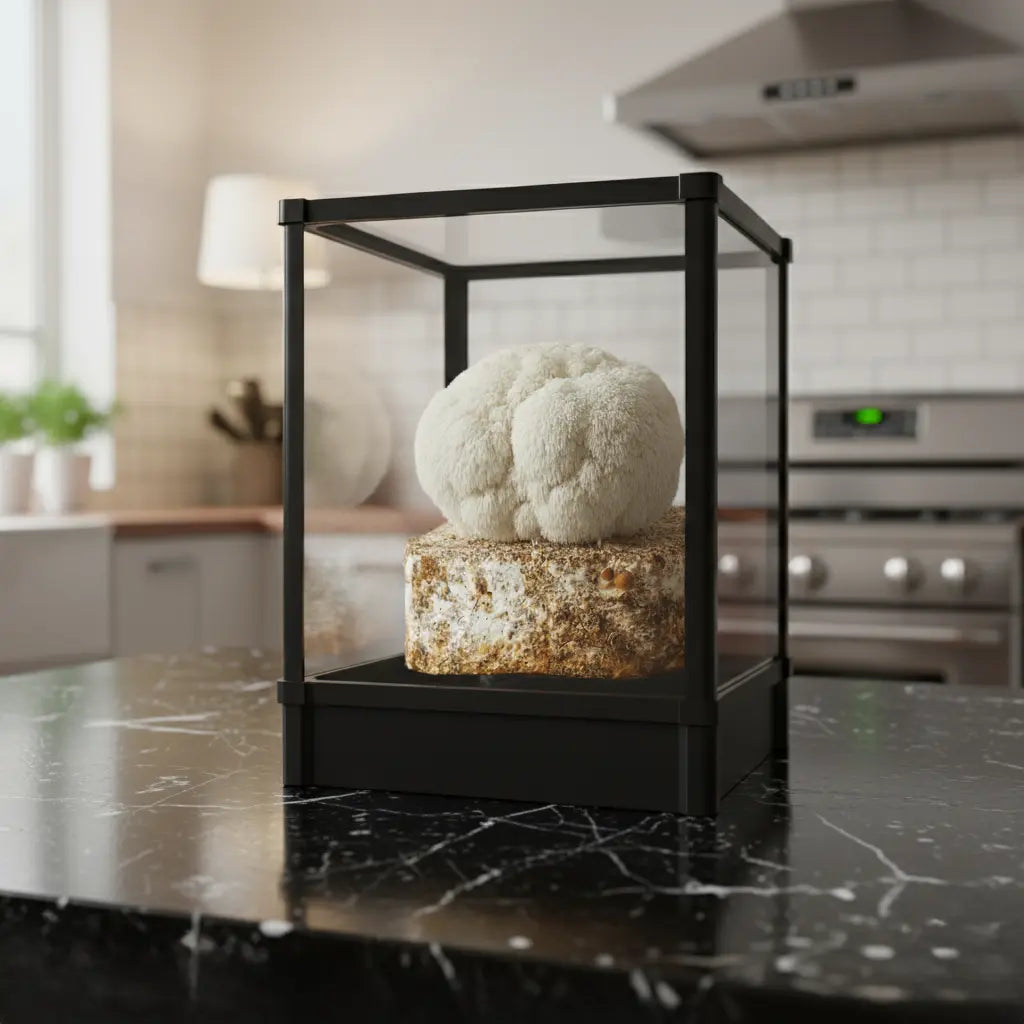
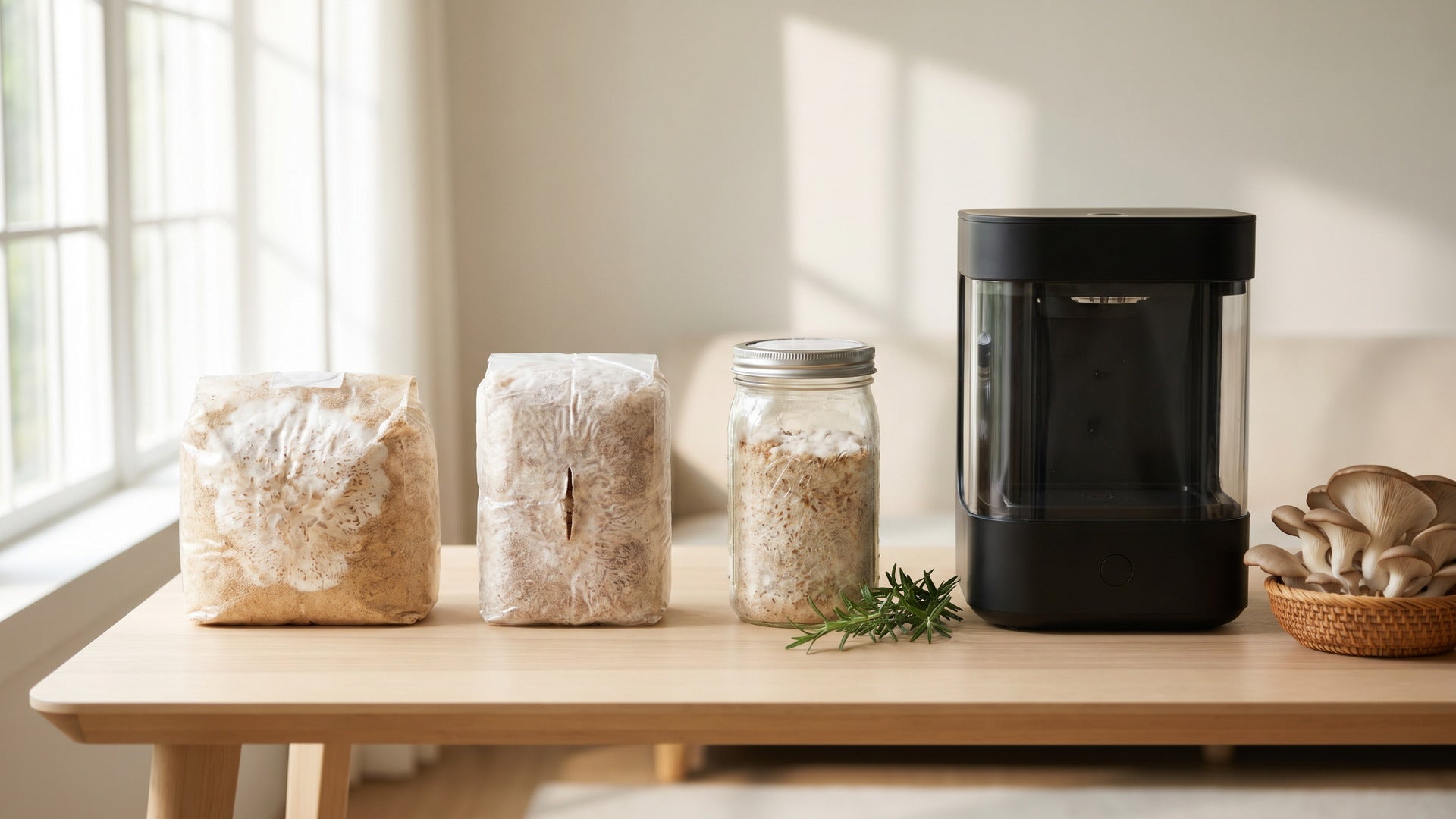
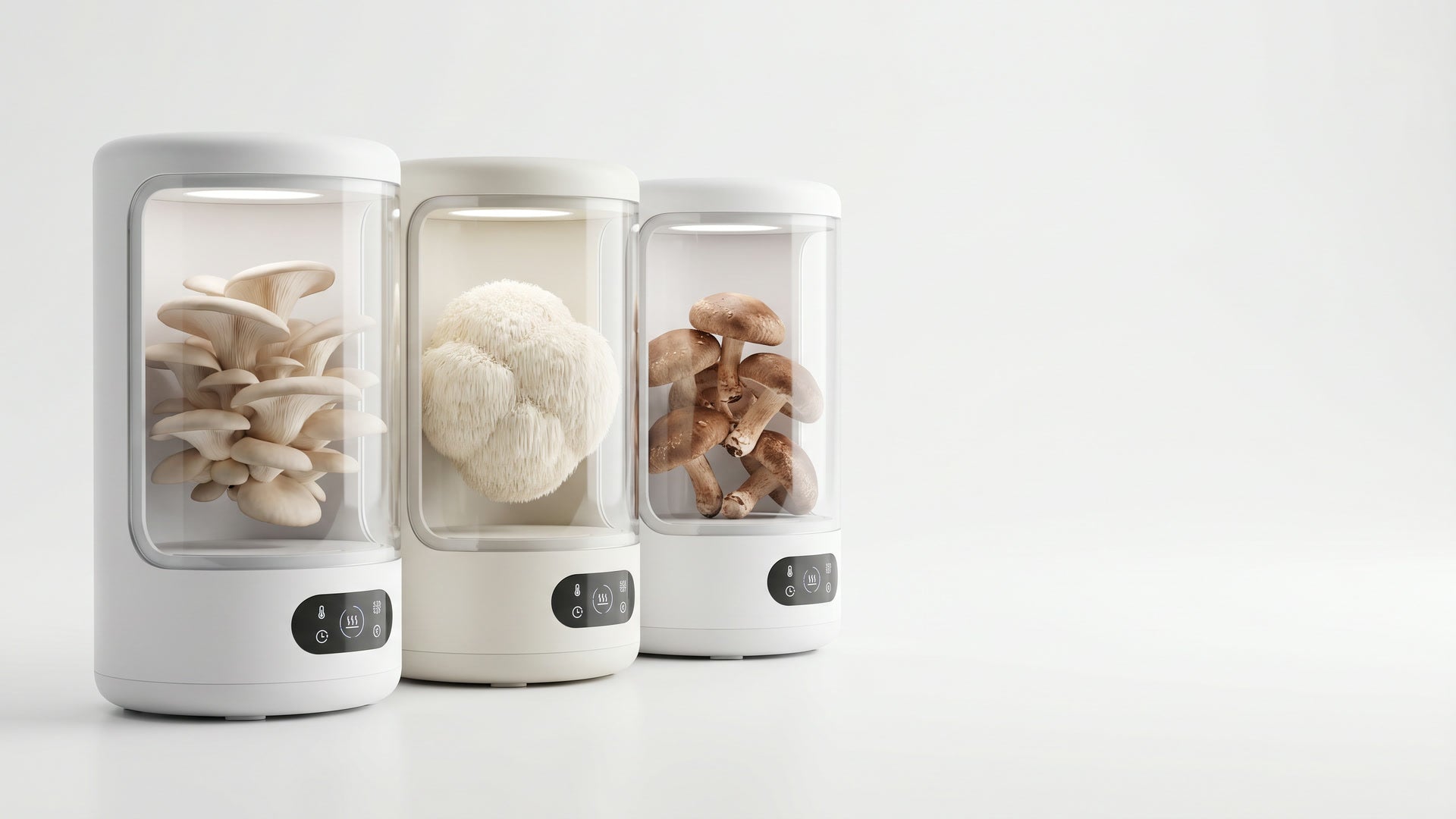
Smart Chamber. Bone White Single
- 2.8L tank, 90% humidity automatic
- App-controlled, plug-and-play
- 6 lb block ceiling, in stock

Smart Chamber. Obsidian Black Single
- Same hardware as Bone White
- Matte black premium finish
- Pairs with any kitchen palette

Why owners give turkey tail to their dogs
Three main reasons drive turkey tail use in dogs:
- Immune support, especially in aging dogs or dogs recovering from illness
- Supportive care during cancer treatment, alongside conventional veterinary oncology
- Gut health, since beta-glucans act as prebiotics that feed beneficial gut bacteria
The cancer use case is the most discussed, but immune and gut support are the more common day-to-day reasons owners reach for it.
What the research actually shows
The 2012 Penn Vet study, published in Evidence-Based Complementary and Alternative Medicine, gave dogs with splenic hemangiosarcoma a PSP supplement at three different dose levels after surgery. The median survival time in the highest-dose group was 199 days, compared to 86 days reported in the published literature for surgery alone. That is a meaningful jump for one of the most aggressive cancers dogs face.
Outside of that study, the human literature on PSK and PSP is much larger. PSK has been used in Japan since 1977 as an approved adjunct cancer therapy. Multiple meta-analyses link it to improved five-year survival rates in gastric, colorectal, and breast cancer when added to conventional treatment. Dogs share enough physiology with humans that veterinary oncologists treat the human data as relevant background, while acknowledging the canine-specific studies are still few.

Fuel Your Mushroom Journey
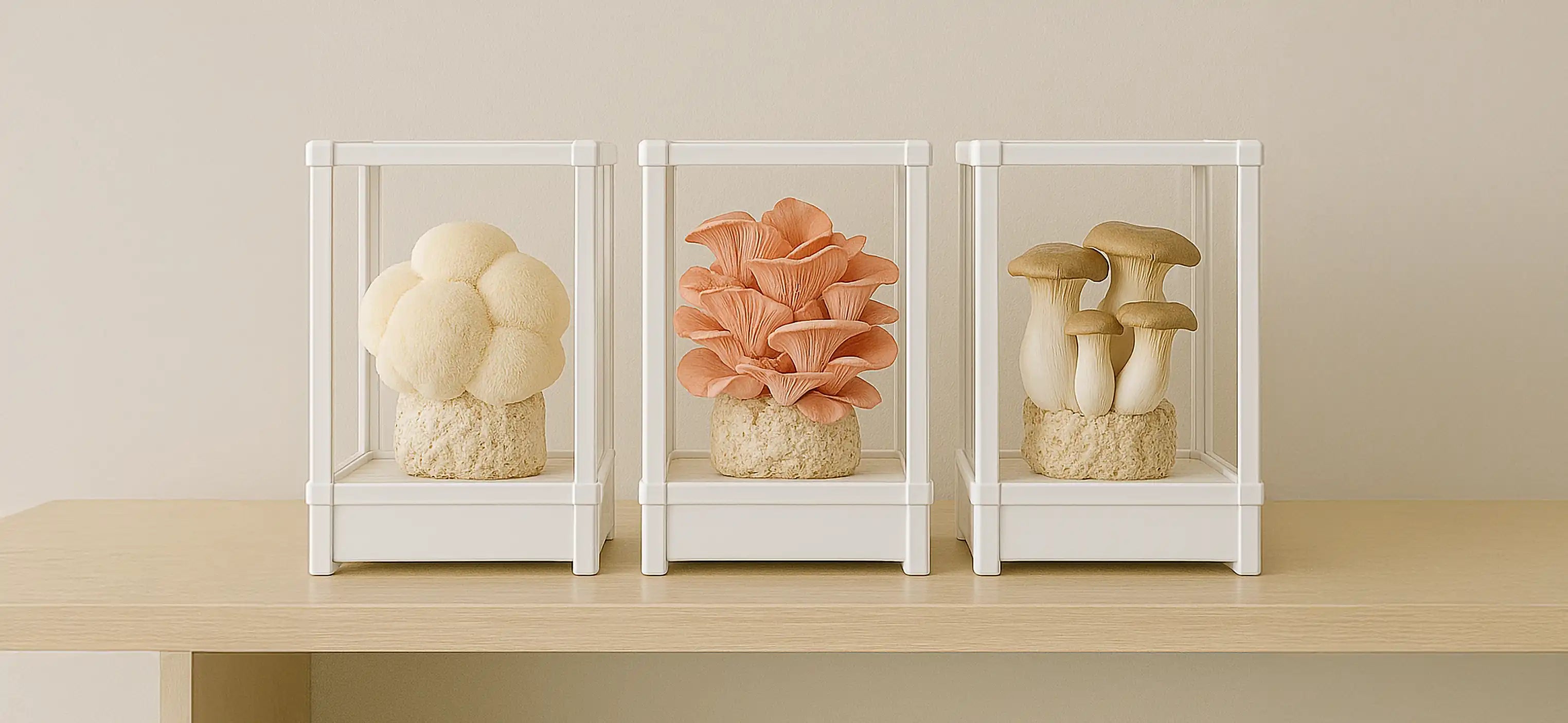
Smart Mushroom Grow Chamber
Plug-and-play smart chamber with humidity, light, and airflow dialed in for every species. Beginners harvest their first flush in days, not months.
Add to cart $299How to give turkey tail to a dog
Most owners use a powdered hot-water extract mixed into food. Capsules and tinctures exist but are less practical for dogs. Look for products that state the beta-glucan percentage on the label rather than just total polysaccharides, since starchy mycelium-on-grain products can inflate the polysaccharide number without delivering the active beta-glucans.
Typical dosing guidance, based on the Penn Vet protocol and common veterinary practice:
- Small dogs (under 25 lb): 50 mg to 100 mg of extract daily
- Medium dogs (25 to 50 lb): 100 mg to 250 mg daily
- Large dogs (50 lb and up): 250 mg to 500 mg daily
Split the daily amount into two meals to keep blood levels even. Always check with your veterinarian, especially if your dog is on medication or undergoing cancer treatment.
Side effects and safety
Turkey tail has a strong safety profile in dogs. Reported side effects are mild and uncommon, mostly involving digestive upset like loose stools when the dose is started too high. Tapering up over the first week usually solves it. Dogs with confirmed mushroom allergies should obviously avoid it, but that is rare.
One real caution: turkey tail is an immune modulator. If your dog is on immunosuppressive medication, for an autoimmune condition or after an organ transplant, talk to your vet before starting. The two work in opposite directions.
What turkey tail will not do
Turkey tail is not a cancer cure. Owners sometimes hear about the Penn Vet study and hope it will replace chemotherapy. The dogs in that study were post-surgery and received turkey tail as a supportive supplement, not as a standalone treatment. Treating turkey tail as a primary cancer therapy and skipping conventional veterinary care has not been shown to extend survival, and in most cases it shortens it.
Turkey tail also will not fix poor diet, lack of exercise, or untreated chronic conditions. Think of it as one supportive piece of a broader health plan, the same way a quality multivitamin works in humans.
Choosing a quality turkey tail product
The supplement market is messy, and dog supplements are even less regulated than human ones. A few things to check:
- The label specifies the species (Trametes versicolor or Coriolus versicolor)
- The product is a hot-water or dual extract, not raw powdered mycelium
- The label states the beta-glucan percentage, ideally above 20%
- Third-party testing for heavy metals and pesticides is documented
If a product only lists total polysaccharides without breaking out beta-glucans, it is usually a mycelium-on-grain product where most of the listed polysaccharide is starch from the substrate, not active mushroom compounds. Skip those.
Talk to your vet first
Turkey tail is generally safe, but every dog is different, and supplements interact with prescription medications more often than owners expect. Bring the bottle to your next vet visit, share the dose you are considering, and let your vet weigh in on timing relative to other treatments. That five-minute conversation is the difference between a supportive supplement and a complication.
Share:
White Mushrooms in Yard: ID, Safety, and What To Do
White Mushrooms in Yard: ID, Safety, and What To Do